The short version
A complete 2026 cost breakdown for the Api Base Camp Trek: permits, guide and porter, far-west flights and drives, food, lodging and our guided package price.
- Our guided package runs $1,790–$2,490 per person, and the far-western logistics — not luxury — are what set that figure.
- Permits are cheap; access is not. The Api Nampa Conservation Area entry is NPR 2,000 plus VAT and a TIMS card is roughly USD 20, but the long flight-plus-drive to Darchula is the real cost driver.
- Budget for camping, not teahouses. The upper trail has no lodges, so a full camping crew (cook, kitchen, porters, tents) is built into the price.
- A licensed guide is essentially mandatory here — the trail is remote, unmarked in places and far from rescue, so this is not a do-it-yourself trek.
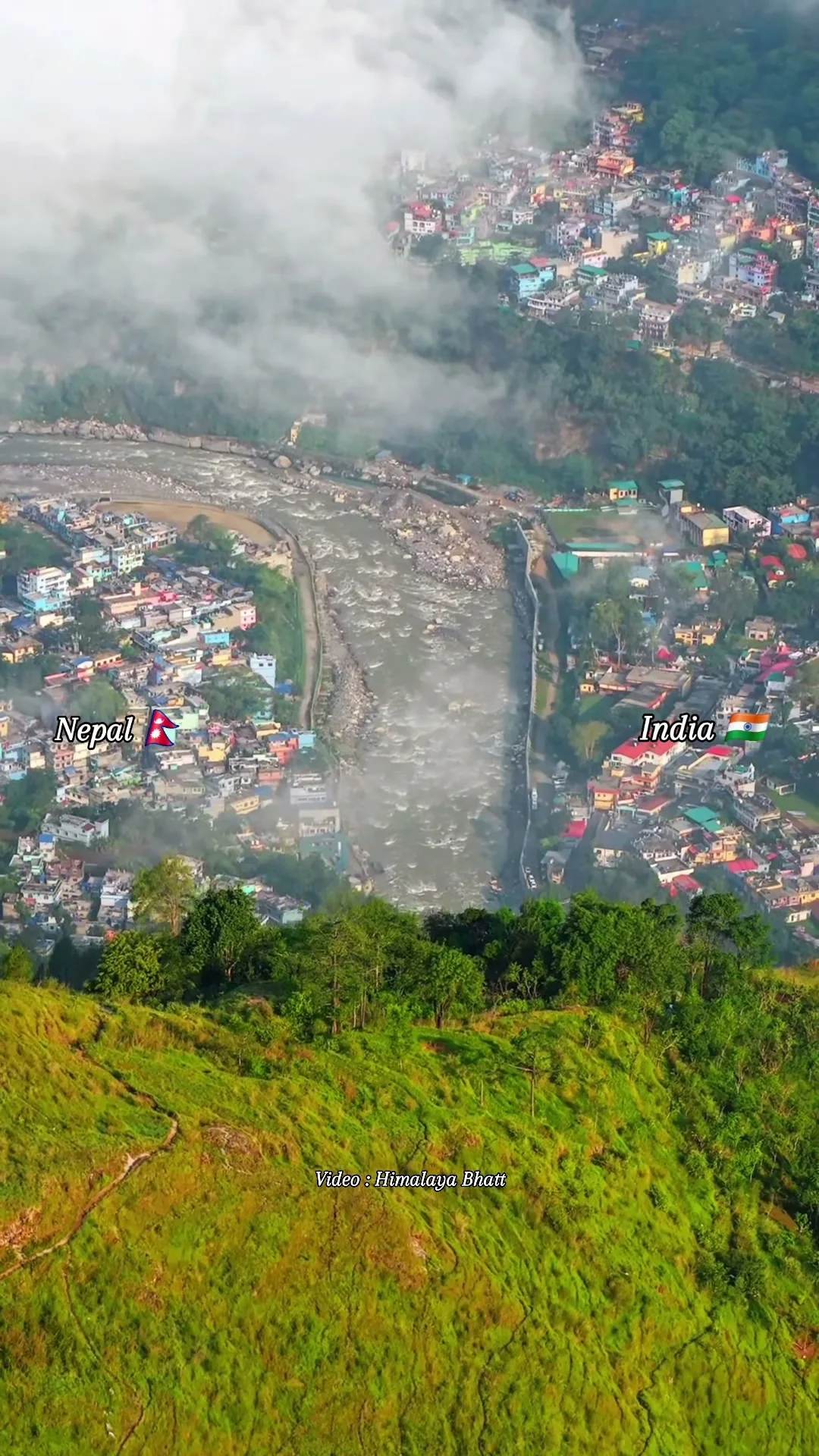
The Api Base Camp Trek is one of the best-value adventures in Nepal if you measure value in solitude rather than rupees saved. It sits in the farthest-western corner of the country, in Darchula district, beneath Mount Api (7,132m) — Nepal's westernmost 7,000-metre peak. Because almost nobody treks here, costing it is genuinely confusing: there are no fixed teahouse menus to price against and very few operators publishing real numbers. We have run far-west itineraries since our founding in 1998, so this guide lays out an honest 2026 budget — every permit, flight, drive, meal and crew wage — and explains why a remote trek like this costs more than an equivalent number of days in the Annapurna region.
Our guided package price, and what drives it
Our Api Base Camp Trek is priced at $1,790 to $2,490 per person over 16 days, with the exact figure depending on group size, season and how much camping support you want. That may look high next to a teahouse trek, but three things push far-western costs up. First, access: there is no short road or flight to a trailhead the way there is for Everest or Annapurna, so you pay for a domestic flight to Dhangadhi plus a very long drive onward to Darchula. Second, logistics: the upper trail has no lodges, so we carry a full camping operation — tents, kitchen, cook and extra porters. Third, scarcity: with limited local infrastructure, everything from fuel to fresh food is hauled in. You can see how these levers move the number on our Nepal trek cost calculator, and the dedicated Api Base Camp Trek 16-day itinerary page lists exactly what each departure includes.
Permits and fees for 2026
The good news for your budget is that the official permits are inexpensive. For 2026 you need two documents. The Api Nampa Conservation Area entry permit costs NPR 2,000 for foreign nationals (plus 13% VAT), payable at the Nepal Tourism Board in Kathmandu or at the conservation area headquarters in Darchula. You also need a TIMS card, which in 2026 costs roughly NPR 2,000 (about USD 20) for individual foreign trekkers and NPR 1,000 each for those booked through a registered agency on a group card. Together these come to well under USD 50 — a rounding error against the trek total. For the wider picture of Nepal's permit system see our 2026 Nepal trekking permits guide and the focused Api Nampa Conservation Area permits article. SAARC nationals pay reduced rates, and fees are always worth reconfirming on the day, as government schedules change.
Guide and porter costs
A licensed guide is, in practical terms, essential on this trek. The trail is remote, faint in places, crosses rivers and is a very long way from any rescue — so we strongly advise against attempting it independently. As a standalone cost, a licensed guide for a 16-day far-western trek typically runs USD 30–40 per day, and porters around USD 15–25 per day each. Because the upper sections are camping, you will also need a cook and kitchen support, which adds further crew. For a self-organised group those wages alone reach roughly USD 600–1,000 before you have paid for a single meal or tent. When the maths is added up, a fully supported package is usually the more economical and far safer route. If you are weighing whether to go guided at all, our piece on whether you need a guide to trek Nepal in 2026 is the place to start.
Domestic transport: flights and the long drive
Getting to the far west is the single biggest reason this trek costs more than a central-Nepal equivalent. The standard approach is a roughly one-hour flight from Kathmandu to Dhangadhi, then an 8–9 hour drive onward to the Darchula area (around Gokuleshwor/Khalanga) where the walking begins. A Kathmandu–Dhangadhi flight typically costs USD 120–180 each way for foreign trekkers, and the private vehicle transfers for a small group add several hundred dollars more once you account for the distance and fuel. A fully overland alternative — driving the whole way from Kathmandu — is cheaper in cash but costs you two or more days each way, so most of our guests fly at least one leg. These transfers, with all the associated days, are bundled into our package price rather than billed as surprises later.
Food and lodging on the trail
This is where Api differs sharply from a teahouse trek. In the lower villages you will find basic teahouses and homestays, where a daily food budget of roughly USD 20–30 is realistic. But beyond the last settlements — particularly as you approach Api Base Camp at around 4,200m — the lodges run out entirely, and accommodation becomes fully supported tent camping. That means we carry tents, a kitchen and a cook, and prepare hot meals on the trail. Camping support is more expensive than buying dal bhat in a lodge, but it is the only way to reach base camp safely. On a guided departure all trail meals and camping are included; if you are pricing it yourself, budget generously for the camping stretches and for resupply, since fresh food is scarce this far out.
Gear and personal kit
Because part of the route is camping at altitude, your gear list runs slightly heavier than a standard teahouse trek — a warm sleeping bag rated for sub-zero nights is non-negotiable. If you already own the essentials, your incremental gear spend may be near zero; if you are starting from scratch, expect to spend USD 150–400 buying or renting boots, insulation, a down jacket and a sleeping bag. Renting good-quality gear in Kathmandu or Pokhara keeps that figure low. Our full Nepal trekking packing list covers exactly what to bring, and our crew can advise on what to rent versus buy before you fly west.
What's included versus what's extra
On our guided Api Base Camp Trek, the package price covers your permits, all domestic transport (the Dhangadhi flight and Darchula transfers), licensed guide and porters, the full camping operation with cook and meals on trek, and accommodation throughout the itinerary. What sits outside the package is the usual short list: your international flights to Nepal, your Nepal tourist visa, travel and rescue insurance, drinks and snacks beyond meals, personal gear, tips for the crew, and any nights in Kathmandu beyond the itinerary. Knowing this split is the key to an accurate budget — many cheap-looking quotes elsewhere quietly exclude the flight, the camping crew or both.
A realistic total estimate
Putting it together, a fully supported Api Base Camp Trek in 2026 lands in our $1,790–$2,490 per-person band, plus your international airfare, visa, insurance, tips and personal extras. A determined trekker assembling everything independently might save a little on paper, but once flights, the long transfers, a guide, a camping crew and resupply are added honestly, the gap narrows fast — and you lose the safety margin that matters most on a trail this remote. For comparison against other off-the-beaten-path options, our Dolpo trek guide and Rara Lake trek guide cover the other great far-western adventures, and the Nepal trekking cost overview shows how these remote treks compare with the classics.
Money-saving tips for the far west
- Travel in a group. Camping crews, vehicles and guide fees are shared costs — a group of four to six brings the per-person price down significantly versus a solo or pair departure.
- Rent gear locally. Hiring a down jacket and sleeping bag in Kathmandu costs a fraction of buying, and saves you carrying winter kit across the world.
- Choose the shoulder months. Trekking in the established best time for Api Base Camp windows avoids weather delays that can add costly extra days.
- Book one package, not piecemeal. Bundling permits, flights, transfers and the camping crew with a single operator avoids the markups and gaps you hit booking each leg separately.
- Read the full route first. Our Api Base Camp Trek guide explains the itinerary and altitude in depth so you arrive prepared and avoid expensive last-minute changes.
Difficulty, altitude and the safety budget
One cost that is easy to overlook is the safety margin. Api is graded moderate to challenging — there is no technical climbing, but you face long days of five to seven hours, rocky and steep ground, river crossings and altitude up to around 4,200m, all far from any hospital. Comprehensive travel insurance that explicitly covers helicopter evacuation is not optional here; treat it as a fixed line in your budget. Acclimatise slowly, and read our guide to altitude sickness prevention and treatment before you go. The remoteness that makes Api so special is exactly why we build a guide, a trained crew and a sensible pace into every departure rather than cutting corners to shave the price.
How much does the Api Base Camp Trek cost in 2026?
Our fully supported 16-day guided package is $1,790–$2,490 per person, depending on group size and season. That covers permits, domestic flights and transfers, a licensed guide and porters, and the camping crew. Your international flights, visa, insurance, tips and personal extras are additional.
What permits do I need and what do they cost?
You need the Api Nampa Conservation Area entry permit (NPR 2,000 for foreigners, plus 13% VAT) and a TIMS card (roughly NPR 2,000, about USD 20, for individual foreign trekkers). Together they total well under USD 50.
Why is this trek more expensive than Annapurna or Everest?
The far-western location drives the cost. There is no short flight or road to the trailhead, so you pay for a flight to Dhangadhi plus an 8–9 hour drive to Darchula. The upper trail has no lodges, so a full camping crew is required, and limited local infrastructure makes resupply costly.
Are there teahouses, or do I have to camp?
Both. The lower villages have basic teahouses and homestays, but beyond the last settlements — near Api Base Camp around 4,200m — there are no lodges, and the trek becomes fully supported tent camping with a cook and kitchen crew.
Do I really need a guide for Api Base Camp?
Yes, in practical terms. The trail is remote, faint in places, crosses rivers and is far from rescue. We strongly advise against trekking it independently, and once you add up a guide, porters and a camping crew yourself, a package is usually cheaper and far safer.
How can I keep the cost down?
Travel in a group of four to six to share crew and vehicle costs, rent your down jacket and sleeping bag in Kathmandu, book everything as one package rather than piecemeal, and choose the established spring or autumn windows to avoid weather delays.


Private departures on any date, hand-picked NMA guides, and 25+ years on the trail. Tell us your dates — we usually reply within a few hours.
Browse all treks & tours →
Written by
Travel Himalaya NepalPokhara-based, NMA-certified trekking guides. We’ve led 5,000+ treks across the Annapurna and Everest regions since 1998 — every word here comes from the trail. More from this author →
Share this article
Ready to Trek?
From reading about it to standing on it
Our Pokhara-based guides have been doing this since 1998. Tell us your dates and fitness level — we'll build your perfect itinerary. Free, no obligation.
Why trek with our licensed agencyMore guides like this
Popular trips to consider
View all treks & toursFree Trekker’s Insider Guide
Permits, packing lists, cost breakdowns — no fluff.
We send one useful email. You can unsubscribe anytime.