
The short version
Month-by-month seasons for the Api Base Camp Trek, plus an honest comparison with Rara Lake, Khaptad and Lower Dolpo to help you pick the right far-west trek in 2026.
- Two clear windows: spring (March–May) for rhododendron forests and autumn (September–November) for the crispest views of Mt Api (7,132m).
- Winter is harsh here: heavy snow regularly buries the base camp area (~3,900–4,200m) and can close the upper trail from December to February.
- Far-west is NOT a rain-shadow: unlike Mustang or Dolpo, Darchula gets the full monsoon (June–August) — wet trails, leeches and landslide-prone access roads.
- Choosing between treks: Api is the wildest and steepest; Rara is the easiest and most scenic by water; Khaptad is the gentlest plateau walk; Lower Dolpo is the high, dry, rain-shadow alternative.
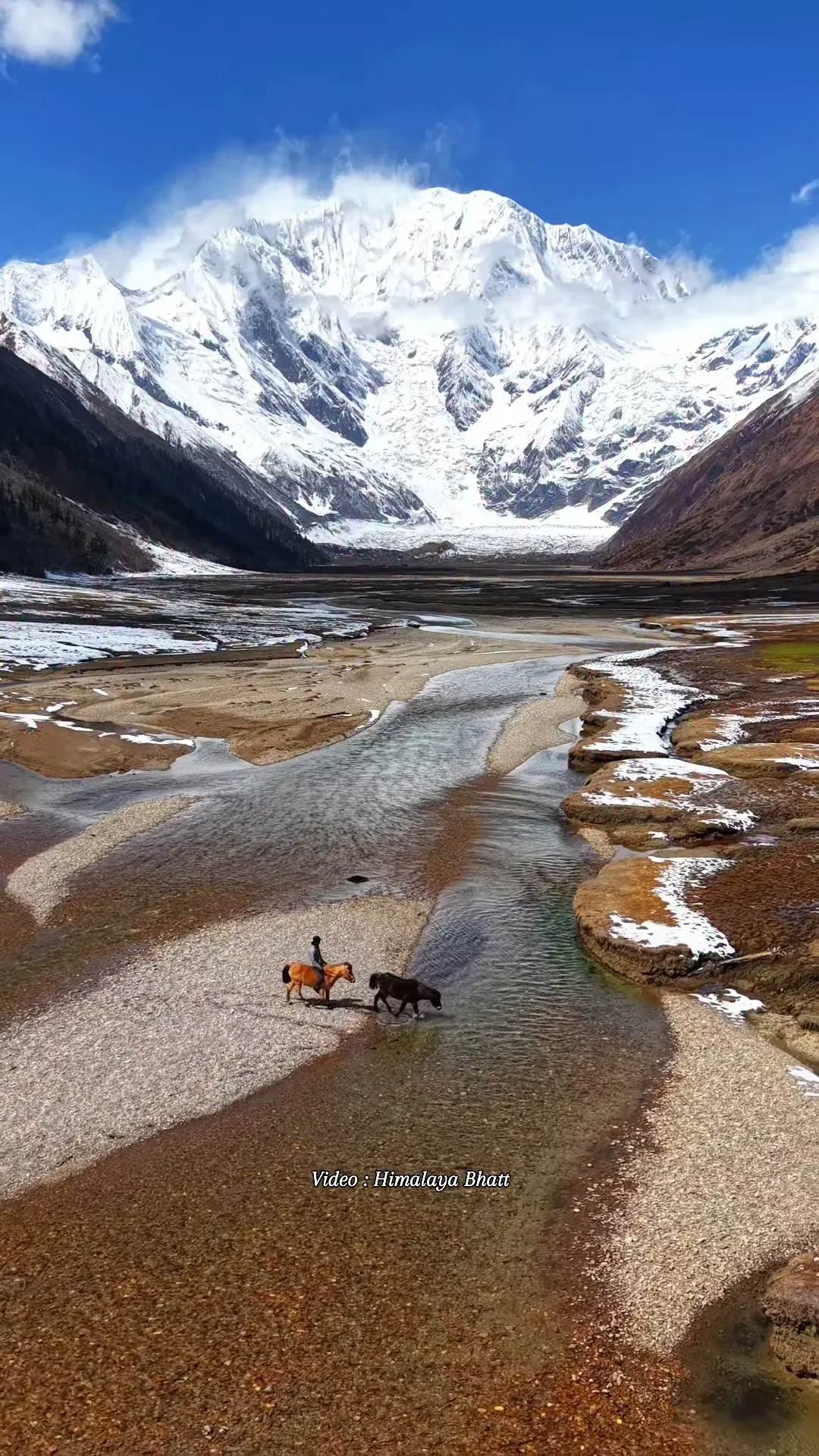
The Api Base Camp Trek sits in the far north-west corner of Nepal, in Darchula district, walking up to the foot of Mt Api (7,132m) inside the Api Nampa Conservation Area. It is one of the country's least-trodden routes — and because so few teams go each year, timing matters more here than on the busy Annapurna or Everest trails. Get the season right and you walk through blooming forests and clear-skied ridgelines with the mountain to yourself; get it wrong and you face buried passes or leech-ridden mud. In this guide we break Api down month by month, then compare it honestly with three other far-west treks — Rara Lake, Khaptad and Lower Dolpo — so you can match the trek to your fitness, your dates and the experience you actually want. For the full route detail, see our Api Base Camp Trek guide and the 16-day Api Base Camp Trek itinerary.


Why season matters more on Api than on mainstream treks
On the popular trails, teahouses run almost year-round and a snowed-in pass usually has an alternative. Api is different. The route climbs from sub-tropical river valleys near 600m all the way to a base camp around 3,900–4,200m, crossing through forest, pasture and exposed high ground. Infrastructure is thin, settlements are spread out, and rescue or re-routing options are limited. That means the weather window genuinely shapes whether the trek is enjoyable, hard, or simply not feasible. The two reliable windows are spring and autumn — and within those, the back half of spring and the first half of autumn are the sweet spots.
Spring on Api (March to May): rhododendron and warming trails
Spring is arguably the signature season for Api. The conservation area's mid-hill forests explode with rhododendron — Nepal's national flower — turning whole hillsides red, pink and white, typically peaking from late March into April depending on elevation. Lower valleys are warm and green; the high ground is still holding winter snow early in the season but clears as May approaches. Daytime walking is pleasant, and the longer daylight helps on the long valley stages. The trade-offs are a little spring haze building toward late May and some lingering snow on the highest sections in March. Our pick: mid-April to mid-May for the best balance of flowers, warmth and a navigable base camp approach.
Autumn on Api (September to November): the clearest mountain views
Autumn delivers the stable, dry, high-visibility weather that high-altitude trekkers chase. After the monsoon scrubs the atmosphere clean, the post-rains air gives the sharpest views of Api and Nampa, and the trails firm up. October is the centrepiece — settled weather, comfortable temperatures and dry ground. Early September can still be tailing the monsoon with damp trails, and by late November the cold bites hard at the base camp and nights drop well below freezing. Our pick: late September through October for the most dependable conditions and the cleanest summit views.
Winter on Api (December to February): heavy snow, often impassable
Winter is the season to respect, not gamble on. Far-western Nepal sits further from the equator and catches more winter weather systems than the central Himalaya, and the base camp area regularly takes heavy snowfall that can close the upper trail entirely. Lower valley walking can still be fine on clear days, but reaching the base camp itself is frequently blocked, sub-zero and hazardous. Unless you are an experienced winter trekker on a flexible itinerary with a strong local crew, we steer clients away from a December–February Api attempt and suggest a lower-altitude alternative instead.
Monsoon on Api (June to August): the rain-shadow myth
This is the most important accuracy point in the whole article. Trekkers sometimes assume that because Api is in the far north-west, it must be a dry rain-shadow region like Mustang or Dolpo. It is not. Darchula receives the full force of the summer monsoon: heavy rain, slippery and washed-out trails, leeches in the forest sections, persistent cloud hiding the peaks, and landslide-prone access roads that can strand a team for days. If your only window is the monsoon and you want a green-season high trek, the genuine rain-shadow option is Lower Dolpo, not Api — more on that comparison below. For the national picture, see our best time to trek Nepal hub and the deeper 2026 seasonal guide.
Getting there and why the season affects access
Api is logistically remote. Reaching the trailhead near Darchula usually means a flight to the far-west (Dhangadhi) followed by a long, winding road day, or an even longer overland drive. Those access roads are the weak link in the monsoon: landslides and washouts are common, and a single blocked section can delay the whole trip. This is another reason spring and autumn win — the dry-ground months keep the roads open and the schedule predictable. Build a buffer day into any far-west itinerary regardless of season.
How Api compares to Rara Lake: wildest vs easiest-and-prettiest
Rara Lake, Nepal's largest lake at around 2,990m, is the gentler, more visually rewarding far-west option. The walking is moderate, the high point is far lower than Api's base camp, and the payoff is the serene blue lake ringed by forest and snow peaks. If you want big far-west scenery without the steep, sustained climbing or the altitude exposure of Api, Rara is the better fit. Api wins on raw wilderness and the drama of standing beneath a 7,000m face; Rara wins on accessibility, lower altitude risk and sheer photogenic calm. The seasons line up — spring and autumn for both. Compare the Rara Lake Trek (12 days) if a lower, easier far-west trek appeals, and read the Rara Lake trek guide.
How Api compares to Khaptad: the gentlest plateau walk
Khaptad National Park is the softest introduction to far-west trekking. Instead of a high glacial base camp, Khaptad offers a rolling grassland plateau dotted with shrines and seasonal wildflowers — spiritual, meditative walking at modest altitude rather than a strenuous push to a snow line. It is the least demanding of the four treks here, ideal for travellers who prioritise culture, birdlife and open meadow scenery over altitude and challenge. Spring flowering and the autumn dry season are both lovely on the plateau. If Api sounds too committing, the Khaptad National Park Trek (8 days) is the relaxed alternative.
How Api compares to Lower Dolpo: the true rain-shadow high trek
Lower Dolpo is the trek to choose when you want height, remoteness and dry conditions — and especially if your only window is the monsoon. Because Dolpo sits in the rain-shadow of the Dhaulagiri range, it stays dry while the rest of the country is soaked, making it one of the few viable green-season high treks. It is also harder and higher than Api: routes typically cross passes above 5,000m, such as Numa La and Baga La, demanding stronger acclimatisation. So the honest split is this — for a monsoon-window high trek, choose Dolpo, not Api; for a spring-rhododendron or autumn-clarity trek to a single dramatic base camp, Api is the one. See the Lower Dolpo Trek (14 days) and our Dolpo trek guide for the rain-shadow route.
Permits, cost and accommodation in 2026
Api runs through the Api Nampa Conservation Area, so you need an ANCA entry permit (around NPR 2,000 for foreign nationals, less for SAARC visitors) plus a TIMS card. It is a conservation area, not a special restricted-permit zone, so it does not carry the heavy restricted-area fees of regions like Upper Dolpo or Mustang. For the full breakdown, check our permits hub and the 2026 permits guide. On the ground, Api is largely a camping trek — teahouses are sparse and basic in the far west, so most organised trips carry tents, a cook and a support crew, which is reflected in a typical organised cost of roughly USD 1,500–2,200 depending on group size and itinerary.
Altitude, safety and who Api is really for
At ~3,900–4,200m the base camp is high enough to take altitude seriously but lower than the big passes of Dolpo or Manaslu, so altitude illness risk is moderate if you ascend steadily — read our altitude sickness prevention guide before you go. The real demands of Api are the long valley days, the steep forest climbs and the sheer remoteness: this is a trek for fit walkers with some Himalayan experience who value solitude over comfort. If that is you, spring or autumn on Api delivers one of the most untouched mountain experiences left in Nepal. As a Pokhara-based operator since 1998, we plan every far-west departure around the season, the road risk and your fitness — talk to us and we will match you to the right far-west trek.
When is the best time to trek to Api Base Camp?
Spring (March to May) for rhododendron forests and warming trails, and autumn (September to November) for the clearest mountain views. October and mid-April to mid-May are the most reliable windows.
Can you trek Api Base Camp in winter?
Generally no. Heavy snowfall regularly buries the base camp area (~3,900–4,200m) from December to February and can close the upper trail. Only experienced winter trekkers on flexible, well-supported itineraries should attempt it.
Is far-western Nepal a rain-shadow region like Mustang or Dolpo?
No. Darchula and the Api region receive the full summer monsoon (June to August) — heavy rain, leeches, cloud and landslide-prone roads. The true rain-shadow option for a monsoon-window high trek is Lower Dolpo, not Api.
Should I trek Api, Rara, Khaptad or Lower Dolpo?
Choose Api for the wildest, steepest single-base-camp experience; Rara for an easier, lower, lake-focused trek; Khaptad for the gentlest plateau and cultural walking; and Lower Dolpo for a high, dry, rain-shadow trek that even works in the monsoon.
What permits do I need for Api Base Camp?
An Api Nampa Conservation Area entry permit (around NPR 2,000 for foreign nationals) plus a TIMS card. It is a conservation area, not a restricted-permit zone, so it avoids the high restricted-area fees of Upper Mustang or Upper Dolpo.
How long and how hard is the Api Base Camp Trek?
About 16 days, rated moderate to challenging due to long days, steep forest climbs and remoteness rather than technical terrain. The base camp sits around 3,900–4,200m, so altitude risk is moderate with steady ascent.
Private Dolpo departures on any date, hand-picked NMA guides, and 25+ years on these trails. Tell us your dates — we usually reply within a few hours.
Browse Dolpo treks & tours →
Written by
Travel Himalaya NepalPokhara-based, NMA-certified trekking guides. We’ve led 5,000+ treks across the Annapurna and Everest regions since 1998 — every word here comes from the trail. More from this author →
Share this article
Ready to Trek?
From reading about it to standing on it
Our Pokhara-based guides have been doing this since 1998. Tell us your dates and fitness level — we'll build your perfect itinerary. Free, no obligation.
Why trek with our licensed agencyMore guides like this
Popular trips to consider
View all treks & toursFree Trekker’s Insider Guide
Permits, packing lists, cost breakdowns — no fluff.
We send one useful email. You can unsubscribe anytime.