
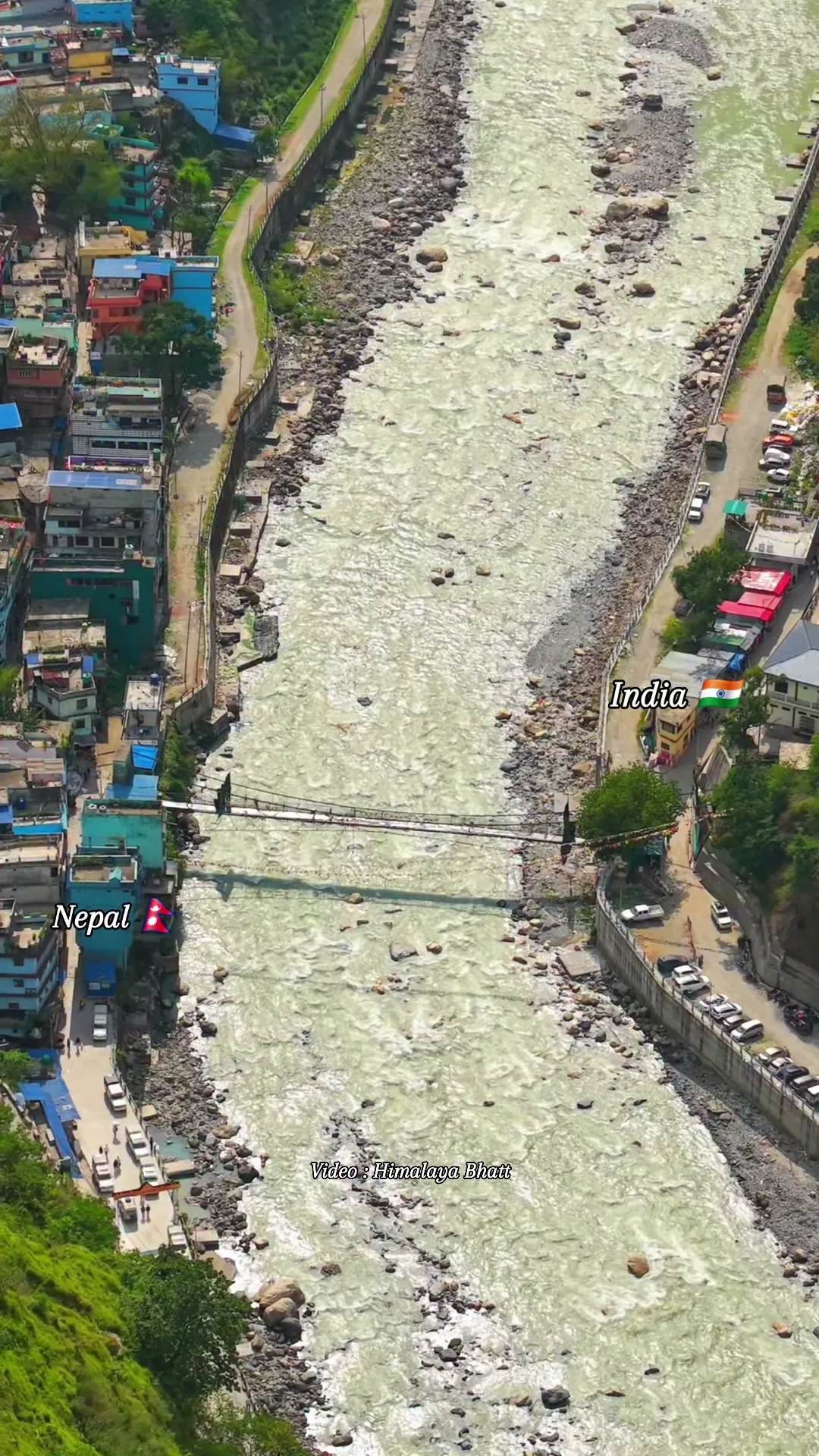
The short version
Api Nampa Conservation Area 2026: permit cost (NPR 3,000), where to buy it, guide rules, and the wildlife — snow leopard, musk deer, black bear.
- It is a conservation area, not a restricted area. You need an Api Nampa Conservation Area (ANCA) entry permit plus a TIMS card — no special Restricted Area Permit and no liaison officer.
- The ANCA permit costs NPR 2,000 for foreign nationals (plus VAT), with reduced rates for SAARC nationals and Nepalis, issued by the DNPWC.
- A licensed guide is required for foreign trekkers in Nepal's conservation areas, and on terrain this remote it is genuine safety insurance, not red tape.
- This is one of Nepal's last true wildernesses — home to snow leopard, musk deer, Himalayan black bear and red panda across nearly 1,903 km² of far-western Himalaya.
The Api Nampa Conservation Area (ANCA) is the wild far-western corner of Nepal that most trekkers never see — and that is precisely what makes it special. Established in 2010 and named after the snow giants Api (7,132m) and Nampa (6,757m), it spans roughly 1,903 square kilometres of Darchula district, hard against the Tibetan and Indian borders. As a Pokhara-based operator running treks since 1998, we get asked the same two questions about this region again and again: what permit do I need, and is it really as wild as people say? This guide answers both — a focused look at the paperwork and the nature, rather than a day-by-day route plan.
What the Api Nampa Conservation Area actually is
ANCA is the youngest of Nepal's conservation areas, gazetted in 2010 and managed by the Department of National Parks and Wildlife Conservation (DNPWC). It was created to protect an extraordinary spread of habitat — from subtropical river valleys around 500m up to permanent snow and ice above 7,000m — alongside the living culture of the Byansi, Chhetri and other communities who farm and herd here. Unlike a national park, a conservation area is designed to balance strict protection with the needs of the tens of thousands of residents who live inside its boundary, so you will pass through working villages, terraced fields and seasonal herding pastures, not an empty reserve.
Conservation area, not a restricted area — why it matters
This is the single most important point for planning, and the one most often muddled online. Api Nampa is a conservation area, which means it sits in the same permit category as Annapurna or Manaslu's conservation portion — an entry fee and a TIMS card — and not in the far costlier restricted-area bracket (such as Upper Mustang or Upper Dolpo) that demands a per-day Restricted Area Permit, a minimum of two trekkers and a government liaison officer on bigger groups. There is no special-permit surcharge and no per-day clock running on your wallet. If you want to understand where the genuinely restricted zones sit and how their rules differ, our restricted-areas permit guide lays it out, and our main Nepal permits hub compares every category side by side.
The ANCA entry permit: cost and where to get it
The Api Nampa Conservation Area entry permit costs NPR 2,000 for foreign nationals (plus 13% VAT in practice), with a reduced rate for SAARC nationals — commonly quoted in the NPR 500–1,500 band depending on the source and any recent revision — and a nominal fee for Nepali citizens. The permit is single-entry, non-transferable and non-refundable, so buy it for the right dates. It is issued by the DNPWC and can be obtained from the conservation-area counter at the Nepal Tourism Board office in Bhrikuti Mandap, Kathmandu, or at the ANCA headquarters in Darchula before you start walking. Because fees are periodically revised, we always reconfirm the current figure at the point of issue rather than relying on a number we printed last season. For the full picture across the country, see our Nepal trekking permits 2026 guide.
TIMS card and the documents you'll carry
Alongside the ANCA permit you'll carry a TIMS (Trekkers' Information Management System) card, which logs your route for safety and search-and-rescue purposes. To issue both, your agency needs your passport details and a couple of passport photographs, so bring spares. Keep the permit and TIMS card accessible — there are checkpoints on the approach and you'll be asked to show them. You'll also want your Nepal tourist visa sorted on arrival; our Nepal visa guide covers the on-arrival process. Carry photocopies of everything, because mobile coverage and printing facilities are non-existent once you are deep in the valleys.
Do you need a guide?
Yes. Since April 2023, Nepal requires foreign trekkers in its national parks and conservation areas to trek with a licensed guide arranged through a government-registered agency, and Api Nampa falls squarely under that rule. Honestly, the regulation is the least of it here: this is some of the most committing terrain in the country, with faint trails, unbridged river crossings in places, almost no English spoken and zero rescue infrastructure on call. A guide who knows the seasonal porter routes, the safe crossings and the village homestays is the difference between a great expedition and a stranded one. Our wider take on the rule is in do you need a guide to trek Nepal.
The wildlife: one of Nepal's great strongholds
This is where Api Nampa earns its reputation. The conservation area shelters the elusive snow leopard in its high crags, the Himalayan musk deer in the birch and fir forests, and the Himalayan black bear lower down. Add the clouded leopard, red panda, Himalayan tahr, ghoral and common langur, and you have one of the richest large-mammal assemblages in the western Himalaya. Birdlife is just as good — Himalayan monal (Nepal's national bird), blood pheasant, snowcock and Himalayan griffon all range here. You are very unlikely to see a snow leopard, of course; the reward is walking through habitat genuinely wild enough to hold one.
Flora: rhododendron, oak and high alpine meadow
The conservation area's huge altitude range produces dramatic vegetation zones in the space of a few days' walking. Lower slopes carry subtropical and broadleaf forest; the middle hills explode with rhododendron and oak, which is reason enough to time a spring trek for the April–May bloom; higher still, you reach juniper, birch and then open alpine meadow grazed by herders before the rock and snow take over. These forests also hold medicinal and aromatic plants that local communities have harvested for generations — another reason the protected-area rules matter.
Responsible-trekking rules to follow
- Take all rubbish out — there is no waste collection here, so everything you carry in, you carry out, including batteries and packaging.
- Never disturb or feed wildlife and keep a respectful distance; this is breeding habitat for threatened species.
- Do not pick plants or buy wildlife products — harvesting protected flora or trading in animal parts is illegal under DNPWC rules.
- Use kerosene or gas, not firewood, where possible to reduce pressure on the forest, and stick to established trails to limit erosion.
- Respect local custom — ask before photographing people, dress modestly in villages, and support the homestays and porters whose income underwrites conservation here.
When to go and how to get there
The trekking windows are spring (April–May), for rhododendron and clear mountain views, and autumn (October–November), for the most stable weather after the monsoon. Winter brings heavy snow to the higher valleys and the monsoon makes the river crossings dangerous, so we steer clients to the shoulder seasons. Access is the real commitment: reaching Darchula in Nepal's far west means a long drive or a flight to Dhangadhi followed by a full day or more on mountain roads. This logistical effort is exactly why the region stays so untouched — and why a well-planned itinerary with a local team matters more here than on the popular trails.
Accommodation and who this trek is for
Forget the teahouse comfort of the Annapurna or Everest regions. In Api Nampa you'll mix basic village homestays with camping, supported by porters carrying tents and supplies, because there is no commercial lodge network. Meals are simple dal bhat and whatever the village can provide. This trek suits experienced, self-sufficient walkers who value solitude and raw wilderness over comfort and company — if your idea of a good day is not seeing another foreign trekker, you'll love it. If you want a similarly remote but slightly more established far-west option, our Dolpo trek guide is a natural comparison. To put it all together, see our complete Api Base Camp trek guide, the cost breakdown, and the full 16-day Api Base Camp itinerary we run.
Is the Api Nampa Conservation Area a restricted area?
No. It is a conservation area, so you need an ANCA entry permit and a TIMS card, but not the costlier per-day Restricted Area Permit, minimum group size or liaison officer that genuine restricted zones like Upper Mustang require.
How much does the Api Nampa permit cost in 2026?
The entry permit is NPR 2,000 for foreign nationals (plus VAT), with reduced rates for SAARC nationals and Nepali citizens. Fees are revised periodically, so we reconfirm the current figure when issuing it.
Where do I buy the ANCA permit?
From the DNPWC conservation-area counter at the Nepal Tourism Board in Bhrikuti Mandap, Kathmandu, or at the Api Nampa Conservation Area headquarters in Darchula, before you begin trekking.
Do I need a guide to trek here?
Yes. Foreign trekkers must use a licensed guide from a registered agency in Nepal's conservation areas, and given the remoteness, faint trails and lack of rescue infrastructure, a guide is essential rather than a formality.
What wildlife lives in the Api Nampa Conservation Area?
It is home to snow leopard, Himalayan musk deer, Himalayan black bear, clouded leopard, red panda, Himalayan tahr and ghoral, plus birds such as the Himalayan monal, blood pheasant and snowcock.
When is the best time to visit?
Spring (April–May) for rhododendron blooms and clear views, and autumn (October–November) for the most stable post-monsoon weather. Avoid the monsoon and deep winter.


Private departures on any date, hand-picked NMA guides, and 25+ years on the trail. Tell us your dates — we usually reply within a few hours.
Browse all treks & tours →
Written by
Travel Himalaya NepalPokhara-based, NMA-certified trekking guides. We’ve led 5,000+ treks across the Annapurna and Everest regions since 1998 — every word here comes from the trail. More from this author →
Share this article
Ready to Trek?
From reading about it to standing on it
Our Pokhara-based guides have been doing this since 1998. Tell us your dates and fitness level — we'll build your perfect itinerary. Free, no obligation.
Why trek with our licensed agencyMore guides like this
Popular trips to consider
View all treks & toursFree Trekker’s Insider Guide
Permits, packing lists, cost breakdowns — no fluff.
We send one useful email. You can unsubscribe anytime.