Island Peak climbing in 2026, how hard it really is and what it costs
Island Peak is Nepal's classic first real climb: a fixed-rope headwall on summit day, no previous summit needed, usually paired with Everest Base Camp.
At a glance
- Published · updated
- TopicTrail & Weather
- Verified againstNepal Mountaineering Association; Wikipedia; Travel Himalaya Nepal expedition operations
- Treks coveredEverest Base Camp Trek — 14 Days, Island Peak Climbing — 18 Days, Island Peak Climbing — 14 Days
Island Peak is Nepal’s classic first real climb: a fit trekker with no climbing background can summit it, but summit day is genuine mountaineering — crampons, a rope, a fixed-line headwall and a narrow ridge. Most people climb it at the end of an Everest Base Camp trek, which gives them the acclimatisation it needs.

Island Peak, key facts
- Height: 6,165 m (usually quoted as 6,189 m), officially Imja Tse, in the Everest region.
- Grade: PD+ on the north ridge — crampons, ice axe, fixed ropes, jumar.
- Permit: NMA fee US$350 in spring, US$175 in other seasons, plus a licensed climbing guide.
- Trip length: 14–18 days, often combined with Everest Base Camp.
How hard is it, really
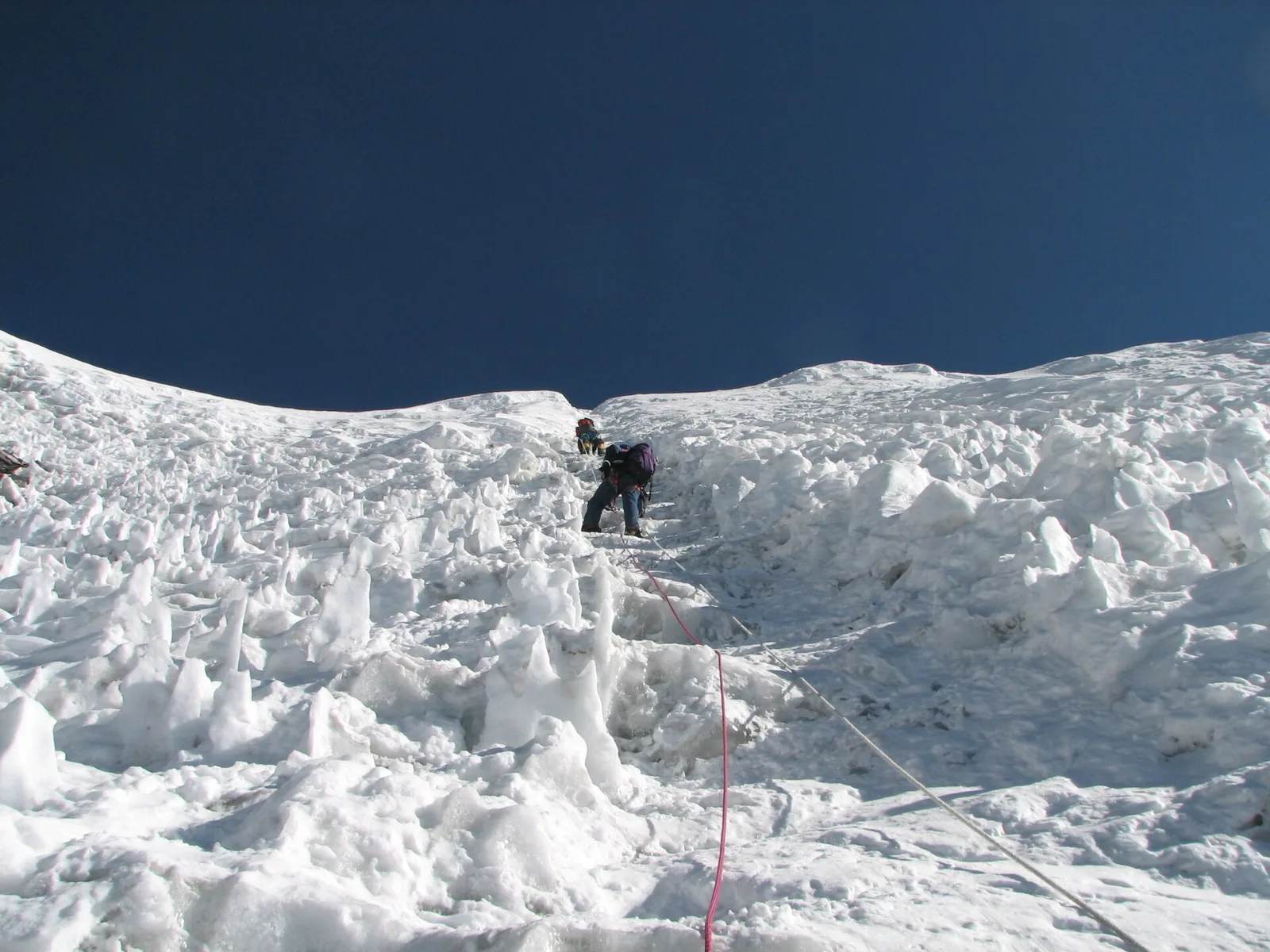
Hard enough to need a training day, easy enough to need no previous summit. Summit day starts before dawn: roped glacier travel, then a steep snow-and-ice headwall climbed on fixed lines, onto a narrow ridge with Lhotse’s south face overhead.
A good expedition spends a day at base camp teaching rope work, jumaring and abseiling before the summit push. A crevasse below the summit ridge has turned teams back in some seasons; a ladder has been used to bridge it.
| Detail | Information |
|---|---|
| Summit | 6,165 m (Imja Tse) |
| Skills | Crampons, ice axe, fixed ropes, jumar |
| Approach | Lukla → Everest trail → Chhukung → base camp |
| Best seasons | Spring and autumn |
Adding it to Everest Base Camp
The combined trip gets you Base Camp, Kala Patthar and a 6,000-metre summit in one journey, and the trek days do your acclimatising for you. The longer version walks the full trail through Namche and Tengboche to Base Camp (5,364 m) and Kala Patthar (5,545 m), then branches to Chhukung and Island Peak base camp.
After the training day, summit day takes you up the headwall with Lhotse, Makalu and Baruntse around you.

How to train
Build endurance first: long hill days with a pack, plus leg and core strength. No technical experience is needed beforehand — the rope skills are taught on the mountain — but the fitter you arrive, the more you will enjoy summit day.
If you can comfortably walk six or seven hours on consecutive days, you can build to Island Peak.
A little history
It was named in 1953 by members of the British Everest expedition, who thought it looked like an island in a sea of ice from Dingboche. Its main summit was first climbed in 1956 by a Swiss team, and it was renamed Imja Tse in 1983 — though almost everyone still calls it Island Peak.
Climb Island Peak with us
We run it as a 14-day climb (US$3,400 solo, from US$2,550 per person in a group) and an 18-day version with the full Everest Base Camp trek (US$3,600 solo, from US$2,800). Still choosing? Compare it with Mera and Lobuche East in our first 6,000-metre peak guide.
Sources: Nepal Mountaineering Association fee schedule; Wikipedia, “Island Peak”; Travel Himalaya Nepal expedition operations.
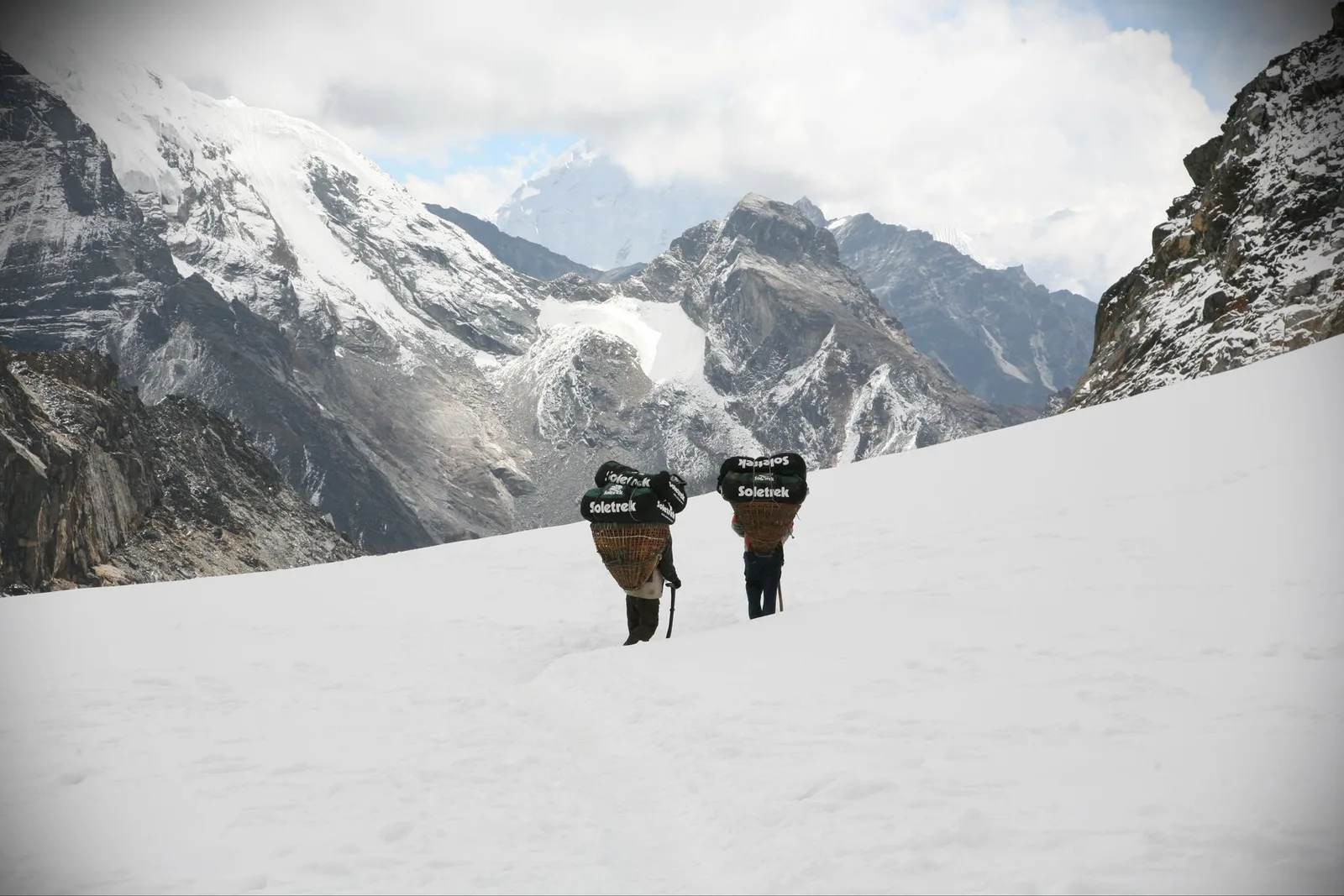
Cover photo: McKay Savage via Wikimedia Commons (CC BY 2.0).
Still running this season
Everest Base Camp Trek — 14 Days is running normally
NMA-certified local guides, transparent pricing, 5,000+ treks since 1998. Message us your dates and we'll sort the permits, lodges and logistics — reply within 24 hours, no obligation.
Popular Nepal treks
All treks →
Related coverage
Safety & Advisories
Is the Island Peak Climb Affected by the 2026 Nepal Floods?
No — Island Peak (Imja Tse) is in the Khumbu, Everest region, and the climb is running normally. The 26 August flood hit Rasuwa in the north. What decides your summit is Lukla flights, acclimatisation, the weather window and your NMA permit — not the flood.

Records & People
Nobody tells you what it really costs to climb Everest so I added up every dollar
Why a guided Everest expedition runs from about US$35,000 to well over US$100,000 — the permit, the oxygen, the Sherpa team and the logistics, line by line, with real 2026 numbers.
Industry & Tourism
Everyone Says Island Peak Costs More Than Mera Peak in 2026 — the NMA Fee Says They're Identical
Nepal's two most-climbed trekking peaks carry the exact same government permit fee this year, so the real decision between Mera Peak and Island Peak comes down to technical grade, not price.
Industry & Tourism
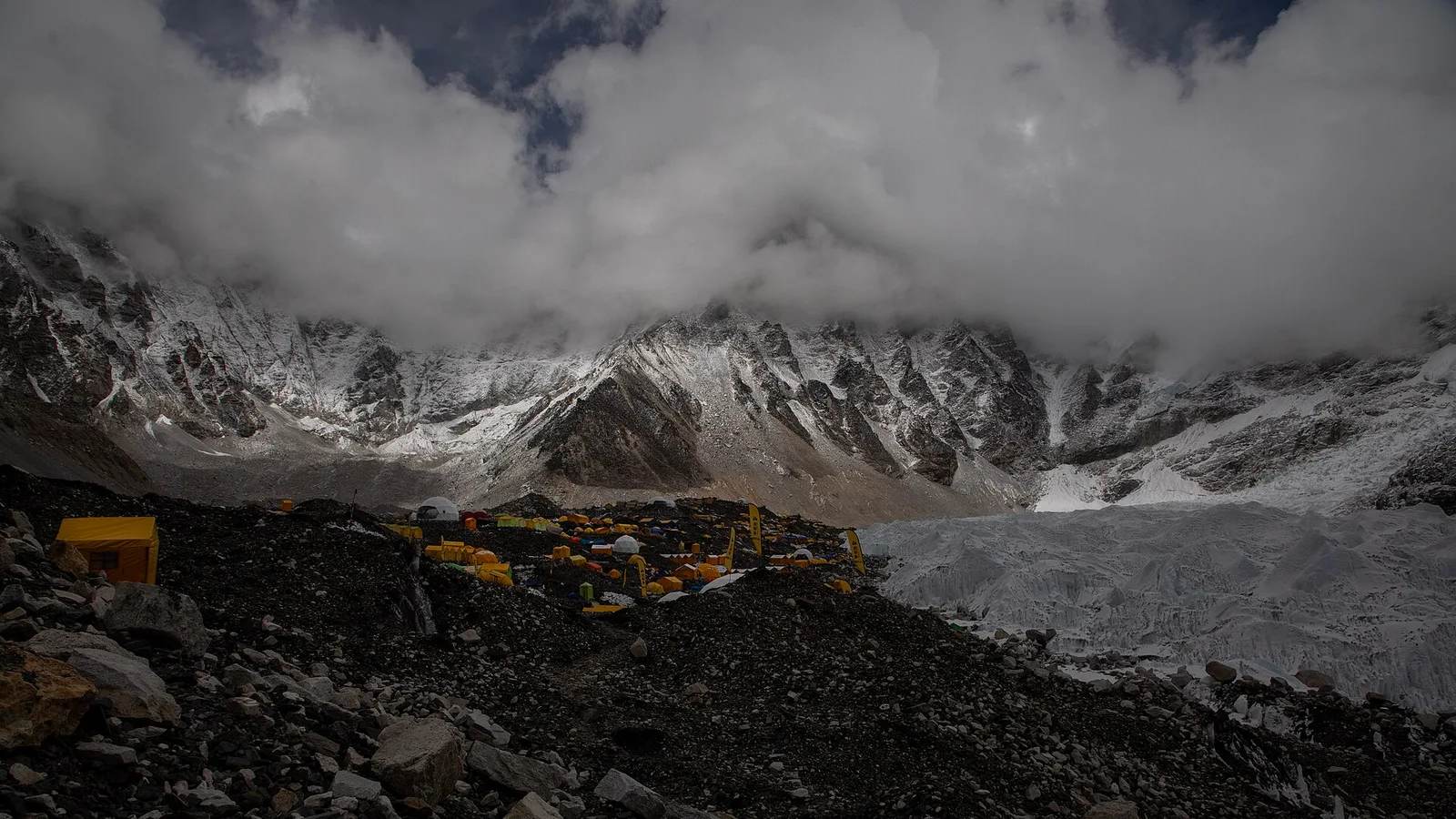
Everest Just Had Its Busiest Climbing Season Ever. Climbers Also Left Behind 90,000 Kilograms of Trash.
A record 701 climbers pushed for the summit this spring, and the mountain's cleanup crews hauled down a record amount of waste right behind them.
Latest from the desk
Records & People
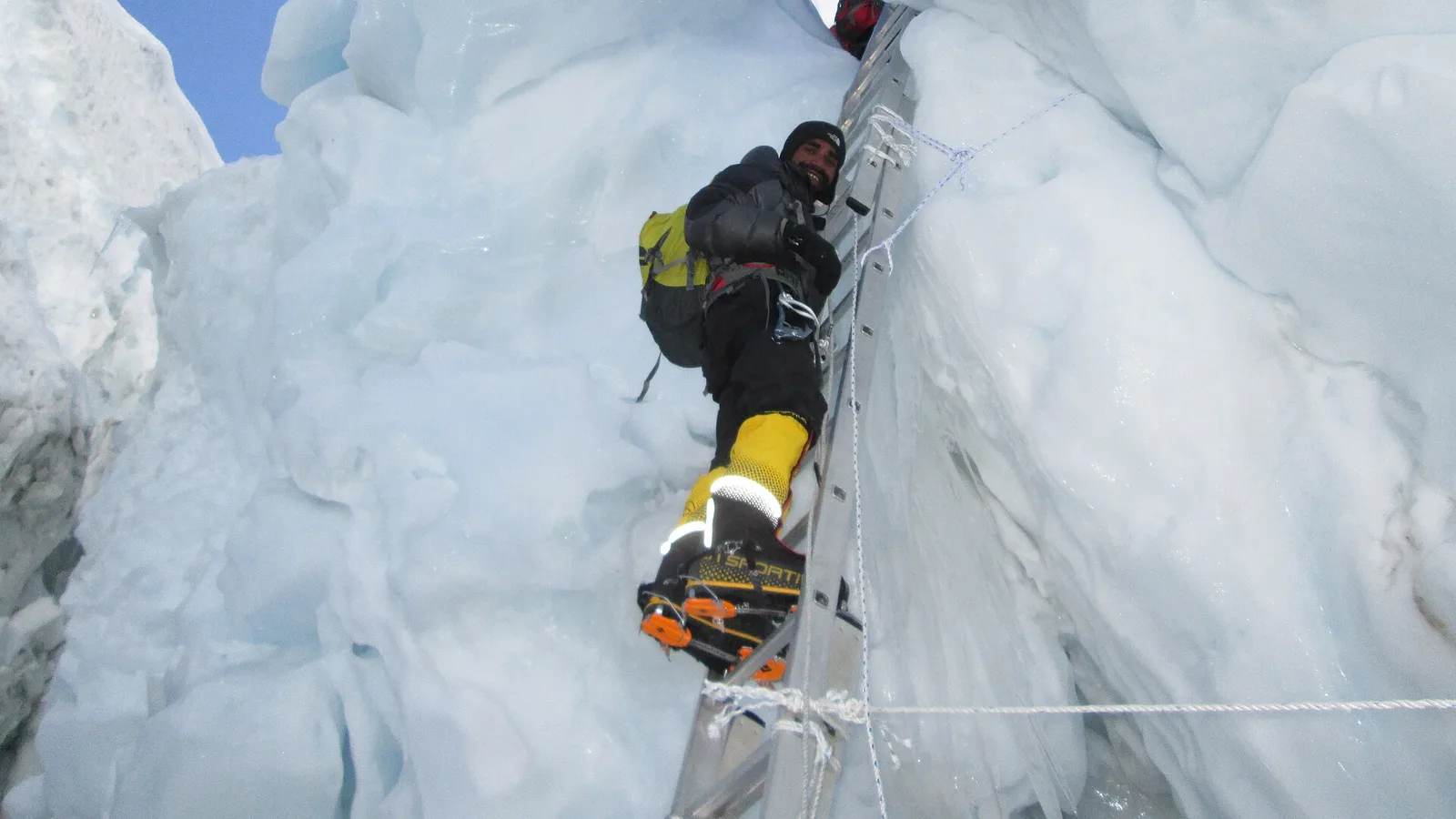
Eight Sherpas Build the Path Every Everest Climber Walks, and This Spring One Ice Tower Stopped Them for 19 Days
The Icefall Doctors fix the ladders and ropes through the Khumbu Icefall each spring, and in 2026 a 28-metre serac made it the latest route opening in years.
Records & People
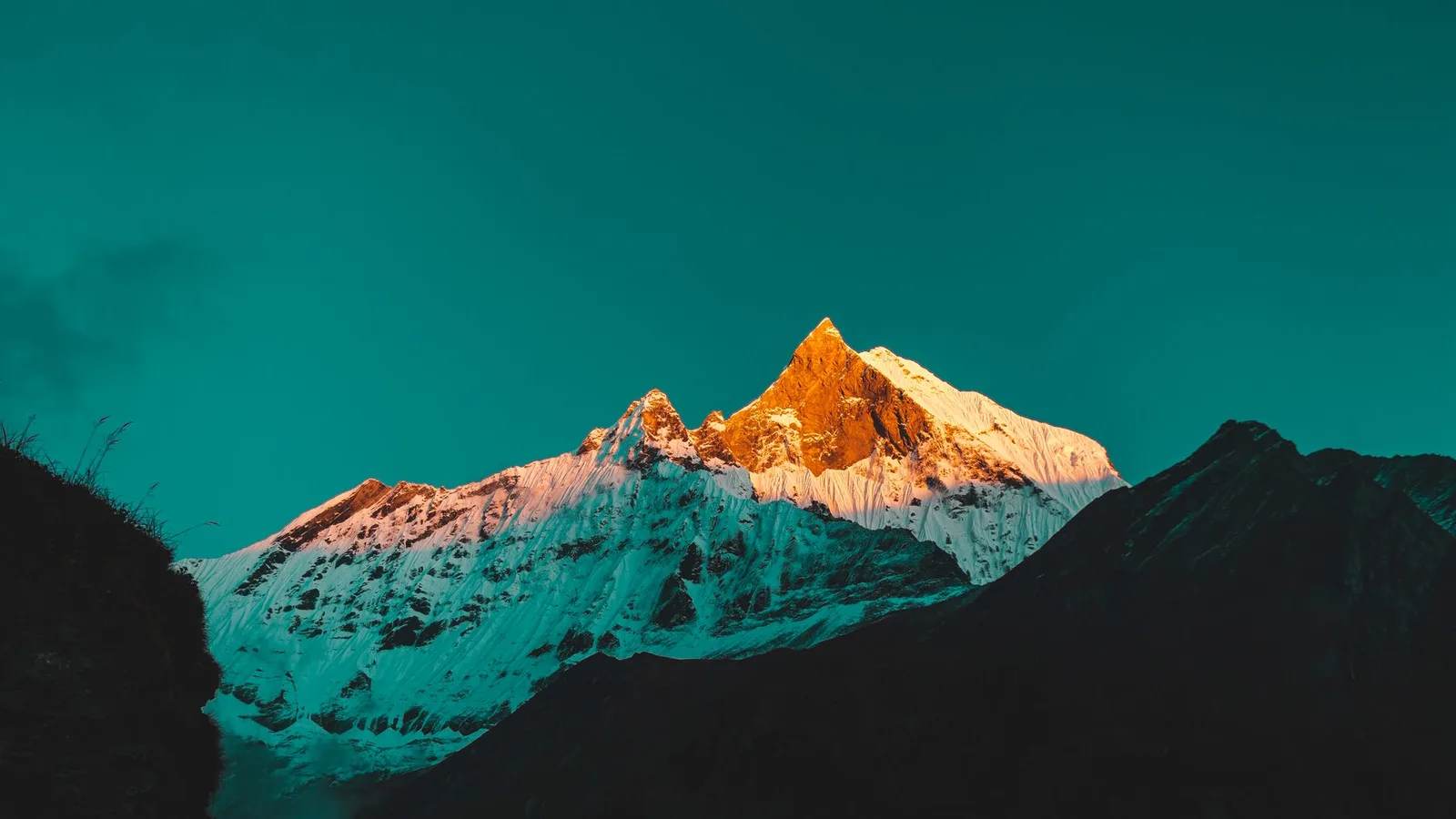
Eight of the World's 14 Highest Peaks Touch Nepal, and Only Three Sit Entirely Inside It
Nepal shares five of its eight giants with a neighbour, and all eight were first climbed within a single decade, starting with Annapurna in 1950.
Records & People
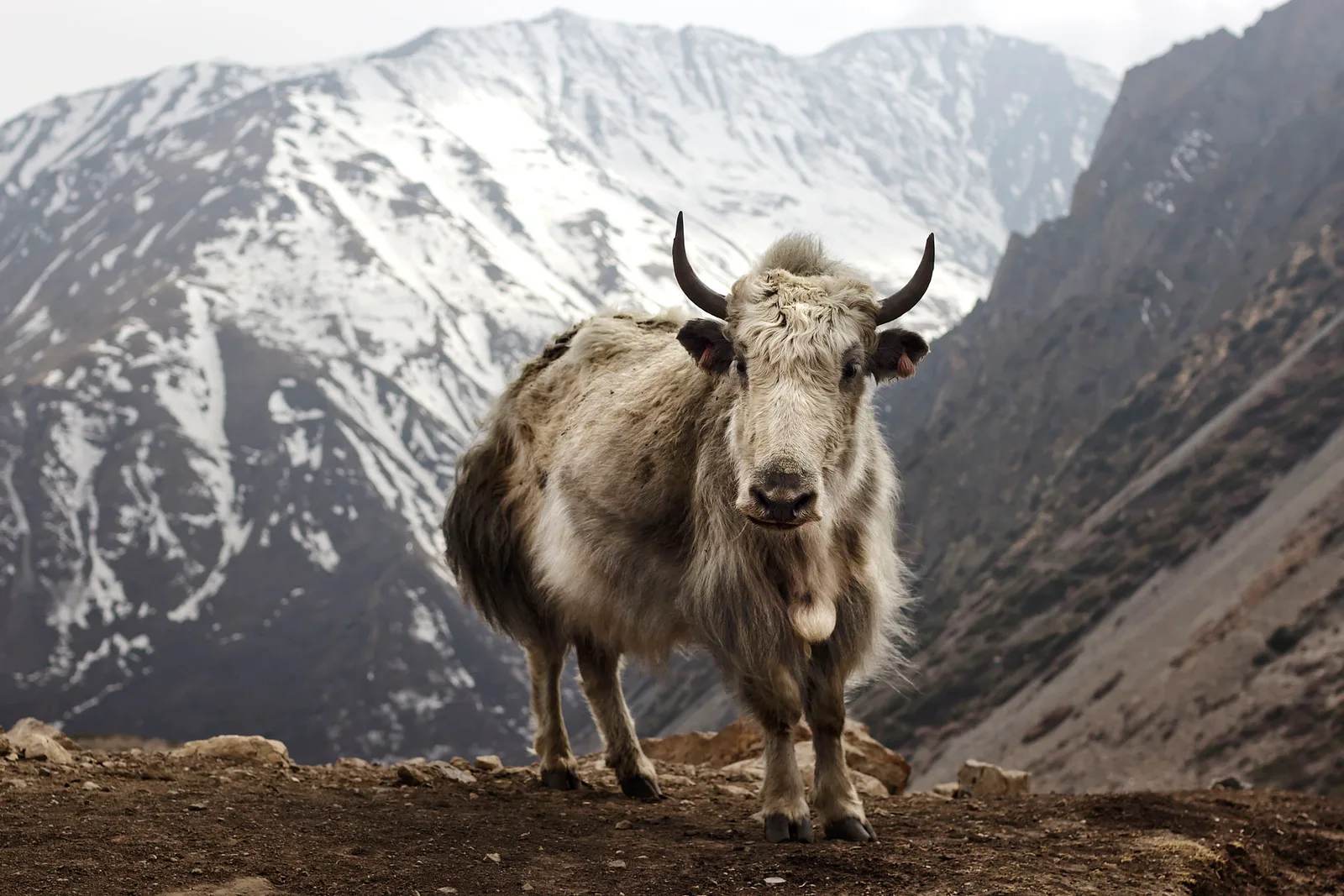
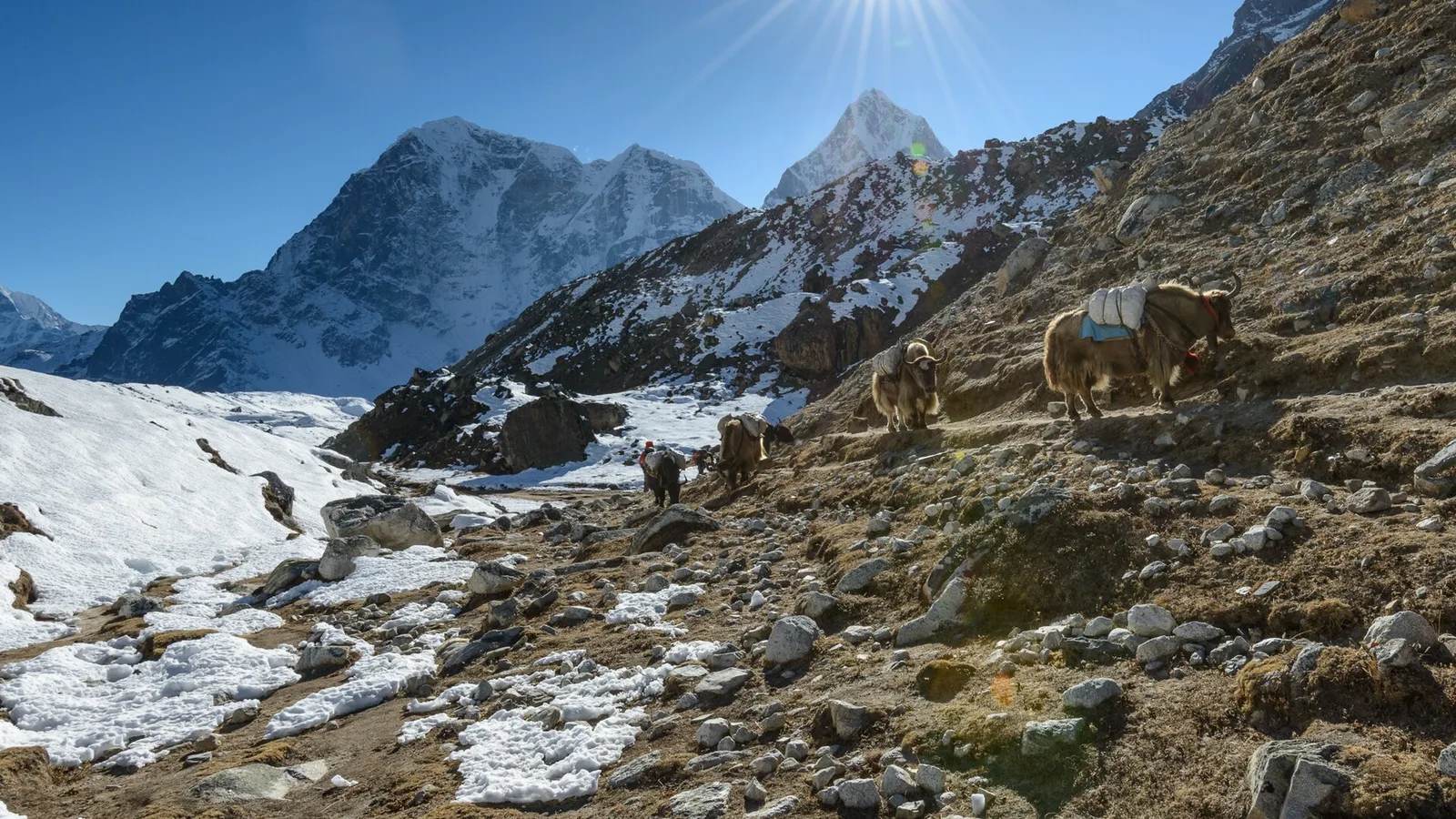
Nobody Tells You Most 'Yaks' Photographed on the Everest Trail Aren't Yaks at All
The shaggy pack animal hauling your duffel bag below about 3,500m almost certainly isn't a yak, but a dzo, a yak-cattle hybrid bred because real yaks can't handle the heat.