
Mera, Island or Lobuche East, and how to choose your first 6,000m peak in Nepal
Mera is the highest but a walk, Island Peak the classic first climb, Lobuche East the technical one. All three carry the same NMA permit fee.
At a glance
- Published · updated
- TopicTrail & Weather
- Verified againstNepal Mountaineering Association; Wikipedia; Travel Himalaya Nepal expedition operations
- Treks coveredIsland Peak Climbing — 14 Days, Lobuche East Peak Climbing — 15 Days, Mera Peak Climbing — 15 Days
Choose Mera Peak if you want the highest summit and the biggest view without technical climbing, Island Peak if you want a real first climb on a fixed rope, and Lobuche East if you want to come away a more capable mountaineer. All three are over 6,000 metres, none needs a previous summit, and on the Nepal Mountaineering Association’s schedule all three carry exactly the same permit fee.

The quick verdict
- Mera Peak (6,476 m) — the highest, and a non-technical glacier walk. The test is altitude and stamina.
- Island Peak (6,165 m, often quoted as 6,189 m) — the classic: a fixed-rope headwall on summit day, graded PD+.
- Lobuche East (6,119 m) — the most technical of the three: rock and ice, and the best skills-builder.
- NMA permit for all three: US$350 in spring, US$175 in autumn, winter or summer.
Price will not decide it
The government permit is identical for all three peaks, so a quote that prices them differently is showing you a markup, not a fee. The NMA lists Mera, Island Peak (Imja Tse) and Lobuche East in the same band: US$350 per climber in spring and US$175 in the other three seasons.
We set out the fee question in detail in why Island Peak does not cost more than Mera. What genuinely differs is what each mountain asks of your body and your nerve.
| Peak | Height | Summit day | Best for |
|---|---|---|---|
| Mera Peak | 6,476 m | Long, non-technical glacier walk | Altitude, endurance, the view |
| Island Peak | 6,165–6,189 m | Fixed-rope headwall, narrow ridge (PD+) | A real first climb |
| Lobuche East | 6,119 m | Rock and ice | Building climbing skills |
Mera Peak asks for lungs, not technique
Mera’s standard northern route is technically straightforward glacier walking; the difficulty is the altitude. Most commercial parties top out on Mera Central at 6,461 metres, just below the true 6,476-metre north summit.
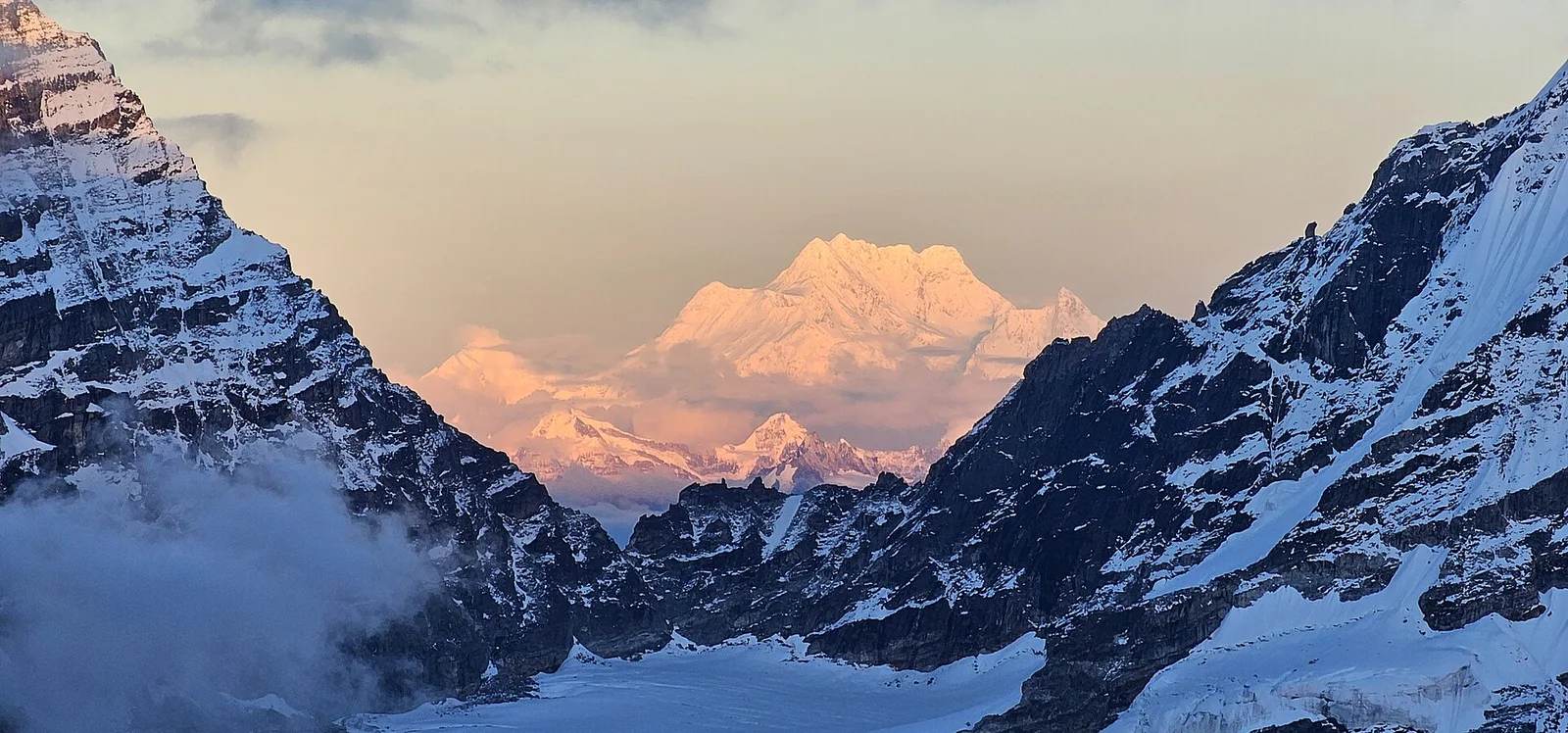
It lies in the remote Hinku Valley east of the Everest trail, and the reward is the view: Everest, Kangchenjunga, Lhotse, Makalu and Cho Oyu, five of the six highest mountains on Earth, in one sweep. Mera Central was first climbed on 20 May 1953, nine days before Everest, by Colonel Jimmy Roberts and Sen Tenzing. More in our Mera Peak guide.
Island Peak asks for a rope and a head for heights
Island Peak is lower but harder: summit day is a glacier crossing and a steep headwall climbed on fixed lines to a narrow ridge. A crevasse below the summit ridge has turned teams back in some seasons, and a ladder has been used to bridge it.
It sits a short detour off the Everest Base Camp trail near Chhukung, so it pairs naturally with the trek, and the Base Camp days give you the acclimatisation. It was named in 1953 by members of the British Everest expedition, for how it looks from Dingboche — an island in a sea of ice — and renamed Imja Tse in 1983. More in our Island Peak guide.
Lobuche East is the one that teaches you most
If you want to leave a better climber rather than just a summiteer, Lobuche East is the pick. It is the most technical of the three, on rock and ice close to the Everest Base Camp trail, and it rewards people who already enjoy using their hands.
Many climbers do two in one season, or combine a peak with Base Camp. All three are climbed only through an NMA-registered agency with a licensed climbing guide.
What we would tell a friend
Be honest about what you want from summit day. If it is the view and the altitude, Mera Peak (15 days, US$2,500 solo, from US$1,950 per person in a group). If it is the feeling of actually climbing, Island Peak (14 days, US$3,400 solo, from US$2,550). If it is skills, Lobuche East (15 days, US$3,100 solo, from US$2,300). Tell us your experience and we will say which one fits — including when the answer is “not yet”.
Sources: Nepal Mountaineering Association, service charges for foreign climbers; Wikipedia, “Mera Peak” and “Island Peak”; Travel Himalaya Nepal expedition operations.
Cover photo: Nabin K. Sapkota via Wikimedia Commons (CC BY-SA 4.0).
Still running this season
Lobuche East Peak Climbing — 15 Days is running normally
NMA-certified local guides, transparent pricing, 5,000+ treks since 1998. Message us your dates and we'll sort the permits, lodges and logistics — reply within 24 hours, no obligation.
Popular Nepal treks
All treks →
Related coverage
Industry & Tourism
Everyone Says Island Peak Costs More Than Mera Peak in 2026 — the NMA Fee Says They're Identical
Nepal's two most-climbed trekking peaks carry the exact same government permit fee this year, so the real decision between Mera Peak and Island Peak comes down to technical grade, not price.
Safety & Advisories
Is the Mera Peak Climb Affected by the 2026 Nepal Floods?
No — Mera Peak is in the Hinku valley of the Everest region and the climb is running normally. The 26 August flood hit Rasuwa in the north. What decides your summit is Lukla flights, acclimatisation, the weather window and your NMA permit — not the flood.
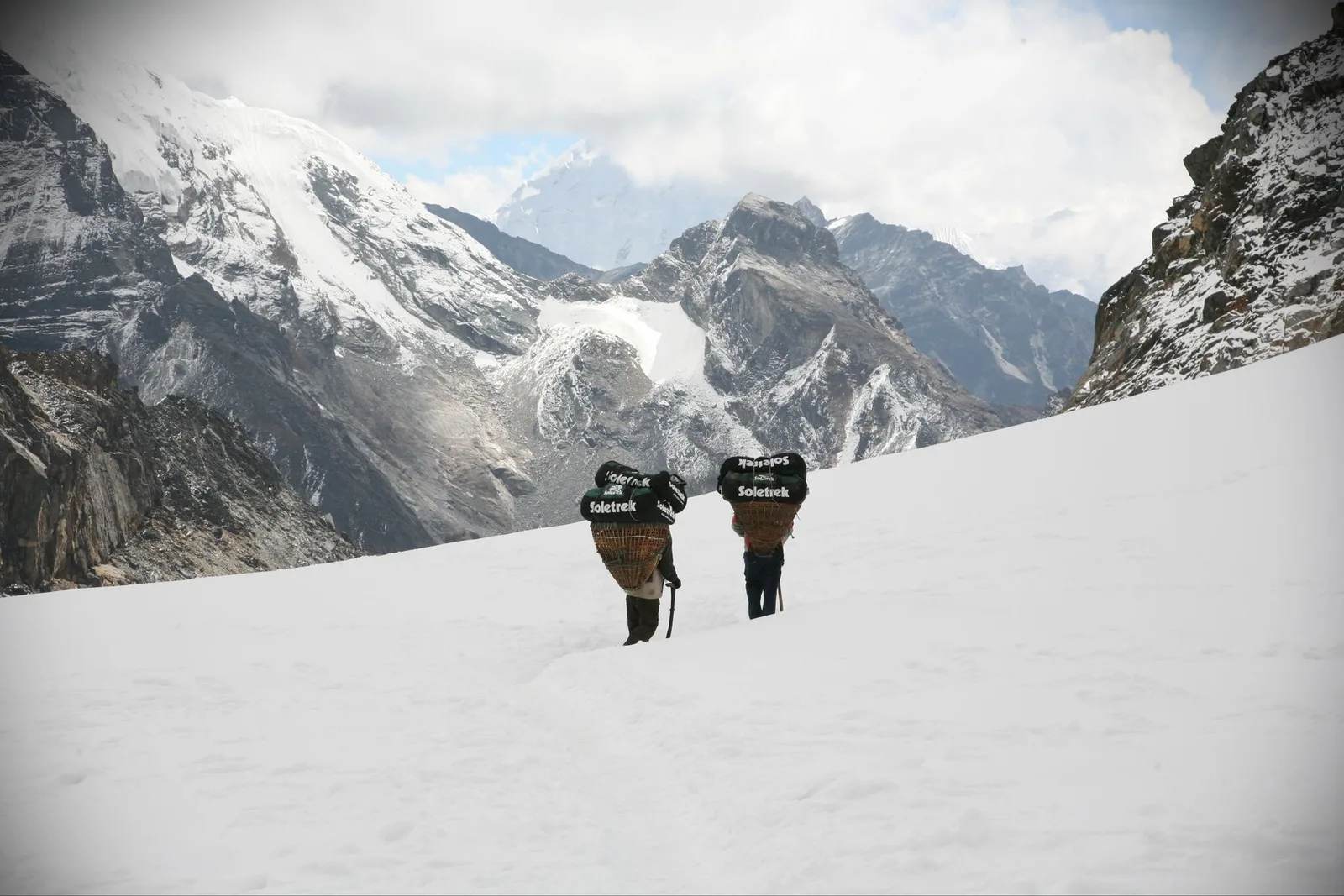
Safety & Advisories
Is the Island Peak Climb Affected by the 2026 Nepal Floods?
No — Island Peak (Imja Tse) is in the Khumbu, Everest region, and the climb is running normally. The 26 August flood hit Rasuwa in the north. What decides your summit is Lukla flights, acclimatisation, the weather window and your NMA permit — not the flood.
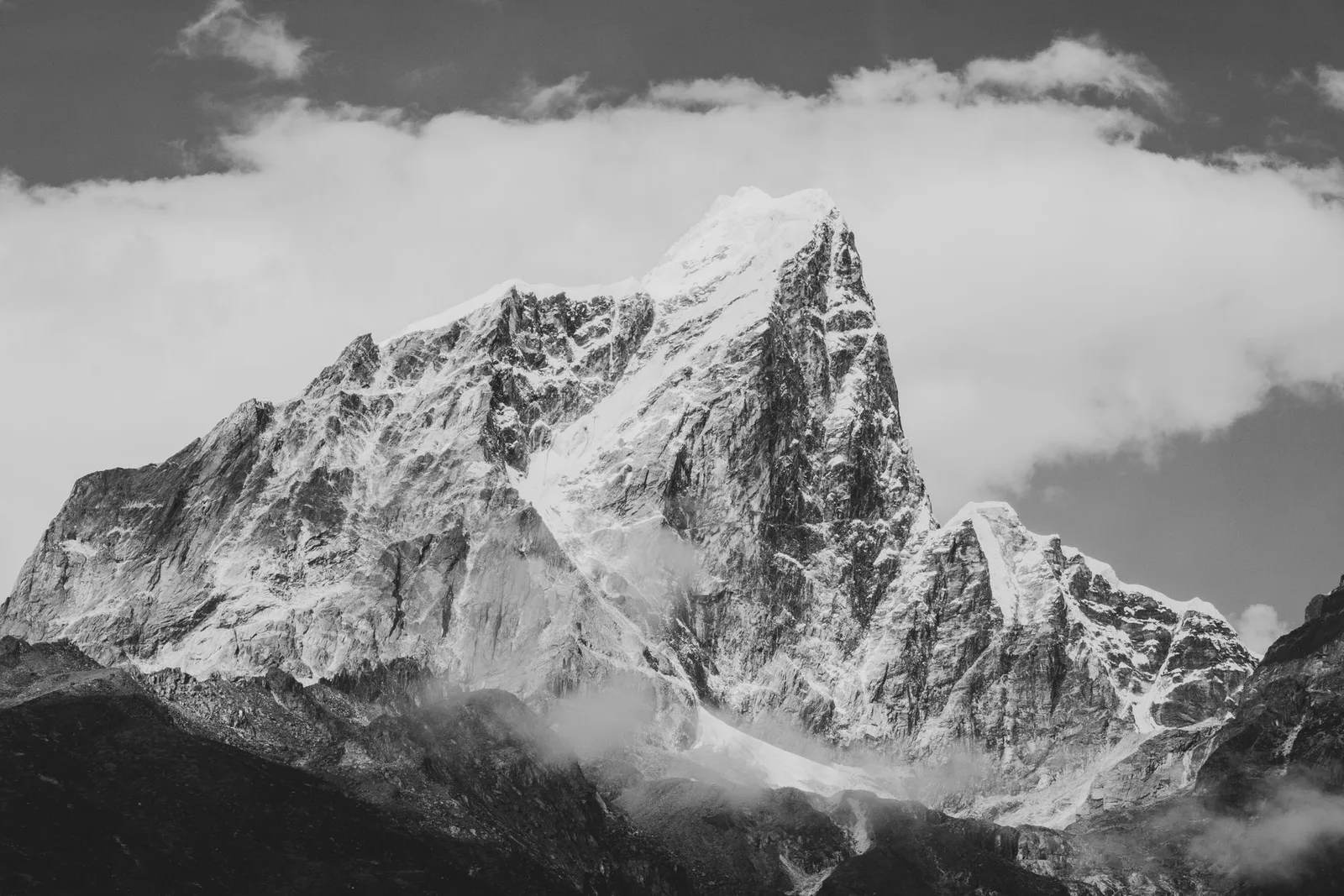
Safety & Advisories
Is the Lobuche Peak Climb Affected by the 2026 Nepal Floods?
Short answer: no. Lobuche Peak (6,119 m) is an NMA climbing peak in the Everest region, reached via Lukla on the Dudh Koshi — a separate watershed from the Rasuwa flood. The route is unaffected; the only real variable is monsoon-season Lukla flights.
Latest from the desk
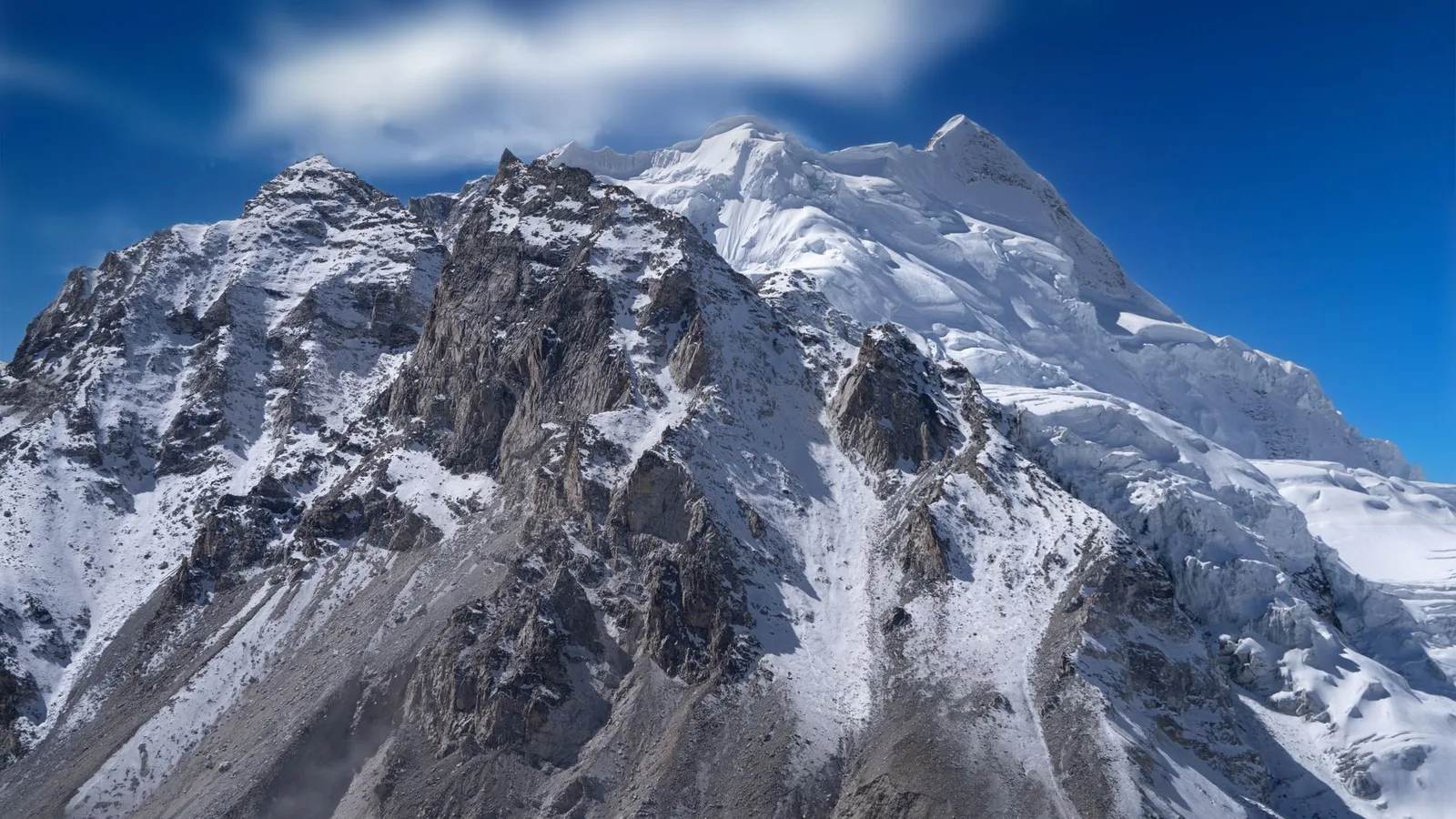
Records & People
A Singaporean climber has died on Manaslu, the first foreigner lost this autumn
Lau Wee Seng, 50, died on 17 September near 6,000m while descending from Camp II on an acclimatisation rotation. He is the second death there this season.
Industry & Tourism
Nepal lost a quarter of its Indian visitors in August. Here is who came instead
Nepal had 85,444 visitors in August 2026, down 3.6%. Indian arrivals fell 25.7% while China and Sri Lanka rose sharply. The year is still up 5.6%.
Records & People
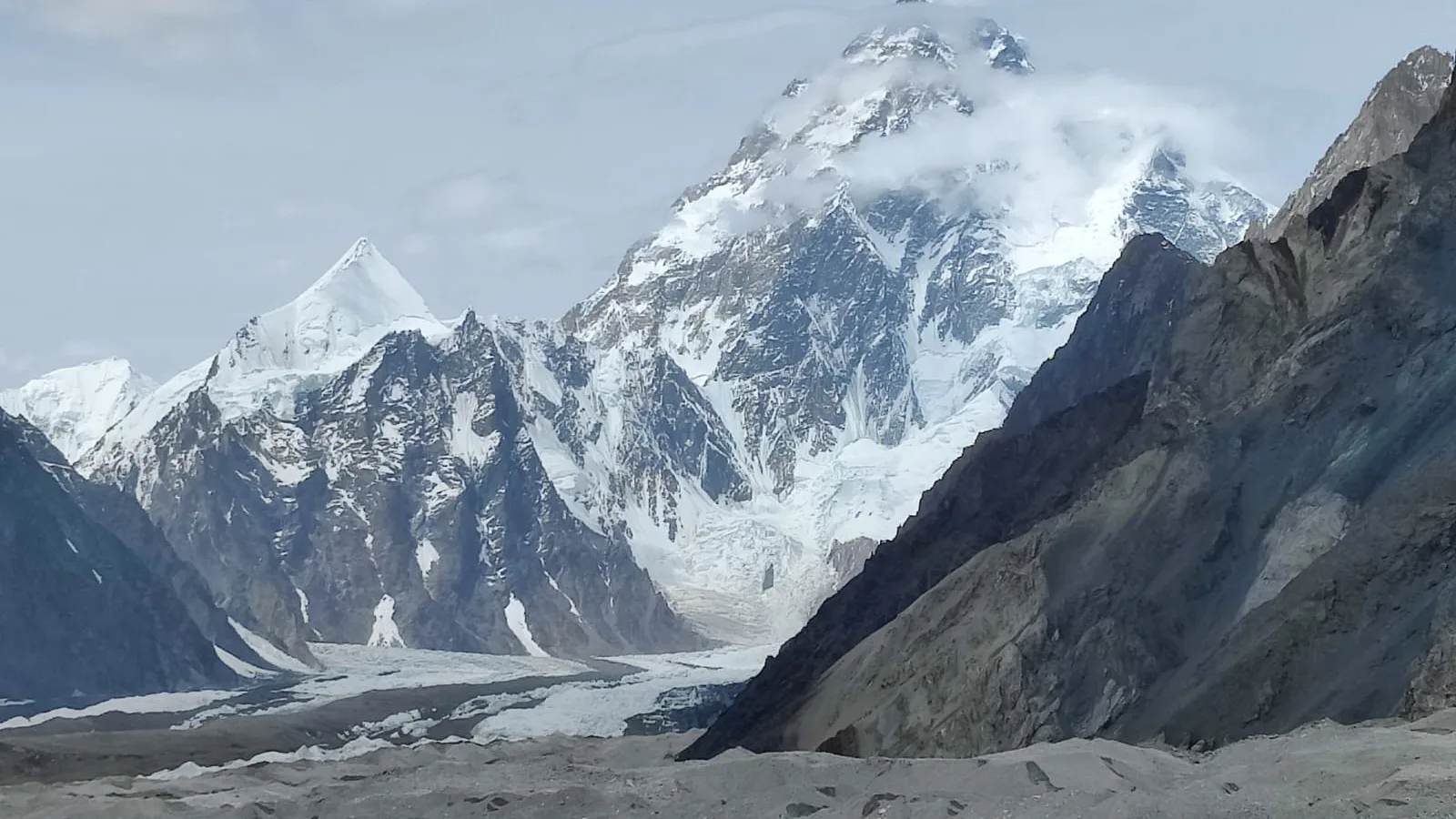
Nobody stood on top of K2 this summer. Here is what stopped the whole mountain
Forty-one people summited K2 in 2025. In 2026, nobody did. Heavy July snow, a hot August and the fewest permits in two decades, and what it tells climbers.