
Nepal Is Home to the World's Largest Rhododendron Forest, and It Blooms Blood-Red Every Spring
Inside the Annapurna forest above Ghorepani that turns crimson for ten weeks a year, and the narrow window when the low, mid and high bloom all line up at once.
At a glance
- Published
- TopicRecords & People
- Verified againstThe Kathmandu Post
- Treks coveredGhorepani Poon Hill Trek — 4 Days, Ghorepani Poon Hill Trek — 5 Days, Poon Hill & Annapurna Panorama Trek — 10 Days
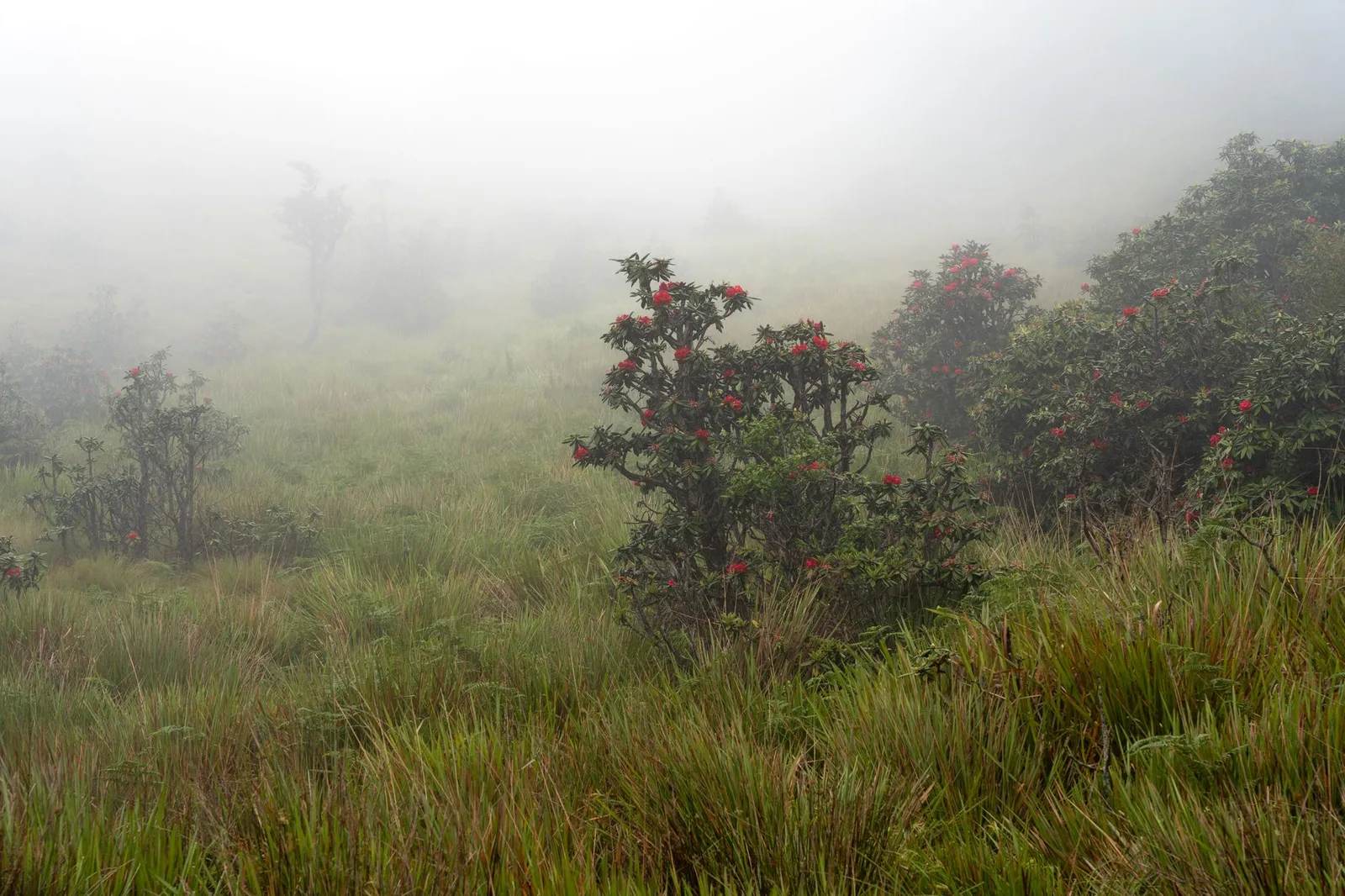
Somewhere above the village of Ghorepani, in the Annapurna foothills, an entire mountainside turns the colour of red wine every spring — and the forest doing it is widely described by botanists and Nepali travel writers as the largest of its kind on Earth.
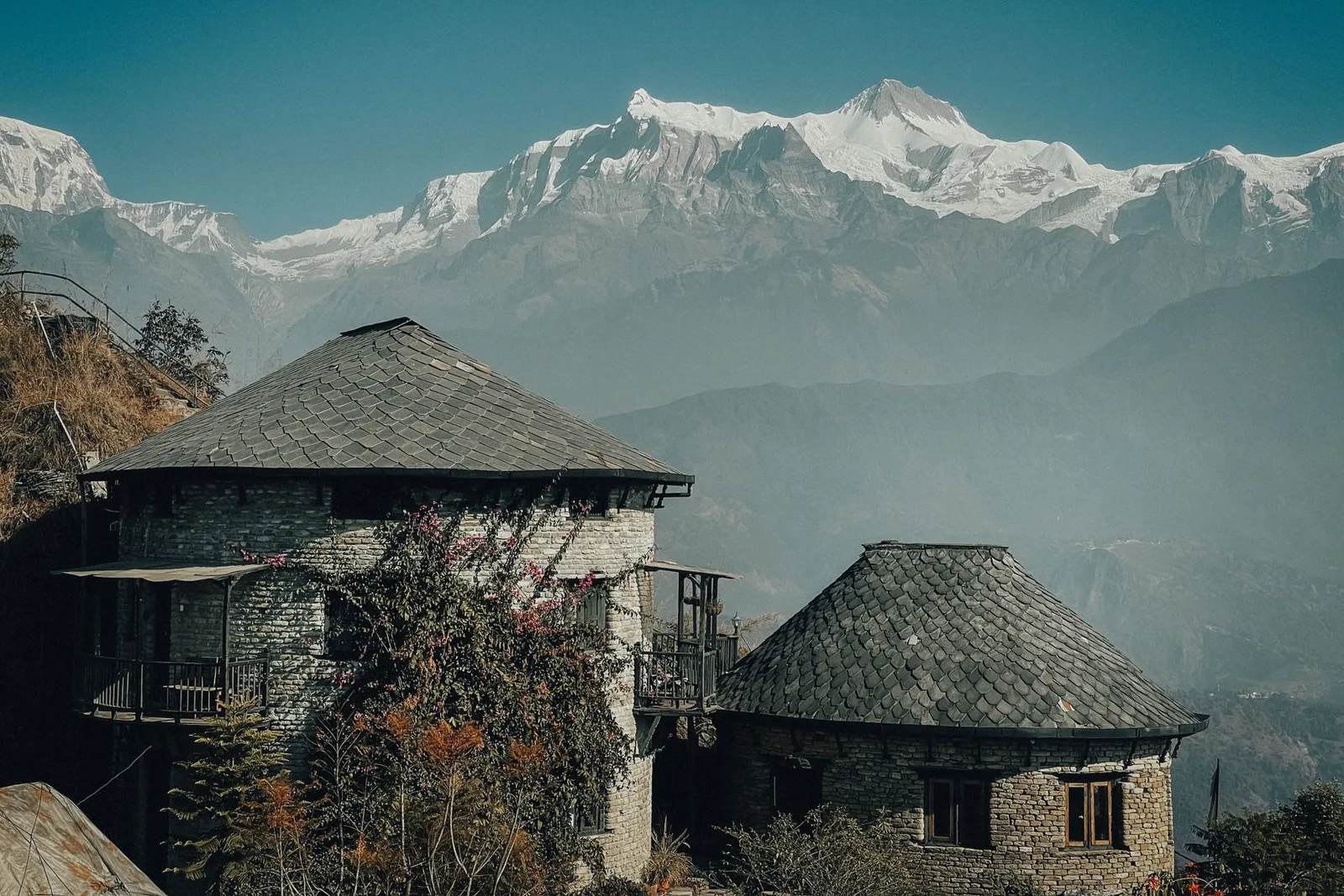
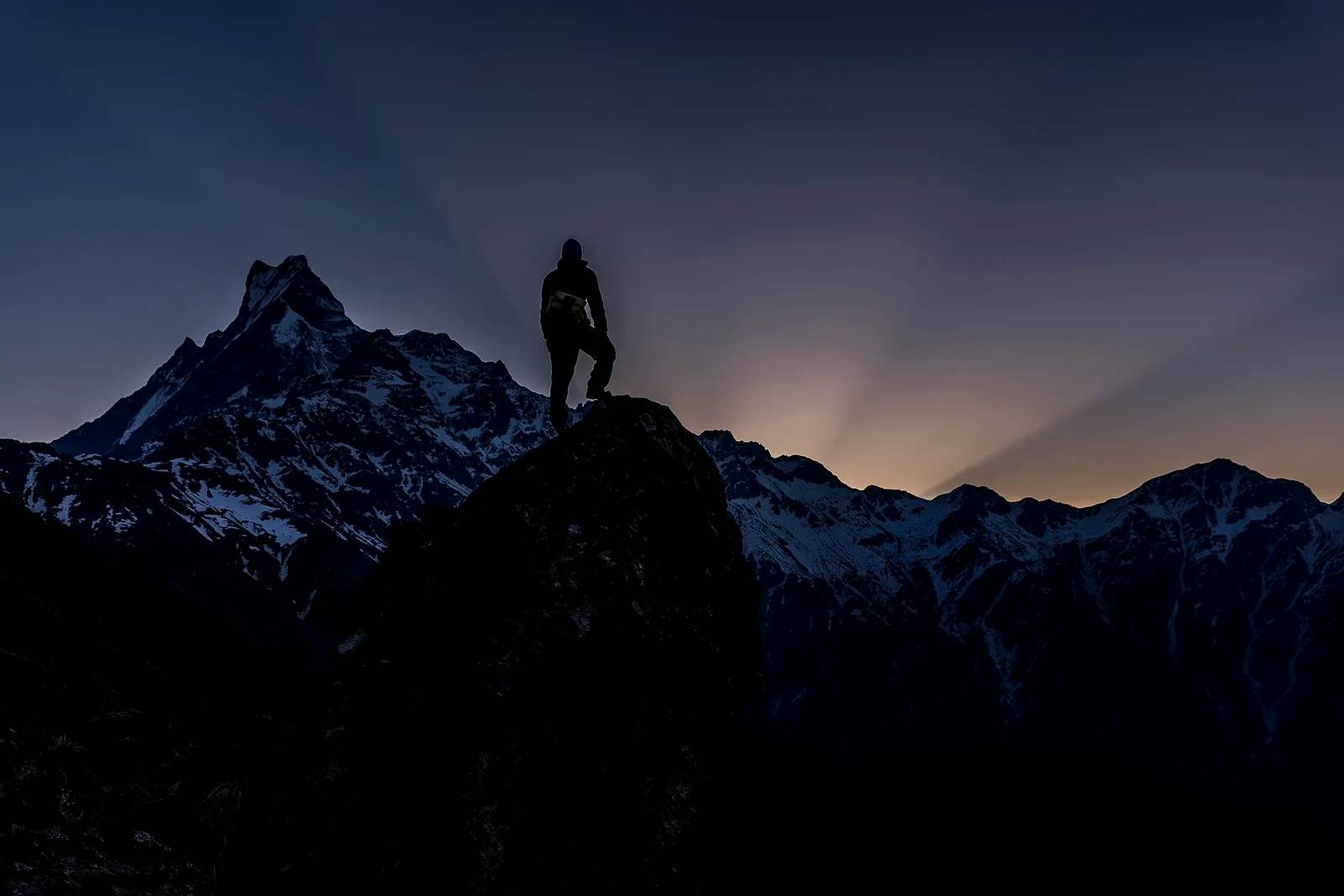
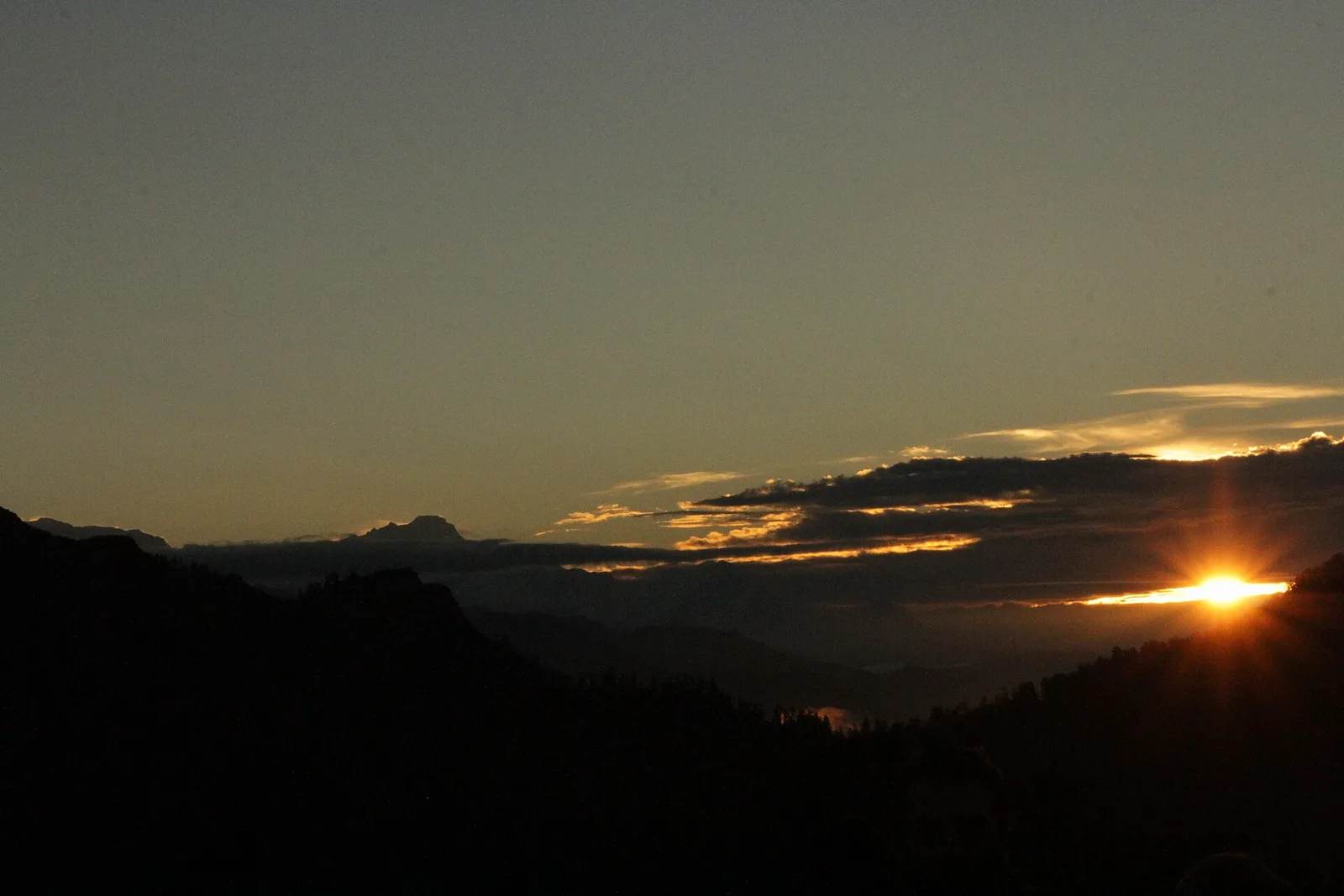
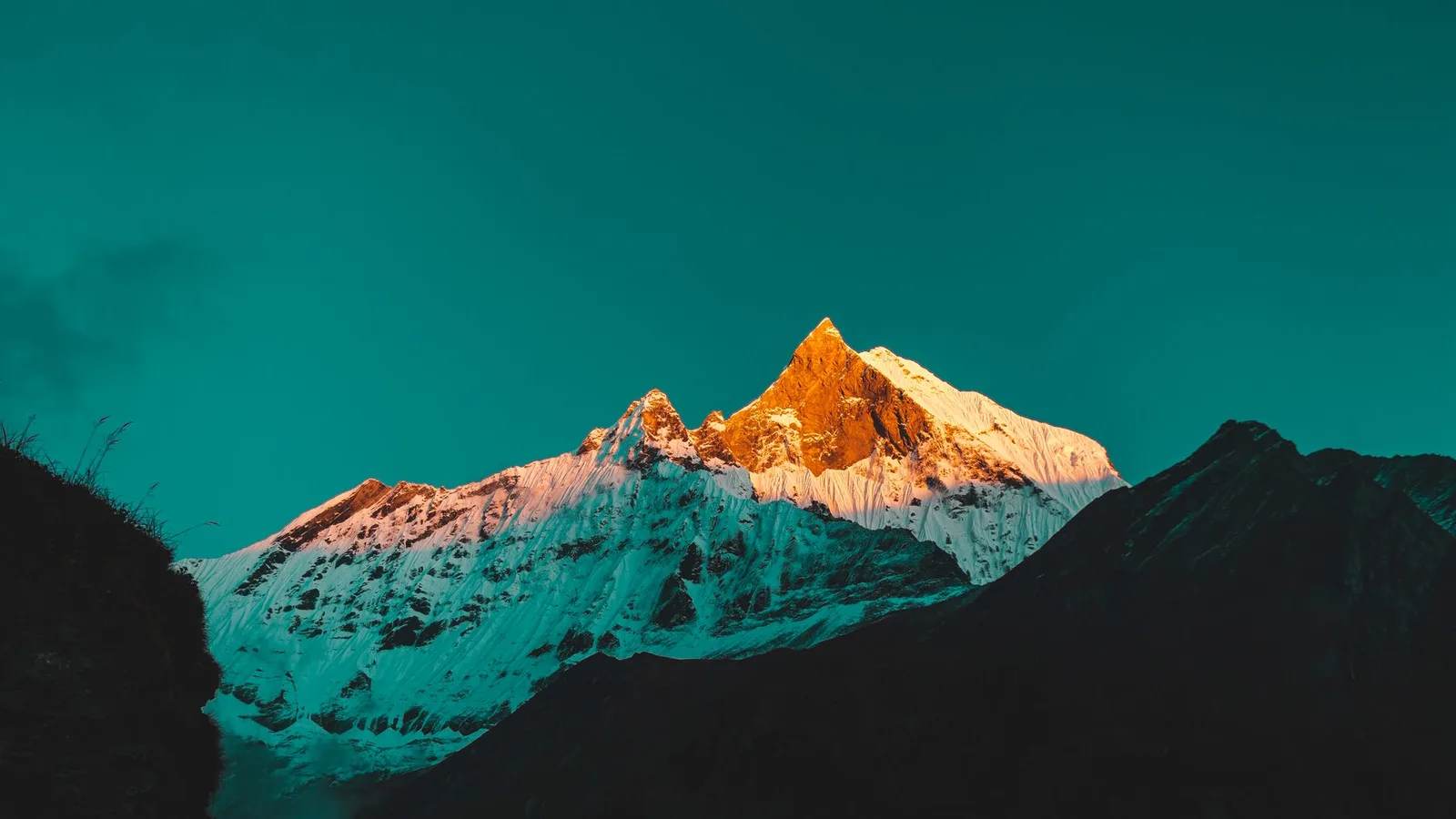
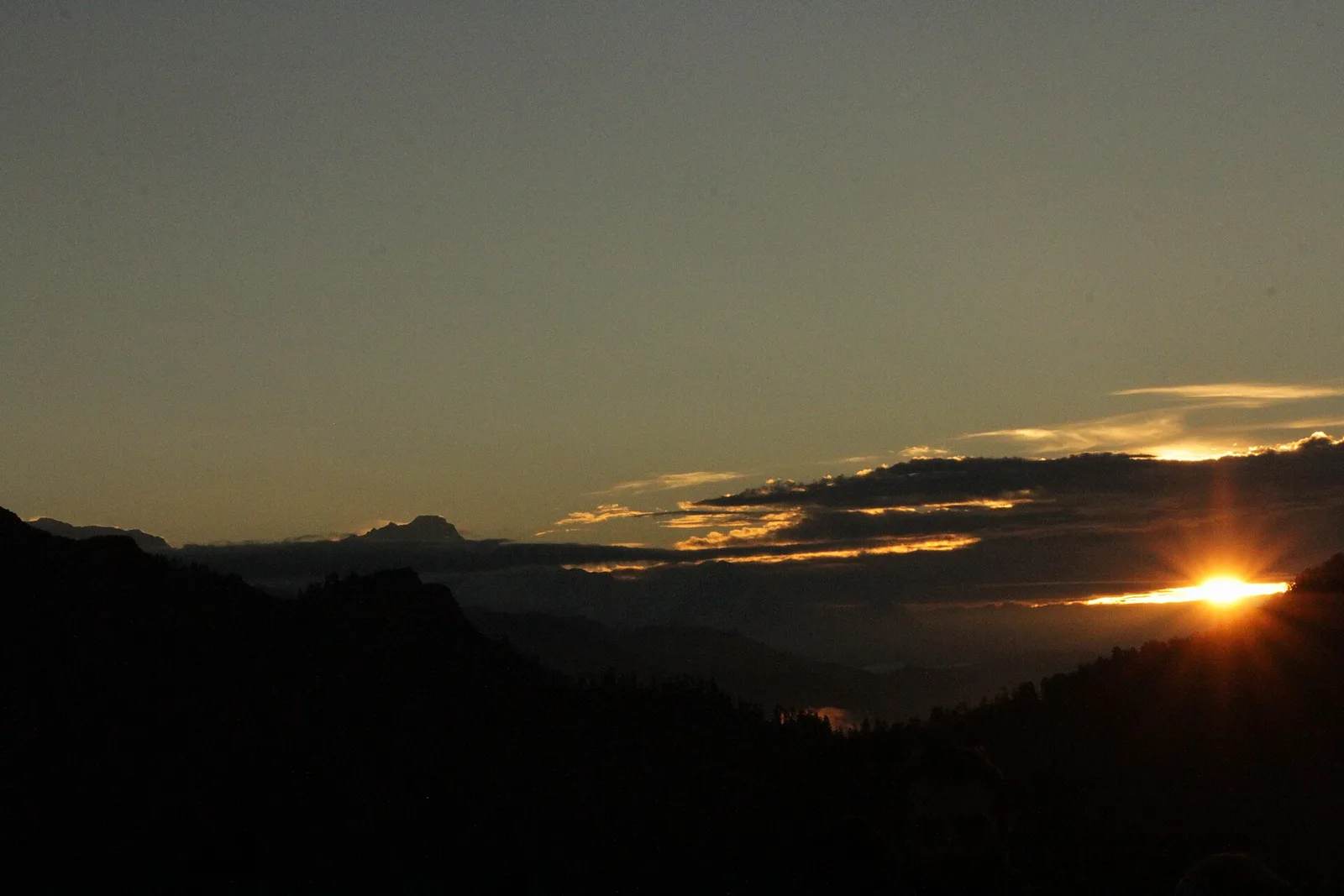
The colour comes from Lali Guras, Rhododendron arboreum, Nepal's national flower. For roughly ten weeks a year, from late February to early May, it turns the trekking trail above Ghorepani into a corridor of red, pink and white blossom, with Annapurna South, Dhaulagiri and Machhapuchhre rising behind it at dawn from the 3,210-metre viewpoint at Poon Hill.
Key facts
- Rhododendron (Lali Guras) has been Nepal's national flower since 1 February 1962, chosen by a nationwide competition that drew over 1,000 entries.
- Nepal holds more than 30 of the world's roughly 1,000 rhododendron species, spread across about 40 of the country's districts.
- The Ghorepani–Poon Hill forest, inside the Annapurna Conservation Area, is widely cited as the largest rhododendron forest in the world.
- Peak bloom moves with altitude — from around 1,500m in late February to above 3,500m by early May.
The flower's status is not a tourism-board invention. The late King Mahendra formally declared it the national flower in 1962, it was reaffirmed in Nepal's 2015 constitution, and it still appears on the 500 and 1,000 rupee banknotes and on the national coat of arms. Gurkha soldiers once tucked a blossom into their hats as a badge of home, and villagers across the mid-hills still press the petals into juice and pickle every spring — a use that predates the national symbol by generations.
Why Ghorepani, specifically
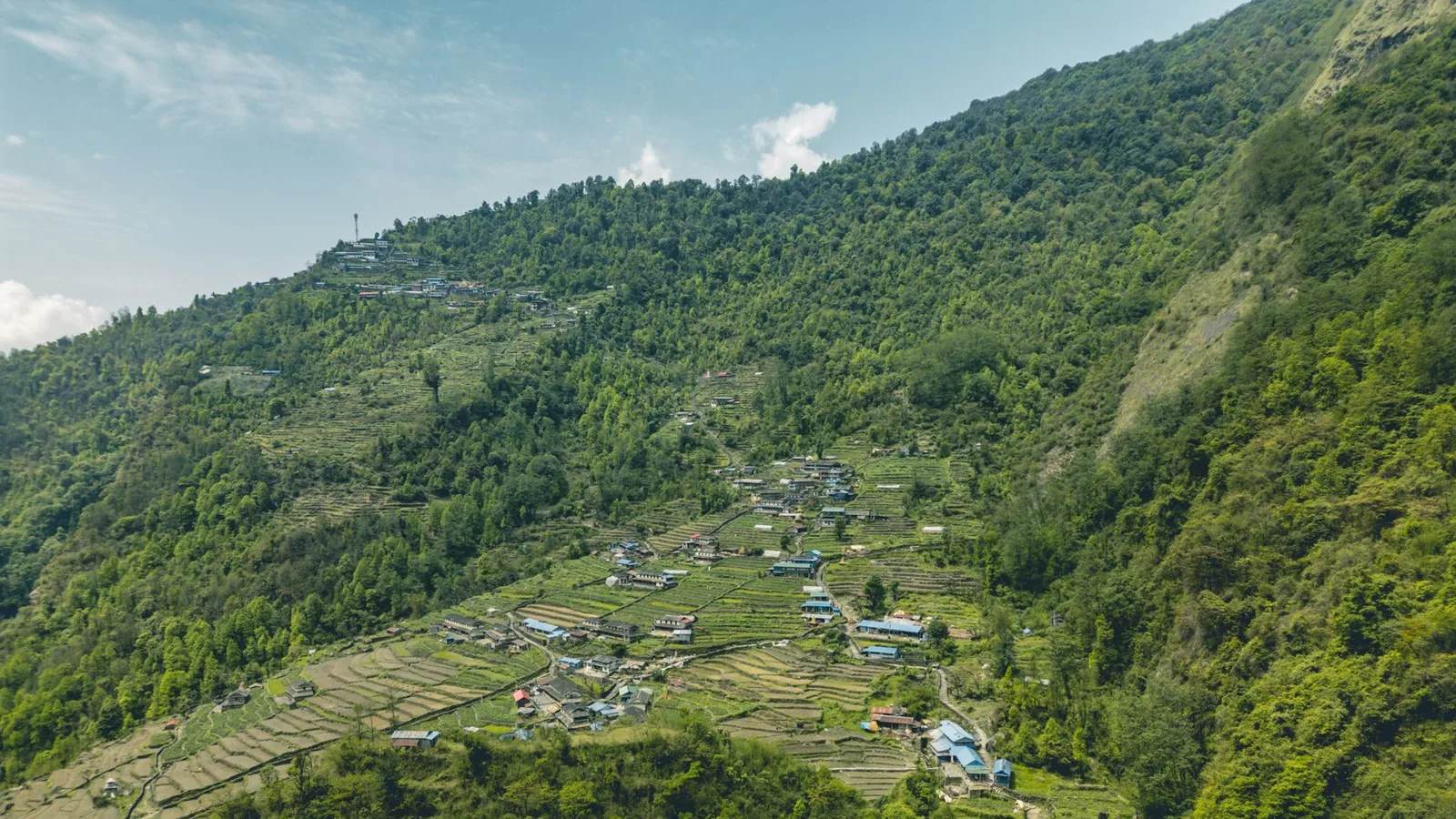
The Annapurna Conservation Area sits at the exact elevation band, rainfall and soil acidity that Rhododendron arboreum needs to dominate a forest canopy instead of growing as scattered undergrowth. Around Ghorepani, in Myagdi district, that band is wide and undisturbed enough that the rhododendron has simply taken over the hillside — which is why The Kathmandu Post and trekking guides across the region routinely call it the largest such forest anywhere. The Ghorepani Poon Hill trek is built almost entirely around walking through it.
The bloom does not arrive everywhere at once. It climbs the mountain gradually over ten weeks, which is worth knowing before booking flights around it.
Around 1,500–2,000m near Tikhedhunga and Ulleri, the earliest Rhododendron arboreum opens.
Between 2,500–3,000m around Ghorepani and Deurali, red, pink and white varieties layer together.
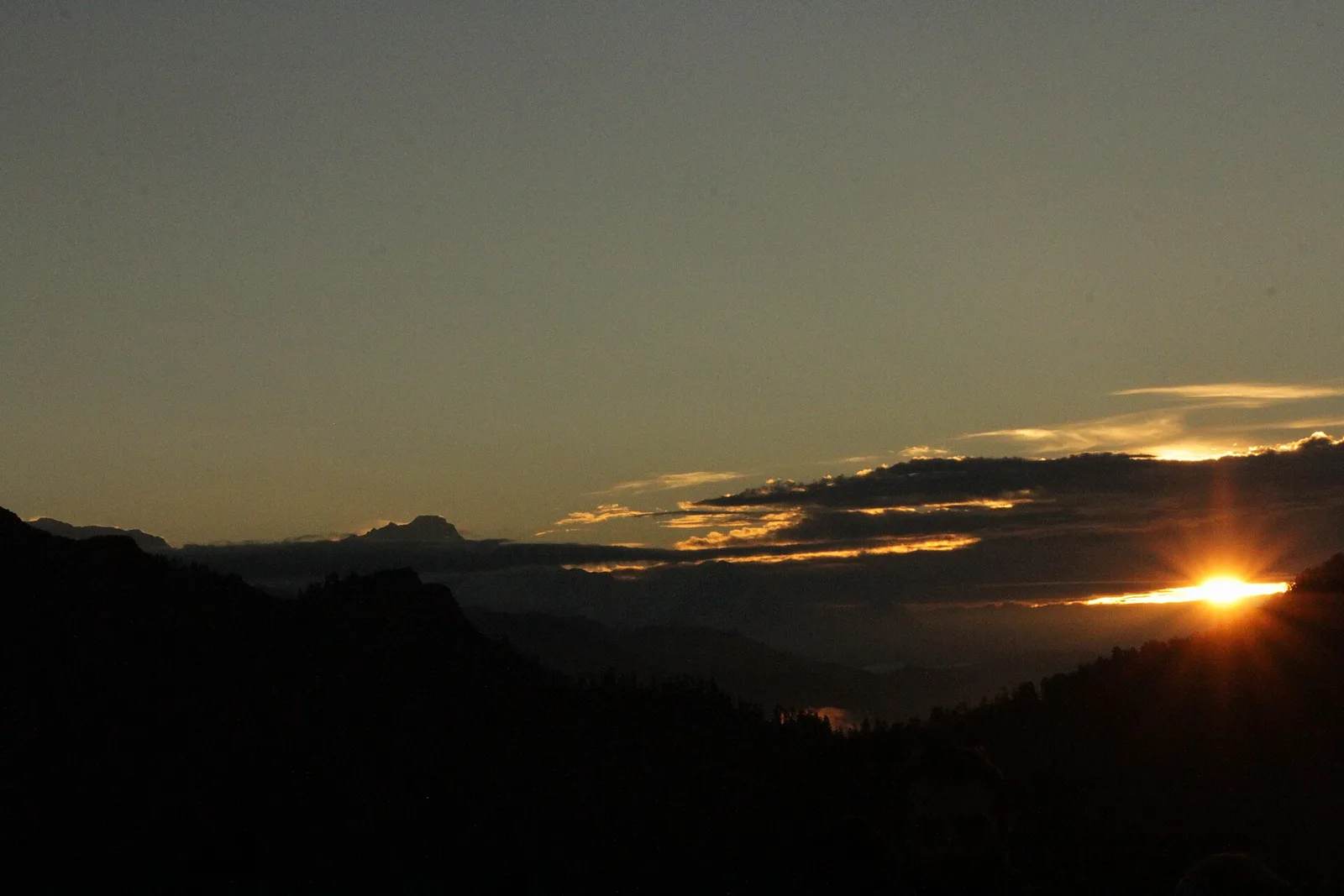
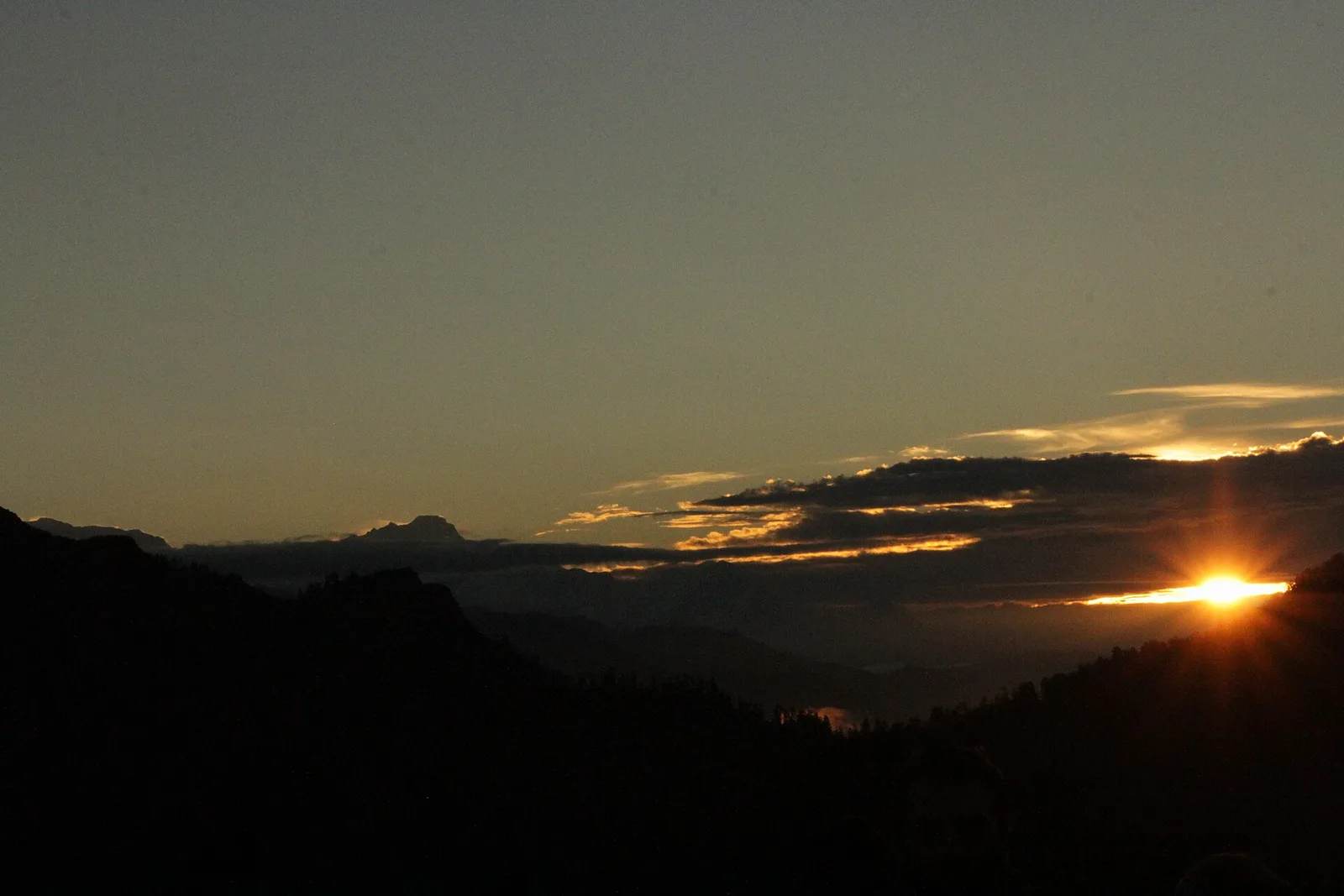
At 3,210m, the classic sunrise viewpoint frames Dhaulagiri and Annapurna South through red canopy.
Above 3,500m toward Mardi Himal and the Annapurna Sanctuary, the last high-altitude varieties open.
What this means for trekkers
Most foreign visitors time a Nepal trip around Everest or Annapurna Base Camp season and never learn there is a second, entirely different reason to come in spring. The Annapurna region guide covers the wider trekking calendar, but for the bloom specifically, the window is narrow and altitude-dependent: arrive too early and only the lower forest is out; arrive after mid-May and the flowers are gone from everywhere below 3,500m.
What this means for you
Late March to mid-April is the sweet spot — low, mid and high forest are all in bloom at once, and the standard 4–5 day Ghorepani Poon Hill route needs no technical gear and no permit beyond the usual ACAP/TIMS paperwork, so it suits first-time trekkers as easily as seasoned ones.
It is also one of the few Himalayan treks short enough to fold into a longer Annapurna itinerary — walkers continuing on to Annapurna Base Camp pass through the same forest on day one or two, before the trail climbs above the tree line for good.
Source: The Kathmandu Post.
Cover photo: Thilina Alagiyawanna via Pexels (Pexels License).
Still running this season
Ghorepani Poon Hill Trek — 4 Days is running normally
NMA-certified local guides, transparent pricing, 5,000+ treks since 1998. Message us your dates and we'll sort the permits, lodges and logistics — reply within 24 hours, no obligation.
Popular Nepal treks
All treks →
Related coverage
Records & People
Nobody Tells You Nepal's National Flower Turns Whole Mountainsides Crimson Every Spring
Nepal's national flower isn't grown in a garden bed — it's a forest tree that turns entire hillsides red for about six weeks a year, and the bloom climbs the mountain in a predictable wave.
Records & People
Eight of the World's 14 Highest Peaks Touch Nepal, and Only Three Sit Entirely Inside It
Nepal shares five of its eight giants with a neighbour, and all eight were first climbed within a single decade, starting with Annapurna in 1950.
Safety & Advisories
Is the Ghorepani Poon Hill Trek Affected by the 2026 Nepal Floods?
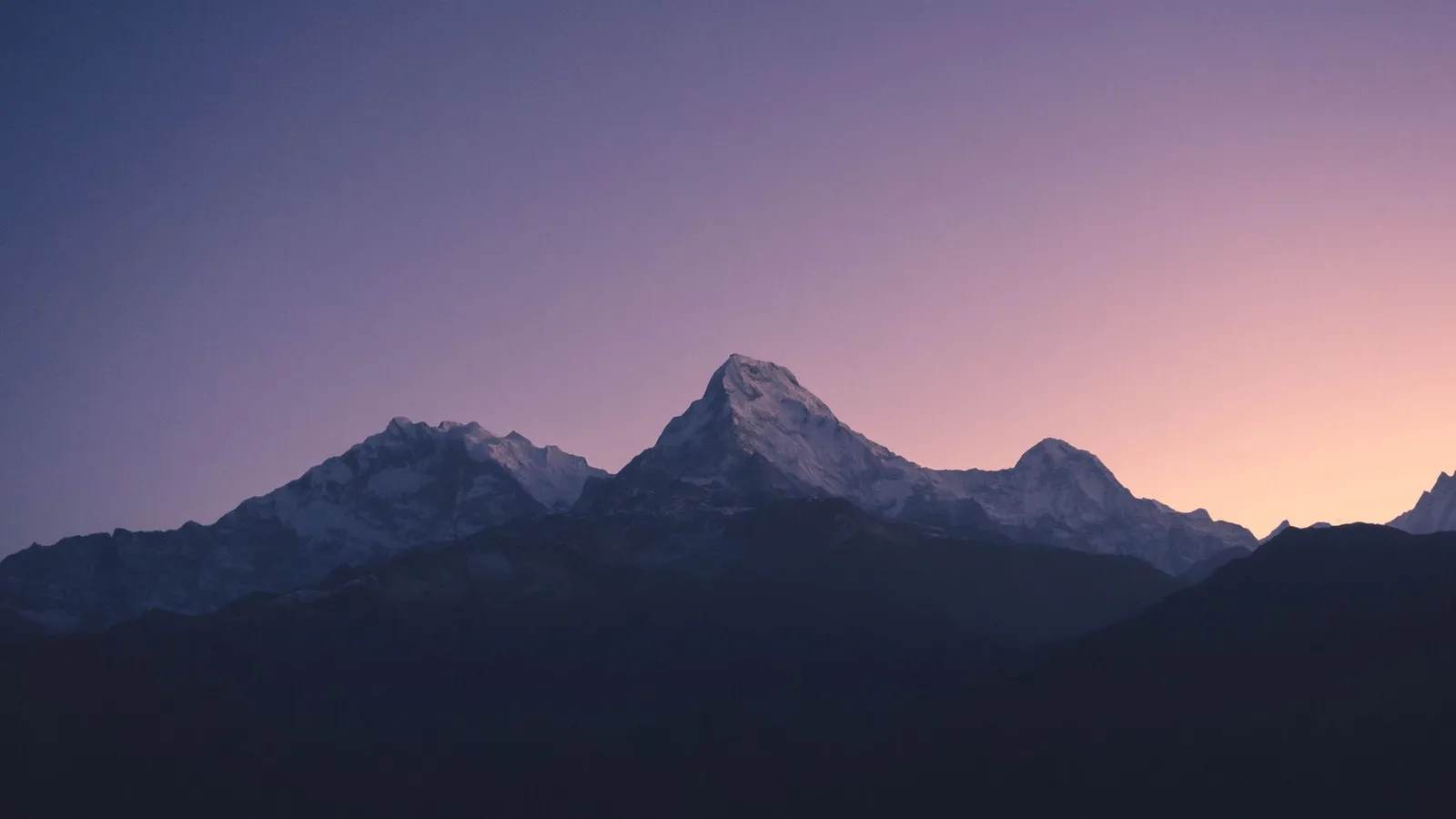
No — Poon Hill is an Annapurna-region trek out of Pokhara, on the far side of Nepal from the Rasuwa flood, and it is running normally. Here is why, plus the one seasonal road note for first-timers.
Trail & Weather
Which Nepal Trek Should a Beginner Actually Do in 2026? Poon Hill vs Mardi Himal vs Langtang, Compared
If you've never trekked above 3,000 metres before, the honest starting point is Poon Hill or Panchase, not Everest Base Camp — here's the real difference in altitude, days and cost.
Latest from the desk
Trail & Weather
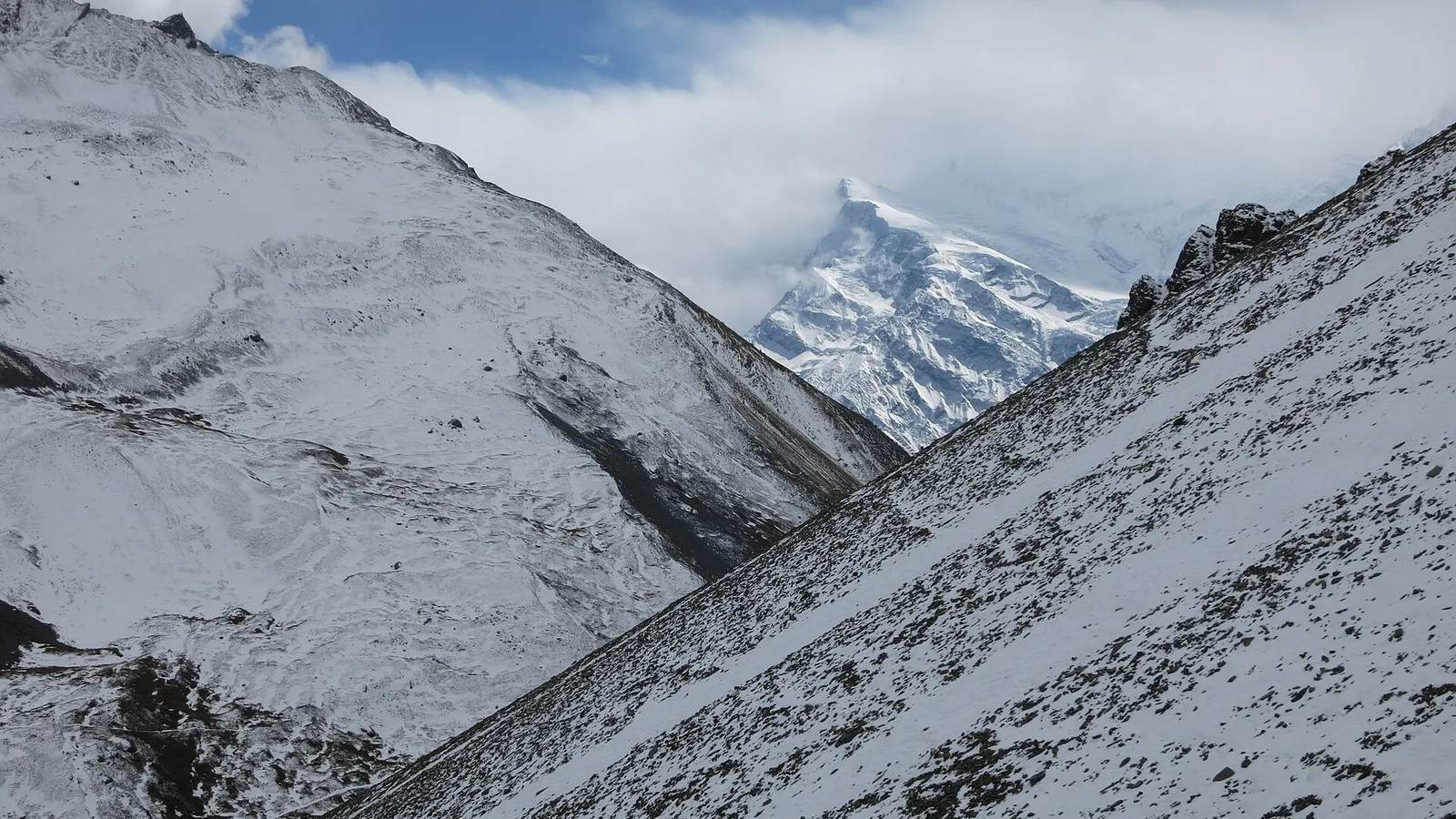
Thorong La is sold as the world's highest pass, but Everest has one 119 metres higher
At 5,416 metres it tops the Annapurna Circuit, yet Kongma La on the Everest Three Passes route stands 5,535 metres tall.

World Destinations
Why Japan has fewer tourists this year even as more Americans than ever go
Arrivals fell 9.6% in August while US visits ran at a record pace, up 6.1% for the year. One market explains almost the entire drop.
World Destinations
Which US national parks are actually the busiest, by the Park Service’s own count
323 million visits in 2025, down on the year before. The busiest place in the system is not a national park at all, and Zion now outdraws Yellowstone.