
Chinese Tourist Arrivals to Nepal Just Passed Pre-Pandemic Levels, Jumping 61% in a Single Month
July 2026 arrivals from China beat July 2019 for the first time, even as Nepal's overall foreign arrivals grew by just 2.3%.
At a glance
- Published
- TopicIndustry & Tourism
- Verified againstOnlineKhabar English News
- Treks coveredAnnapurna Base Camp Trek — 9 Days, Everest Base Camp Trek — 14 Days, Kathmandu & Pokhara Tour — 5 Days
Nepal's tourism numbers for July 2026 look unremarkable at first glance: 71,775 foreign arrivals, up a modest 2.3 percent on the year before. Buried inside that flat headline is a milestone nobody in Kathmandu flagged at the time — arrivals from China just overtook their pre-pandemic level for the first time since COVID closed the border in 2020.
Key facts
- Nepal welcomed 71,775 foreign tourists in July 2026, up 2.3% on July 2025's 70,193.
- Arrivals from China hit 11,099 — up 61% year-on-year, and above the July 2019 pre-pandemic count of 10,215 for the first time.
- India remains the single largest source market, with 23,490 arrivals — a third of all visitors.
- Arrivals from South Asia (SAARC) fell 11.9% even as the rest of Asia, outside SAARC, grew 33%.
The figures come from Nepal Tourism Board data reported by OnlineKhabar, and they land a year after Nepal fell far short of the 500,000 Chinese visitors it had publicly targeted, drawing closer to 95,000 for the whole of that year. A single strong month doesn't erase that gap, but July's number is the clearest sign yet that Chinese demand for Nepal is actually recovering, not just recovering on paper.
| Country | Arrivals | Share |
|---|---|---|
| India | 23,490 | 32.7% |
| China | 11,099 | 15.5% |
| United States | 7,754 | 10.8% |
| Bangladesh | 4,179 | 5.8% |
| United Kingdom | 3,773 | 5.3% |
| Australia | 2,428 | 3.4% |
| All countries | 71,775 | 100% |
The three-year trend line is the real story. China's arrivals dropped hard through the pandemic recovery years, and even by July 2025 were still running below 2019. This July is the first time that gap has closed.
What this means for trekkers and travellers
The broader pattern in the data cuts against the usual assumption that Nepal's growth is purely an India story. Arrivals from South Asia actually fell 11.9% in July, while the rest of Asia — China chief among it — grew 33%. Western arrivals held steady rather than surged: the United States sent 7,754 visitors, the United Kingdom 3,773, Australia 2,428. None of those markets moved anywhere near as sharply as China did.
What this means for you
If you're planning an autumn 2026 trip — the peak season for both Everest Base Camp and Annapurna Base Camp — expect busier teahouses, fuller Lukla and Pokhara flights, and tighter lodge availability on the classic routes than in recent years. Booking your dates and permits several months ahead, rather than on arrival in Kathmandu, is a bigger advantage this year than last.
For operators, the shift also shows up in which trips get booked: short, scenic, low-altitude itineraries out of Kathmandu and Pokhara — the kind that suit first-time visitors from a market only recently reopening to independent travel — alongside the classic long treks. Group sightseeing routes like the Kathmandu & Pokhara tour sit squarely in that category, alongside the marquee treks that draw Western trekkers, such as Everest Base Camp and Annapurna Base Camp.
Source: OnlineKhabar English News, citing Nepal Tourism Board data.
Cover photo: Volker Meyer via Pexels (Pexels License).
Still running this season
Everest Base Camp Trek — 14 Days is running normally
NMA-certified local guides, transparent pricing, 5,000+ treks since 1998. Message us your dates and we'll sort the permits, lodges and logistics — reply within 24 hours, no obligation.
Popular Nepal treks
All treks →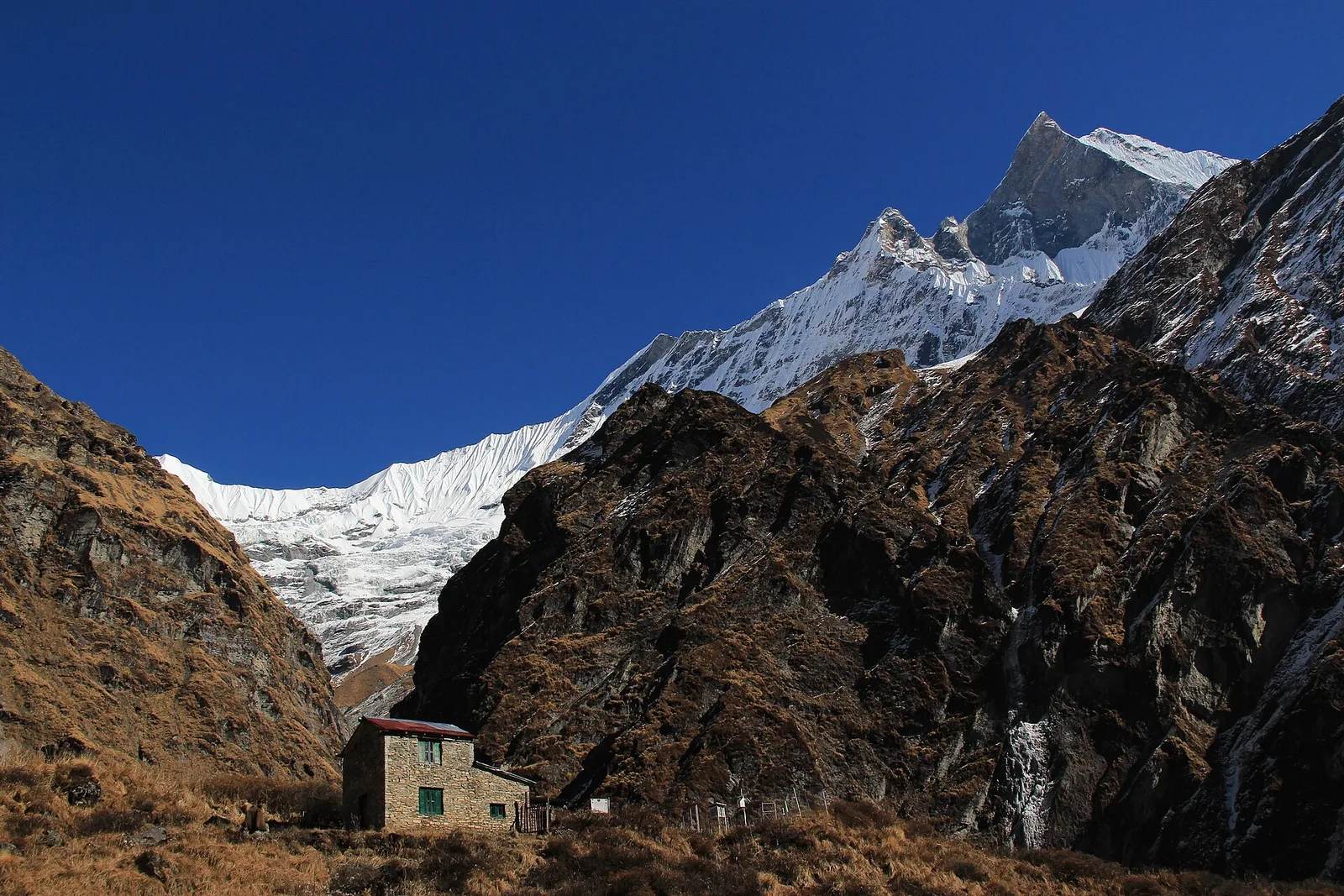
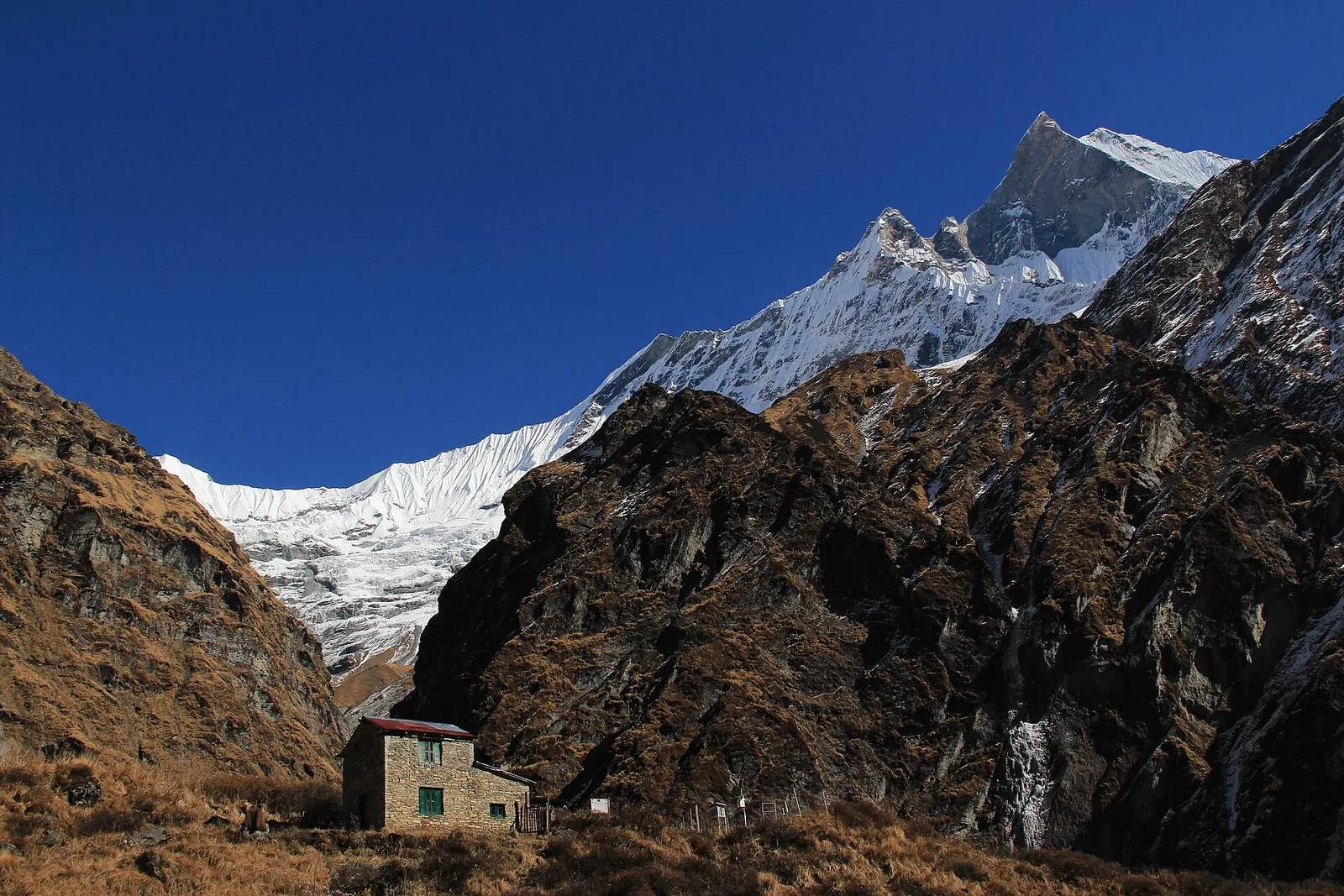
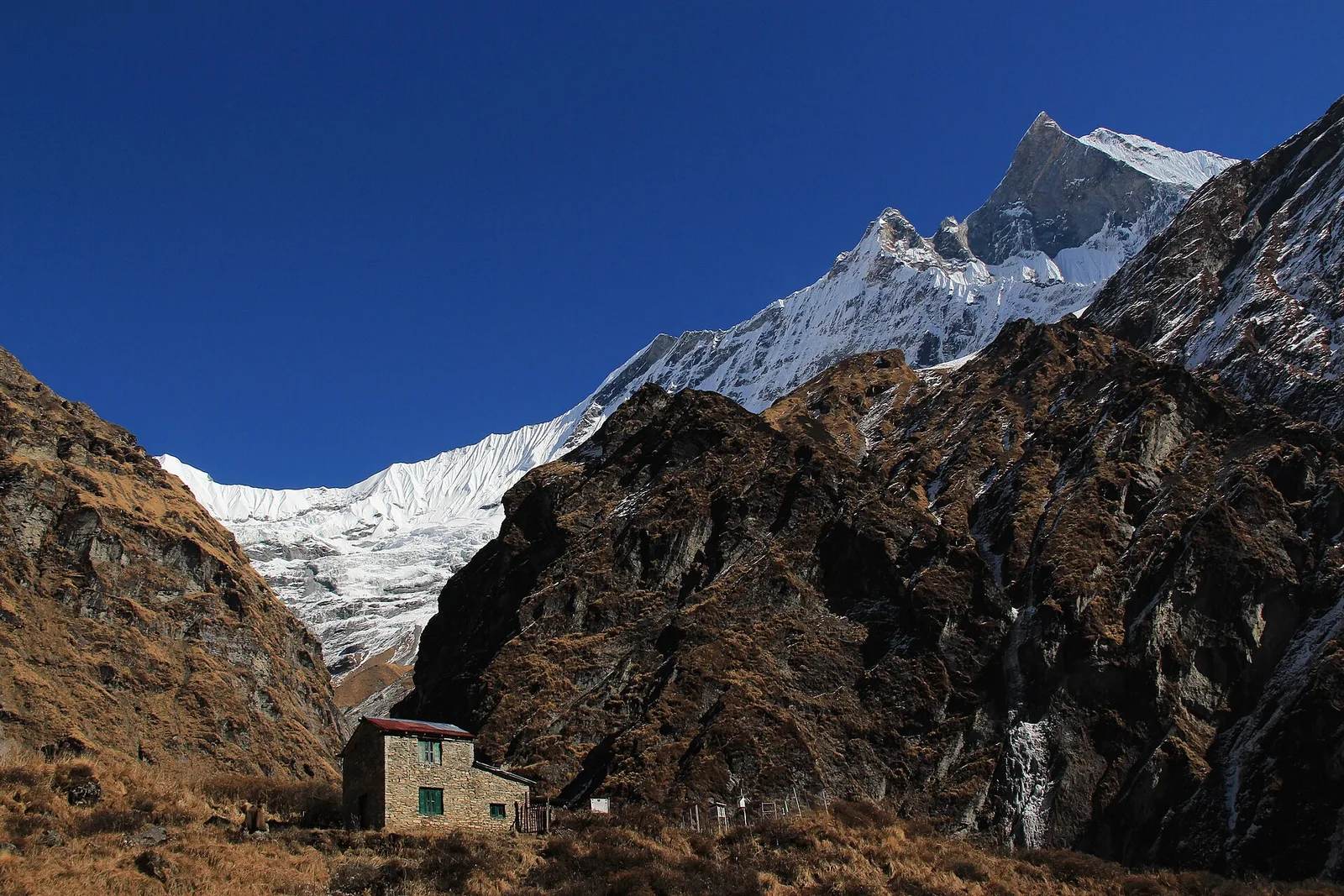
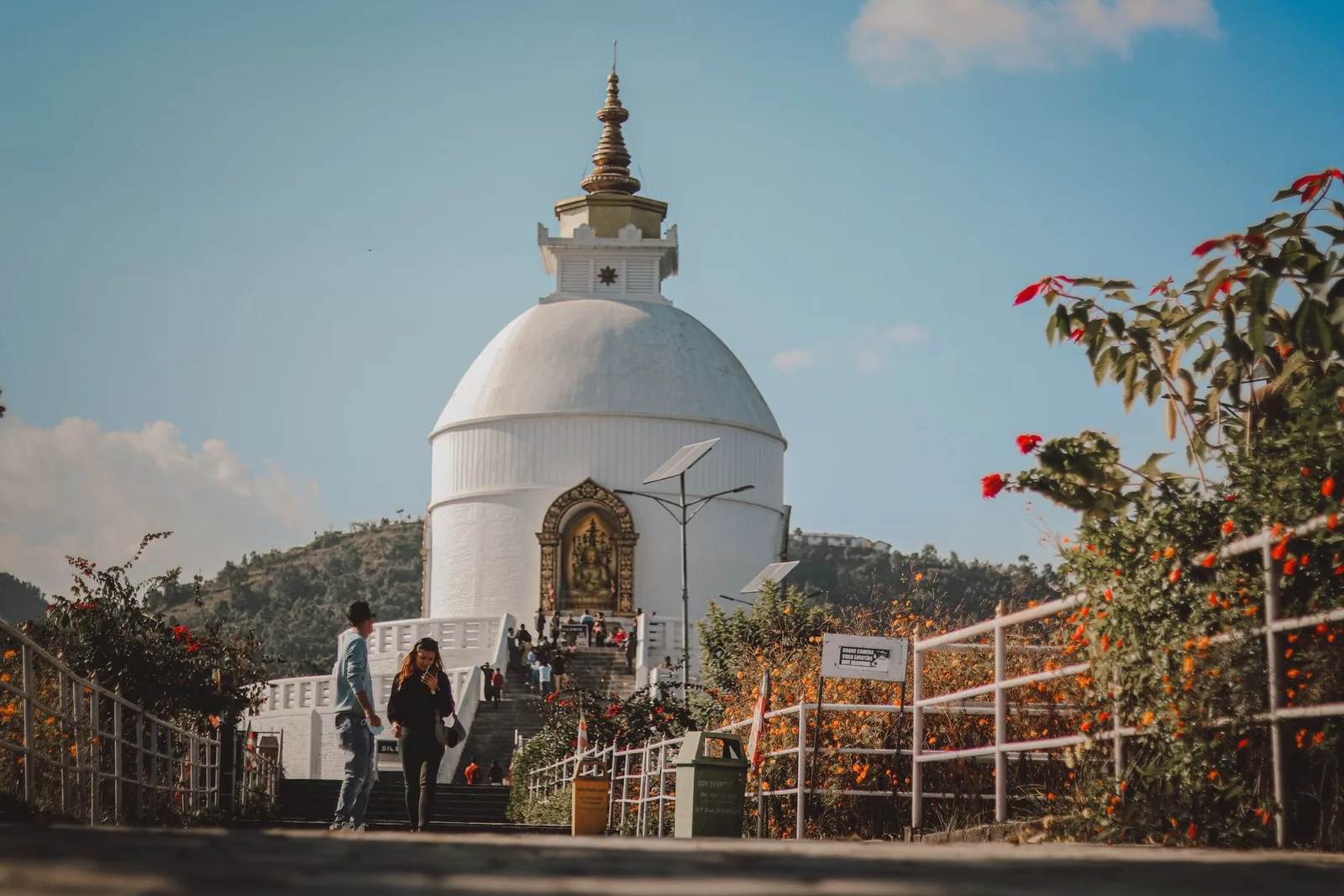
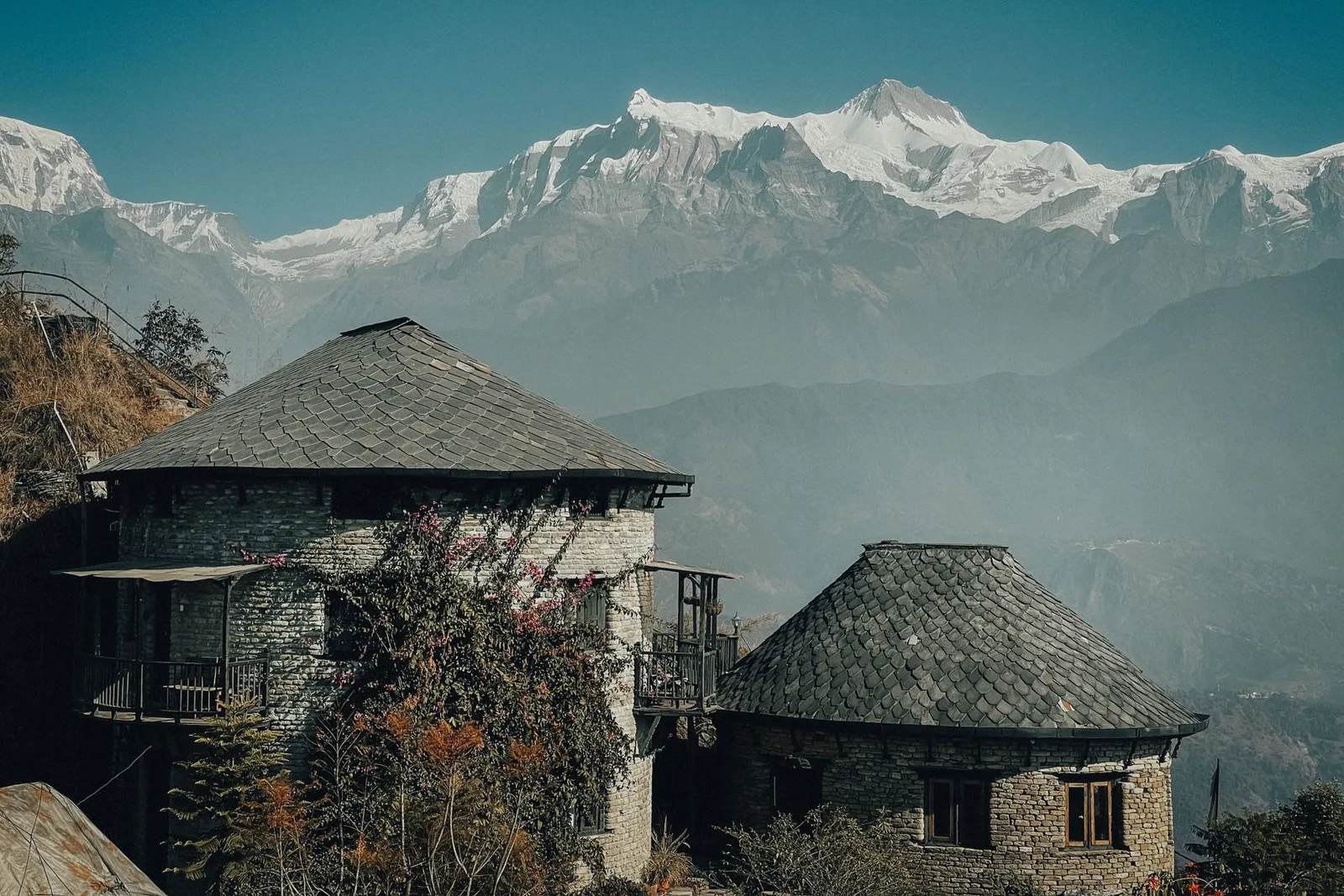
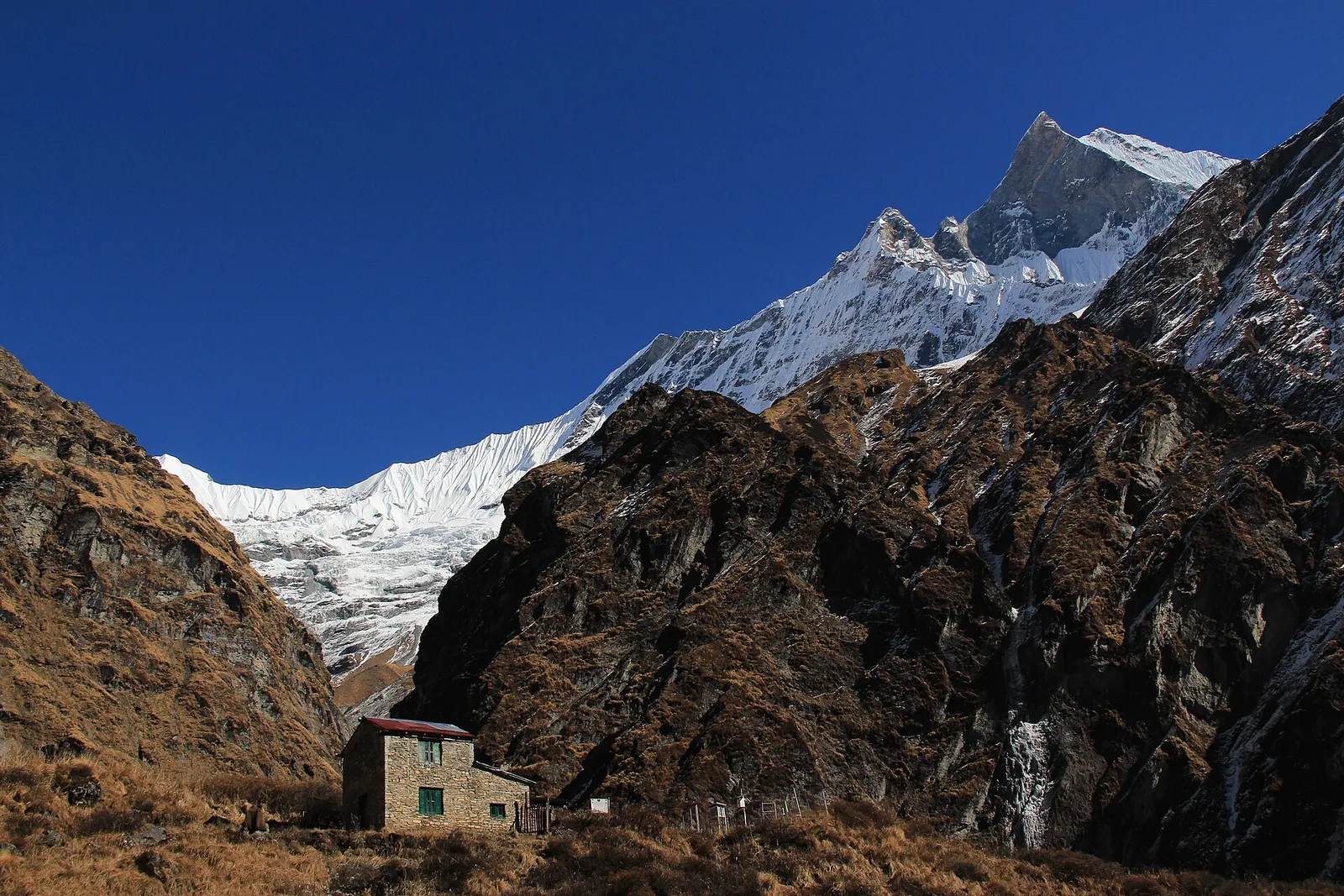
Related coverage
Flights & Access
Why Nepal runs its clocks 15 minutes off India, and the mountain behind it
Nepal Standard Time is UTC+5:45, one of only three 45-minute time zones on Earth, set to a meridian running through a peak Nepalis hold sacred.
Records & People
Eight of the World's 14 Highest Peaks Touch Nepal, and Only Three Sit Entirely Inside It
Nepal shares five of its eight giants with a neighbour, and all eight were first climbed within a single decade, starting with Annapurna in 1950.

World Destinations
Where to Travel Each Month in 2026: A Month-by-Month Guide to the Best Seasons Worldwide
A season-first calendar of where the weather works best in every month of 2026 — from Southeast Asia’s dry winter and Japan’s cherry blossom to Europe’s summer, Nepal’s autumn trekking peak and the Caribbean’s dry-season sun.
Safety & Advisories
Nepal Trekking Conditions Right Now: Region-by-Region Status After the 2026 Floods
Which trails are open, which access roads are cut, and what autumn 2026 actually looks like — updated through the season by a team based in Pokhara.
Latest from the desk
Records & People
Nobody stood on top of K2 this summer. Here is what stopped the whole mountain
Forty-one people summited K2 in 2025. In 2026, nobody did. Heavy July snow, a hot August and the fewest permits in two decades, and what it tells climbers.
Visas & Entry
The EU just let nine countries relax its EES border checks. Is your airport one of them?
Europe’s EES fingerprint grace period ended on 6 September, then nine countries were reportedly allowed to keep it. What it means for your border queue.
Records & People
Eight Sherpas Build the Path Every Everest Climber Walks, and This Spring One Ice Tower Stopped Them for 19 Days
The Icefall Doctors fix the ladders and ropes through the Khumbu Icefall each spring, and in 2026 a 28-metre serac made it the latest route opening in years.