
The EU just let nine countries relax its EES border checks. Is your airport one of them?
Europe’s EES fingerprint grace period ended on 6 September, then nine countries were reportedly allowed to keep it. What it means for your border queue.
At a glance
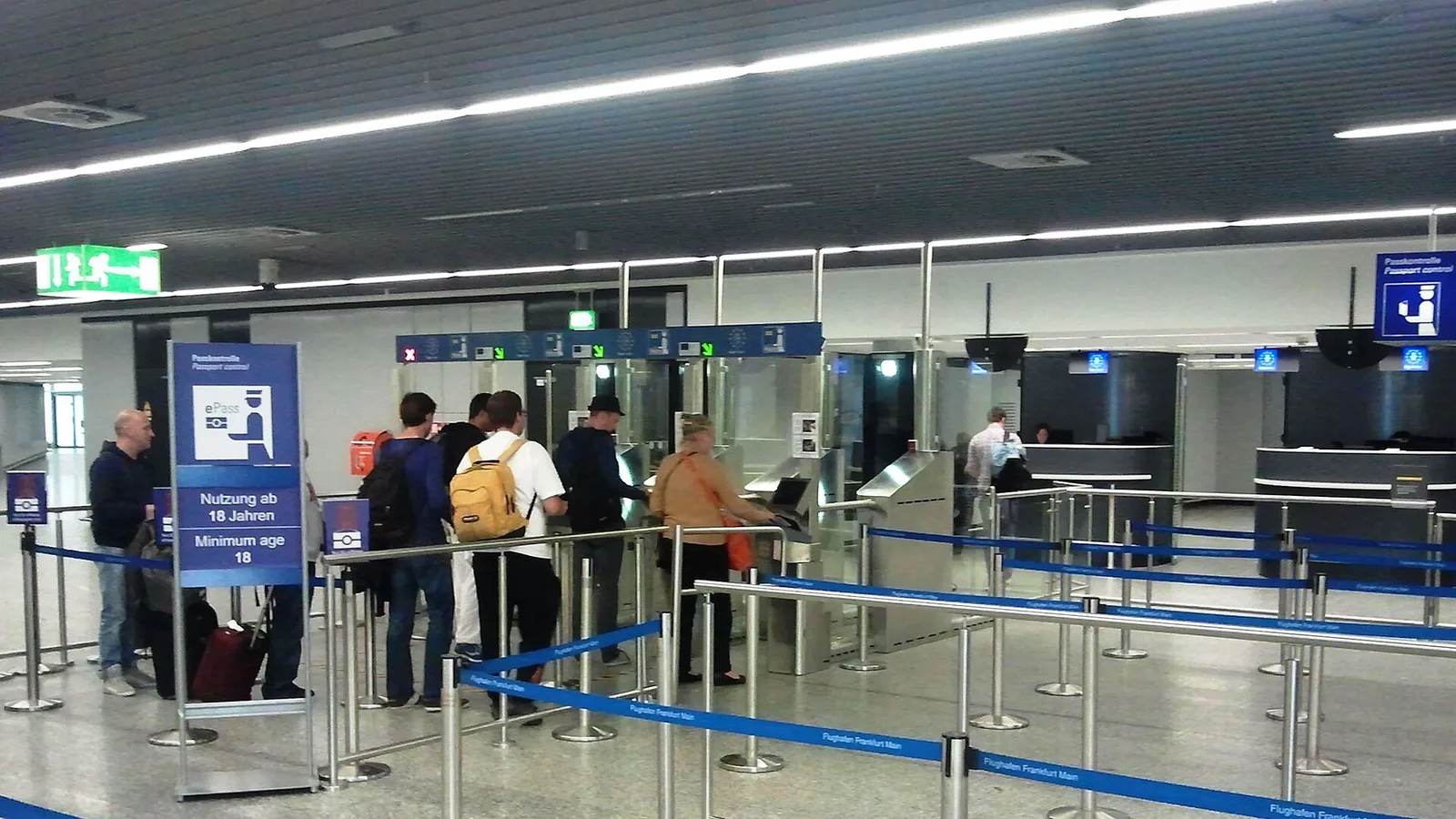
Europe’s new biometric border check, the Entry/Exit System (EES), lost its safety valve on 6 September 2026 — and then, a week later, nine countries were reportedly allowed to keep it anyway. France, Germany, Italy, Belgium, the Netherlands, Greece, Malta, Portugal and Switzerland may still suspend fingerprint and face scans when queues get out of hand, according to Biometric Update, with no new end date. Everywhere else in the Schengen area, including Spain, the full check now applies. If you are a non-EU traveller flying into Europe this autumn, which country you land in now decides how long you stand at the border.
Key facts
- EES replaces passport stamps with a digital record of your photo and fingerprints, taken at your first entry.
- It started on 12 October 2025 and has been fully operational at every Schengen border since 10 April 2026.
- A temporary power to suspend biometric collection at congested crossings expired on 6 September 2026.
- Nine countries have reportedly been given informal approval to keep suspending it, with no deadline. The European Commission declined to comment.
- It applies to non-EU nationals on short stays — both visa-free visitors and those who need a Schengen visa. EU citizens are not registered.
What changed on 6 September
The emergency brake came off. Since the system went fully live in April, border guards at busy crossings could stop taking fingerprints and face scans when waiting times became excessive, and simply wave people through with a passport check. That discretion was built in as a temporary measure while airports adjusted, and it expired on 6 September. From that date the rule was that every non-EU short-stay traveller gets the full registration at their first entry.
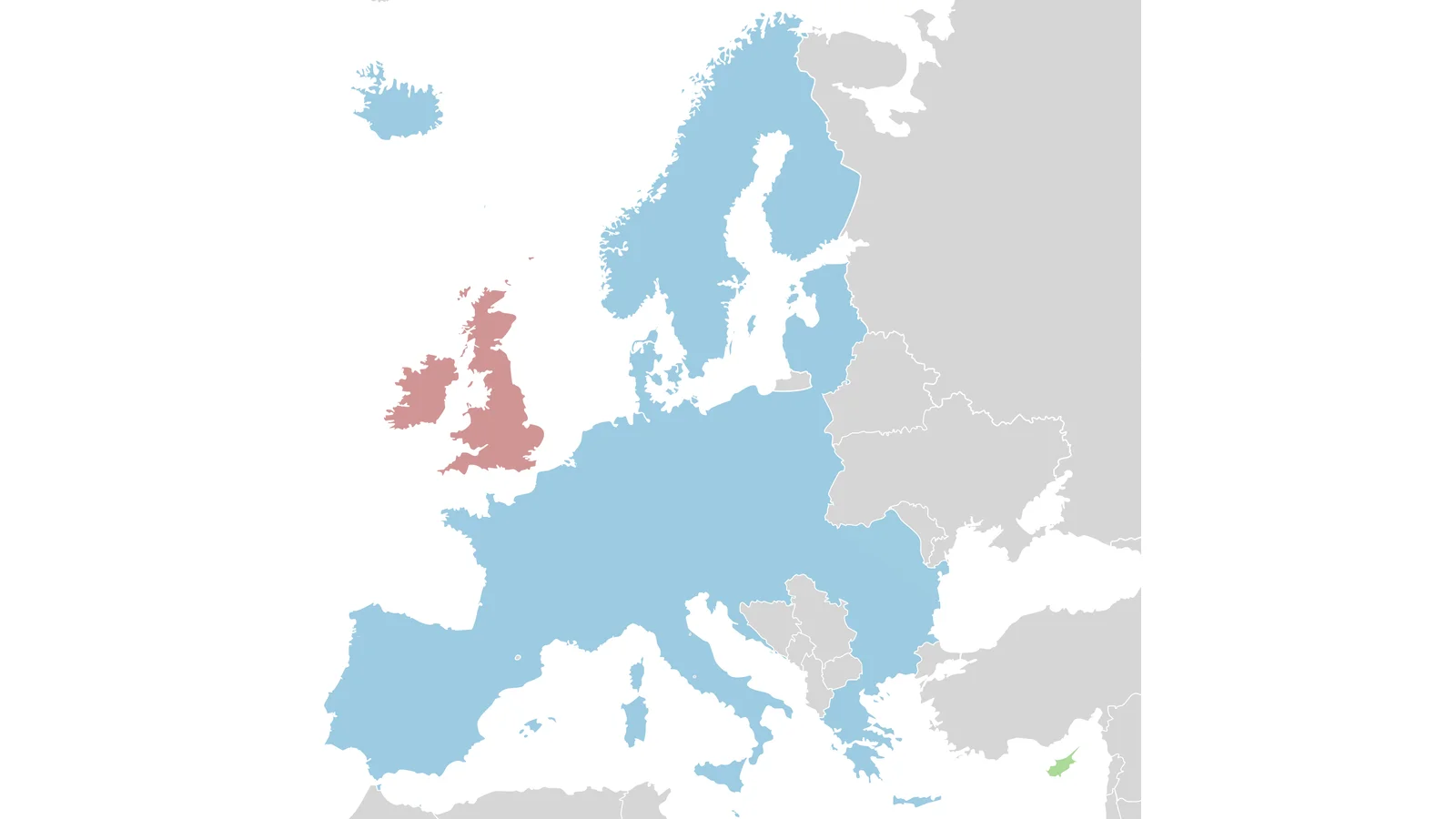
It did not stay that simple for long. On 14 September, Biometric Update reported that nine countries had been given informal approval to keep using the flexibility “to maintain border fluidity”, without a new deadline. Spain’s regional press reported that Spain was not among them. The Commission has not confirmed the arrangement publicly, so treat the list as reported rather than official, and expect it to change.
Which countries can still ease the check
Nine, by the current reporting — and they include most of the big long-haul hubs. Frankfurt, Paris, Amsterdam, Munich and Rome all sit in countries on the list. Madrid and Barcelona do not.

| Country | May still suspend biometric checks? |
|---|---|
| France, Germany, Italy, Belgium, the Netherlands | Yes, reportedly — no end date |
| Greece, Malta, Portugal, Switzerland | Yes, reportedly — no end date |
| Spain | No, per Spanish press reports |
| Other Schengen states | Not reported; assume the full check |
“May suspend” is not “will suspend”. The flexibility is a tool for peak hours, used crossing by crossing. On a quiet Tuesday morning in Frankfurt you should expect to give your fingerprints like everyone else.
How bad the queues have been
Roughly twice as long as a year earlier at the worst hubs. Figures compiled by the Financial Times and the travel analytics group Qsensor, reported by Euronews, compared July 2026 with July 2025:
| Airport | Measure | July 2025 | July 2026 |
|---|---|---|---|
| Frankfurt | Average wait | 60 min | 120 min |
| Munich | Average wait | 31 min | 60 min |
| Amsterdam | Maximum wait | 80 min | 120 min |
Those July numbers were recorded while the flexibility was still available everywhere. The worry now is the countries that no longer have it, during the October half-term and Christmas peaks.
Who has to register, and what it takes
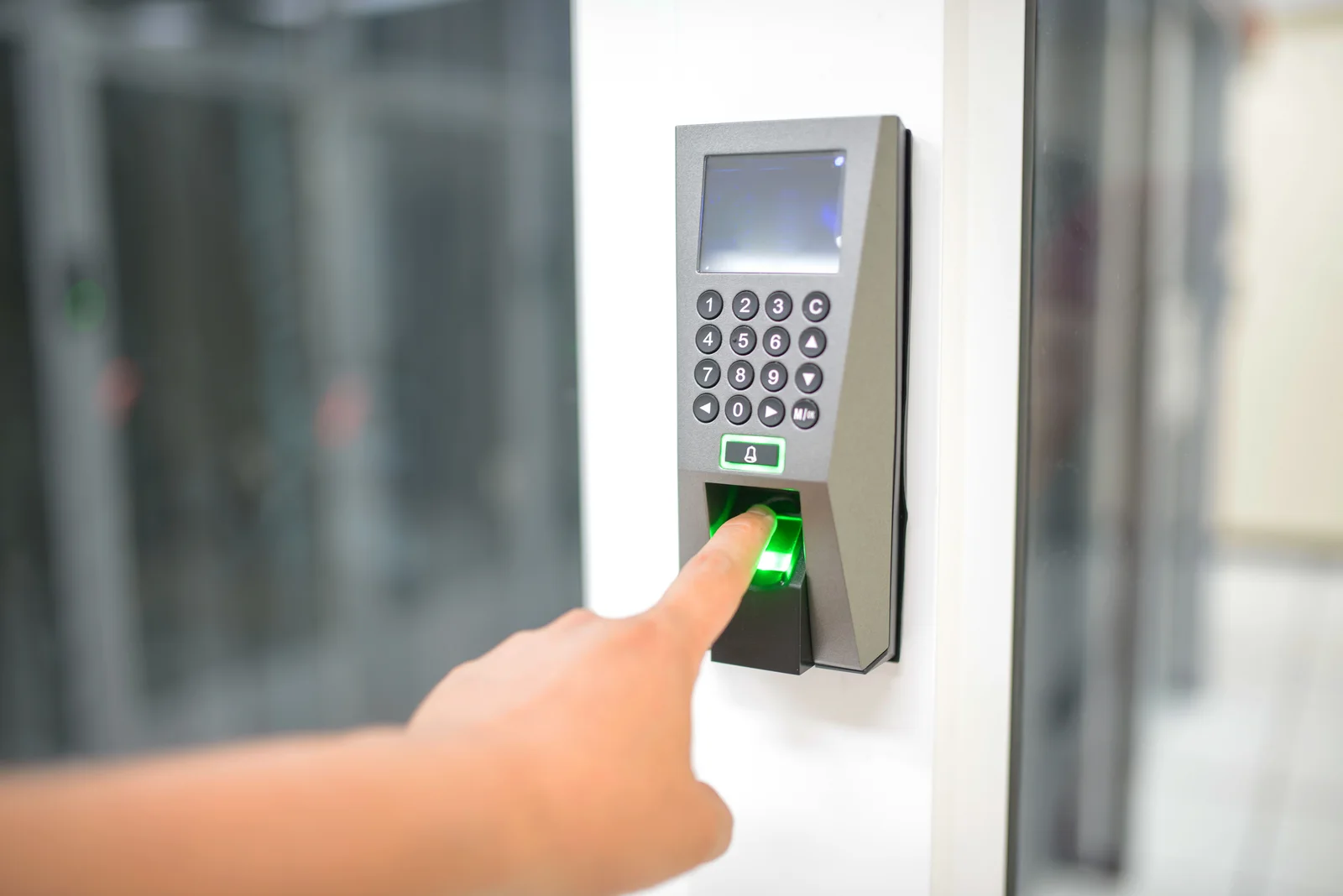
Anyone who is not an EU citizen and is visiting for a short stay. That covers visa-free visitors on the 90-days-in-180 allowance — Britons, Americans, Canadians, Australians — and travellers who need a Schengen visa, including Nepali and Indian passport holders. The first time you enter, a border officer or a self-service kiosk records your passport, a facial image and your fingerprints. After that, each entry and exit is logged against that record instead of a stamp, which is how the system counts your 90 days for you. Our guide to the 90/180-day rule explains the count.
EES is not the same thing as ETIAS, the €20 online authorisation visa-free travellers will eventually need before they fly; that one has not started yet. See where ETIAS stands.
What this means for a trip to Nepal
What this means for you
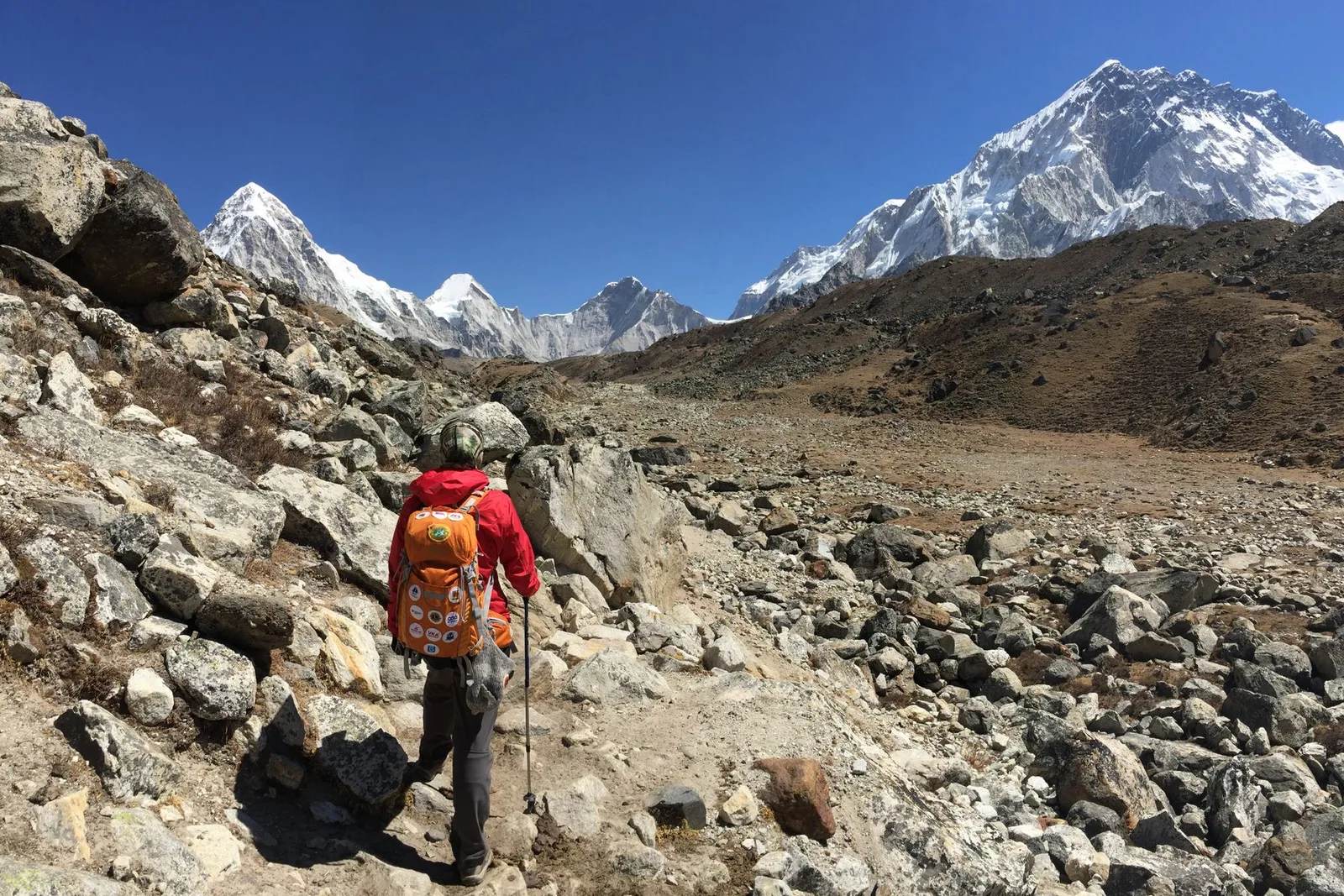
If you are an EU citizen flying to Kathmandu, none of this touches you. If you are a British, American or Australian trekker connecting through a European hub, EES only applies if you actually enter the Schengen area. A connection that keeps you airside in a non-Schengen transfer zone does not take you through it — but a stopover, a separate ticket or a self-transfer does, and then the first registration is where the queue bites. Leave at least three hours for a Schengen entry at a big hub in peak season, or route through Istanbul, Doha or Dubai and avoid the question entirely. Nepali travellers heading to Europe should expect to register on arrival and budget the time for it.
Does EES cost anything?
No. EES is a free border registration. The fee you may have read about, €20, belongs to ETIAS, which has not launched.
Do I need to do anything before I fly?
No pre-registration is required. Some airports offer self-service kiosks or apps that pre-capture data, but the check itself happens at the border.
Is the nine-country list official?
Not yet. It was reported on 14 September and the European Commission declined to comment. We will update this piece if it is confirmed or changed.
Sources: Biometric Update, 14 September 2026; Euronews, 12 August 2026, citing Financial Times and Qsensor data; EU External Action Service, Entry/Exit System guidance; Spanish regional press (Majorca Daily Bulletin, 14 September 2026).
Cover photo: Devilfighter de via Wikimedia Commons (CC BY-SA 3.0). Map: Ssolbergj via Wikimedia Commons (CC BY-SA 4.0). Section photos: Leonard Richards via Pexels (Pexels licence); panumas nikhomkhai via Pexels (Pexels licence); Janam Parikh via Pexels (Pexels licence).
Still running this season
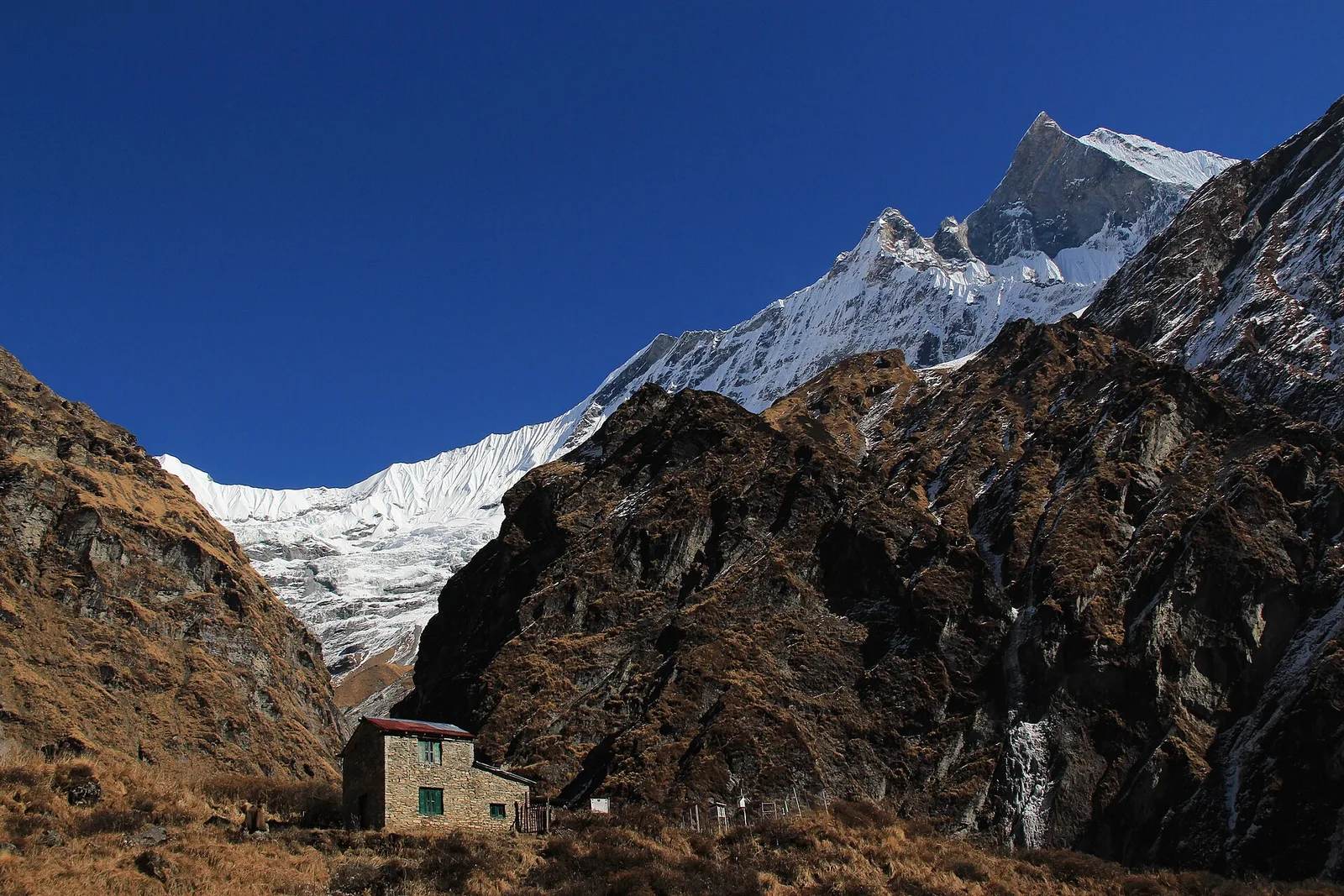
Annapurna Base Camp Trek — 15 Days from Kathmandu is running normally
NMA-certified local guides, transparent pricing, 5,000+ treks since 1998. Message us your dates and we'll sort the permits, lodges and logistics — reply within 24 hours, no obligation.
Popular Nepal treks
All treks →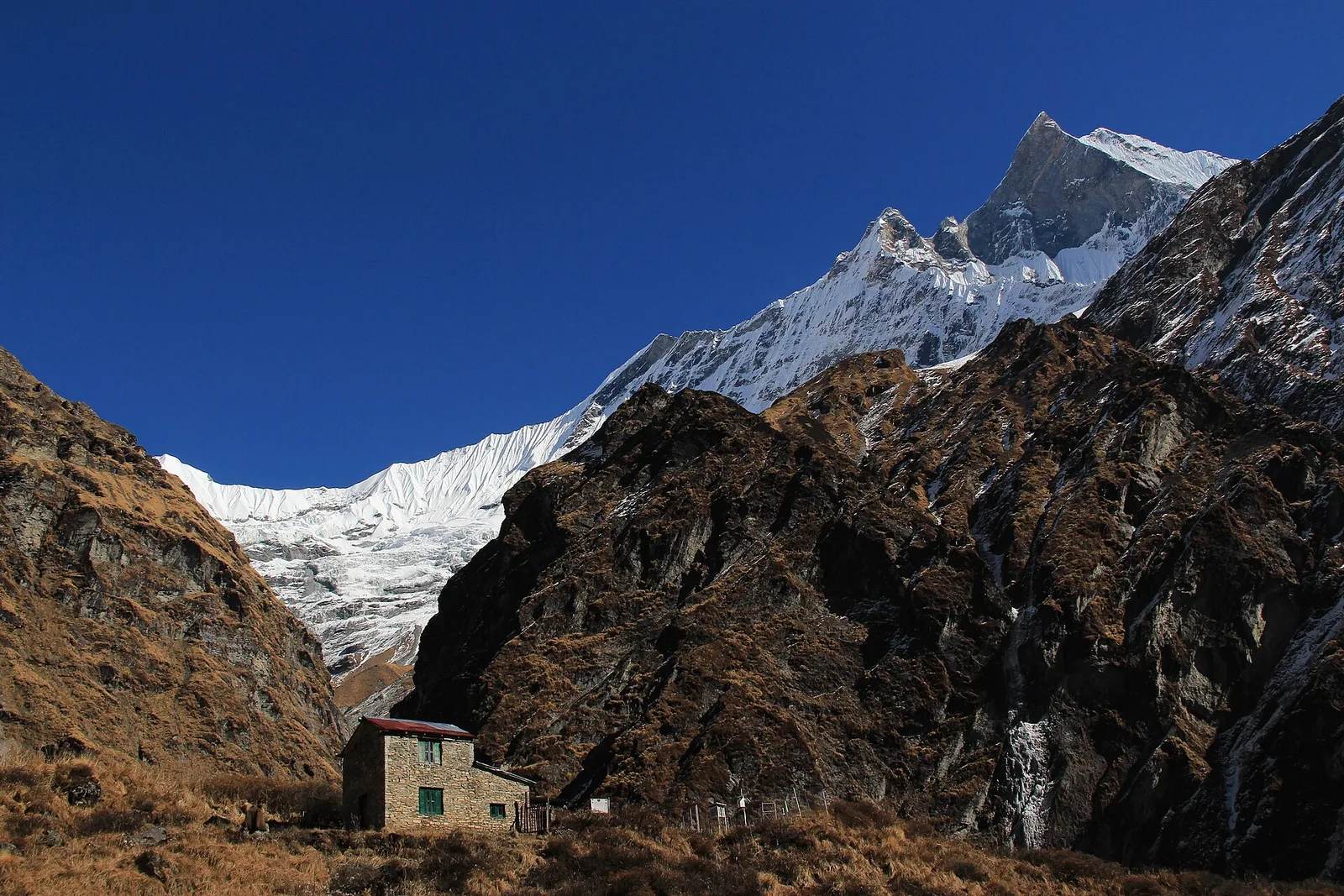
Related coverage

Visas & Entry
ETA vs eVisa vs Visa vs Visa-Free in 2026: What the Difference Actually Is
An ETA is a pre-screen, not a visa. An eVisa is a real visa applied for online. A visa on arrival is granted at the border. And none of them guarantees entry — the officer does. Here is the plain-English taxonomy, and where Nepal fits.
Festivals & Events
Dashain 2027 tika is Saturday 9 October, twelve days earlier than this year
Dashain 2027 runs 30 September to 14 October, tika on Saturday the 9th. Bhai Tika is 31 October. Why the early date matters for an autumn trek.
Visas & Entry
Overstaying a Visa in 2026: The Fines, Deportation and Entry Bans Travellers Underestimate
A day past your visa still counts as an overstay — and the penalties run from daily fines to deportation and multi-year entry bans. Here is what really happens, and how to stay clear of it.
Money & Insurance
How to Make a Travel Insurance Claim in 2026 (and Actually Get Paid)
Report incidents on the day, keep every receipt, claim inside the deadline, and know who pays first — plus how to escalate to the ombudsman if you're unfairly refused.
Latest from the desk
Records & People
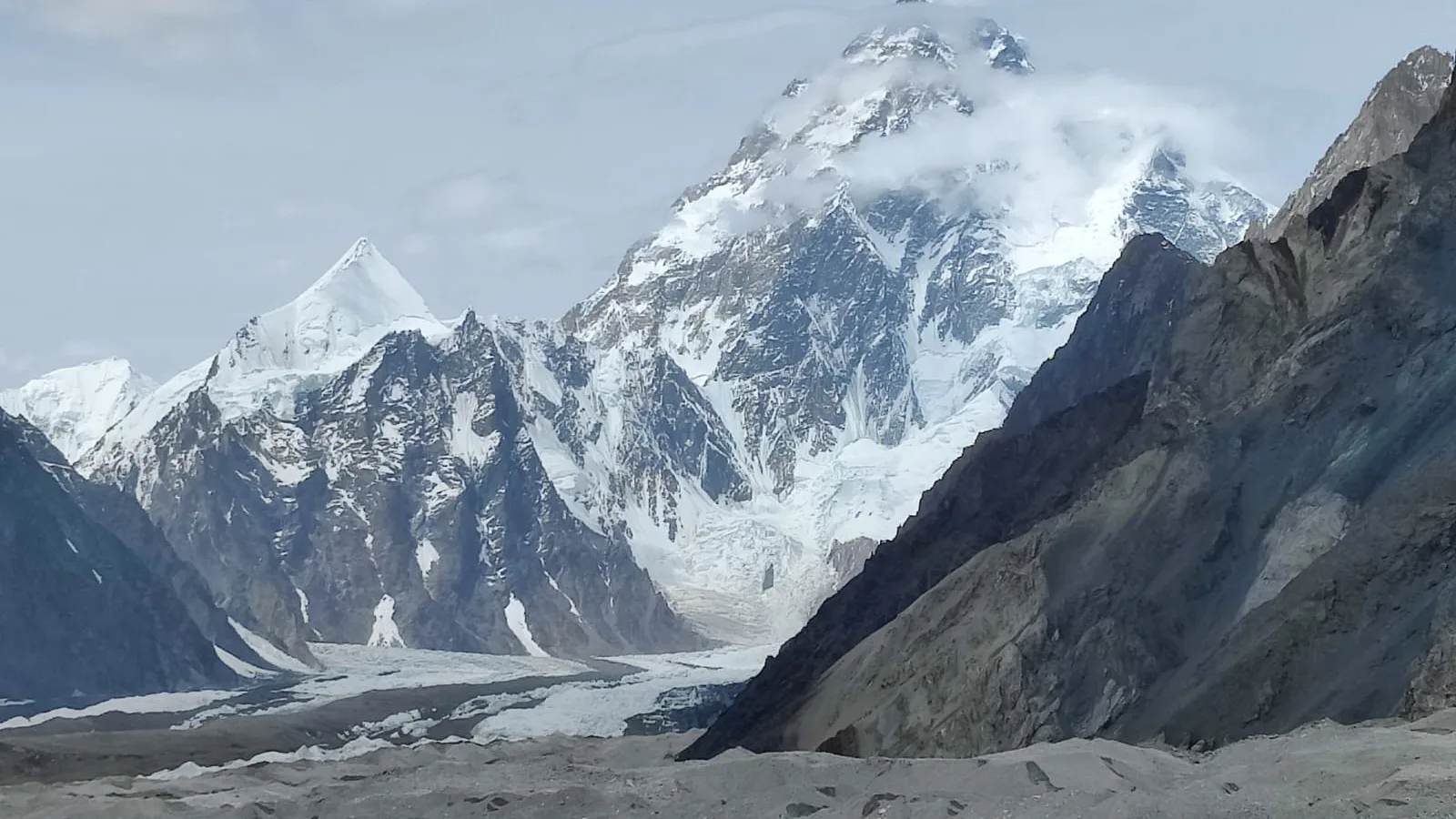
Nobody stood on top of K2 this summer. Here is what stopped the whole mountain
Forty-one people summited K2 in 2025. In 2026, nobody did. Heavy July snow, a hot August and the fewest permits in two decades, and what it tells climbers.
Records & People
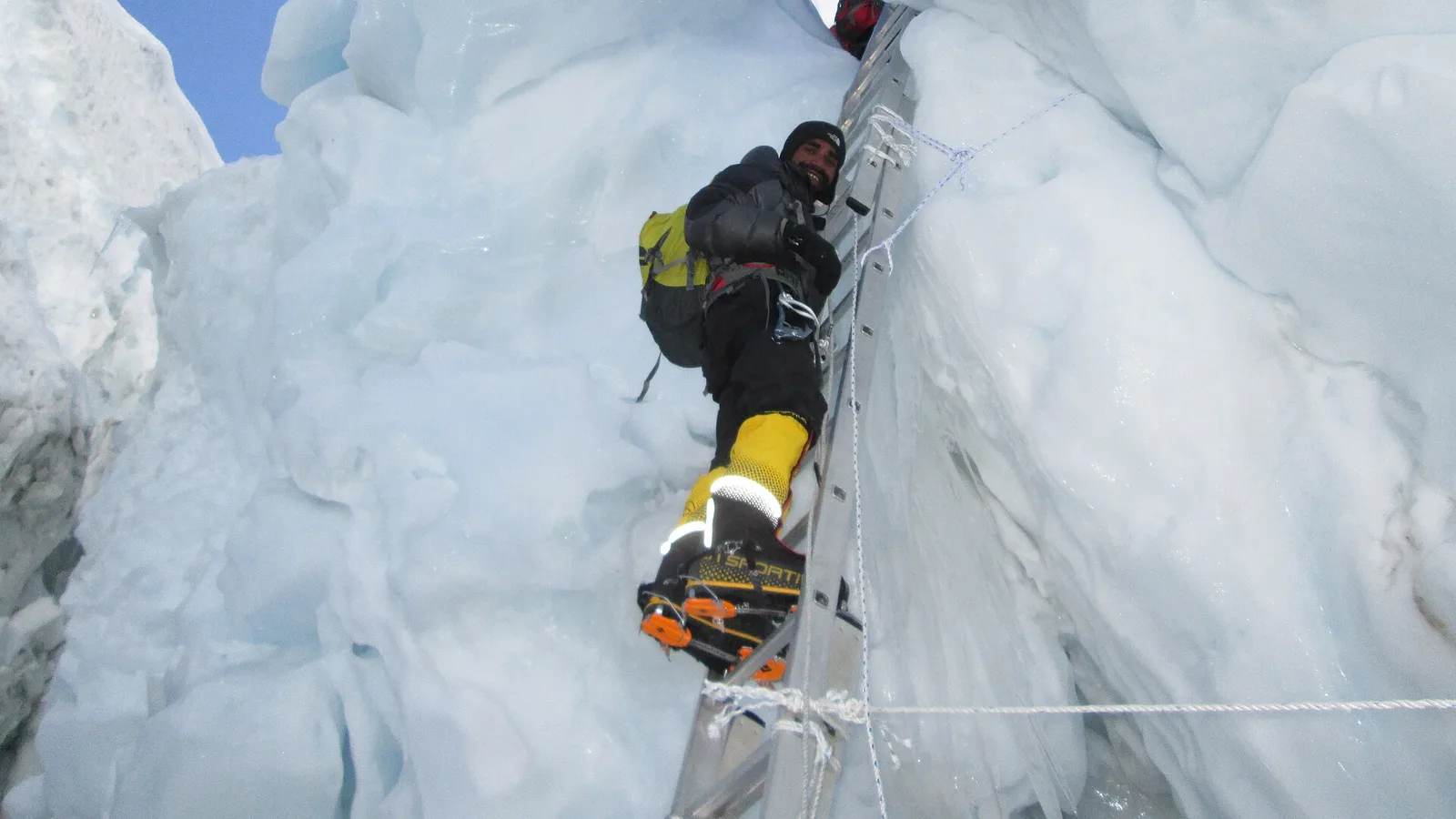
Eight Sherpas Build the Path Every Everest Climber Walks, and This Spring One Ice Tower Stopped Them for 19 Days
The Icefall Doctors fix the ladders and ropes through the Khumbu Icefall each spring, and in 2026 a 28-metre serac made it the latest route opening in years.
Records & People
Eight of the World's 14 Highest Peaks Touch Nepal, and Only Three Sit Entirely Inside It
Nepal shares five of its eight giants with a neighbour, and all eight were first climbed within a single decade, starting with Annapurna in 1950.