Monsoon is here — and Upper Mustang and Dolpo are the treks to do now
While the rest of Nepal gets wet, the rain-shadow north stays dry: roughly 30 mm of rain versus Pokhara's 300 mm.
At a glance
- Published · updated
- TopicTrail & Weather
- ReportingOriginal, by our guides in Pokhara
- Treks coveredUpper Mustang Trek — 12 Days
Key facts
From the trail · Mustang


- June–September monsoon soaks most of Nepal — but the rain-shadow trans-Himalayan valleys stay dry and trekkable.
- Upper Mustang, Dolpo and Nar Phu sit north of the main range and get a fraction of the rain.
- These are restricted areas: special permit + licensed guide + minimum two trekkers.
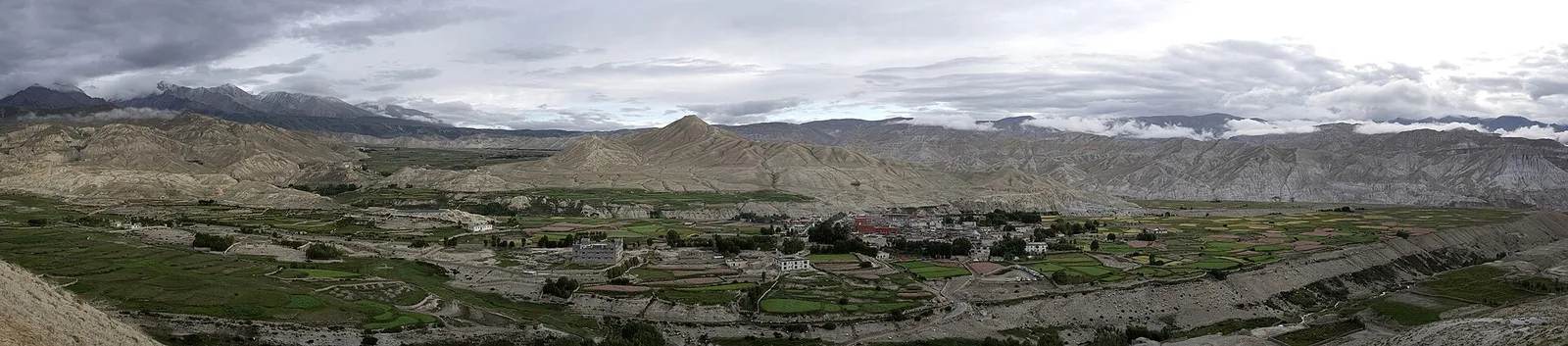
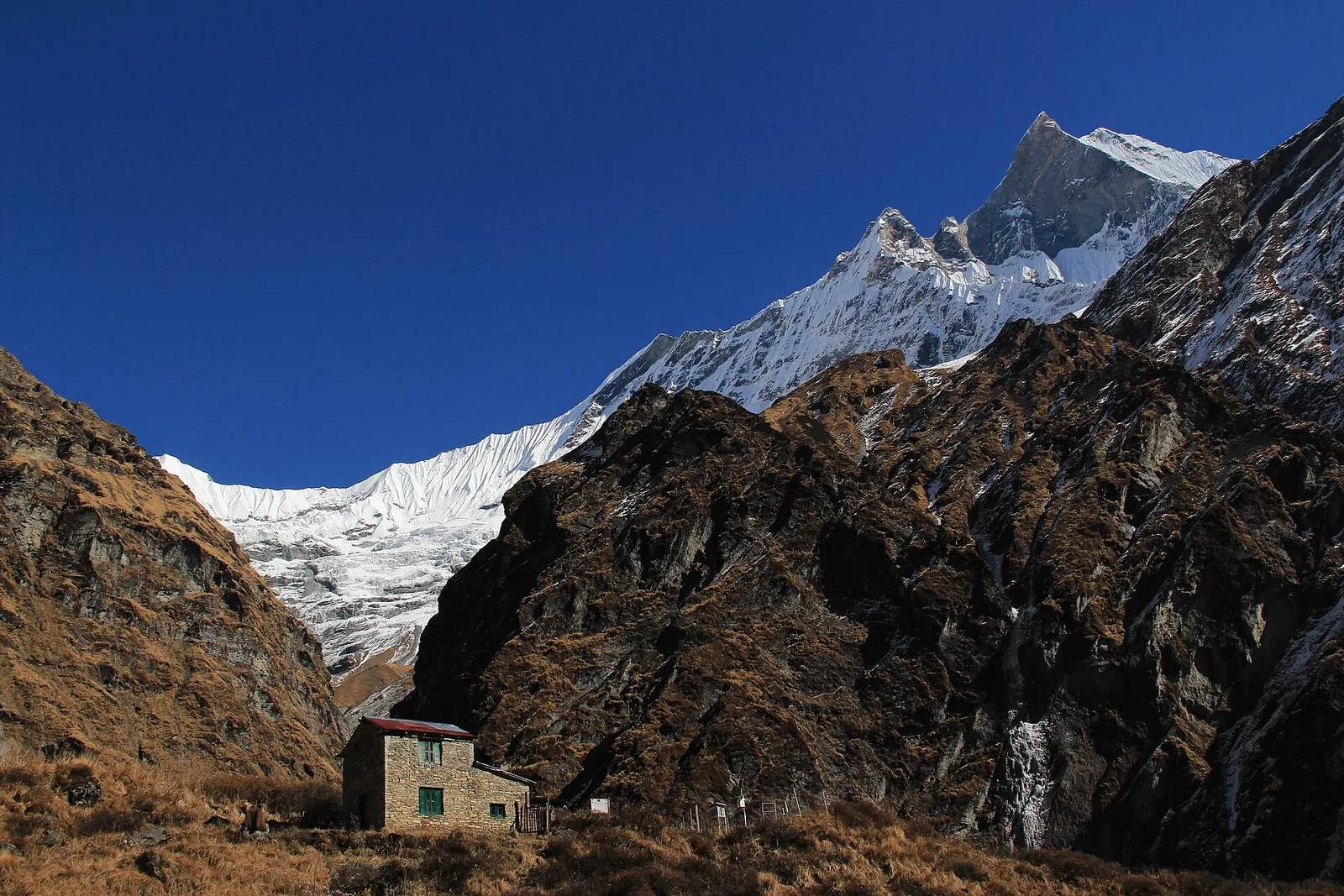
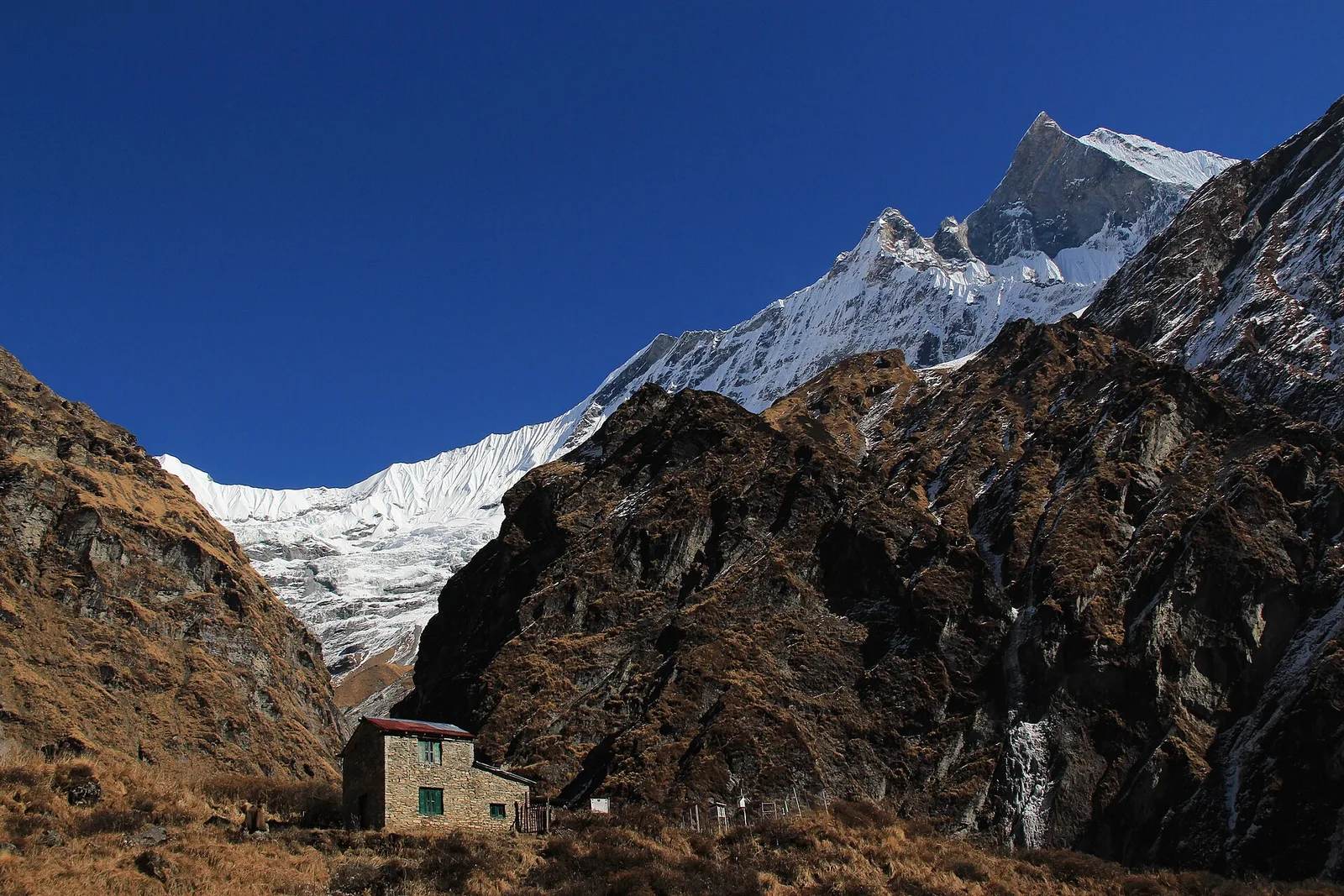
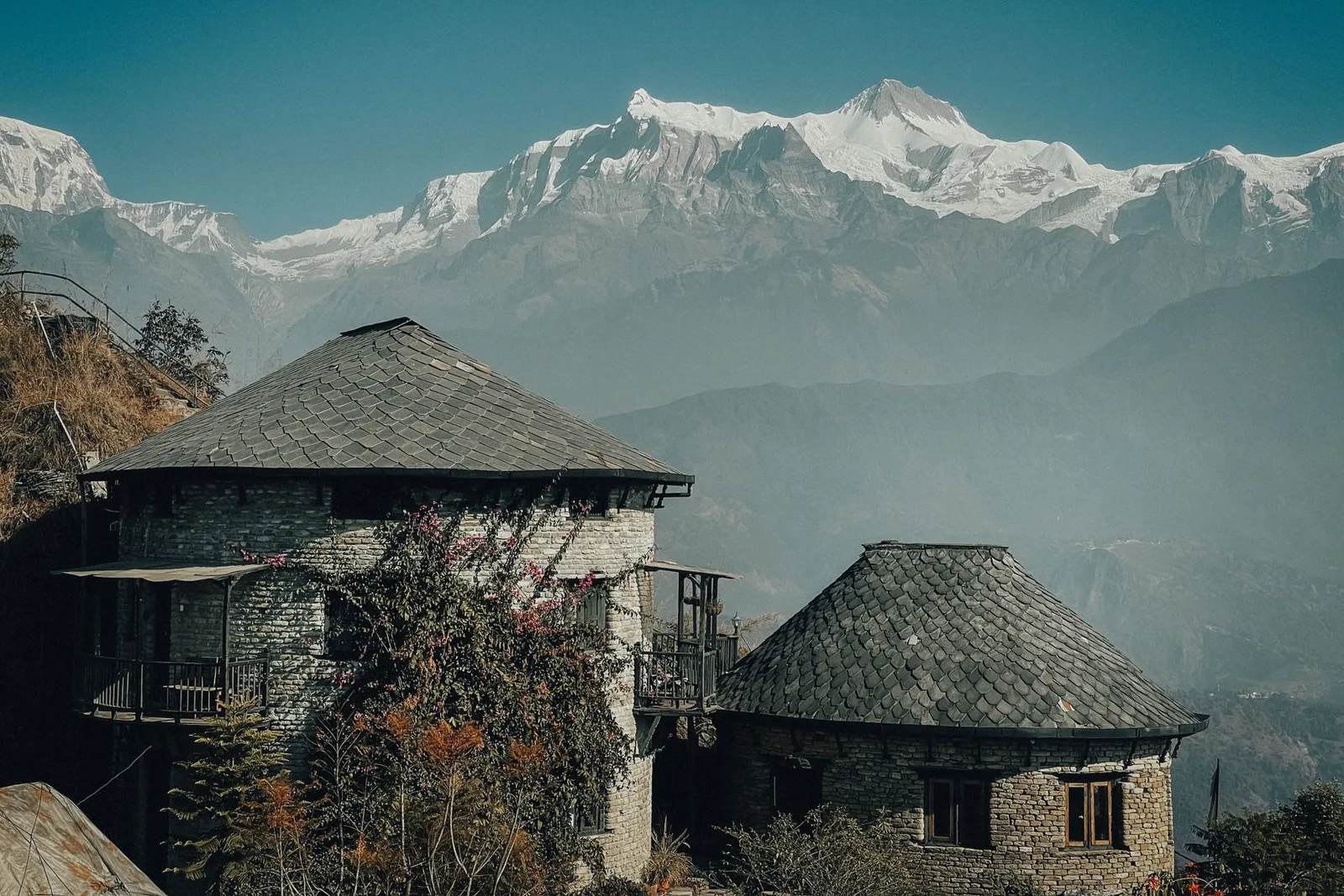
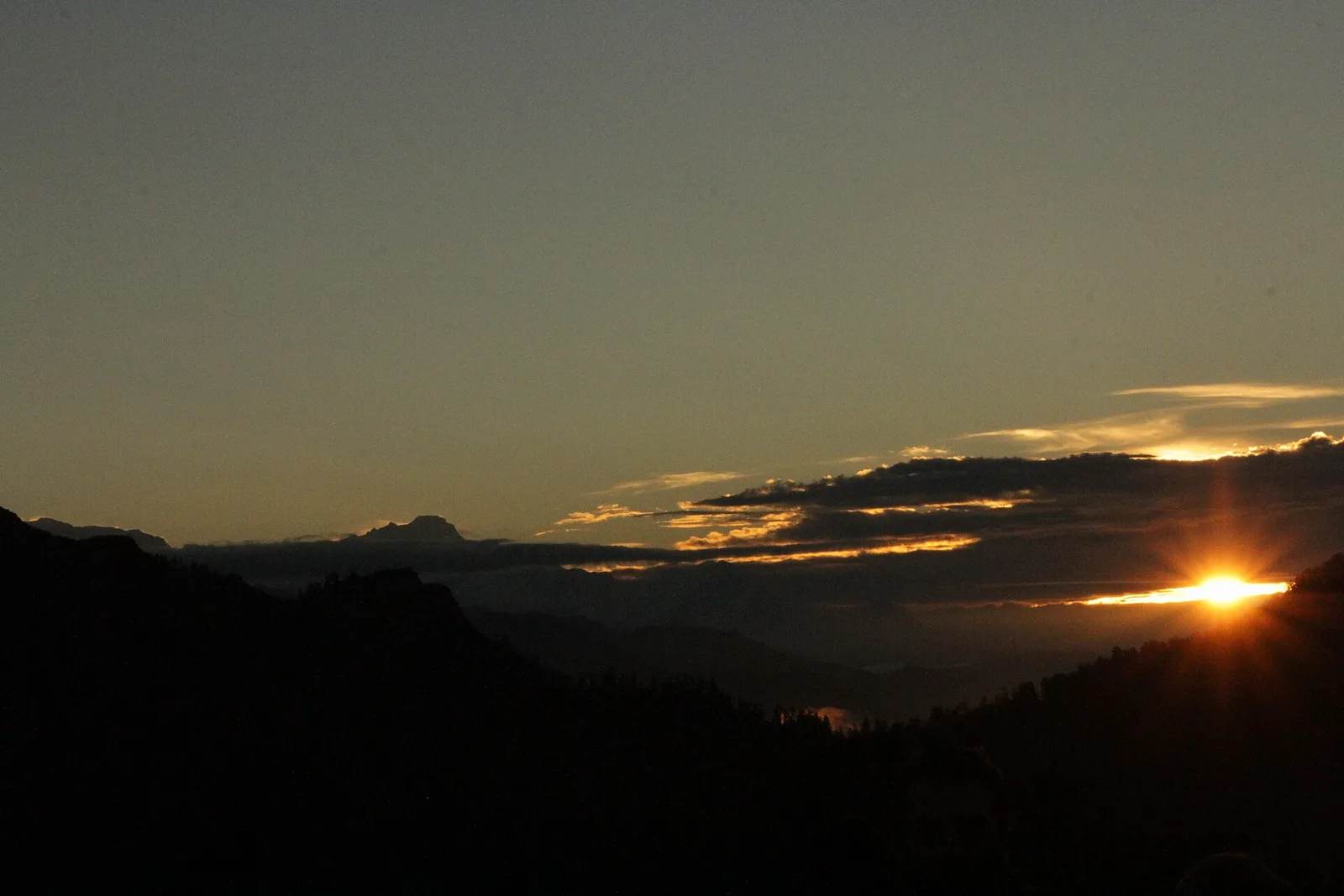
While the monsoon rolls into the Annapurna and Everest foothills from June, it barely reaches the high desert valleys behind the main Himalaya. Shielded by 8,000-metre walls, Upper Mustang, Dolpo and Nar Phu lie in a rain shadow — which makes them the smart choice for summer trekking when the rest of Nepal is wet and leech-ridden.
| Region | Why it works | Permit type |
|---|---|---|
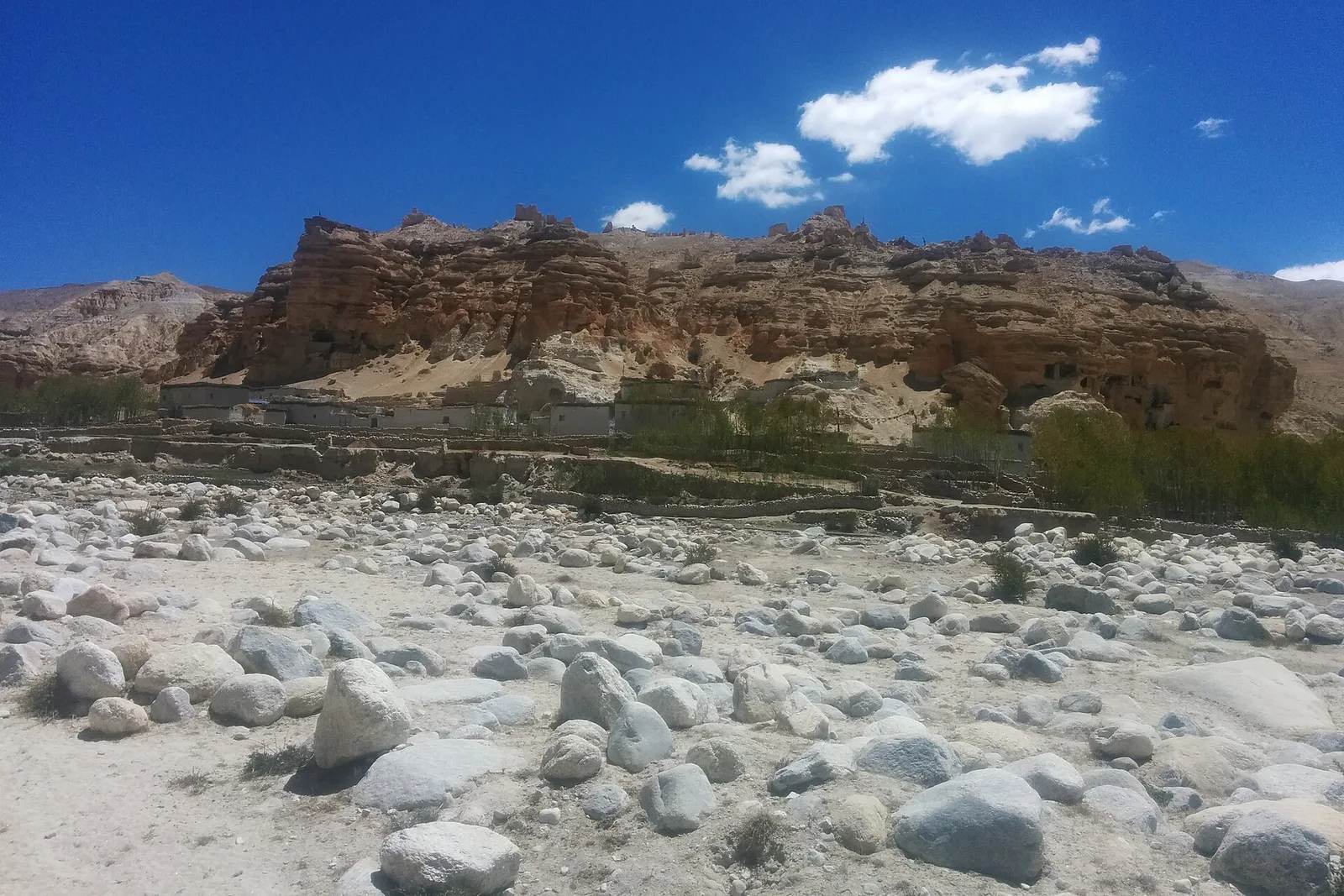
| Upper Mustang | Rain-shadow desert; walled city of Lo Manthang | Restricted ($50 per person per day) |
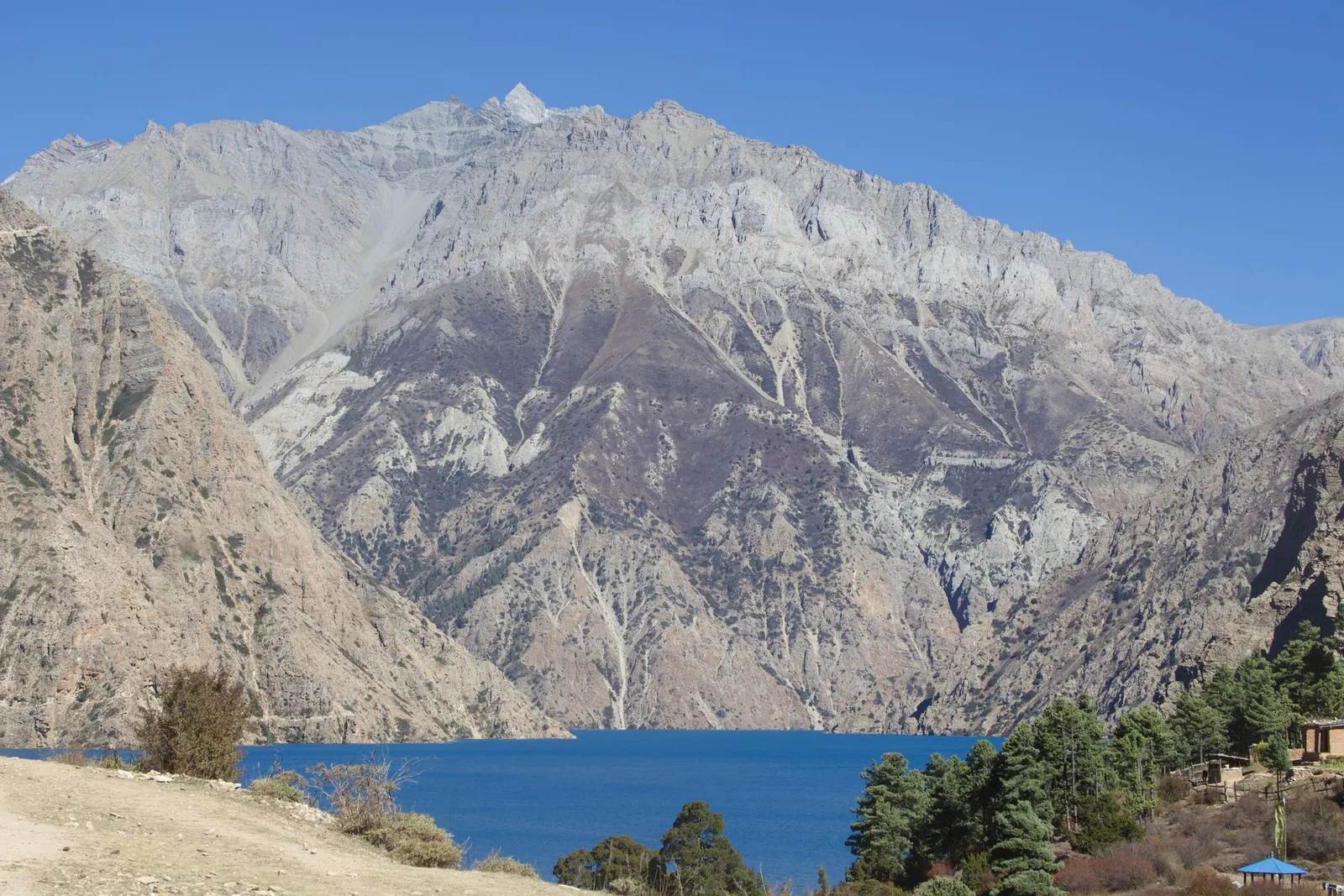
| Upper Dolpo | Remote trans-Himalaya; Phoksundo Lake | Restricted |
| Nar Phu | Hidden Tibetan-Buddhist valleys off Manang | Restricted |
What this means for trekkers
Summer is the only way to combine a Himalayan trek with the lush, green, post-rain lowlands — and to have these culturally extraordinary valleys nearly to yourself. The one wrinkle is access: flights to Jomsom (the Mustang gateway) and Juphal (Dolpo) can still be delayed by cloud, so build a buffer day. Time Upper Mustang for May’s Tiji festival or go deep in the quiet summer.
Our take
Don’t fight the monsoon on the Annapurna or Everest trails in July — go north of the mountains instead. The skies are big, the trails are dry, and the Tibetan-Buddhist culture is the most intact in Nepal.
See our Upper Mustang trek, the Upper Mustang permit guide, and more monsoon trekking options.
Want to trek the rain-shadow this monsoon?
Upper Mustang and Dolpo are restricted areas that need a special permit, a licensed guide and at least two trekkers — if you’re planning a summer trek we can arrange all of that, and be straight with you about the Jomsom/Juphal flight risk.
Still running this season
Upper Mustang Trek — 12 Days is running normally
NMA-certified local guides, transparent pricing, 5,000+ treks since 1998. Message us your dates and we'll sort the permits, lodges and logistics — reply within 24 hours, no obligation.
Popular Nepal treks
All treks →
Related coverage

Safety & Advisories
Is the Upper Mustang Trek Affected by the 2026 Nepal Floods?
No — and Upper Mustang is one of the driest, safest regions to trek right now. The 26 August flood hit Rasuwa; Mustang sits in the rain shadow behind the Himalaya, dry and open.

Safety & Advisories
Is the Jomsom–Muktinath Trek Affected by the 2026 Nepal Floods?
No — Jomsom and Muktinath sit in Mustang, in the rain shadow behind the Himalaya and on a different river from the Rasuwa flood. The trek is running normally; the only thing to plan around is flight-or-jeep access.
Wildlife & Nature
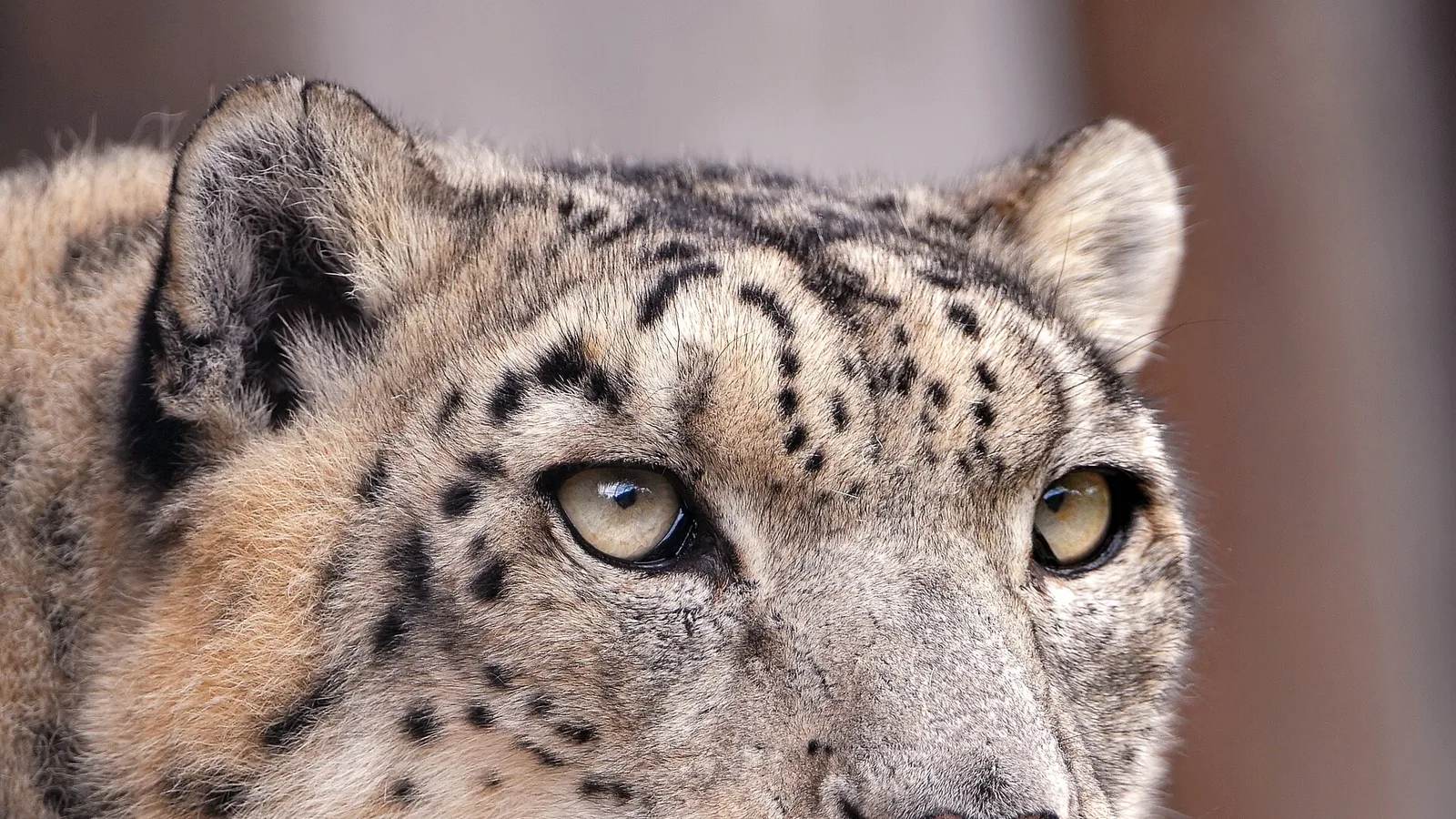
Nepal's Snow Leopard in 2026: Tracking the Himalaya's 'Ghost of the Mountains'
The elusive high-altitude cat haunts Dolpo, Mustang and Manaslu above 3,000m. Here's where it lives, why almost nobody sees one, and how Nepal is counting and protecting it.
Safety & Advisories
Is the Dolpo & Phoksundo Trek Affected by the 2026 Nepal Floods?
No — Dolpo and Shey Phoksundo sit in Nepal's remote far-western Karnali rain-shadow, hundreds of kilometres from the flood zone, and completely unaffected. Here's why — and the real planning points: the Juphal flight, restricted-area permits and a licensed guide.
Latest from the desk
Gear & Tech
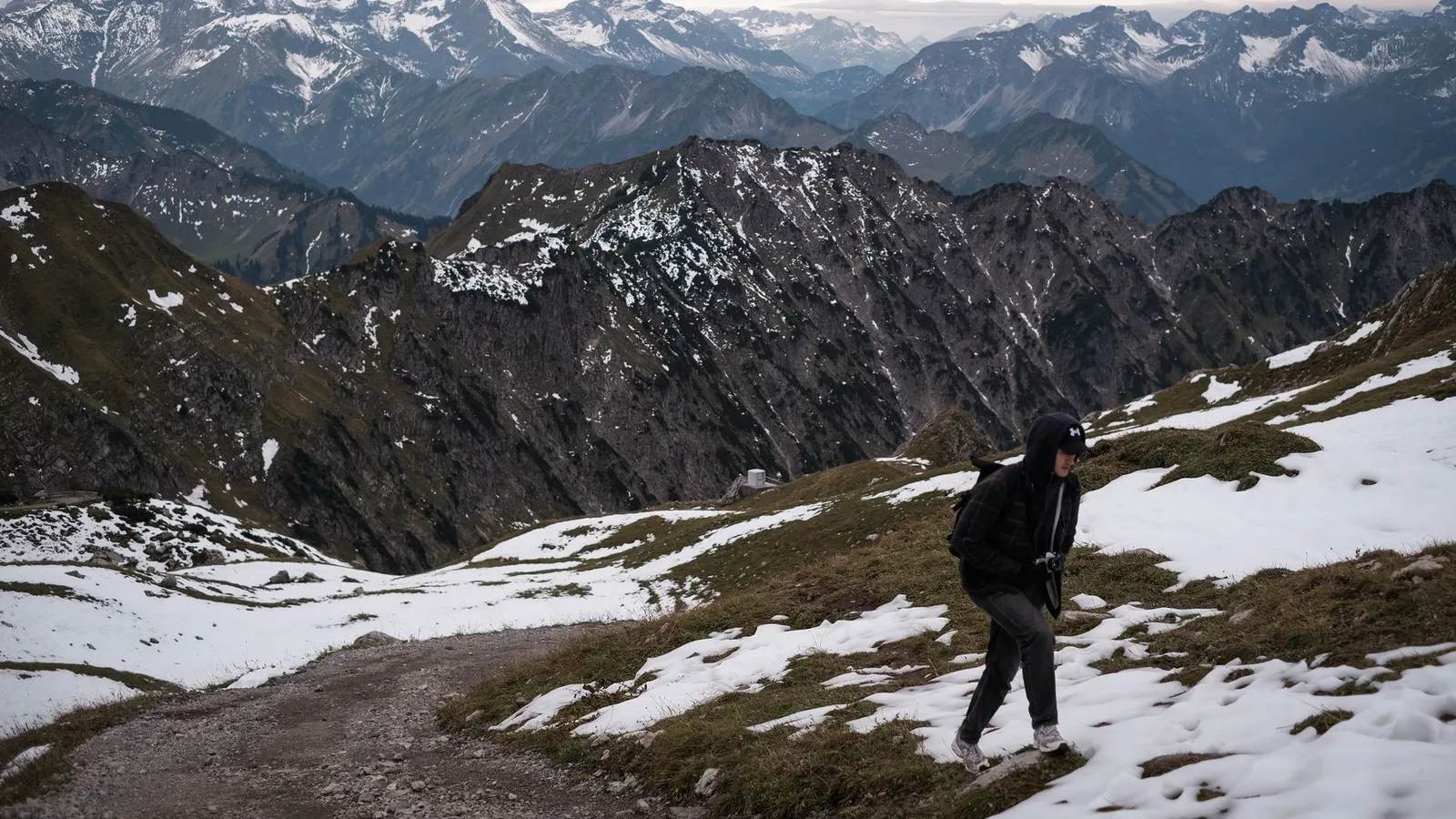
Trail shoes or hiking boots, and what the ankle-support research actually found
Most teahouse trekkers wear more boot than the walk needs, and the ankle-support argument holding that up is thinner than the shops suggest.
Gear & Tech
Merino or synthetic base layers, and what a lab found when it measured the smell
Merino wins the week-long wear, synthetic wins the overnight dry, and the lab reason merino stays fresh is not the bacteria story you have been told.
Safety & Advisories
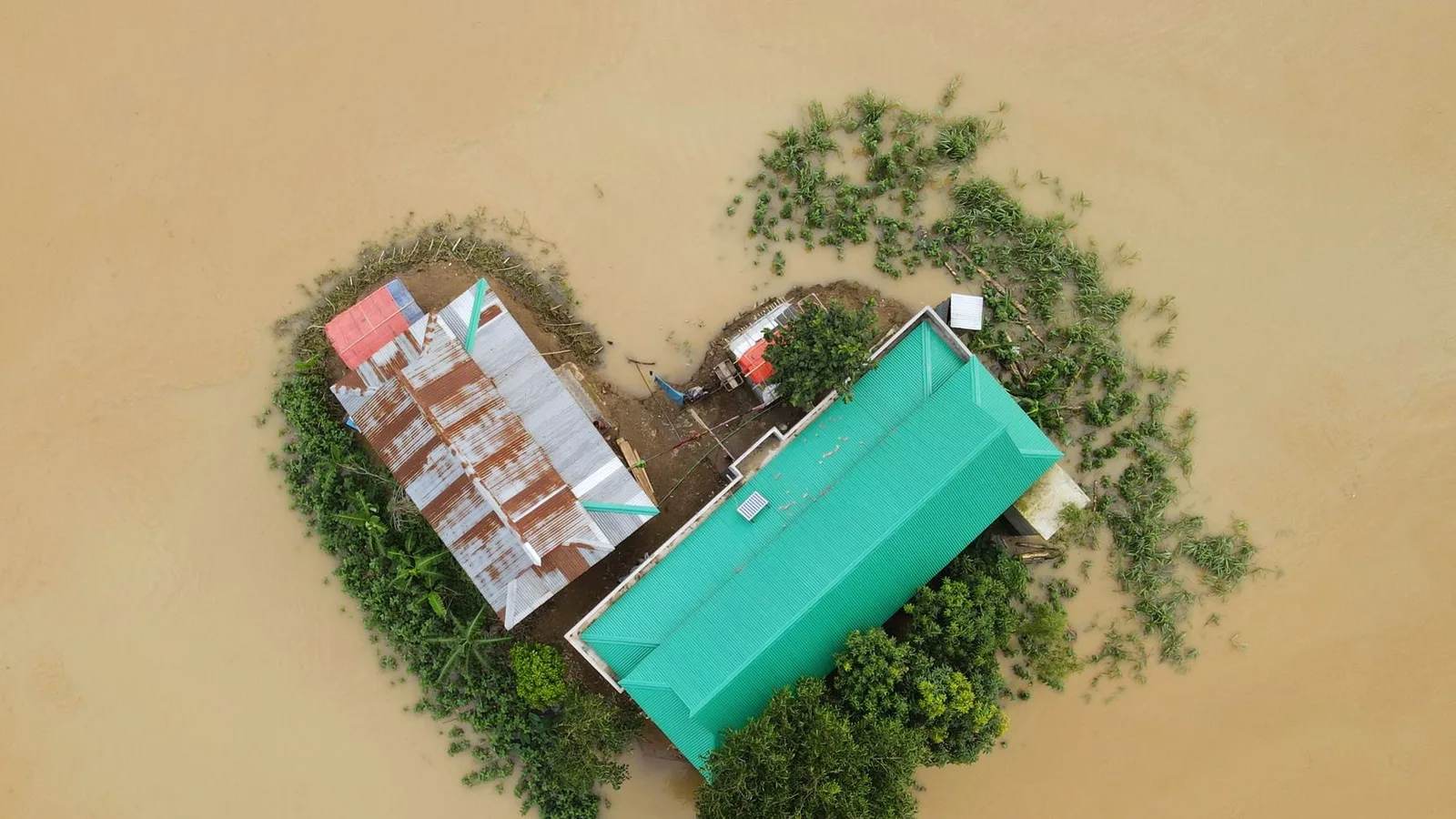
If someone you know is missing in the Nepal flood, you don't have to fly to Kathmandu
Nepal Police have identified 95 of more than 1,200 bodies recovered. Families abroad can be DNA-profiled at home and send the result in. Here is how it works.