
Nepal's 2026 Budget Bets Big on Far-West Trekking: New Danphe Route, Api Himal & the Great Himalayan Trail
The FY2026/27 budget puts Rs 7.34 billion into tourism and backs a string of new trekking routes across Nepal's remote far-west — the next frontier beyond crowded Everest and Annapurna.
At a glance
- Published
- TopicIndustry & Tourism
- Verified againstThe Kathmandu Post
- Treks coveredLower Dolpo Trek, Nar Phu Valley Trek — 14 Days, Upper Mustang Trek — 12 Days
For a decade Nepal’s trekking economy has leaned on the same two regions — Everest and Annapurna. Nepal’s FY2026/27 national budget is the clearest sign yet that the government wants to change that, putting real money behind a string of new trekking routes across the remote far-west and beyond. For adventurous trekkers, it is an early map of where Nepal’s next great trails are being built.
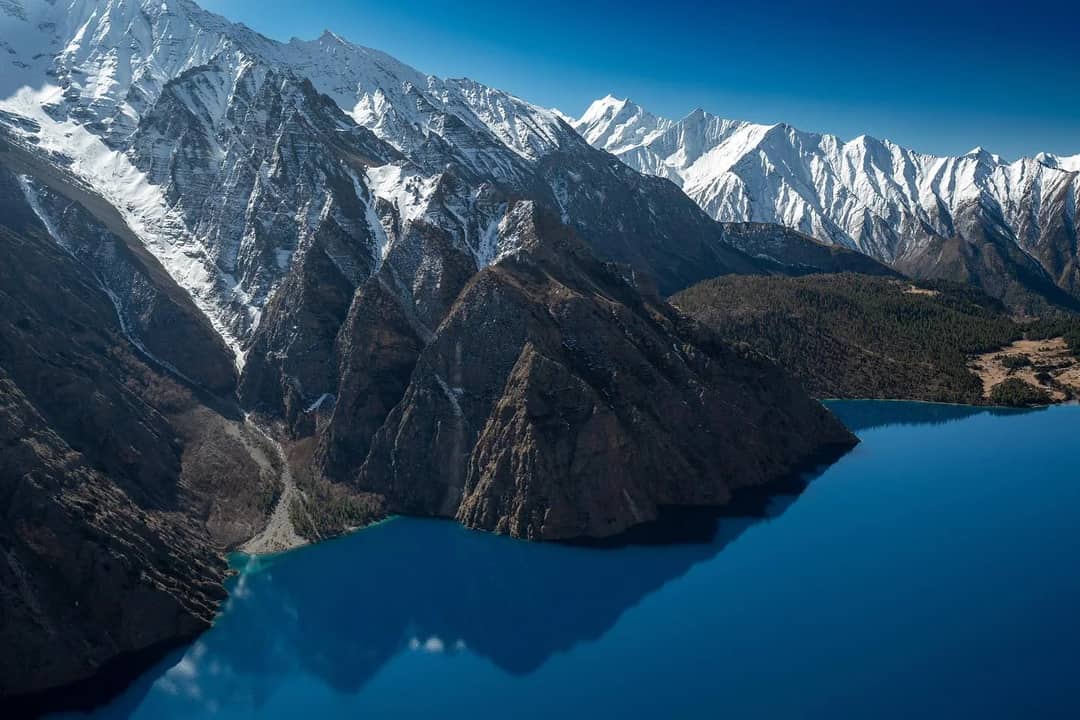
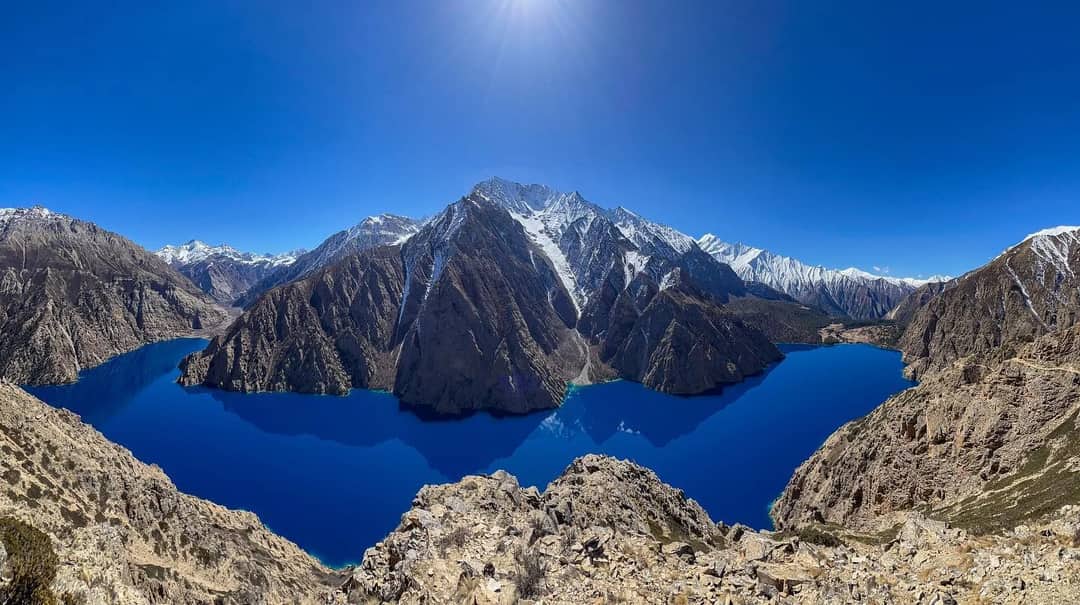
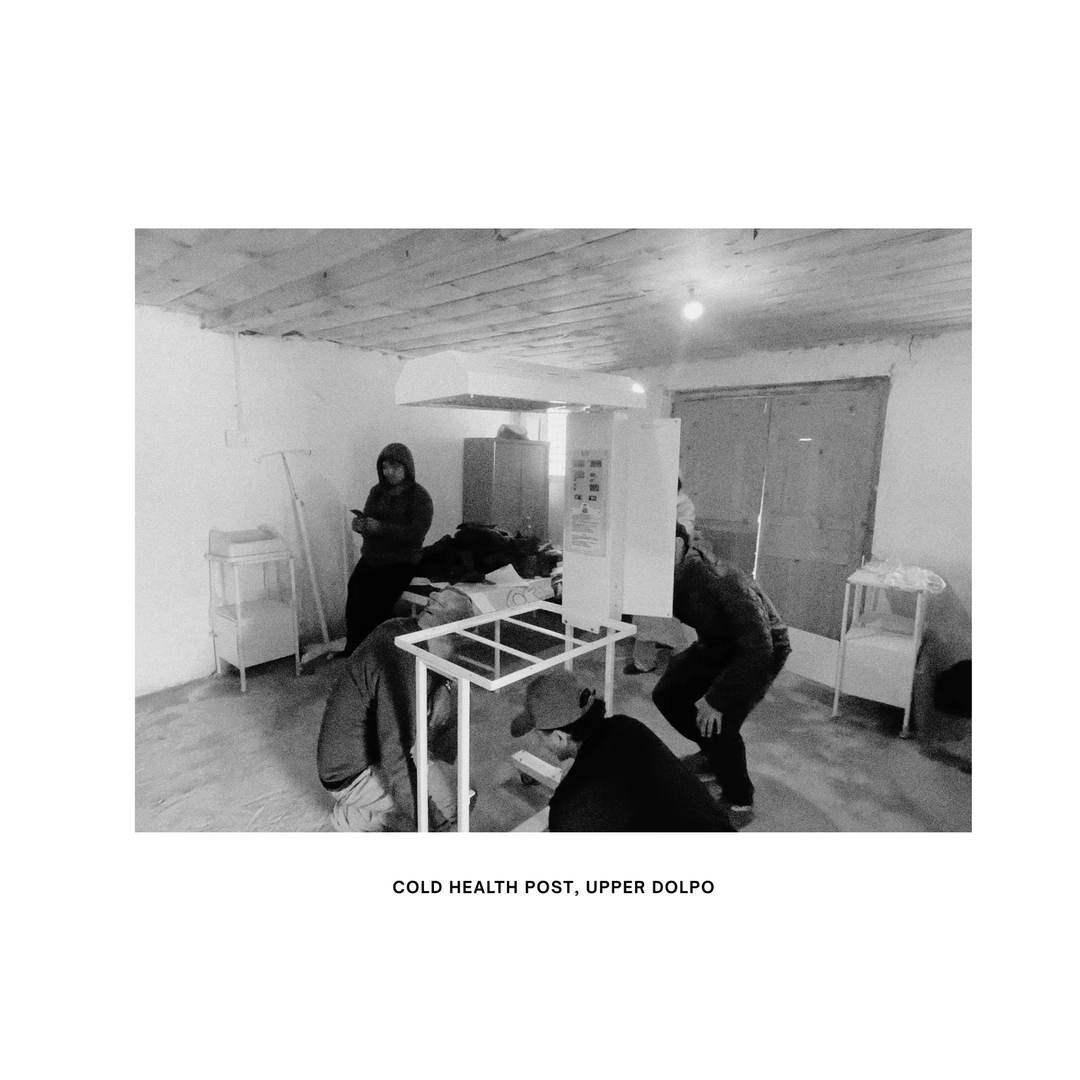
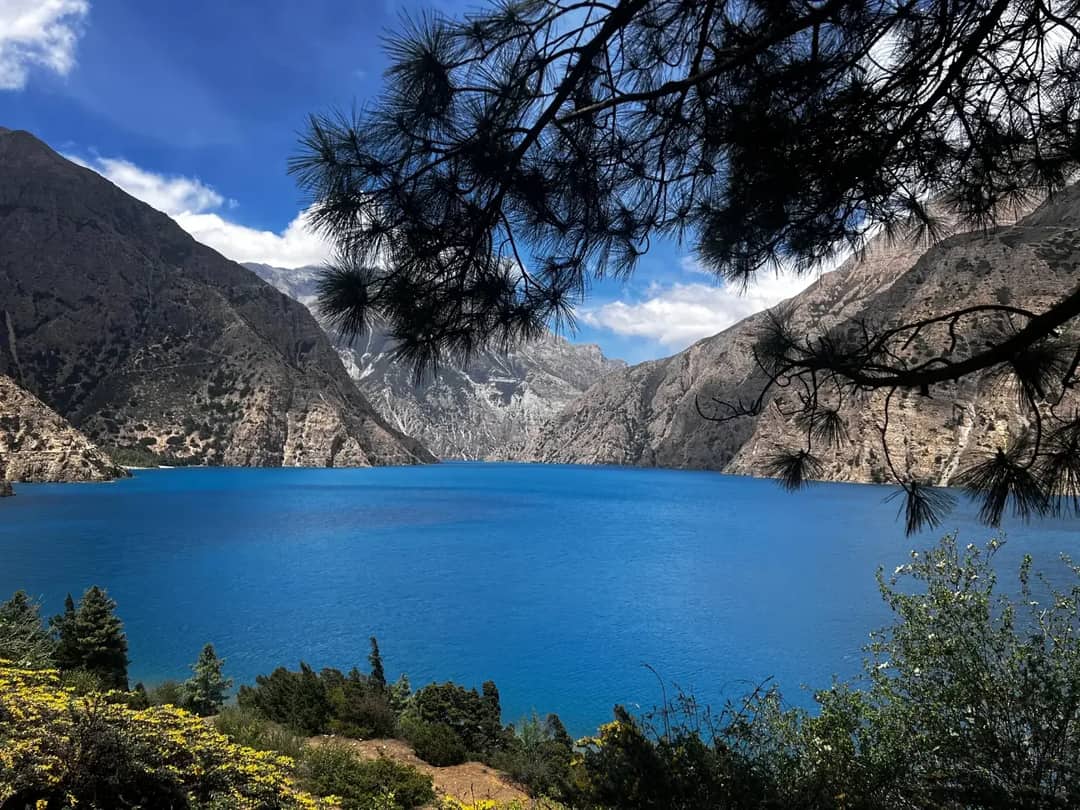
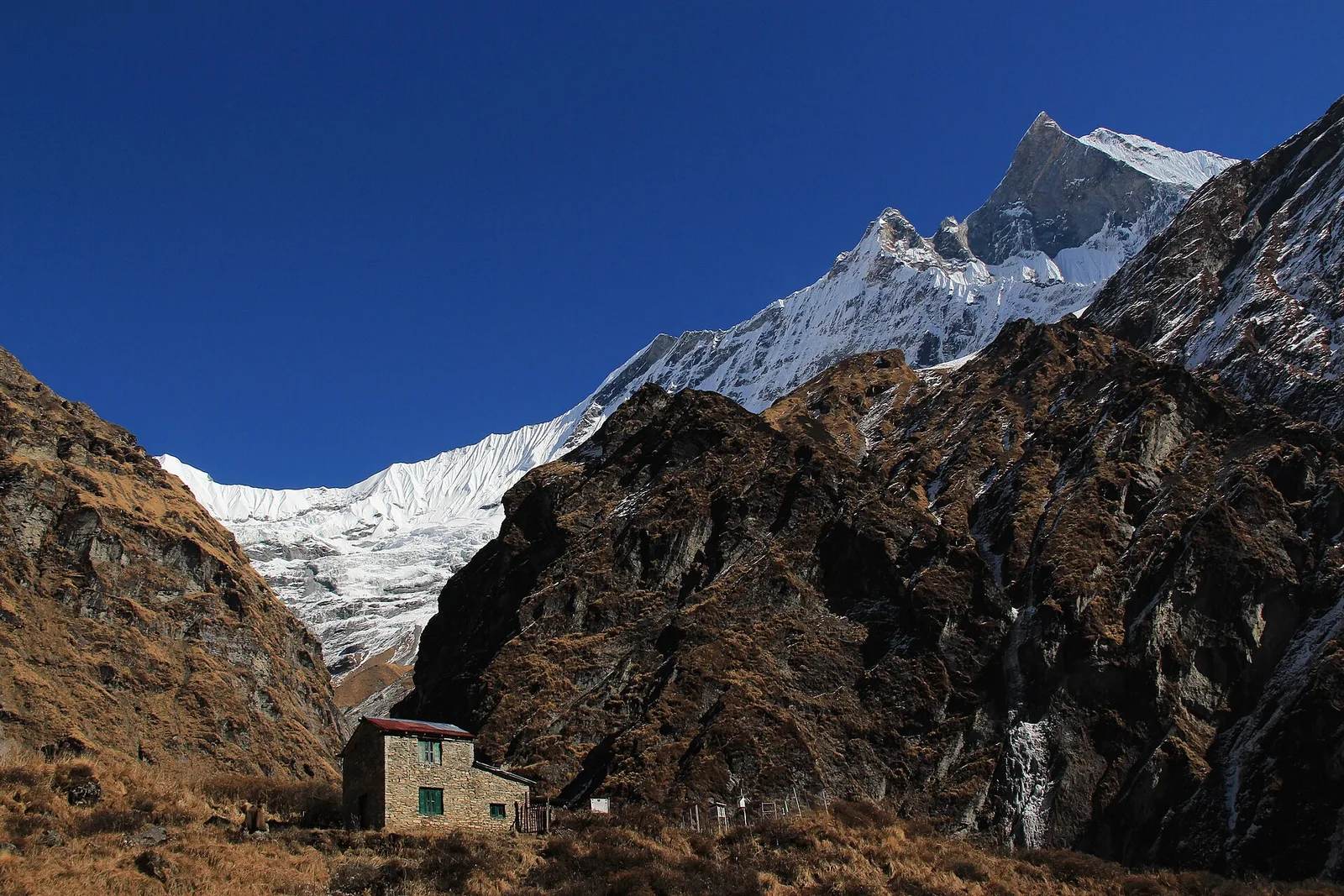
From the trail · Dolpo


Key facts
- Rs 7.34 billion allocated to culture & tourism; Rs 2.93 billion to civil aviation
- New trekking routes backed: the Danphe Route (Sudurpaschim & Karnali), Api Himal, Dordi Himal, Tinjure–Pathibhara, plus sections of the Great Himalayan Trail
- New cycling trails planned in Gandaki Province
- A new “wellness tourism” concept to attract higher-spending visitors
- Finance Minister Swarnim Wagle: the aim is to draw high-value visitors via better Himalayan safety systems and aviation standards
The new routes — and where they are
| Route | Region |
|---|---|
| Danphe Route | Sudurpaschim & Karnali (far-west) |
| Api Himal | Sudurpaschim (far-west) |
| Great Himalayan Trail (sections) | Across the Himalaya, east–west |
| Dordi Himal | Lamjung, Gandaki |
| Tinjure–Pathibhara | Eastern hills |
| Cycling trails | Gandaki Province |
Why the far-west, and why now
The far-west — Sudurpaschim and Karnali — holds some of Nepal’s most dramatic, least-walked mountains, yet sees a tiny fraction of the country’s trekkers. The budget push lines up with two other 2026 moves pointing the same direction: the government waived climbing royalties on 97 far-western peaks, and the prime-ministerial spotlight on Api Himal put the region on the national map. Around Api (7,132 m) and Saipal, a genuine trekking circuit is taking shape — see our Api Himal base-camp guide.
It is also a decongestion play. With Everest setting record permit numbers and the Annapurna trails busier every year, spreading visitors — and tourism income — into Karnali and Sudurpaschim is both a commercial and a community strategy. The budget pairs the routes with homestay expansion across Madhesh, Karnali and Sudurpaschim, aimed at Dalit and Indigenous communities.
What this means for trekkers
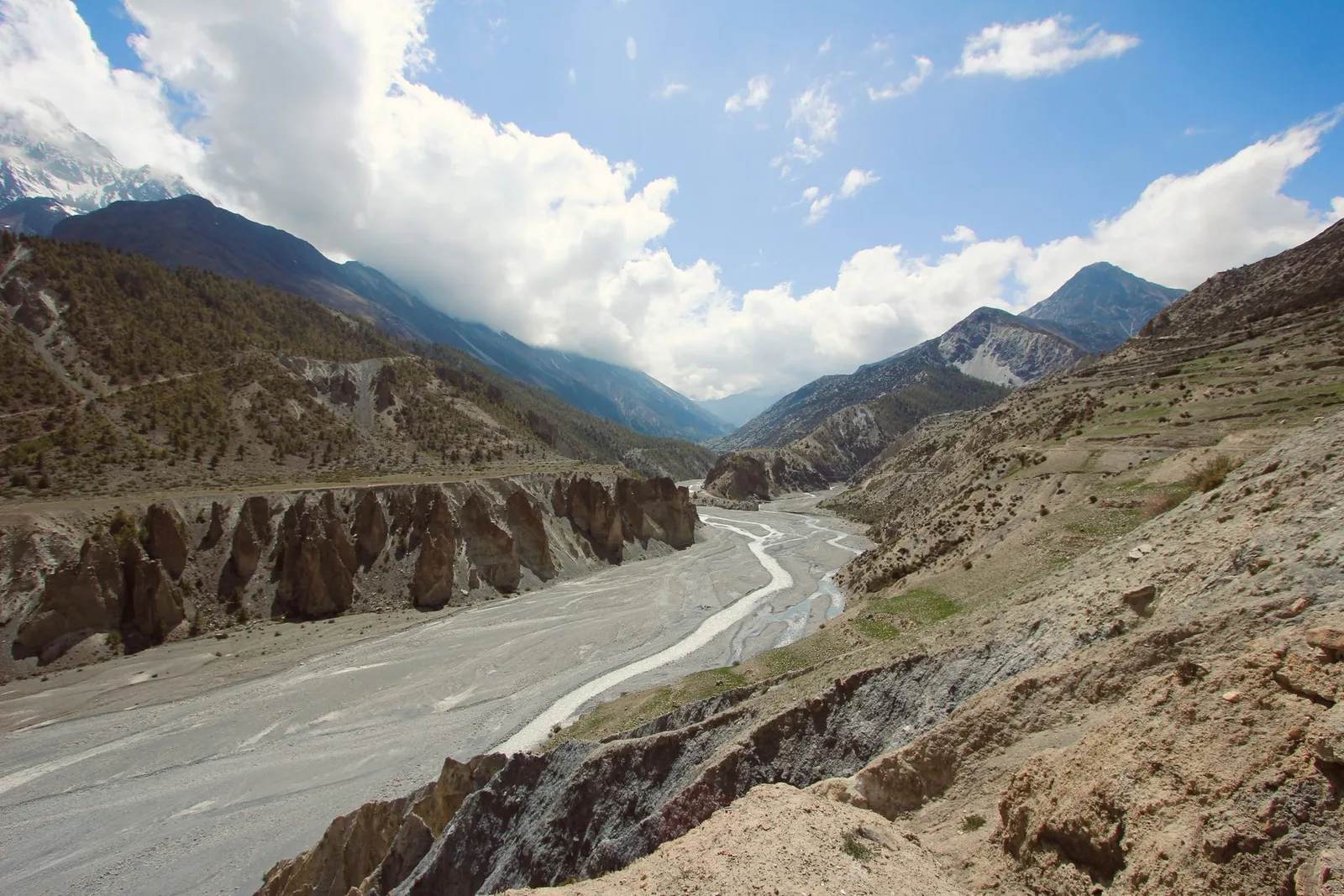
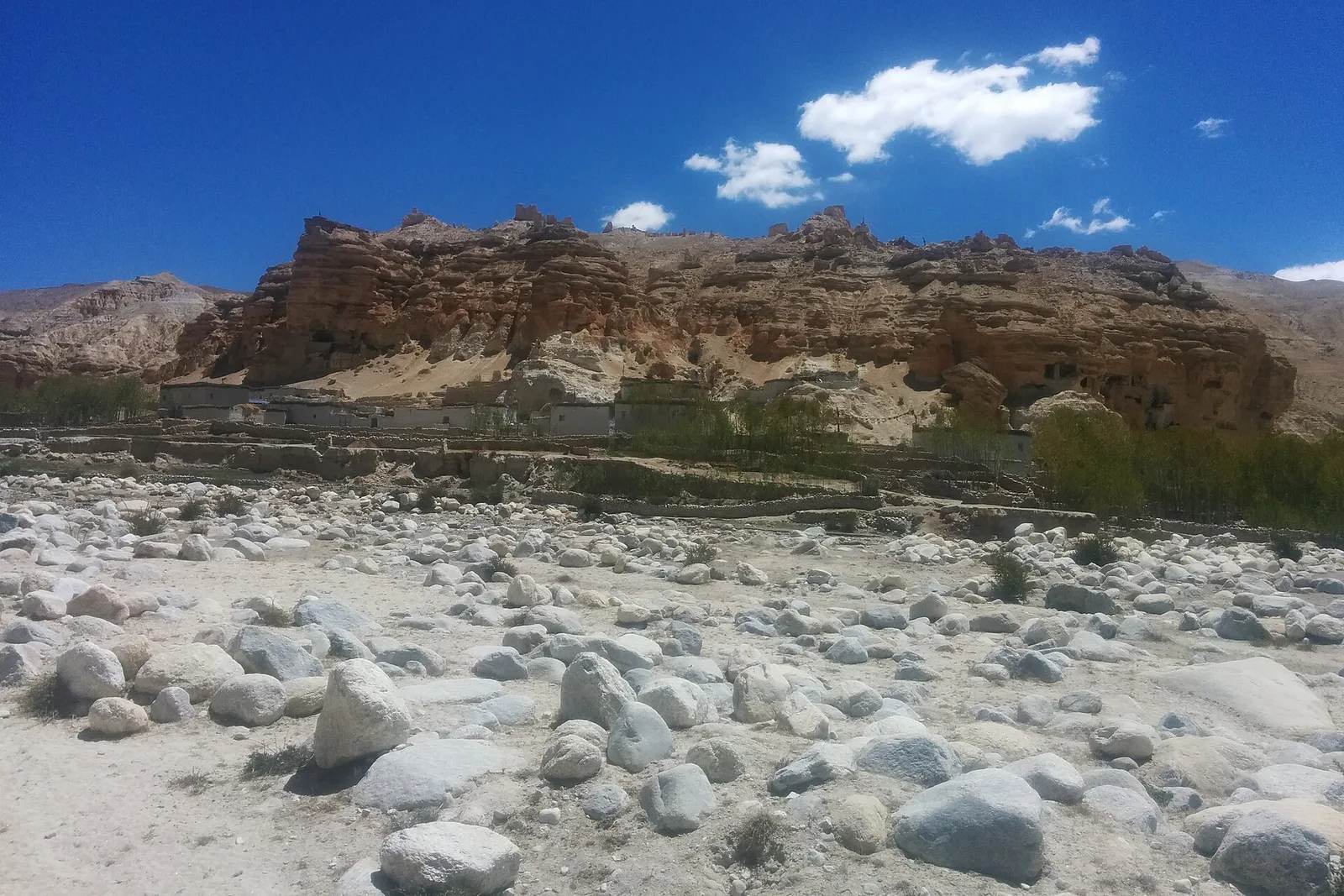
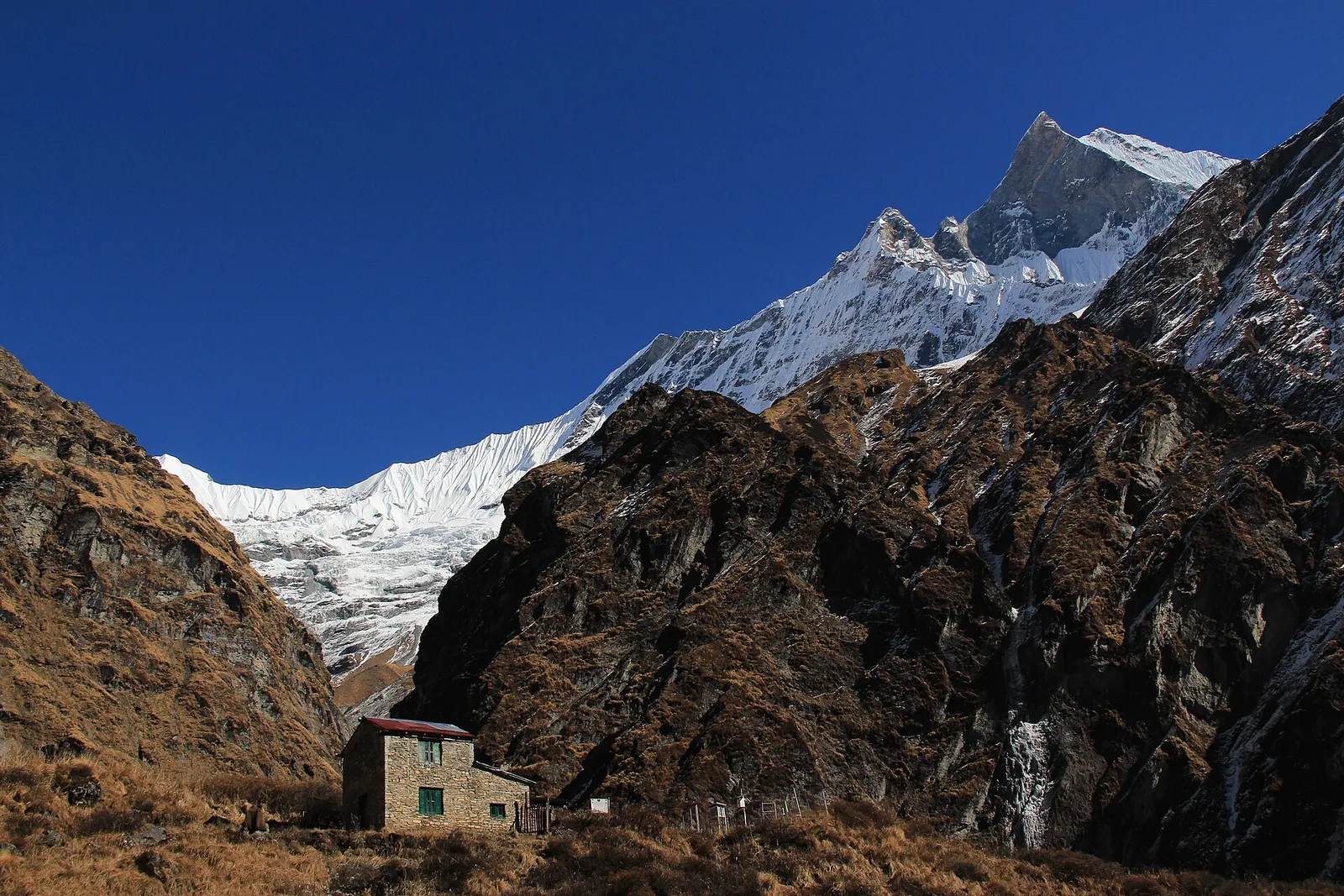
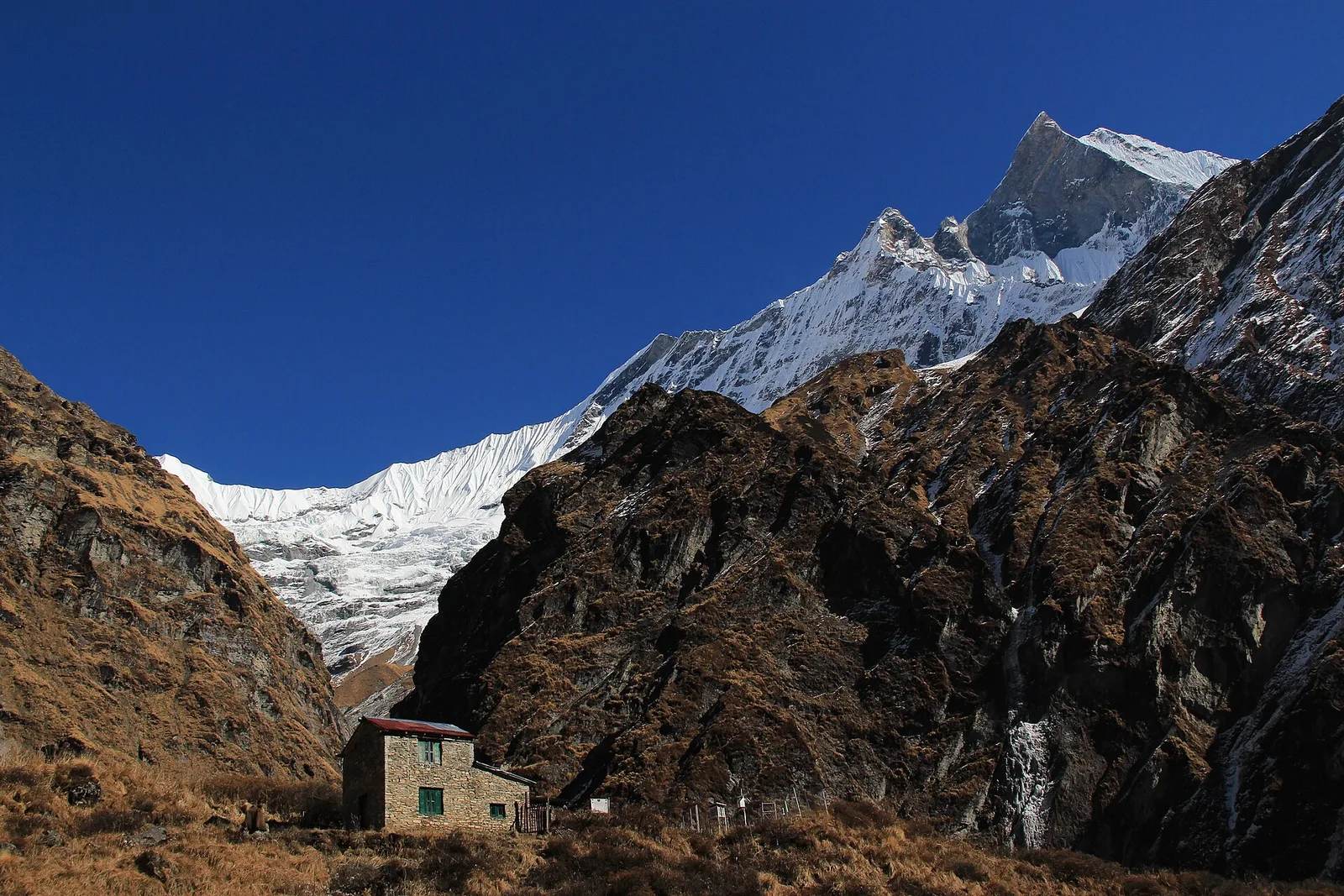
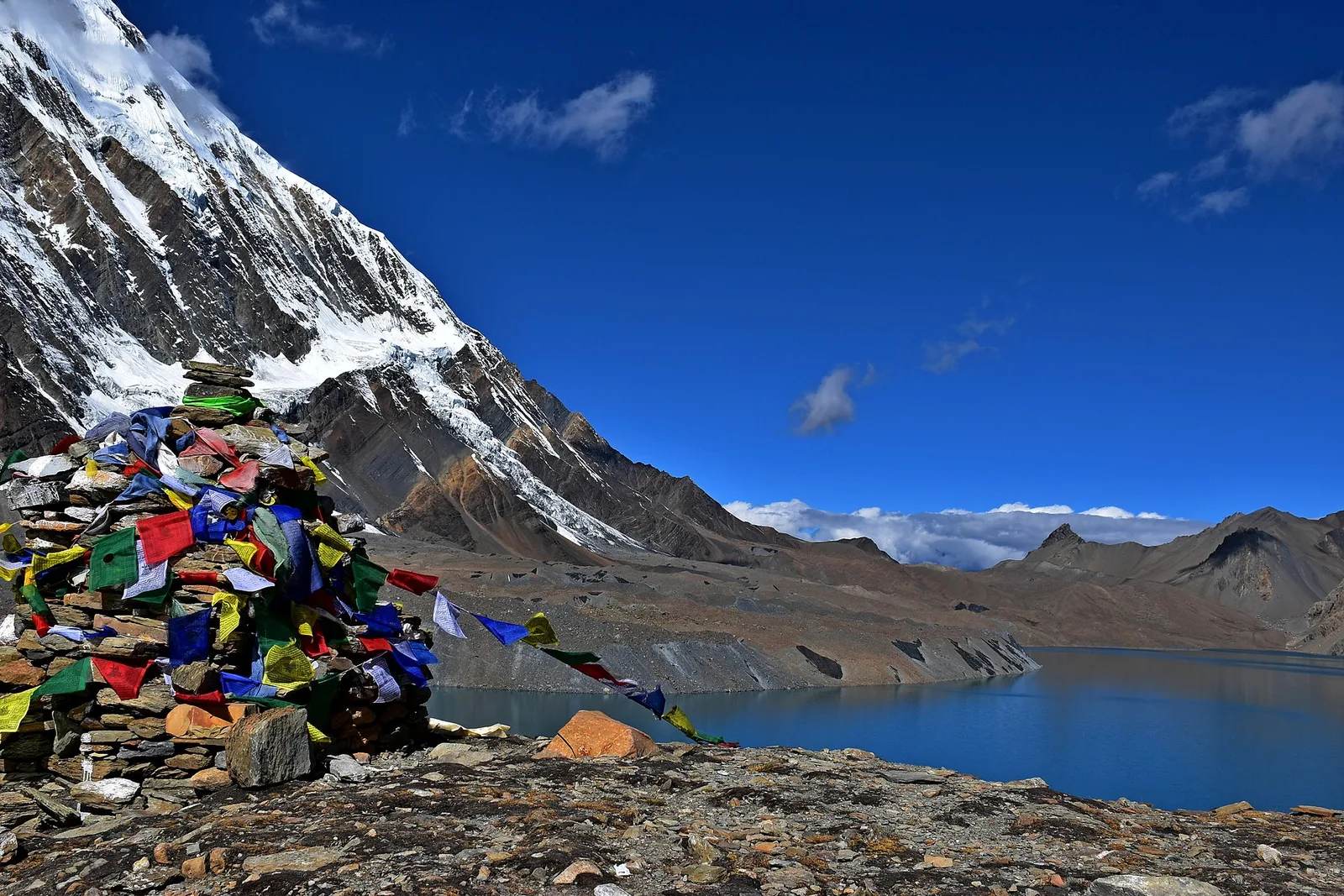
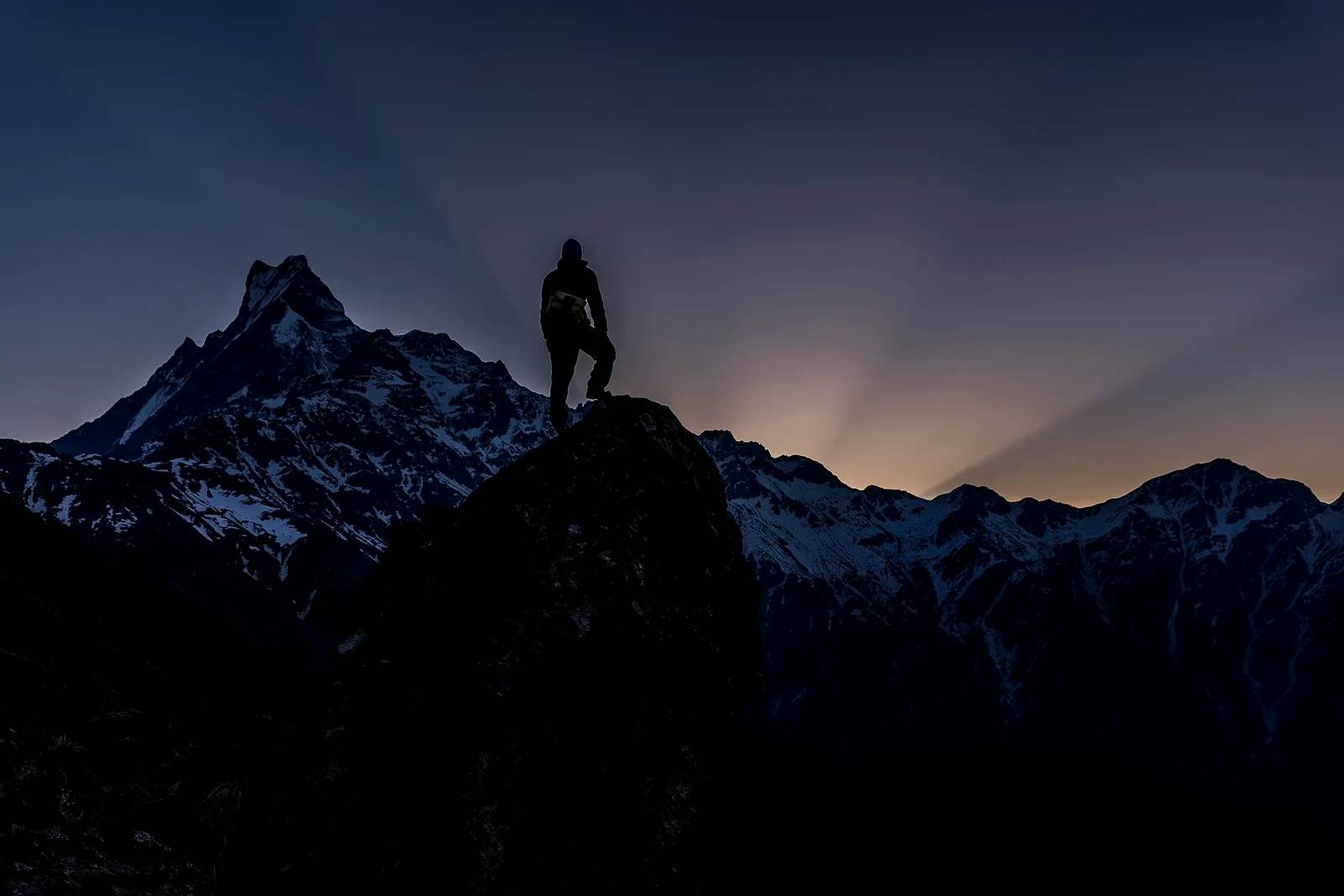
If you have already done Everest Base Camp and Annapurna, the far-west and the remote rain-shadow trails are the next frontier — empty, raw, and culturally distinct. The catch: infrastructure is still thin, so these routes reward going with an operator who knows them. The closest things on the ground today are the great remote circuits — Dolpo, Upper Mustang and Nar Phu — wild Karnali/trans-Himalayan trails that capture exactly what the budget is trying to grow.
Budgets are promises, not finished trails, and Nepal’s have a habit of outrunning delivery. But the direction is unmistakable: the next decade of Nepal trekking will be written in the far-west. The trekkers who go early will have it almost to themselves. We run the remote Dolpo, Mustang and Nar Phu circuits today — permits, licensed guide and logistics handled end to end.
Source: Government of Nepal FY2026/27 Budget (Finance Minister Swarnim Wagle), as reported by The Kathmandu Post and The Rising Nepal, June 2026.
Cover photo: Danielvandermaas via Wikimedia Commons (CC BY-SA 4.0).
Still running this season
Lower Dolpo Trek is running normally
NMA-certified local guides, transparent pricing, 5,000+ treks since 1998. Message us your dates and we'll sort the permits, lodges and logistics — reply within 24 hours, no obligation.
Popular Nepal treks
All treks →
Related coverage

Industry & Tourism
Should you still book Nepal this autumn after the flood, and what happens to the guides if you don't
Four Langtang and Rasuwa treks are paused on our own books, while Everest, Annapurna and Manaslu sit in different river systems and are running normally.
Industry & Tourism
Everest Base Camp or Annapurna Base Camp: Which Should You Actually Trek in 2026?
Both are sold as 'base camp treks' but they differ by 1,400 metres of altitude, a week of walking and a coin-flip mountain flight — here is how to pick the right one for your fitness, budget and time.
Safety & Advisories
Can you trek in Nepal with kids? The ages, treks and altitude rules that actually matter
Yes, on the right route: a fit child of 5-7 can manage a low trek like Poon Hill, most operators want 12-14 for Everest Base Camp, and the altitude rule for children is the same as for adults.
Records & People
The most dangerous 8,000m peak in the Himalaya, and the fatality rate behind it
By deaths per summit, Guinness ranks Annapurna I the deadliest mountain in the Himalaya. The numbers behind it, next to Dhaulagiri and Everest.
Latest from the desk
Breaking World Destinations
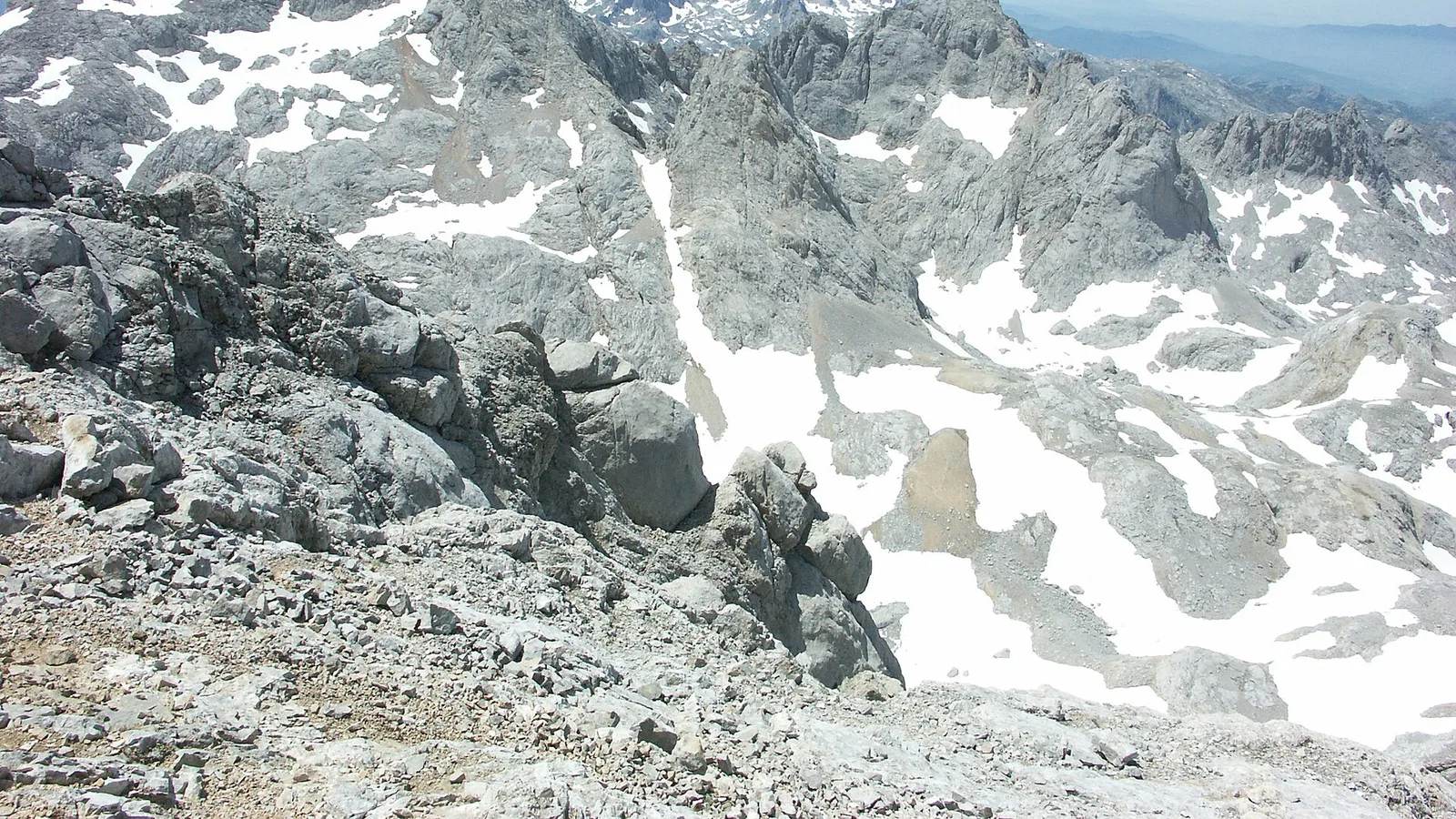
A British Climber Died 20 Metres From the Top of Spain’s Highest Peak in the Picos de Europa, and the Route Doesn’t Even Need Ropes
He fell about 60 metres descending Torrecerredo on Thursday, on ground climbers don’t rope up for — proof an ‘easy’ mountain can still kill you.
Money & Insurance
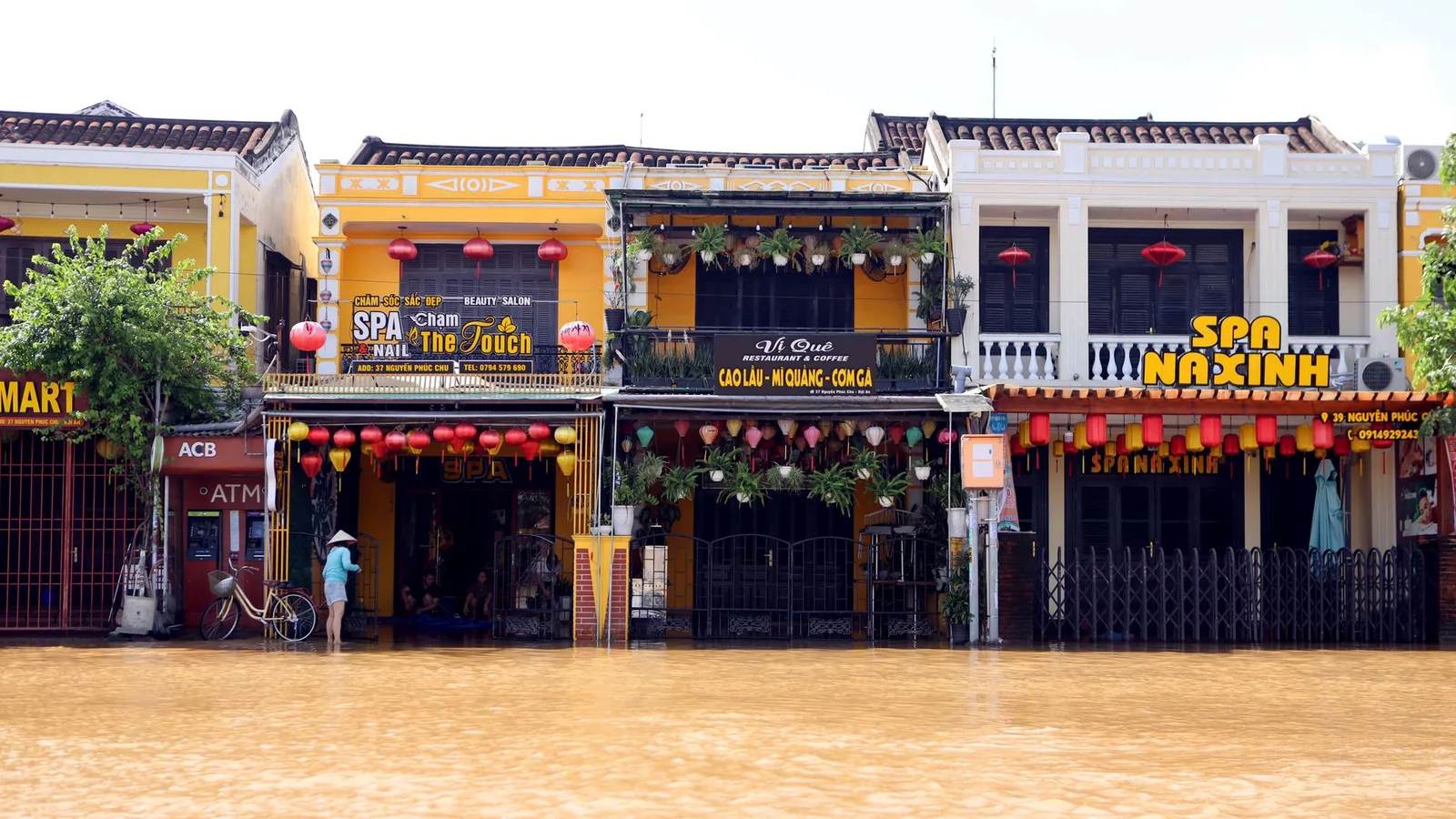
One in Seven Australians Fly Overseas With Zero Travel Insurance, and Vietnam’s Storm Season Just Made This the Worst Week to Try It
One in seven Australians flew overseas with zero cover last trip, and Vietnam’s storm season just gave that gamble its worst possible timing.
Deals & Routes
Dallas Just Got Its Third Airport, and It’s Flying Nonstop to Vegas by November
McKinney National Airport got its FAA certificate September 24, and Avelo starts flying five nonstop routes from it on November 11.