
The 'Yeti Scalp' Edmund Hillary Flew Around the World — and What Scientists Found
In 1960, Sir Edmund Hillary personally carried a 300-year-old Everest-region relic around the world to test it — and the science it uncovered was stranger than the myth.

At a glance
- Published
- TopicCulture & Heritage
- Verified againstAtlas Obscura
- Treks coveredEverest Base Camp Trek — 14 Days, Everest View Trek — 7 Days, Gokyo Ri Trek — 11 Days
A cone-shaped relic has sat inside a glass case in a tiny Everest-region monastery for at least 300 years, guarded by the village as a sacred treasure. In 1960, Sir Edmund Hillary personally flew it around the world — with its own monk chaperone — to find out, once and for all, whether it really came from a yeti.
Key facts
- The relic is kept at the monastery in Khumjung, a Sherpa village in the Everest region near Namche Bazaar
- Hillary borrowed it in 1960 on condition its guardian monk, Konchok Chumbi, travelled with it to Chicago, Europe and Asia
- Zoologists in Chicago in December 1960 found it was fashioned from the hide of a serow, a Himalayan goat-antelope — not a primate
- A 2017 Oxford-led DNA study of 30 hair samples from alleged yetis found zero matches to any unidentified species
The scalp's story starts with an American-funded "World Book Expedition" that sent Hillary — already world-famous for the 1953 Everest first ascent — and journalist Desmond Doig into the Khumbu specifically to hunt for evidence of the yeti, then a serious subject of scientific curiosity rather than pure folklore. In Khumjung they found an elderly villager who owned a half-football-shaped scalp, kept for generations as a protective charm. She was reluctant to let it out of her sight, so Hillary struck a deal: he'd fund improvements to the village monastery and school, and the scalp would travel only with its own guardian monk watching over it at all times.
The tour that followed was, by any measure, strange: a sacred Himalayan relic, accompanied by a Buddhist monk, examined under laboratory lights in Chicago, then paraded past scientists and reporters across the US, UK, Europe and Japan. The verdict, when it came, wasn't what the village — or the public — hoped for. The scalp had been moulded from animal hide, most likely a serow, and had probably been used as a template for ceremonial masks, not evidence of an undiscovered ape.
Science kept circling back to the question long after Hillary's trip. In 2017, Oxford geneticist Bryan Sykes ran DNA analysis on 30 hair samples collected from alleged yeti sightings across the Himalaya and Tibetan Plateau, including specimens from Ladakh and Bhutan more than 1,000 kilometres apart. Every one matched a known animal — bears, cows, horses, even a porcupine and a raccoon. What made headlines wasn't the absence of a monster, though: later re-analysis of the bear samples by biologist Charlotte Lindqvist identified DNA from a rare, poorly studied lineage of Himalayan brown bear, a genuinely elusive animal that the "yeti" myth had, unintentionally, helped scientists take seriously enough to sequence.
| Relic / sample | Year tested | Actual source |
|---|---|---|
| Khumjung monastery scalp | 1960 | Serow (Himalayan goat-antelope) hide |
| 30 hair samples, Himalaya/Tibet | 2017 | Bears, cattle, horse, porcupine, raccoon |
| Re-examined "yeti" bear hair | 2017–18 | Rare Himalayan brown bear lineage |
What this means for trekkers
What this means for you
The scalp is still on display in Khumjung today, and the village monastery is an easy, worthwhile short detour on the standard trail between Namche Bazaar and the Everest View Hotel — a five-minute stop that connects you to one of the strangest science stories of the 1960s. You won't find a yeti up there, but the real animal science eventually traced the legend back to is arguably just as impressive: a rare, high-altitude brown bear population still barely studied today.
Khumjung sits directly on the acclimatisation loop of our Everest Base Camp Trek and our shorter Everest View Trek, and it's a short side trip from the Gokyo Ri Trek route as well. For more on how the Everest region's most famous villages fit together, see our breakdown of Base Camp, Gokyo and the Three Passes compared.
Source: Atlas Obscura
Cover photo: AngeshRathi via Wikimedia Commons (CC BY-SA 4.0).
This story is part of Travel Himalaya Nepal’s guide to Nepal's culture and living heritage.
Still running this season
Everest Base Camp Trek — 14 Days is running normally
NMA-certified local guides, transparent pricing, 5,000+ treks since 1998. Message us your dates and we'll sort the permits, lodges and logistics — reply within 24 hours, no obligation.


Popular Nepal treks
All treks →


Related coverage
Records & People
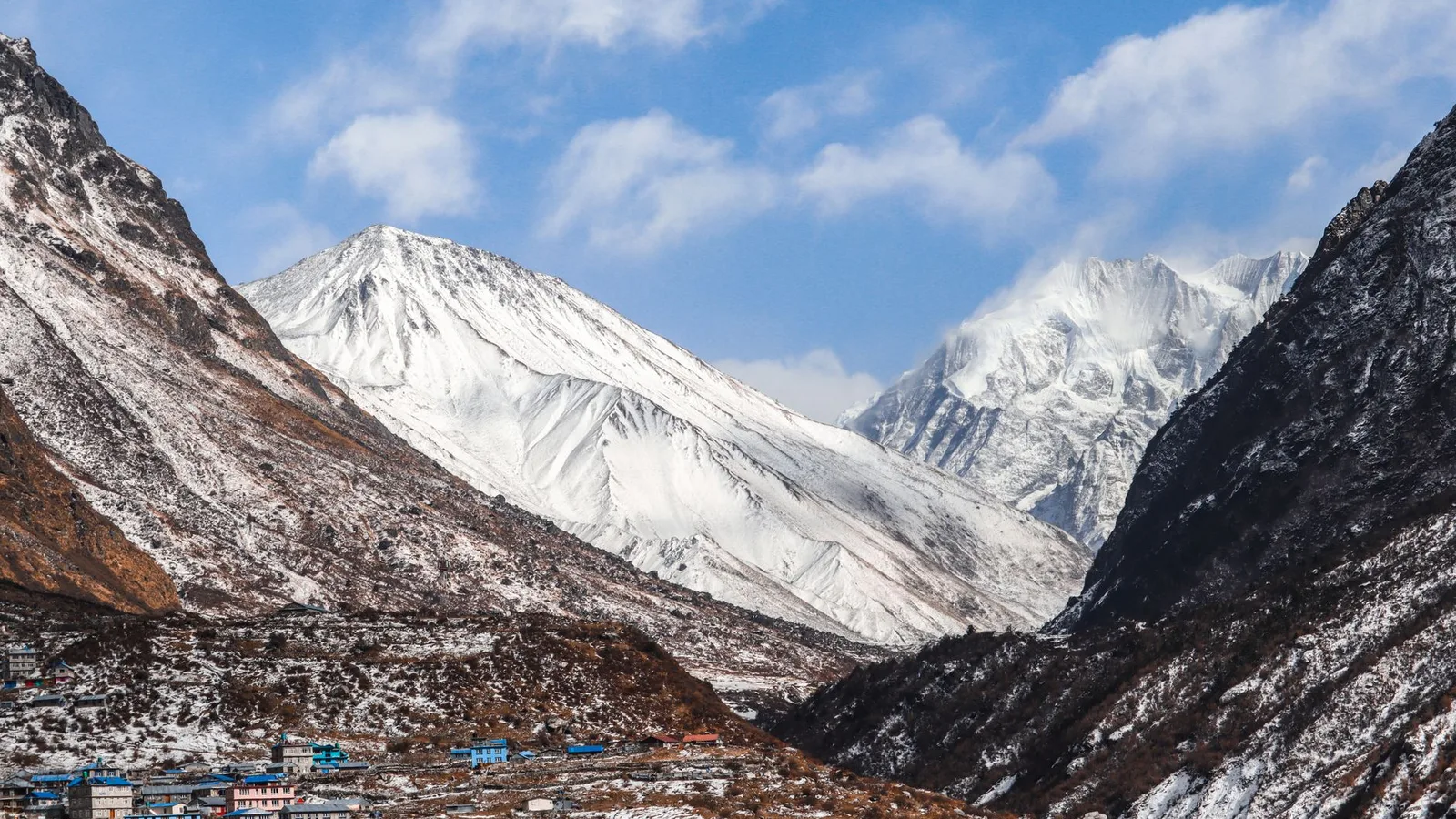
In 1951, an Everest Climber Photographed a Giant Footprint in the Snow. Nobody Has Fully Explained It Since.
Eric Shipton's photo of a 13-inch print near Everest sparked global Yeti mania — DNA science later traced most of the physical 'evidence' back to Himalayan bears.
Records & People
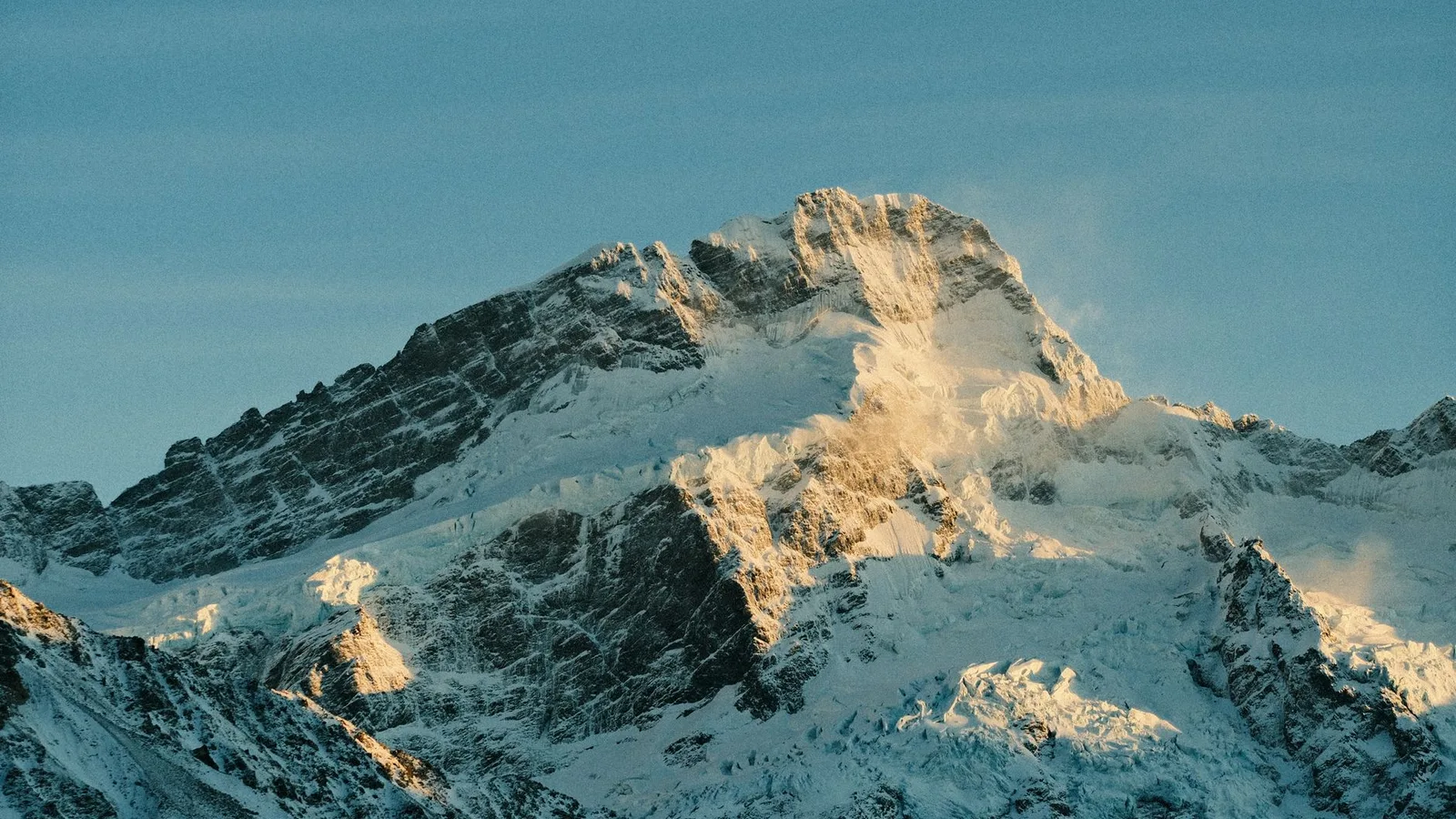
Mount Everest Is Still Growing — and a Hijacked River 47 Miles Away Is Pushing It Up
A 2024 study in Nature Geoscience found the world's tallest mountain gains roughly 2mm a year from an ancient river 'piracy' event on top of the tectonic collision that built it in the first place.
Culture & Heritage
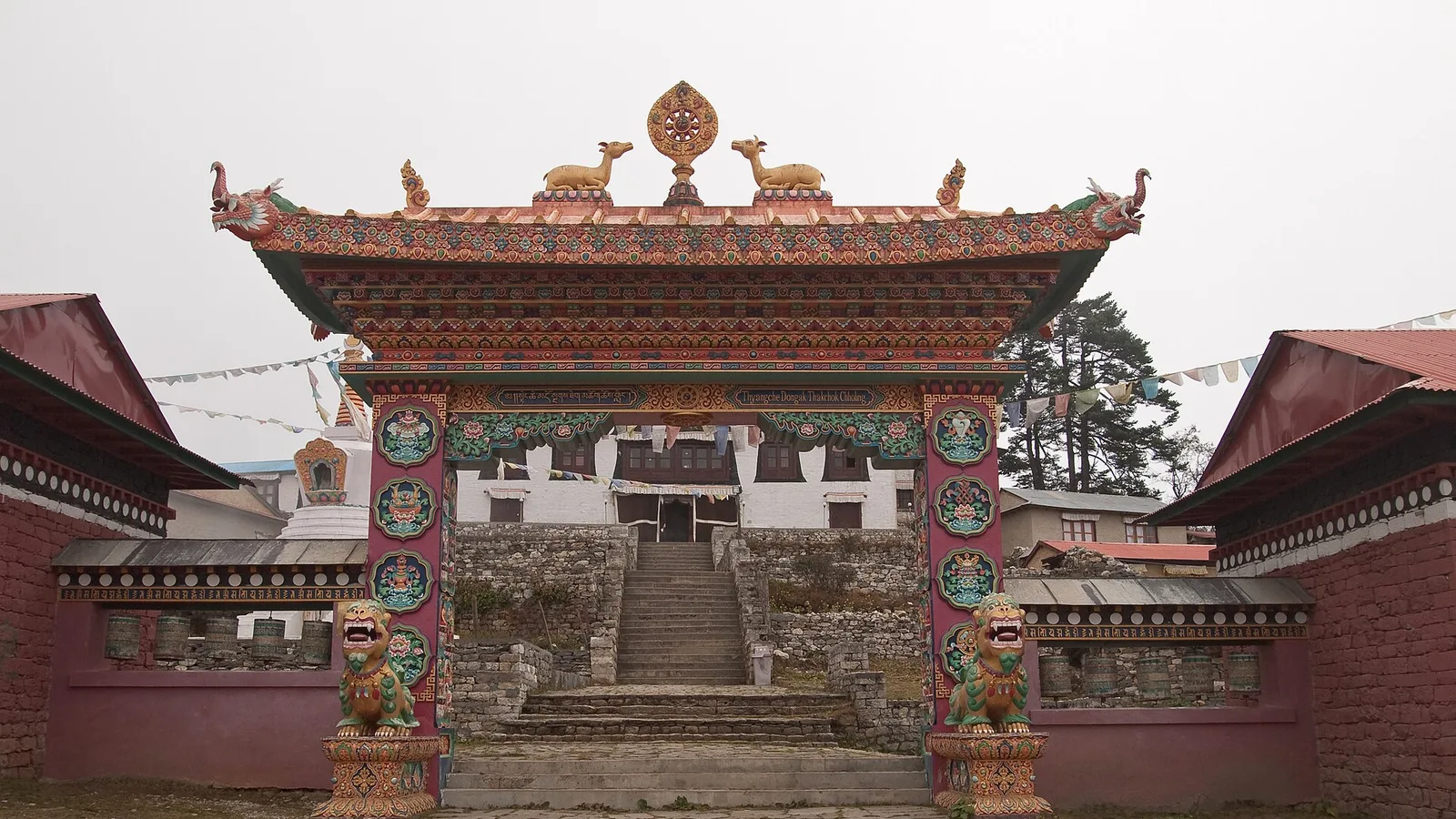
The Sherpa: A Tibetan-Origin People, Not a Job Title (2026)
An ethnic group, not an occupation — the Sherpa of the Khumbu have their own language, Nyingma Buddhist faith and a homeland below Everest, far beyond the mountaineering fame that made their name a household word.
Records & People
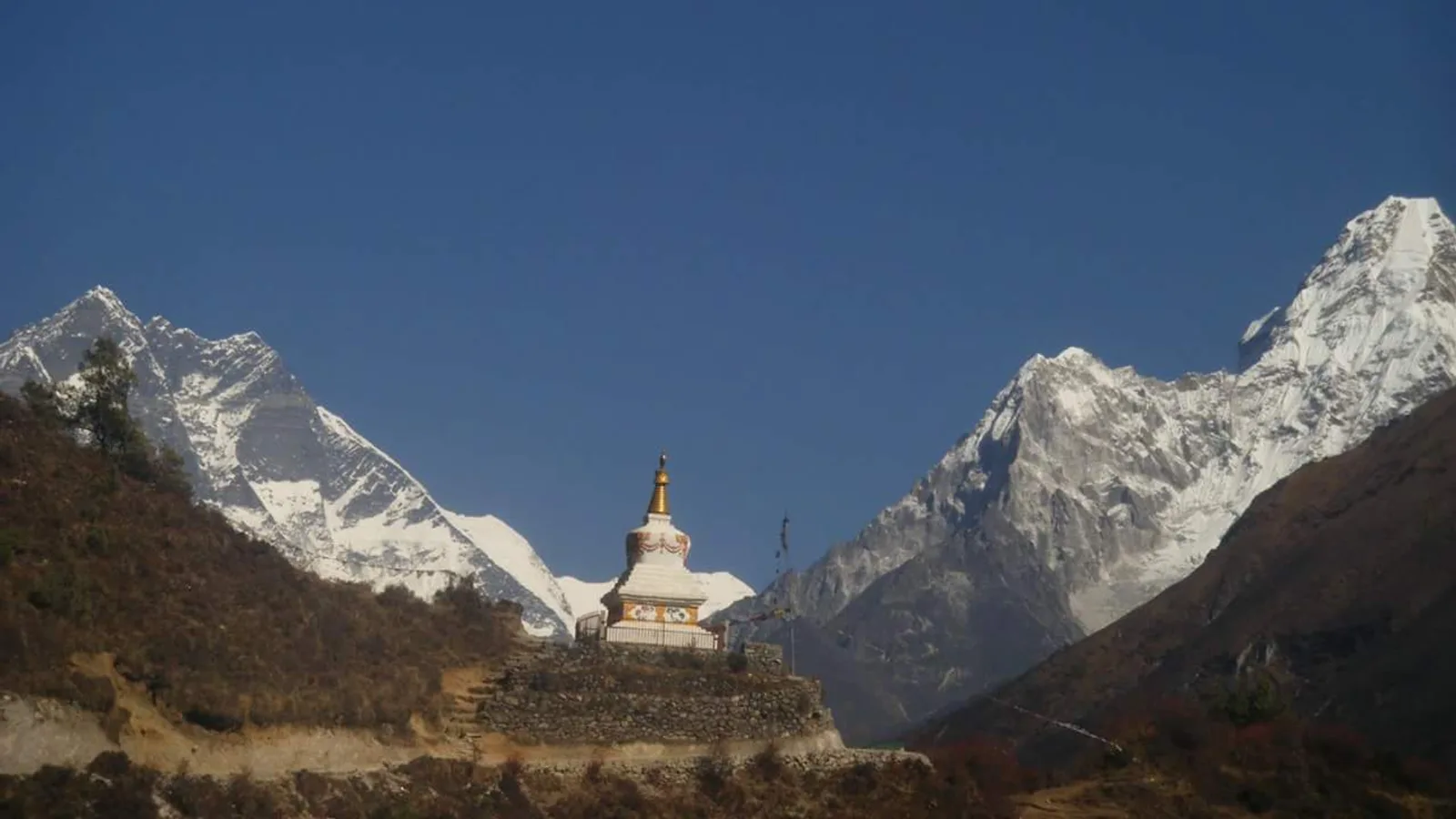
The Yeti Footprint Fooled the World for 70 Years — Then DNA Solved It
A grainy 1951 photograph near Everest launched a global legend, until a 2017 study tested nine 'yeti' samples and found six bears of one kind, three of another, and a dog.
Latest from the desk

Festivals & Events
Dashain 2027 tika is Saturday 9 October, twelve days earlier than this year
Dashain 2027 runs 30 September to 14 October, tika on Saturday the 9th. Bhai Tika is 31 October. Why the early date matters for an autumn trek.
World Destinations
The World’s Best National Parks to Visit in 2026: A Continent-Hopping Bucket List
From Torres del Paine to the Serengeti to Nepal’s own Everest and Chitwan — nine UNESCO-grade parks worth planning a whole trip around, and the season each is best.
Records & People
The Kathmandu Valley You're Walking Through Used to Be a 200-Metre-Deep Lake
Geologists say the ground beneath Kathmandu's temples and guesthouses sat underwater for the better part of a million years, and the same soft lakebed sediment is a documented reason the city shakes so hard when an earthquake hits.