
The short version
The complete Mardi Himal trek guide for 2026 — itinerary, cost, difficulty, and why this quiet high-camp trek under Machhapuchhre is one of Nepal's best-kept secrets. A superb shorter alternative to ABC.
- Mardi Himal is a newer, less-crowded Annapurna-region route climbing a forested ridge to a high camp beneath Machhapuchhre (Fishtail, 6,993m).
- It's short — typically 5–7 days — and reaches an Upper Viewpoint at 4,500m; no flight, you drive from Pokhara.
- A budget trek costs roughly $450–600 per person (2-person group); comfort-level $700–950.
- Graded moderate and good for fit beginners, with the dawn viewpoint push the most demanding part.
The Annapurna region's hidden gem
The Mardi Himal trek is a relatively new, less-crowded route that climbs a forested ridge to a spectacular high camp directly beneath Machhapuchhre (Fishtail, 6,993m) and the Annapurna range. Shorter and quieter than Annapurna Base Camp, it's become a favourite for trekkers wanting big mountains without the crowds.


Mardi Himal at a glance
Duration: 5–7 days · Max altitude: 4,500m (Upper Viewpoint) · Difficulty: Moderate · Start: Pokhara (drive to Kande/Phedi) · Best seasons: Oct–Nov, Mar–Apr · Permits: ACAP + TIMS · Accommodation: Teahouses.
The itinerary
From Pokhara, drive to Kande and climb through beautiful rhododendron and oak forest to Forest Camp, then Low Camp and High Camp (3,580m), with the ridge opening to ever-bigger mountain views. The climax is the dawn climb to the Upper Viewpoint (4,500m) for a head-on panorama of Machhapuchhre, Annapurna South, and Hiunchuli, before descending back to Pokhara. A typical trek is 5 days; 7 with a gentler pace.
How much does it cost?
There are two versions of this trek and they cost very different amounts, so the honest answer starts by separating them.
| Group size | 4-day Mardi | 7-day Mardi |
|---|---|---|
| Solo | $455 | $780 |
| 2–3 people | $410 | $710 |
| 4–7 people | $370 | $640 |
| 8+ people | $330 | $580 |
Both include your guide, a porter between every two trekkers, both permits, every teahouse night, meals on the trail and the drive from Pokhara. Neither needs an internal flight, which is why Mardi is one of the cheapest ways to stand at 4,500m in Nepal.
Which one to book: the 4-day drives to Kande and pushes hard — Forest Camp, Low Camp, High Camp, viewpoint, out. It works, but you arrive at High Camp on the third afternoon having gained a lot of height quickly. The 7-day walks the same ridge with a spare night and a gentler profile, and it is the one we put most people on. The extra $300 buys sleep and a much better chance of enjoying the viewpoint morning rather than enduring it.
Budget another $10–15 a day for drinks, hot showers and charging, none of which are included anywhere on this route.
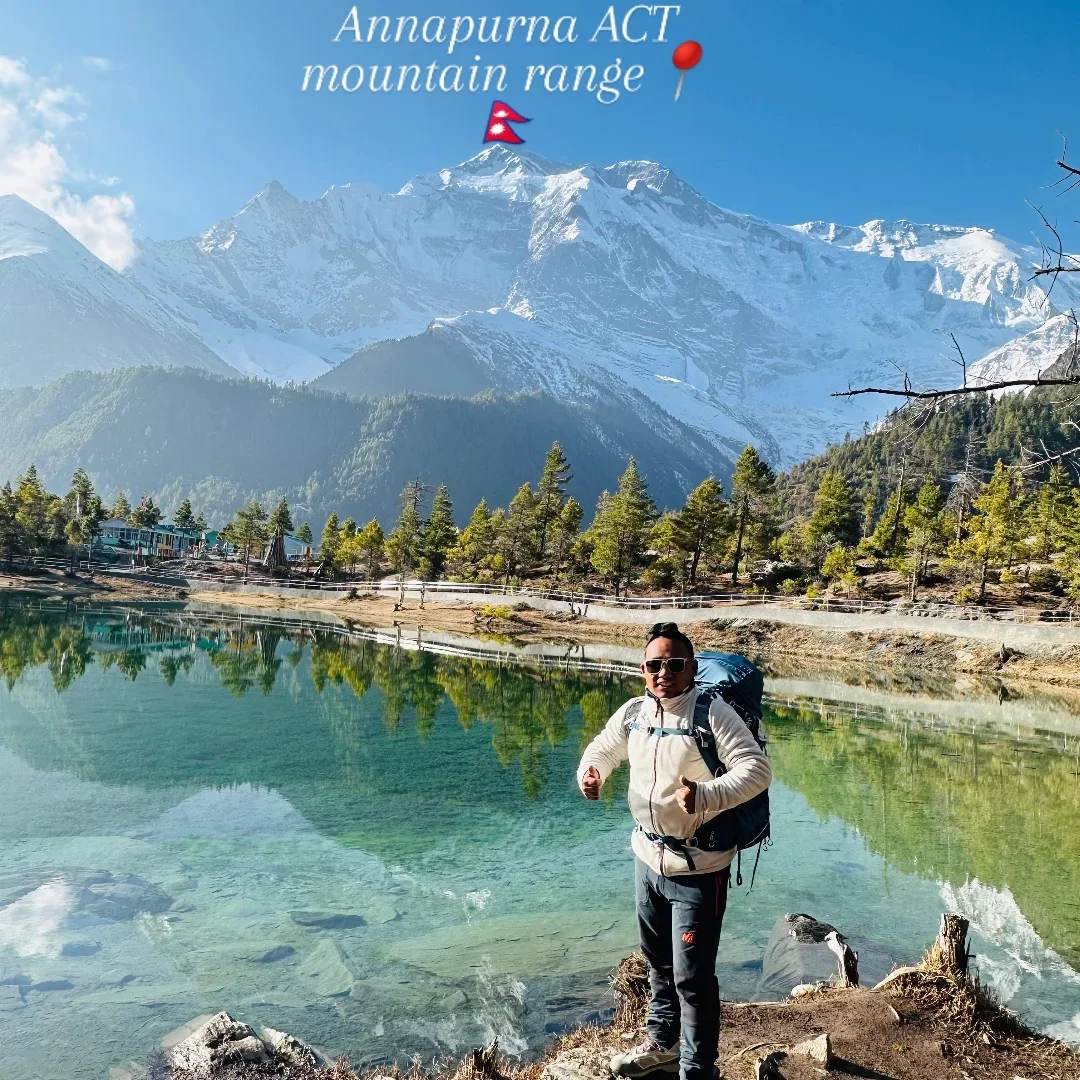
The final climb from High Camp to the Upper Viewpoint (4,500m) is the most demanding part of the trek. Set off before dawn to reach the head-on panorama of Machhapuchhre, Annapurna South, and Hiunchuli before cloud builds.
How hard is it, and what the 4,500m figure hides
Graded moderate, and the number that scares people is the least of it. You sleep at Low Camp (2,970m) and High Camp (3,580m). The 4,500m Upper Viewpoint is reached on a pre-dawn push and left within the hour, so your actual exposure to serious altitude is a couple of hours, not a couple of nights.
What is genuinely harder than people expect:
- The viewpoint morning. You leave High Camp at around 4am in the dark and cold for a steep, sustained climb on a narrow ridge. It is the one properly demanding stretch of the trek, and it comes after the night you will have slept worst.
- The ridge is exposed. Above Low Camp the forest stops and there is nowhere to shelter. In bad weather it is cold, wind-blasted and white — and the entire reason for coming disappears into cloud.
- Water is carried up. High Camp has no supply of its own. Expect to buy expensive bottled water or to treat what you are given, and do not count on a hot shower.
- The descent is steep and slippery. Coming off the ridge into forest, especially after rain, is where people go over. Poles earn their keep.
Fitness that works: a few weeks of hill walking with a daypack. If you can do a long flight of stairs without stopping, you are ready.
When Mardi is the wrong choice
We would rather say this now than at Low Camp.
If your trip is in December to February, the ridge is genuinely cold and some High Camp lodges close — Poon Hill is the better winter short trek. If you are trekking in the monsoon, do not come at all: this is a viewpoint trek and you will see cloud. And if you want lodge comfort — bakeries, proper showers, a choice of rooms — Annapurna Base Camp has far better infrastructure. Mardi's lodges are basic by design; that is the price of the quiet.
Why choose Mardi Himal
Fewer crowds than ABC or Poon Hill, a stunning ridge-top high camp, intimate close-up views of Machhapuchhre, beautiful forest, and a short timeframe that fits easily into a trip. It can even be combined with Poon Hill for a fuller Annapurna foothills experience. Compare it with the Annapurna Base Camp trek or browse the best treks in Nepal.
Best time
October–November for the clearest views and March–April for blooming rhododendrons. Winter is cold but doable lower down; the monsoon brings cloud and leeches.
Mardi Himal packs a high-camp experience and head-on Fishtail views into under a week, with no internal flight. It's one of the best options for trekkers short on time who still want dramatic Annapurna scenery away from the crowds.
The bottom line
For trekkers wanting dramatic Annapurna scenery, a high-camp experience, and far fewer people — in under a week — Mardi Himal is one of Nepal's best choices. A genuine hidden gem. Contact us to plan your departure.
Should I do the 4-day or 7-day Mardi Himal trek?
The 7-day, for most people. Both walk the same ridge, but the 4-day gains height quickly and puts you at High Camp on the third afternoon, while the 7-day adds a spare night and a gentler profile. The difference is about $300 per person and it buys sleep — which decides whether the pre-dawn viewpoint climb is enjoyable or merely survived.
Is Mardi Himal's 4,500m dangerous?
Less than the number suggests. You sleep at 2,970m and 3,580m; the 4,500m Upper Viewpoint is a short pre-dawn push you leave within the hour. Headaches at High Camp are common, serious altitude sickness is rare. Cold, an exposed ridge and basic lodges are the real difficulties.
Is Mardi Himal good in winter?
Not especially. The ridge above Low Camp is exposed to wind, it gets genuinely cold, and some High Camp lodges shut for the season. From December to February, Poon Hill is the better short trek — lower, more sheltered, and its lodges stay open and warm.
How much does the Mardi Himal trek cost?
A budget trek costs roughly $450–600 per person in a 2-person group, including guide, permits, and teahouses. Comfort-level trips run about $700–950. No internal flight is needed — you drive from Pokhara, which keeps costs down.
How many days do you need for Mardi Himal?
A typical trek is 5 days, or 7 at a gentler pace. The short timeframe — and the fact it needs no flight — makes it easy to fit into a wider Nepal trip, and it can be combined with Poon Hill for a fuller Annapurna foothills experience.
Private Annapurna departures on any date, hand-picked NMA guides, and 25+ years on these trails. Tell us your dates — we usually reply within a few hours.
Browse Annapurna treks & tours → Read the Annapurna guide →
Written by
Travel Himalaya NepalPokhara-based, NMA-certified trekking guides. We’ve led 5,000+ treks across the Annapurna and Everest regions since 1998 — every word here comes from the trail. More from this author →
Share this article
Ready to Trek?
From reading about it to standing on it
Our Pokhara-based guides have been doing this since 1998. Tell us your dates and fitness level — we'll build your perfect itinerary. Free, no obligation.
Why trek with our licensed agencyMore guides like this
Popular trips to consider
Free Trekker's Insider Guide
Permits, packing lists, cost breakdowns — no fluff.
We send one useful email. You can unsubscribe anytime.