The short version
January and February are cold but crystal-clear in Nepal — empty trails, sharp views, and lower prices. Guide to the best winter treks, what closes, and how to stay warm in the coldest months.
- January and February are Nepal's coldest but clearest trekking months — stable dry weather, the sharpest views of the year, empty trails and lower prices.
- Stick to lower-altitude treks below 3,500m (Poon Hill, Ghandruk, lower Langtang); high passes like Thorong La and Larkya La are usually snow-closed.
- Staying warm is everything: bring a -20°C sleeping bag, down jacket, thermals, and hand/foot warmers.
- EBC is possible for the hardy — fewer crowds and stunning clarity, but expect nights near -20°C.
The coldest, clearest months
January and February are deep winter in Nepal — the coldest trekking months, but also among the clearest. With stable, dry weather, the sharpest mountain views of the year, gloriously empty trails, and lower prices, winter trekking rewards those who can handle the cold.
What to expect
Crisp, bright days and bitterly cold nights, dropping well below freezing at altitude. Lower-elevation trails (below 3,500m) are comfortable in the day. Snow lies on higher ground, and the high passes (Thorong La, the Three Passes, Larkya La) are frequently snow-closed and dangerous. Some high-altitude teahouses shut for the season.
Best treks for January & February
Ghorepani Poon Hill
Max 3,210m — the ideal winter trek, low enough to be comfortable, with the year's clearest sunrise views.
Ghandruk & lower Mardi Himal
Beautiful, accessible Annapurna foothill walking at moderate, comfortable altitude.
Lower Langtang Valley
Lovely in winter snow at moderate altitude, close to Kathmandu.
Kathmandu Valley rim
Nagarkot, Chisapani, Dhulikhel — easy day and short treks with big views, warm enough in winter.
Everest Base Camp
For the hardy — fewer crowds and stunning clarity, but -20°C nights and very cold.
What usually closes
High passes are the main casualty — snow makes Thorong La, the Three Passes, and Larkya La risky or impassable. Plan lower-altitude objectives, and keep itineraries flexible for snow.
Staying warm
This is the key to winter trekking. Bring a -20°C sleeping bag, a proper down jacket, thermal base layers, insulated gloves, a warm hat, and hand/foot warmers. The dining-room stove is your evening refuge. Sleep in dry thermals and a beanie, use a hot-water bottle, and eat well — your body burns fuel to stay warm. Stay hydrated; cold dry air is dehydrating.
The payoff
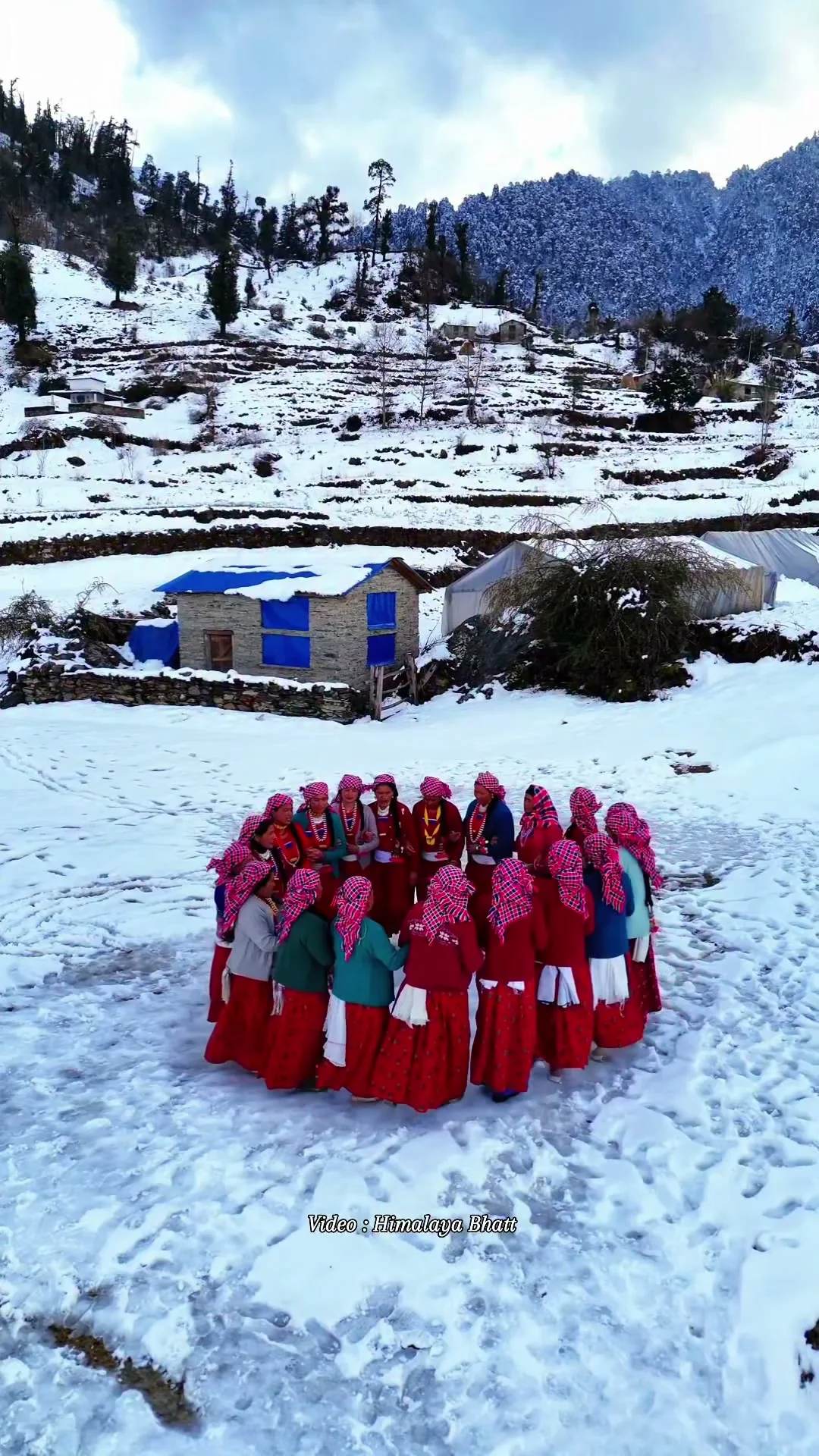
Trails you might share with hundreds in October are nearly empty. The post-monsoon haze is long gone, leaving the year's most crystalline mountain views. Frost-rimmed forests, snow-dusted peaks, and lower prices make winter a magical, peaceful time to trek — if you come prepared for the cold.
Browse winter-friendly routes in our best treks in Nepal guide, check what to pack in the Nepal trekking packing list, or contact us to plan a winter departure.
Frequently asked questions
Is it possible to trek in Nepal in January and February?
Yes — January and February are the coldest but clearest trekking months, with stable dry weather, the sharpest mountain views of the year, empty trails and lower prices. Stick to lower-altitude treks below 3,500m, as high passes are usually snow-closed.
What is the best winter trek in Nepal?
Ghorepani Poon Hill (max 3,210m) is the ideal winter trek — low enough to be comfortable yet offering the year's clearest sunrise views. Ghandruk, lower Mardi Himal, lower Langtang Valley, and the Kathmandu Valley rim are also excellent.


Private departures on any date, hand-picked NMA guides, and 25+ years on the trail. Tell us your dates — we usually reply within a few hours.
Browse all treks & tours →
Written by
Travel Himalaya NepalPokhara-based, NMA-certified trekking guides. We’ve led 5,000+ treks across the Annapurna and Everest regions since 1998 — every word here comes from the trail. More from this author →
Share this article
Ready to Trek?
From reading about it to standing on it
Our Pokhara-based guides have been doing this since 1998. Tell us your dates and fitness level — we'll build your perfect itinerary. Free, no obligation.
Why trek with our licensed agencyMore guides like this
Popular trips to consider
View all treks & toursFree Trekker's Insider Guide
Permits, packing lists, cost breakdowns — no fluff.
We send one useful email. You can unsubscribe anytime.