A drier monsoon can still be a dangerous one, and Nepal’s 2026 season showed why
Nepal’s 2026 monsoon was forecast to bring below-average rain. Short, violent downpours still blocked nine highways in one July week. Here is why.
At a glance
- Published · updated
- TopicTrail & Weather
- Verified againstThe Kathmandu Post
- Treks coveredLower Dolpo Trek, Nar Phu Valley Trek — 14 Days, Upper Mustang Trek — 12 Days
Nepal’s weather office went into the 2026 monsoon with a counter-intuitive message: less total rain, but more danger. The June–September monsoon was forecast to deliver below-average rainfall across much of the country — and officials still warned of a higher risk of flash floods and landslides. By late July the second half of that warning had come true on the roads. For trekkers, understanding that paradox is the difference between a great monsoon trip and a stranded one.
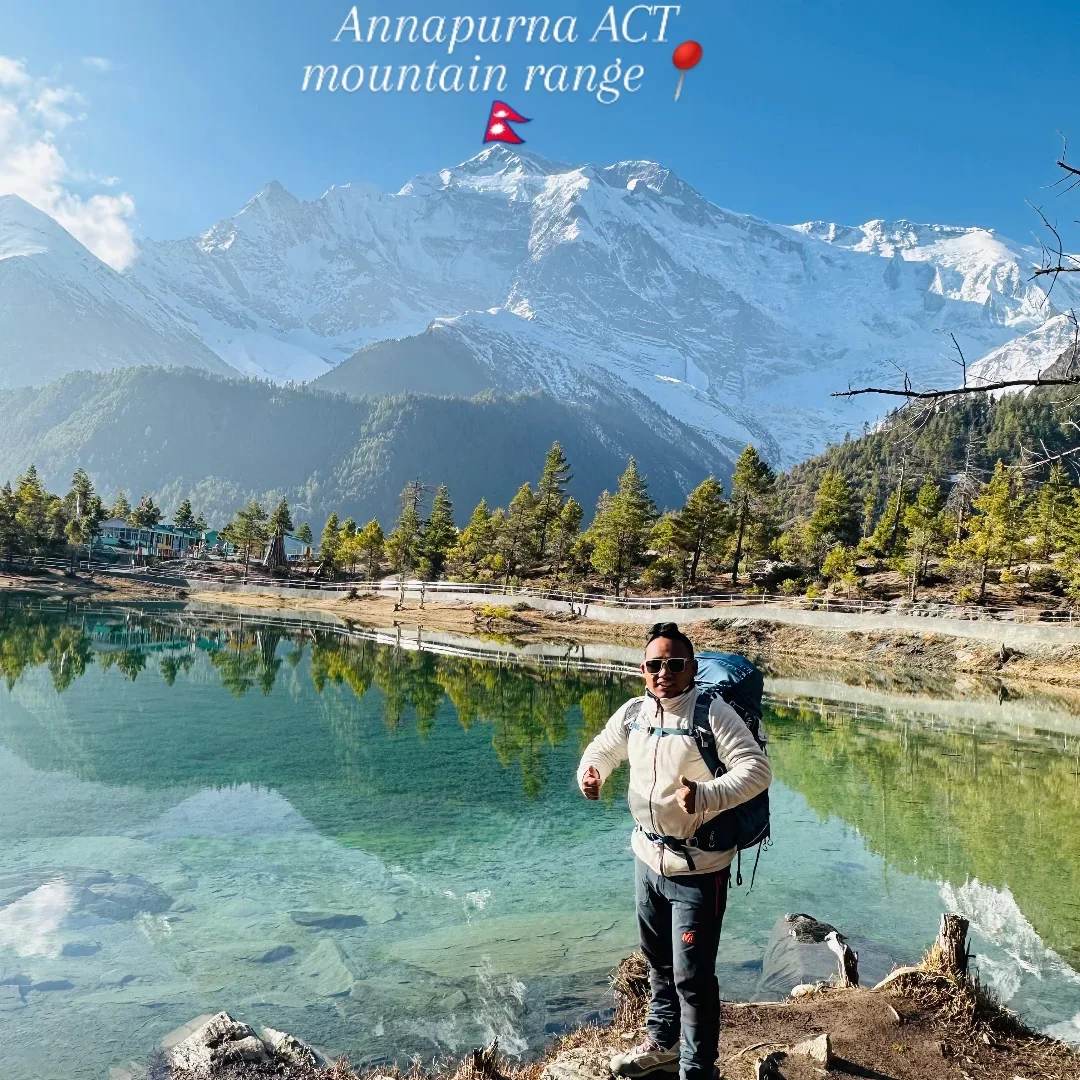
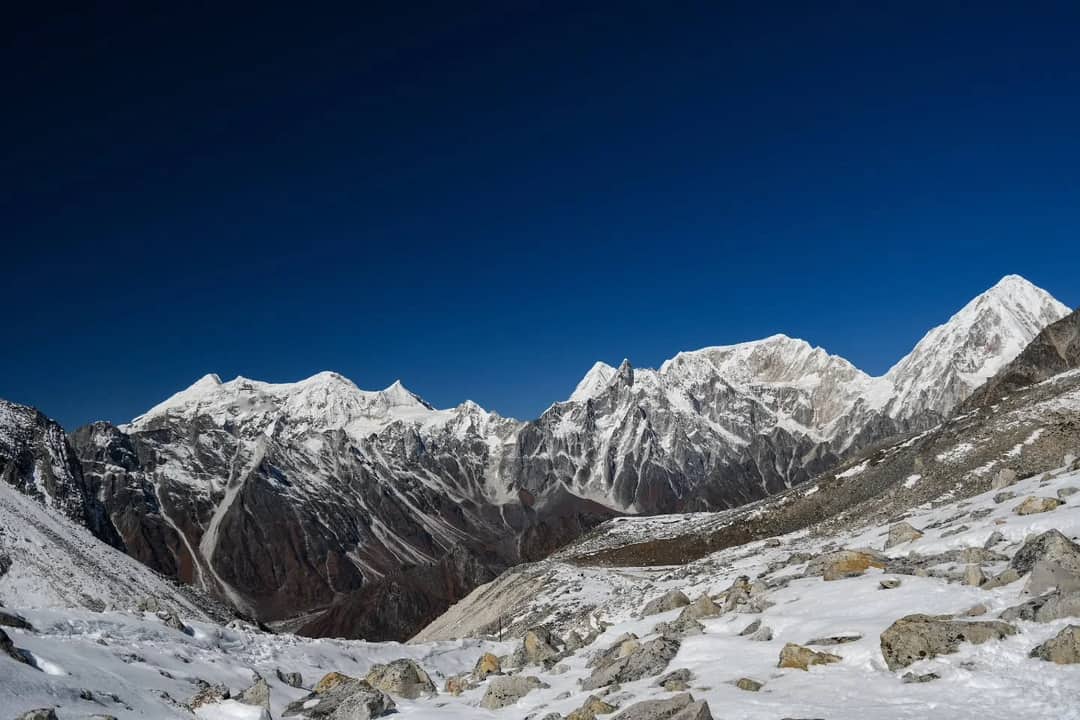
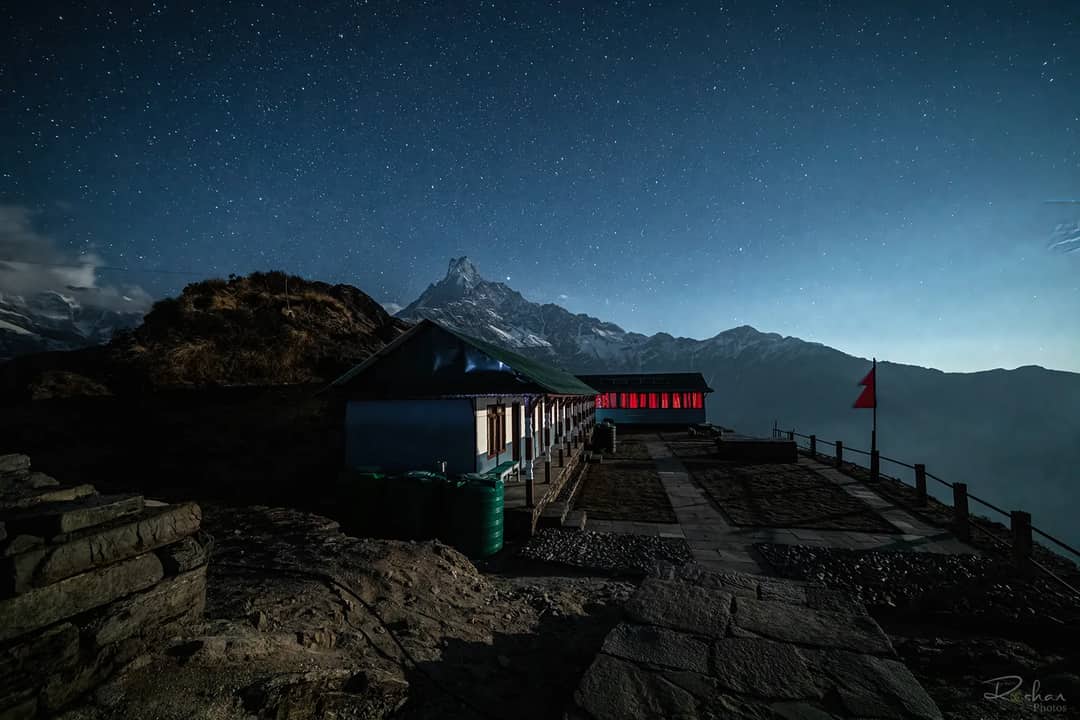
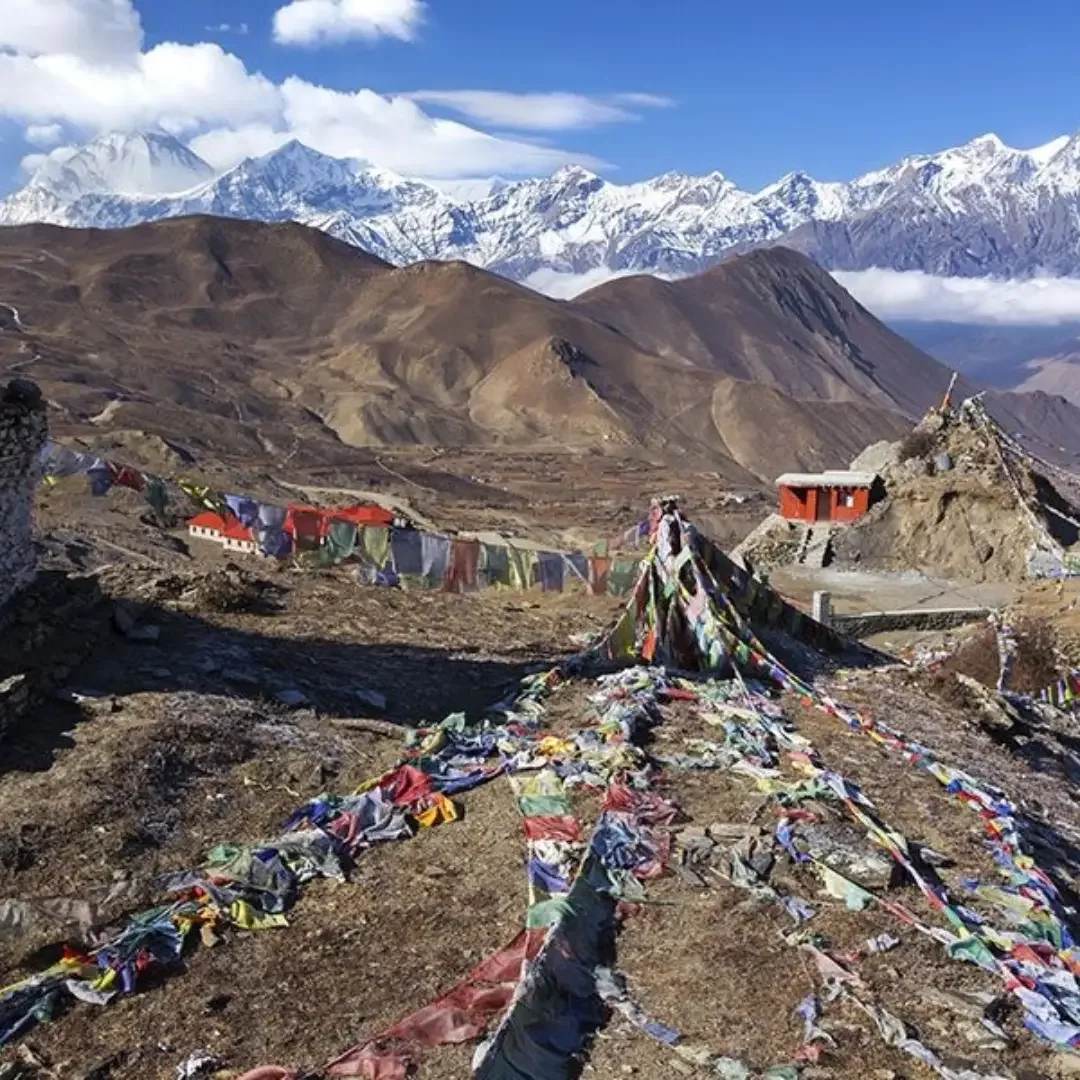
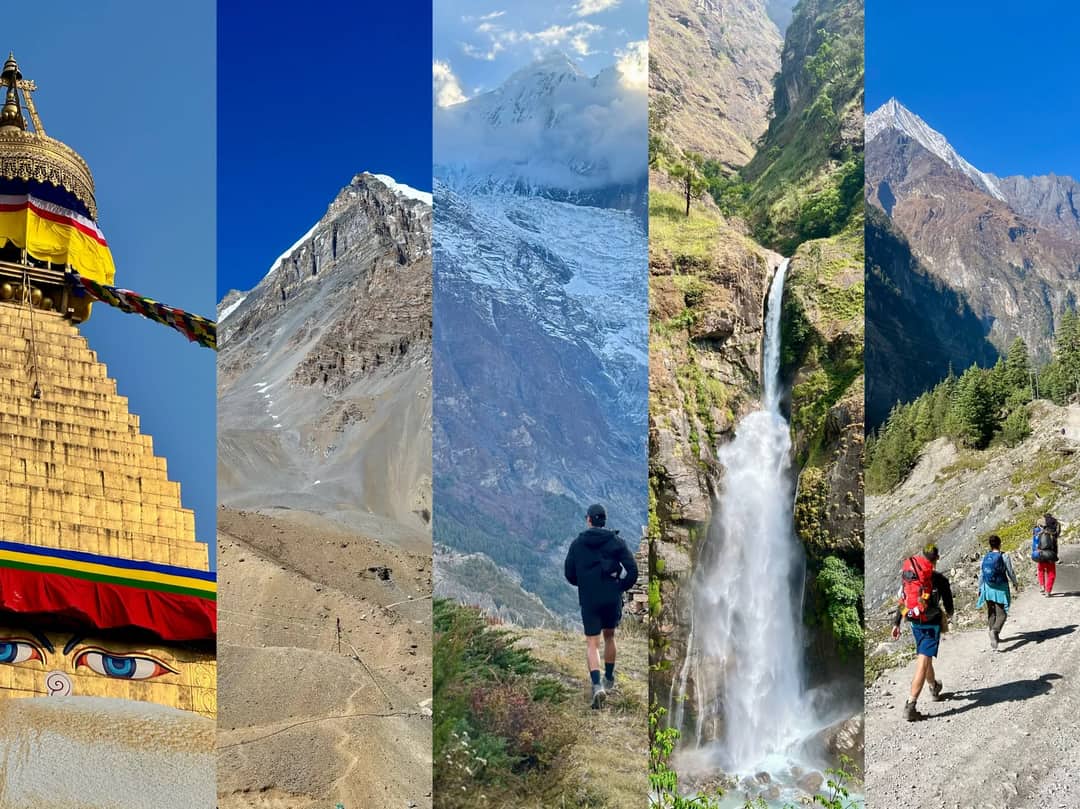
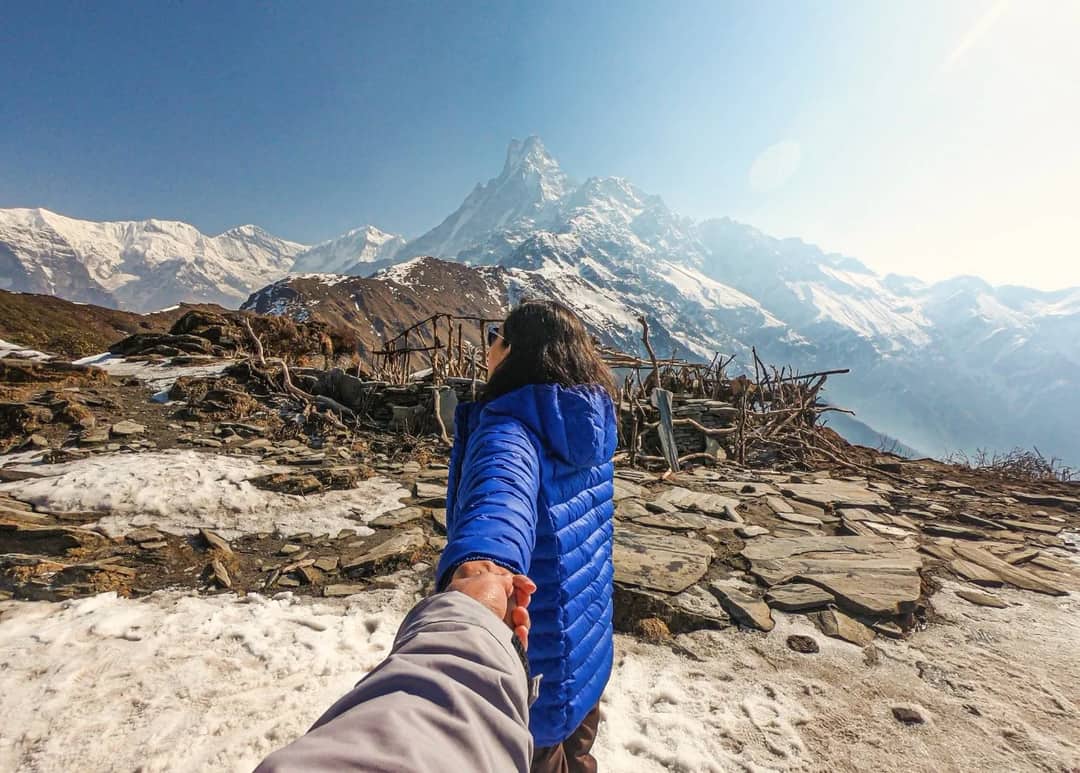
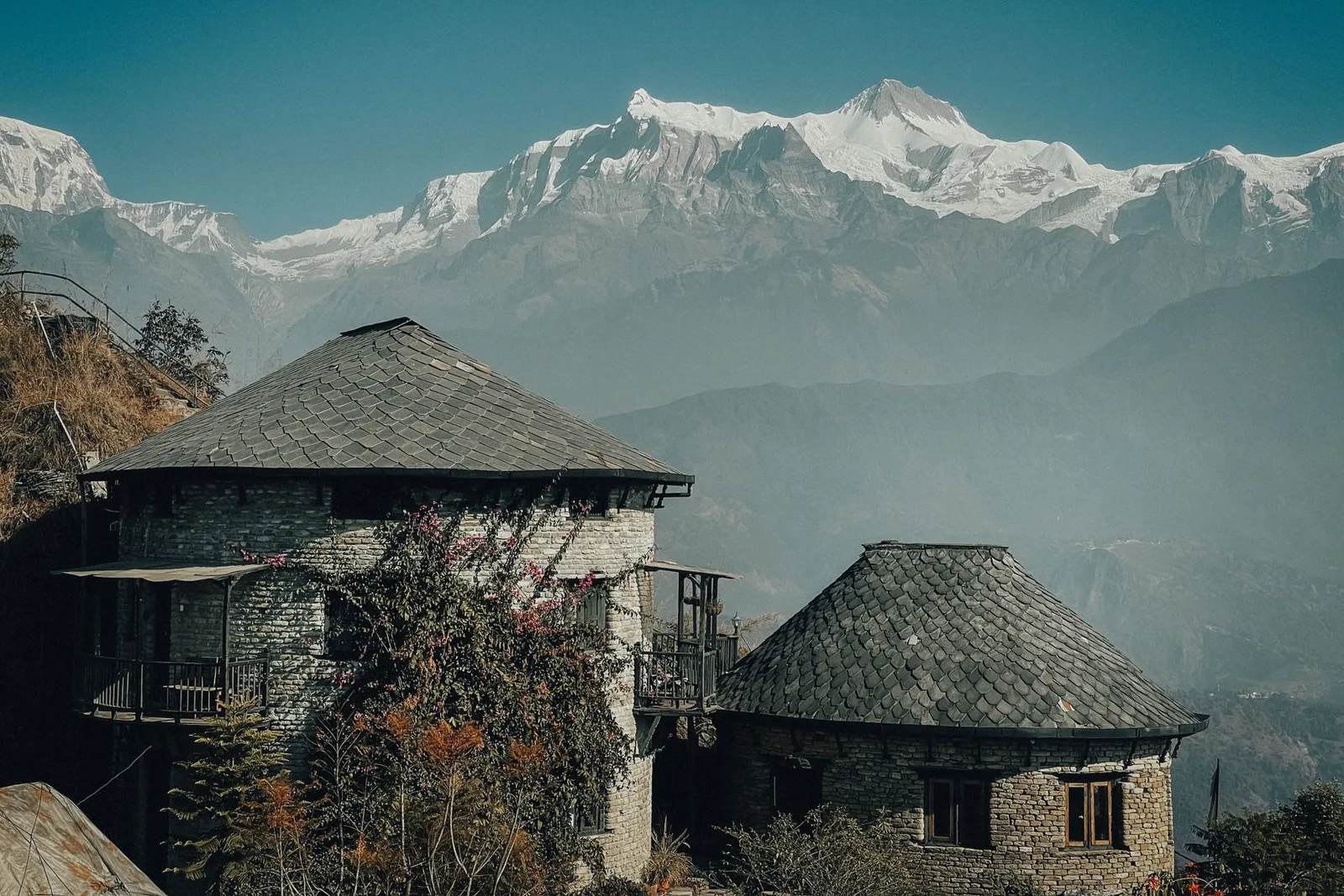
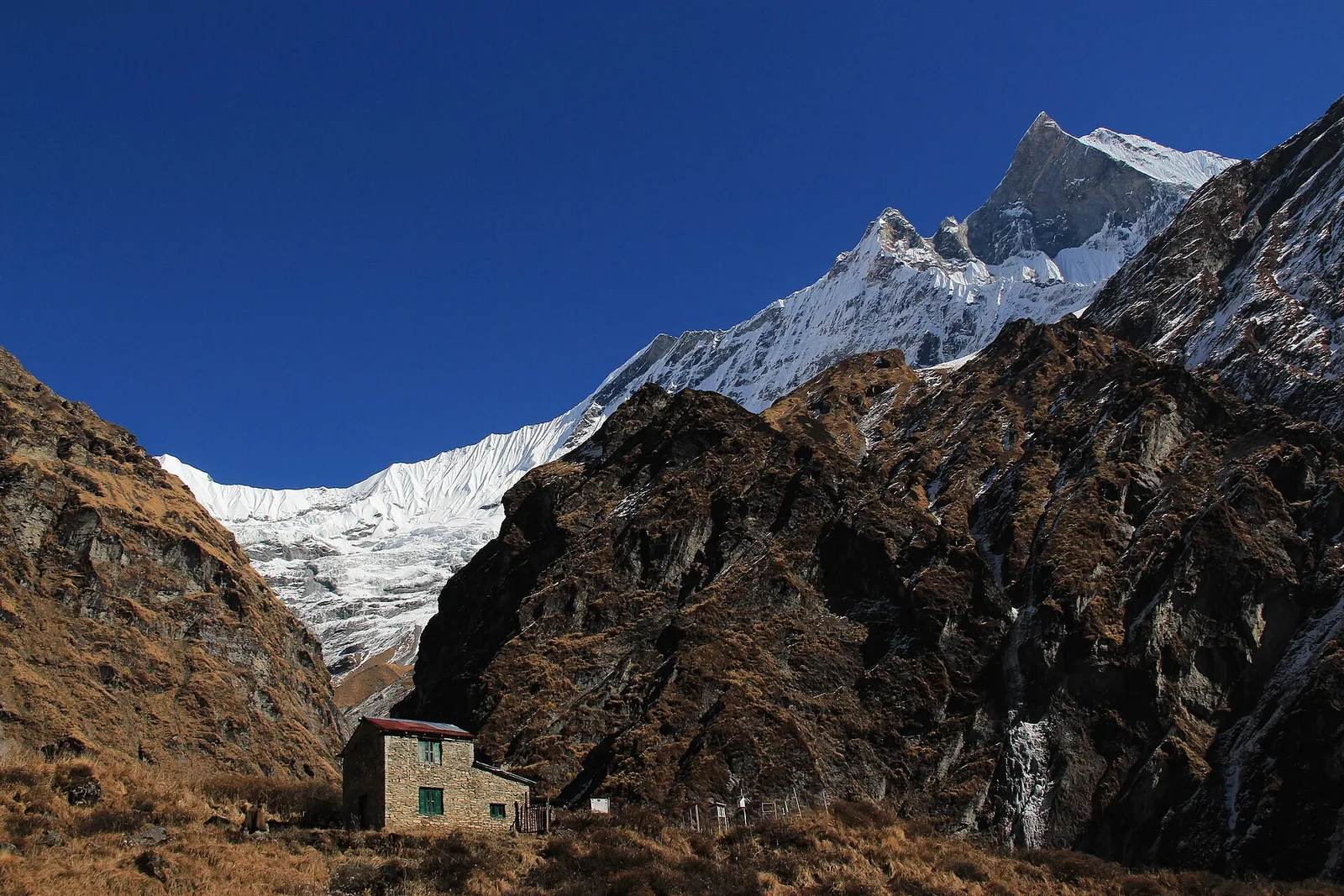
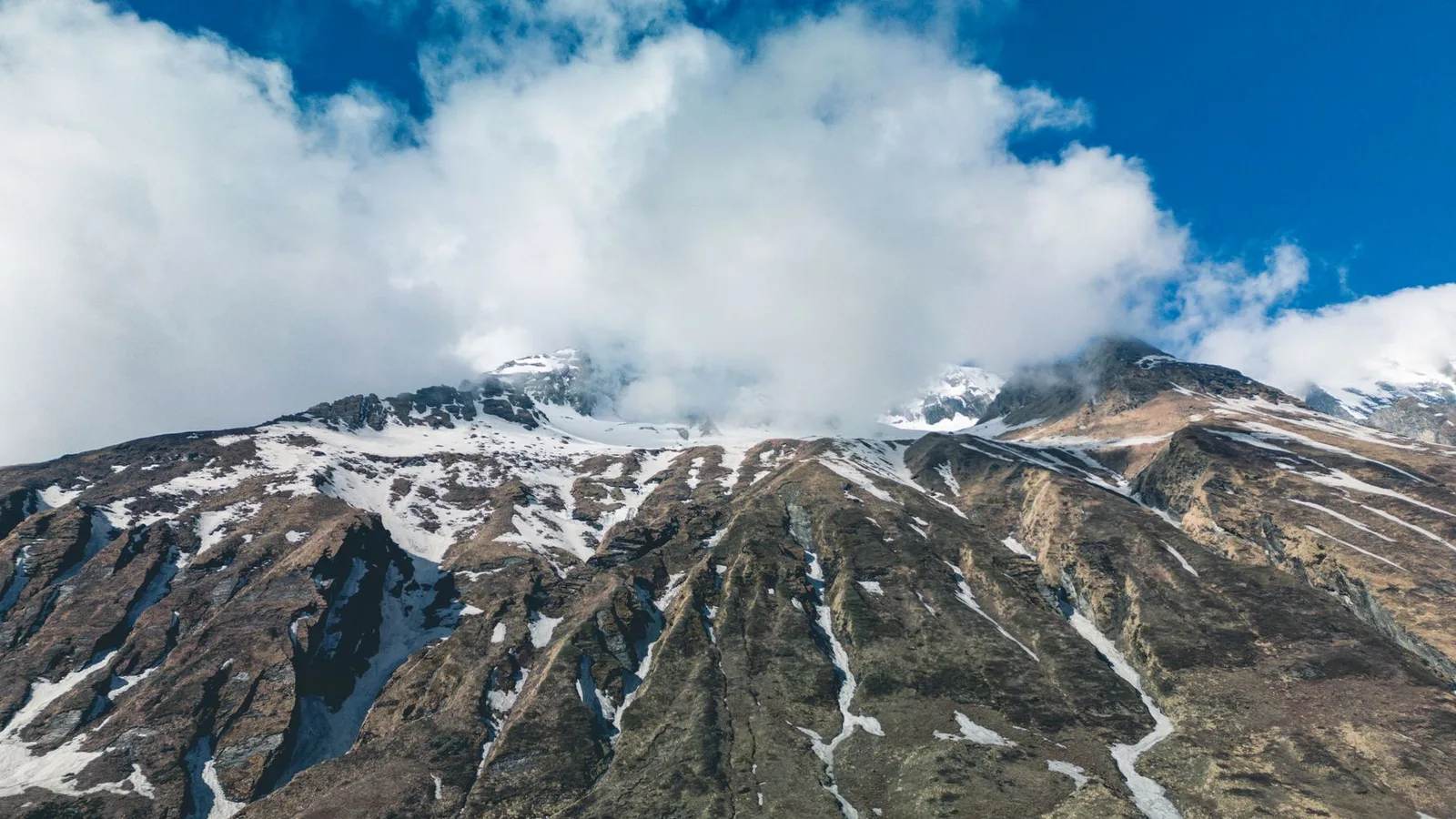
From the trail · Annapurna

Key facts
- Below-average rainfall forecast for the June–September monsoon; onset came late, on 19 June
- Driest provinces expected: Madhesh, Lumbini, Karnali and Koshi
- Summer temperatures projected above normal
- Still high disaster risk — short, intense downpours trigger flash floods & landslides
- Eastern-hill road links (Ilam, Panchthar, Taplejung) already hit by washed-out bridges and diversions
Why less rain can mean more danger
“There is likely to be rainfall for a short time and then no rainfall for a long time,” explains meteorologist Ashok Bakhrel. That pattern — long dry spells broken by sudden, violent cloudbursts onto hard, sun-baked ground — is exactly what produces flash floods and slope failures. The precedent is fresh: the 2025 monsoon also had below-normal total rainfall, yet its late-season downpours still caused deadly floods and landslides.
What this means for trekkers
Monsoon (late June–August) is still a perfectly good time to trek in Nepal — if you pick the right region. The rain-shadow valleys behind the main Himalaya stay dry and clear while the rest of the country is wet. The risk is on the roads and lowland/eastern-hill routes, where landslides and washed-out bridges cause the real disruptions — and where mountain travel turns “increasingly hazardous” during flooding. Build in buffer days for possible flight or road delays.
How the 2026 season actually played out
The forecast held on totals and missed on disruption. The rain was late and, on paper, light. The damage came in short bursts, and mostly on the roads rather than the trails.
Nepal’s weather office forecasts a weaker-than-normal monsoon with above-normal temperatures, and warns the bursts will still be dangerous.
The monsoon reaches eastern Nepal against a 13 June normal.
Landslides and floods block nine highways across the country in a single week, in a season still running below average.
The deadliest event of the year: at least 1,386 dead and about 5,130 missing as of 12 September. Its trigger is still undetermined, and the leading explanations are glacial, not rainfall.
The Kathmandu–Pokhara highway, cut at Krishnabhir for 18 days, reopens to two-way traffic.
That last-but-one entry needs care. It is tempting to file Rasuwa under “dry monsoon, violent bursts”, and we will not: nobody has established what released that water, and we set out the three candidate causes in why the Bhote Koshi keeps flooding. What the season does show, without any stretching, is the July week: a monsoon running below its average still shut nine highways in seven days. For the date the rains are likely to leave, see when Nepal’s monsoon actually ends.
Where to trek in the monsoon — and where to wait
| Best in monsoon (rain-shadow) | Better to wait (rain-exposed) |
|---|---|
| Upper Mustang | Annapurna Base Camp |
| Lower & Upper Dolpo | Langtang & eastern hills |
| Nar Phu Valley | Lowland / Terai routes |
These rain-shadow regions sit behind Dhaulagiri and the Annapurnas, which block the monsoon clouds — so Upper Mustang, Dolpo and Nar Phu stay trekkable through the summer. For the fuller picture see our guides to monsoon rain-shadow trekking and current monsoon road conditions, or browse all monsoon treks.
How to trek the monsoon safely
If you go — and thousands do, for the lush green trails and gloriously empty teahouses — a few habits keep it safe and rewarding:
- Pick rain-shadow routes (above), where the skies stay clear behind the big peaks.
- Add 2–3 buffer days for weather-dependent flights — Lukla and Jomsom can delay; the Jomsom run, in the Kali Gandaki wind corridor, is generally more reliable than Lukla.
- Carry full waterproofing — pack liner, rain cover, quick-dry layers — and expect leeches below about 2,500 m.
- Keep the itinerary flexible and trek with a guide who can reroute around a blocked road or a swollen river crossing.
- Watch the bursts, not the totals — a “dry” week can still deliver one dangerous afternoon cloudburst, so never push on through heavy rain on a steep slope.
Why a local, weather-aware team matters most now
This is also why a local, weather-aware team matters more in monsoon than any other season: the safest line down a hill in a downpour is often not the planned one.
Bottom line: the 2026 monsoon looked dry on paper, and the danger was in the bursts, not the totals. Trek the rain-shadow north, keep buffer days for Lukla/Jomsom flight delays, and go with a team that watches the weather and the trail. We arrange permits, a licensed guide and weather-aware logistics so a wet forecast never strands your trip.
Sources: The Kathmandu Post — “An unusually rainy spring, a drier monsoon ahead” (2 June 2026) and highway blockages (20 July 2026); Department of Hydrology and Meteorology forecasts and onset date; The Rising Nepal. Flood figures and road reopening: our running coverage, updated 18 September 2026.
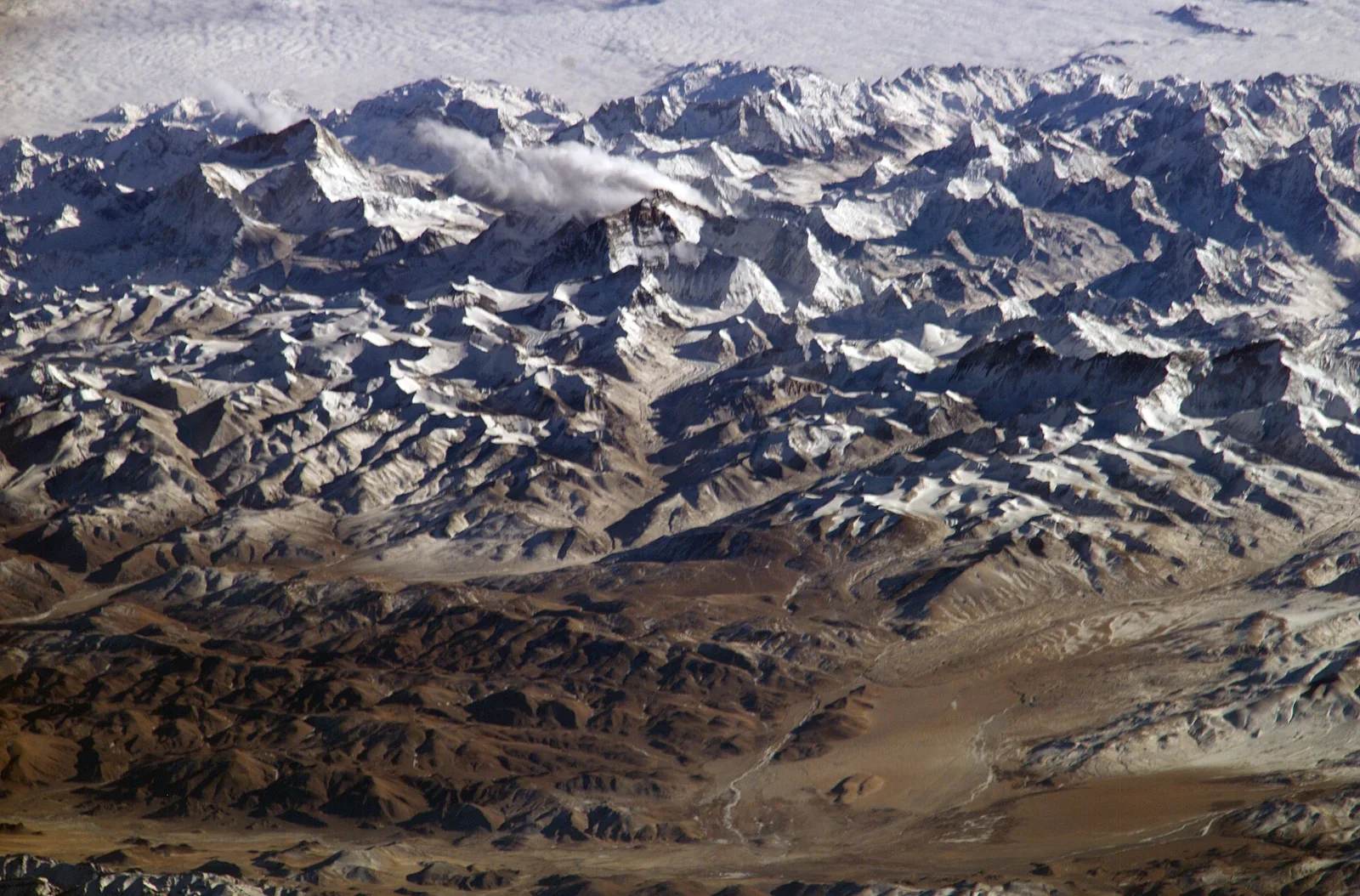
Cover photo: NASA via Wikimedia Commons (Public domain).
If you want to help. Nepal’s official relief channel is the government’s Prime Minister’s Disaster Relief Fund — restricted by law to rescue, relief and rehabilitation, audited annually, and it takes international cards directly. We collect nothing and receive nothing. Be careful of account numbers circulating in forwarded messages: disaster fundraising draws scams within days. Our full guide, including two vetted alternatives, is at where to donate for the Nepal floods and how to help.
Still running this season
Lower Dolpo Trek is running normally
NMA-certified local guides, transparent pricing, 5,000+ treks since 1998. Message us your dates and we'll sort the permits, lodges and logistics — reply within 24 hours, no obligation.
Popular Nepal treks
All treks →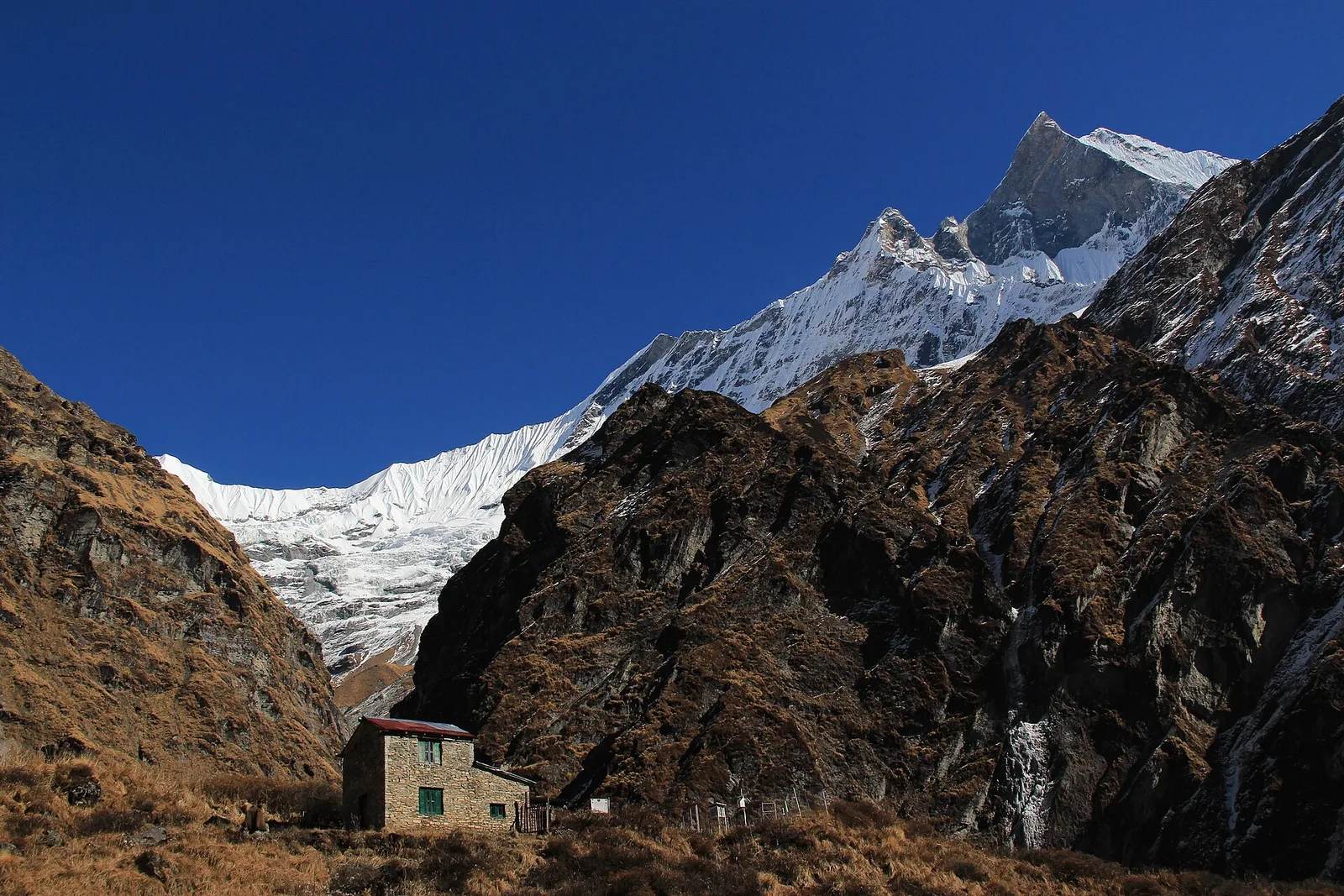
Related coverage
Breaking Trail & Weather
Heavy rain is forecast across Nepal from Thursday, and here is what it means for a trek starting this week
Nepal’s weather office expects heavy to very heavy rain from 25 to 27 September. Here is what is known, what is not, and how to protect a trek.
Safety & Advisories
Is the Lobuche Peak Climb Affected by the 2026 Nepal Floods?
Short answer: no. Lobuche Peak (6,119 m) is an NMA climbing peak in the Everest region, reached via Lukla on the Dudh Koshi — a separate watershed from the Rasuwa flood. The route is unaffected; the only real variable is monsoon-season Lukla flights.
Permits & Rules
Nepal's Last Forbidden Kingdom Stayed Closed Until 1992, and Getting In Just Got Far Cheaper
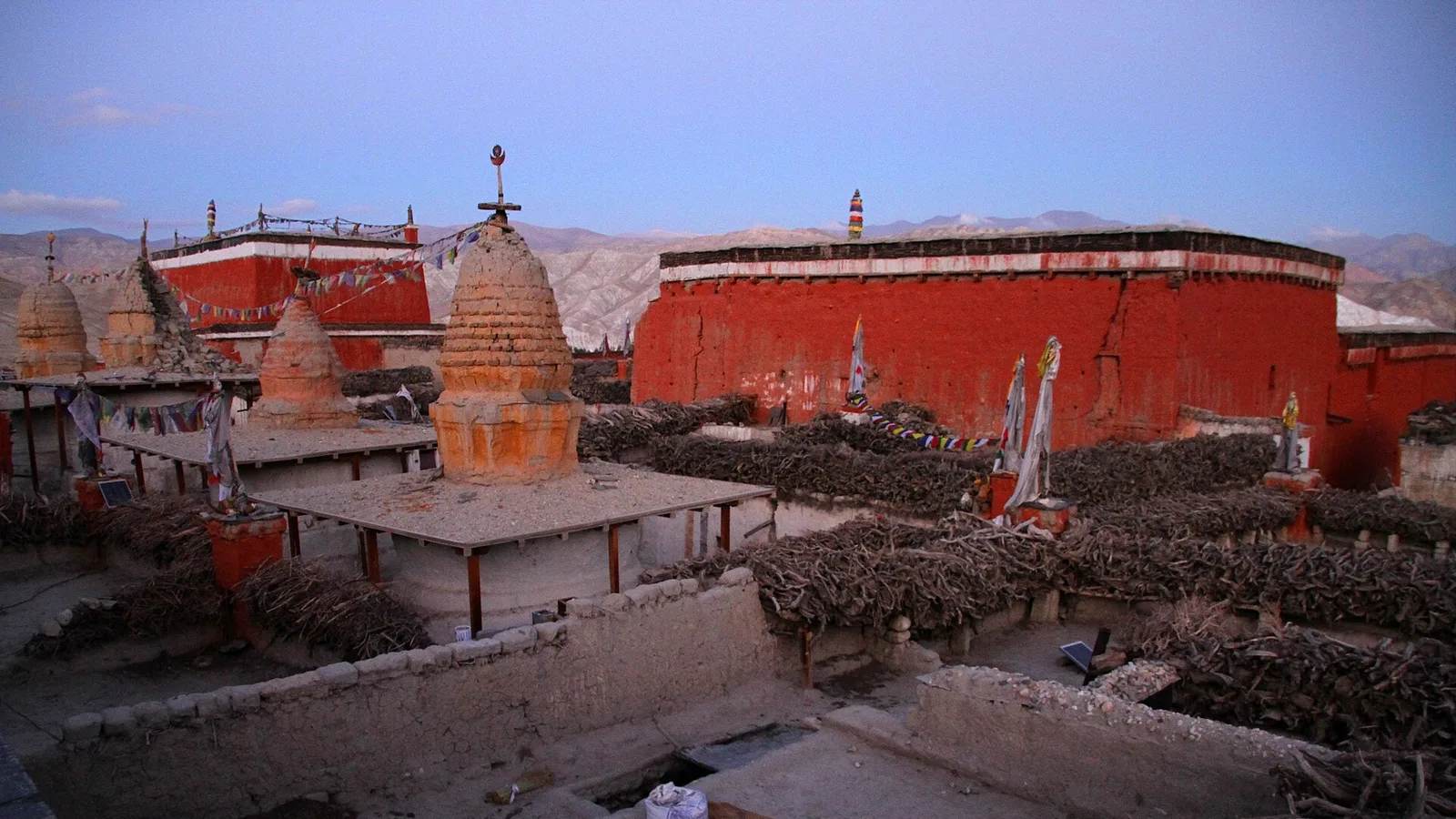
Upper Mustang stayed shut to foreign visitors until 1992. Nepal has now dropped the fee that made a short visit cost the same as a ten-day one.
Industry & Tourism
Yarsagumba, the Himalayan Fungus Worth More Than Gold, Is Running Out in Nepal (2026)
Nepal's Rs 2.7-million-a-kilogram caterpillar fungus season just closed in Dolpa, and four collectors didn't come back down.
Latest from the desk
Breaking World Destinations
A British Climber Died 20 Metres From the Top of Spain’s Highest Peak in the Picos de Europa, and the Route Doesn’t Even Need Ropes
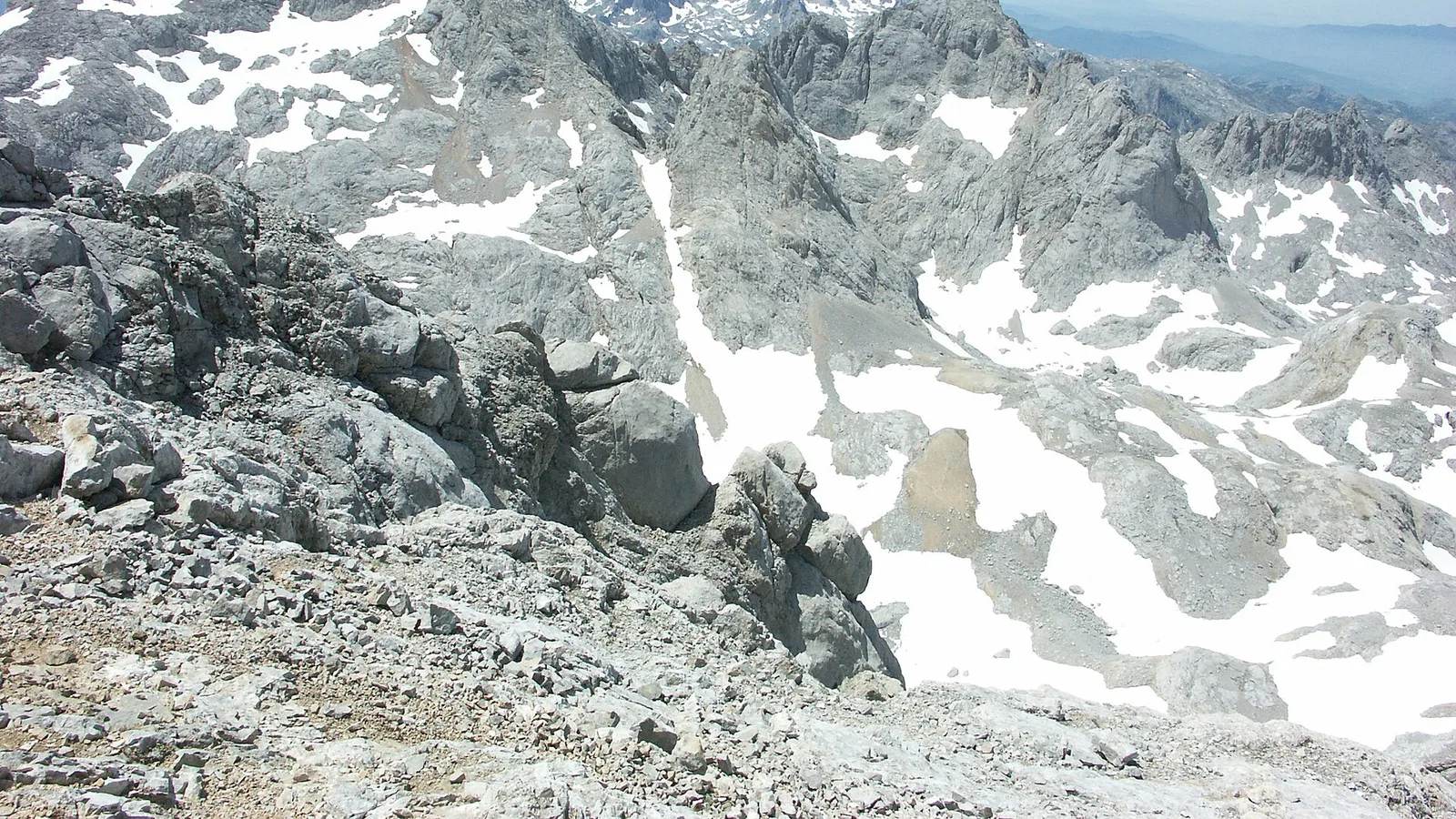
He fell about 60 metres descending Torrecerredo on Thursday, on ground climbers don’t rope up for — proof an ‘easy’ mountain can still kill you.
Money & Insurance
One in Seven Australians Fly Overseas With Zero Travel Insurance, and Vietnam’s Storm Season Just Made This the Worst Week to Try It
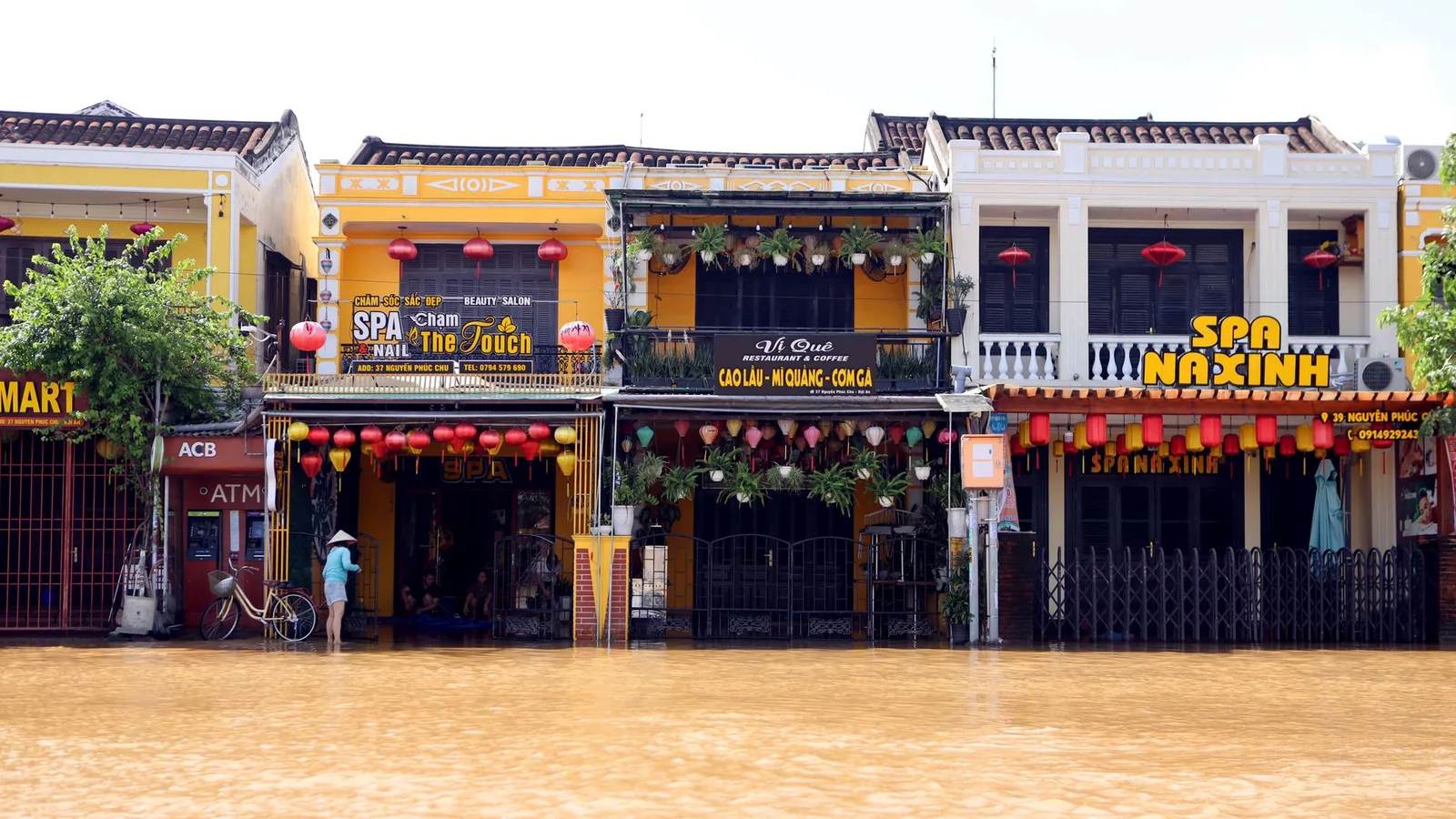
One in seven Australians flew overseas with zero cover last trip, and Vietnam’s storm season just gave that gamble its worst possible timing.
Deals & Routes
Dallas Just Got Its Third Airport, and It’s Flying Nonstop to Vegas by November
McKinney National Airport got its FAA certificate September 24, and Avelo starts flying five nonstop routes from it on November 11.