
Nepal's 2026 monsoon was forecast weak, then Rasuwa happened
June promised below-average rain. What arrived was the Bhote Koshi flood, nine blocked highways and a cut Kathmandu-Pokhara road. The season as it unfolded.
At a glance
- Published · updated
- TopicTrail & Weather
- Verified againstThe Rising Nepal
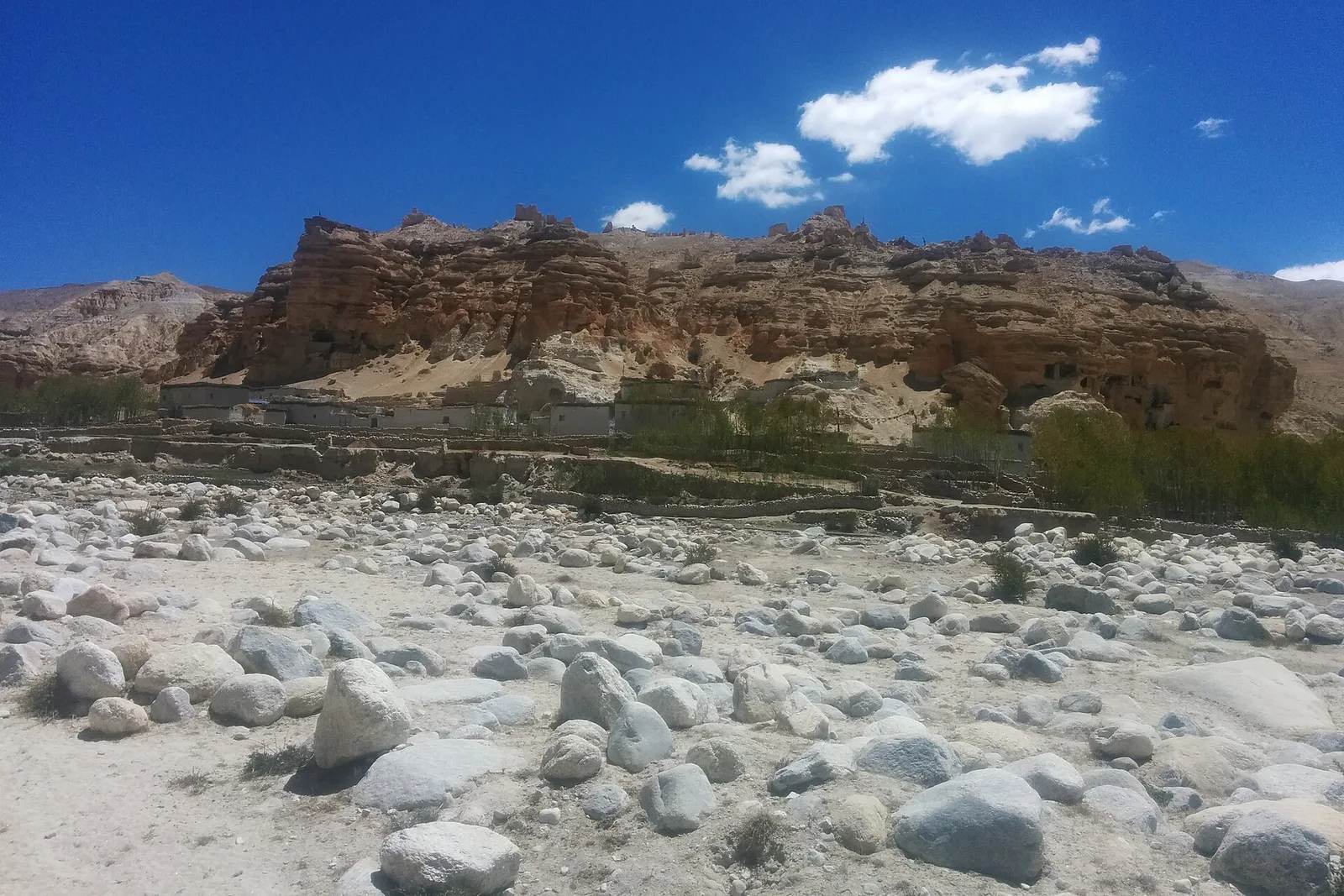
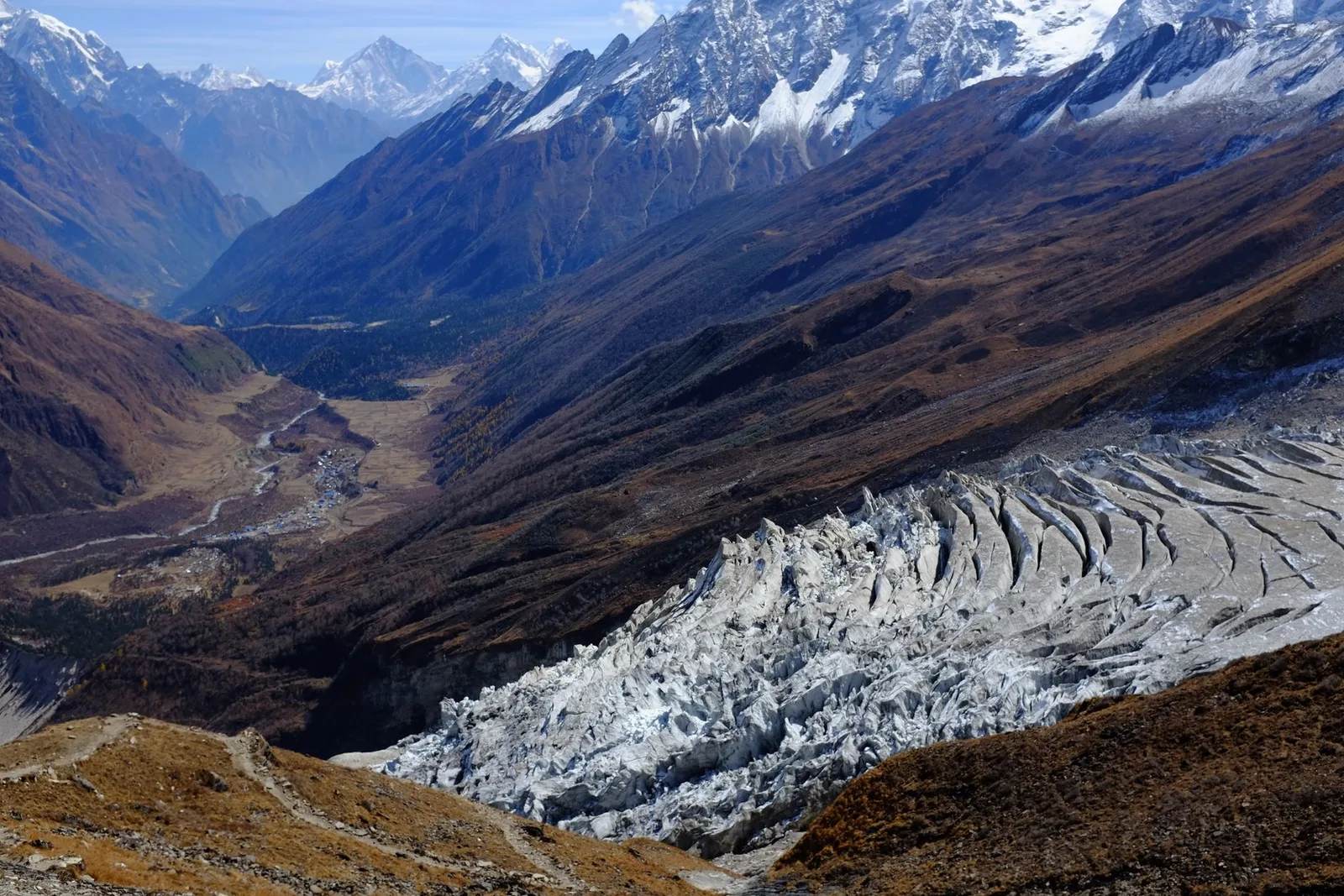
- Treks coveredUpper Mustang Trek — 12 Days, Manaslu Circuit Trek — 14 Days, Short Annapurna Base Camp Trek — 4 Days
Update — 21 July 2026: how the forecast played out
The forecast below was issued in June. Here is the reality on the ground: the monsoon has been anything but quiet. In the week to 20 July, landslides and floods blocked nine highways across Nepal. The Prithvi Highway was cut at Fishling (Chitwan) and the Muglin–Kathmandu section closed, while Narayangadh–Muglin–Pokhara stayed open. The Department of Roads deployed 155 excavators, with 122 more on standby. The lesson for trekkers: a “weak” seasonal forecast says little about any given week — monsoon disruption is about intensity on the day, not the seasonal average. See our live Nepal monsoon road conditions page for what is open right now.
Every June, Nepal watches the sky and waits for the monsoon. This year it arrived fashionably late — and forecasters expect it to be gentler than usual. Nepal's meteorologists say the 2026 monsoon set in a few days behind its normal onset date of 13 June, and that the season as a whole is likely to bring below-average rainfall and above-average temperatures across most of the country. For anyone planning a summer trek, that forecast is worth reading closely.
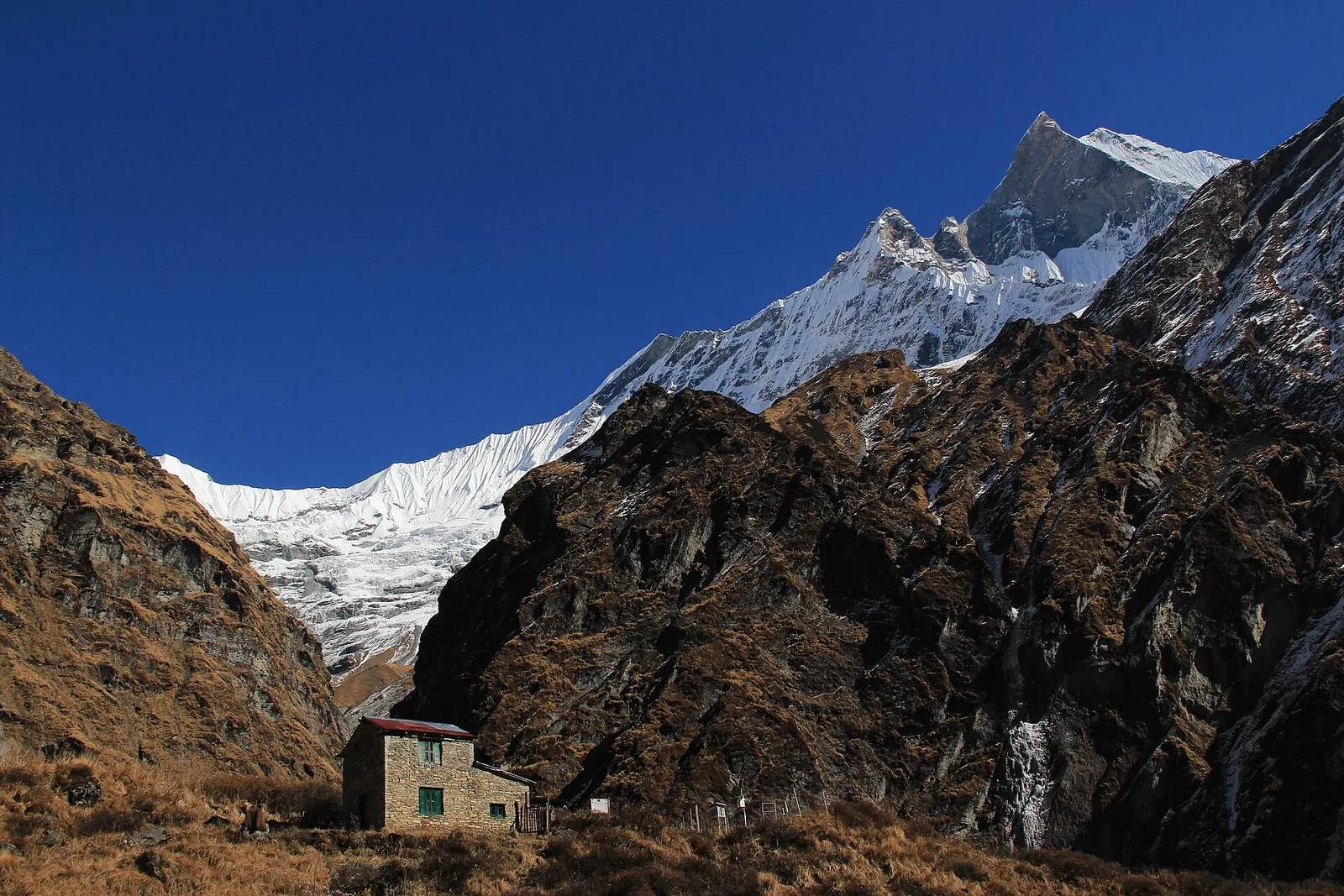
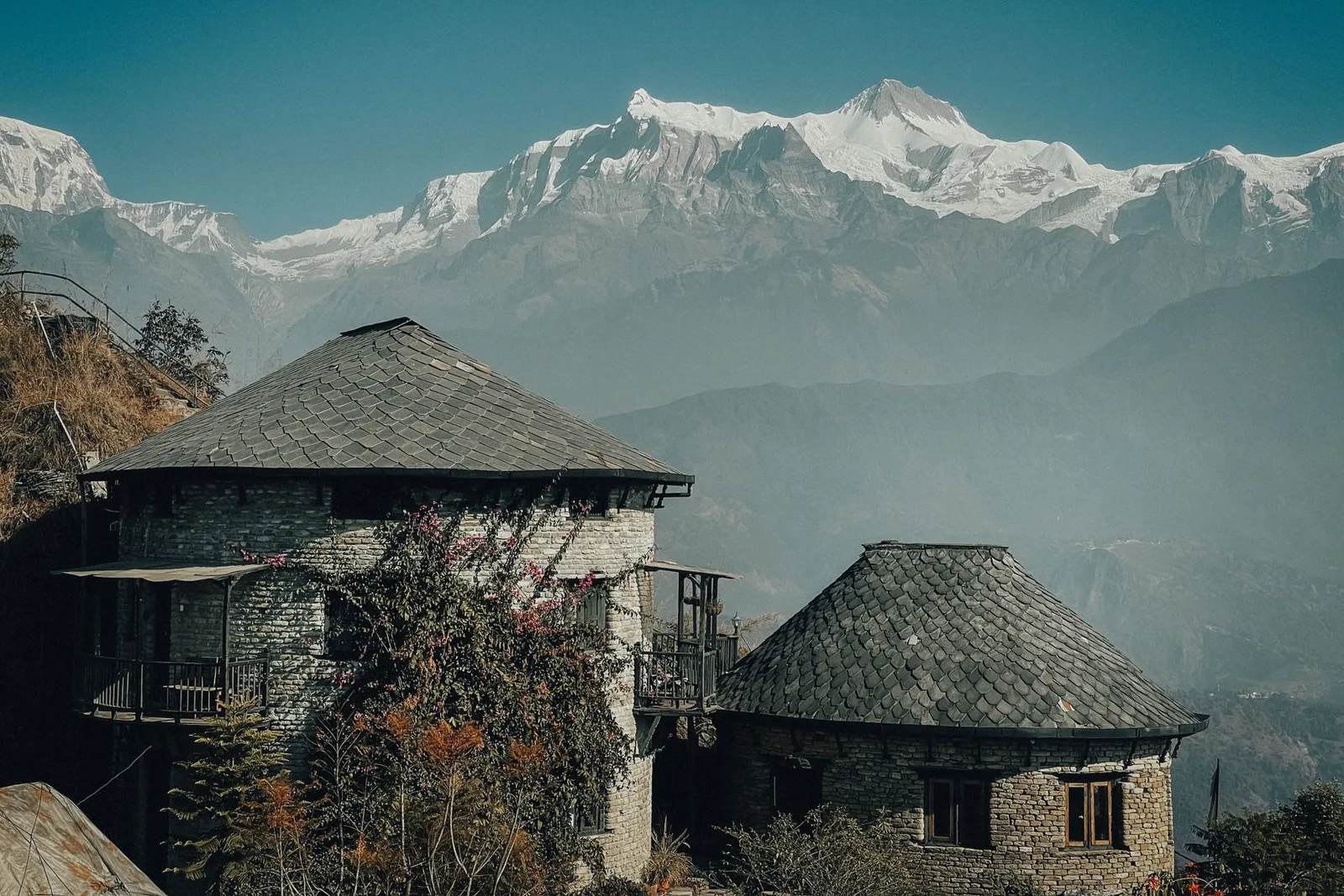
From the trail · Annapurna


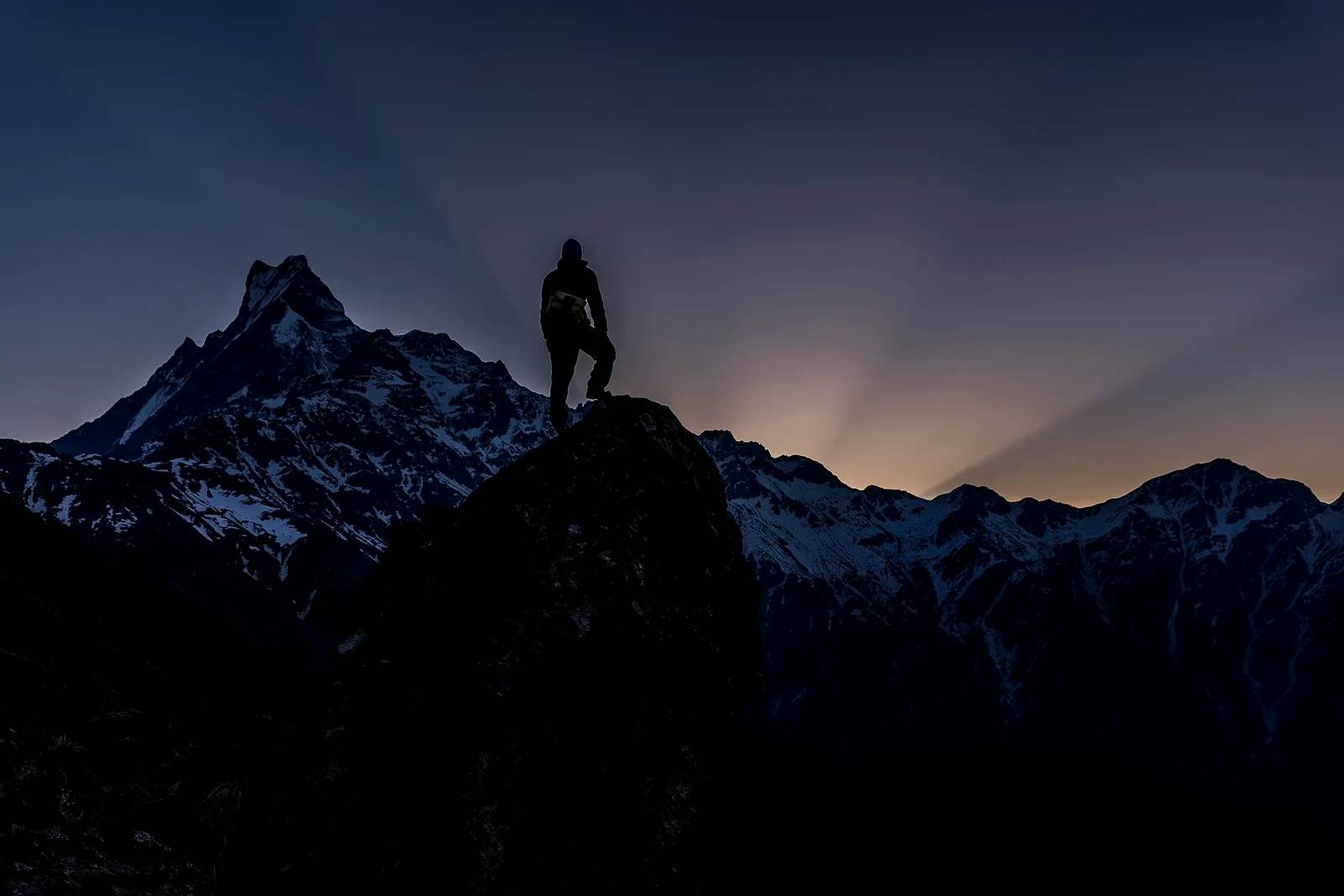
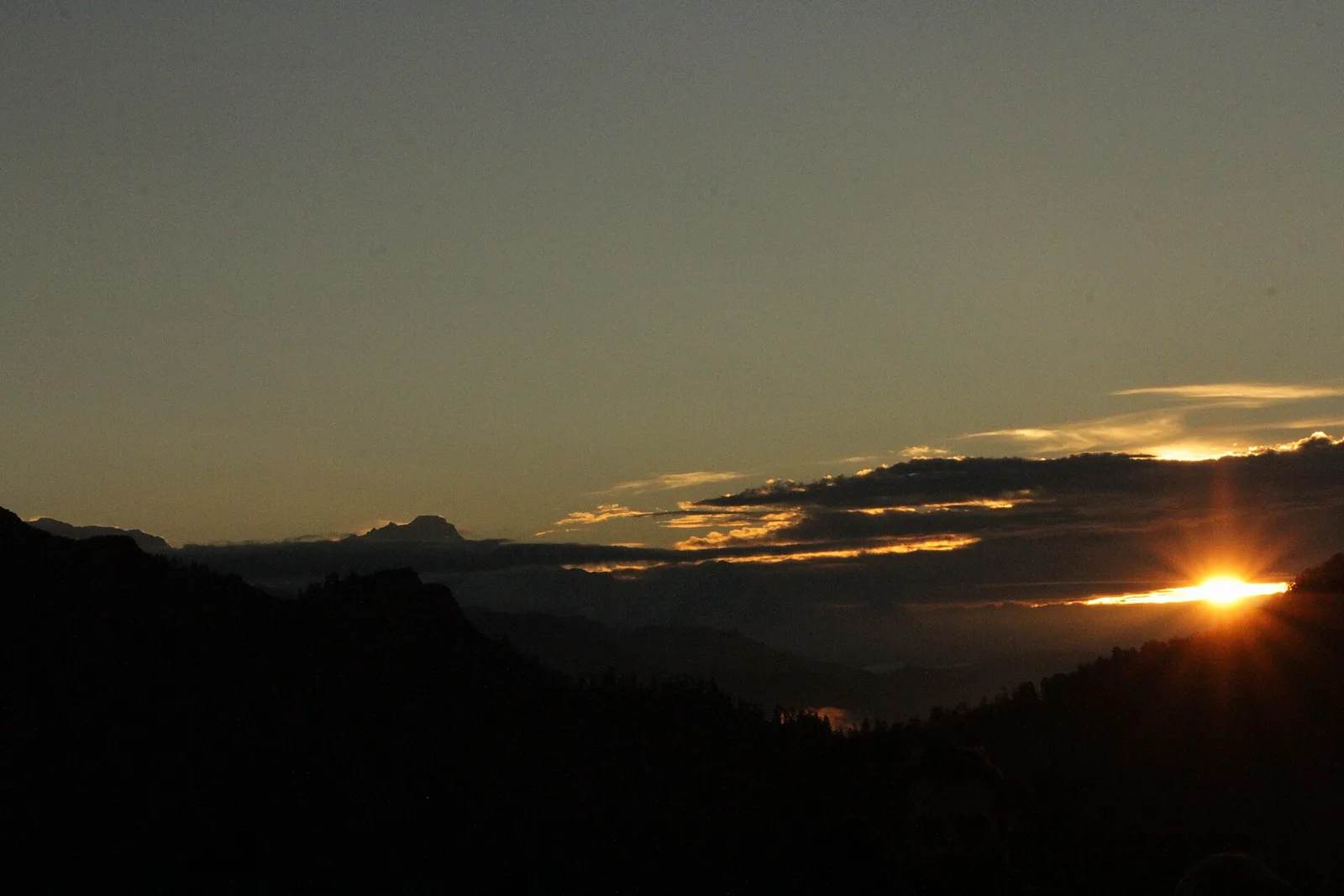
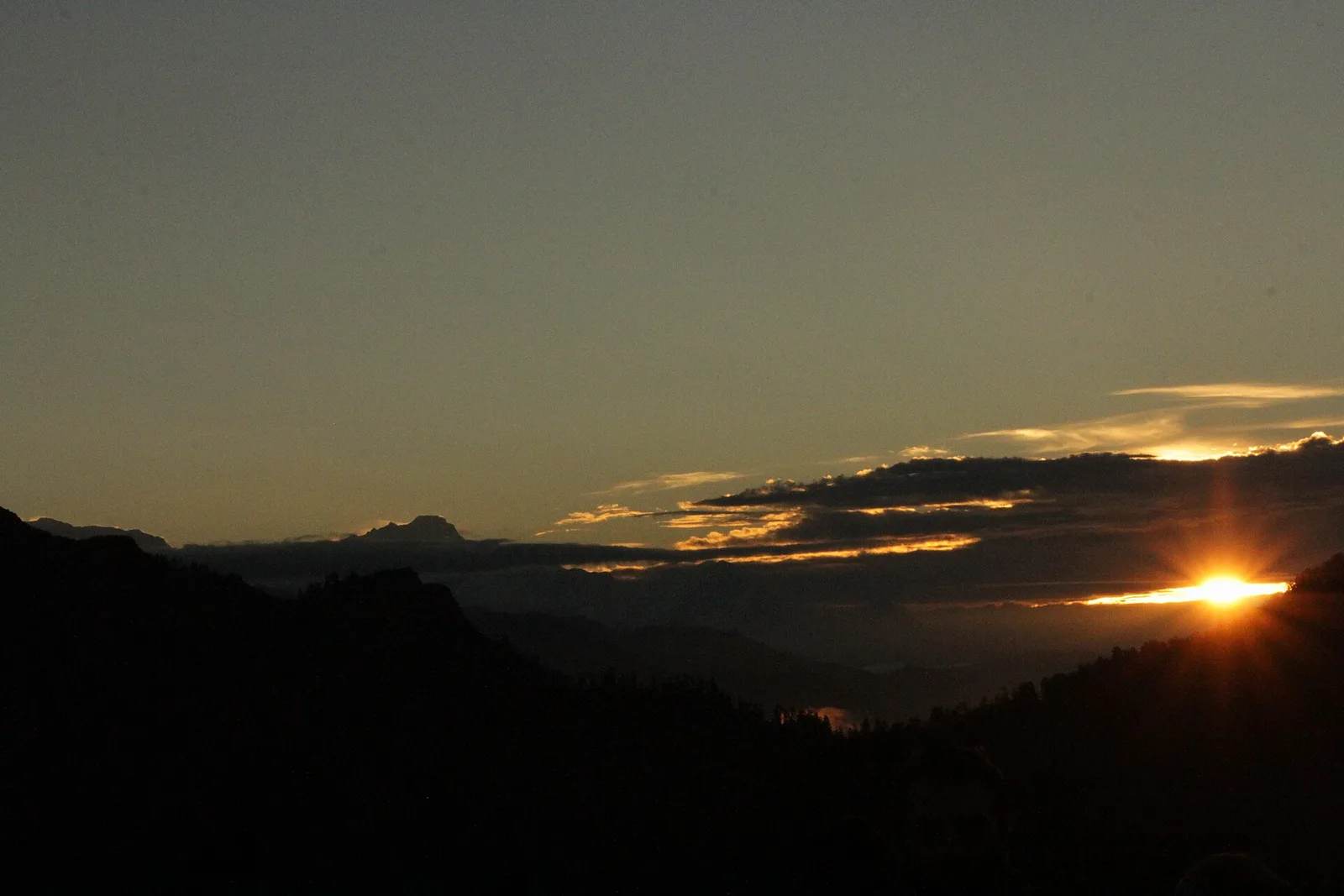
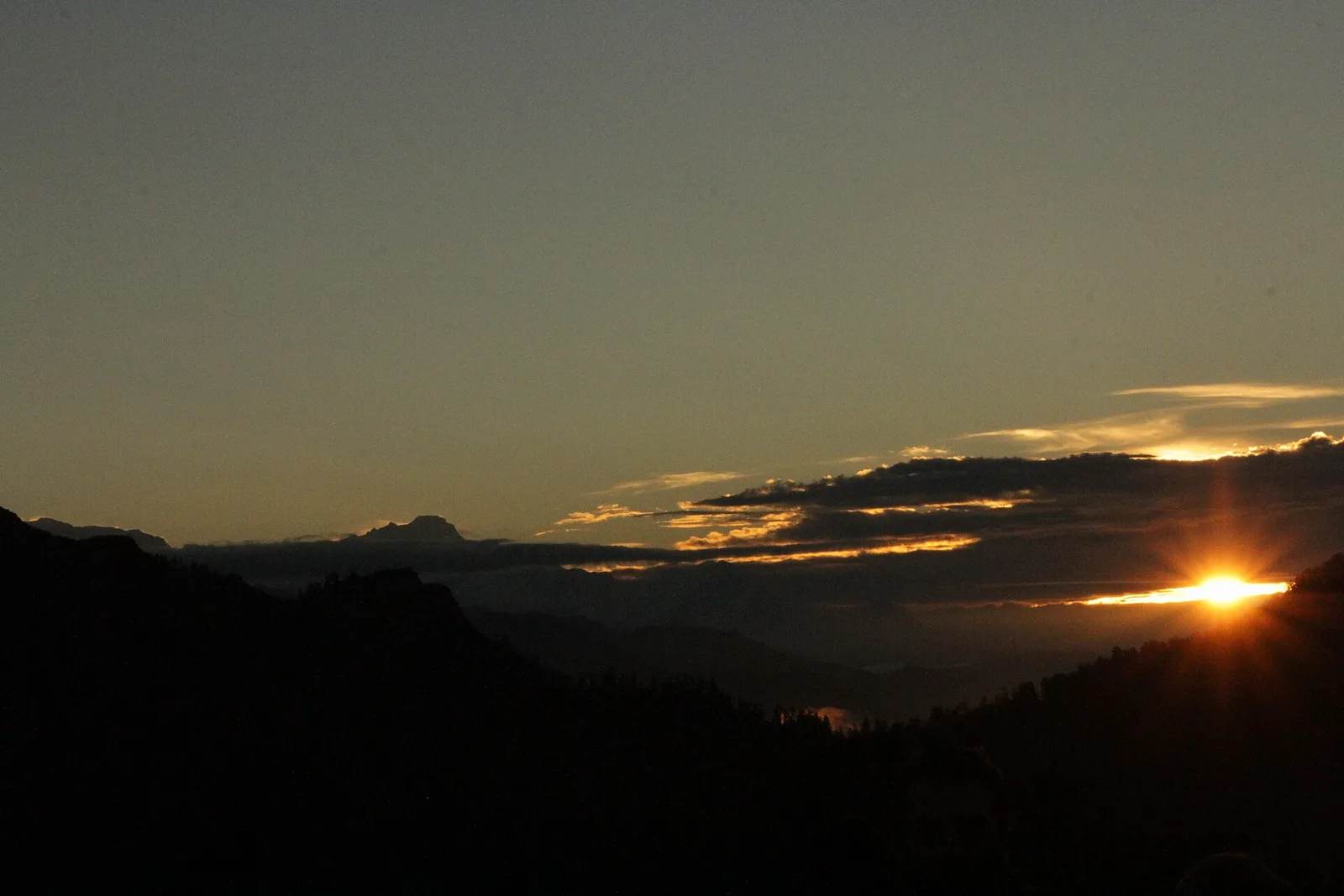
Dawn over the Annapurnas from Poon Hill
What the forecast actually says
The national weather service expects a weaker-than-normal monsoon this year, with rainfall below the long-term average and both daytime highs and overnight lows running warmer than usual. The onset was delayed because the atmospheric conditions needed to pull the monsoon in had not fully developed by the usual mid-June date. None of this means a dry summer — Nepal still gets the overwhelming majority of its annual rain between June and September — but it does suggest fewer of the prolonged, trail-wrecking downpours that define a heavy year.
A word of caution sits alongside the optimism. A weaker average can still deliver intense, localised bursts, and the monsoon months remain Nepal's peak season for landslides, flash floods and road blockages. The risk does not disappear because the seasonal total is down.
Where to trek when it rains
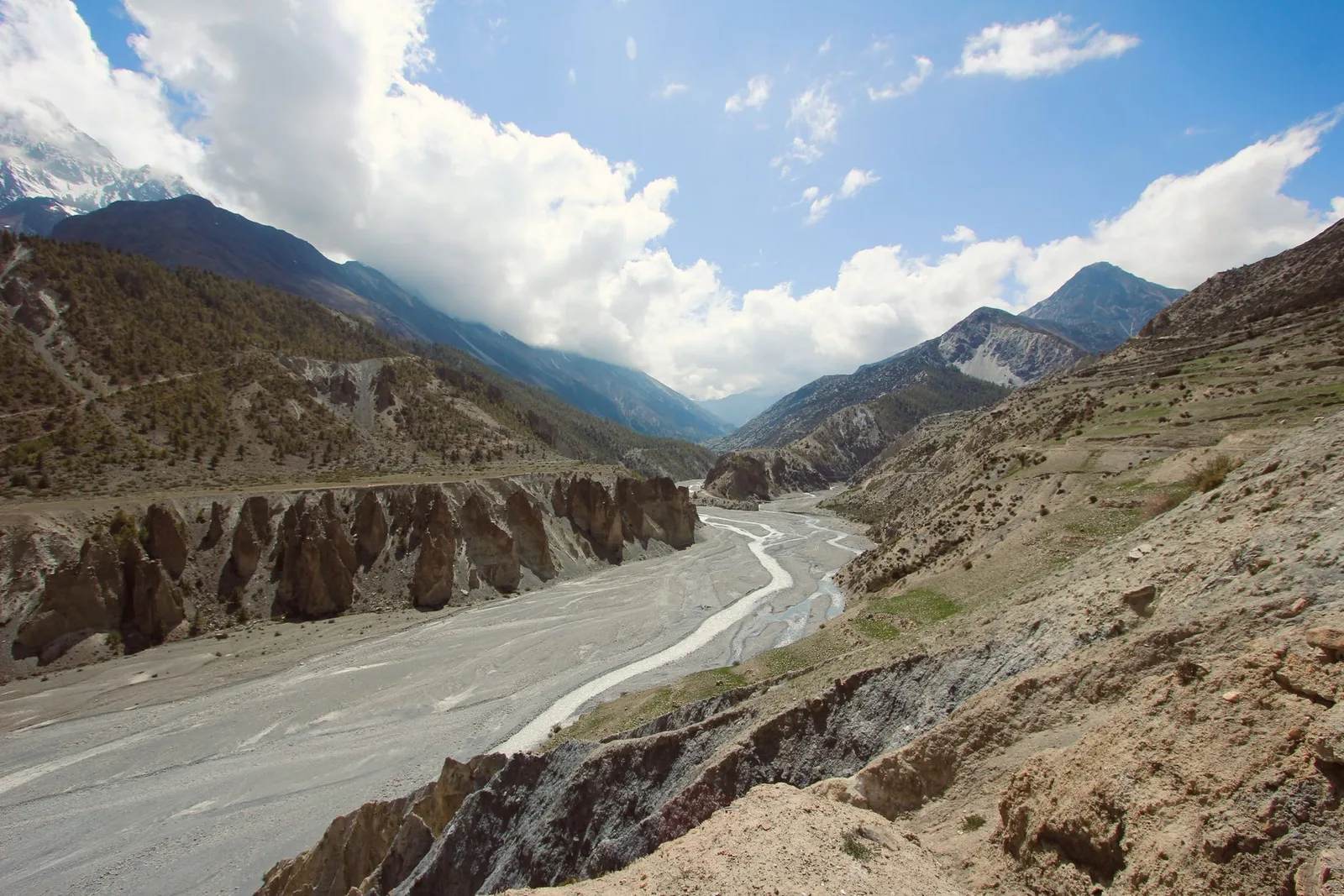
The golden rule of summer trekking in Nepal is to follow the rain shadow. The great Himalayan wall wrings the moisture out of the clouds before they reach the high valleys behind it, leaving places like Upper Mustang, Upper Dolpo and the upper Manaslu and Manang valleys dry and walkable while the southern foothills are soaked. Lower-altitude classics such as Ghorepani Poon Hill and Mardi Himal also stay accessible, rewarding early starts with lush, green, crowd-free trails.
| Region | Monsoon verdict |
|---|---|
| Upper Mustang | Excellent — rain shadow, dry |
| Upper Dolpo | Excellent — rain shadow, remote |
| Manaslu (upper valley) | Good — partial rain shadow |
| Poon Hill / Mardi Himal | Doable — green, start early |
| Everest / Annapurna lowlands | Difficult — wet, leeches, cloud |
What this means for you
A late, lighter monsoon is quietly good news if you want to trek in July or August. Aim for the rain-shadow trails, build a buffer day or two into your itinerary in case a road washes out, and walk in the mornings before the afternoon cloud builds. With a local guide tracking conditions day to day, summer in Nepal is far more trekkable than its reputation suggests.
Plan around it, not against it
Forecasts are guidance, not guarantees, and mountain weather writes its own rules. But the broad signal for 2026 — late, dry-leaning, warm — is the kind of summer where a well-chosen rain-shadow trek can deliver clear mornings, empty trails and prices well below the autumn crush. The key is matching the route to the season, which is exactly where local knowledge earns its keep.
Late-July 2026 update
The weak-but-erratic pattern has held: below-average totals with intense bursts still triggering landslides and highway blocks. For when the season actually turns toward trekking, see is September too early to trek Nepal?
Source: The Rising Nepal (Department of Hydrology and Meteorology); Ujyaalo Nepal.
Cover photo: Bijay Chaurasia via Wikimedia Commons (CC BY-SA 4.0).
More on the 2026 monsoon
When does the monsoon start & end in Nepal? · Where to trek in monsoon — the rain-shadow guide. Trek dry through the rains: Upper Mustang · Dolpo.
Cover photo: Vyacheslav Argenberg via Wikimedia Commons (CC BY 4.0).
Still running this season
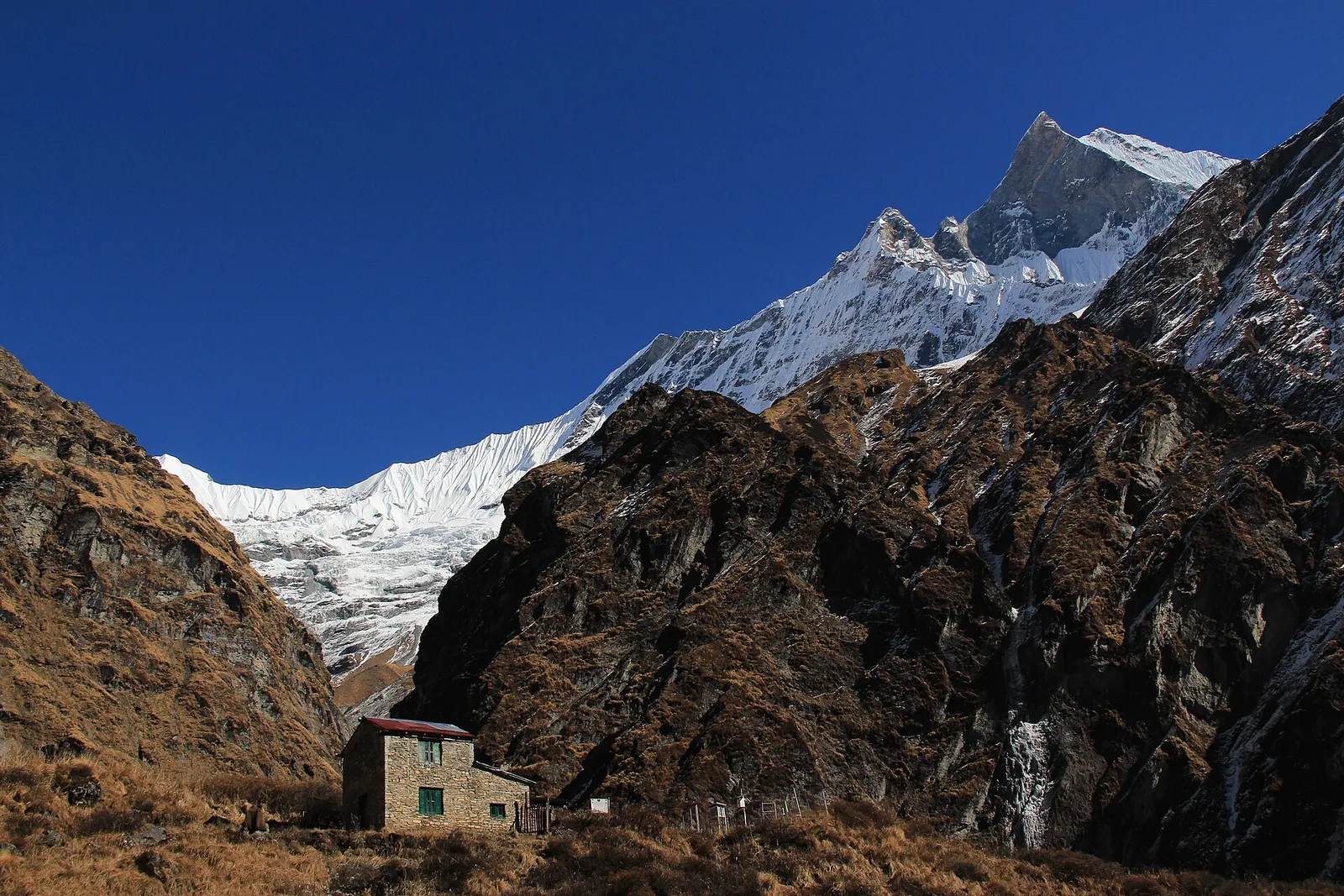
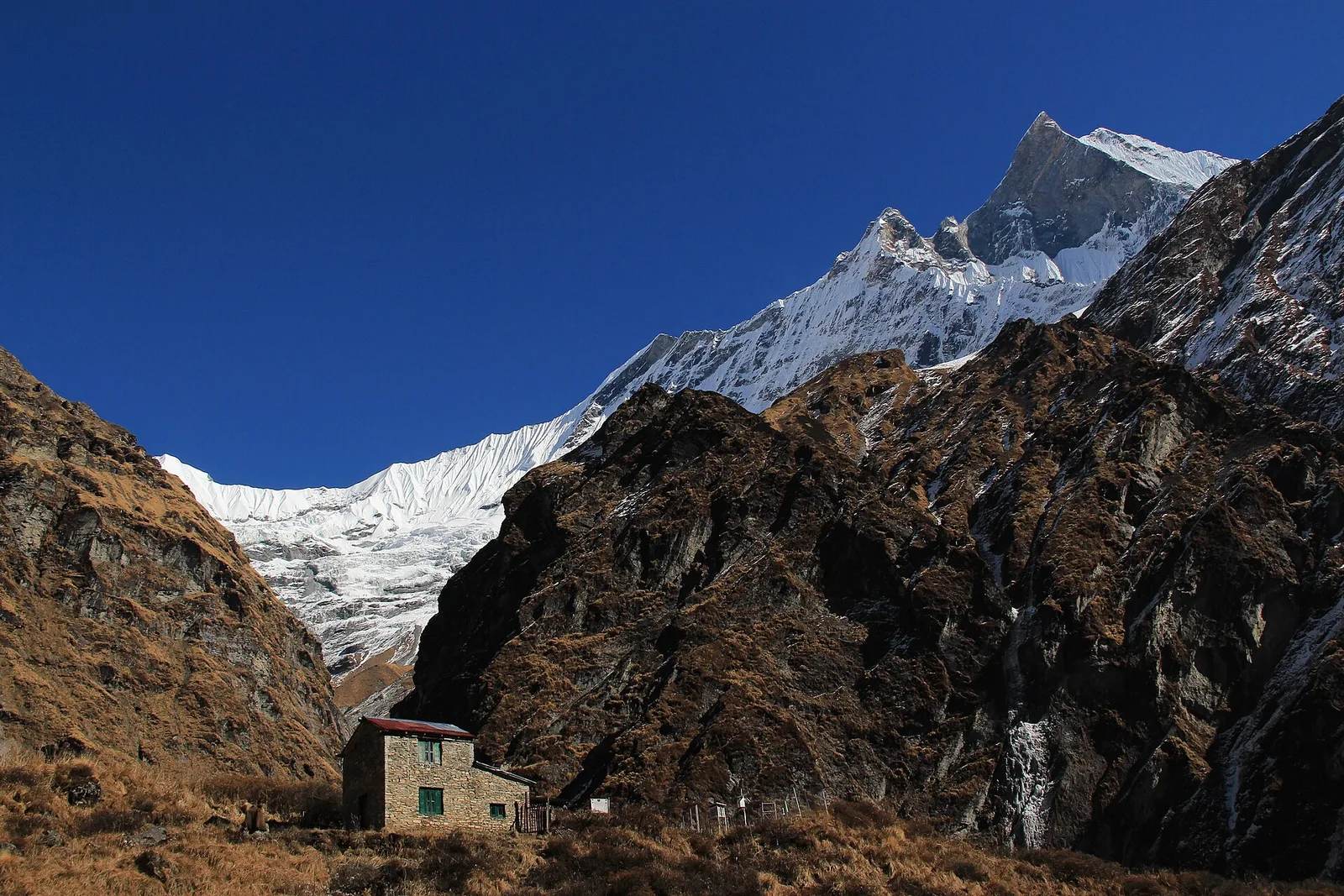
Short Annapurna Base Camp Trek — 4 Days is running normally
NMA-certified local guides, transparent pricing, 5,000+ treks since 1998. Message us your dates and we'll sort the permits, lodges and logistics — reply within 24 hours, no obligation.
Popular Nepal treks
All treks →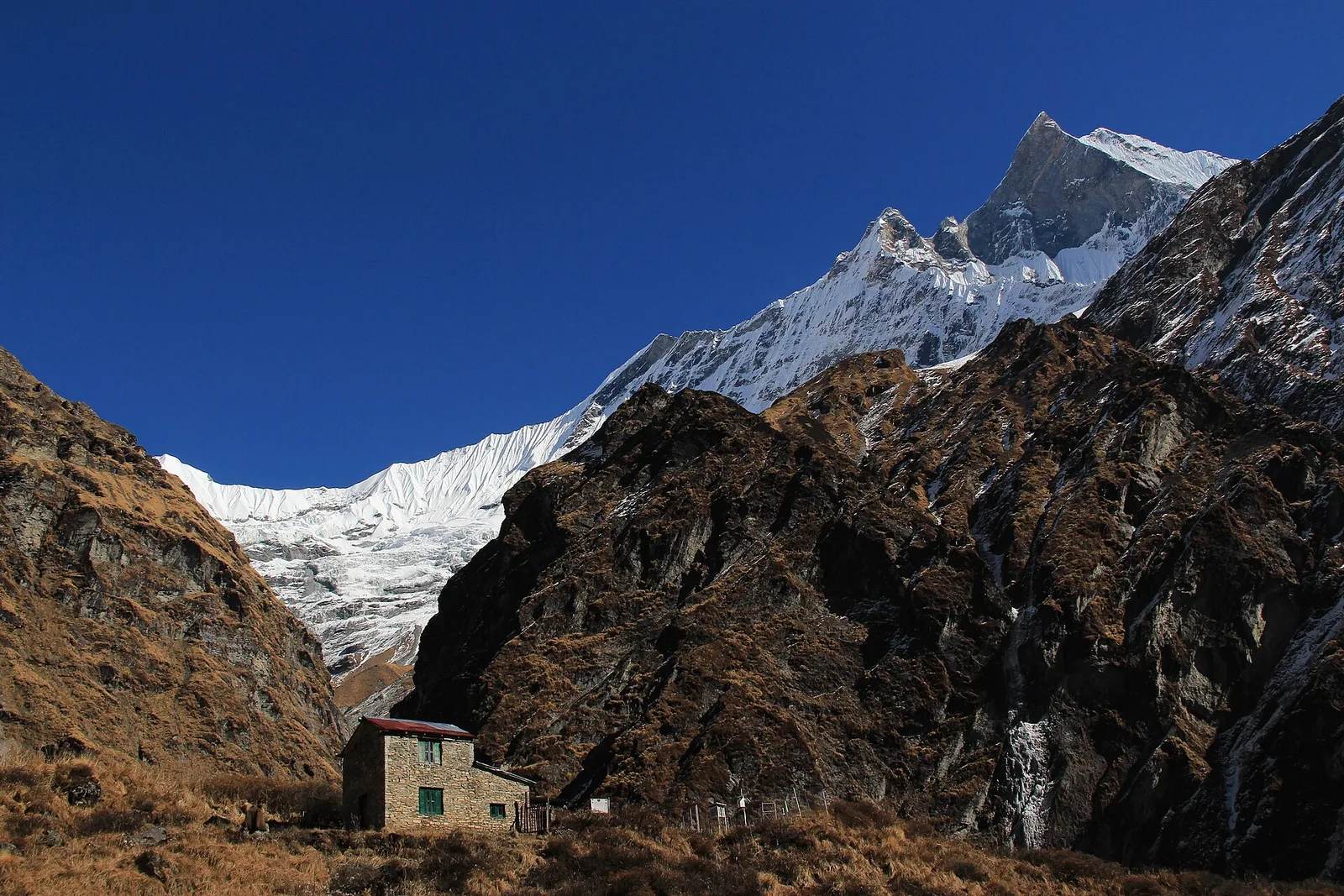
Related coverage

Safety & Advisories
Is the Manaslu Circuit Trek Affected by the 2026 Nepal Floods?
No — the Manaslu Circuit runs on the Budhi Gandaki in Gorkha, a different river from the flood-hit Bhote Koshi in Rasuwa. Here is why the trail and the Larke La are unaffected — and the one road caveat to confirm.
Safety & Advisories
Is the Nar Phu Valley Trek Affected by the 2026 Nepal Floods?
No — Nar Phu is a restricted Annapurna-region valley in Manang, on the Marsyangdi, far from the flood-hit Bhote Koshi in Rasuwa, and it is running normally. Here is why the trail is unaffected, plus the one monsoon road caveat.
Safety & Advisories
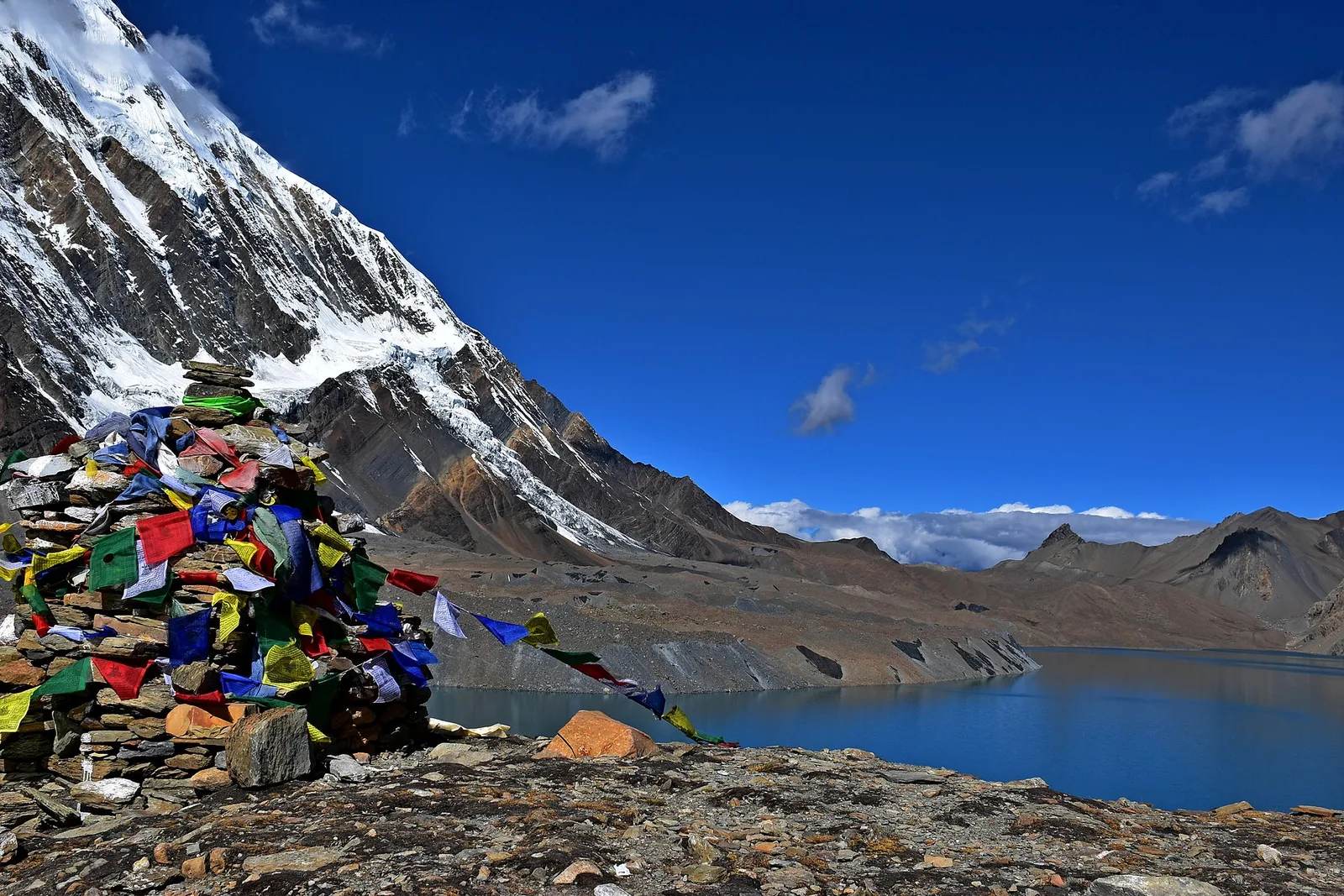
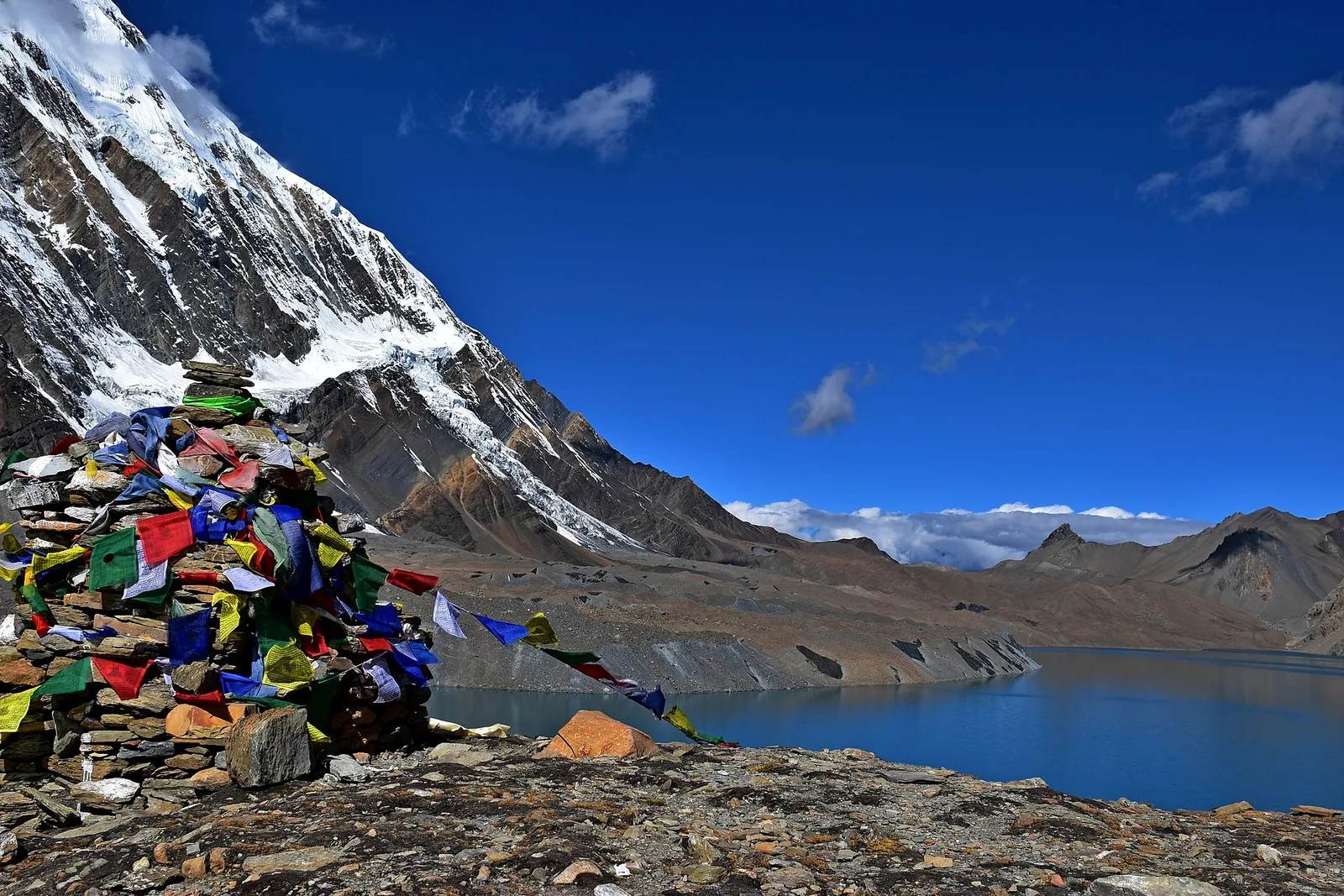
Is the Tilicho Lake Trek Affected by the 2026 Nepal Floods?
No — Tilicho Lake is an Annapurna-region trek in Manang, on the Marsyangdi, well away from the flood-hit Bhote Koshi in Rasuwa, and it is running normally. Here is why the trail is unaffected, plus the one monsoon road caveat.
Safety & Advisories
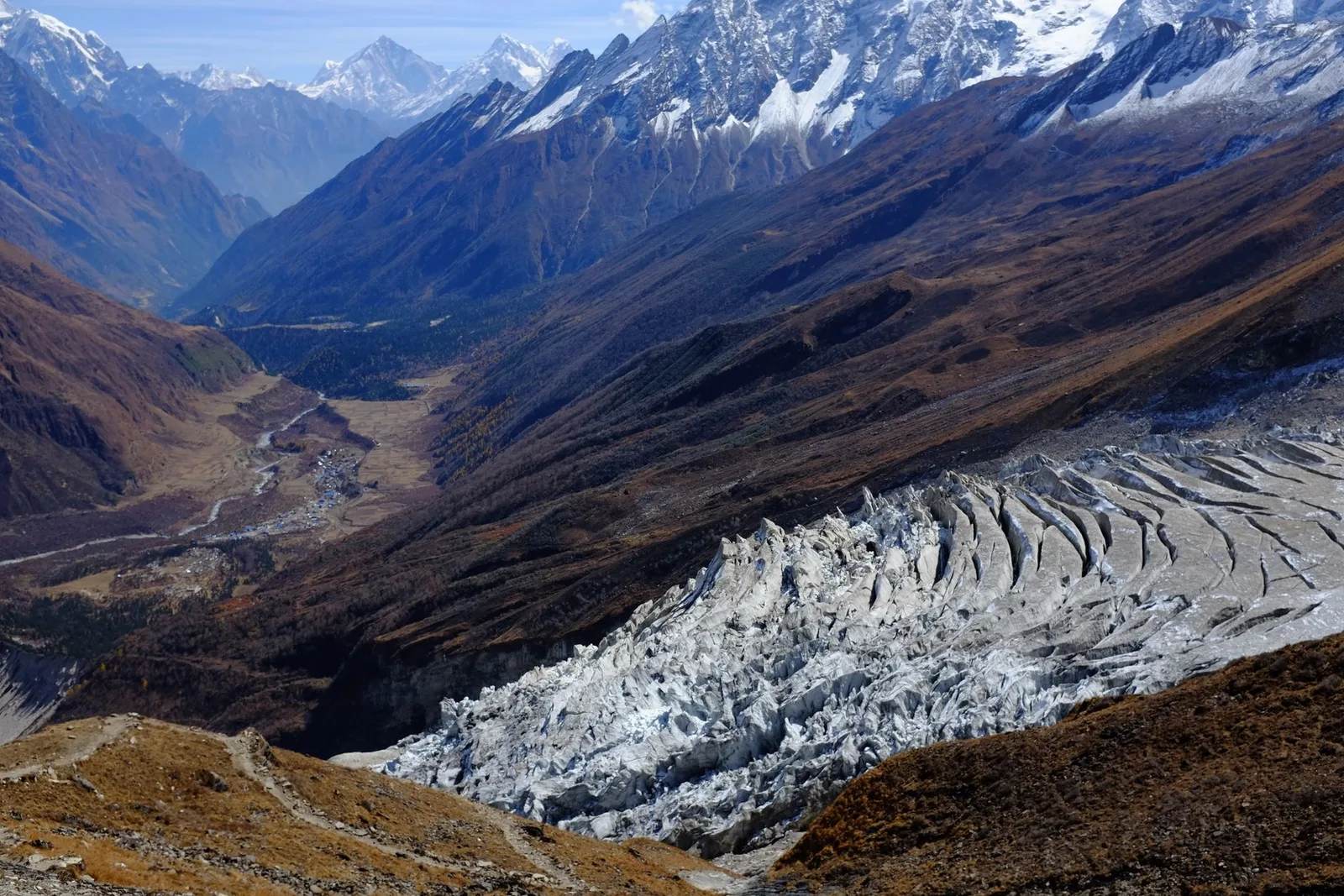
Is the Tsum Valley Trek Affected by the 2026 Nepal Floods?
Short answer: no. Tsum Valley is in the Manaslu region of Gorkha district, on the Budhi Gandaki — a separate valley from the flood-hit Bhote Koshi in Rasuwa. The trail is running normally; the one honest caveat is the monsoon approach road.
Latest from the desk
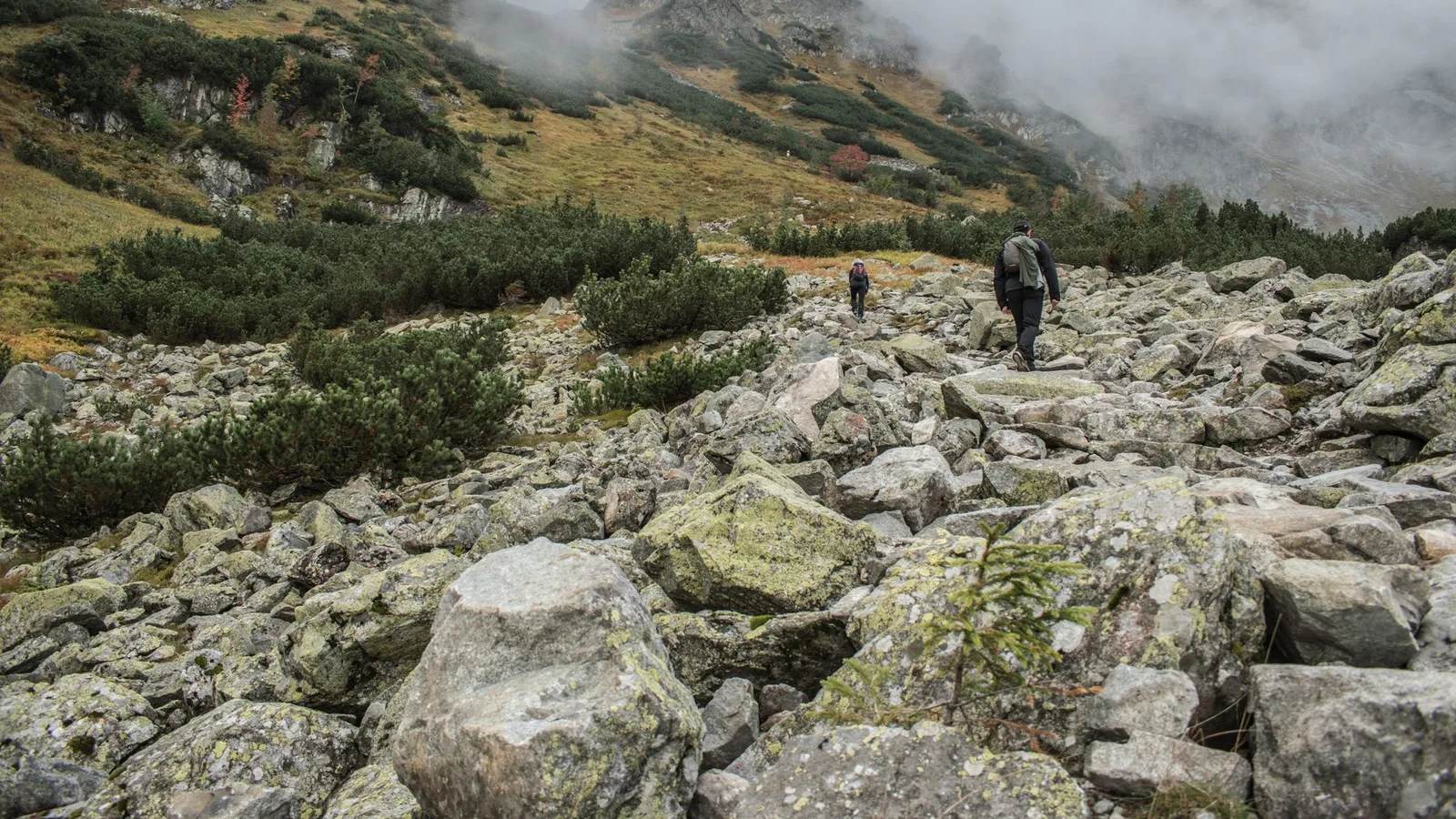
Gear & Tech
Trail shoes or hiking boots, and what the ankle-support research actually found
Most teahouse trekkers wear more boot than the walk needs, and the ankle-support argument holding that up is thinner than the shops suggest.
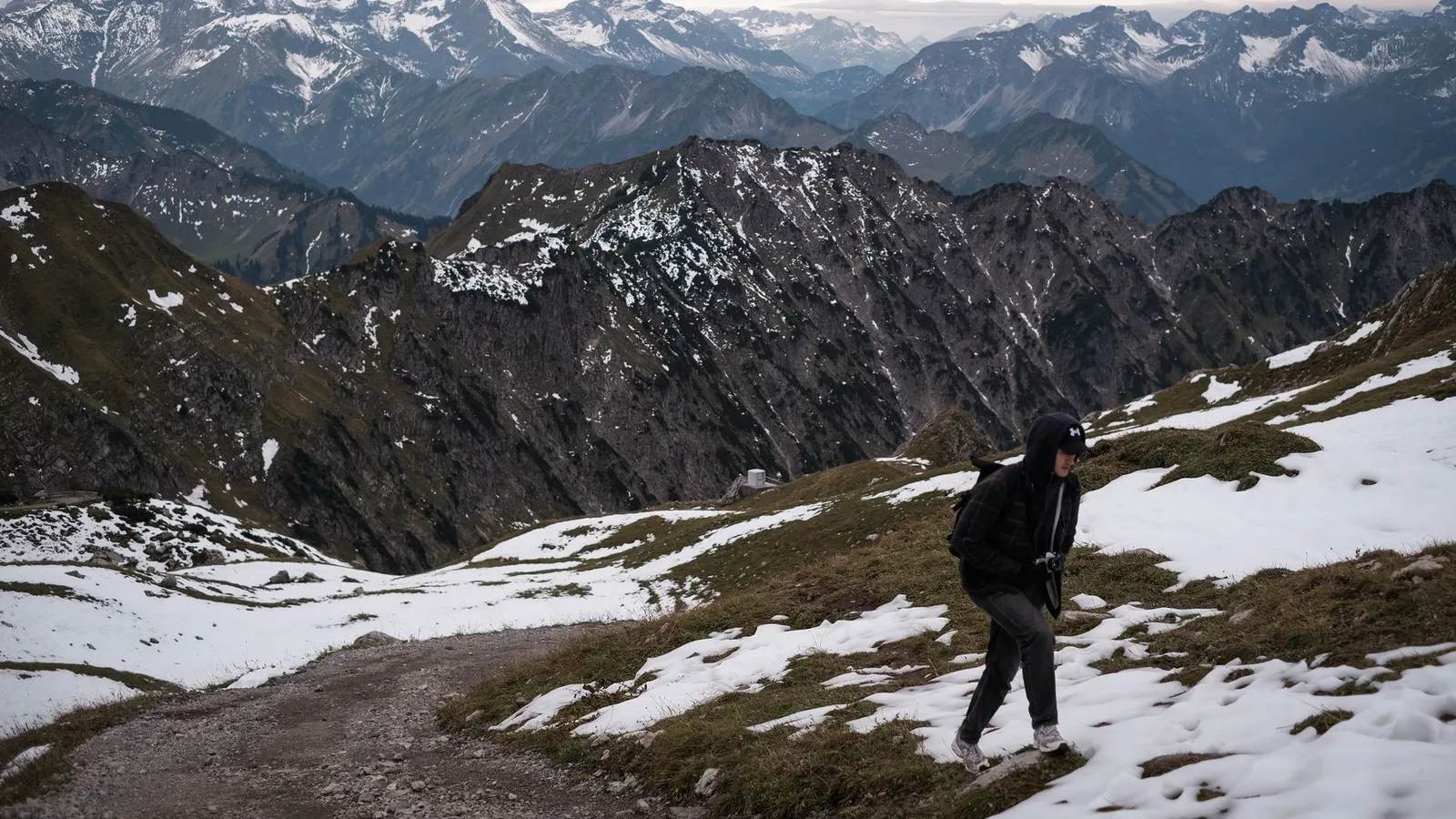
Gear & Tech
Merino or synthetic base layers, and what a lab found when it measured the smell
Merino wins the week-long wear, synthetic wins the overnight dry, and the lab reason merino stays fresh is not the bacteria story you have been told.
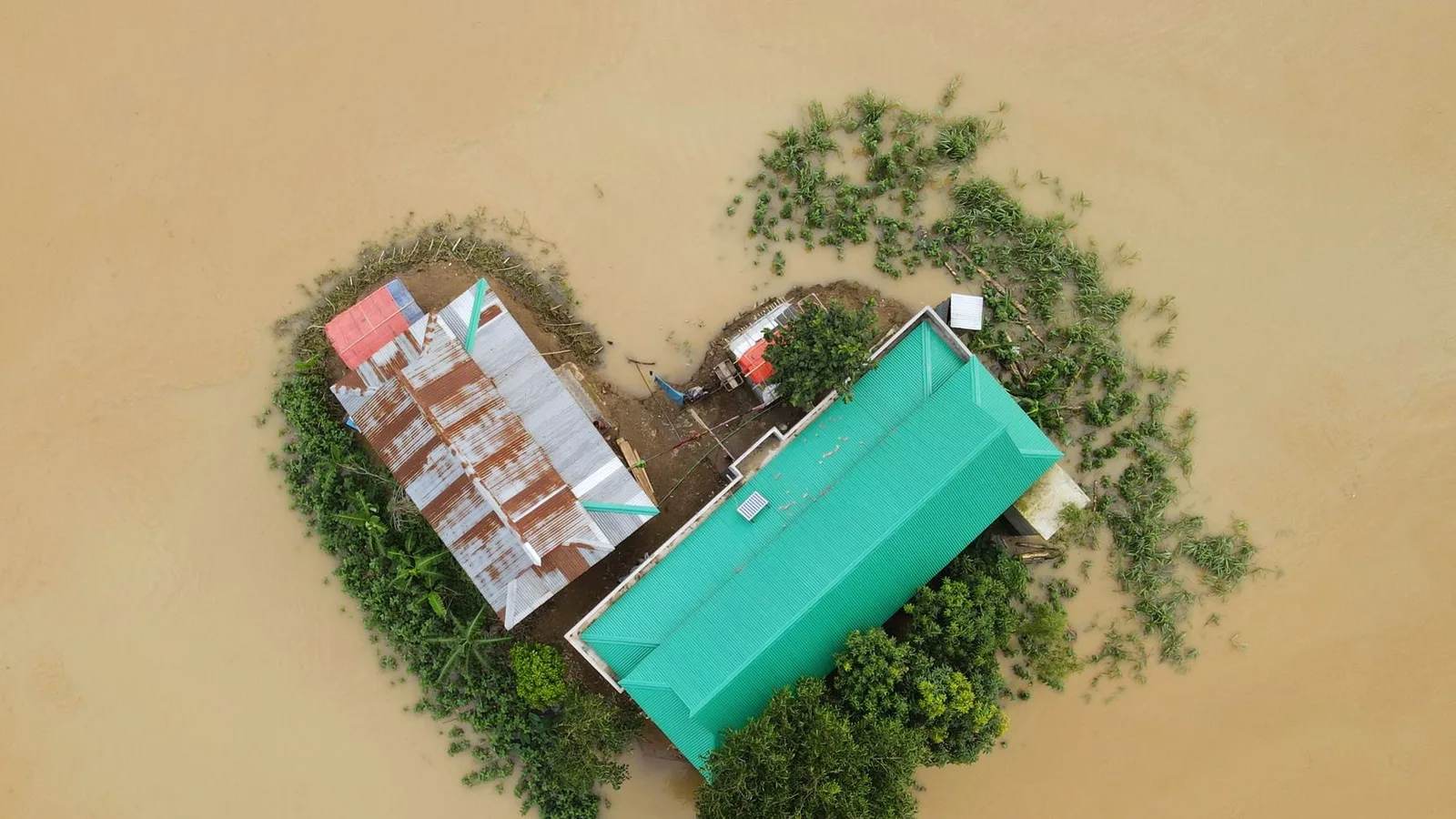
Safety & Advisories
If someone you know is missing in the Nepal flood, you don't have to fly to Kathmandu
Nepal Police have identified 95 of more than 1,200 bodies recovered. Families abroad can be DNA-profiled at home and send the result in. Here is how it works.