
The short version
The classic 14-day Everest Base Camp itinerary, day by day — from the Lukla flight to Kala Patthar sunrise — with altitudes, walking hours, acclimatisation days, and exactly what to expect each day.
- The classic Everest Base Camp itinerary is 14 days including two non-negotiable acclimatisation days at Namche (3,440m) and Dingboche (4,410m).
- You reach Base Camp (5,364m) on day 8 and climb Kala Patthar (5,545m) for the iconic Everest sunrise on day 9.
- Always add 1–2 buffer days — Lukla flights cancel frequently for weather.
- Acclimatise slowly: most people who fail to reach Base Camp ascended too fast, not because they were unfit.
The classic 14-day EBC itinerary
This is the standard, well-acclimatised Everest Base Camp itinerary. The two acclimatisation days are non-negotiable — they are what keep you safe and get you to Base Camp.


Day by day
Day 1 — Fly to Lukla (2,840m), trek to Phakding (2,610m) · 3–4 hrs
Read this part before you book anything. In peak season — October–November and April–May — Lukla flights do not leave from Kathmandu. They leave from Ramechhap, a four to five hour drive away, and you start that drive at one or two in the morning. Operators who do not mention this are not lying to you exactly, but you will find out at midnight either way. Outside peak season you fly from Kathmandu.
The flight itself is thirty-odd minutes in a small plane onto a runway built on a slope against a hillside. Then, deliberately, you walk downhill to Phakding. It is a short, easy first day and it is meant to be.
Day 2 — Phakding → Namche Bazaar (3,440m) · 6 hrs
The day of the suspension bridges, strung high over the Dudh Koshi with prayer flags snapping across them. The last one, the Hillary Bridge, comes right before the sting: a 600m climb up to Namche that takes two to three hours and is the first genuinely hard effort of the trek. On a clear day there is a gap in the trees partway up where Everest appears for the first time.
Day 3 — Acclimatisation day at Namche
You do not rest. You climb to the Everest View Hotel at 3,880m, look at Everest and Ama Dablam over breakfast, and come back down to sleep at 3,440m. Climb high, sleep low — that is what the day is for.
Namche is the last real town: bakeries, gear shops, ATMs that sometimes work. Buy what you forgot here.
Day 4 — Namche → Tengboche (3,860m) · 5 hrs
An easy contouring path with Ama Dablam ahead of you nearly the whole way, then a steep drop to the river at Phunki Thenga and a 600m climb back out. Tengboche monastery is the spiritual centre of the Khumbu, and the afternoon prayers are open to visitors — go, sit at the back, and do not photograph the monks.
Day 5 — Tengboche → Dingboche (4,410m) · 5–6 hrs
The trees end today. You pass through Deboche, cross the river at Pangboche, and the landscape turns brown, rocky and open. It stops looking like a walk in the mountains and starts looking like high altitude.
Day 6 — Acclimatisation day at Dingboche
A climb up Nangkartshang ridge to around 5,083m, then back down to sleep. This is usually where people first feel the altitude properly — headache, poor sleep, no appetite. That is normal. Not being able to walk straight is not, and your guide is watching for the difference.
Day 7 — Dingboche → Lobuche (4,940m) · 5 hrs
The hardest day emotionally rather than physically. Above Thukla the trail crosses a pass lined with stone memorials to climbers who died on Everest — Scott Fischer, Babu Chiri Sherpa, and many with no name a foreigner would recognise. Most people go quiet here. It is worth slowing down for.
Day 8 — Lobuche → Gorak Shep → Everest Base Camp (5,364m) · 7–8 hrs
The longest, highest day. You reach Gorak Shep by late morning, drop your pack, and walk out along the Khumbu Glacier moraine to Base Camp.
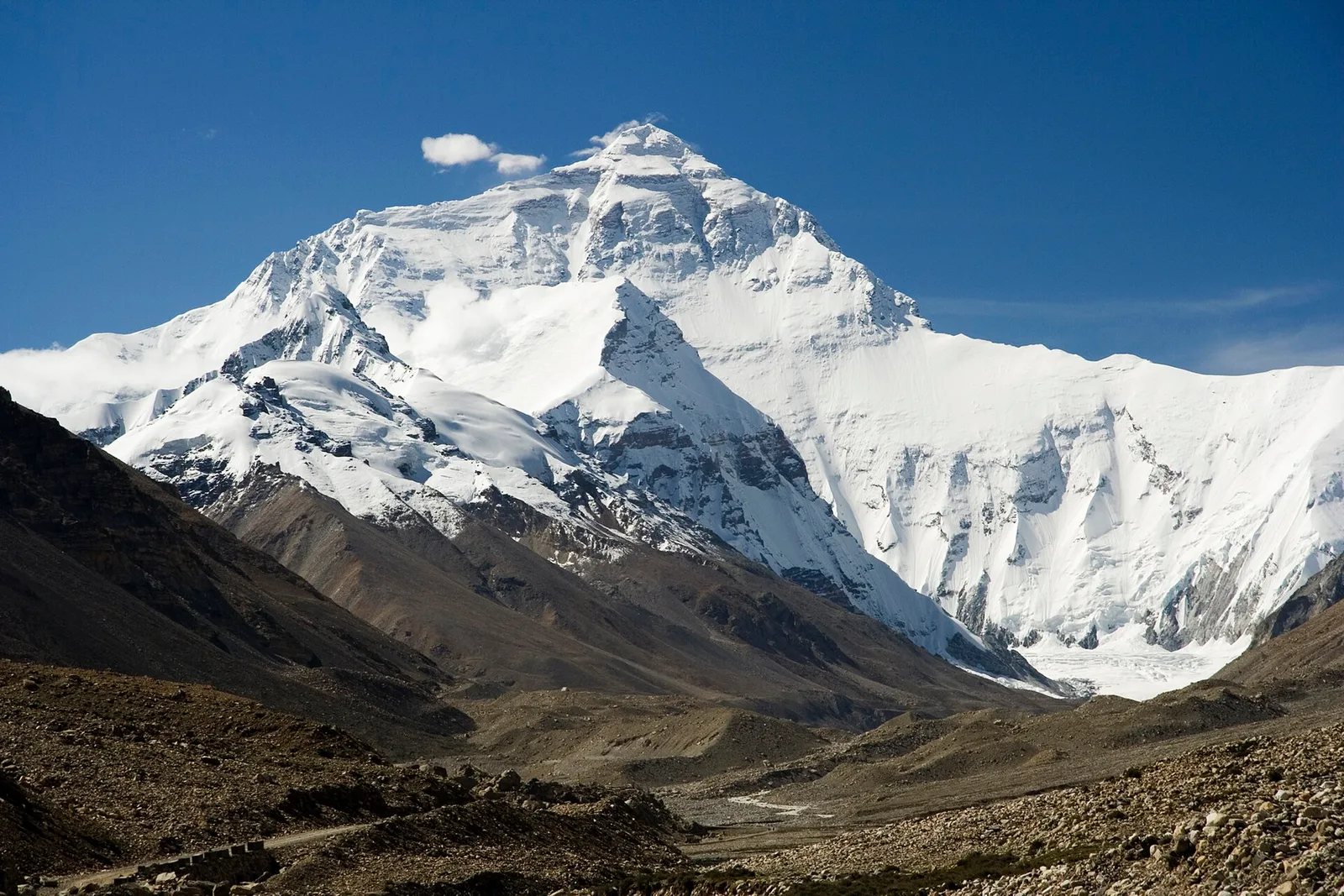
Know what you are getting. You cannot see Everest's summit from Base Camp — Nuptse and Lhotse hide it. What you get is the Khumbu Icefall directly above you, and in spring the tent city of the expeditions. People who expect a postcard view here are disappointed; people who understand they are standing at the start of the climbing route are not.
Day 9 — Kala Patthar (5,545m) at dawn, then descend to Pheriche · 7 hrs
The coldest morning of your life, probably. You leave Gorak Shep before sunrise for a slow, breathless climb to 5,545m at around −15°C to −20°C. This is where the Everest photograph comes from — the whole south-west face, lit first.
Then you turn around and descend a long way to Pheriche, and you will feel better with every hundred metres you lose.
Day 10 — Pheriche → Namche · 6–7 hrs
A long descent, but oxygen returns and appetite comes back. Most people eat enormously in Namche tonight.
Day 11 — Namche → Lukla · 7 hrs
Everyone underestimates this day. It is long, and it finishes with an uphill into Lukla after a week of walking. Then a celebration in Lukla, which is a tradition.
Day 12 — Fly Lukla → Kathmandu
Weather permitting. Which brings us to the two days after it.
Days 13–14 — Buffer, and then Kathmandu
These are not spare days for sightseeing. They exist because Lukla closes for weather and you cannot argue with it.
Lukla flights cancel frequently for weather. Never book your international flight home for the day after you're due back in Kathmandu — build in 1–2 buffer days, or risk missing it.
Do not skip the acclimatisation days to save time. Most people who fail to reach Base Camp ascended too fast. Climb high, sleep low, go slow — bistari, bistari.
Plan it properly
For the full cost breakdown see our Nepal trekking cost guide, pack with the EBC packing list, and read the complete Everest Base Camp trek guide. When you're ready, tell us your dates — we've guided EBC since 1998.
Do Lukla flights leave from Kathmandu or Ramechhap?
It depends on the season. In peak months — October–November and April–May — Kathmandu airport is too congested and Lukla flights operate from Ramechhap instead, which is a 4–5 hour drive from Kathmandu, usually starting at 1–2am. Outside peak season flights go direct from Kathmandu. Ask any operator which one applies to your dates before you book.
Can you see Everest from Everest Base Camp?
No — and this surprises people. Nuptse and Lhotse block the summit from Base Camp itself. What you see there is the Khumbu Icefall, and in spring the expedition tents. The classic Everest view comes the next morning from Kala Patthar at 5,545m.
What happens if the Lukla flight is cancelled?
You wait, or you pay for a helicopter out if one is available and the weather allows. This is why the itinerary carries 1–2 buffer days and why you should never book an international flight home for the day after you are due back in Kathmandu. Cancellations are routine, not exceptional.
Which is the hardest day of the Everest Base Camp trek?
Physically, day 8 — Lobuche to Gorak Shep to Base Camp and back, at over 5,000m for the whole of it. The Kala Patthar climb on day 9 is shorter but colder and higher. Many people find day 7, crossing the memorials above Thukla, the hardest for entirely different reasons.
How many days do I need for Everest Base Camp?
The standard EBC trek is 12–14 days round trip from Lukla including two acclimatisation days. Add 1–2 buffer days for possible Lukla flight delays, making 14–16 days the safe total to plan.
Can you see Everest from Base Camp?
Everest's summit is largely hidden from Base Camp itself by Nuptse and Lhotse — the view there is of the Khumbu Icefall. The classic Everest view comes from Kala Patthar (5,545m), climbed at dawn on day 9.
Private Everest departures on any date, hand-picked NMA guides, and 25+ years on these trails. Tell us your dates — we usually reply within a few hours.
Browse Everest treks & tours → Read the Everest guide →Featured image: Luca Galuzzi (Lucag) via Wikimedia Commons (CC BY-SA 2.5).
Written by
Travel Himalaya NepalPokhara-based, NMA-certified trekking guides. We’ve led 5,000+ treks across the Annapurna and Everest regions since 1998 — every word here comes from the trail. More from this author →
Share this article
Ready to Trek?
From reading about it to standing on it
Our Pokhara-based guides have been doing this since 1998. Tell us your dates and fitness level — we'll build your perfect itinerary. Free, no obligation.
Why trek with our licensed agencyMore guides like this
Popular trips to consider
View all treks & toursFree Trekker's Insider Guide
Permits, packing lists, cost breakdowns — no fluff.
We send one useful email. You can unsubscribe anytime.