The short version
Everest Base Camp trek or climbing Mount Everest? The honest difference in cost, skill, time and risk in 2026 — and which one you can realistically do.
- The Everest Base Camp trek is a 12–14 day walk to 5,364 m — no climbing skills, ~90% success, US$1,100–4,500. Most reasonably fit people can do it.
- Climbing Everest is a 60–70 day mountaineering expedition to the 8,849 m summit, costing US$35,000–100,000+ and requiring years of experience.
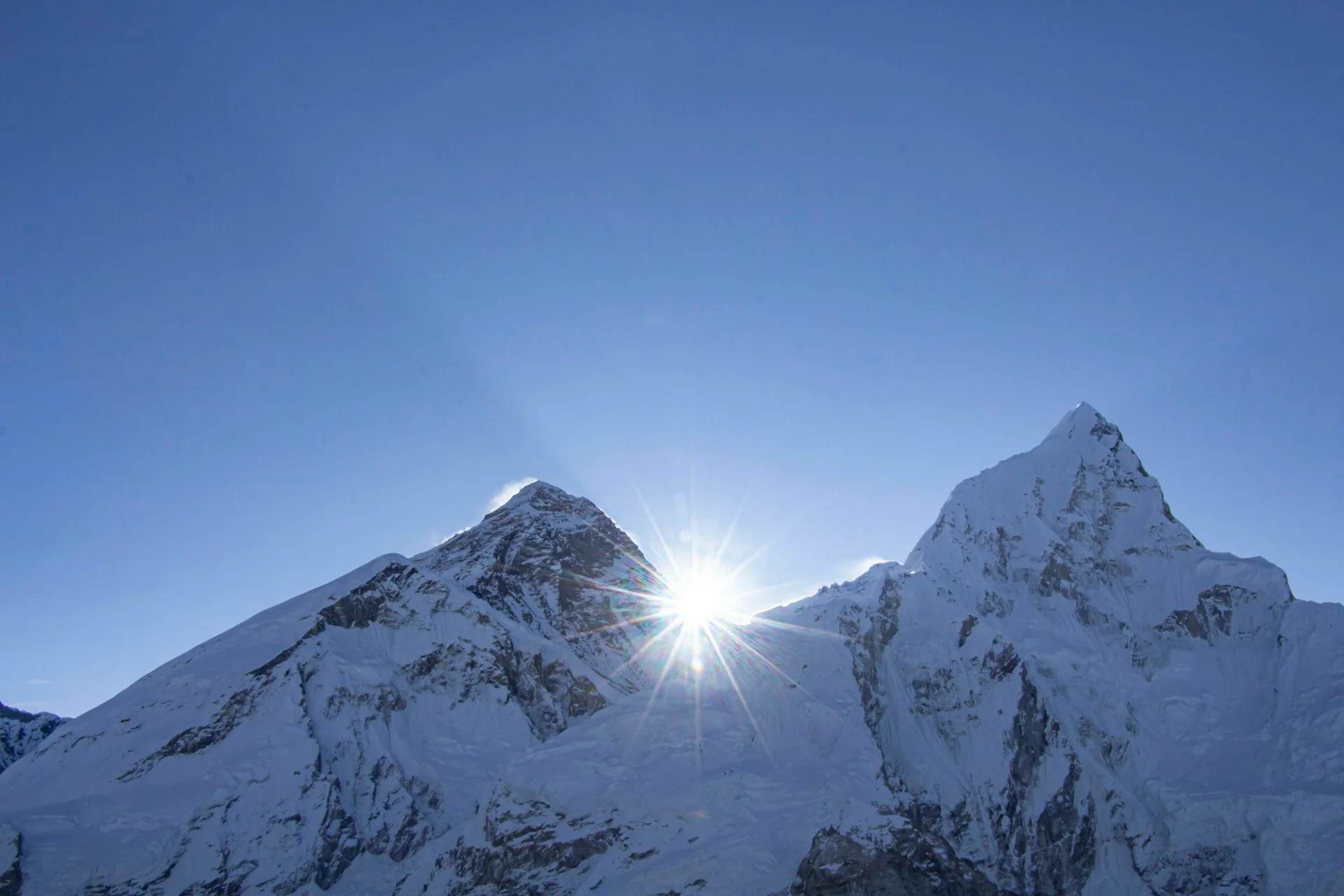
- You do not climb Everest on the EBC trek — you walk to its foot and see it; you never set foot on the summit.
- For almost every traveller, the trek is the Everest experience worth planning.
One of the most common mix-ups we hear from first-time visitors: people say they want to "climb Everest" when what they actually mean is the trek to Everest Base Camp. They are two completely different undertakings — worlds apart in cost, skill, time and risk. Here is the plain-English difference, and an honest answer to which one you can realistically do.
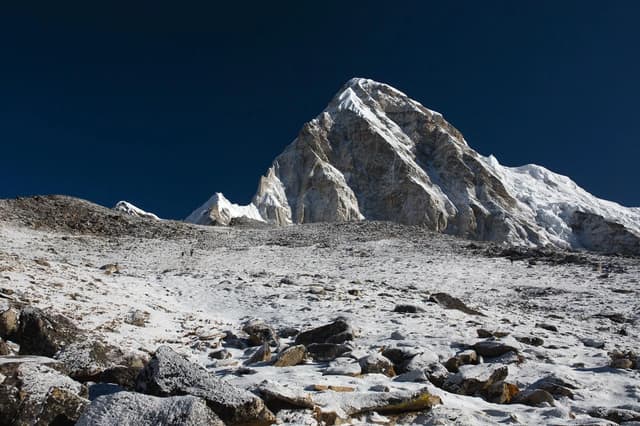
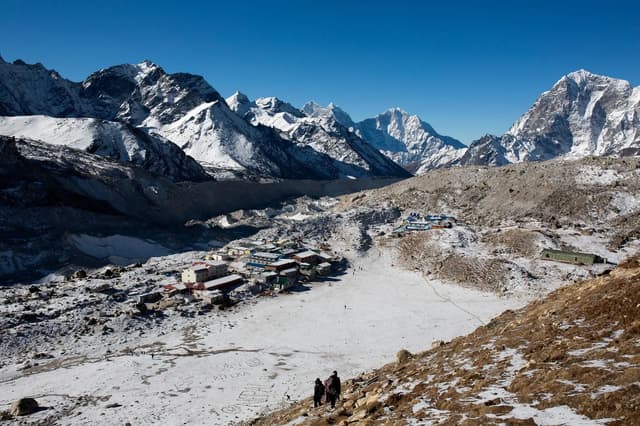
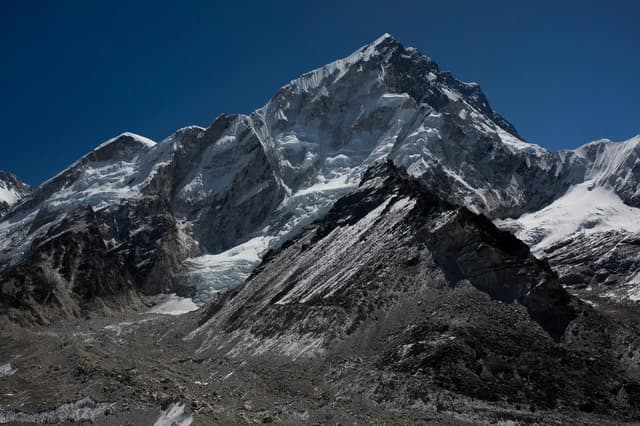
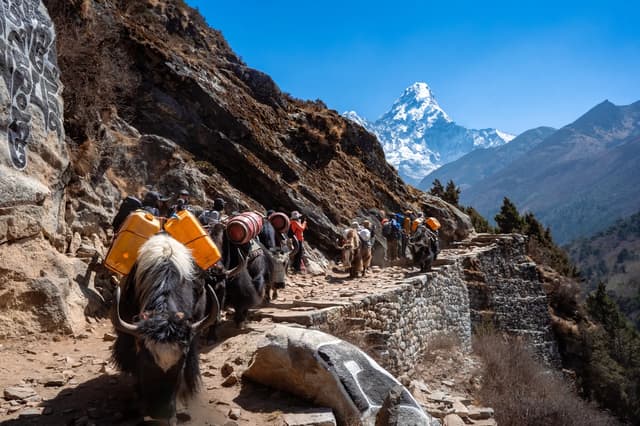
| Factor | EBC Trek | Climbing Everest |
|---|---|---|
| Goal | Walk to Base Camp, 5,364 m | Summit, 8,849 m |
| Duration | 12–14 days | 60–70 days + ~12 months training |
| Skills needed | None — it is a walk | Expert mountaineering |
| Cost | US$1,100–4,500 | US$35,000–100,000+ |
| Permit | ~US$50 in park/local fees | ~US$15,000 climbing permit alone |
| Risk | Low (~90% reach Base Camp) | High — the death zone above 8,000 m |
Quick facts: trek vs climb
- EBC trek high point: Kala Patthar 5,644 m; Base Camp itself is 5,364 m
- Everest summit: 8,849 m — the highest point on Earth
- EBC trek success rate: ~90%
- Everest summit: requires years of prior 6,000–8,000 m climbs
- EBC gear: boots and warm layers — no technical equipment
- Everest gear: crampons, ice axe, ropes, bottled oxygen, fixed-line skills
- Everest permit (2026): raised to ~US$15,000 for the spring season
What the EBC trek actually is
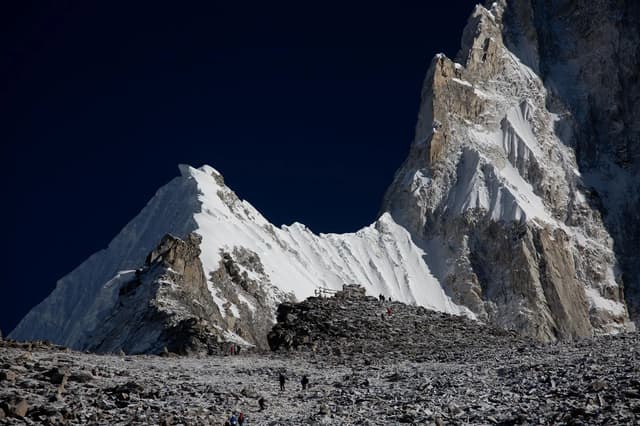
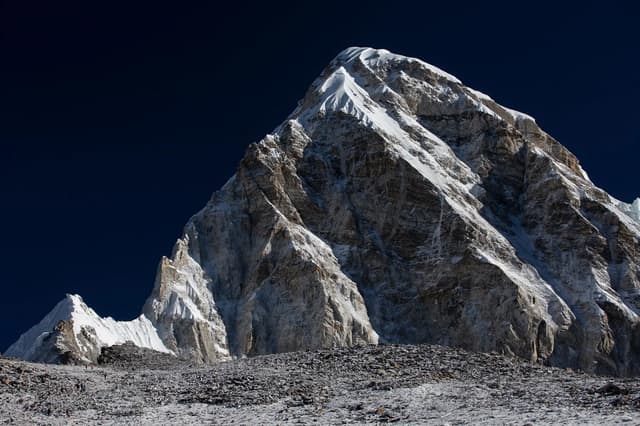
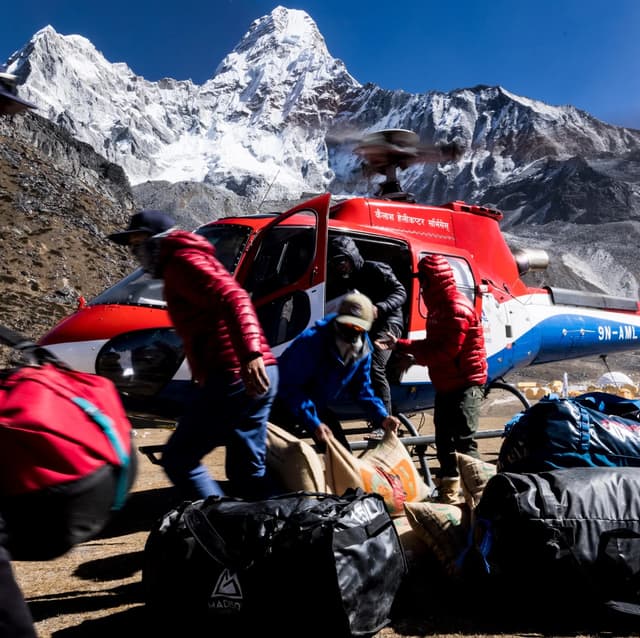
The Everest Base Camp trek is a walking holiday at altitude. You fly to Lukla, then walk teahouse to teahouse through Namche Bazaar and Tengboche, gaining height slowly over 12 to 14 days until you reach Base Camp (5,364 m) and the viewpoint of Kala Patthar (5,644 m). There are no ropes, no crampons, no technical skill. If you are reasonably fit and respect the acclimatisation days, your odds of success are around 90%. The reward is standing at the foot of the world’s highest mountain — not on top of it, but close enough to feel its scale.
What climbing Everest actually demands
Summiting Everest is a different sport entirely. It is a 60 to 70 day expedition: weeks of acclimatisation rotations through the lethal Khumbu Icefall, camps pushed progressively higher, and a final summit bid into the "death zone" above 8,000 m, where the human body is slowly dying and bottled oxygen is essential. Climbers need years of prior mountaineering — trekking peaks, then 6,000 and 7,000 m mountains, then an 8,000 m peak — plus roughly a year of dedicated training before they even arrive.
Above 8,000 m there is roughly a third of the oxygen available at sea level. Even with bottled oxygen and Sherpa support, Everest summit attempts carry a genuine risk to life. This is not an extension of the trek — it is elite, high-consequence mountaineering.
Cost: a completely different universe
The EBC trek costs US$1,100 to 4,500 all in, depending on whether you go budget or fully supported. Climbing Everest costs US$35,000 to 100,000+ — the government climbing permit alone was raised to around US$15,000 for the 2026 spring season, before guides, oxygen, Sherpa support, and months of logistics. It is one of the most expensive single objectives in all of adventure travel.
So which can you actually do?
For the overwhelming majority of travellers, the honest answer is: the trek. It is achievable, magnificent, and it is the very first step every Everest climber takes anyway. If summiting genuinely calls you, treat it as a multi-year project — build up through Nepal’s trekking peaks like Island Peak and Mera Peak, then higher expedition peaks, long before Everest enters the conversation. For the trek itself, see how it compares to other bucket-list routes in our EBC vs Kilimanjaro guide.
Frequently asked questions
Can you climb Everest on the Everest Base Camp trek?
No. The trek goes to Base Camp at 5,364 m. The summit at 8,849 m is a separate two-month mountaineering expedition requiring expert skills, bottled oxygen and years of experience.
Do you need climbing skills for Everest Base Camp?
No. EBC is a walking trek — no ropes, crampons or technical gear. The only real challenges are altitude and the weather-dependent Lukla flight.
How much does it cost to climb Everest?
Roughly US$35,000 to 100,000+, including a climbing permit raised to about US$15,000 in 2026. By contrast, the EBC trek costs US$1,100 to 4,500.
Is the Everest Base Camp trek dangerous?
It is low-risk for a high-altitude trek, with around a 90% success rate. The real risks are altitude sickness and Lukla flight delays — not climbing, because there is no climbing involved.
Can you climb Everest on the EBC trek?
No — the trek reaches Base Camp (5,364 m); the 8,849 m summit is a separate ~2-month expedition needing expert mountaineering, oxygen and years of experience.
Do you need climbing skills for EBC?
None — it is a walking trek with no technical gear. Altitude and the Lukla flight are the only real challenges.
How much does it cost to climb Everest?
US$35,000–100,000+, including a ~US$15,000 permit. The trek is US$1,100–4,500.
See Everest for Real
Everest Base Camp Trek — Full-Service Packages
Stand at the foot of the world’s highest mountain — licensed Sherpa guides, Lukla flights, teahouse lodging and all permits arranged. No climbing skills needed. Pokhara-based since 1998.
View Everest Base Camp Trek →Private Everest departures on any date, hand-picked NMA guides, and 25+ years on these trails. Tell us your dates — we usually reply within a few hours.
Browse Everest treks & tours → Read the Everest guide →
Written by
Travel Himalaya NepalPokhara-based, NMA-certified trekking guides. We’ve led 5,000+ treks across the Annapurna and Everest regions since 1998 — every word here comes from the trail. More from this author →
Share this article
Ready to Trek?
From reading about it to standing on it
Our Pokhara-based guides have been doing this since 1998. Tell us your dates and fitness level — we'll build your perfect itinerary. Free, no obligation.
Why trek with our licensed agencyMore guides like this
Popular trips to consider
View all treks & toursFree Trekker’s Insider Guide
Permits, packing lists, cost breakdowns — no fluff.
We send one useful email. You can unsubscribe anytime.