The short version
Everest Base Camp or Kilimanjaro? An honest side-by-side from Himalayan guides — altitude, difficulty, success rates, cost, and which bucket-list trek to do first.
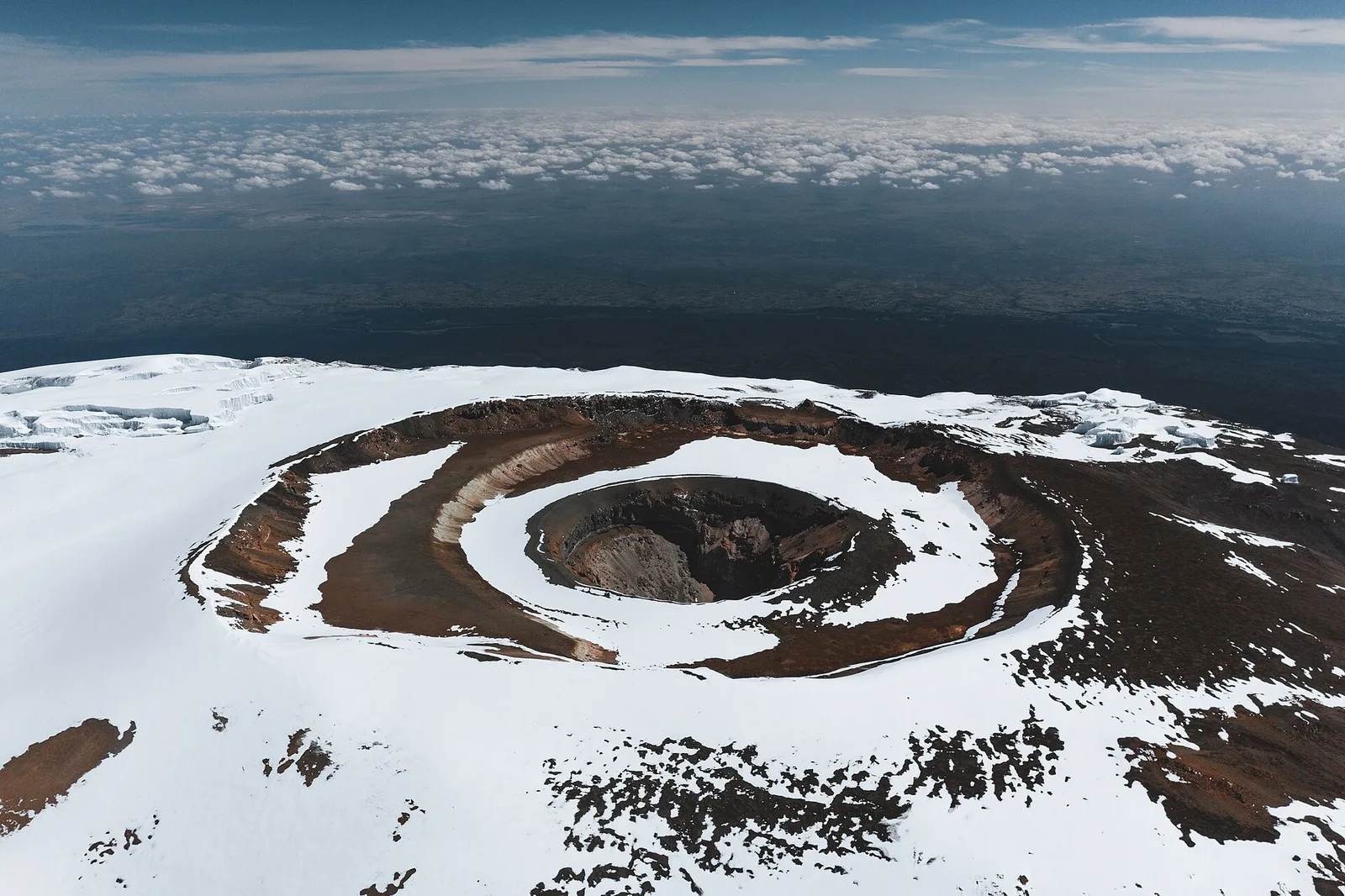
- Kilimanjaro is a summit — you stand on the highest point in Africa at 5,895 m — but you do it fast, in 5 to 9 days, which makes altitude the real enemy.
- Everest Base Camp is a journey, not a summit — 12 to 14 days through the Khumbu to 5,364 m (Kala Patthar reaches 5,644 m), with far more time to acclimatise.
- Success rates tell the story: roughly 90% reach Everest Base Camp, while only around 45 to 65% top out on Kilimanjaro, mostly because of the rushed ascent.
- Do Kilimanjaro first for a true summit on a tight schedule; do EBC first for the richer cultural trek and a gentler altitude curve.
It is the great bucket-list dilemma for trekkers the world over: the roof of Africa, or the foot of the highest mountain on Earth? Mount Kilimanjaro and Everest Base Camp are the two most-searched high-altitude treks on the planet, and travellers ask us to compare them almost every week. Having guided in the Himalaya since 1998 and hosted many trekkers who have done both, here is our honest, side-by-side answer — not which is better in the abstract, but which is right for you, and which to do first.
| Factor | Everest Base Camp | Kilimanjaro |
|---|---|---|
| Country | Nepal (Himalaya) | Tanzania (East Africa) |
| Highest point | Kala Patthar 5,644 m (EBC 5,364 m) | Uhuru Peak 5,895 m (a true summit) |
| Typical duration | 12–14 days on trail | 5–9 days on the mountain |
| Altitude gain | Gradual, ~2,800 m over many days | Rapid, ~3,600 m in under a week |
| Success rate | ~90% | ~45–65% (route-dependent) |
| Where you sleep | Teahouses (heated lodges) | Tents / camping (huts on Marangu) |
| You stand on | The base of Everest, not the summit | The actual summit of the mountain |
Quick facts: EBC vs Kilimanjaro
- Kilimanjaro summit: Uhuru Peak, 5,895 m — the highest point in Africa and the world’s tallest free-standing mountain
- EBC altitude: Base Camp 5,364 m; the viewpoint of Kala Patthar reaches 5,644 m
- Kilimanjaro routes: Machame, Lemosho, Marangu, Rongai and others — 5 to 9 days
- EBC duration: 12 to 14 days round trip from Lukla
- Kilimanjaro success rate: ~45 to 65% overall; the 8-day routes climb above 85%
- EBC success rate: ~90%, thanks to built-in acclimatisation days
- Best seasons: EBC — Oct to Nov and Mar to May; Kilimanjaro — Jan to Mar and Jun to Oct
- Technical skill needed: none on either — both are walking routes
Summit vs Journey: the core difference
This is the distinction that decides everything else. Kilimanjaro is a summit. You climb through five climate zones — rainforest, moorland, alpine desert and the arctic summit — and on the final night you stand on the literal roof of Africa, watching the sun rise over the curve of the continent. It is a singular, vertical achievement, and the payoff of standing on Uhuru Peak is enormous.
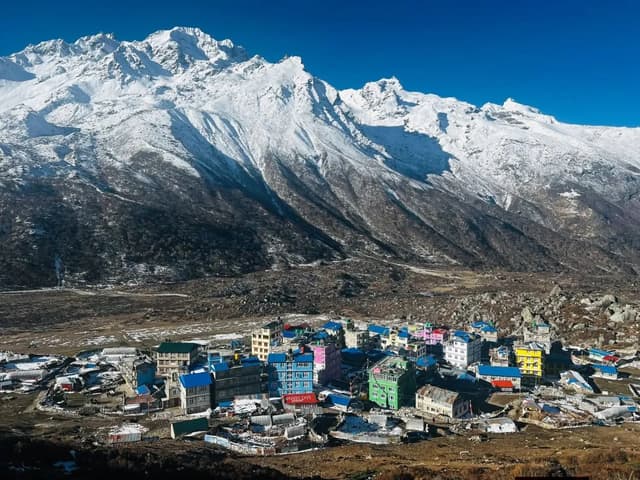
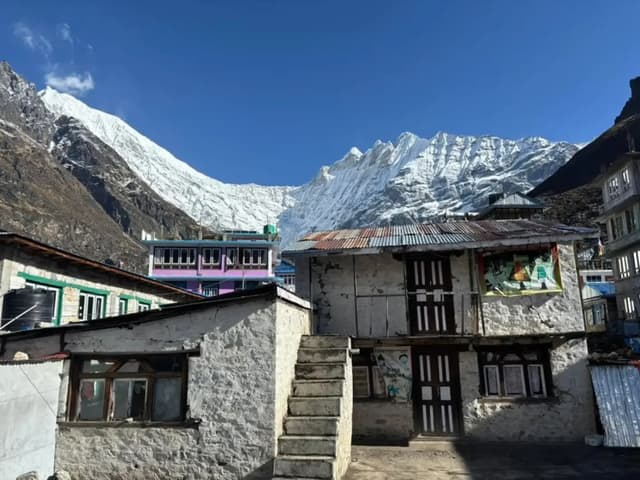
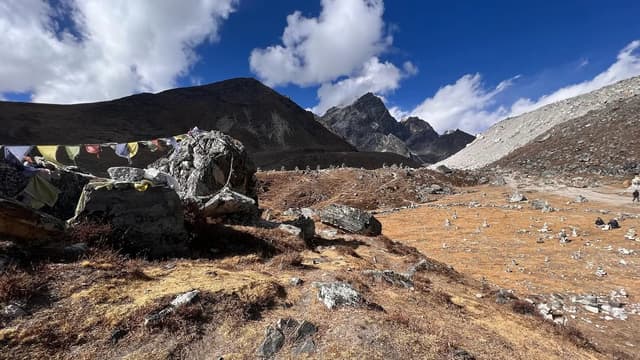
Everest Base Camp is a journey. You do not summit anything — Base Camp sits at the foot of the Khumbu Icefall, and the highest most trekkers stand is Kala Patthar, a viewpoint hill. What EBC gives you instead is two weeks of immersion: Sherpa villages, spinning prayer wheels, the great monastery at Tengboche, and a slow, building approach beneath four of the six highest mountains on Earth — Everest, Lhotse, Makalu and Cho Oyu. The reward is the whole valley, not a single moment on top.
Difficulty and altitude: why Kilimanjaro fails more people
Neither trek is technical — no ropes, no crampons, no climbing skill. On paper Kilimanjaro is higher, and that leads people to assume it is the harder of the two. The deeper truth is about time. Kilimanjaro gains roughly 3,600 m in under a week; EBC spreads a smaller gain across nearly two weeks, with dedicated rest days at Namche Bazaar (3,440 m) and Dingboche (4,410 m).
That single difference explains the success rates. Around 90% of EBC trekkers reach their goal; on Kilimanjaro the overall figure is only about 45 to 65%, and most who turn back do so because they ascended too fast to acclimatise. The lesson is the same one we give every client: on Kilimanjaro, pay for the longer route (8 or 9 days, not 5 or 6) — it is the single biggest factor in whether you summit. On EBC, never skip the built-in acclimatisation days, however good you feel.
Kilimanjaro’s reputation for difficulty comes almost entirely from one brutal stretch: the midnight summit push from around 4,600 m to 5,895 m in the cold and dark, on loose scree, after days of fast altitude gain. EBC has no equivalent single ordeal — its challenge is the cumulative one of living and walking high for many days in a row.
The experience on the ground: tents vs teahouses
Where you sleep shapes the whole trip. On most Kilimanjaro routes you camp — tents carried and pitched by a large porter crew, meals cooked in a mess tent. It is a well-run, self-contained mountain expedition, but you are sealed in your own bubble.
EBC is a teahouse trek. Each night you arrive in a village and sleep in a lodge with a heated dining room, hot food, trekkers from around the world, and increasingly reliable Wi-Fi and even bakeries at Namche. You walk through living communities — buying apple pie in a Sherpa village, sharing a stove with trekkers of a dozen nationalities. For many people that cultural texture is the deciding factor in EBC’s favour.
Cost: where your money goes
Both are major trips, but the cost structures differ. Kilimanjaro carries famously high park and rescue fees — the Tanzanian government charges well over USD 1,000 in fees alone for a typical climb, which is why reputable guided Kilimanjaro packages start around USD 2,000 and climb past 4,000. EBC is generally cheaper to guide: a full-service package runs roughly USD 1,100 to 1,800, with the one extra variable being the Lukla flight (around USD 220 to 280 each way) and its weather delays.
For most travellers an all-in EBC trip — international flights, trek package, visa, insurance and gear — lands a little below a comparable Kilimanjaro climb, though your home airport and the route you pick on Kili move the numbers either way. See our Everest Base Camp packages for current pricing.
Which should you do first?
If you are choosing one for now and saving the other for later, here is how we steer trekkers.
Do Kilimanjaro first if:
- You want a genuine summit — to stand on top of something — rather than a trek to a viewpoint
- Your holiday window is short; Kilimanjaro fits in a week including travel
- You are combining it with an African safari (the Serengeti and Ngorongoro are close)
- You prefer the simpler logistics of one mountain, one crew, one ascent
Do Everest Base Camp first if:
- You want the richer journey — culture, villages, monasteries, multiple 8,000 m giants
- You are nervous about altitude and want the gentler, better-acclimatised curve
- You prefer warm teahouses and company each night over camping
- The Himalaya, and seeing Everest with your own eyes, is the real dream
Our honest house view: if you have never been to high altitude, EBC is the kinder introduction and the more forgiving of the two — and it sets you up beautifully for a future Kilimanjaro summit. If you are fit, time-poor and want a summit to call your own, Kilimanjaro delivers it faster.
Acute Mountain Sickness ends more attempts than fitness or weather on either mountain. Ascend slowly, hydrate hard, never climb higher to sleep with a worsening headache, and descend at the first sign of confusion or breathlessness at rest. On both peaks the longer, slower itinerary is the safer one — and the one more likely to succeed.
Can you do both?
Absolutely — and many of our trekkers do, often a year or two apart. A popular progression is Everest Base Camp first, to learn how your body handles sustained altitude, then Kilimanjaro as the summit reward. If you have done Kilimanjaro already, EBC will feel less about the altitude and more about the depth of the experience — most Kilimanjaro summiteers find EBC well within their range, provided they respect the longer days.
Frequently asked questions
Is Everest Base Camp or Kilimanjaro higher?
Kilimanjaro is higher at the top — its summit, Uhuru Peak, is 5,895 m, a true summit you stand on. Everest Base Camp is 5,364 m, and the nearby Kala Patthar viewpoint reaches 5,644 m. Kilimanjaro wins on raw altitude, but EBC keeps you high for far longer.
Which has the better success rate?
Everest Base Camp, by a wide margin — about 90% of trekkers reach it, versus roughly 45 to 65% on Kilimanjaro. The gap is almost entirely down to pace: EBC builds in acclimatisation days, while many Kilimanjaro climbers attempt it too fast on 5 or 6 day routes.
Which is better for a first high-altitude trek?
Everest Base Camp. The gradual ascent profile, the rest days and the comfort of warm teahouses make it a more forgiving introduction to altitude than Kilimanjaro’s rapid climb and cold summit night.
Do you need climbing skills for either?
No. Both are non-technical walking routes — no ropes, ice axes or crampons. The challenge on both is altitude and endurance, not technical climbing.
Is EBC or Kilimanjaro higher?
Kilimanjaro’s summit (5,895 m) is higher than Everest Base Camp (5,364 m) and Kala Patthar (5,644 m) — but EBC keeps you at altitude far longer.
Which has the higher success rate?
EBC at around 90%, versus roughly 45 to 65% on Kilimanjaro — the difference is mostly the slower, better-acclimatised EBC itinerary.
Which should I do first?
EBC if you are new to altitude or want the cultural journey; Kilimanjaro if you want a true summit on a short schedule.
Plan Your Everest Trek
Everest Base Camp Trek — Full-Service Packages
Licensed Sherpa guides, teahouse lodging, Lukla flights and all permits arranged — with the acclimatisation days that make EBC a ~90% trek. Pokhara-based since 1998.
View Everest Base Camp Trek →Private Everest departures on any date, hand-picked NMA guides, and 25+ years on these trails. Tell us your dates — we usually reply within a few hours.
Browse Everest treks & tours → Read the Everest guide →Featured image: Altezzatravel via Wikimedia Commons (CC BY-SA 4.0).
Written by
Travel Himalaya NepalPokhara-based, NMA-certified trekking guides. We’ve led 5,000+ treks across the Annapurna and Everest regions since 1998 — every word here comes from the trail. More from this author →
Share this article
Ready to Trek?
From reading about it to standing on it
Our Pokhara-based guides have been doing this since 1998. Tell us your dates and fitness level — we'll build your perfect itinerary. Free, no obligation.
Why trek with our licensed agencyMore guides like this
Popular trips to consider
View all treks & toursFree Trekker’s Insider Guide
Permits, packing lists, cost breakdowns — no fluff.
We send one useful email. You can unsubscribe anytime.