Dengue fever in Nepal and the months when travellers need to worry
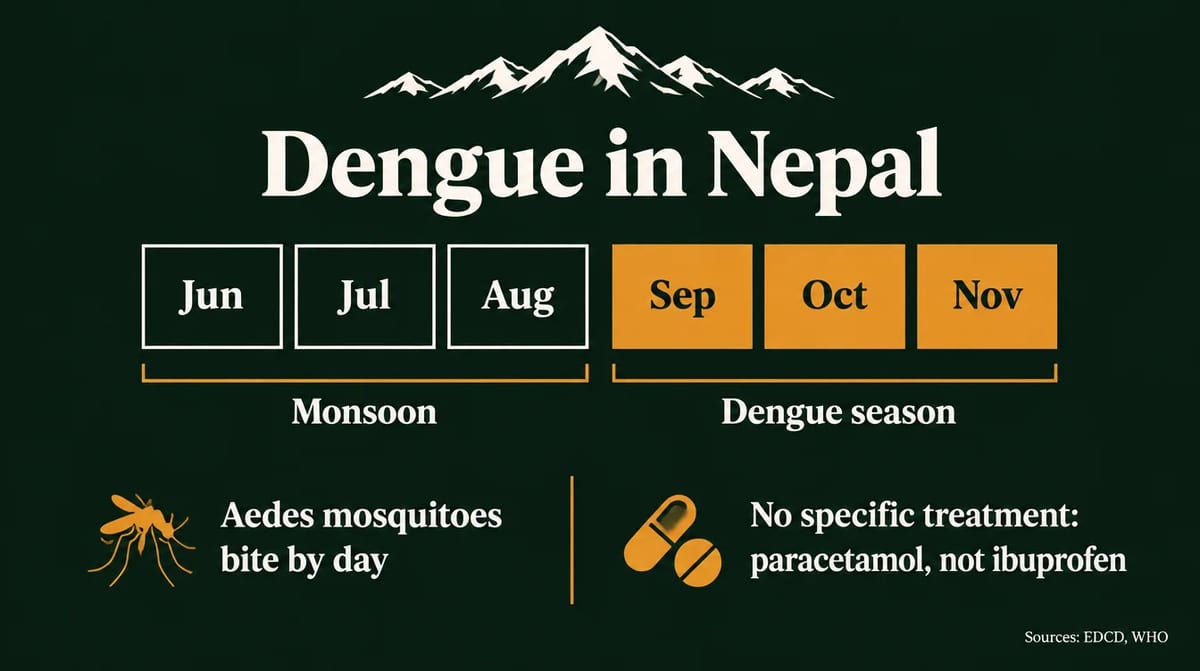
Dengue in Nepal peaks from September to November in Kathmandu, the Terai and hill towns. Aedes mosquitoes bite by day, and there is no specific treatment.
On this page (7)
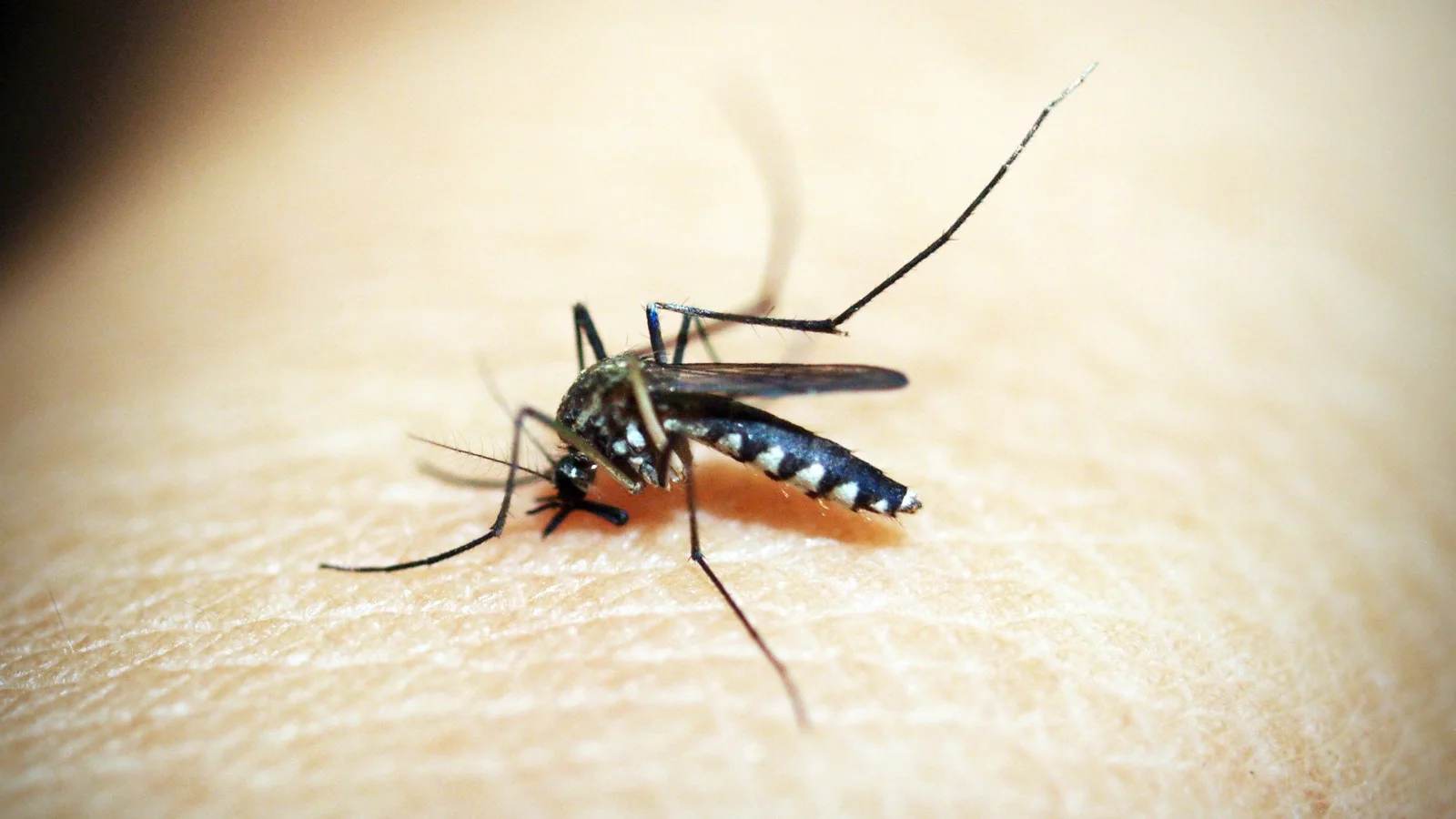
Dengue is an established risk in Nepal, and for travellers it peaks straight after the monsoon: Nepal’s own national guidelines put the dengue season at September to November, in the lowland Terai, the mid-hills and increasingly the Kathmandu valley. It spreads through the bite of Aedes mosquitoes, which bite by day. There is no specific antiviral treatment, and no dengue vaccine is recommended for US travellers, so avoiding bites is the protection. Most infections are mild, but a small share turn severe, usually as the fever is falling.
- The risk sits in cities and lowlands. Official outbreak reports name Kathmandu, the Terai and hill districts, not the high trekking regions.
- Use repellent in daylight. Aedes bites during the day, so a bed net alone is not enough.
- Pack paracetamol, not ibuprofen. The WHO says anti-inflammatories raise the risk of bleeding in dengue.
- The dangerous phase comes as the fever breaks. Severe stomach pain, repeated vomiting or bleeding gums then mean hospital, now.
Where and when dengue occurs in Nepal
Dengue in Nepal follows the monsoon, rising from July and peaking in September, and it has spread from the lowlands into the hills and Kathmandu. The Ministry of Health and Population’s Epidemiology and Disease Control Division (EDCD) says in its national guidelines that the monsoon runs from June to August and that dengue cases follow between September and November.
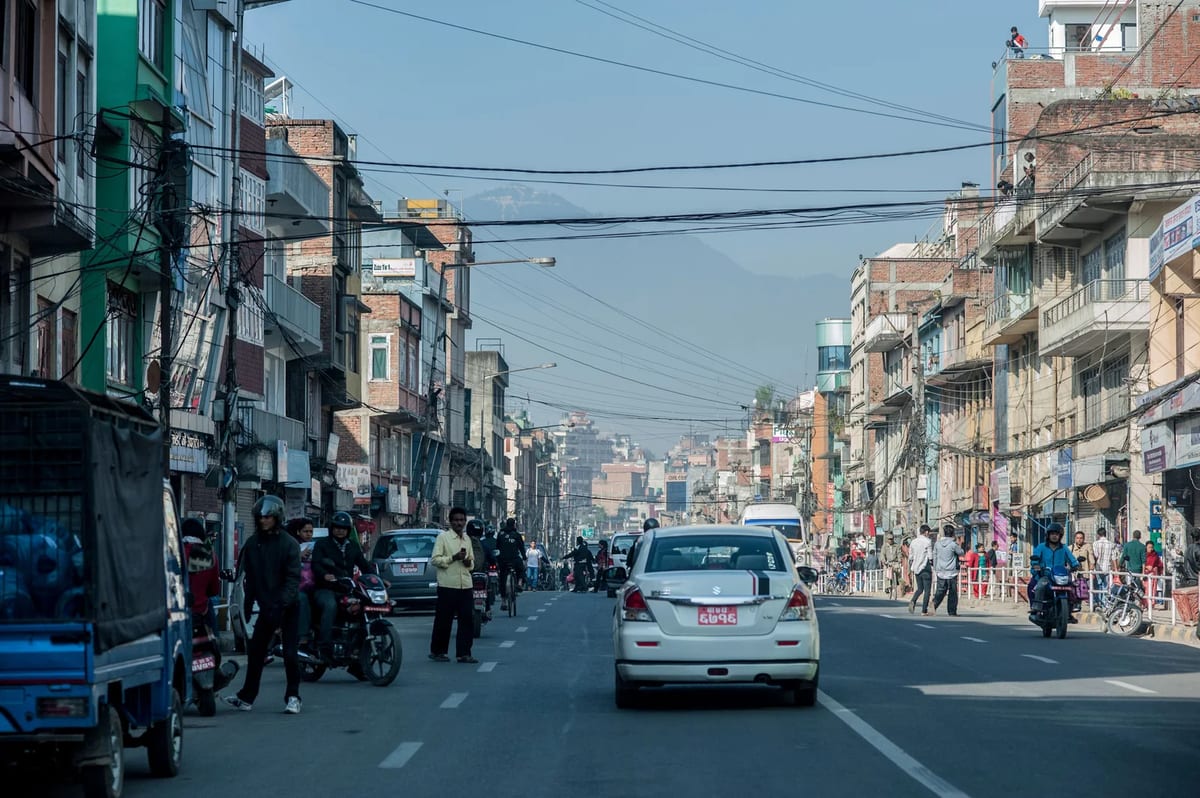
The same guidelines trace the disease’s spread. Nepal’s first case was reported in 2004; from 2006 it was a problem of the lowland Terai, and since 2010 epidemics have affected lowland districts and mid-hill areas. The guidelines list outbreaks in Chitwan, Jhapa and Parsa, then Rupandehi and Mahottari, then Kaski — the district that contains Pokhara — in 2018 and Sunsari in 2019.
| Year | What the official record shows | Source |
|---|---|---|
| 2004 | First dengue case reported in Nepal | EDCD guidelines; WHO |
| 2006 | Cases in the central and western Terai and Kathmandu after the monsoon | EDCD guidelines |
| 2018 | Outbreak in Kaski district (Pokhara) | EDCD guidelines |
| 2022 | 28,109 cases and 38 deaths by 28 September, all 77 districts affected; Kathmandu and Lalitpur the worst hit | WHO, citing EDCD |
| 2023 | Cases shifted to the south-east Terai and hill districts of Gandaki province | WHO |
Nepal is not an outlier. The CDC Yellow Book classes Nepal alongside India, Pakistan, Bangladesh, Sri Lanka and Bhutan as places with frequent or continuous dengue risk, so the same precautions apply across South Asia.
The 2022 outbreak was the largest Nepal has recorded, according to the World Health Organization. Kathmandu district reported 9,528 cases and Lalitpur 6,548 — both inside the valley where almost every trek begins and ends — and 83.6% of the year’s cases to 28 September came in September alone.
Why the trails carry less risk than the cities
Dengue is a disease of towns and settlements, because the mosquito that carries it breeds in water containers around homes. The WHO says dengue is found mostly in urban and semi-urban areas. The EDCD guidelines describe Aedes aegypti, the main carrier, as thriving in and around urbanised areas and laying its eggs in containers of water near people.
That is why the official outbreak lists above name lowland and mid-hill districts and the Kathmandu valley, not high trekking regions. The honest limit: none of the official sources checked for this article gives an altitude above which dengue cannot occur, so this article does not quote one. The practical rule is about where you sleep and spend your days. Your exposure is highest in Kathmandu, Pokhara, Chitwan and the Terai, and on the road days before and after a trek.
Symptoms and warning signs
Most dengue is mild or silent, but the warning signs of severe dengue tend to appear as the fever falls, which is when people wrongly assume they are recovering. The WHO says symptoms usually begin four to ten days after infection and last two to seven days. The CDC Yellow Book gives a typical incubation of five to seven days.
| Usual dengue | Warning signs of severe dengue |
|---|---|
| High fever, up to 40°C | Severe abdominal pain |
| Severe headache and pain behind the eyes | Persistent vomiting, or blood in vomit or stool |
| Muscle and joint pain | Bleeding gums or nose |
| Nausea, vomiting, swollen glands | Rapid breathing, restlessness or extreme tiredness |
| Rash | Pale, cold skin, great thirst, weakness |
| Action: rest, fluids, paracetamol, see a doctor | Action: go to hospital immediately |
Source for the table: the WHO’s dengue fact sheet. The WHO adds that a second infection carries a greater risk of severe dengue, which matters for anyone who has had it before in another country, and that fatigue can last for weeks after recovery.
Symptoms can start up to ten days after the bite, so dengue can surface on the flight home or after you land. Tell the doctor you were in Nepal, and when.
How to prevent it
Avoiding mosquito bites is the only prevention most travellers have, and it has to include daylight hours. The CDC says there are no dengue vaccines currently available in the United States, and its Yellow Book says none is recommended for US travellers. The one vaccine it recommends at all is for children aged 9 to 16 with a confirmed previous infection who live in US areas where dengue is endemic.
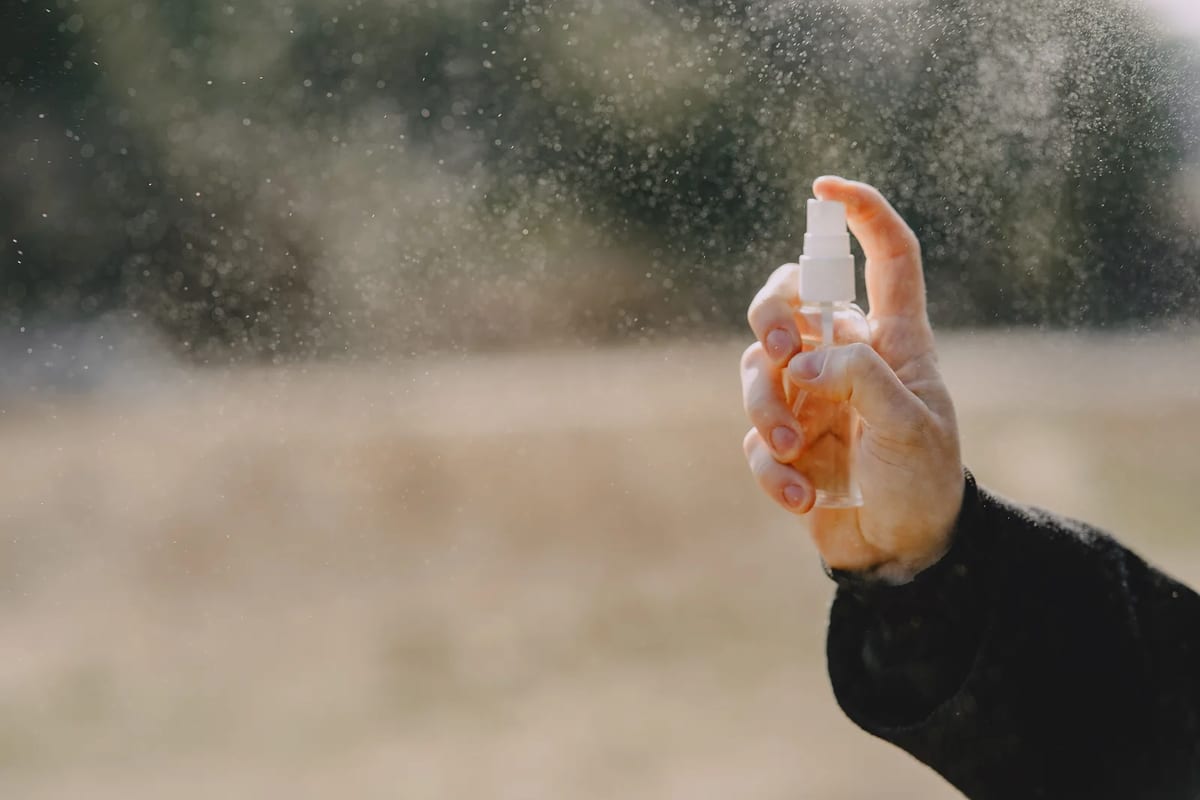
- Use repellent through the day. The CDC recommends an EPA-registered insect repellent; the EDCD guidelines note Aedes bites during the day.
- Cover up. The CDC advises loose, long-sleeved shirts and long trousers.
- Choose a room with window screens or air conditioning, both on the CDC’s list. If you wear sunscreen, put it on first and repellent second.
- Pack paracetamol (called acetaminophen in the US). The CDC recommends it for the first aid kit for exactly this reason.
The Nepal vaccinations guide covers the jabs a travel clinic will discuss, and the trek first aid kit list covers the rest of the kit.
Treatment and what to take
There is no specific treatment for dengue; care means rest, fluids, paracetamol for fever, and hospital if warning signs appear. The WHO says pain can be managed with paracetamol and that ibuprofen and aspirin should be avoided because they can increase the risk of bleeding. The CDC Yellow Book gives the same advice.
That has a practical consequence for trekkers, whose kit bags usually hold ibuprofen for aches and headaches. If you develop a high fever in the lowlands or in the weeks after, stop taking it and switch to paracetamol until a doctor has ruled dengue out. The FCDO notes that healthcare is poor in most of Nepal outside the Kathmandu Valley and Pokhara, so a fever with any warning sign is a reason to get to a city hospital, not to wait.
The verdict
Treat dengue as a city and lowland risk, strongest from September to November, and protect yourself in daylight as well as at night. On the trail, the mosquito is not your main concern. In Kathmandu, Pokhara and Chitwan in autumn, it is worth the repellent every morning.
Who should take extra care: anyone who has had dengue before, because a second infection carries more risk, and anyone adding a Chitwan safari or a Terai stay to a trek during the post-monsoon months.
The months after the monsoon are also the clearest on the trails. Annapurna Base Camp is nine days at $920 USD solo and Everest Base Camp is twelve days at $1,700 USD solo, including permits, a government-registered guide, a porter, teahouses and meals.
See the Annapurna Base Camp trek →Is there dengue in Nepal?
Yes. The CDC classes Nepal as a country with frequent or continuous dengue risk, and the WHO describes dengue as endemic there. Nepal’s national guidelines put the season at September to November.
Is Kathmandu affected by dengue?
Yes. In the 2022 outbreak, the largest Nepal has recorded, Kathmandu district reported 9,528 cases and Lalitpur 6,548, according to the WHO citing Nepal’s Epidemiology and Disease Control Division.
Is there a dengue vaccine for travellers?
Not in the United States. The CDC says no dengue vaccine is recommended for US travellers. Ask a travel clinic in your own country what is licensed there.
Can I take ibuprofen if I might have dengue?
No. The WHO says ibuprofen and aspirin should be avoided because they can increase the risk of bleeding. Use paracetamol for fever and pain, and see a doctor.
When do dengue symptoms start?
Usually four to ten days after the bite, according to the WHO, so symptoms can begin after you have left Nepal.
Keep reading
Which jabs to get, and when to book the clinic.
What to carry, and what the lodges will not have.
The food and water habits that actually matter.
The risk that does follow you up the trail.
Sources: World Health Organization, “Dengue and severe dengue” fact sheet, for symptoms, warning signs, treatment and the urban pattern; WHO Disease Outbreak News, “Dengue – Nepal” (2022) and “Dengue – Global situation” (2023), citing Nepal’s Epidemiology and Disease Control Division; Government of Nepal, Ministry of Health and Population, Epidemiology and Disease Control Division, “National Guidelines on Prevention, Management and Control of Dengue in Nepal” (2019), for season, history, outbreak districts and the vector; US Centers for Disease Control and Prevention, CDC Yellow Book 2026, “Dengue”, and CDC, “Preventing Dengue”; FCDO Nepal travel advice, health; all read on 27 September 2026. This is general information, not medical advice; speak to a doctor or pharmacist about your own situation.
Photos via Pexels: icon0 com (cover), Sherine, Gustavo Fring.
Written by
Anjali ShresthaPokhara-based, NMA-certified trekking guides. We’ve led 5,000+ treks across the Annapurna and Everest regions since 1998 — every word here comes from the trail. More from this author →
Ready to Trek?
From reading about it to standing on it
Our Pokhara-based guides have been doing this since 1998. Tell us your dates and fitness level — we'll build your perfect itinerary. Free, no obligation.
More guides like this
Popular trips to consider
View all treks & toursFree Trekker’s Insider Guide
Permits, packing lists, cost breakdowns — no fluff.
We send one useful email. You can unsubscribe anytime.