
The short version
Cards cover the trip. A trek needs medical and evacuation cover. The three clauses to find in your benefit guide, and the altitude figure yours has to clear.
The travel insurance attached to a credit card is usually trip insurance, not medical insurance. It is built to refund a cancelled holiday, a delayed bag and a late flight. The bill that a trek can actually produce — a helicopter off a mountain and a flight home on a stretcher — is the part card cover rarely touches, and where it does exist it often stops at an altitude below the pass you are walking over. You can settle this in about ten minutes with the benefit guide and a phone call, and this is what to look for.
- Card cover is trip insurance. A trek needs medical and evacuation insurance.
- Read the hazardous activity clause and the altitude limit before anything else.
- Paying for the flight with the card is often a condition of the cover working at all.
- Ask for the answer in writing. A call-centre yes is not a policy term.
What card cover is actually for
Card benefits are designed around the trip, not the body. The protections that come with a travel credit card typically pay out when the trip goes wrong: a cancellation for a covered reason, a delay past a set number of hours, delayed or lost baggage, and damage to a rental car. Those are real and useful, and on a trek they cover the parts before and after the walking — the missed connection, the bag that arrives two days late in Kathmandu.
What they are not built for is a medical event in a remote place. Emergency medical treatment abroad and medical evacuation are the expensive items, and they are usually either absent from card cover or capped at a figure that does not survive a real incident. That is the gap, and it is the whole reason a separate policy exists.
| What a trek can cost you | Card benefits | A proper trekking policy |
|---|---|---|
| Missed connection, delayed bag | Usually covered | Usually covered |
| Cancelling before you fly | Often covered, for listed reasons | Covered, for listed reasons |
| Hospital in Kathmandu | Rarely, and often capped low | Covered to the policy limit |
| Helicopter evacuation from altitude | Rarely | Only if named, and only to its altitude ceiling |
| Repatriation home with a medical escort | Rarely | Covered if the policy says so |
The three lines to find in your benefit guide
Open the benefit guide, not the marketing page, and search for three things. The guide is the legal document; the webpage is an advertisement.
- “Hazardous activities” or “adventure sports” exclusion. This is where trekking is usually dealt with. Find out whether trekking is excluded outright, allowed as an incidental activity, or allowed up to a stated height.
- The altitude figure. If there is a ceiling, compare it with the highest point you will sleep at and walk over — not the average of your trek. Poon Hill tops out at 3,210m, Annapurna Base Camp at 4,130m, Everest Base Camp at 5,364m with Kala Patthar at 5,545m, and the Thorong La at 5,416m.
- “Emergency evacuation and transportation”. Check it exists, check the limit, and check whether it needs pre-authorisation from an assistance company — because at 4,800m with a sick client, nobody is negotiating with a call centre before the helicopter comes.
Card cover very often requires that the trip was paid for with that card, sometimes the whole fare rather than the taxes on a points booking. If you booked the flights on a different card or with miles, the benefit may simply not apply, however good the wording looks.
What the bill looks like if it goes wrong
In Nepal, the numbers are big enough that a gap in cover changes lives, not holidays. From our own rescue coordination: a helicopter evacuation from the Khumbu typically runs $4,000–6,000, from the Annapurna region $3,000–5,000, hospital admission in Kathmandu $500–3,000 a day, and a medical repatriation flight home $15,000–60,000. A worst case with all three runs past $80,000. Our guide to what a helicopter rescue in Nepal costs breaks it down scenario by scenario.
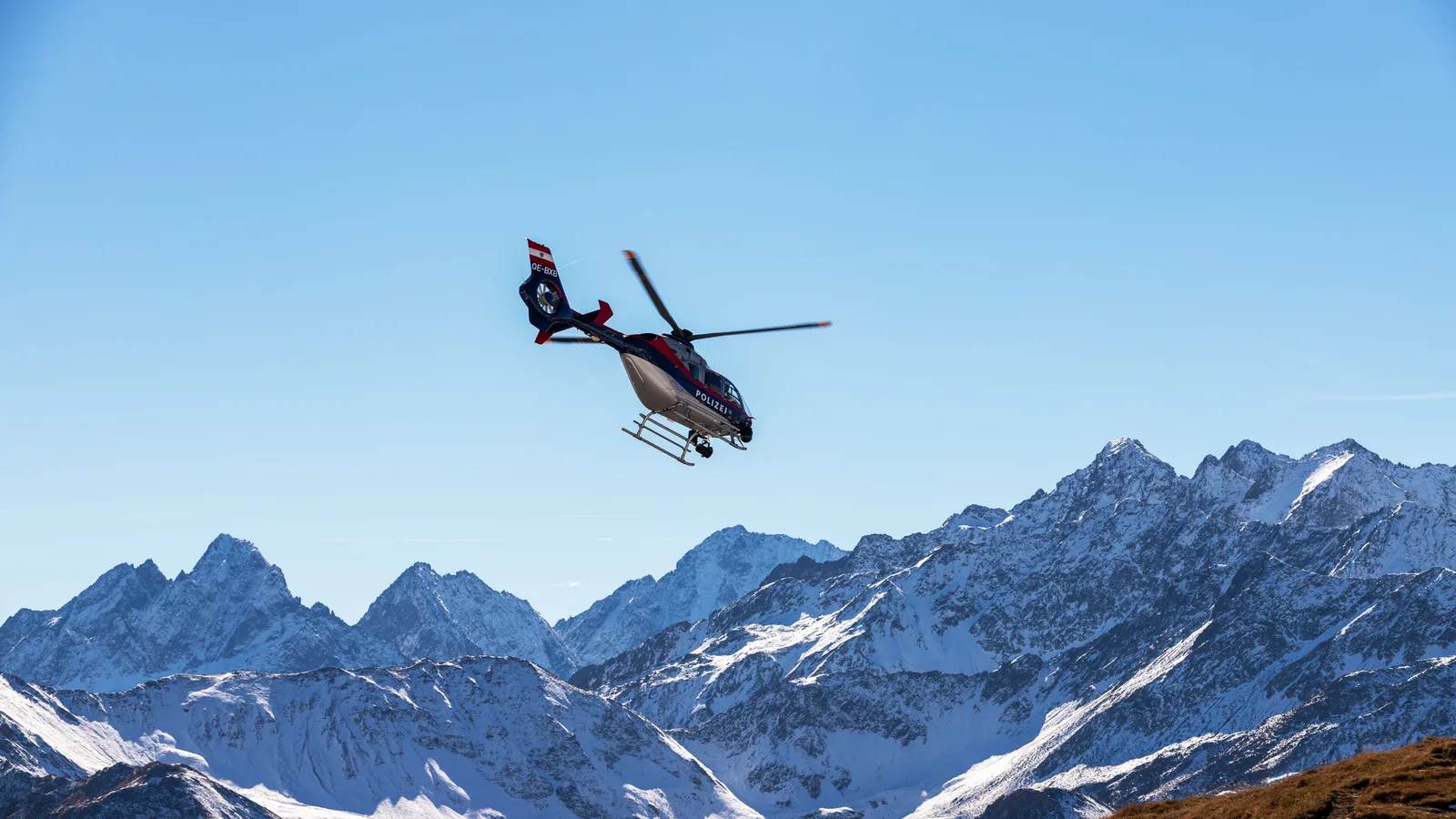
Two operational facts change the calculation. Helicopters in Nepal fly from dawn until roughly 11am and rarely above 6,000m, so evacuation is a morning option, not an on-demand one. And the decision that keeps people alive is descending early, not being rescued well.
How to check yours in ten minutes
Call the number on the back of the card and ask three questions, then get the answer in writing.
- “Does this card’s travel cover include emergency medical treatment and medical evacuation abroad, or only trip cancellation, delay and baggage?”
- “Is trekking on foot to 5,400 metres excluded as a hazardous activity, and is there an altitude limit?”
- “Does the cover apply if the international flights were booked with points rather than on this card?”
Ask them to email the relevant clause. If the answer is that medical and evacuation are not included, that is not a reason to change cards; it is a reason to buy a policy that does cover it, and to keep the card benefits for the delay and baggage side, where they are genuinely useful. The two are complementary, and claiming on both for different parts of the same incident is normal.
What we ask of our own clients
We require insurance that covers the altitude of the trek you booked, helicopter evacuation and repatriation, with a 24-hour emergency number. We do not sell insurance, we take no commission from any insurer, and we will not tell you which brand to buy: the right policy depends on your residency, your age and your trek’s maximum altitude, and those three things move the answer more than any ranking does.
What we will do is tell you the number your policy has to clear. Send us your itinerary and we will confirm the highest sleeping altitude and the highest point on foot, so you can hold a policy against a figure instead of a feeling. Our Nepal travel insurance guide sets out the rest, and there are country versions for Americans and Australians.
Every itinerary we run has a stated maximum sleeping altitude and a highest point on foot, and those are the two numbers an insurer asks for. Annapurna Base Camp is nine days to 4,130m at $920 USD solo; Everest Base Camp is twelve days to 5,364m, with Kala Patthar at 5,545m, at $1,700 USD solo. Permits, a government-registered guide, a porter, teahouses and meals are included; insurance never is, anywhere.
Ask for the altitude figures →Does my credit card travel insurance cover trekking in Nepal?
Usually only the trip side of it. Card benefits typically cover cancellation, delay and baggage, while emergency medical treatment and evacuation are often absent or capped. Check the hazardous-activity clause and any altitude limit in the benefit guide.
What altitude do I need to be insured to?
The highest point of your trek, not the average. Poon Hill reaches 3,210m, Annapurna Base Camp 4,130m, the Thorong La 5,416m, and Everest Base Camp 5,364m with Kala Patthar at 5,545m.
How much does a helicopter evacuation in Nepal cost?
Typically $4,000–6,000 from the Khumbu and $3,000–5,000 from the Annapurna region, with hospital care in Kathmandu at $500–3,000 a day and repatriation home at $15,000–60,000.
Do I have to pay for the trip with the card for the cover to work?
Very often, yes, and sometimes the whole fare rather than just the taxes on a points booking. It is one of the most common reasons a claim is refused.
Can I rely on the card and skip separate travel insurance?
Not for a high-altitude trek. The card may handle a delayed bag, but a helicopter and a repatriation flight are the costs that matter here, and they usually sit outside card cover.
Keep reading
The real numbers, scenario by scenario, and why flights stop by 11am.
What a policy must say before it is any use on a trek.
Why insurance sits outside every trek price, everywhere.
The rights side, for the part of the trip before the trail.
Written by
Bishnu AdhikariPokhara-based, NMA-certified trekking guides. We’ve led 5,000+ treks across the Annapurna and Everest regions since 1998 — every word here comes from the trail. More from this author →
Share this article
Ready to Trek?
From reading about it to standing on it
Our Pokhara-based guides have been doing this since 1998. Tell us your dates and fitness level — we'll build your perfect itinerary. Free, no obligation.
Why trek with our licensed agencyMore guides like this
Popular trips to consider
View all treks & toursFree Trekker’s Insider Guide
Permits, packing lists, cost breakdowns — no fluff.
We send one useful email. You can unsubscribe anytime.