
Trekking Nepal After the 2026 Floods: Annapurna and Everest Are Open, Langtang Is Not
Annapurna and Everest are open for autumn 2026. Nepal Tourism Board advises postponing Langtang and Rasuwa. What changed, and how to book protected.

On this page (8)
Every enquiry in our inbox this week asks a version of the same question: after the floods, should I still come to Nepal this autumn?
Here is our answer, and we will give it to you straight because we live here. Annapurna and Everest are open and unaffected. Langtang and the Rasuwa corridor are not — do not book them yet. If your trek was going to be Annapurna Base Camp, the Circuit, Poon Hill, Everest Base Camp or Gokyo, nothing about your plan needs to change.
The short version. Two separate floods hit Nepal this monsoon. Neither touched the Everest region. One damaged a bridge on the Annapurna Base Camp approach in July, now in the normal post-monsoon repair cycle. The serious one, on 26 August, hit Rasuwa on the Tibet border — and the Nepal Tourism Board has advised postponing travel through the Galchhi–Nuwakot–Rasuwa–Syabrubesi corridor until roads and safety improve. That corridor is the only way into Langtang.
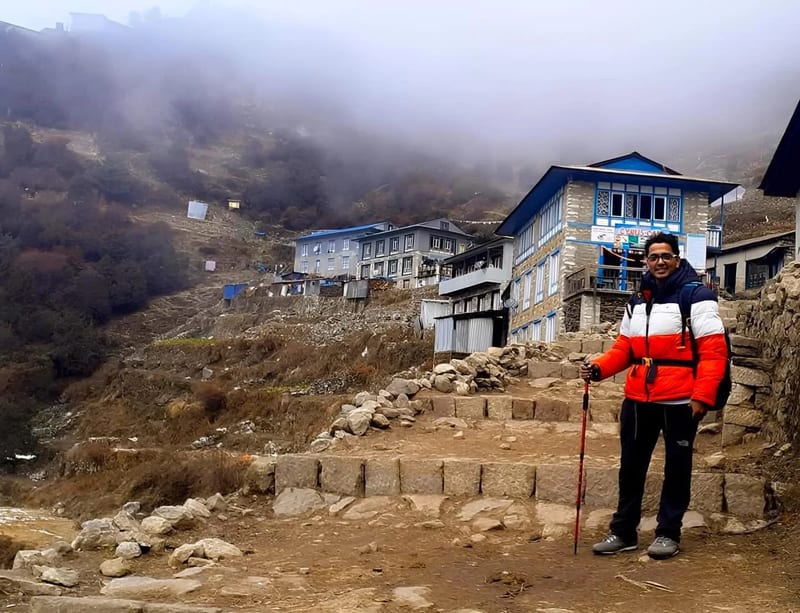
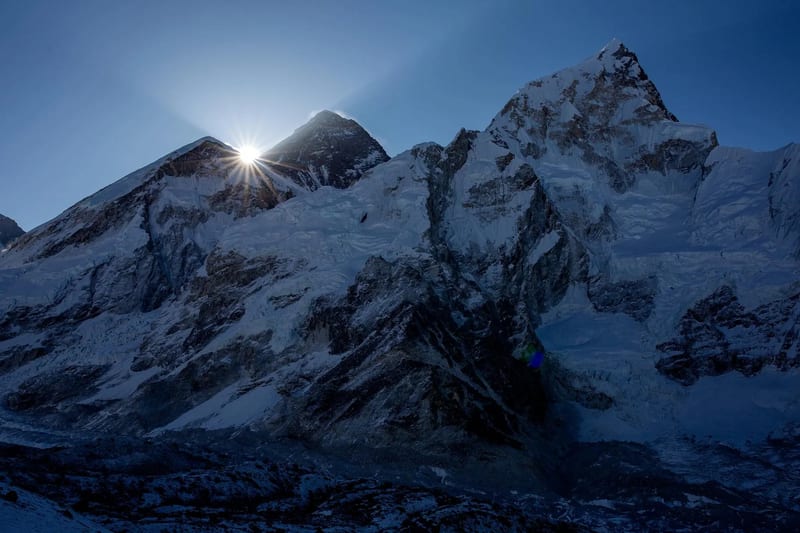
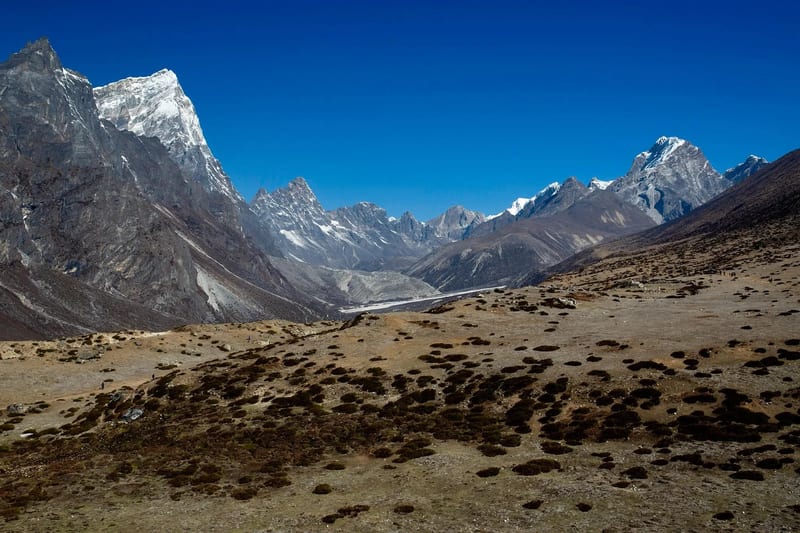
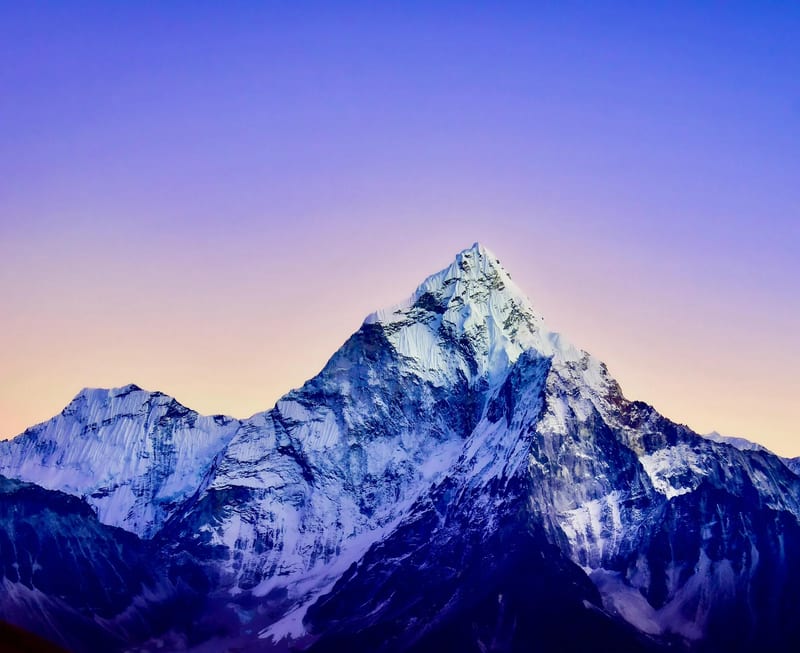
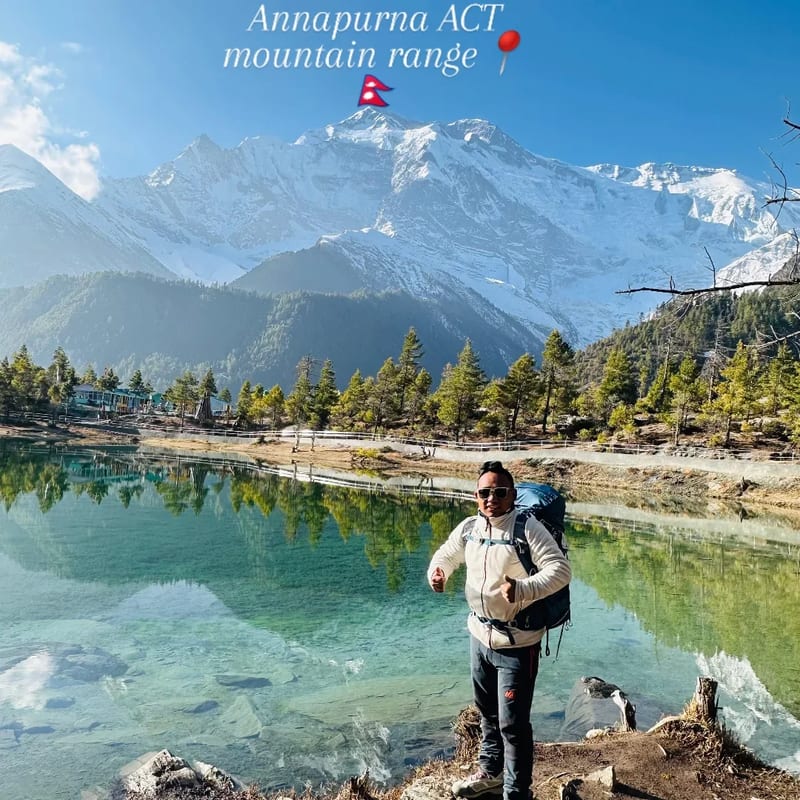 Annapurna Circuit, still very much walkable this autumn." loading="lazy">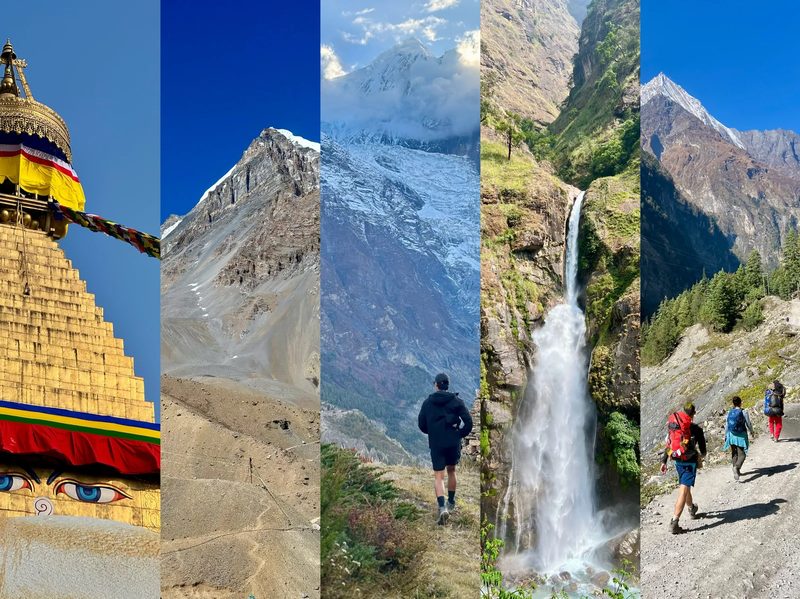
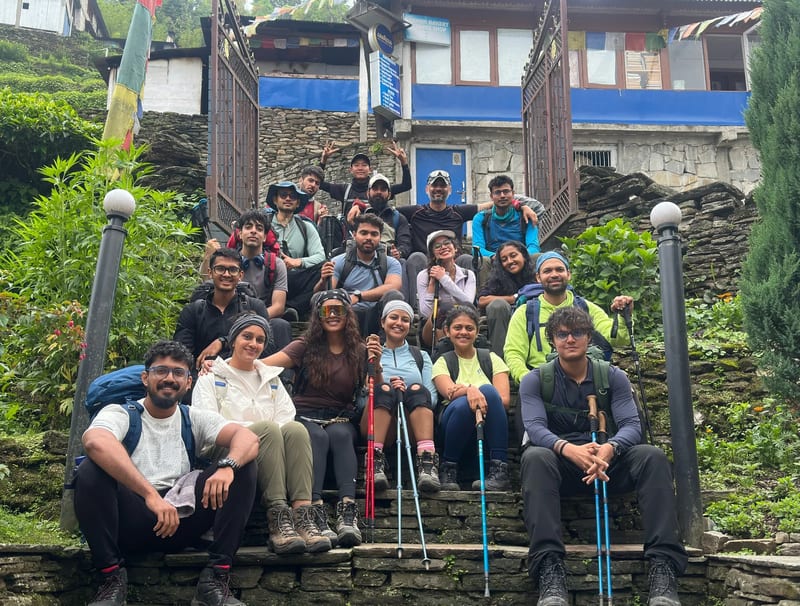
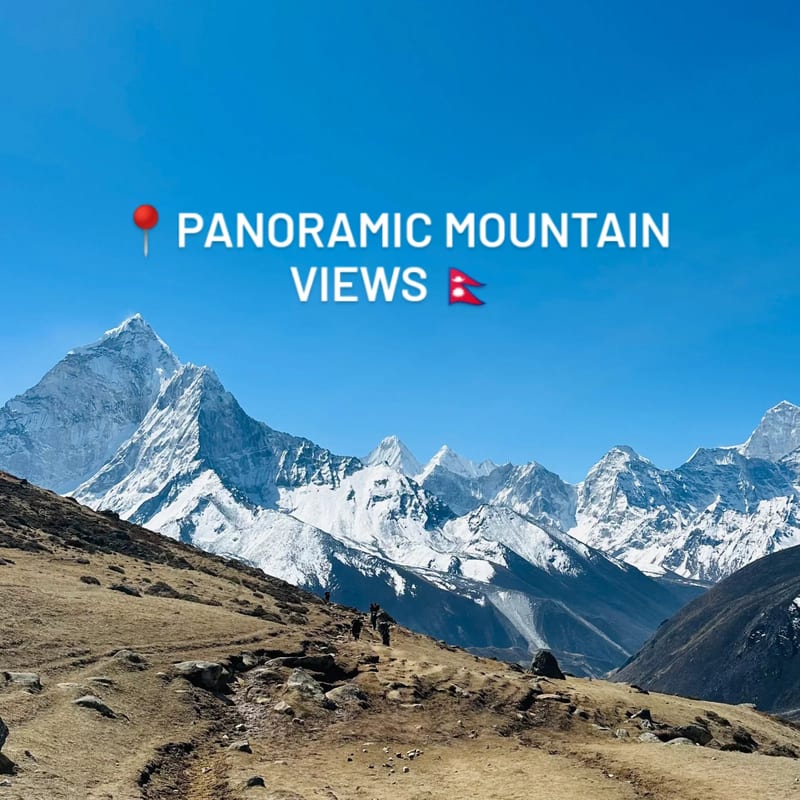
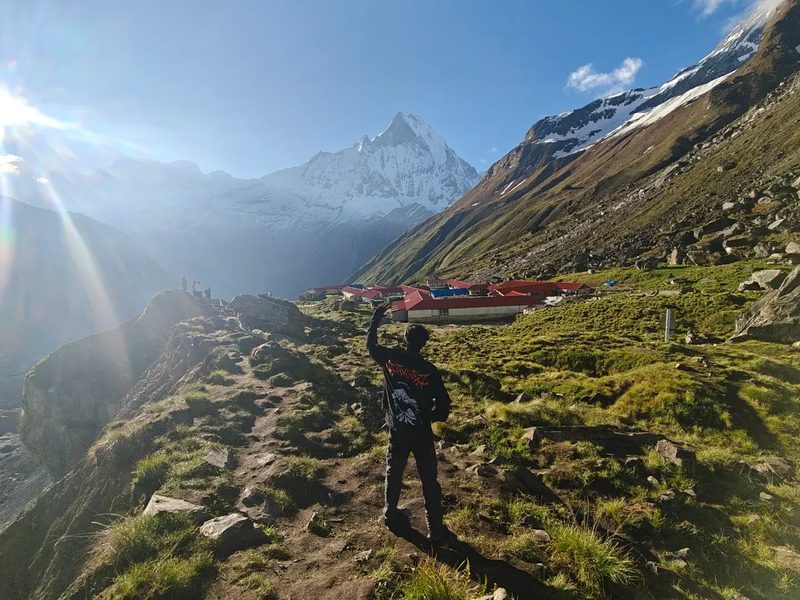
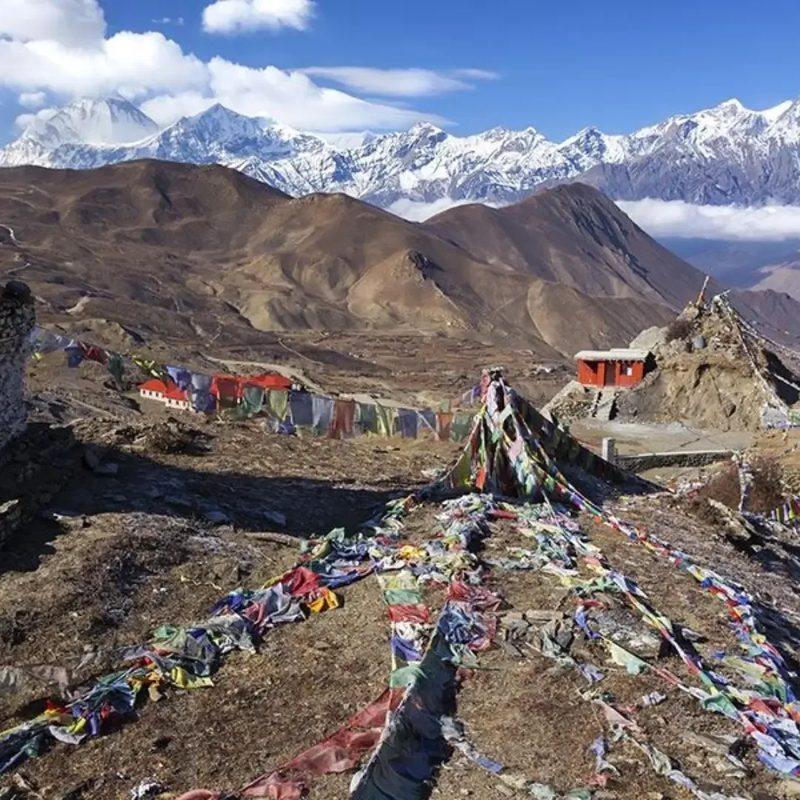
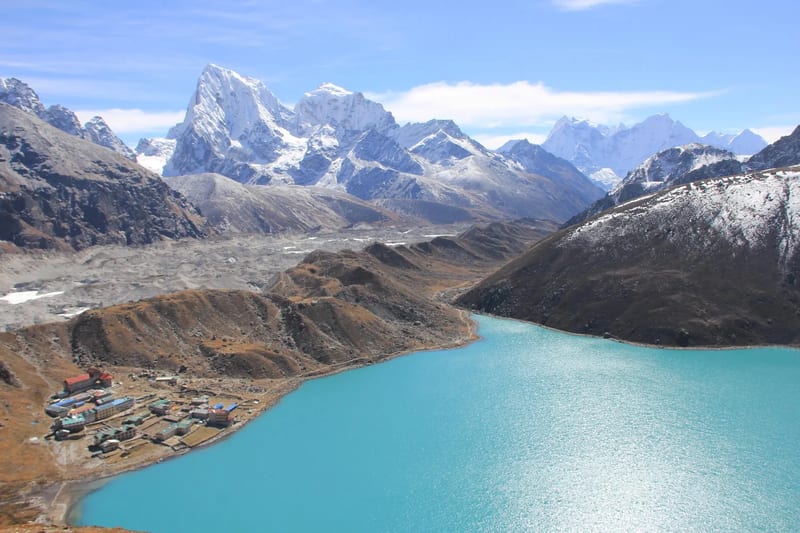
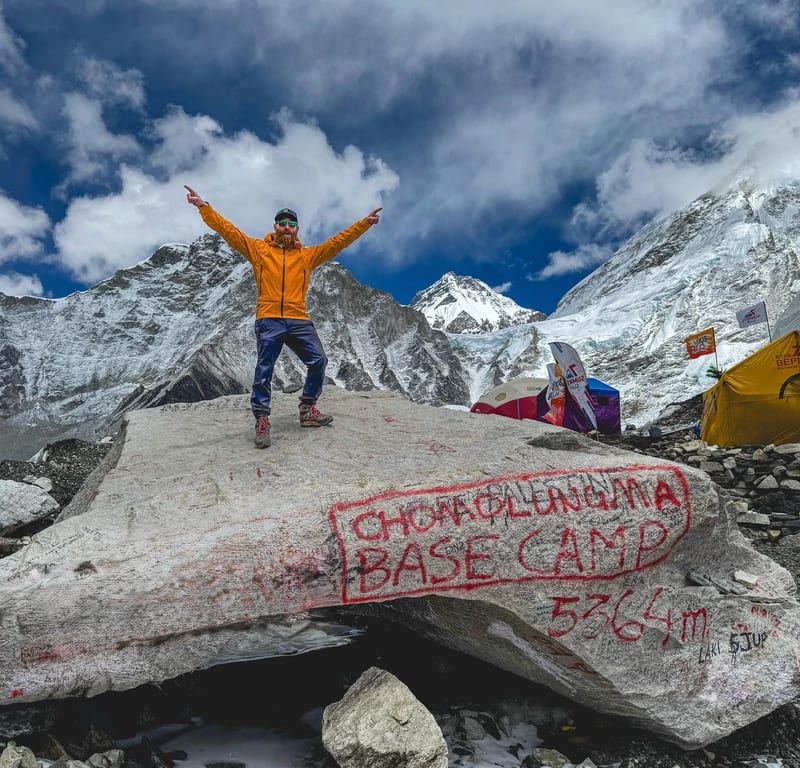
What actually happened, and where
It matters to separate the two events, because much of the coverage has run them together.
Mid-July, the Modi Khola. Days of heavy rain swelled the Kimrong Khola and the Modi River. A landslide is believed to have dammed the river upstream before giving way, and the surge took out the suspension bridge crossing to Ghurjung and eroded trail near Syauli Bazaar — both on the Annapurna Base Camp approach. Two hotels at Banthanti were damaged and riverside restaurants at Syauli Bazaar destroyed.
26 August, Rasuwa. A far larger flash flood, believed to have come from a glacial lake outburst on the Lhende Khola, hit Syabrubesi and Timure on the Tibet border. At least 392 people are confirmed dead (389 in Nepal, 3 in China) and more than 1,468 remain missing, including 668 tourists from 34 countries. Figures are provisional and have risen every day since 26 August. The Trishuli–Mailung–Syabrubesi road was cut.
These are roughly 150 km apart, in different river systems, and neither is anywhere near the Khumbu.
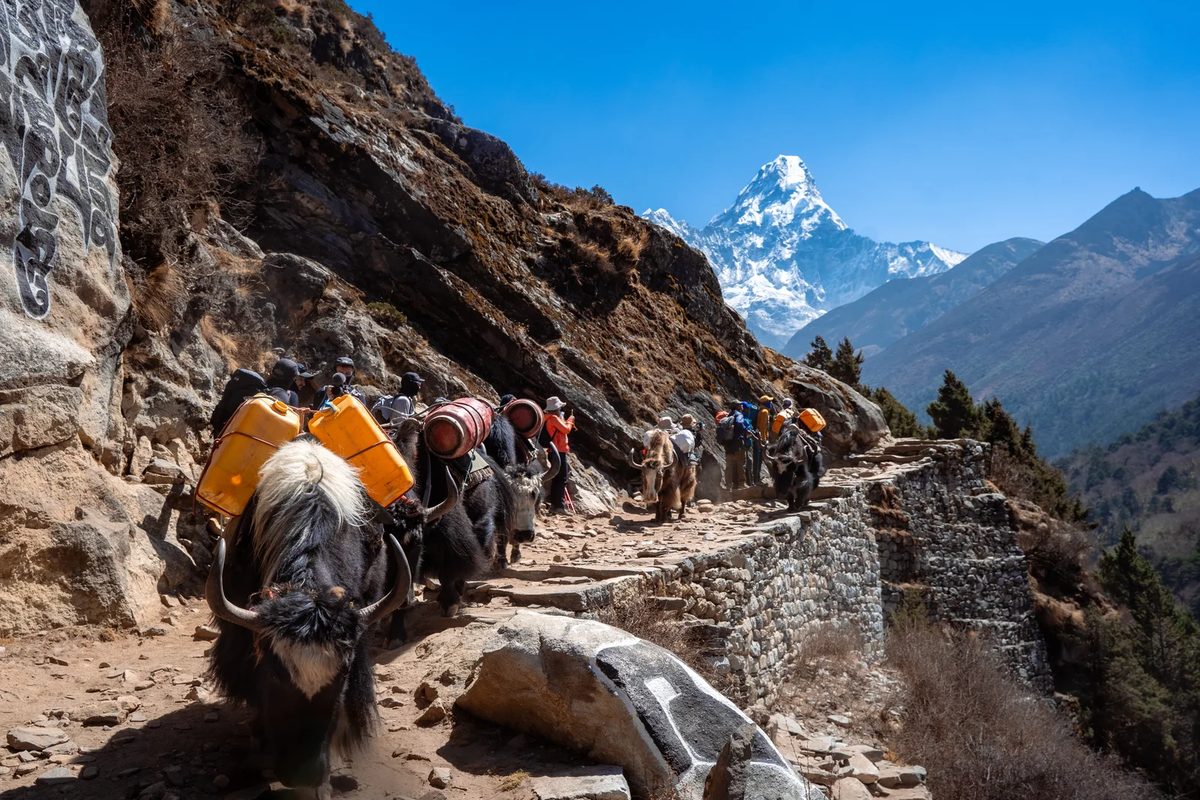
Region by region, as it stands
| Region | Status for autumn 2026 | What we would do |
|---|---|---|
| Everest / Khumbu | Unaffected | Book normally. Nothing has changed. |
| Annapurna Base Camp | Open; July bridge damage under repair | Book, and we confirm the Ghurjung crossing before you walk. |
| Annapurna Circuit, Poon Hill, Mardi Himal | Unaffected | Book normally. |
| Manaslu | Open; the usual monsoon trail damage | Book, and expect ordinary post-monsoon repairs. |
| Langtang, Gosaikunda, Tamang Heritage | Access cut. Tourism Board advises postponing | Do not book yet. We are not selling these until the road is confirmed. |
Why the trails recover, every single year
This is the part visitors find hardest to believe, and the most important thing we can tell you.
Nepal rebuilds its trails after every monsoon. Not occasionally — annually. Bridges wash out, sections slip, and between the end of the rain in late September and the arrival of the autumn crowds they get repaired. It is ordinary maintenance on an extraordinary scale, and it is why a country with this much water and this much gradient still opens a trekking season every October.
The monsoon officially ends on 30 September. Autumn then delivers the clearest air and the most stable weather of the year. That has not been cancelled.
Autumn dates are still open, for now
October and November are the busiest six weeks of the Nepali year and guides get committed early. Annapurna Base Camp runs from US$730 per person for a pair over seven days; Everest Base Camp from US$1,650 per person over fourteen. Both include guide, porter, permits, teahouses and every meal on the trail.
How to book so that you are actually protected
The floods have not made trekking Nepal unsafe. They have made it worth booking properly. Four things matter.
1. Insurance with helicopter evacuation to 4,500 m. This is the one people get wrong. A great many standard travel policies cap trekking cover at 3,000 m — below Namche, below Deurali, below anywhere you are actually going. Read the altitude limit before you buy, not after.
2. A written reroute and cancellation position. Ask any operator, in writing, what happens if a trail on your itinerary closes. Ours: we reroute you at no extra cost, or if there is no acceptable alternative you do not go and you are not charged. We would rather move a trek than walk someone onto a compromised trail.
3. A local operator who can actually check. We are 45 minutes from the Annapurna trailhead. Confirming whether a bridge has been rebuilt is a phone call for us and a rumour for someone booking from abroad.
4. Two spare days. Not because of floods — because of Lukla. Autumn weather closes that airstrip regularly, and a buffer turns a crisis into an inconvenience.
Book now, or wait?
Book now
- You are going to Annapurna or Everest
- You want October or November dates
- You want a choice of guides
- You are a group and need teahouse space
Wait
- Your heart is set on Langtang or Gosaikunda
- You cannot get insurance covering 4,500 m
- You have no flexibility on dates and no buffer days
Our verdict: if you were coming for Annapurna or Everest, come. If you were coming for Langtang, move it to spring 2027 — and let us help you do that rather than talk you into something you did not want.
What to check before you pay anyone
The altitude limit on your policy
Not the price. The metres. Anything under 4,500 m is not cover for a Himalayan trek.
What happens if a trail closes
Get the reroute and refund position in writing before the deposit, not after.
Who is checking the route
Ask when the operator last had someone on that trail. Vagueness is the answer.
Your buffer days
Two spare days at the end of an Everest trip. Lukla will eventually need them.
Why we are telling you not to book something
We sell Langtang treks. Taking them off the table for autumn costs us money, and we have done it anyway, because the Tourism Board is right and because a trek that strands you at a broken road is worse for us than a trek we never sold.
It is the same reason we tell people to rent a down jacket rather than buy one, and that the ten-day Everest itinerary is where trekkers get altitude sickness and turn back. Est. 1998, NMA-certified guides, more than 5,000 treks — you do not last that long in Pokhara by telling people what they want to hear.
Tell us your dates and we will tell you the truth
We will say if your plan works, and we will say if it does not. Annapurna Base Camp from US$730 per person, Everest Base Camp from US$1,650, both fully inclusive on the trail.
Is it safe to trek in Nepal in autumn 2026?
Yes, on the Annapurna and Everest trails, which were unaffected by the August flood. The Nepal Tourism Board advises postponing travel through the Galchhi–Nuwakot–Rasuwa–Syabrubesi corridor, which is the access route to Langtang and Gosaikunda.
Was Everest Base Camp affected by the floods?
No. Both floods were in the Annapurna and Rasuwa river systems. The Khumbu is a different region entirely and the Everest Base Camp route is running normally.
Can I still trek to Annapurna Base Camp?
Yes. A suspension bridge to Ghurjung and a trail section near Syauli Bazaar were damaged in July and are in the normal post-monsoon repair cycle. We confirm the crossing is in place before any group walks it.
When does the monsoon actually end?
Nepal’s monsoon officially runs 1 June to 30 September, with withdrawal usually in the first days of October. Autumn then delivers the most stable weather of the year.
What altitude does my travel insurance need to cover?
At least 4,500 m for Annapurna Base Camp and Everest Base Camp, including helicopter evacuation. Many standard policies cap trekking cover at 3,000 m, which is below the villages you will sleep in.
What happens if a trail closes after I have paid?
With us, we reroute you at no additional cost, and if no acceptable alternative exists you do not travel and you are not charged. Ask any operator to put their position in writing before you pay a deposit.
Should I book now or wait and see?
If you want October or November on Annapurna or Everest, book now — those six weeks are the busiest of the year and guides are committed early. If you specifically want Langtang, plan for spring 2027.
Keep reading
Annapurna Base Camp trek guide
The full route, day by day, with what each stage actually asks of you.
ACAP and TIMS permits
What the two Annapurna permits cost in 2026 and where to get them.
Autumn trekking in Nepal
Why October and November are the clearest weeks of the Himalayan year.
Nepal travel safety
Altitude, insurance, road travel and the risks worth actually planning for.
Send us your dates and we will tell you honestly whether they work — talk to us about autumn 2026.
Written by
Kevin CrowPokhara-based, NMA-certified trekking guides. We’ve led 5,000+ treks across the Annapurna and Everest regions since 1998 — every word here comes from the trail. More from this author →
Ready to Trek?
From reading about it to standing on it
Our Pokhara-based guides have been doing this since 1998. Tell us your dates and fitness level — we'll build your perfect itinerary. Free, no obligation.
More guides like this
Popular trips to consider
View all treks & toursFree Trekker’s Insider Guide
Permits, packing lists, cost breakdowns — no fluff.
We send one useful email. You can unsubscribe anytime.