The short version
Upper Mustang needs a Restricted Area Permit — US$500 per person for the first 10 days (plus US$50/day after) — together with ACAP (NPR 3,000). It is a restricted area: a licensed guide and a minimum of two trekkers are required. Accurate 2026 cost and rules.
- Upper Mustang is a restricted area. You need a Restricted Area Permit (RAP): US$50 per person per day — about US$523 for a standard 10-day trek.
- You also need the ACAP (NPR 3,000 ≈ US$23) — Upper Mustang sits within the Annapurna Conservation Area.
- A licensed guide and a minimum of two trekkers are required; the permit is issued only through a registered agency in Kathmandu. Solo/independent trekking is not allowed.
- A standard 10-day trek to Lo Manthang costs about US$523 in permits per person.
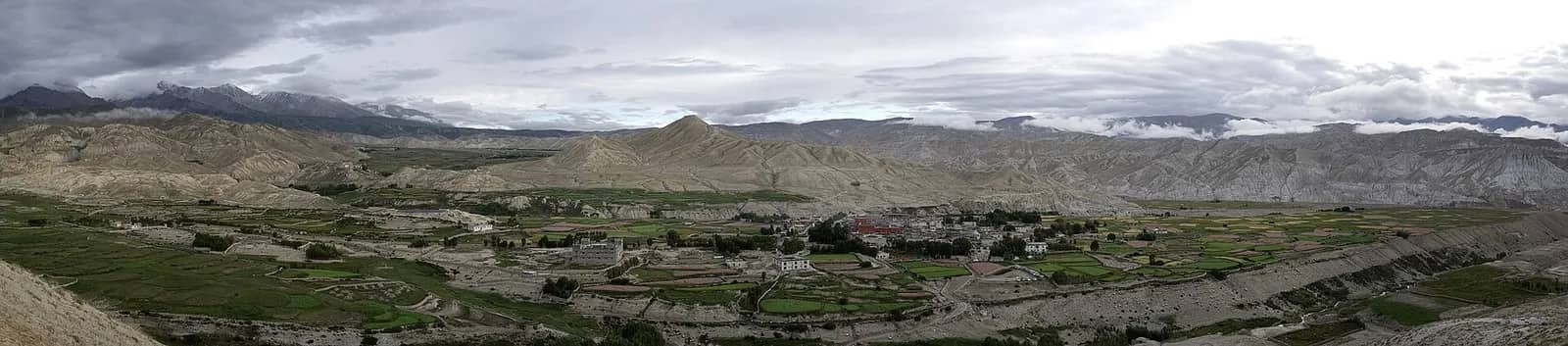
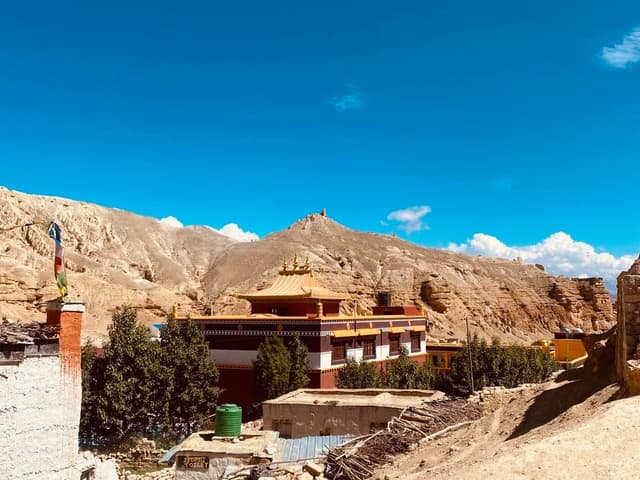
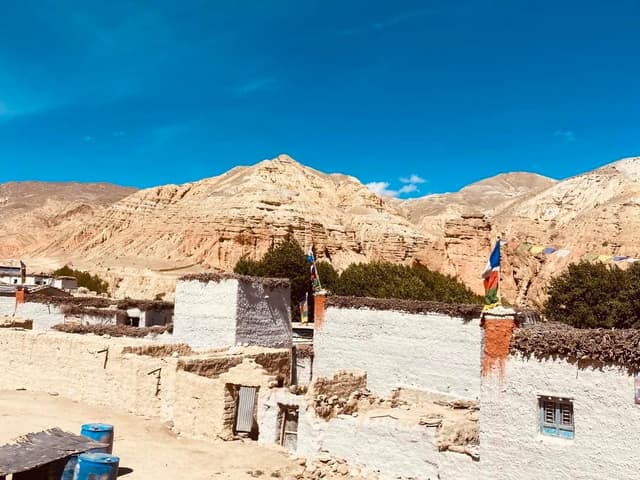
Upper Mustang — the former Kingdom of Lo, north of Kagbeni — is one of Nepal's most tightly protected trekking regions. Access is controlled by a special Restricted Area Permit, and the rules have stayed consistent for years. Beware older blog posts claiming the fee was scrapped or that solo trekking is now allowed — that is not correct. Here is the accurate 2026 picture.
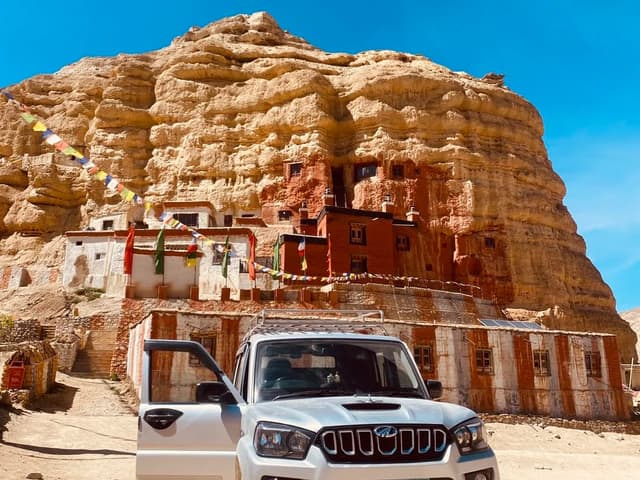
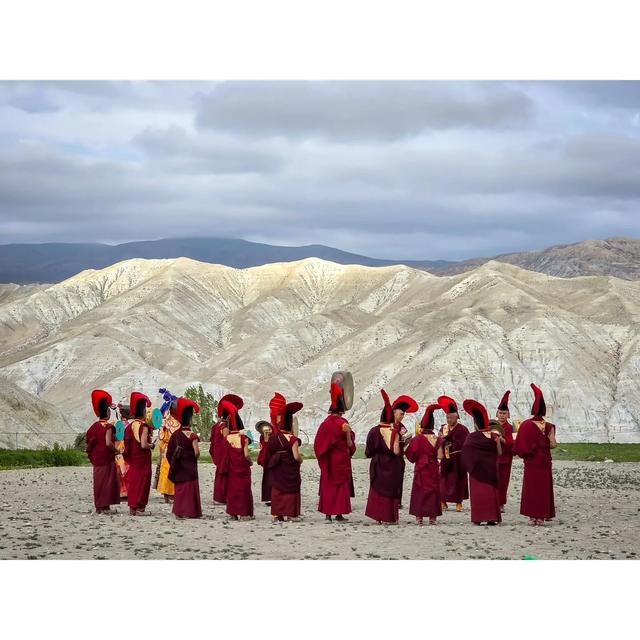
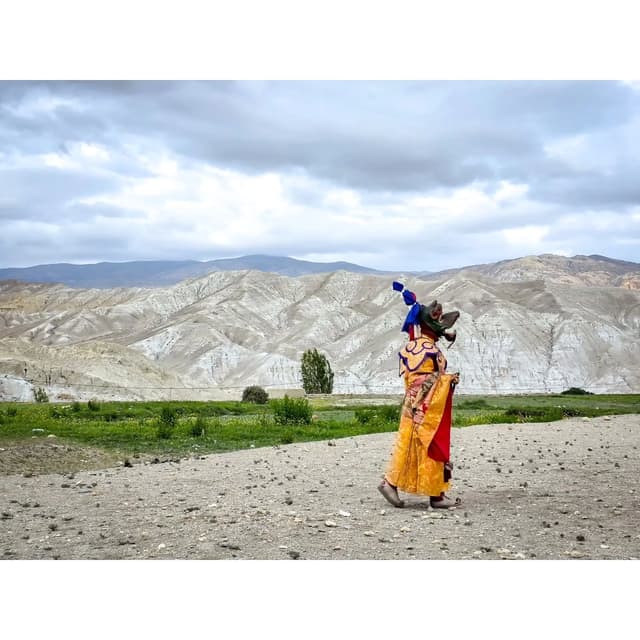
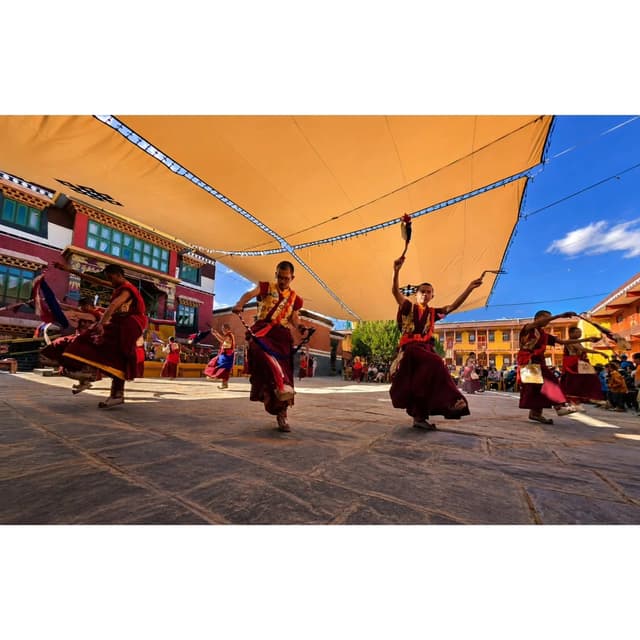
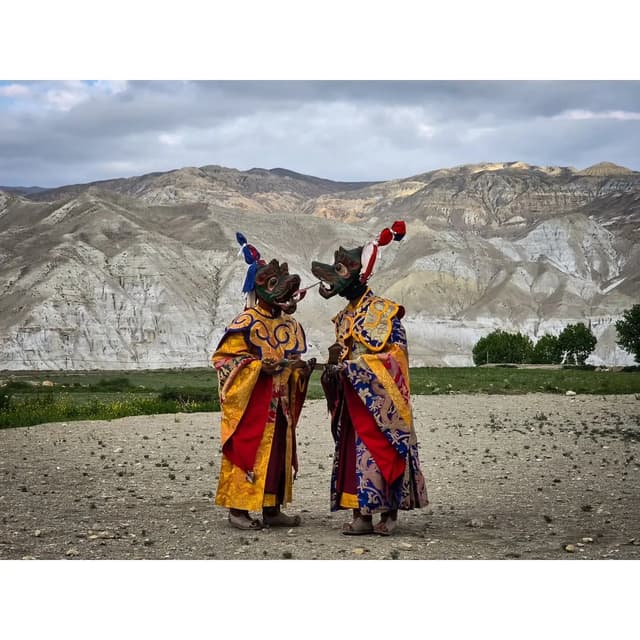
Upper Mustang permit cost 2026
Two permits are required for Upper Mustang, and the restricted permit is priced in US dollars:
| Permit | 2026 cost (foreign national) | Notes |
|---|---|---|
| Restricted Area Permit (RAP) | US$50 per person per day | ≈US$523 for a 10-day trek |
| ACAP (Annapurna Conservation Area) | NPR 3,000 (≈ US$23) | required in addition to the RAP |
| Licensed guide | Mandatory | registered guide via a government-licensed agency |
So a standard 10-day Upper Mustang trek runs roughly US$523 in core permits per person — US$500 of restricted permit at US$50 a day, plus about US$23 of ACAP.
What a shorter trek costs — and why this changed
Until late 2025 the restricted permit was a flat US$500 for the first ten days, whether you spent ten days up there or four. Nepal replaced that with a straight US$50 per person per day, and the difference only shows on shorter trips:
| Days in the restricted zone | RAP | + ACAP | Total permits |
|---|---|---|---|
| 5 days | US$250 | US$23 | US$273 |
| 7 days | US$350 | US$23 | US$373 |
| 10 days | US$500 | US$23 | US$523 |
| 14 days | US$700 | US$23 | US$723 |
Under the old rule a five-day visit still cost US$500. It now costs US$250. If you were quoted a flat US$500 for a short Upper Mustang trip, that quote is using the old structure.
Which days actually count
This is where people overpay, so it is worth being precise. The permit counts only the days you spend north of Kagbeni, inside the restricted zone — not your whole trip.
A fourteen-day itinerary from Pokhara might include two days getting to Kagbeni and two days coming back, leaving ten days that need the restricted permit. You pay US$500, not US$700. When an agency quotes you, ask how many restricted days they have applied for and check it against your itinerary — an extra day or two of padding is easy to add and hard to spot.
Lead time and what the agency needs
The RAP is issued by the Department of Immigration in Kathmandu, not at a trailhead counter, and it is not same-day. Allow a couple of working days, more around festivals and public holidays.
Your agency will need your passport (the original, not a copy), passport photographs, and firm trek dates — the permit is issued for a fixed window, so if your start slips you may need it reissued. Send your details early rather than arriving in Kathmandu and starting the process then.
The two-trekker rule, in practice
The permit requires a minimum of two foreign trekkers plus a licensed guide, and this is enforced at the Kagbeni checkpoint rather than being a formality.
What that means if you are travelling alone: you cannot simply pay double. You need a second person on the permit. Most agencies, ourselves included, can pair you with another solo trekker on the same dates, or add you to an existing group. Ask early — this is much easier to solve two months out than two days out.
If your partner drops out after the permit is issued, tell your agency immediately. It is a fixable problem while you are still in Kathmandu and a trip-ending one at the checkpoint.
Upper Mustang requires a group of at least two foreigners and a licensed guide. The RAP cannot be issued to individuals directly — only a registered trekking agency in Kathmandu can obtain it for you. Trekking south of Kagbeni (Lower Mustang) does not need the restricted permit.
How to get your Upper Mustang permit
Book through a registered agency (such as Travel Himalaya Nepal). Provide your passport, passport photos and trek dates; the agency applies for the RAP at the Department of Immigration in Kathmandu and arranges your ACAP and guide. The RAP is issued for a fixed window, so confirm your start date. You collect or carry the permits and present them at the Kagbeni and Lo Manthang checkpoints.
Best time to trek Upper Mustang
Because Upper Mustang lies in the Himalayan rain shadow, it stays largely dry through the monsoon (June–August) and is trekkable in spring, summer and autumn — one of the few Nepal regions you can do in the wet season. Spring (with the Tiji festival) and autumn are the most popular.
Use our free Nepal permit cost calculator for your group and trek length, or read the full Upper Mustang permit guide and the Upper Mustang trek guide.
How much is the Upper Mustang permit for a shorter trek?
US$50 per person per day, so five days in the restricted zone costs US$250, seven days US$350 and fourteen days US$700 — plus about US$23 of ACAP in every case. Until late 2025 it was a flat US$500 for the first ten days regardless, so if you have been quoted US$500 for a short trip, that quote is using the old structure.
Which days does the Upper Mustang permit count?
Only the days spent north of Kagbeni, inside the restricted zone — not your whole trip. A 14-day itinerary from Pokhara that spends ten days beyond Kagbeni needs a ten-day permit, US$500 rather than US$700. Ask your agency how many restricted days they have applied for and check it against the itinerary.
How long does the Upper Mustang permit take to issue?
It is issued by the Department of Immigration in Kathmandu and is not same-day — allow a couple of working days, and longer around festivals or public holidays. Your agency needs your original passport, photographs and firm dates, since the permit is issued for a fixed window.
What if I am travelling to Upper Mustang alone?
You cannot pay double to trek alone — the permit needs a second foreign trekker on it, and this is checked at Kagbeni rather than waved through. Ask your agency to pair you with another solo trekker on the same dates or add you to an existing group. It is far easier to arrange two months ahead than two days ahead.
How much does the Upper Mustang permit cost in 2026?
About US$523 per person for a standard 10-day trek: the Restricted Area Permit is US$50 per person per day (about US$523 for 10 days) and ACAP is NPR 3,000 (≈ US$23).
Can I trek Upper Mustang solo?
No. Upper Mustang is a restricted area requiring a licensed guide and a minimum of two trekkers; the permit is issued only through a registered agency.
Can I trek Upper Mustang in the monsoon?
Yes — it lies in the rain shadow and stays largely dry from June to August, making it one of the few Nepal regions trekkable in the monsoon.
Private Mustang departures on any date, hand-picked NMA guides, and 25+ years on these trails. Tell us your dates — we usually reply within a few hours.
Browse Mustang treks & tours → Read the Mustang guide →
Written by
Travel Himalaya NepalPokhara-based, NMA-certified trekking guides. We’ve led 5,000+ treks across the Annapurna and Everest regions since 1998 — every word here comes from the trail. More from this author →
Share this article
Ready to Trek?
From reading about it to standing on it
Our Pokhara-based guides have been doing this since 1998. Tell us your dates and fitness level — we'll build your perfect itinerary. Free, no obligation.
Why trek with our licensed agencyMore guides like this
Popular trips to consider
Free Trekker’s Insider Guide
Permits, packing lists, cost breakdowns — no fluff.
We send one useful email. You can unsubscribe anytime.