
The short version
Complete Chitwan National Park guide — one-horned rhinos and Bengal tigers, jeep vs walking safari, where to stay, best time to visit, the rhino conservation story, and what to skip.
Most people come to Nepal for the mountains and discover, almost by accident, that its wildest hours are spent at sea level. Chitwan is the Terai — flat, humid, green, and thick with life — and a dawn spent tracking a one-horned rhino through waist-high grass is as unforgettable as any Himalayan sunrise. This is a practical guide to seeing it well, and seeing it responsibly.
- 932 sq km of sal forest and floodplain — Nepal's oldest national park and a UNESCO World Heritage Site.
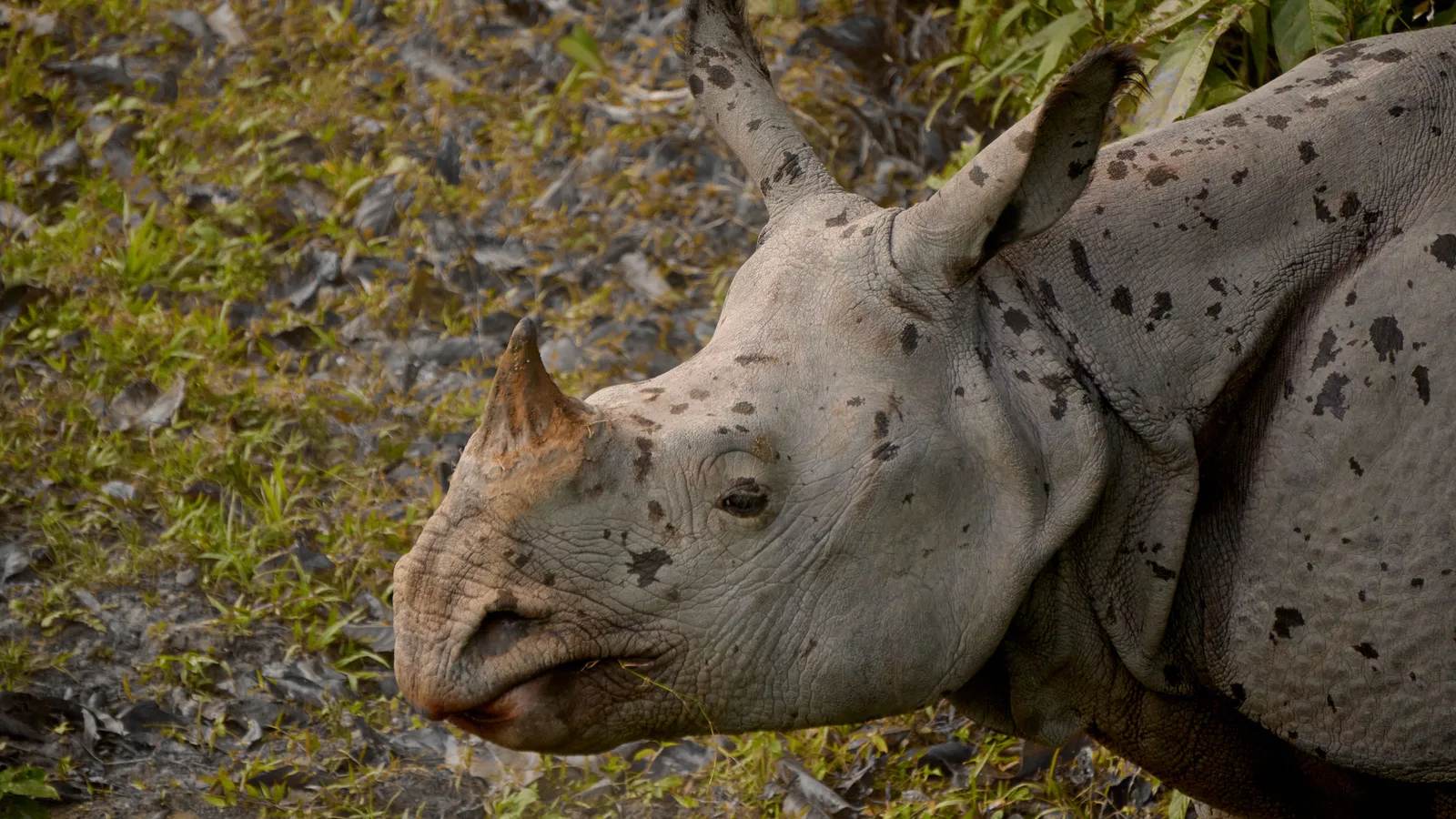
- ~700 one-horned rhinos and 128 Bengal tigers (2022 census), plus gharial, mugger crocodiles and 680+ bird species.
- Best October–March: dry, cool, and grasslands cut low for visibility.
- Do a jeep safari and a walking safari — they show you completely different parks. Skip elephant-back rides.
Why Chitwan
Chitwan National Park is Nepal's oldest and most accessible wildlife reserve — 932 sq km of sal forest, riverine grassland, and floodplain in the lowland Terai. It protects one of Asia's largest populations of one-horned rhinoceros (roughly 700 individuals), a significant Bengal tiger population (officially 128 in the 2022 census), gharial and mugger crocodiles, and over 680 species of birds. For many Nepal visitors, Chitwan is the trip highlight — the wildlife encounters are genuinely world-class, and the grasslands feel genuinely wild.
Getting There
By flight: Fly Kathmandu to Bharatpur (30 minutes, USD 80–120 one way on Yeti Airlines or Buddha Air). Bharatpur airport is 10km from Sauraha, the main tourist hub. This is the best option if time is short. By tourist bus: Departs Thamel around 7am, arrives Sauraha 5–6 hours later (depending on road conditions and stops). Costs NPR 700–1,000. Comfortable enough on modern coaches; the mountain views on the descent from Kathmandu Valley are worth staying awake for. By public bus: Cheaper (NPR 400) but slower and more crowded. Not recommended for first-timers.
Where to Stay
Sauraha is the backpacker hub — dozens of guesthouses and budget lodges along the buffer zone. For wildlife proximity and a more immersive experience, stay at one of the lodges inside or adjacent to the park:
Budget: Jungle Base Camp ($25–40/night), Chitwan Jungle Lodge ($35–55/night)
Mid-range: Barahi Jungle Lodge ($80–130/night), Green Mansions Resort ($70–110/night)
Luxury: Tiger Tops Tharu Lodge ($180–250/night), Meghauli Serai Taj ($280–400/night — inside the park on the Rapti River, book well ahead)
Jeep Safari vs Walking Safari
Jeep safari: 3–4 hours, covers more ground, best for rhinos and birds. Morning safaris (6–7am start) are optimal — wildlife is most active before heat. Groups of up to 6 per jeep. Cost: approximately NPR 5,000–8,000 per person including park entry (NPR 1,500 for SAARC nationals, NPR 3,000 for non-SAARC). Walking safari: 2–3 hours with an armed park ranger and guide. Maximum 8 people. This is closer, quieter, and frankly more exciting — you read animal tracks, encounter birds at eye level, and occasionally walk within 50m of rhinos. Tiger encounters are rare but have happened. Cost: approximately NPR 3,000–5,000. Recommendation: Do both. Morning jeep safari + afternoon jungle walk is the ideal combination for a 2-night stay.
Which safari for which traveller
| Experience | Duration | Best for | Trade-off |
|---|---|---|---|
| Jeep safari | 3–4 hrs | Covering ground; rhinos, deer, birds | Engine noise; less intimate |
| Walking safari | 2–3 hrs | Tracks, birds at eye level, the thrill of being on foot | Slower; needs reasonable fitness and nerve |
| Canoe (Rapti River) | 1–2 hrs | Kingfishers, herons, crocodiles from the water | Passive; usually paired with a walk |
Other Activities
- Canoe ride: Float downstream on a dugout canoe on the Rapti River — outstanding for birds (kingfishers, herons, ospreys) and crocodile spotting. Usually combined with a walking safari. NPR 700–1,200.
- Elephant Breeding Centre: The government-run centre at Khorsor keeps elephants used for conservation work. Free to visit, open mornings. Note: elephant-back safari rides have been largely phased out by reputable operators — this aligns with international wildlife tourism standards.
- Tharu Cultural Programme: Evening stick dance performance by the local Tharu community. Touristy but culturally genuine — the Tharu are the indigenous people of the Terai and have lived alongside these forests for centuries. NPR 400–600/person.
- Bird watching: Chitwan has recorded 680+ species including Bengal florican, giant hornbill, and all four species of vulture present in Nepal. Best near the grassland edges at dawn.
Best Time to Visit
October–March is peak season — dry, cool (15–25°C days), excellent wildlife visibility as grasslands are cut in January (Maghe Sankranti). October–November is the most popular month. April–May is hot (up to 40°C) but good for tigers (they come to water). Avoid June–August (monsoon): the park partially closes, trails flood, and the heat and humidity are oppressive.
What It Costs
A 2-night/3-day Chitwan package from Kathmandu (tourist bus, guesthouse, 2 jeep safaris, 1 walking safari, canoe, Tharu programme, all meals) typically costs USD 150–250 per person. Book directly with lodges in Sauraha to avoid the 30–40% markup added by Kathmandu travel agents.
A conservation success worth understanding
Part of what makes Chitwan moving is that its wildlife is here by hard-won effort, not by luck. The one-horned rhino was pushed to the edge — poaching and habitat loss had reduced Nepal's population to a few hundred — and the recovery to roughly 700 today is the result of decades of anti-poaching patrols, army posts inside the park, and, crucially, local communities given a stake in the buffer zone. A share of park revenue flows back to those communities, which is why the fence between "wildlife" and "the people who live beside it" is far less stark here than in many reserves. When you pay your park fee and hire a local naturalist, you are part of that arrangement.
The Tharu, the indigenous people of the Terai, are central to that story. They lived alongside these forests — and the malaria that once kept outsiders away — for centuries, and their knowledge of the land underpins much of the guiding you will experience. Treat a Tharu cultural evening as a genuine window into that, not a stage show, and it becomes one of the warmer parts of a Chitwan visit.
What to skip — and who Chitwan is not for
Two clear steers. Skip any elephant-back safari still offered by a handful of operators; ethical wildlife tourism has moved firmly to jeeps and jungle walks, the sighting quality is just as good on foot, and the Elephant Breeding Centre is a better way to be near these animals. Skip the midday game drives in the hotter months — the wildlife is resting in cover and you will bake for very little reward. Go at dawn, rest through the heat, go again at dusk.
Chitwan is also not for the traveller who expects a guaranteed tiger. This is a genuinely wild park, not a drive-through enclosure; rhinos are near-certain, deer and crocodiles and birds are constant, but tigers are shy and thinly spread, and most visitors leave having seen tracks rather than stripes. If your holiday hinges on ticking off a tiger, temper the expectation before you arrive. And if you cannot handle heat, humidity and biting insects at all, the Terai in the warmer months will test you.
The unprofitable truth: you do not need the most expensive lodge to have the best safari. The quality of your sightings depends far more on your naturalist guide and on going out at first light than on your room rate — a sharp-eyed walking guide from a modest Sauraha lodge will show you more than a plush riverside suite ever will.
Our Chitwan Jungle Safari (3 days, from $455 per person) pairs you with experienced local naturalists for morning jeep and jungle-walk safaris, a Rapti River canoe, and a respectful evening with the Tharu community — the two-nights-in-the-park rhythm that gets you the best of the dawn and dusk hours. Tell us your dates and we will slot it before or after your trek.

Written by
Maya RaiPokhara-based, NMA-certified trekking guides. We’ve led 5,000+ treks across the Annapurna and Everest regions since 1998 — every word here comes from the trail. More from this author →
Share this article
Ready to Trek?
From reading about it to standing on it
Our Pokhara-based guides have been doing this since 1998. Tell us your dates and fitness level — we'll build your perfect itinerary. Free, no obligation.
Why trek with our licensed agencyMore guides like this
Popular trips to consider
Free Trekker’s Insider Guide
Permits, packing lists, cost breakdowns — no fluff.
We send one useful email. You can unsubscribe anytime.