
The short version
In US parks the top killers are crashes, drowning and falls, and in the Alps half of hiking deaths are cardiac, often on day one. The habits that prevent them.
Most hikers who die on a trail are not doing anything extreme. In US national parks the leading unintentional killers are, in order, motor vehicle crashes, drowning and falls, and half of all medical deaths happen while someone is walking, cycling or swimming. In the Alps, half of all hiking and skiing deaths are sudden cardiac death, and half of those happen on the first day. The dramatic cliff fall is real, but it is not the main story.
I have spent most of my working life above 5,000 metres, and the pattern I see there matches the numbers below: the people who get into trouble are rarely the reckless ones. They are fit-looking, experienced, slightly older, on a trail they consider easy, doing the one thing that day that they would never do on a hard mountain.
- In US parks, 79% of those who die are men and 52% are 45 or older.
- The single most preventable killer for older hikers is the heart, and day one is the dangerous day.
- Water and the drive to the trailhead kill more park visitors than falls do.
- In the UK, around 45% of mountain rescue callouts come down to decisions: poor planning, inexperience, error.
What happened on Sauk Mountain this week
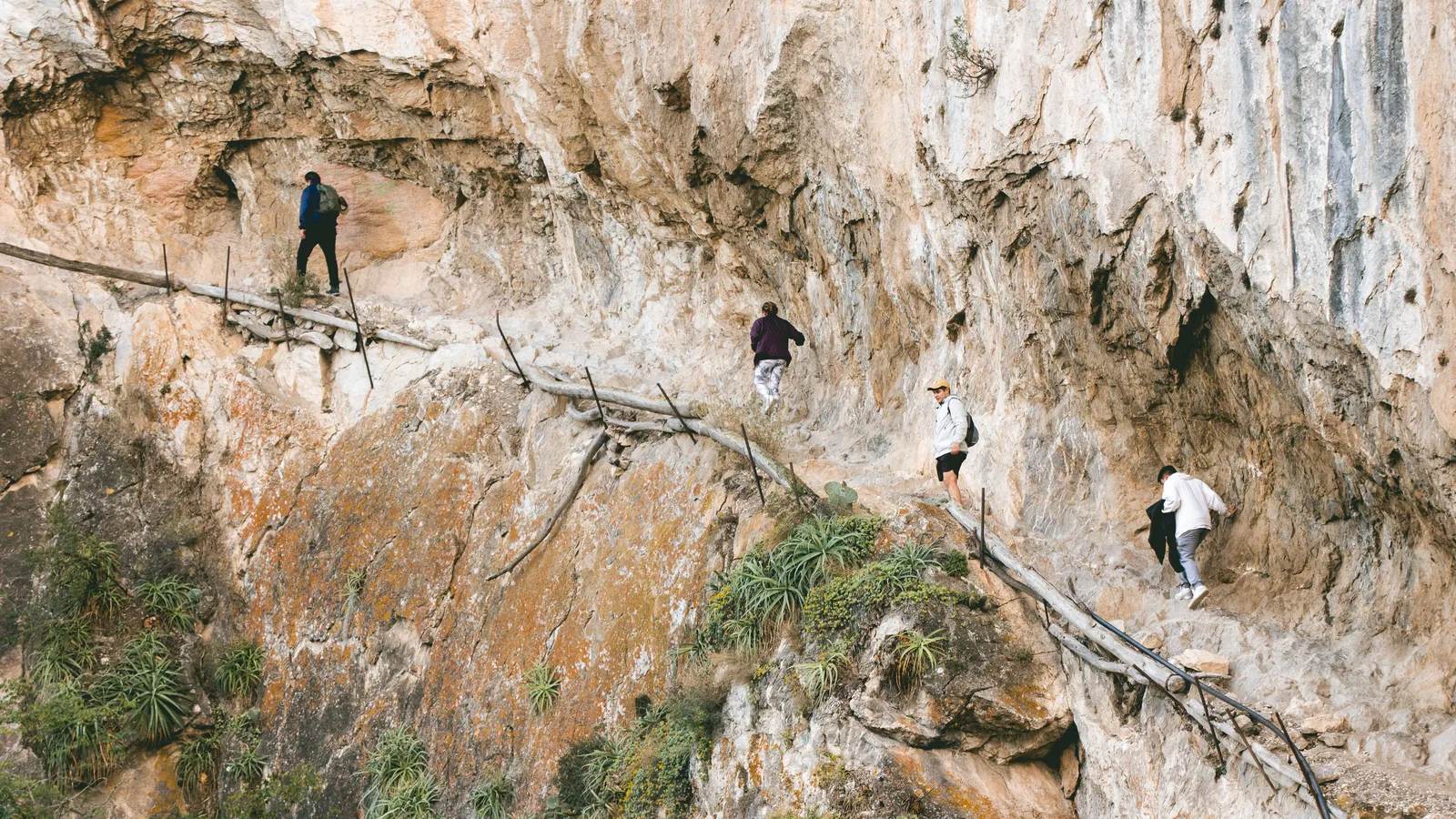
Two men died on the same Washington State trail within two days, and both fit the profile almost exactly. On 18 September a 78-year-old hiker was found dead on the Sauk Mountain Trail after becoming separated from his family the day before. On 19 September, witnesses saw a 66-year-old man go over the edge of a switchback and fall an estimated 800 to 1,000 feet. Skagit County Search and Rescue, Washington State Parks and a helicopter crew were needed to recover him from the terrain.
Sauk is a popular, well-built trail with big views over the North Cascades. Neither death involved technical climbing. One began with a separation, the other with a single step on a switchback. That is what most trail deaths look like.
Who actually dies on trails
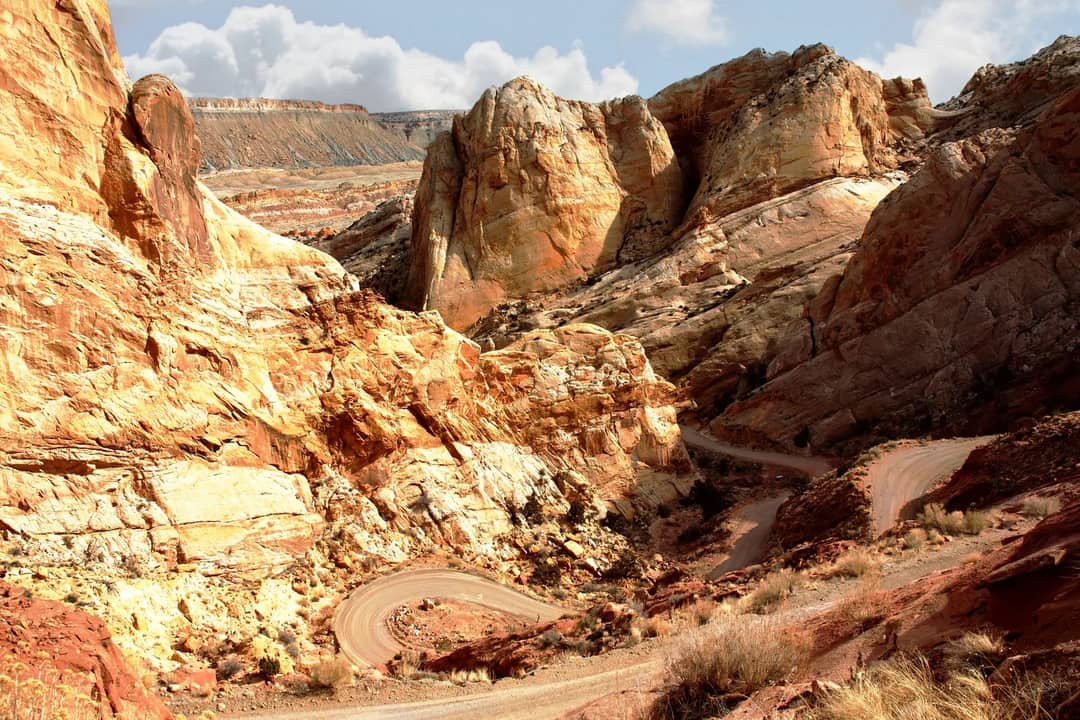
The person most at risk is a man over 45, not a thrill-seeker in his twenties. The US National Park Service’s validated mortality data for 2014 to 2019 records 2,149 deaths across the park system, an average of 358 a year or seven a week. Seventy-nine per cent were men and 52% were aged 45 or older. Half of all deaths were unintentional, and the top three unintentional causes were motor vehicle crashes, drowning and falls, in that order.
Put that against scale and the parks are statistically safe: in 2019 the rate was 0.11 deaths per 100,000 recreational visits. The risk is not evenly spread, though. It concentrates in a group that tends to feel the least at risk, because they have hiked for decades.
Your heart is the biggest risk you can actually manage
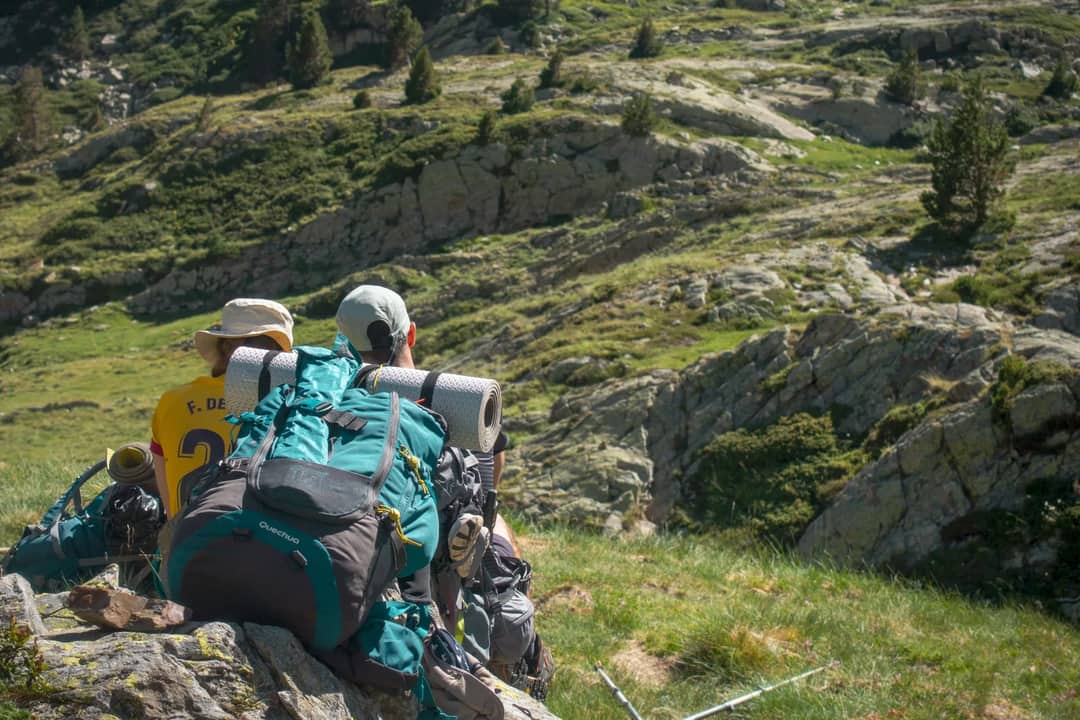
If you are over 35, the most likely thing to kill you on a mountain is not a fall but your own heart, and the first day is when it happens. A 2021 review in the International Journal of Environmental Research and Public Health by Niebauer and Burtscher found that 50% of all deaths during downhill skiing and mountain hiking are sudden cardiac deaths, that more than 90% of them affect men over 34, and that about half happen on the first day of the activity.
The strongest single predictor was a previous heart attack, which raised a hiker’s risk 10.9 times. Regular hard exercise cut risk sharply. The authors’ prevention advice is plain and worth following to the letter:
- Train 150 to 300 minutes a week of moderate exercise, or 75 to 150 minutes of vigorous exercise, across three to seven days, before the trip.
- Take it easy on the first one or two days in the mountains.
- Stop every 30 to 60 minutes to eat and drink.
- If you are 35 or older and starting something strenuous, get a cardiovascular check first.
Water and the road kill more visitors than cliffs
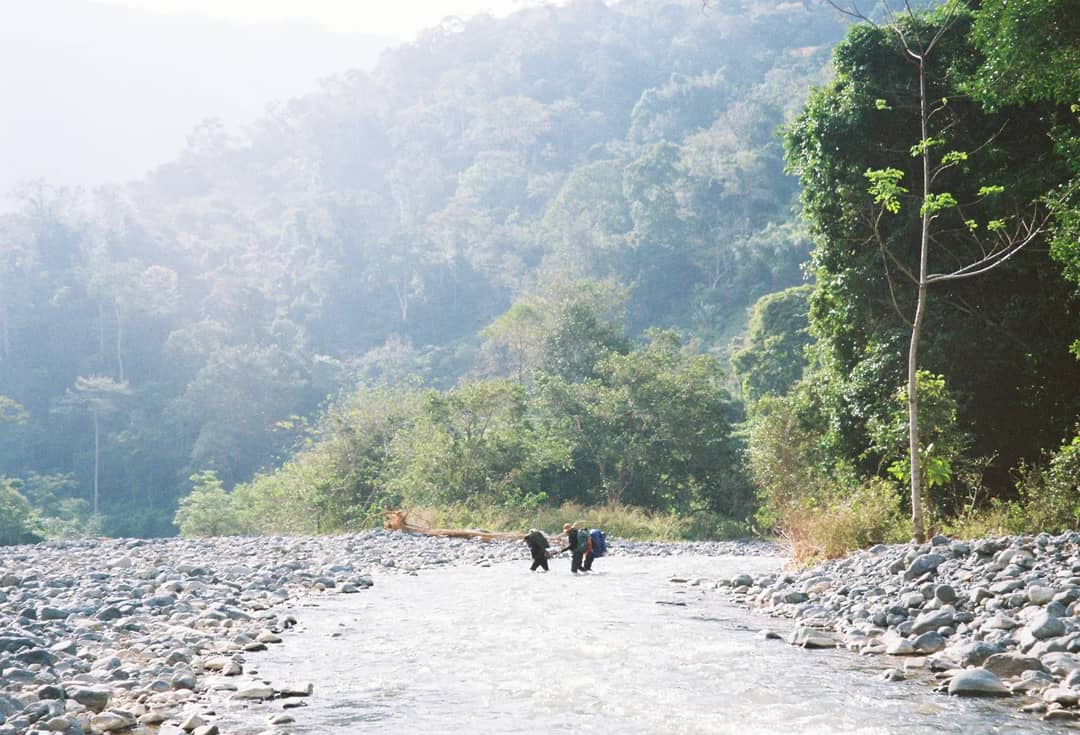
In US parks, drowning and driving each kill more people than falls do. Rivers look slow and shallow from the bank, and snowmelt water is cold enough to take your breath away the moment you slip in. A stream crossing on a hot afternoon can be knee-deep and fast where it was ankle-deep that morning. The drive home after a long day, tired and on mountain roads, is where the day’s biggest risk often sits.
Most rescues start with a decision, not bad luck
In the UK, the data points squarely at judgement. Mountain Rescue England and Wales handled 3,968 incidents in 2025, up from 3,784 the year before, and around 45% came down to human factors: poor decision-making, error, inexperience, or not understanding what the planned route demanded. Add the calls where the weather was the trigger and 61% of callouts involved a judgement that could have gone the other way.
The Sauk Mountain separation is the classic version. Groups split at a junction, one person is slower, nobody agreed a regroup point, and a phone with no signal does not help.
| Risk | How it usually starts | The habit that prevents it |
|---|---|---|
| Sudden cardiac death | A hard first day, no training, a heart history nobody checked | Train beforehand, easy first two days, a check-up if you are 35+ |
| Falls | A step off the edge for a photo, a descent on tired legs, wet rock | Stay on the tread, stop to look, use poles on the way down |
| Drowning | A crossing that looked shallow, a swim in cold, fast water | Cross early and together, belt unclipped, turn back above the knee |
| Getting lost or separated | A split group, no regroup point, no turnaround time | Walk at the slowest person’s pace, agree regroup points and a turnaround time |
| Weather | Ignoring the forecast, pushing on after the cloud comes in | Decide your turnaround before you start and keep to it |
On our Everest Base Camp trek a licensed NMA guide sets the pace, builds in acclimatisation days and keeps the group together from the first morning. US$1,850 solo, from US$1,350 each in a group of eight or more, permits and lodges included. Autumn is the clearest season in the Khumbu, so start with your dates.
See the itinerary & price →How we apply this in the Himalaya
Everything above is built into how our guides run a trek, because at altitude every one of those risks gets worse. We have guided since 1998 with zero client fatalities, and the reasons are unglamorous:
- The first days are deliberately slow. Our Everest itinerary climbs gradually and includes rest days at Namche and Dingboche. That is the Alpine day-one finding, applied.
- Nobody walks alone. The group moves at its slowest member’s pace, and a guide stays with whoever is slowest.
- Crossings are made early, before glacier melt raises the rivers in the afternoon.
- A turnaround time is set every morning and kept, whatever the summit fever says.
If you want the high-altitude version of this story, read why people die on Everest. And before any trek abroad, check that your insurance covers helicopter rescue at your planned altitude. It is the one policy detail that matters most if something goes wrong.
The verdict
Hiking is safe, and most of the danger that does exist is manageable. If you are a man over 45, get your heart checked, train for the trip, and treat the first day as the dangerous one. Respect water more than you respect heights. And settle three things before you leave the car: who you walk with, where you regroup, and the time you turn back.
Frequently asked questions
How many people die hiking in US national parks each year?
The National Park Service recorded an average of 358 deaths a year across the park system between 2014 and 2019, from all causes, not only hiking. Half were unintentional, led by motor vehicle crashes, drowning and falls.
What is the most common cause of death while hiking?
For people over 35 in the mountains, it is sudden cardiac death: a 2021 review found it accounts for 50% of deaths during mountain hiking and downhill skiing. Falls are the leading traumatic cause.
Why is the first day of a hiking trip the most dangerous?
About half of sudden cardiac deaths in mountain hiking happen on the first day, when an unaccustomed body meets sudden hard exertion, often with altitude, cold and dehydration added. Easy first days are the simplest protection.
Are older hikers more at risk?
Yes. In US parks 52% of those who die are 45 or older, and more than 90% of sudden cardiac deaths in mountain hiking affect men over 34. Age is not a reason to stop, but it is a reason to train and get checked.
How can I avoid getting lost on a hike?
Stay with your group at the slowest person’s pace, agree regroup points at every junction, carry a downloaded offline map and a charged phone, tell someone your route and return time, and set a turnaround time you will keep.
Is it safe to hike alone?
Many people do, but the risk rises because nobody can raise the alarm. If you go alone, leave a detailed plan with someone, carry a satellite messenger where there is no signal, and choose well-used trails.
Keep reading
The death zone and what actually happens above 8,000 metres.
What a rescue costs and why your policy must cover it.
Where to walk next, and why the Himalaya leads the list.
An honest look at the real risks and how to manage them.
Planning a trek and want it run safely from day one? Contact us and our guides will build the pace around you.
Sources: US National Park Service, Deaths in National Parks dashboard (validated 2014–2019 data); Niebauer J. and Burtscher M., “Sudden Cardiac Death Risk in Downhill Skiers and Mountain Hikers and Specific Prevention Strategies”, International Journal of Environmental Research and Public Health, 2021; Mountain Rescue England and Wales 2025 incident statistics via the North Wales Mountain Rescue Association; KIRO 7 and Cascadia Daily News reporting on Sauk Mountain, September 2026. Photos: James Wilson, Masi and Thanh Luu via Pexels; cover Deniss Bojanini via Pexels.
Written by
Dawa SherpaPokhara-based, NMA-certified trekking guides. We’ve led 5,000+ treks across the Annapurna and Everest regions since 1998 — every word here comes from the trail. More from this author →
Share this article
Ready to Trek?
From reading about it to standing on it
Our Pokhara-based guides have been doing this since 1998. Tell us your dates and fitness level — we'll build your perfect itinerary. Free, no obligation.
Why trek with our licensed agencyMore guides like this
Popular trips to consider
View all treks & toursFree Trekker’s Insider Guide
Permits, packing lists, cost breakdowns — no fluff.
We send one useful email. You can unsubscribe anytime.