The short version
An honest 2026 ranking of the best hiking countries - Nepal, Peru, New Zealand, the Alps, Patagonia and more - and why Nepal leads on scale and value.
Ask ten well–travelled walkers to name the best country in the world for hiking and you will start an argument that lasts all evening. Peru has the Incas. New Zealand has Fiordland. The Alps have the postcard. Patagonia has the wind. We have guided in the Himalaya since 1998, and we have hiked several of these ranges ourselves — so this is our honest, verified 2026 ranking, not a tourism–board brochure. The short answer sits at the top; the long answer is why.
How we ranked the best hiking countries
Great hiking is not just a tall mountain. We weighted five things a walker actually feels: scale of scenery, range and choice of trails, trail infrastructure (huts, teahouses, safety), cultural depth along the way, and value for money. On four of those five, one country wins outright.
1. Nepal — the best country in the world for hiking
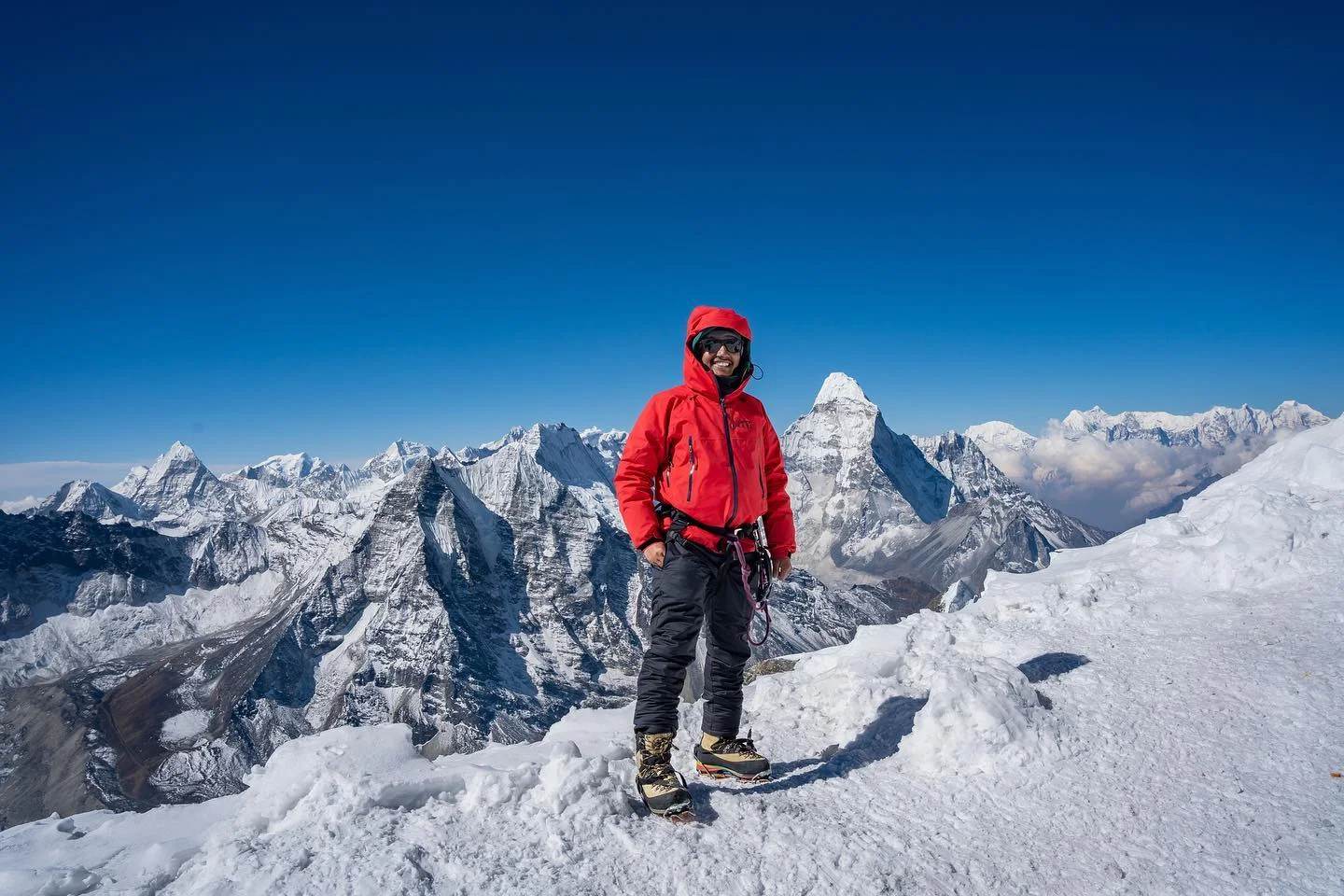
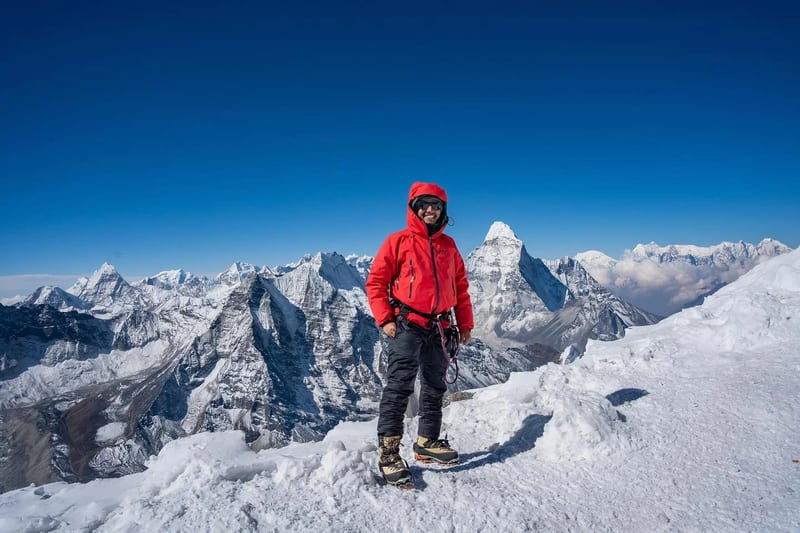
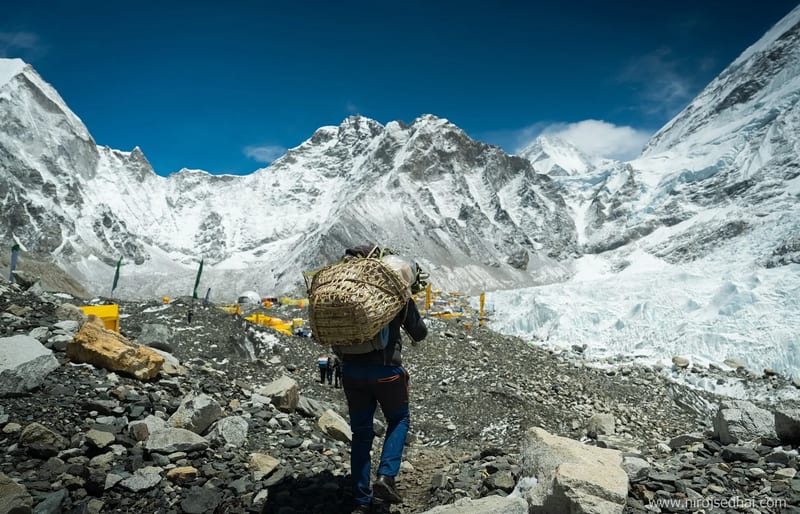
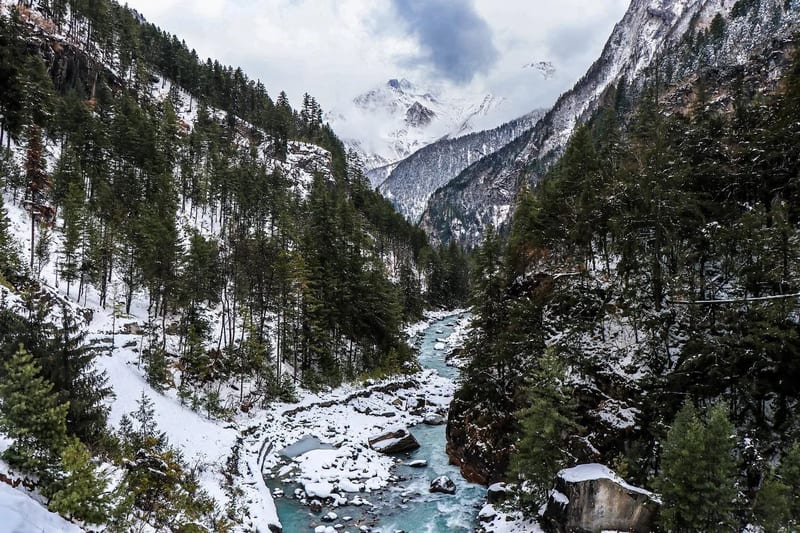
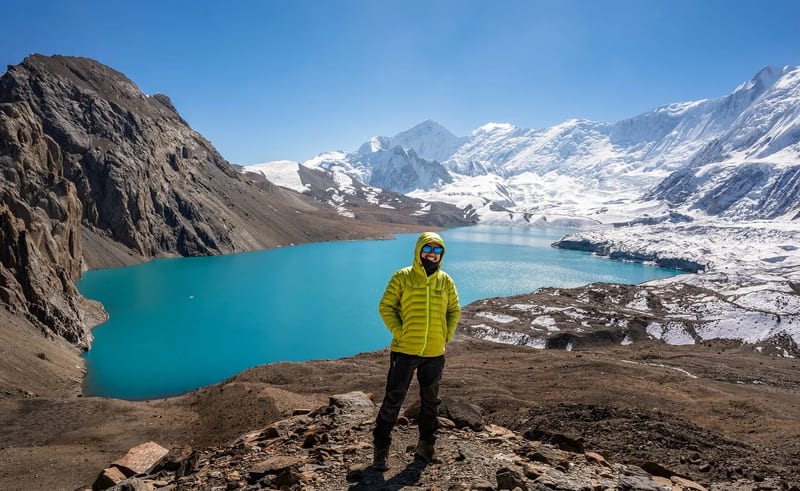
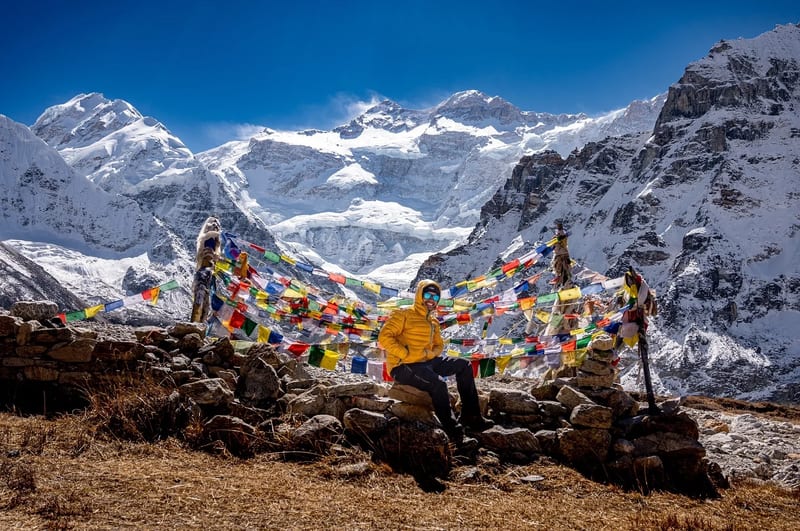
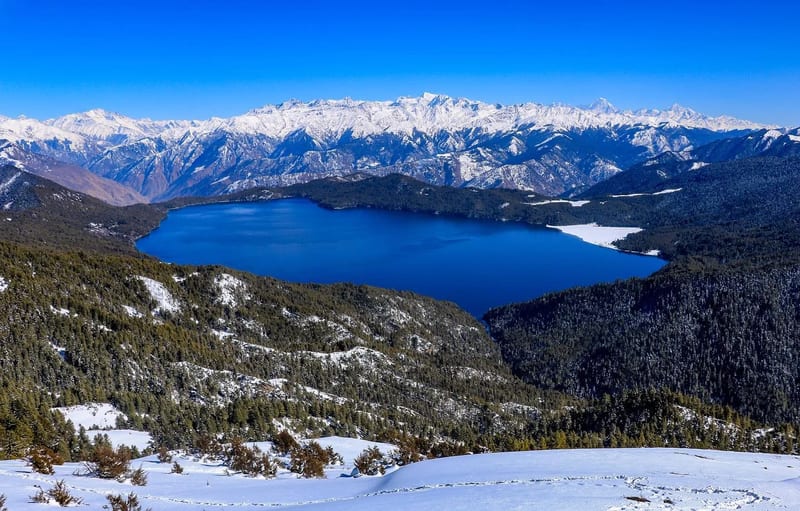
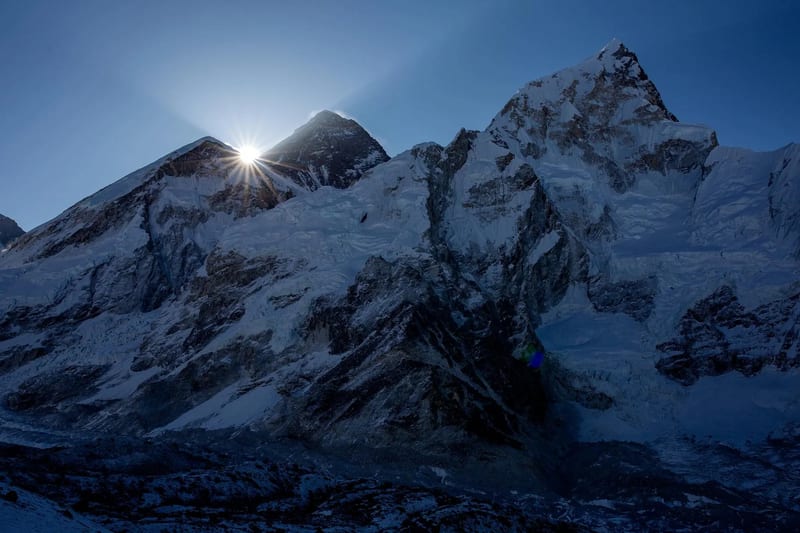
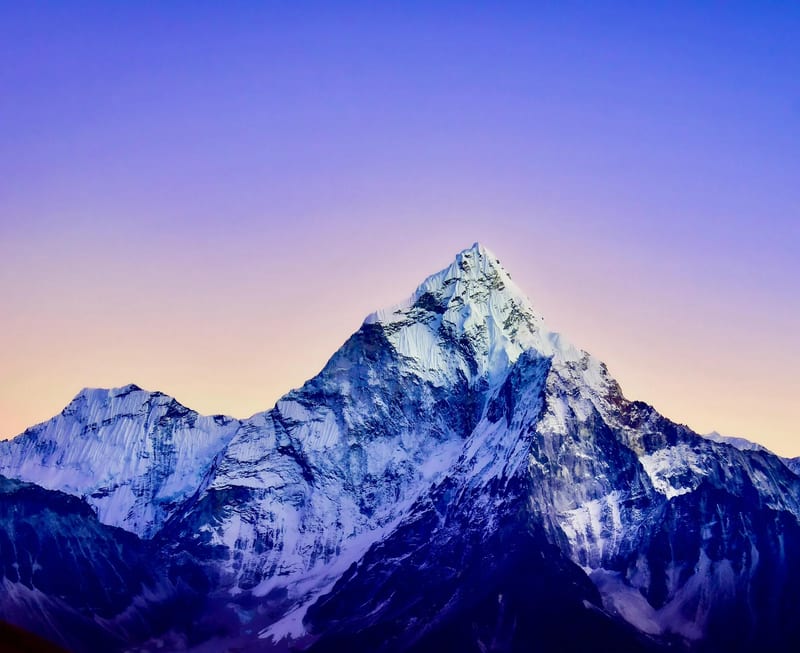
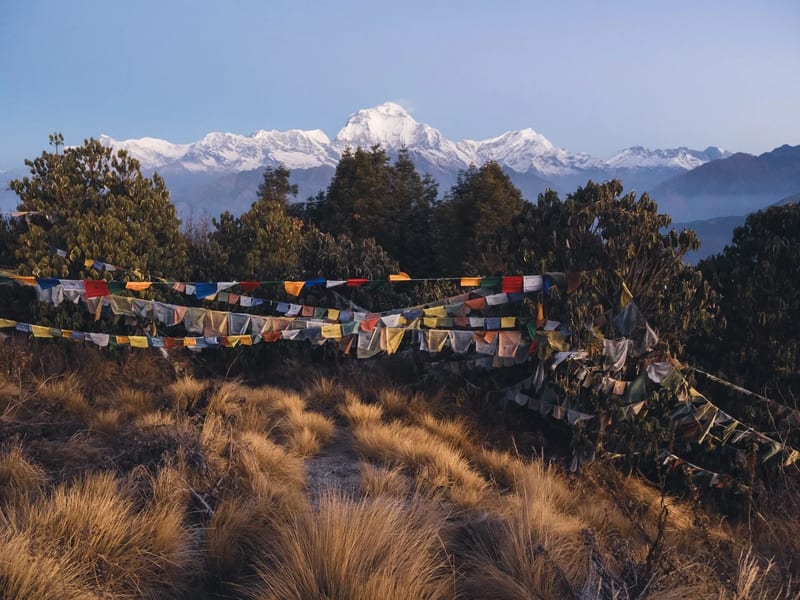
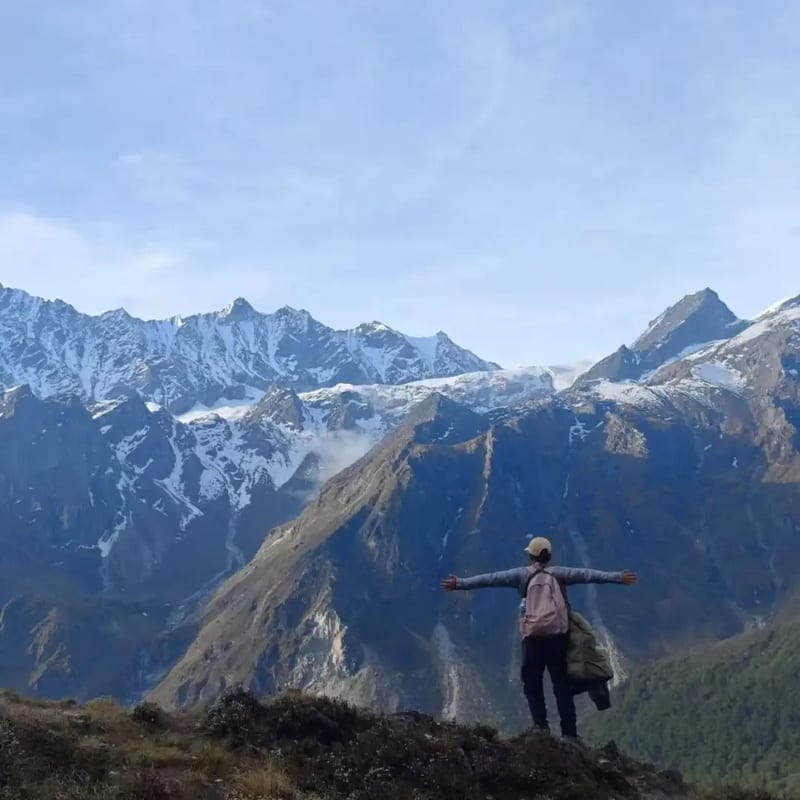
Nepal holds eight of the fourteen mountains on Earth above 8,000 m, Everest (8,848.86 m) among them. But the reason it wins is not the summits — it is that ordinary, fit walkers can stand beneath those giants on well–worn trails, sleeping in warm teahouses, without technical climbing. You cross a 5,416 m pass on the Annapurna Circuit, or walk to the foot of Everest on the Everest Base Camp trek, and every night there is dal bhat and a wood stove. The trail network is enormous — from a two–day Poon Hill stroll to the three–week Manaslu Circuit — and the culture, Sherpa and Gurung and Thakali, is woven through all of it. On value it is untouchable: a fully guided, portered two–week Himalayan trek costs a fraction of a guided Alpine or Patagonian trip. Explore the range in our best treks in Nepal guide.
2. Peru — the Andes and the Incas
Peru is the strongest rival for a shorter trip. The Inca Trail to Machu Picchu runs 43 km over four days, crossing Dead Woman’s Pass at 4,215 m before dropping to the ruins — history and high mountain in one walk. It is strictly permitted, capped daily, sold months ahead, and closed every February for maintenance. That scarcity is the catch: less spontaneity, and lower altitude and fewer route choices than Nepal. If you have a week and want ruins with your ridgelines, Peru is superb. We compare them in detail in Nepal vs Peru.
3. New Zealand — the world’s best trail infrastructure
Nowhere maintains its trails like New Zealand. The Milford Track — 53.5 km over four days through Fiordland to Milford Sound — is the flagship of the “Great Walks,” a booked–hut system so tidy it sells out the day reservations open (late October to April season). It is low altitude, gloriously green, and utterly reliable. What it is not is high, remote, or cheap. For a first big multi–day walk in comfort, it is hard to beat; for Himalayan scale, it cannot compete.
4. France, Italy & Switzerland — the Tour du Mont Blanc
The Tour du Mont Blanc is the most popular long trek in the Alps for good reason: 170 km in a loop through three countries, roughly 11 days, topping out around 2,665 m, with a village and a hot meal at the end of nearly every stage. Logistics are the easiest on this list — trains, refuges, luggage transfer. It is also one of the busier and pricier trails in summer. Alps or Himalaya? We settle it in Annapurna Circuit vs Tour du Mont Blanc.
Walk the country that tops the list
Our 14–day Everest Base Camp Trek is $1,850 per person as a private solo trek, dropping to $1,350 per person in a group of eight — NMA–certified guides, teahouses and permits included. Autumn 2026 dates are filling now.
See Everest Base Camp dates & price →5. Chile & Argentina — Patagonia
Patagonia is pure drama. Torres del Paine in Chile offers the 80 km “W” over 4–5 days and the 110–130 km “O” circuit over 7–9 days, threading granite towers, turquoise lakes and the Grey Glacier. The season is the southern summer, December to March, and the famous variable is wind — it can be ferocious. Scenery–per–step it may be the most cinematic place we have ranked; on altitude and cultural depth it sits below Nepal. See Nepal vs Patagonia.
6. Tanzania — Kilimanjaro
If your goal is one iconic summit, Tanzania delivers the highest walk–up mountain in the world: Kilimanjaro’s Uhuru Peak at 5,895 m, typically over 6–7 days on the Machame route. It is a remarkable achievement — but it is one mountain, one push, with roughly half of climbers summiting, and little of the day–to–day village life that defines Himalayan walking. As a first high–altitude test it is excellent; see Everest Base Camp vs Kilimanjaro.
7. Bhutan — the exclusive high road
Bhutan guards its trails with a daily Sustainable Development Fee, which makes it the most expensive country here by design. Its Snowman Trek — around 350 km over 25–30 days, crossing eleven passes, several above 5,000 m — is widely called the hardest long trek in the world, and few finish it. Bhutan is for the walker who wants solitude and can pay for it. Nepal offers similar Himalayan grandeur, more openly and for far less: Nepal vs Bhutan.
8. France (Corsica) — the GR20
The GR20 across Corsica — about 180 km, some 15 stages, with roughly 12,000 m of ascent — is routinely named the toughest long–distance trail in Europe. It is a superb test of legs and nerve on scrambly granite. But it is a single, strenuous route rather than a country of choices, and altitude stays modest. A brilliant fortnight; not a lifetime of trekking.
Best hiking countries compared (2026)
| Country | Signature trek | Max altitude | Best season | Guided cost |
|---|---|---|---|---|
| Nepal | Everest Base Camp / Annapurna Circuit | 5,416 m | Mar–May, Sep–Nov | $ from $1,350 pp |
| Peru | Inca Trail to Machu Picchu | 4,215 m | May–Sep (closed Feb) | $$ |
| New Zealand | Milford Track | Low (alpine pass) | Late Oct–Apr | $$ |
| France/Italy/Switzerland | Tour du Mont Blanc | 2,665 m | Jun–Sep | $$$ |
| Chile (Patagonia) | Torres del Paine O Circuit | Moderate | Dec–Mar | $$$ |
| Tanzania | Kilimanjaro | 5,895 m | Jan–Mar, Jun–Oct | $$$ |
| Bhutan | Snowman Trek | 5,320 m | Sep–Oct | $$$$ |
| France (Corsica) | GR20 | Moderate | Jun–Sep | $ |
Cost bands are relative (guided, land–only); Nepal figures are our own published rates. Altitudes shown only where the trail’s high point is a defining feature.
Why Nepal wins on value, not just height
A guided fortnight in the Alps or Patagonia often costs two to three times what the same length of fully supported Himalayan trekking costs with us — and in Nepal that price already includes your guide, porter, permits and teahouse nights. That combination of world–topping scenery and genuine affordability is why we put Nepal first without hesitation.
Which country should you choose?
Choose Nepal if…
you want the biggest mountains on Earth, the widest choice of trails, teahouse comfort at altitude and the best value — the whole package.
Choose elsewhere if…
you have only 4–5 days (Peru, New Zealand), you want the easiest logistics (the Alps), or you are chasing one single iconic summit (Kilimanjaro).
Make Nepal your next mountain
Tell us your dates and fitness and we will match you to the right trail — from a gentle Annapurna Circuit ($1,400 solo / from $980 in a group of eight) to the full Everest experience. NMA–certified guides, Est. 1998, 5,000+ treks led.
Plan my Nepal trek →Keep reading
What is the best country in the world for hiking?
For scale of scenery, choice of trails, comfort at altitude and value together, Nepal leads — it holds eight of the world’s fourteen 8,000 m peaks and offers everything from two–day walks to three–week circuits. Peru and New Zealand are the strongest choices for a shorter trip.
Is Nepal or Peru better for trekking?
Nepal for a bigger, higher, longer trip with more route choice and better value; Peru if you have about a week and want Inca history with your mountains. The Inca Trail is 43 km with a 4,215 m high point; a Nepal circuit is longer and crosses higher.
Which hiking country is best value for money?
Nepal, clearly. A fully guided and portered two–week Himalayan trek costs a fraction of a guided trip of the same length in the Alps or Patagonia, and the Nepal price already includes guide, porter, permits and teahouse nights.
Do I need to be a climber to hike in Nepal?
No. The classic routes — Everest Base Camp, Annapurna Circuit, Manaslu Circuit — are non–technical walking trails. You need good general fitness and time to acclimatise, not climbing skills.
When is the best time to hike in the Himalaya?
Spring (March–May) and autumn (September–November) are the two prime seasons for stable weather and clear mountain views. Winter treks are possible at lower elevations; the monsoon (June–August) is best spent in the rain–shadow of Mustang or Dolpo.
How much does a trek in Nepal cost?
Our guided treks start from about $1,350 per person for Everest Base Camp in a group of eight, and around $980 per person for the Annapurna Circuit in a group — guide, porter, permits and teahouse accommodation included. Solo and private departures are higher.
We have spent twenty–five years walking travellers into these mountains, and we have hiked enough of the rest of the world to make this call honestly: start with Nepal. Tell us your dates and we will build the trip around you.

Written by
Rajan GurungPokhara-based, NMA-certified trekking guides. We’ve led 5,000+ treks across the Annapurna and Everest regions since 1998 — every word here comes from the trail. More from this author →
Share this article
Ready to Trek?
From reading about it to standing on it
Our Pokhara-based guides have been doing this since 1998. Tell us your dates and fitness level — we'll build your perfect itinerary. Free, no obligation.
Why trek with our licensed agencyMore guides like this
Popular trips to consider
View all treks & toursFree Trekker’s Insider Guide
Permits, packing lists, cost breakdowns — no fluff.
We send one useful email. You can unsubscribe anytime.