
The short version
Data, power, wifi safety, offline maps and the device rules that get kit confiscated. The short answer to each, and the guide behind it.
Five things decide whether your phone is useful on a trip: how it gets data, how it stays charged, whether the network you join is safe, whether it can navigate without signal, and whether the device in your bag is legal where you are going. Most travellers get four of them right and lose the trip to the fifth. This is the short answer to each, with the deep guide behind it.
- Going to Nepal and want cheap data: buy a local SIM on arrival, or an eSIM before you fly.
- Worried about running out of battery: one power bank, kept warm, beats every other fix.
- Worried about hackers on hotel wifi: the honest risk is smaller than the marketing suggests.
- Carrying a drone or a satellite messenger: check the country rules first. This is the expensive mistake.
Connectivity, and what it costs
In Nepal, a local SIM is the cheapest data you can buy and an eSIM is the least hassle; roaming from home is almost always the worst of the three on price. A local card from one of the two Nepali networks gives you generous data for a few dollars, an eSIM gets you connected the moment you land without finding a shop, and a roaming pass from your home carrier buys convenience at several times the price.
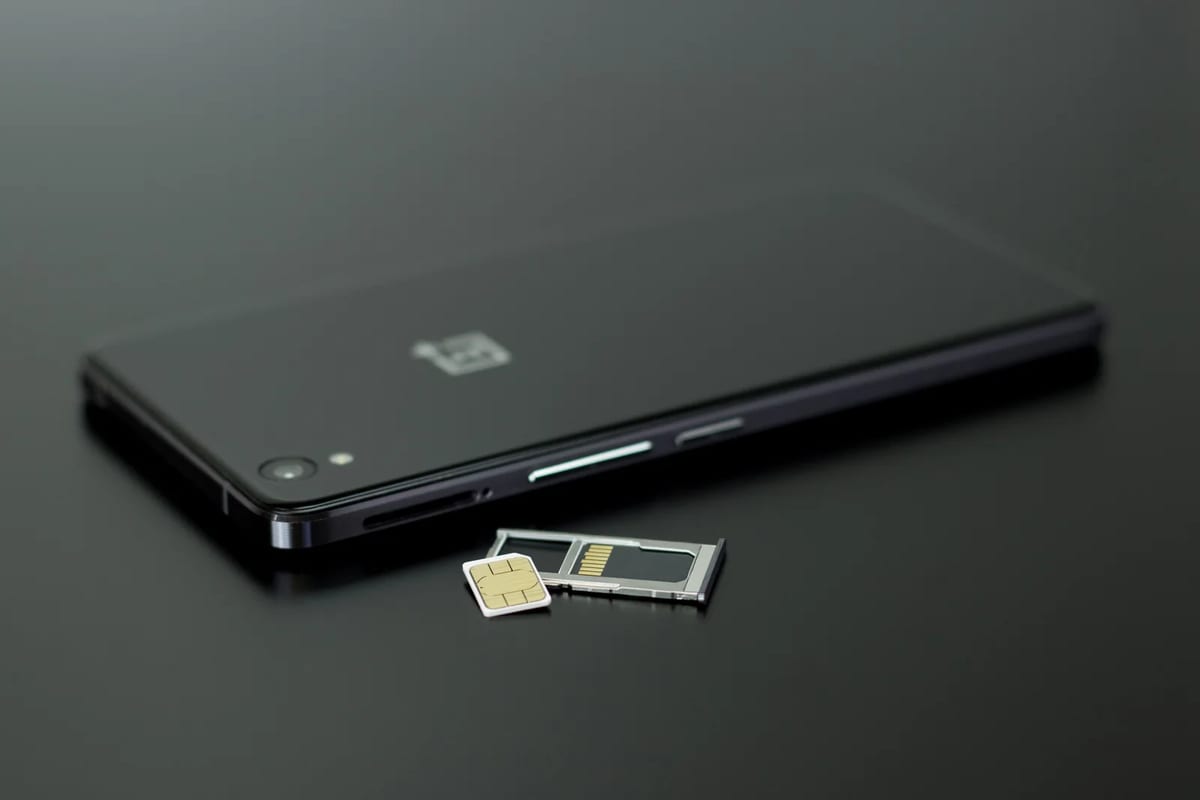
Which to pick depends on how long you are away and how much you value the first hour after landing. The detail sits in our Nepal SIM card guide, the wider comparison in eSIM against a local SIM across Asia, and the ways to stop your own carrier charging you in how to avoid roaming charges.
On the trail itself the question changes: coverage, not price. Lodges sell wifi, the signal thins with altitude, and a portable travel router is useful mainly for turning one paid connection into several devices. What actually works where is in wifi and connectivity on a Nepal trek.
Power, which is a cold problem before it is a supply problem
One 20,000 mAh power bank covers most trekkers for a week, and the thing that drains your battery at altitude is the cold, not the use. Keep batteries against your body by day and in your sleeping bag at night, and a phone that looked dead at breakfast usually revives.
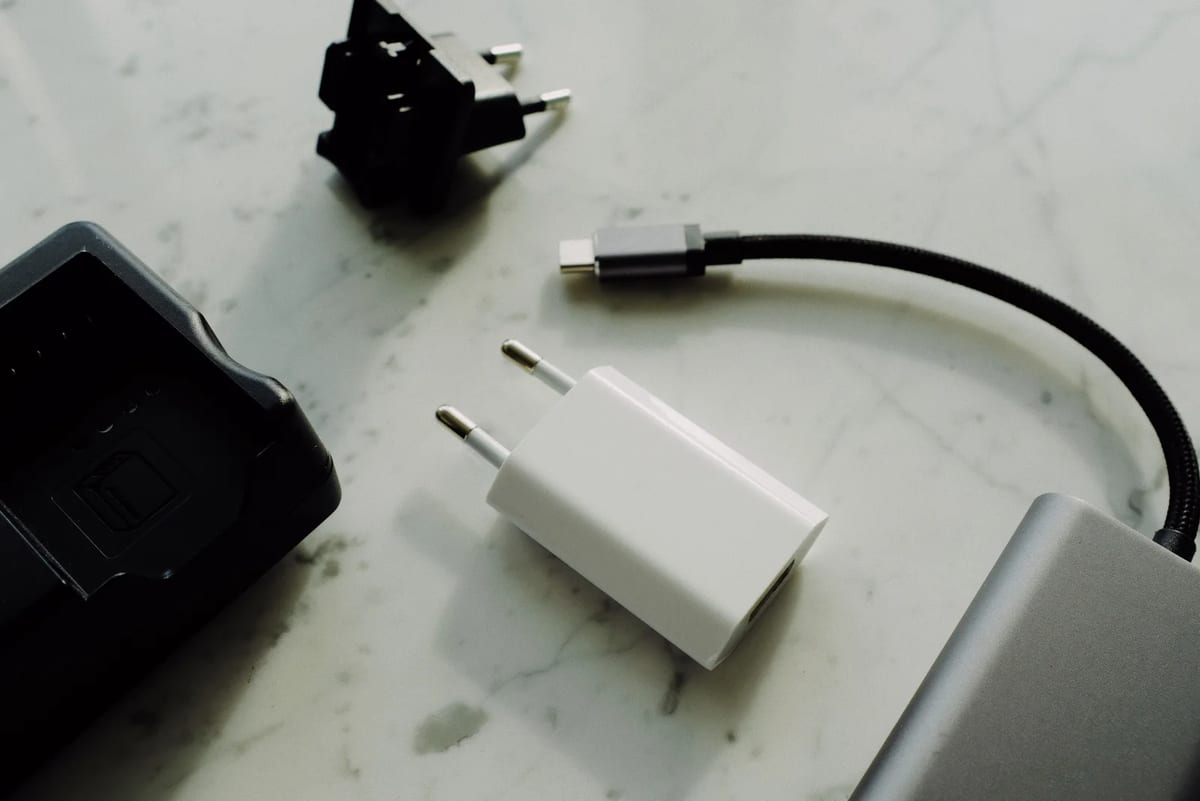
The rule that catches people is at the airport rather than on the mountain: a power bank is banned from checked baggage everywhere, and the limit is written in watt-hours, not the number printed on the case. A 20,000 mAh bank is about 74 Wh, comfortably under the 100 Wh threshold that needs no approval. Full detail in keeping a phone alive on a trek, the airline side in power banks on planes, and what to pack in adapters and power banks.
Safety, honestly assessed
Public wifi is less dangerous than it was, because almost everything you use is encrypted now; the real risk is joining a network that is pretending to be the hotel’s. A VPN helps with some of that and is oversold for the rest, and knowing which is which saves you both money and false confidence. We set out what actually protects you in public wifi safety and travel VPNs.
The likelier disaster is losing the phone itself, which on a trip takes your boarding passes, your bank access and your photos at once. Do the preparation now — a passcode, tracking turned on, a written note of your bank’s number — and if it happens, work in order rather than panicking. The order is in what to do when a phone is lost or stolen abroad.
Navigation, which must work with no signal
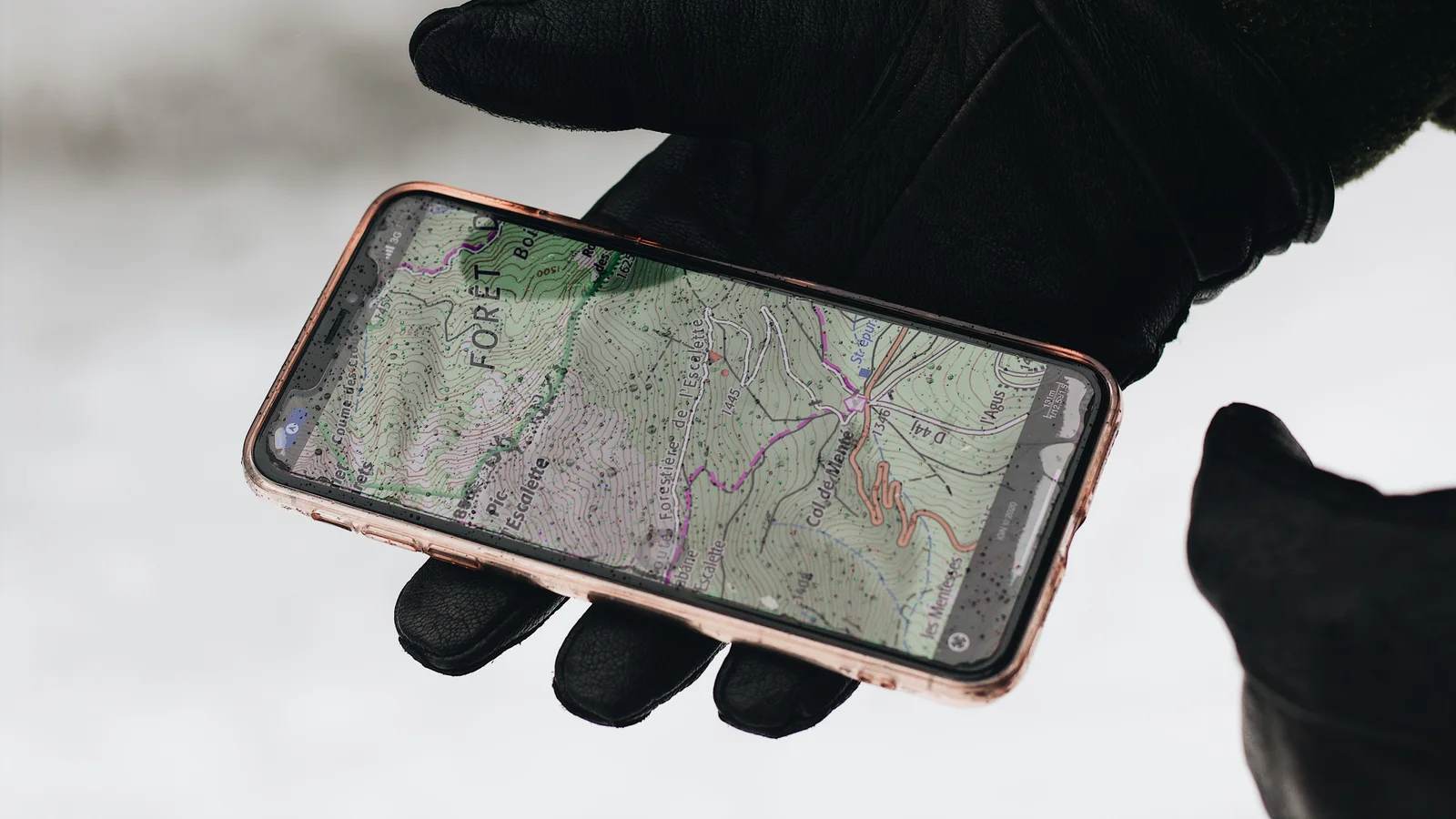
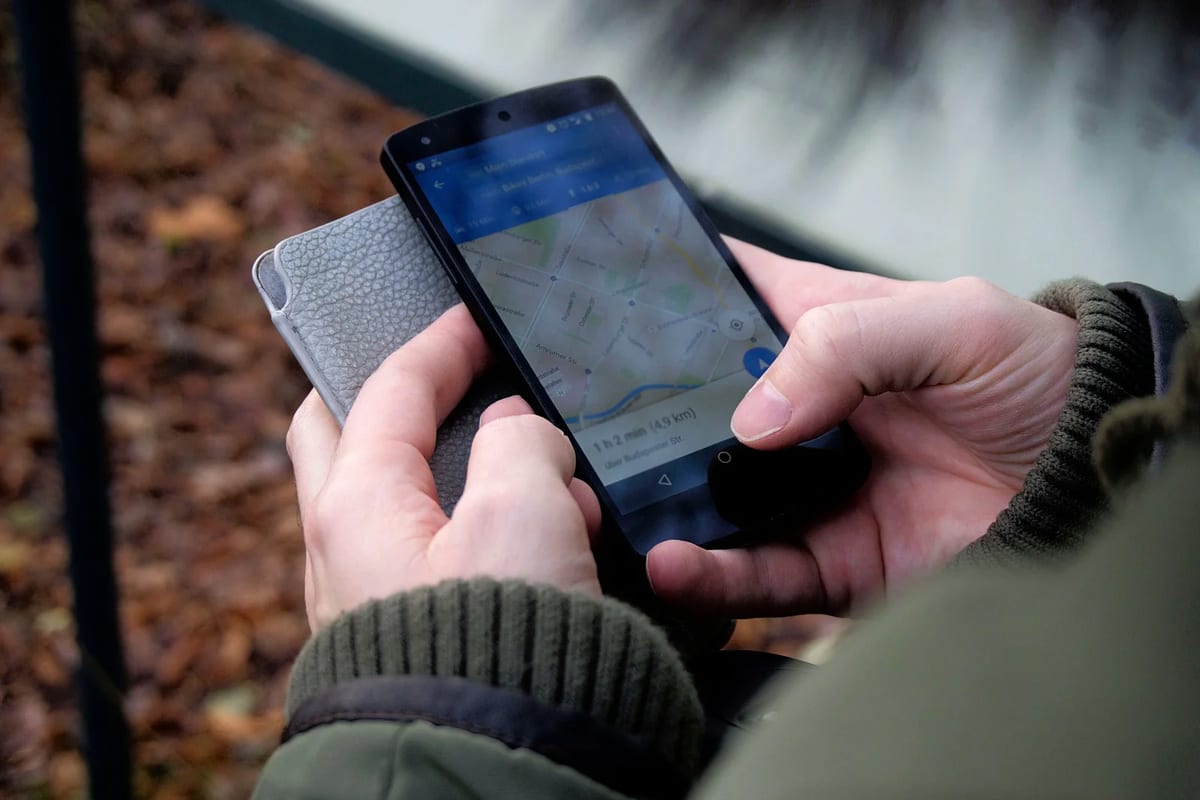
Download the offline map before you leave the city, because the moment you need it is the moment you have no data. A phone with a downloaded map is a competent navigation tool on a teahouse trek, and the app matters less than remembering to download the region and test it in flight mode before you go. Our comparison is in the best offline map apps for Nepal.
Above the last village, a phone stops being a communication device. A satellite messenger sends an SOS where there is no network, but it has limits worth understanding before you rely on it, including what actually happens when you press the button. That is covered in what a rescue beacon can and cannot do.
The rules that end trips
This is the section that costs people money, and it is the one nobody reads. A drone can be confiscated at customs, and flying one near a national park or a heritage site without a permit is a different problem again. Nepal’s specific rules are in flying a drone in Nepal and the general country-by-country picture in travelling abroad with a drone.
The sharper trap is the satellite device. India requires permission from its telecoms department before you arrive for any two-way satellite device, customs seizes them, and travellers have been detained — which matters because a cheap connection to Kathmandu often routes through Delhi. Read the satellite messenger rule before you book that flight, not after.
| If you are worried about | The short answer | Read |
|---|---|---|
| Paying too much for data | Local SIM cheapest, eSIM easiest, roaming dearest | Nepal SIM guide |
| Running out of battery | One 20,000 mAh bank, kept warm, carried in the cabin | Charging on a trek |
| Hotel and airport wifi | Fake networks, not coffee-shop hackers | Wifi and VPNs |
| Getting lost without signal | Download the map and test it in flight mode first | Offline maps |
| Carrying a drone or beacon | Check the country rule before you pack it | Satellite device rules |
What we would actually carry
A phone with an offline map downloaded, a local SIM or eSIM, one 20,000 mAh power bank, two cables and a small multi-port charger. That covers a two-week trek without paying for a lodge socket, and it is what our guides watch trekkers wish they had brought.
What we would leave at home: the drone, unless you have read the rules and hold the permit; a second camera you will not use; and the assumption that you will edit photos in the evening, because the dining room is cold and the power is needed for lights.
Tell us the route and we will tell you which nights have power, where the signal stops and whether your itinerary needs a satellite device at all. Annapurna Base Camp is nine days at $920 USD solo, the five-day Poon Hill trek is $500 USD solo, and Everest Base Camp is twelve days at $1,700 USD solo, each including permits, a government-registered guide, a porter, teahouses and meals.
See the Annapurna Base Camp trek →What is the cheapest way to get data in Nepal?
A local SIM bought on arrival, which gives generous data for a few dollars. An eSIM costs a little more and works the moment you land; roaming from your home carrier is usually the most expensive of the three.
Can I take a power bank on the plane to Nepal?
In your carry-on only — power banks are banned from checked baggage. Up to 100 watt-hours needs no approval, and a 20,000 mAh bank is about 74 Wh.
Do I need a VPN when I travel?
Less than the marketing suggests, because most traffic is already encrypted. The genuine risk on public wifi is connecting to a network impersonating the hotel or airport.
Will my phone work on a Nepal trek?
For photos, offline maps and lodge wifi, yes. For a reliable signal above the last village, no — that is what a satellite messenger is for, within its own limits.
Can I bring a drone or a satellite messenger to Nepal?
Both have rules worth checking before you pack. Drones need permits and are restricted near parks and heritage sites, and India — a common connection point — requires prior permission for two-way satellite devices and seizes them without it.
Keep reading
Which network, what it costs, and where to buy it.
Watt-hours, teahouse prices and the cold-battery habit.
What to download before you lose signal.
Why a Delhi connection can cost you the device.
Photos: Pexels.
Written by
Prakash TamangPokhara-based, NMA-certified trekking guides. We’ve led 5,000+ treks across the Annapurna and Everest regions since 1998 — every word here comes from the trail. More from this author →
Share this article
Ready to Trek?
From reading about it to standing on it
Our Pokhara-based guides have been doing this since 1998. Tell us your dates and fitness level — we'll build your perfect itinerary. Free, no obligation.
Why trek with our licensed agencyMore guides like this
Popular trips to consider
View all treks & toursFree Trekker’s Insider Guide
Permits, packing lists, cost breakdowns — no fluff.
We send one useful email. You can unsubscribe anytime.