
The Lake District Just Voted to Make Pop-Up Campsites Need Planning Permission, Here’s What Changes for Campers
Members backed a consultation 15 to 1 on 30 September, so the one-email route to a temporary campsite could end. Here’s who it hits and who it doesn’t.
At a glance
- Published
- TopicWorld Destinations
- Verified againstTimes & Star
- Treks coveredMardi Himal Trek — 4 Days
The Lake District National Park Authority voted on 30 September to start a public consultation on Article 4 powers, which would stop landowners setting up temporary campsites with a simple notification and make them apply for planning permission instead. The vote was 15 in favour and 1 against. Nothing has changed yet: this is the start of a consultation, not the final rule, and the authority’s chair asked for the formal process to begin this autumn.
What does Article 4 actually change?
It removes permitted development rights for temporary campsites, which means a landowner would need formal planning permission before one could operate. Today the process is close to a formality: a landowner sends one email to the local planning authority. The Authority received 47 such notifications over the calendar year, and the majority went ahead.
Why is the Lake District doing this now?
Residents living near temporary sites have raised concerns about noise, disturbance, traffic and pollution. Members said the current rights bring definite benefits but have also had unintended consequences and challenges. With around 18 million visitors a year, the pressure on lanes, verges and fields is easy to picture.
Supporters of the change argue that scrutiny is how you get well-run campsites in the right places, and that it also protects the campers themselves. One member argued that existing temporary campsites would have to make planning applications, and that the extra cost could put some operators off applying. Members also discussed a local development order, a possible compromise that would let well-managed sites keep operating.
| Today | If Article 4 is confirmed | |
|---|---|---|
| How a landowner opens one | Email notification | Planning application |
| Scrutiny | Minimal | Full planning process |
| Status | In force | Consultation to start this autumn |
Does this affect wild camping or your booked trip?
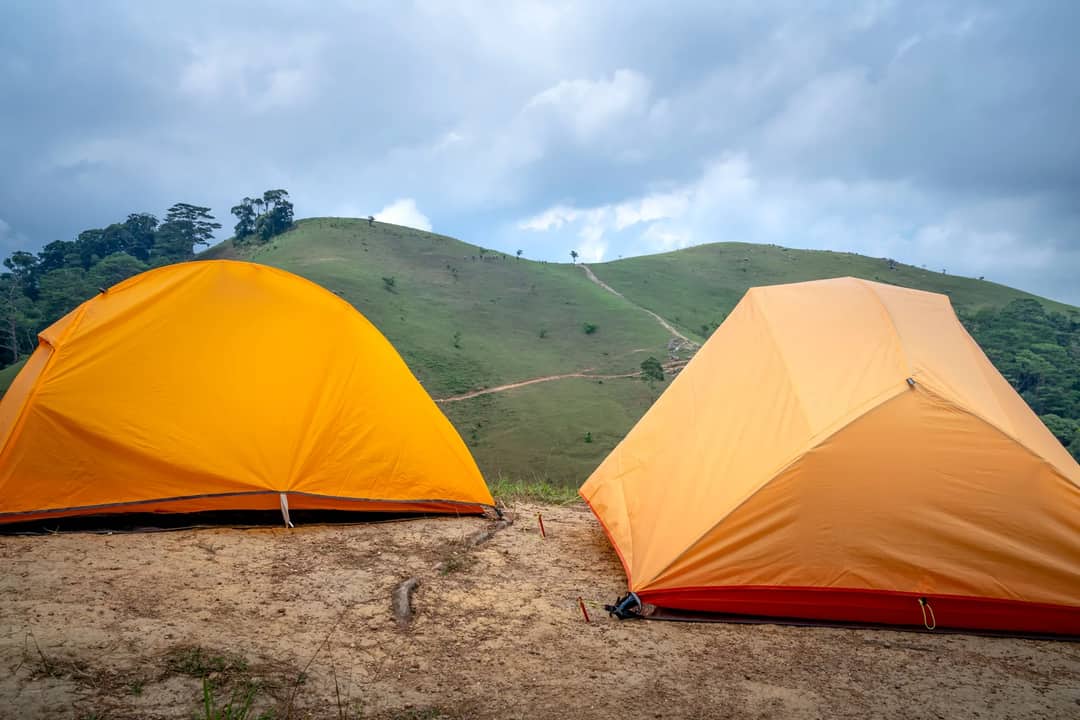
The vote concerns temporary campsites on private land. The report we read does not address wild camping, so check the national park’s own wild camping page for its guidance rather than assuming this vote changes it. If you have already booked a pitch at a farm or field site, nothing changes today, because the consultation has not even started. If a site you like is a temporary one, expect some operators to close or put prices up if planning permission becomes a requirement. Booking a permanent campsite is the safe choice.
What should walkers and campers do?
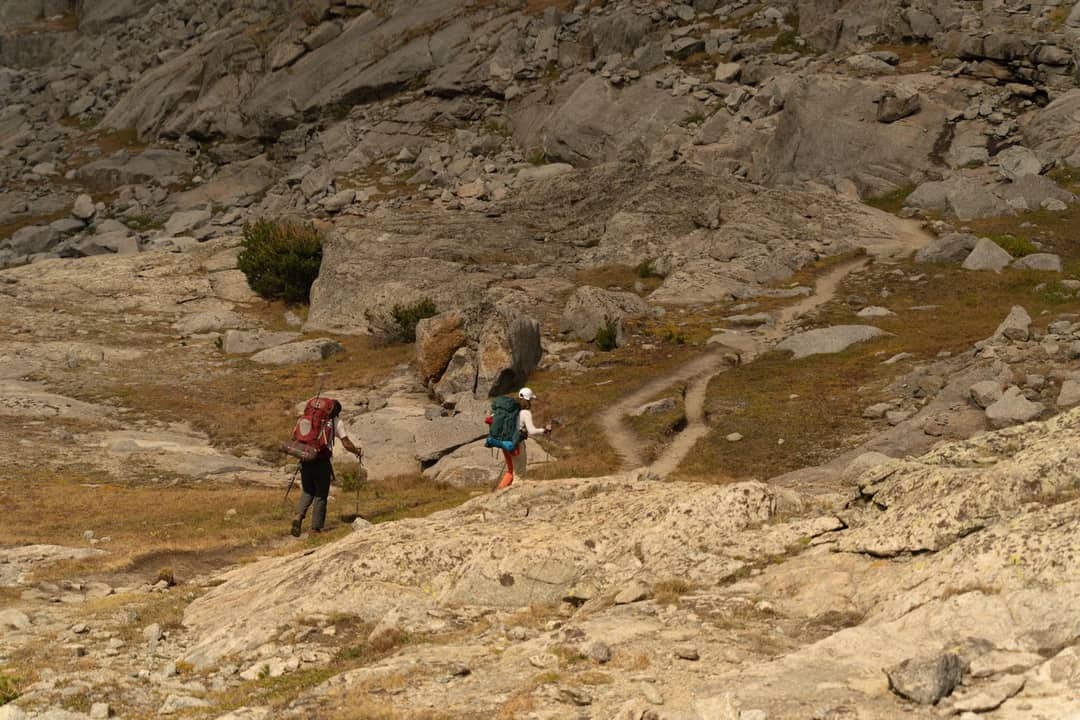
Treat temporary pitches as the less certain option for next summer and check each site is operating before you set off. If you care about the outcome, the consultation is the moment to have your say, and the Authority will publish the details once it opens.
What this means for you
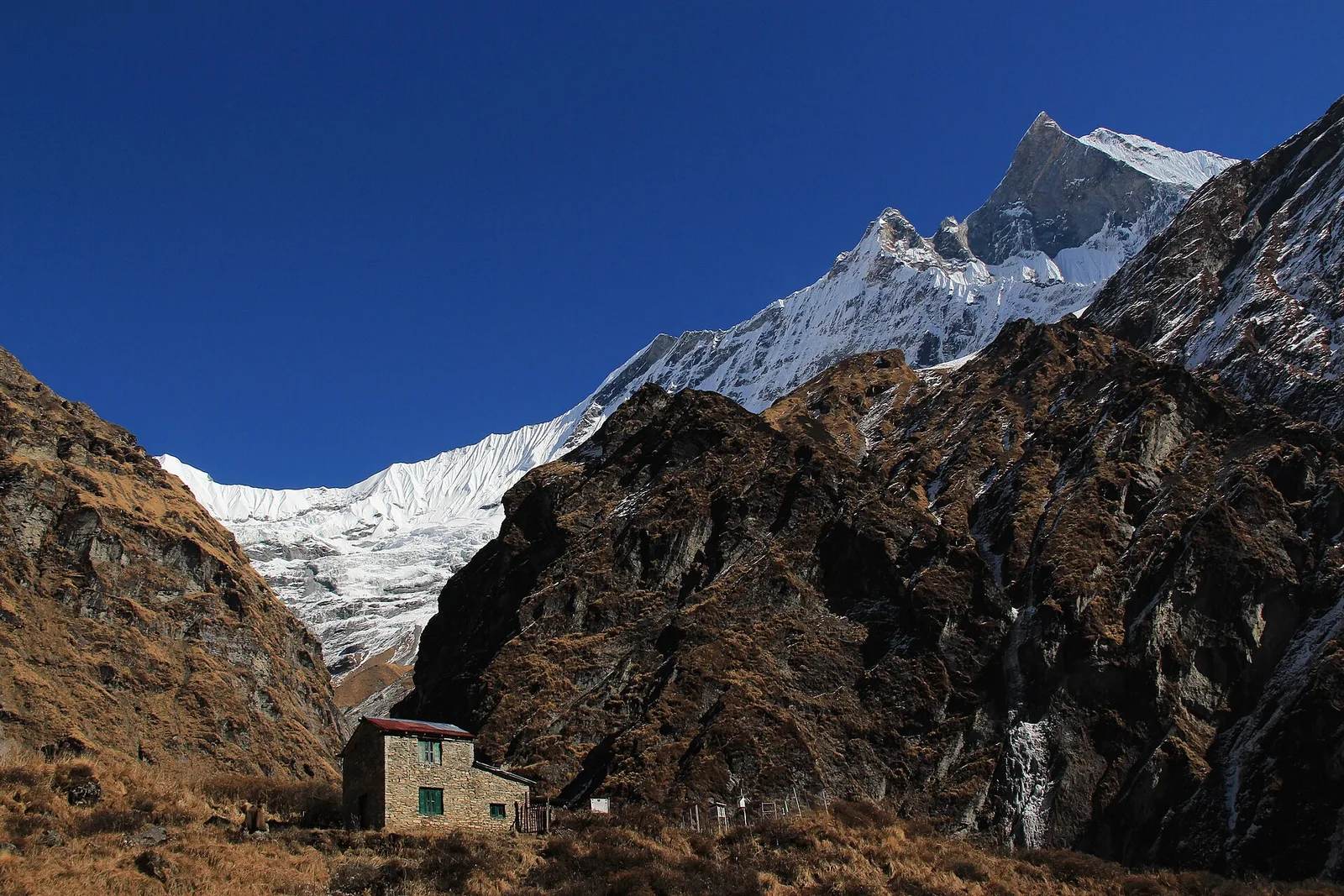
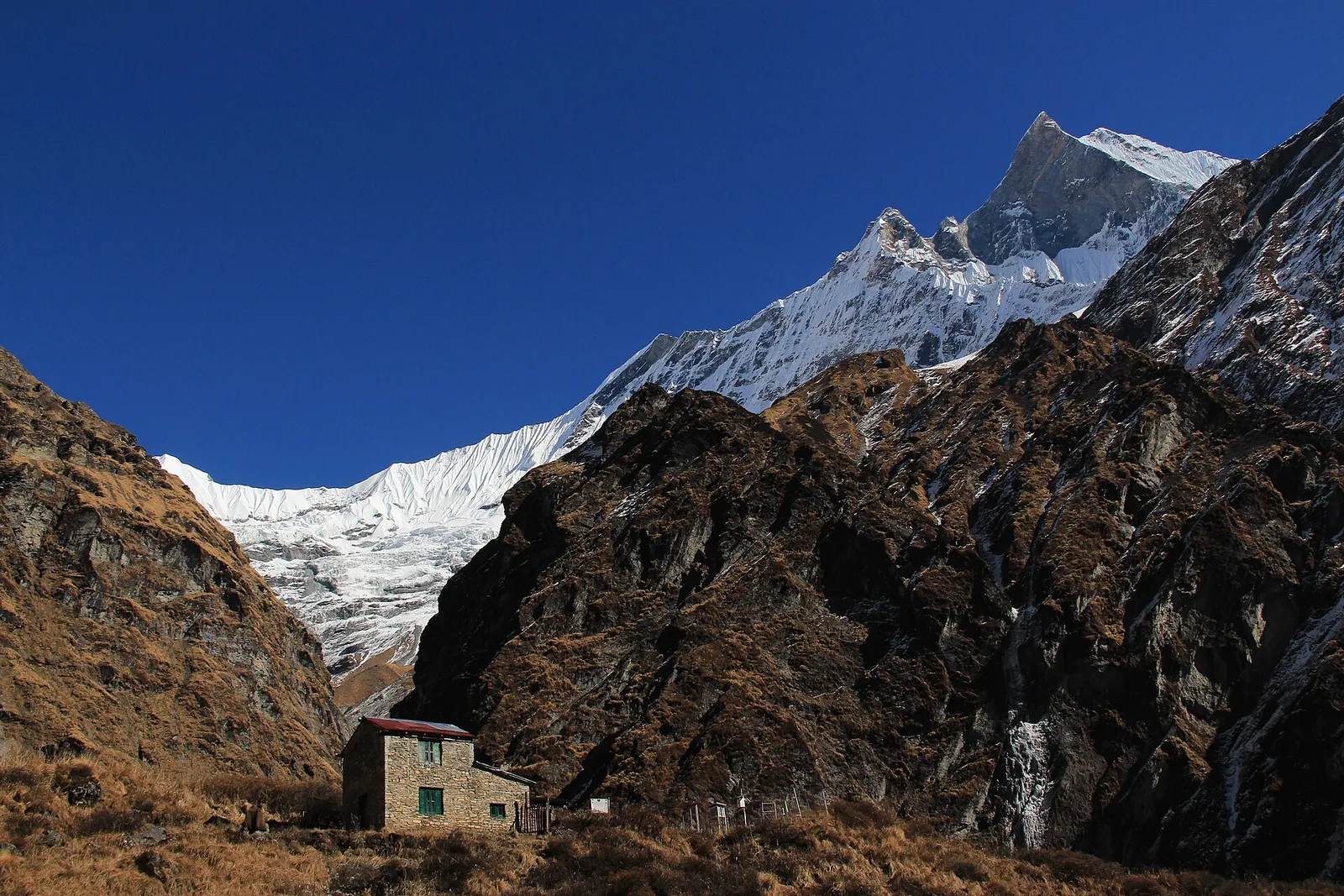
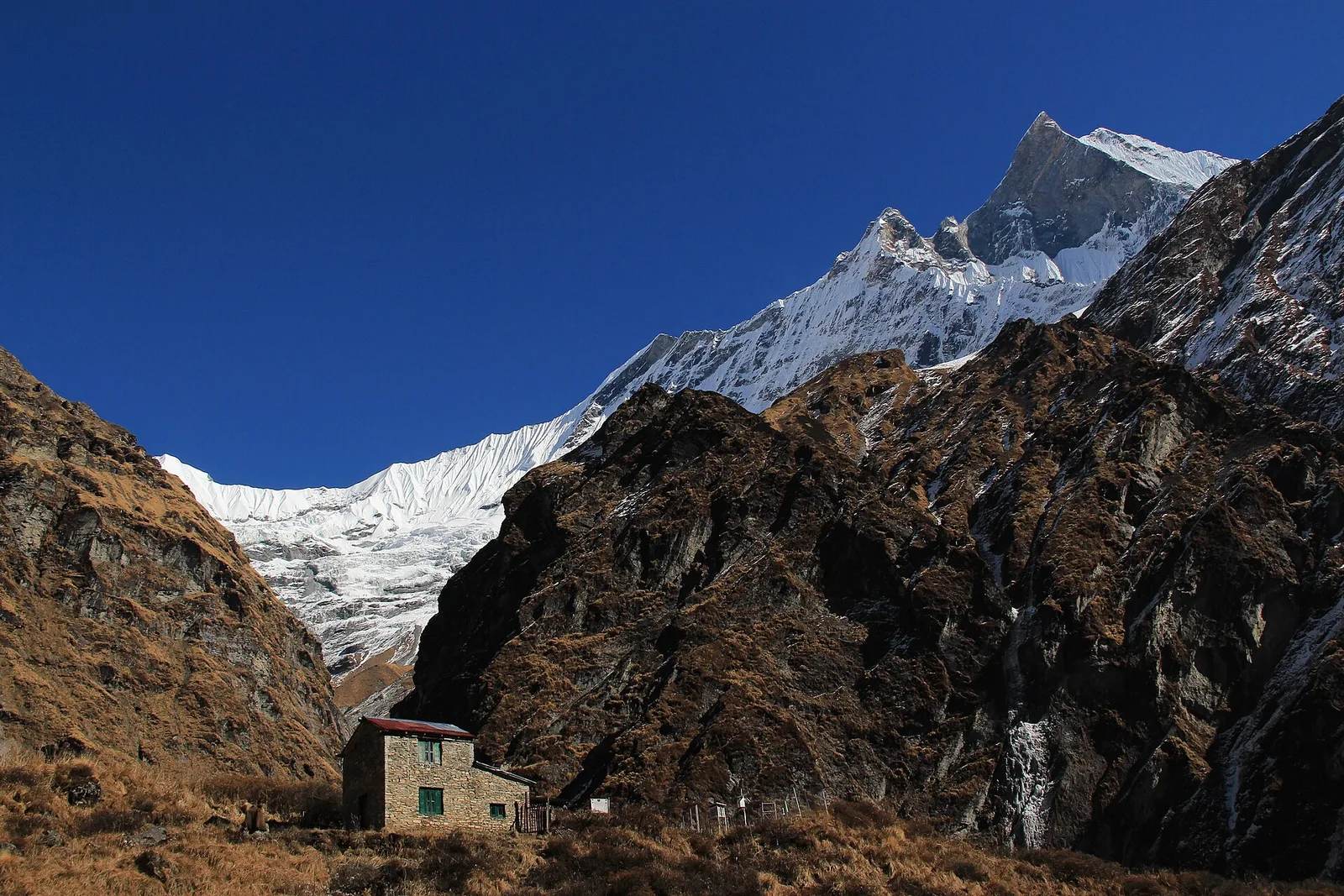
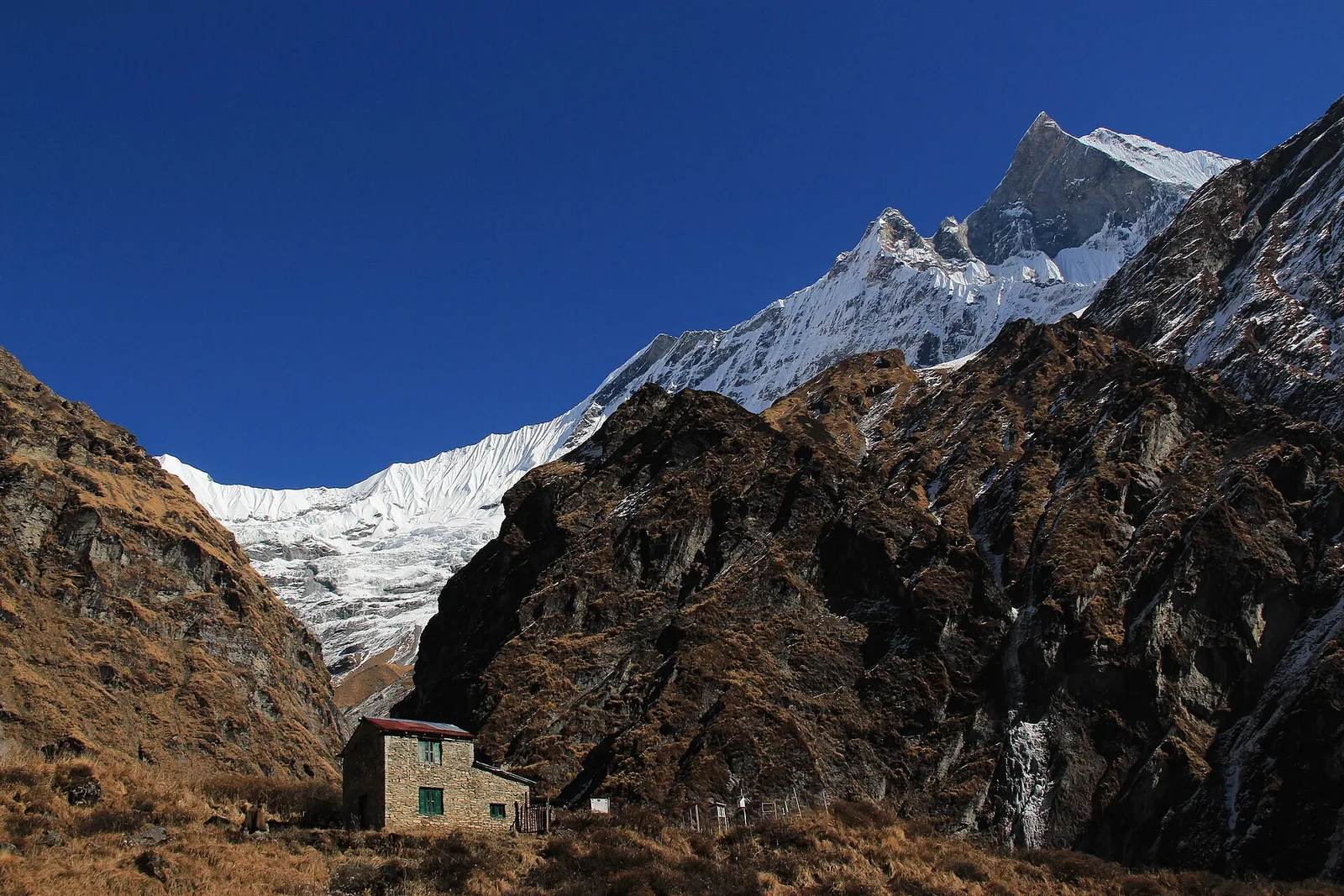
Nothing changes this weekend. Over the next year, the cheap pop-up field sites may thin out, so book early for peak weeks. If you want a trip with no campsite lottery at all, a teahouse trek has a bed and a meal waiting every night, as on our 4-day Mardi Himal trek.
Cover photo: Syed Qaarif Andrabi via Pexels (Pexels License). Section photos: Quang Nguyen Vinh via Pexels (Pexels licence); Michael Li via Pexels (Pexels licence); Alex Moliski via Pexels (Pexels licence).
Still running this season
Mardi Himal Trek — 4 Days is running normally
NMA-certified local guides, transparent pricing, 5,000+ treks since 1998. Message us your dates and we'll sort the permits, lodges and logistics — reply within 24 hours, no obligation.
Popular Nepal treks
All treks →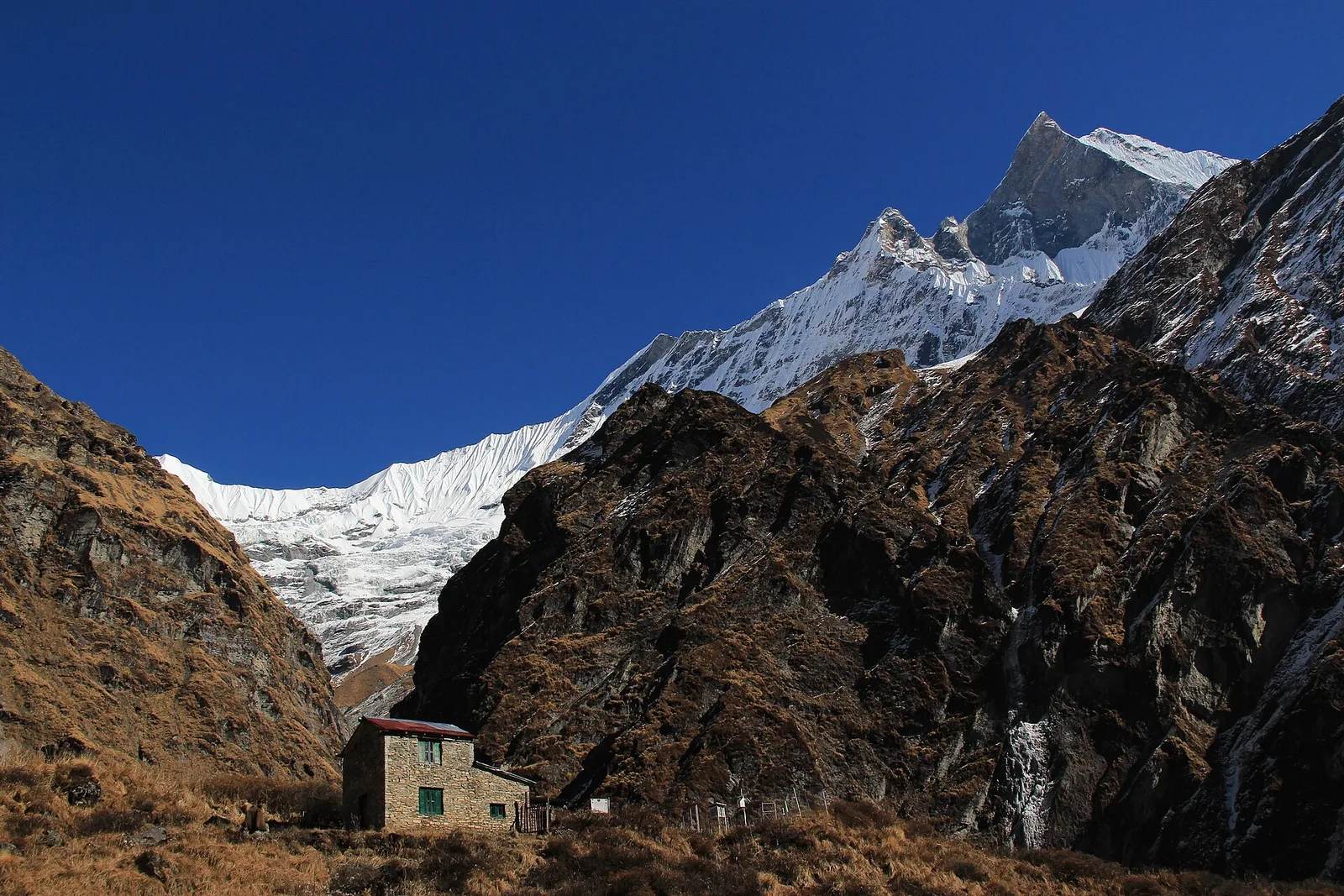
Related coverage
Breaking World Destinations
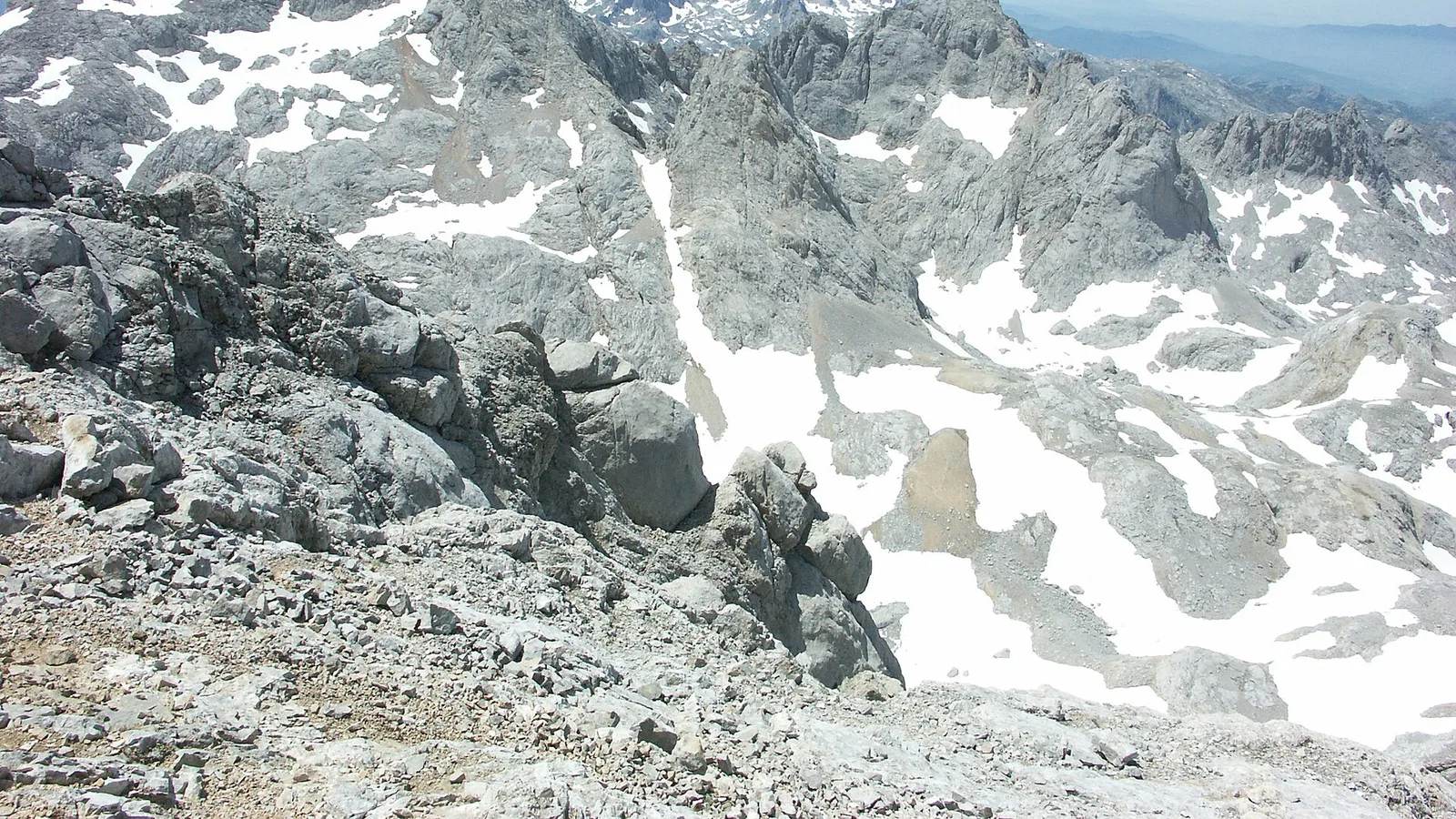
A British Climber Died 20 Metres From the Top of Spain’s Highest Peak in the Picos de Europa, and the Route Doesn’t Even Need Ropes
He fell about 60 metres descending Torrecerredo on Thursday, on ground climbers don’t rope up for — proof an ‘easy’ mountain can still kill you.
World Destinations
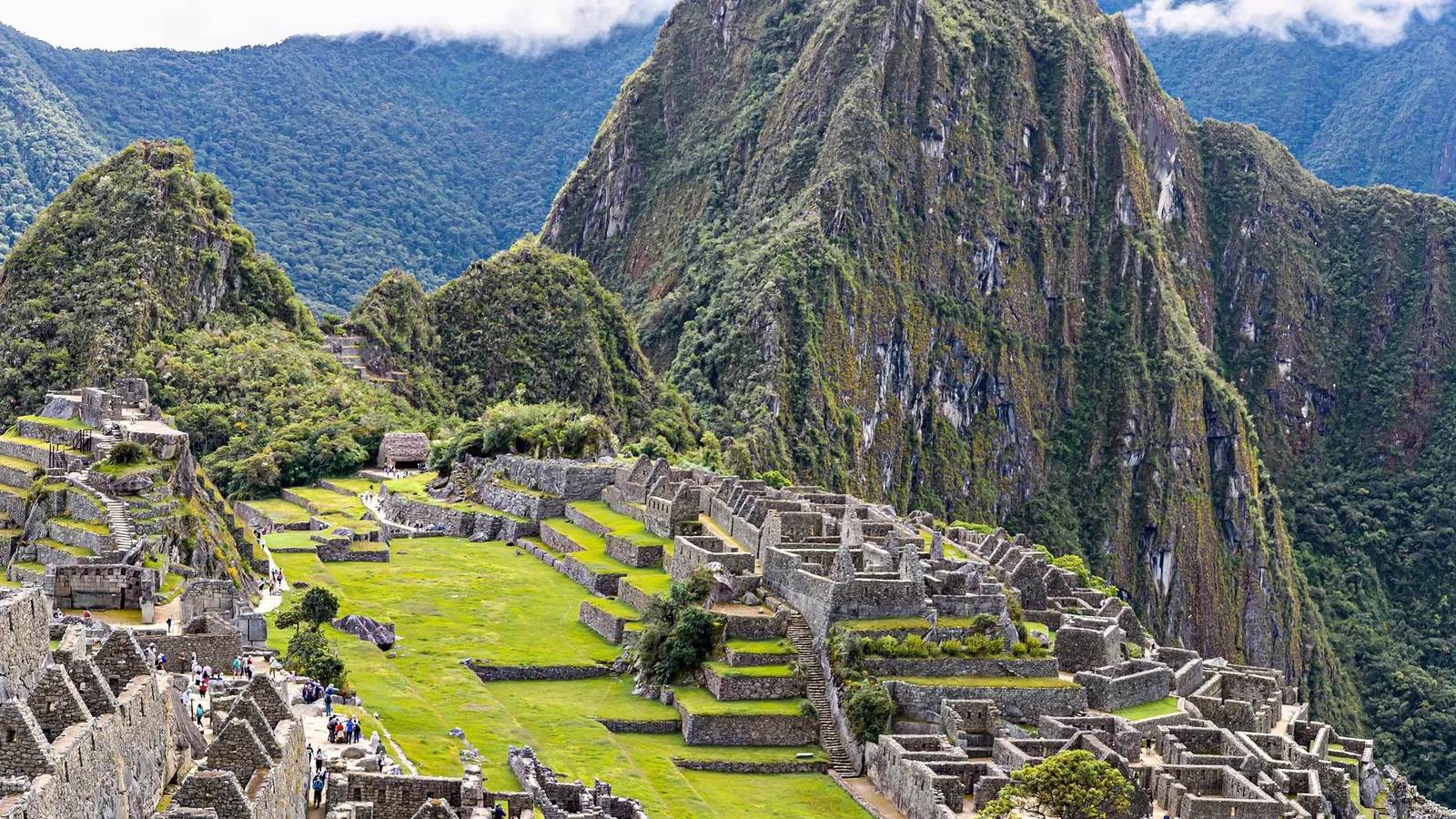
Altitude sickness doesn't need a mountain, just a flight to Cusco
Altitude illness starts around 2,450 m, and Cusco, La Paz and Lhasa all sit above it. Flying straight in is harder on you than walking to Everest Base Camp.
Safety & Advisories
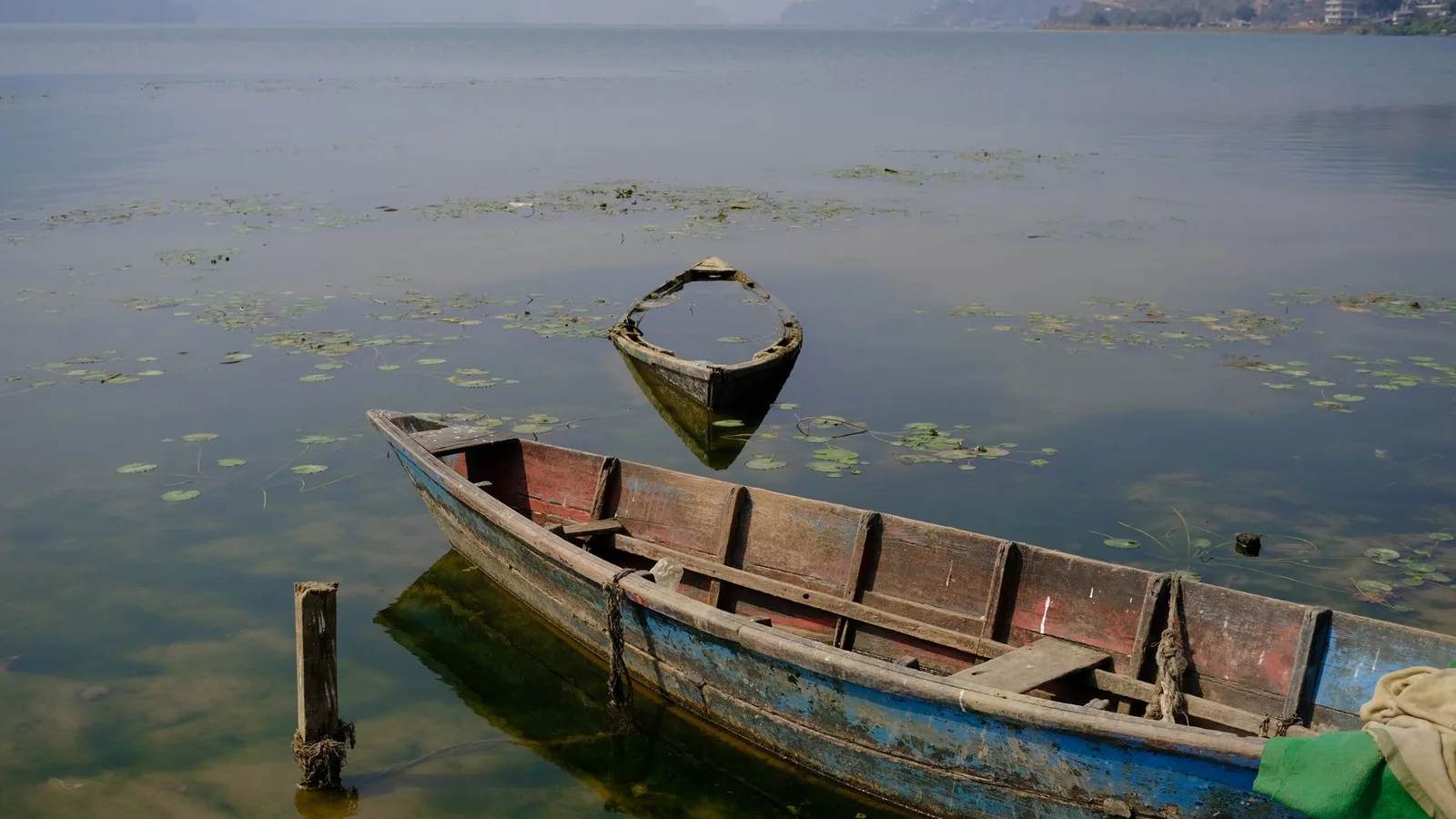
Is Pokhara safe after the floods, and is the road from Kathmandu open again
Pokhara and Kaski were not hit by the 26 August 2026 flood, which came down a different river system. The road in from Kathmandu reopened on 17 September.
Breaking Safety & Advisories
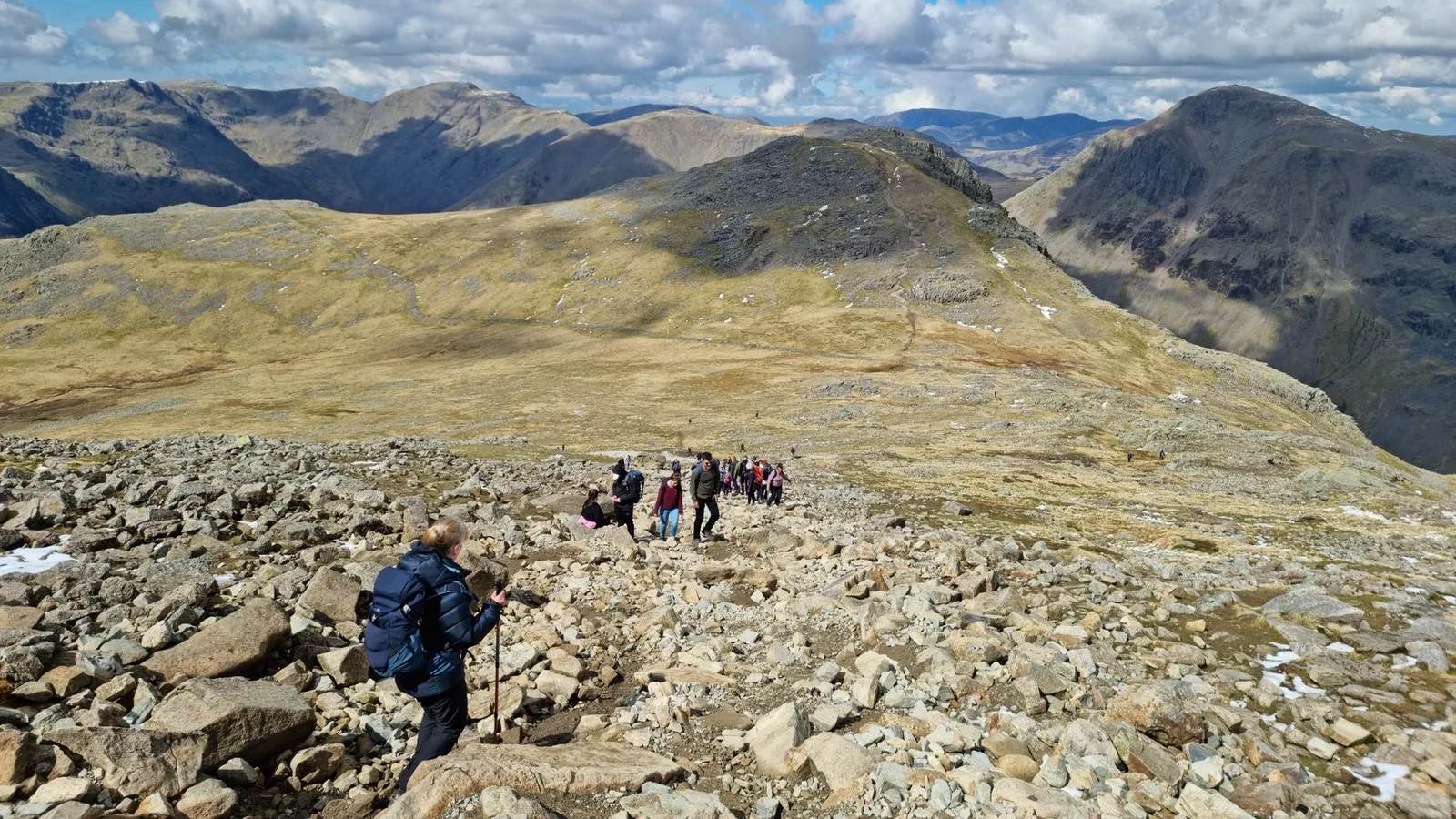
A Lake District Walker Was Rescued for Free After Nearly 13 Hours on the Fell, Here’s What the Same Call-Out Costs You in Nepal
Mountain rescue saved a Lake District walker for free after nearly 13 hours. In Nepal the same call-out can cost $3,000-$10,000 without insurance.
Latest from the desk
Visas & Entry
If You’re Taking the Ferry Between Wales and Ireland, Your Driving Licence Won’t Get You Onboard Any More
Since 28 September, Stena Line and Irish Ferries want a passport from every passenger on the Wales to Ireland crossings, children and British and Irish citizens included.
World Destinations
If you only have a week in Nepal, here's which trek actually fits
Four real options for one week, from a 4-day ridge walk to a 7-day Everest view trek, with altitude, price and the catch in each.
Deals & Routes
Poon Hill or Annapurna Base Camp, here's which one fits the time and fitness you actually have
Poon Hill tops out at 3,210 m on a 5-day walk, Annapurna Base Camp at 4,130 m over 9. Here's which suits your fitness, time and nerves.