
Lobuche East or Island Peak, here's which one should be your first Himalayan climb
Both cost the same permit and sit within 70 metres of each other in altitude, but our guides say the harder climb isn't the one most people assume.
At a glance
- Published
- TopicSafety & Advisories
- Verified againstNepal Mountaineering Association
- Treks coveredEverest Base Camp Trek — 12 Days, Island Peak Climbing — 14 Days, Lobuche East Peak Climbing — 16 Days
Pick Island Peak if this is your first roped Himalayan climb: its crux is a long, well-established fixed-rope headwall that a fit trekker can follow with proper instruction. Pick Lobuche East only if you already have some glacier or fixed-rope experience, because its final obstacle is not a rope you climb but a narrow, corniced ridge where the real challenge is balance and nerve, not strength. Both peaks cost the same permit and sit within 70 metres of each other in altitude — the difference that actually matters is what happens in the last hour of the climb.
Key facts
- Island Peak (Imja Tse) stands 6,189m; Lobuche East stands 6,119m — a 70m gap
- Both are Nepal Mountaineering Association Group A trekking peaks with an identical climbing royalty: US$350 in spring, US$175 in autumn, winter and summer
- Both need the same additional permits: a Sagarmatha National Park entry (NPR 3,000) and the Khumbu Pasang Lhamu Rural Municipality fee (NPR 3,000) — there is no TIMS card in the Khumbu
- Both are graded Alpine PD+, but climbers who have done both consistently call Lobuche East’s summit ridge the harder of the two
How much does each one actually cost, permits included
They cost almost exactly the same to permit, and a few hundred dollars apart to book as a full trip. The Nepal Mountaineering Association charges an identical climbing royalty for both peaks — US$350 per climber in spring, dropping to US$175 in autumn, winter and summer — plus a refundable US$500 garbage deposit that applies to all 27 NMA peaks. On top of that, both routes run through Sagarmatha National Park, so you pay the same NPR 3,000 park entry and NPR 3,000 Khumbu Pasang Lhamu municipality fee either way. The gap shows up in the full-package price instead: our 16-day Lobuche East trip runs from US$3,200 solo down to US$2,450 in a group of eight or more, while our 14-day Island Peak trip runs from US$3,400 solo down to US$2,550 in a group of eight or more — Island Peak costs slightly more mainly because of the extra rope-fixing Sherpa staffing its headwall needs each season.
| Lobuche East | Island Peak | |
|---|---|---|
| Altitude | 6,119m | 6,189m |
| NMA group | Group A | Group A |
| Royalty, spring | US$350 | US$350 |
| Royalty, autumn/winter/summer | US$175 | US$175 |
| Our trip, solo | US$3,200 (16d) | US$3,400 (14d) |
Which one is actually the harder climb
Lobuche East is, and the reason is not altitude but exposure. Both peaks are climbed on fixed rope up a steep 45 to 50 degree slope of snow and ice, and both are graded PD+ on the alpine scale. Island Peak’s obstacle is a roughly 150-metre ice headwall that you jumar and crampon your way up on a rope that hundreds of climbers use every season — strenuous, but a known quantity with an established line. Lobuche East’s obstacle comes after the slope, on a narrow, corniced summit ridge with real drop on both sides, where the technique that matters is balance and composure rather than rope-climbing strength. Our guides, who take clients up both mountains every autumn and spring, treat Lobuche East as the more serious objective of the two despite its lower summit — it is climbed far less often, and the parties on it tend to already have some rope or glacier experience behind them.
Which is the better first Himalayan summit for most trekkers
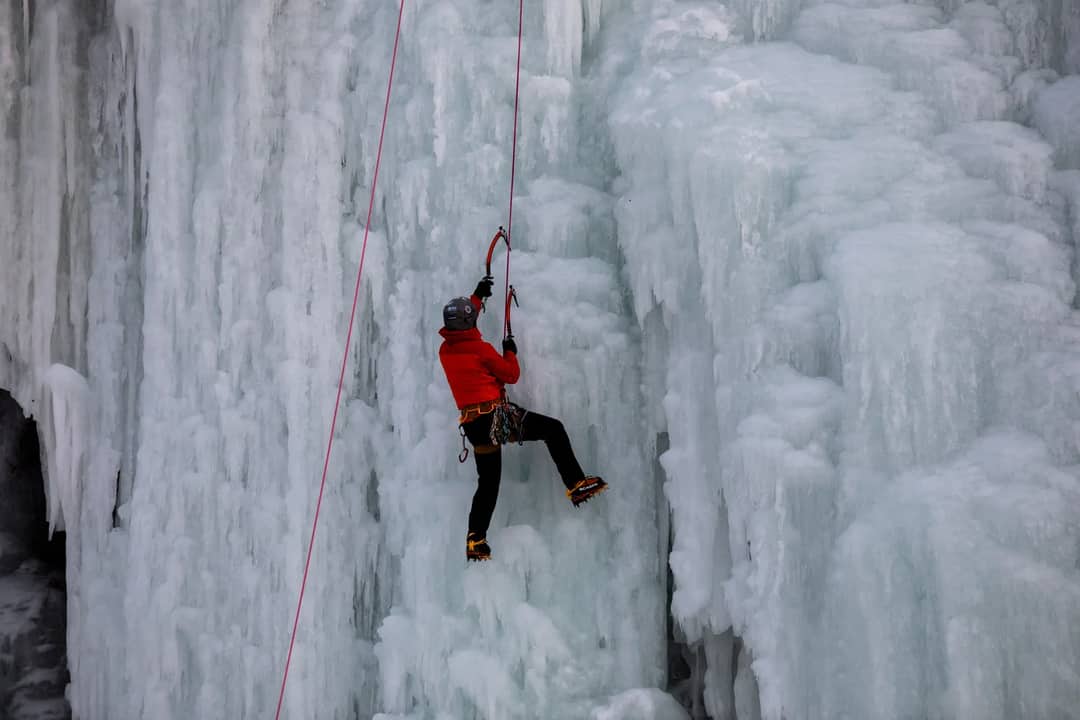
Island Peak, for the great majority of people who ask us this question. It gives a structured, well-guided introduction to the actual skills of Himalayan climbing — crampons, a fixed-line ascender, a harness and a rope team — on a route where the infrastructure, from the Chukhung acclimatisation nights to the high camp, is the most established of any Nepal trekking peak. Lobuche East is the better choice if you already have that grounding and want a quieter mountain: far fewer parties climb it each season, the approach through Lobuche and Everest Base Camp is arguably the more scenic of the two, and the summit view — Everest, Nuptse, Makalu and Ama Dablam in one sweep — is the best of any trekking peak in the Khumbu. Neither is a mountain to treat casually. Both sit above 6,000m, both demand real acclimatisation days built around the standard Everest Base Camp itinerary, and altitude sickness, not the technical climbing, is what actually turns most people back.
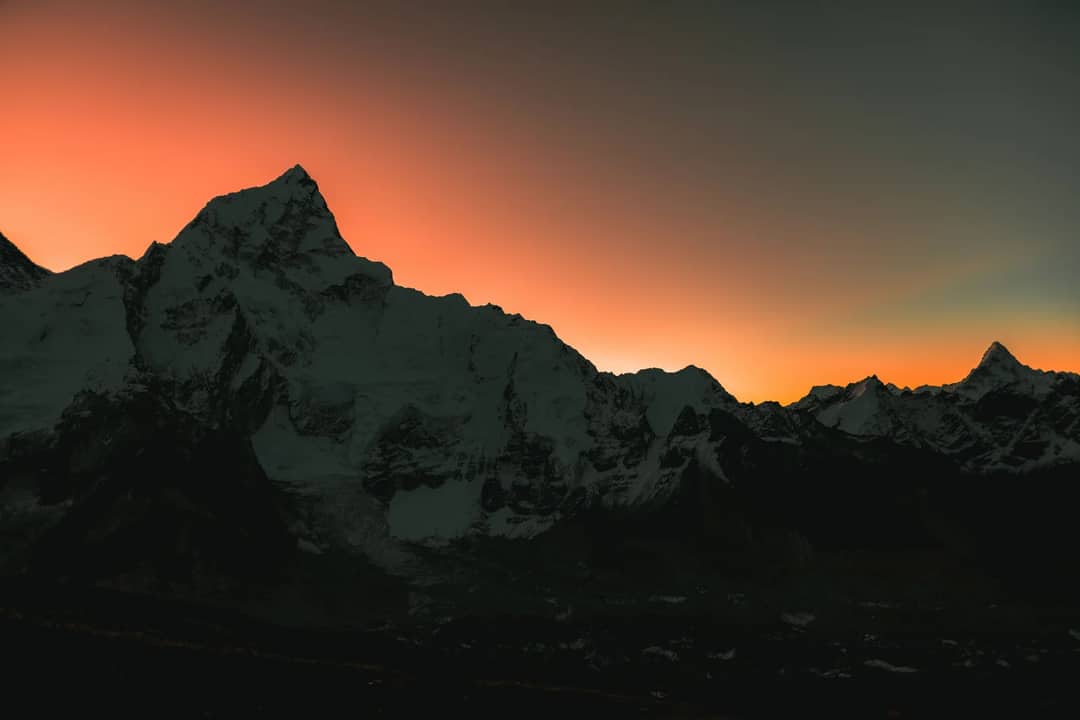
So which should you actually pick
What this means for you
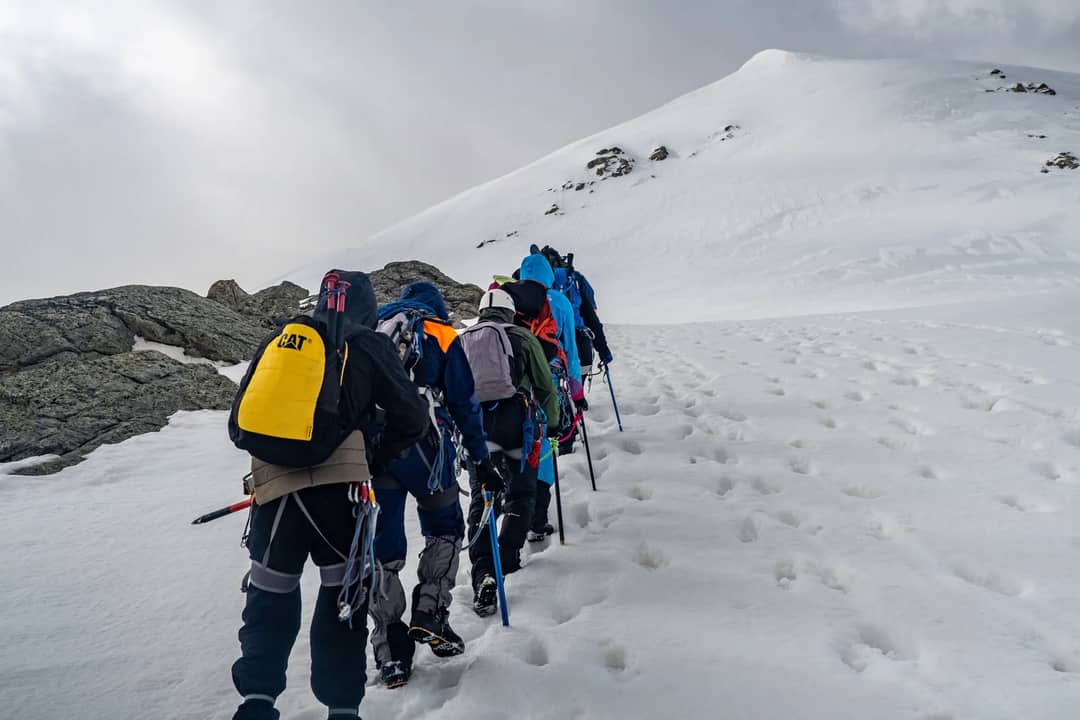
If this is your first roped climb above 6,000m, book Island Peak — the headwall is hard work but it is a known, well-protected line, and the support infrastructure around it is the best in the region. If you already have crampon and fixed-rope experience and want a quieter, more committing objective with one of the great Himalayan panoramas as the reward, book Lobuche East instead, and go with guides who climb it every season, because its ridge punishes hesitation more than it punishes a lack of strength. Either way, do not book either peak as a bolt-on to a standard Everest Base Camp itinerary without the extra acclimatisation days built in — that is where climbers actually get into trouble, not on the rope.
We run both as guided climbs out of the Khumbu: the 14-day Island Peak Climbing trip for a structured first Himalayan summit, and the 16-day Lobuche East Peak Climbing trip for climbers ready for the harder ridge. Both build in a full Everest Base Camp approach before the technical days begin, so acclimatisation is never rushed.
Common questions about choosing between Lobuche East and Island Peak
Is Lobuche East harder than Island Peak?
Most guides who have led both say yes, despite Lobuche East’s lower altitude. Island Peak’s crux is a long, well-protected ice headwall; Lobuche East’s crux is a narrow, exposed summit ridge where a slip carries more consequence.
Do Lobuche East and Island Peak need different permits?
No. Both are Nepal Mountaineering Association Group A trekking peaks with an identical climbing royalty — US$350 in spring and US$175 in autumn, winter and summer — plus the same Sagarmatha National Park and Khumbu Pasang Lhamu municipality fees.
Which should a first-time climber choose?
Island Peak. Its route is the most established trekking-peak climb in Nepal, with a well-known fixed-rope line and the strongest guiding infrastructure in the Khumbu, making it the more forgiving introduction to roped Himalayan climbing.
Source: Nepal Mountaineering Association
Cover photo: Earth Science and Remote Sensing Unit, Lyndon B. Johnson Space Center via Wikimedia Commons (Public domain). Section photos: Akar S. Ali via Pexels (Pexels licence); Tina Lu via Pexels (Pexels licence); 정규송 Nui MALAMA via Pexels (Pexels licence); Arjay Neyra via Pexels (Pexels licence); Матвей Ильин via Pexels (Pexels licence).
Still running this season
Everest Base Camp Trek — 12 Days is running normally
NMA-certified local guides, transparent pricing, 5,000+ treks since 1998. Message us your dates and we'll sort the permits, lodges and logistics — reply within 24 hours, no obligation.
Popular Nepal treks
All treks →
Related coverage
Safety & Advisories
Is the Lobuche Peak Climb Affected by the 2026 Nepal Floods?
Short answer: no. Lobuche Peak (6,119 m) is an NMA climbing peak in the Everest region, reached via Lukla on the Dudh Koshi — a separate watershed from the Rasuwa flood. The route is unaffected; the only real variable is monsoon-season Lukla flights.
Safety & Advisories
If You're on Blood Pressure Medication, Here's What Everest Base Camp Altitude Actually Does to You
Altitude raises blood pressure and some heart drugs slow acclimatisation, but most controlled hypertension does not rule out an Everest Base Camp trek.
Permits & Rules
Nepal Now Stations Rangers at 6,400 Metres on Everest to Weigh Climbers' Rubbish, Poop Bags Included
Everest's first mountain rangers weighed 9.5 tonnes of waste this spring, and 1.76 tonnes of it was human waste carried down in bags.
Industry & Tourism
Everyone Says Island Peak Costs More Than Mera Peak in 2026 — the NMA Fee Says They're Identical
Nepal’s two most-climbed trekking peaks carry the same government permit fee this year, so the choice comes down to technical grade, not price.
Latest from the desk
Wildlife & Nature
Chitwan or Bardia, here's which Nepal safari you should actually book
Nepal's 2026 tiger census found record numbers in Chitwan and a rare decline in Bardia, and it changes the honest answer to which safari to book.
Breaking Flights & Access
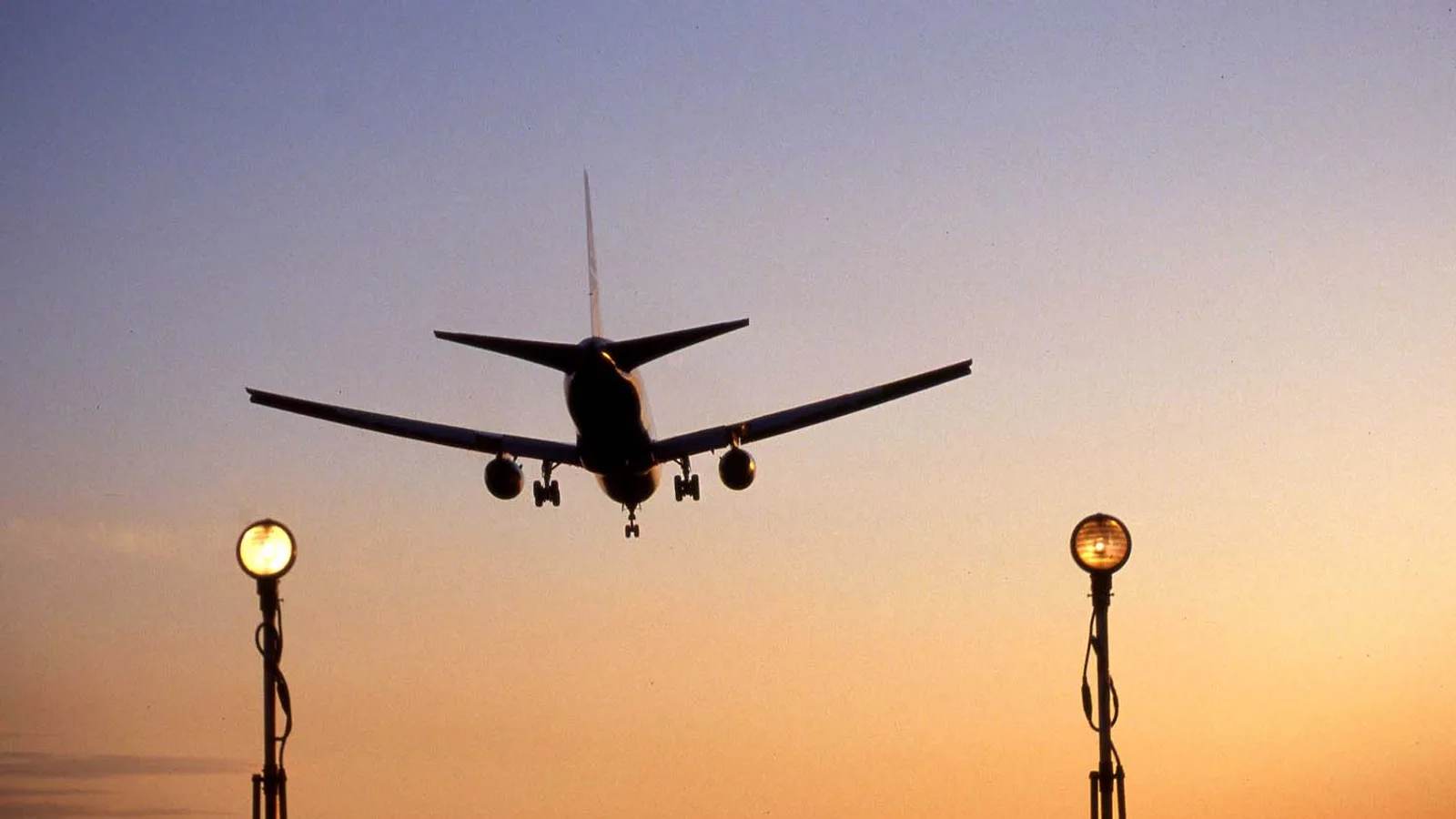
Heathrow's Third Runway Just Slipped Four Years to 2039, Here's What Actually Changes for Your Fare
Heathrow says its 2035 third-runway deadline is unrealistic and now targets 2039, leaving London's capacity squeeze unresolved for years.
Breaking Flights & Access
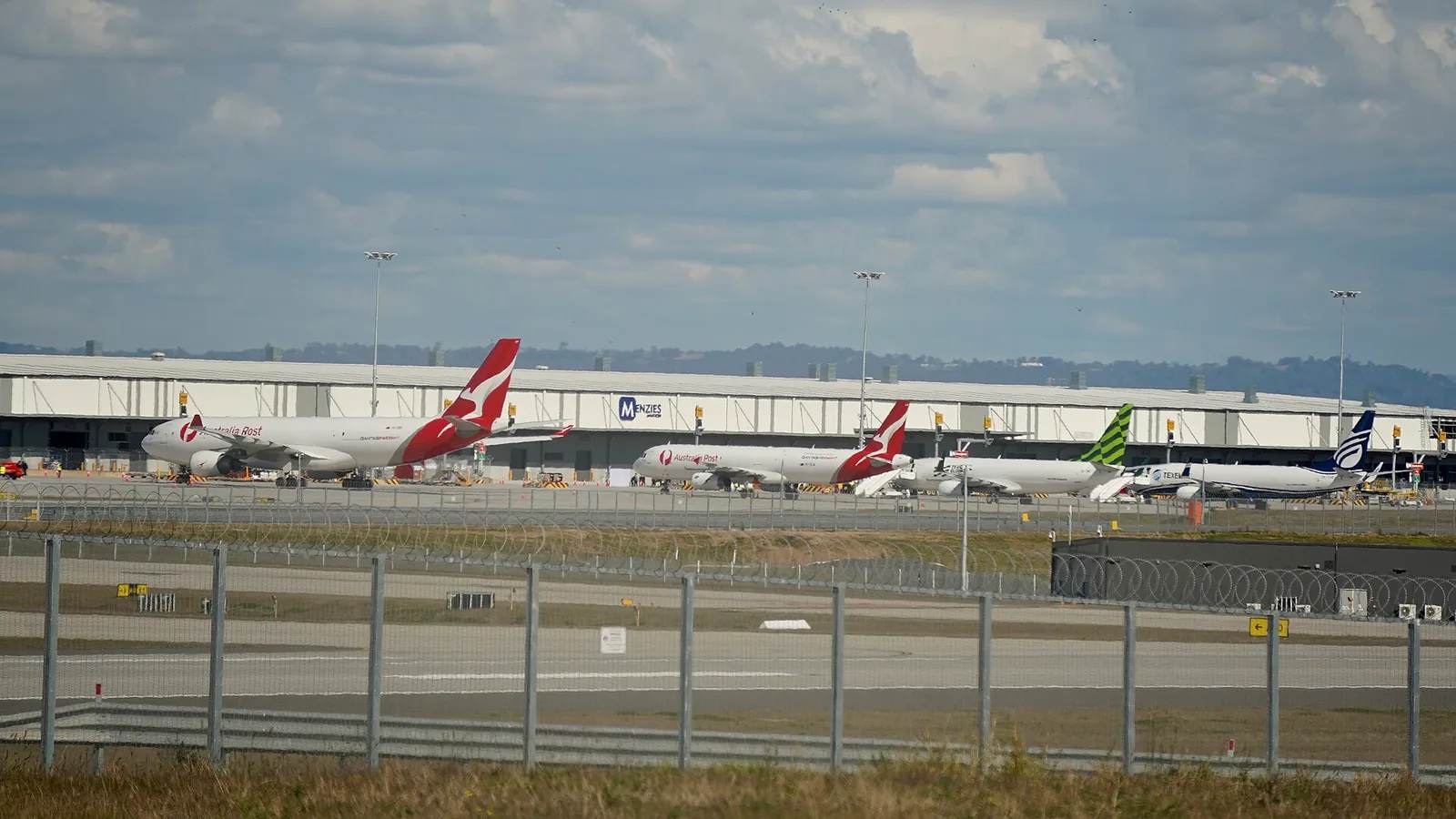
Sydney's New $14 Billion Airport Opens October 25, Here's Why There's Still No Train to It
Western Sydney International opens 25 October with Jetstar's first flight, but the promised Metro line won't carry passengers until 2027.