
America's Darkest Canyon Gets Just 33 Minutes of Sunlight a Day, and It Isn't the Grand Canyon
Colorado's Black Canyon of the Gunnison is deeper than it is wide, and some stretches get barely 30 minutes of direct sun a day.
At a glance
- Published
- TopicWorld Destinations
- Verified againstNational Park Service
- Treks coveredAnnapurna Circuit Trek — 10 Days
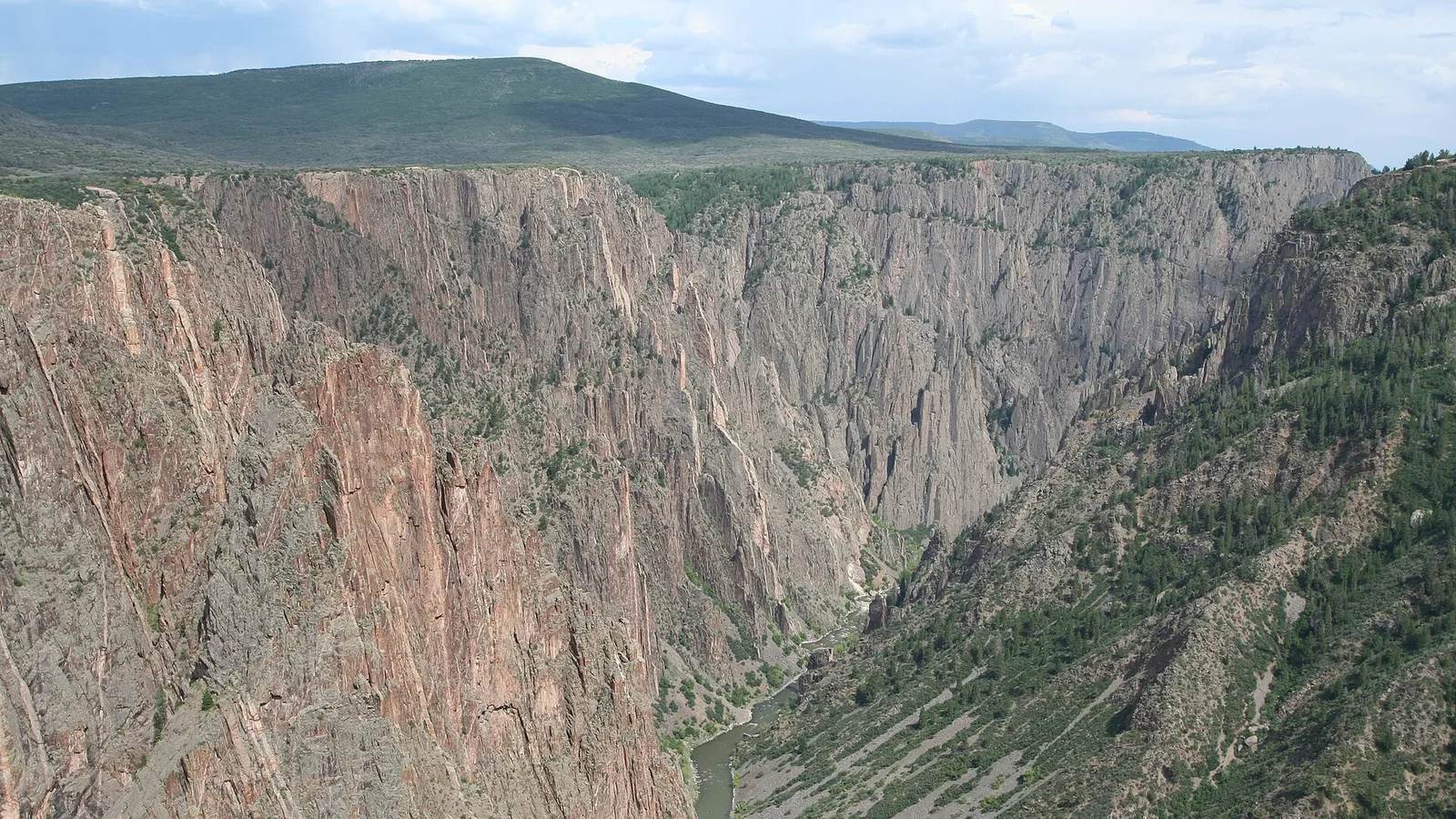
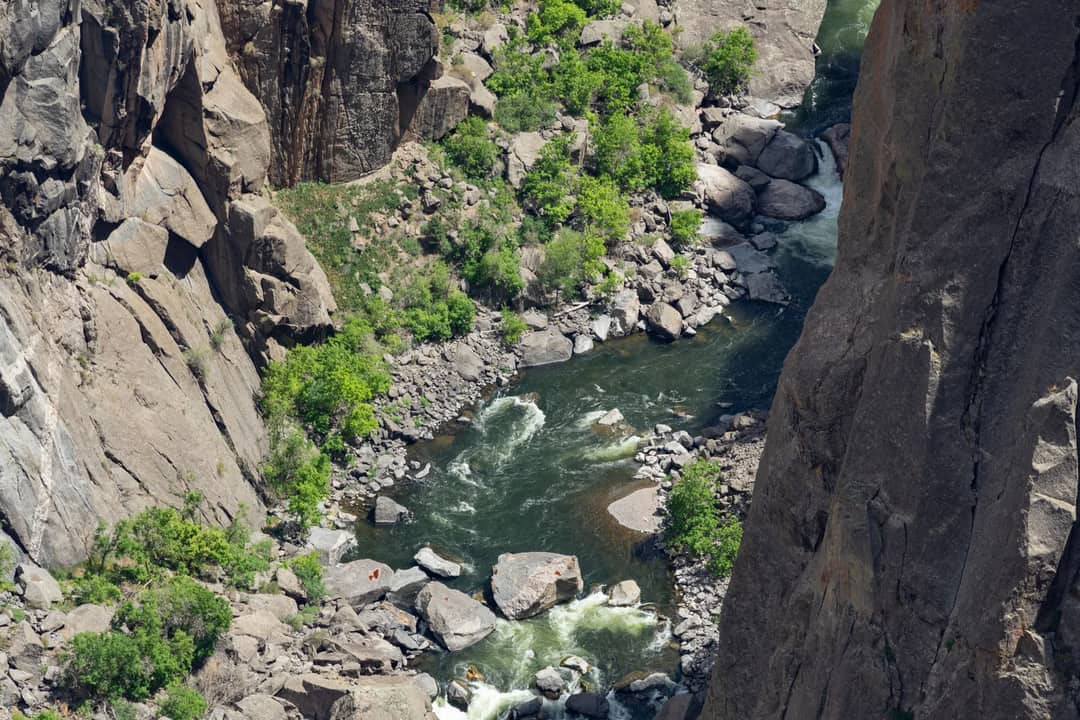
Black Canyon of the Gunnison National Park in western Colorado is so narrow relative to its depth that some stretches of its floor get only about half an hour of direct sunlight a day — which is why early settlers named it Black Canyon in the first place. At its tightest point, a stretch called The Narrows, the canyon is just 40 feet wide at the river while the walls above rise as high as 2,700 feet, making it deeper than it is wide for most of its 53-mile length. That is a ratio the Grand Canyon, roughly 300 miles to the west, never comes close to.
Key facts
- Depth ranges from 1,750 to more than 2,700 feet, according to the National Park Service
- The Narrows: just 40 feet wide at the river, one of the narrowest points of any major US canyon
- Painted Wall, at 2,250 feet, is the tallest sheer cliff face in Colorado
- Redesignated a national park in 1999, after 66 years as a national monument
Why this canyon is darker than almost anywhere else in the US
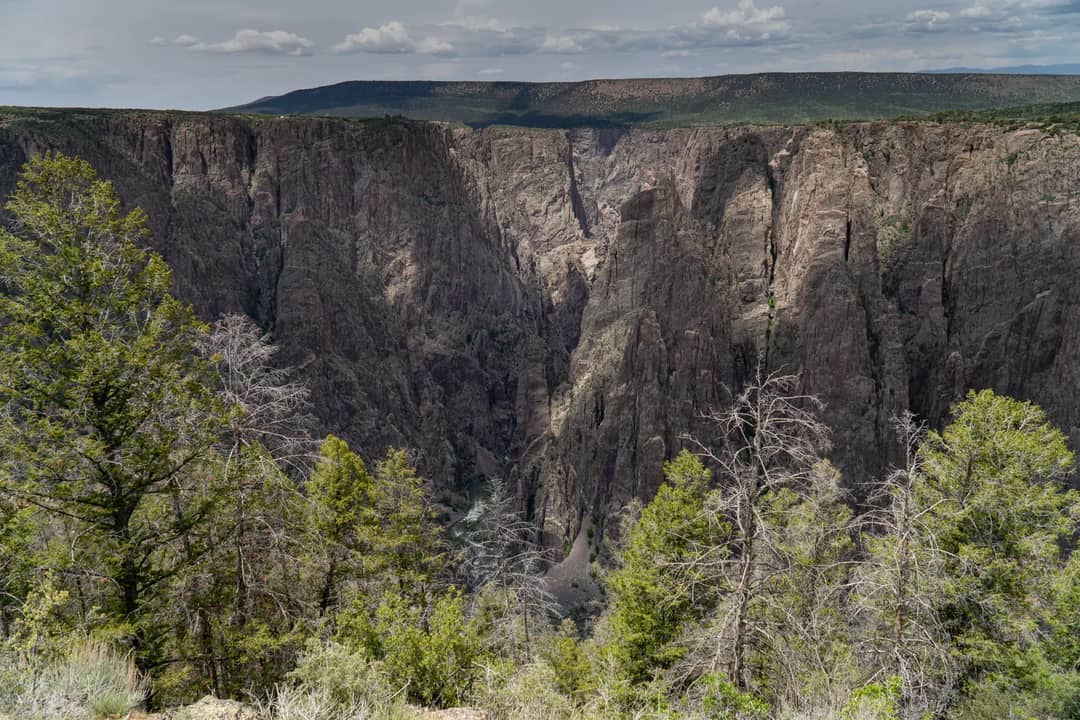
The darkness comes down to geometry, not latitude. Most western canyons, including the Grand Canyon, are far wider than they are deep, so sunlight reaches the bottom for most of the day. Black Canyon inverts that: the Gunnison River has spent roughly two to three million years cutting through some of the hardest, oldest rock in North America — Precambrian gneiss and schist — at about an inch every hundred years, while the surrounding land kept rising. The result is walls steep enough, and close enough together, that the sun clears the rim for only a narrow window each day in the deepest stretches. The National Park Service’s own tagline for the park is simply “Deep, Steep and Narrow.”
How it compares to the Grand Canyon
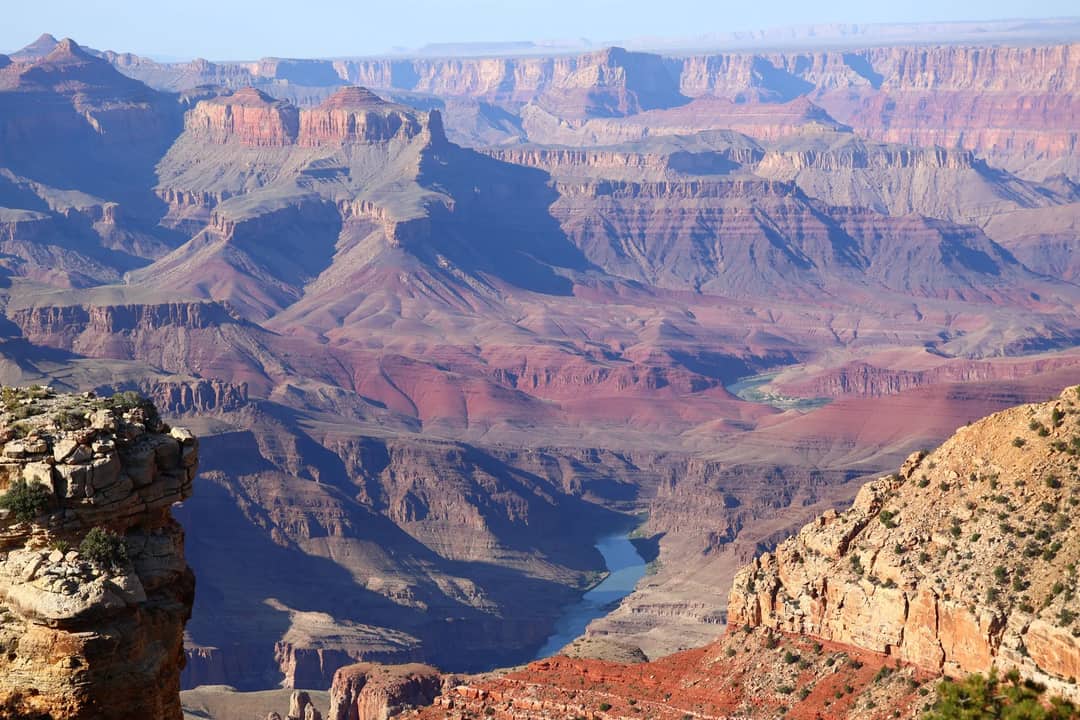
The Grand Canyon is bigger in almost every raw measurement — up to 18 miles across, roughly a mile deep on average and 277 miles long, against Black Canyon’s 53 miles — and it draws nearly 5 million visitors a year to Black Canyon’s 357,069. But size isn’t the same as drama. The Grand Canyon’s scale comes from its width; Black Canyon’s comes from refusing to widen at all. Standing on the South Rim, you can often see the river 2,000 feet straight down with the opposite wall close enough that the two rims feel like they belong to the same room, not two different horizons.
What it’s actually like to visit, and when to go
Most visitors never leave the rim, and that is enough: the South Rim Drive is paved, open most of the year and takes two to three hours with stops at overlooks like Painted Wall and Chasm View. The gravel North Rim is seasonal, quieter and requires a longer drive around. Dropping into the inner canyon is a different trip entirely — the National Park Service requires a free wilderness permit for every inner-canyon route, day or overnight, and rates the descents among the more demanding scrambles in the national park system, with loose rock, poison ivy and route-finding rather than a marked trail. Some routes remain closed following a 2025 wildfire on the South Rim, so check current conditions before you commit to one. The park is also a certified International Dark Sky Park, which turns the same steep walls that block the sun by day into a genuine advantage after dark.
If deep, narrow gorges are your thing, here’s where else to look
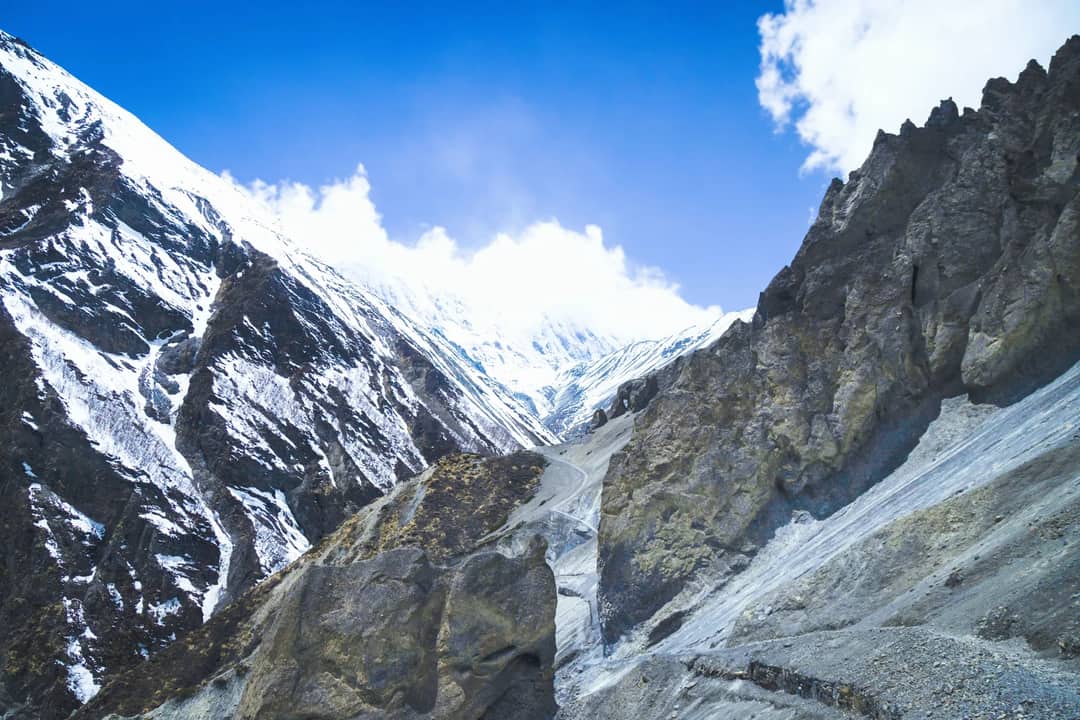
Nepal has its own extreme version of this geography, for a different reason. The Kali Gandaki Gorge, which the Annapurna Circuit trek walks straight through, runs between two mountains over 8,000 metres tall — it isn’t the trench itself that’s remarkable so much as what rises on either side of it. If Black Canyon’s drama is depth against a narrow floor, Kali Gandaki’s is depth measured against two of the tallest peaks on Earth.
What this means for you
Don’t plan a full Colorado day around Black Canyon the way you would the Grand Canyon — the rim drive is a half-day stop, not a destination in itself. But if you’d rather stand at the edge of something genuinely vertiginous than fight crowds at a wider, gentler canyon, this is the one to choose, and at under 360,000 visitors a year, you’ll likely have most overlooks to yourself.
Frequently asked questions
How deep is Black Canyon of the Gunnison?
Between 1,750 and more than 2,700 feet deep along its 53-mile length, according to the National Park Service, making it deeper than it is wide for most of that distance.
Is Black Canyon of the Gunnison bigger than the Grand Canyon?
No. The Grand Canyon is far larger overall, up to 18 miles wide and roughly a mile deep in places, but Black Canyon is proportionally narrower and steeper, which is why its floor gets so little direct sun.
Do you need a permit to hike into Black Canyon of the Gunnison?
Yes, for any inner-canyon route below the rim. The National Park Service requires a free wilderness permit for day and overnight use; the rim trails themselves are open without one.
Depth, width and visitor figures: National Park Service geodiversity atlas and park visitation statistics for Black Canyon of the Gunnison National Park.
Cover photo: Massimo Catarinella via Wikimedia Commons (CC BY-SA 3.0). Section photos: Drew Burks via Pexels (Pexels licence); Ken Jacobsen via Pexels (Pexels licence); Raziella R via Pexels (Pexels licence); Ashok J Kshetri via Pexels (Pexels licence).
Still running this season
Annapurna Circuit Trek — 10 Days is running normally
NMA-certified local guides, transparent pricing, 5,000+ treks since 1998. Message us your dates and we'll sort the permits, lodges and logistics — reply within 24 hours, no obligation.
Popular Nepal treks
All treks →
Latest from the desk
Records & People
Tom Hiddleston Walked to Everest Base Camp for a Film That Finally Puts Tenzing Norgay First
Apple’s new film Tenzing sent Tom Hiddleston and co-star Genden Phuntsok trekking to Everest Base Camp before filming, here’s the real 1953 story.
Visas & Entry
Montenegro Is Ending Visa-Free Entry for Russia and Belarus This November, and Turkey Just Got Swept In Too
From 1 November 2026, Russia, Belarus and Turkey lose visa-free access to Montenegro under EU alignment rules, most Western travellers won’t notice.
Breaking Flights & Access
LAX Got Grounded by Thunderstorms Again, and Here's the One Thing No Government Makes an Airline Pay You For
LAX got grounded by thunderstorms again. Here's what US, UK, EU, Canadian and Australian rules actually require when weather delays your flight.