
Breaking · Safety & Advisories
The US Just Told Americans to Reconsider Travel to Saudi Arabia, and Photographing a Missile Strike Can Get You Detained
The State Department’s 12 October Level 3 advisory cites missile attacks, exit bans and arrests over social media. Here is what it means for your trip and cover.
At a glance
- Published
- TopicSafety & Advisories
- Verified againstFox News (citing the US State Department advisory of 12 October 2026)
- Treks coveredAnnapurna Base Camp Trek — 9 Days
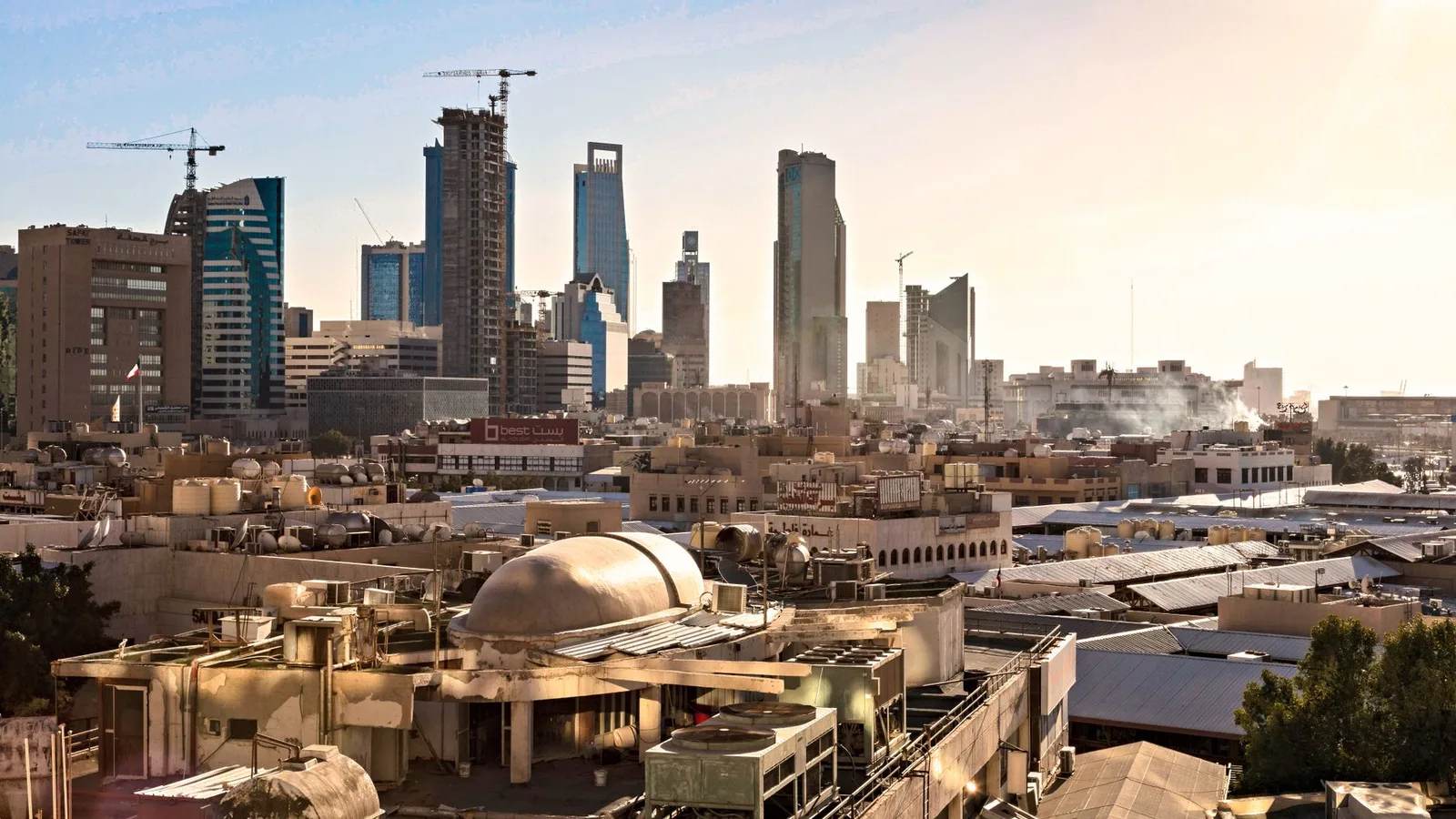
The State Department issued a Level 3 “Reconsider Travel” advisory for Saudi Arabia on 12 October, with the area near the Yemen border at Level 4, Do Not Travel. Commercial flights are still operating, but Americans have been detained for photographing missile and drone interception or impact sites, and exit bans can stop you leaving.
Key facts
- Level 3, Reconsider Travel, issued 12 October 2026; the Yemen border area is Level 4.
- Reasons given: regional conflict, terrorism, missile and drone attacks, exit bans and strict social media laws.
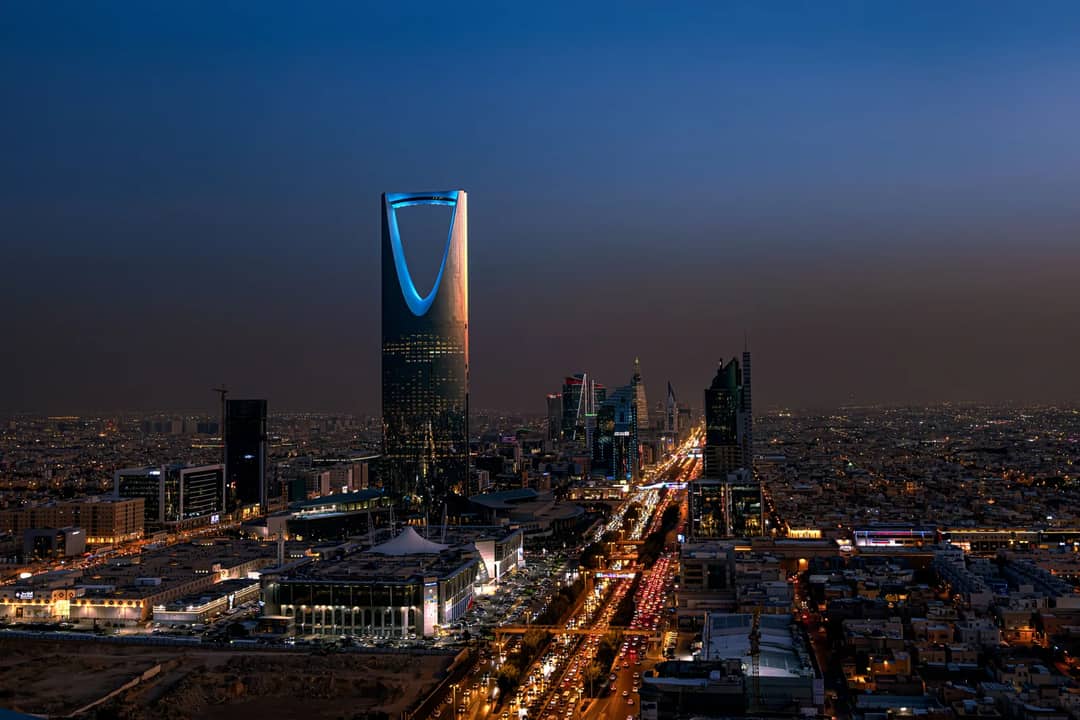
- On 10 October the US Mission urged Americans to avoid King Khalid International Airport in Riyadh and the surrounding area.
- Houthi attacks on Saudi airports have reportedly killed at least 14 people, including an American, and injured more than 300.
What the advisory actually says
Level 3 means reconsider travel, not do not go. The advisory warns that missiles and drones have targeted cities, airports, military bases and energy facilities, and that debris from intercepted weapons can hurt people on the ground. Attacks could also occur with little warning at tourist sites, hotels, transport hubs and malls. Commercial flights continue, though service has faced major disruption. We covered the flight side in our Riyadh flights piece.

Why photographing an attack can get you detained
The advisory tells travellers not to photograph, film or share information about missile or drone interceptions or impact sites, and notes Americans have been detained for doing so. That is the single most practical line in it: the instinct to film an interception from a hotel balcony is the one that causes trouble.

| Risk | What the advisory says |
|---|---|
| Missiles and drones | Cities, airports and energy sites targeted; debris danger |
| Photography | Americans detained for filming interceptions or impact sites |
| Social media | Some US citizens arrested over past posts, reposts or likes seen as critical |
| Exit bans | Can stop some US citizens leaving, sometimes for years |
Exit bans and old social media posts
The advisory says breaking Saudi law, even by mistake, could mean deportation, fines, imprisonment or an exit ban. It also says some US citizens have been arrested over past social media activity, including posts critical of the government or its leaders, and the risk extends to content shared from outside the country. The embassy links exit bans to pending investigations, such as unpaid visa overstay fees or financial and labour disputes. If you have a transit or stopover booked through Riyadh or Jeddah, review what you have posted before you fly.
What it means for your insurance and plans
Check your travel insurance wording before you decide. Many policies restrict or exclude cover for destinations where a government advises against travel, and Level 3 is not Level 4, but the wording and the insurer differ, so ask in writing. A flight cancelled by an airline is a separate matter: see our flight rights guide and the rebooking rules. The advisory also tells travellers to have a plan to leave that does not rely on US government help, so book a flexible fare and know your second exit route.
What this means for you
If you must go, enrol in the State Department’s traveller programme, avoid the Riyadh airport area where you can, do not film anything related to an attack, and read your policy first. If you are choosing a trip, many travellers will simply wait. Travel writer Lee Abbamonte told Fox News he would “probably sit it out” if thinking of travelling to the region. Britons and Australians should check their own government’s current advice, because it may differ. A calmer mountain alternative is our 9-day Annapurna Base Camp trek.
Cover photo: Tayssir Kadamany via Pexels (Pexels License). Section photos: abul lais via Pexels (Pexels licence); Frank van Dijk via Pexels (Pexels licence); Efrem Efre via Pexels (Pexels licence); Kenneth Surillo via Pexels (Pexels licence); Tima Miroshnichenko via Pexels (Pexels licence).
Visas and entry rules
More on Travel advisories
- News · 23 Sept 2026Ethiopia Just Lost Three Airports to Fighters, Here's What US and UK Governments Are Actually Telling Travelers
- News · 22 Sept 2026Dubai and Abu Dhabi flights are still landing normally, but the US and UK are giving very different advice about going there right now
- News · 21 Aug 2026Travel Advisories Explained (2026): How to Read Government Warnings — and Why They Can Void Your Insurance
Live travel desk
Related coverage

Safety & Advisories
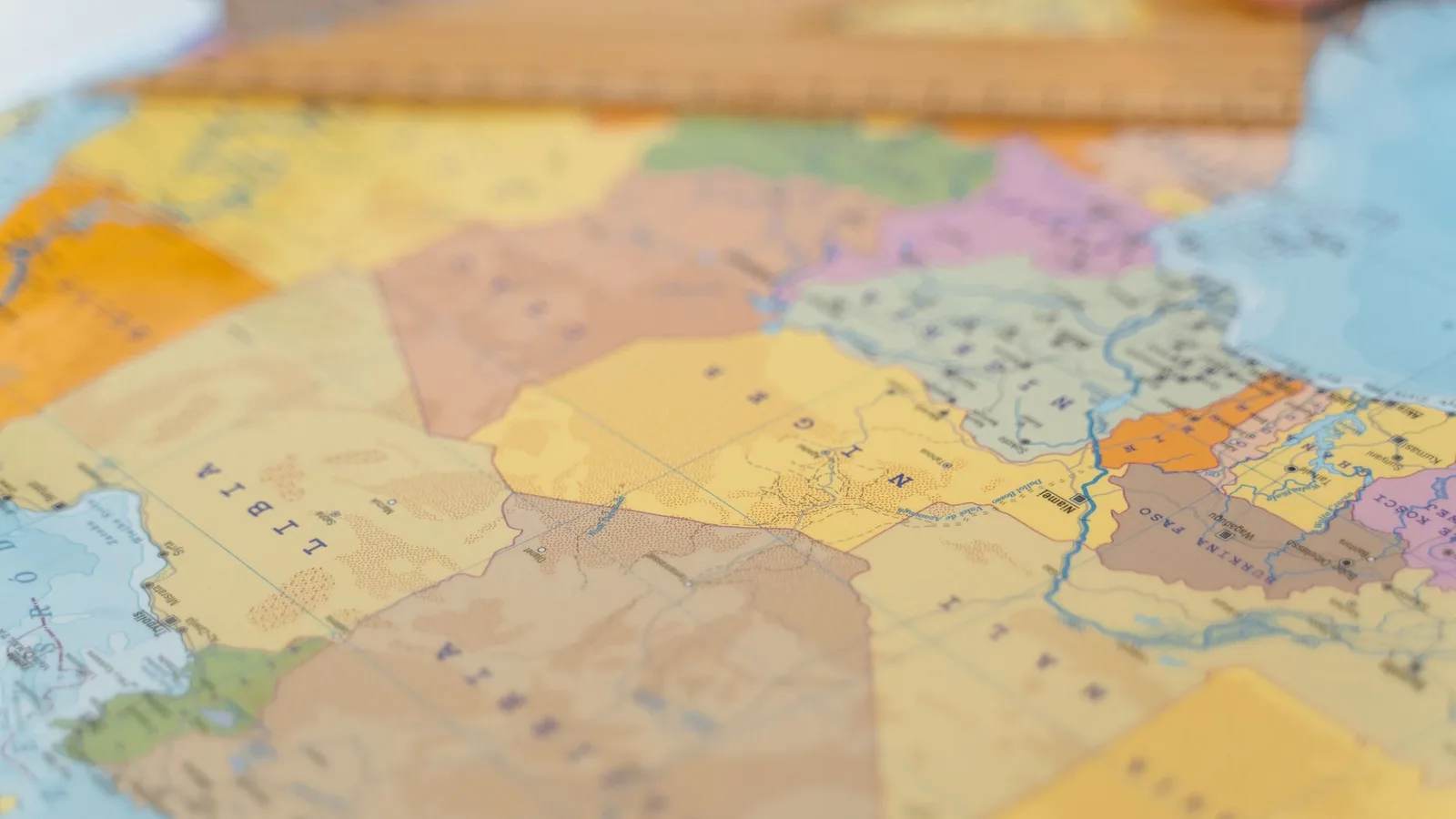
Is Mexico safe for Americans right now, state by state from the State Department
Mexico is Level 2 overall, but six states are do-not-travel and two are Level 1. Cancún, Los Cabos and Mexico City all sit at Level 2.
Safety & Advisories
How many countries the US actually tells you not to visit, and where Nepal sits
Of 214 destinations the State Department rates, 23 are do-not-travel. Nepal carries the same level as France, Italy and Spain.
Safety & Advisories
No Atlantic hurricane yet this year, and what it means for an autumn Caribbean trip
Six named storms, zero hurricanes, the latest start of the satellite era. NOAA still says one storm is enough, and the peak runs into October.
Breaking Safety & Advisories
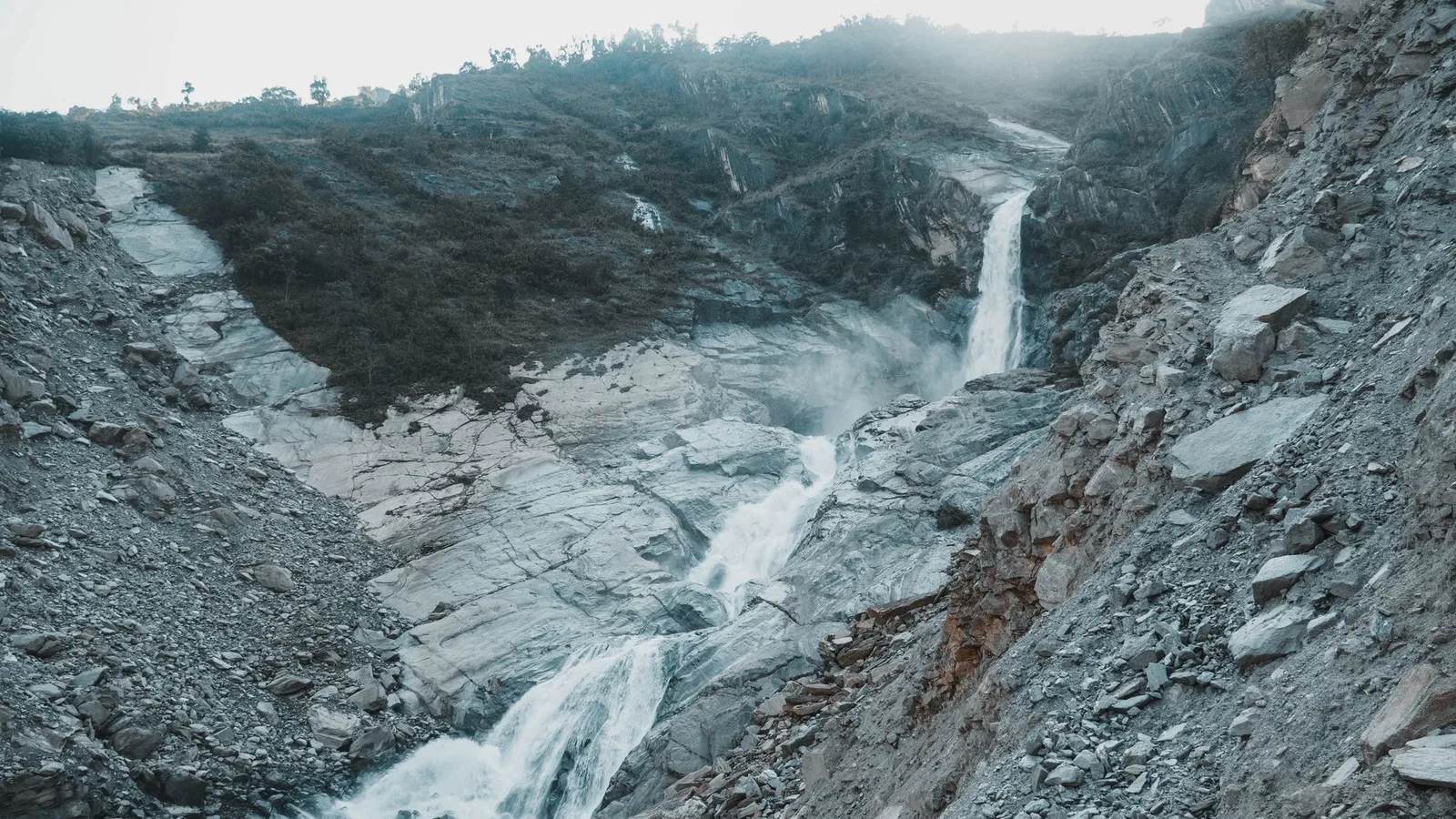
A Landslide Dam Just Burst on the Budhi Gandaki, and It Is the River the Manaslu Trail Follows
A landslide-dammed river burst on 11 October, leaving five missing and four bridges damaged. Here is what we know and what to check before a Manaslu trip.
Latest from the desk
Breaking Flights & Access
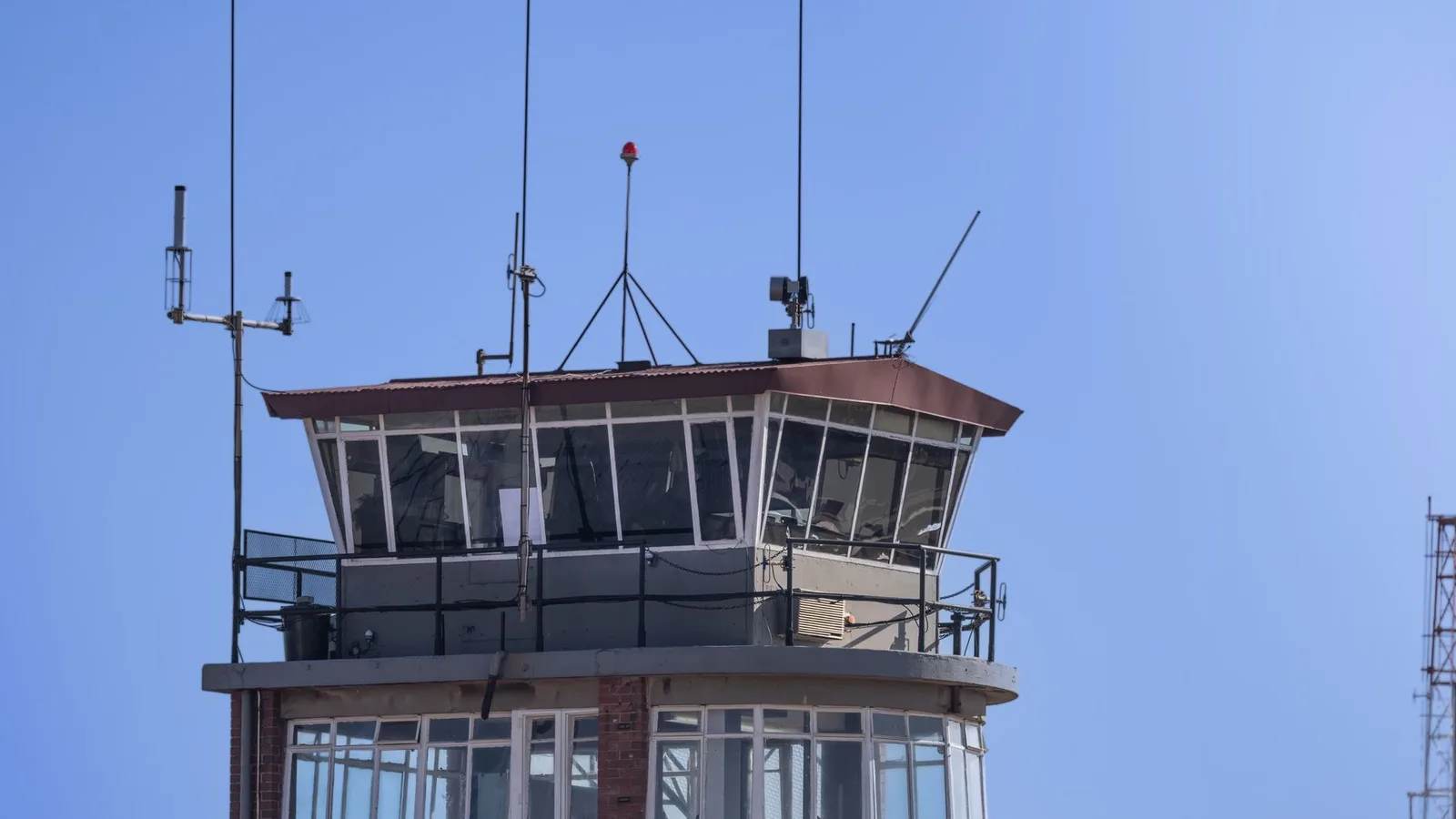
Two US Airports Lost Air Traffic Links to a Cut Cable in Two Days, Here’s What Your Airline Owes You
Contractors cut fiber lines at Raleigh-Durham on 12 October and Houston on 13 October. Here is what US rules say about refunds, rebooking and delay pay.
Breaking Flights & Access
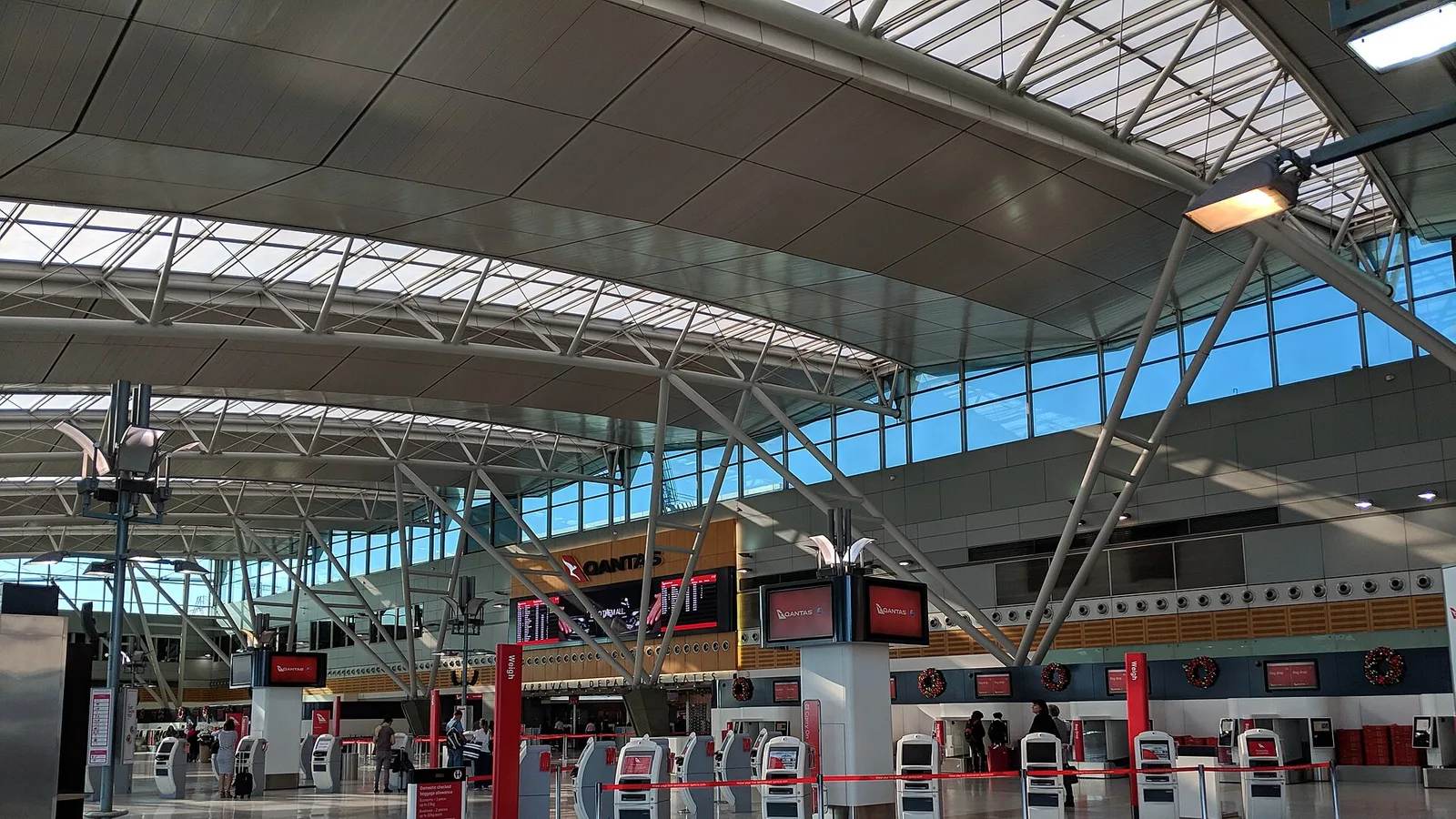
Sydney Airport Security Workers Strike Again This Friday, Here’s What You Are and Aren’t Owed if You’re Flying
Certis screeners walk out at Sydney Airport on Friday 16 October, 6am–10am and 5pm–9pm. Here’s what the law covers, what it doesn’t, and what to do today.
Breaking Flights & Access
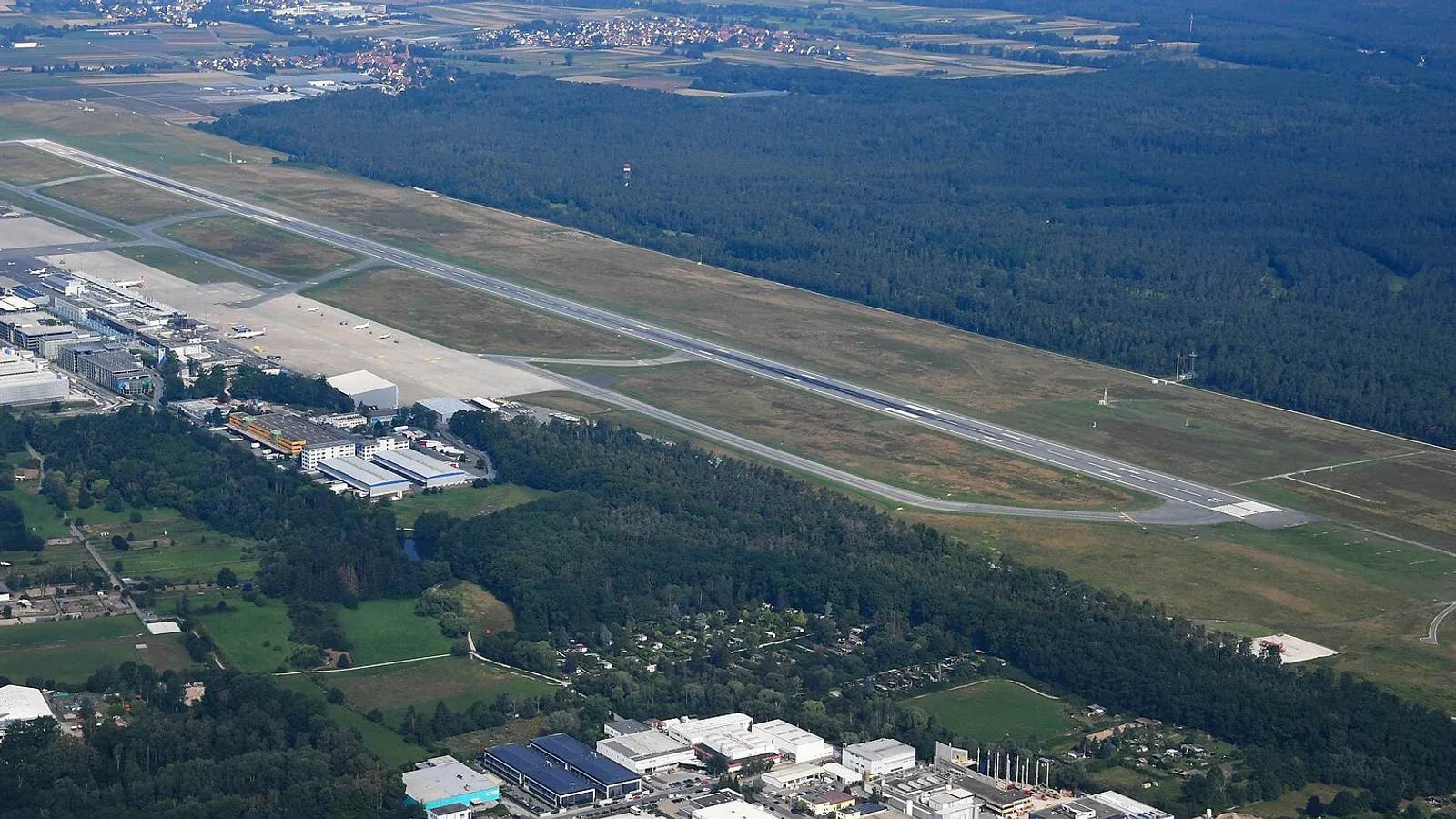
Nuremberg Airport Shut After a Plane Sent a Hijack Code, Here’s What You Are Owed If Your Flight Was Diverted or Delayed
A Corendon jet squawked 7500 and Eurofighters escorted it in. Under EU261 your care rights apply regardless, but cash compensation is unlikely.