
Breaking · Safety & Advisories
Eight People Went to Hospital After Turbulence Diverted an Avianca Flight to Miami, Here’s What You’re Owed If It Happens to You
An Avianca flight from Medellín to JFK diverted to Miami with eight passengers hospitalised. Here is what the rules say about injury claims and seat belts.
At a glance
- Published
- TopicSafety & Advisories
- Verified againstABC7 / Local 10 (Miami)
- Treks coveredEverest Base Camp Trek — 12 Days
Key facts
- Avianca Flight 042 from Medellín to New York JFK diverted to Miami at about 3:30 a.m. on 9 October 2026; eight passengers were taken to hospital.
- Officials have not said how serious the injuries are or what caused the turbulence.
- The FAA counted 23 serious turbulence injuries on US airlines in 2024, 20 of them crew.
If you are injured by turbulence on an international flight, the airline is generally liable for the injury under the Montreal Convention, and the single best way to avoid it is to keep your seat belt fastened whenever you are seated. Eight passengers on an Avianca flight that diverted to Miami early on Friday learned how fast it can happen. Here is what is known, and what it means for you.
What happened on the Avianca flight to Miami?
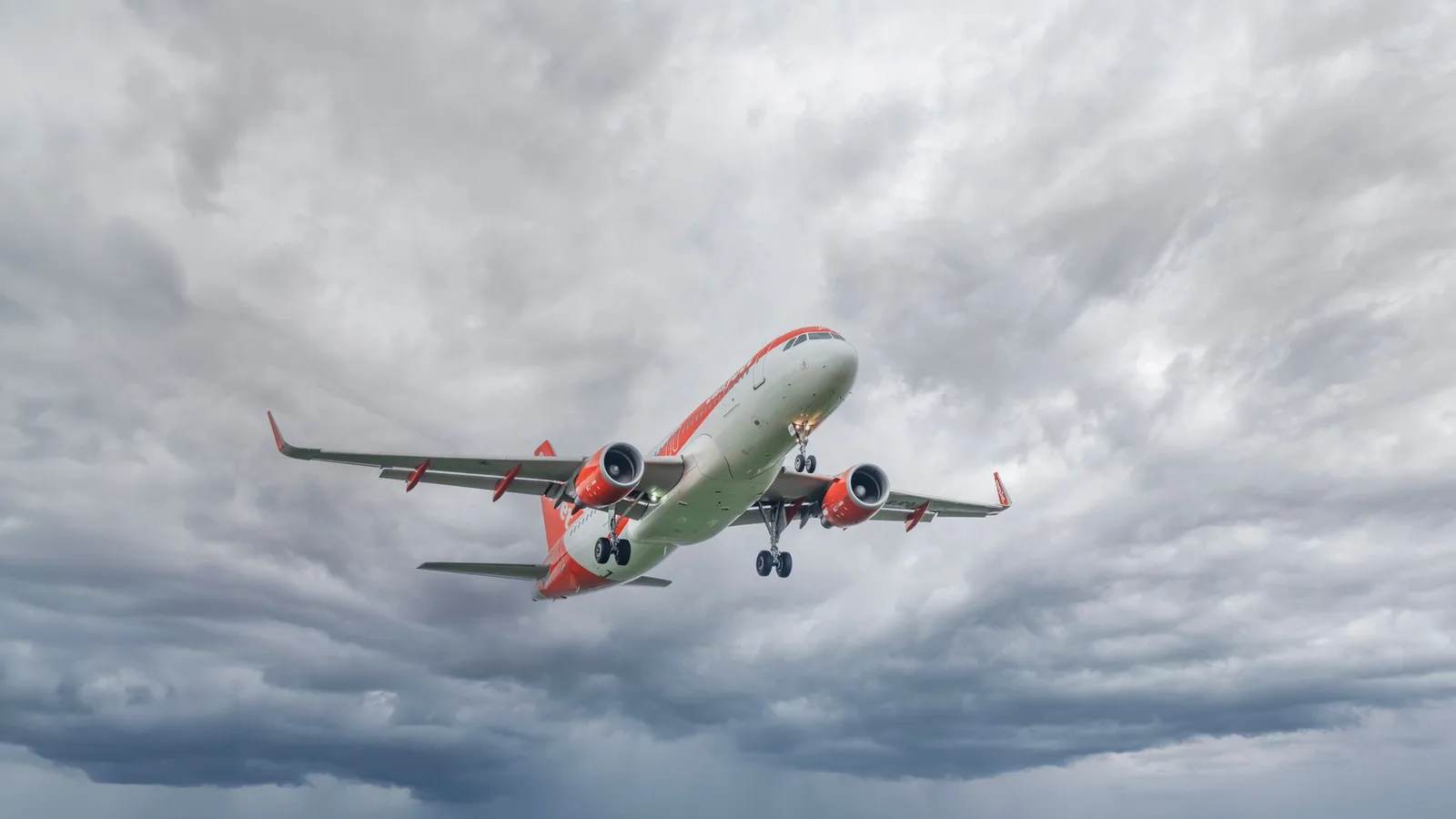
An Avianca flight from Medellín, Colombia, to New York’s JFK diverted to Miami International after severe turbulence, and eight passengers were transported to hospitals, according to local reports on Friday 9 October. Local 10 gave the flight as Avianca 042 and the time as roughly 3:30 a.m.
Much is still unclear. Officials did not say how seriously anyone was hurt, and reports disagree on when the turbulence occurred. ABC News noted that officials had not said whether weather caused it. Cellphone video reported by NBC 6 appeared to show passengers holding ice packs to their heads while crew told them to stay seated with belts fastened. We have no Avianca statement, aircraft type or passenger count to report, and we will not guess at them.
How common are serious turbulence injuries?
Serious turbulence injuries are rare but steady, and they fall mostly on crew. FAA figures show 18 serious injuries on US airlines in 2022, 20 in 2023 and 23 in 2024, with 20 of the 2024 total involving crew members.
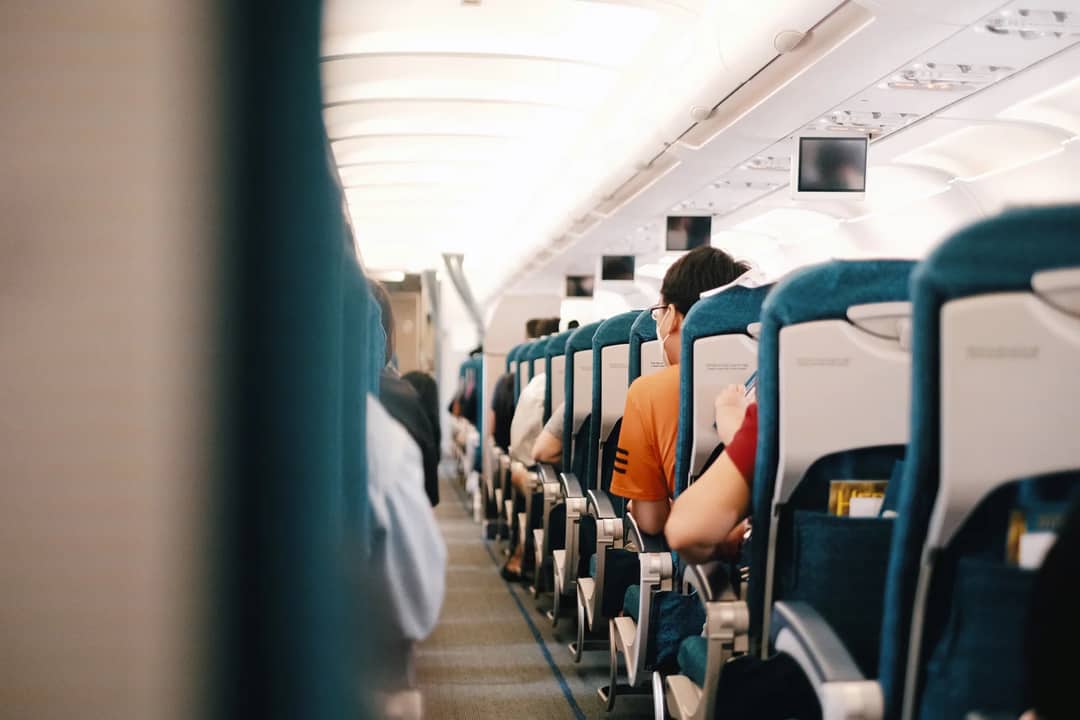
The NTSB has said that wearing a seat belt virtually eliminates the risk of turbulence injury, and that nearly all seriously injured passengers in its study were unbelted. One caution: airlines only have to report injuries that meet a serious threshold, such as a two-day hospital stay or a major fracture, so the official count understates minor injuries.
| Year | Total | Crew |
|---|---|---|
| 2022 | 18 | 13 |
| 2023 | 20 | 17 |
| 2024 | 23 | 20 |
Who pays if you are hurt by turbulence?
On an international flight such as Medellín to New York, the Montreal Convention makes the airline liable for bodily injury caused by an accident on board, and courts treat severe, unexpected turbulence as one. Up to a threshold set in special drawing rights, the airline cannot exclude or limit its liability; above that, it can defend itself by proving it was not negligent. The passenger’s own contributory negligence, such as not wearing a seat belt while the sign was lit, can reduce a claim.
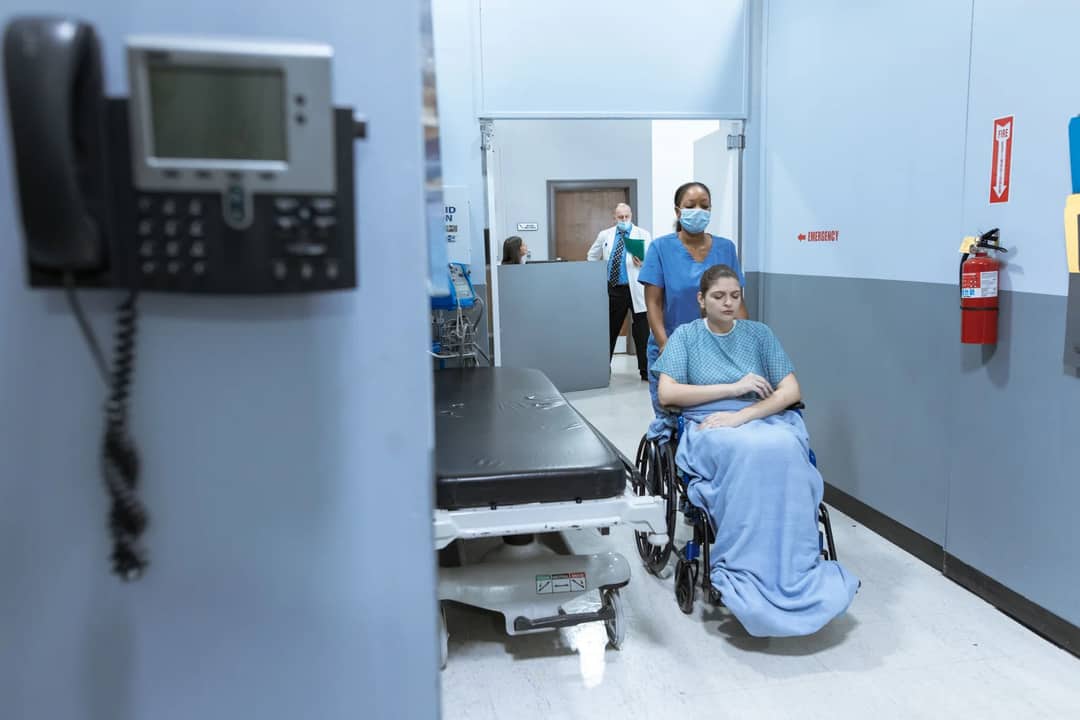
Claims usually have a short time limit, commonly two years under the Convention, and you must prove your losses such as medical bills and lost earnings. This is general information, not legal advice; an aviation lawyer can check the limit in force on the date of your flight.
What this means for you
Keep your belt fastened loosely but always while seated, even when the sign is off. If you are hurt, ask crew to record it in writing, take photos, keep your boarding pass and every medical receipt, and report the injury to the airline in writing within days. Travel medical cover bought before departure pays your bills faster than waiting for an airline claim.
What should you do to stay safe on your next flight?
Treat the seat belt sign as the minimum, not the rule. Turbulence can arrive in clear air with no warning, which is why the NTSB found most injured passengers were out of their seats or unbuckled. Stow heavy items under the seat, keep children belted, and sit with the belt visible over your lap so crew can see it at a glance.
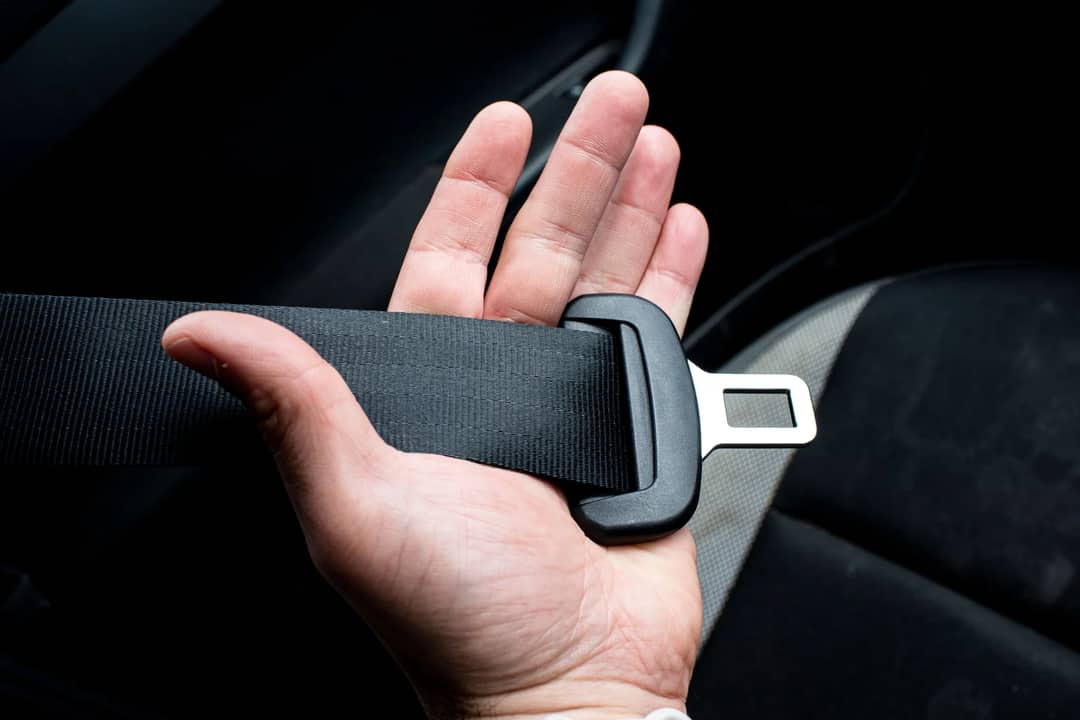
The same habit matters on small mountain aircraft. If you are flying to the Himalaya, our guides brief every client on belts and baggage before the flights that start a trek such as the 12-day Everest Base Camp trek.
Cover photo: Miguel Cuenca via Pexels (Pexels License). Section photos: Helena Jankovičová Kováčová via Pexels (Pexels licence); Diego F. Parra via Pexels (Pexels licence); Pew Nguyen via Pexels (Pexels licence); RDNE Stock project via Pexels (Pexels licence); Luke Miller via Pexels (Pexels licence).
Still running this season
Everest Base Camp Trek — 12 Days is running normally
NMA-certified local guides, transparent pricing, 5,000+ treks since 1998. Message us your dates and we'll sort the permits, lodges and logistics — reply within 24 hours, no obligation.

Popular Nepal treks
All treks →







Related coverage
Breaking Safety & Advisories
Shots Were Fired at Miami International Airport, Here's What Actually Happened and Whether Your Flight Is at Risk
A shooting briefly shut part of Miami airport's departure level Wednesday. Here's the timeline, and what to do if you're flying through MIA this week.
Flights & Access
The $700 Catch on Flights Between Florida and Europe Depends on Which Airline Flies You
A three-hour delay on a Miami to Madrid flight can be worth about $674 or nothing at all, depending on the airline and the direction you fly.
Breaking Safety & Advisories
A Flydubai Co-Pilot Attacked the Captain Mid-Flight, Here’s What We Know and What It Means for Your Gulf Connection
UAE prosecutors call the FZ1073 cockpit attack a terrorist act. Here is what is confirmed, what is not, and what rights you have if a Gulf flight is cancelled.
Safety & Advisories
Lobuche East or Island Peak, here's which one should be your first Himalayan climb
Both cost the same permit and sit within 70 metres of each other in altitude, but our guides say the harder climb isn't the one most people assume.
Latest from the desk
Breaking Flights & Access
Hurricane Isaias Is Hitting the Gulf Coast Tonight, Here’s Which Airlines Will Let You Change Your Flight for Free
Isaias is a Category 2 hurricane heading for the northern Gulf Coast. American, United, Delta, JetBlue and Southwest have waivers, with different deadlines.
Safety & Advisories
If Your Schoolies Trip Is Overseas, Methanol Poisoning Can Take 12 to 24 Hours to Show, Here’s What to Do
Smartraveller says methanol poisoning can look like a bad hangover for 12–24 hours. Here’s what Australian school leavers and parents should know before flying.
Safety & Advisories
Schoolies Is Weeks Away, and the Insurance Gap Smartraveller Warns About Can Run to $100,000
Smartraveller's schoolies advice says no insurance can mean paying costs up to $100,000. Here is what that covers, what it doesn't, and what parents should check.