
If the Passport Office Asks Your Family for a DNA Test, Here Is What the Rules Say You Can Say No To
HM Passport Office says it must not insist on DNA evidence. Here is what the official guidance allows, who pays, and what happens to your application if you decline.
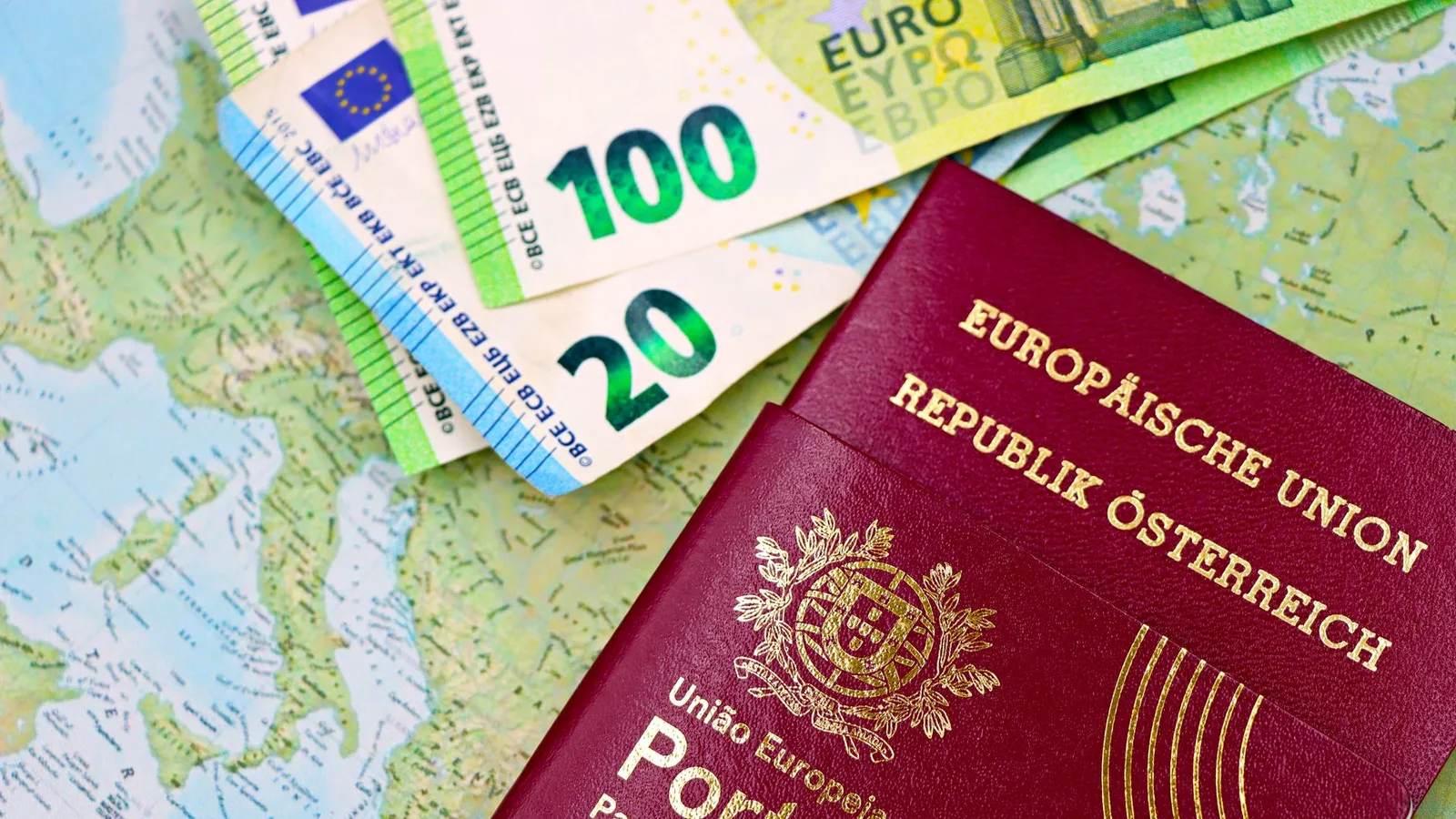
At a glance
- Published
- TopicVisas & Entry
- Verified againstGOV.UK, HM Passport Office
- Treks coveredEverest Base Camp Trek — 12 Days
HM Passport Office cannot force you to take a DNA test to get a British passport. Its own caseworker guidance says staff “must not insist on DNA evidence from a customer”, and a customer who declines must not be refused for that reason alone. The guidance, updated on 2 October 2026, was back in the news after The Guardian reported a father being asked for a DNA test to get a passport for his daughter. If you are asked, you have more options than the request suggests.
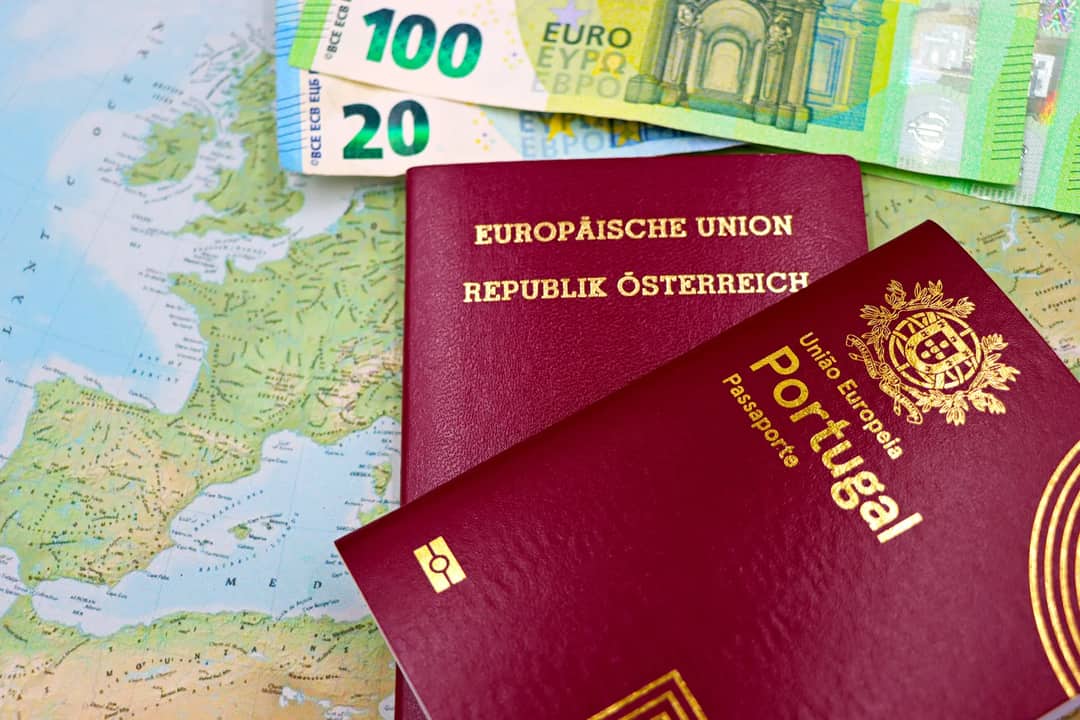
Key facts
- HMPO has no statutory power to demand DNA evidence
- DNA can only be volunteered by the customer, as supporting evidence
- The customer pays all costs of the test
- DNA alone is not enough to issue or refuse a passport
- Declining must not lead to automatic refusal
Can the Passport Office make you take a DNA test?
No. The official guidance on GOV.UK states that HM Passport Office must not insist on DNA evidence and has no statutory power to demand it. Testing is offered as one way to support a claimed parental link when documents such as a birth certificate leave a question open. It never replaces those documents.

For applications made inside the UK there is no referral process, so if an examiner suggests a test, you would have to arrange it yourself. For applications from abroad, certain staff may suggest and arrange testing, but they still cannot insist.
| Question | What the guidance says |
|---|---|
| Can HMPO insist? | No |
| Who pays? | The customer |
| Is DNA enough on its own? | No, it is not grounds to issue or refuse |
| If you decline? | Decided on existing documents, balance of probabilities |
| Emergency travel document to take the test? | Not issued |
What happens to your application if you say no
Your application is decided on the documents you have already sent, on the balance of probabilities. The guidance says it must not be automatically refused because you declined testing. That matters if you are on a deadline, because the alternative route is slow: for international applications the case is put on hold for 11 weeks from referral, and missing three booked appointments can lead to withdrawal.
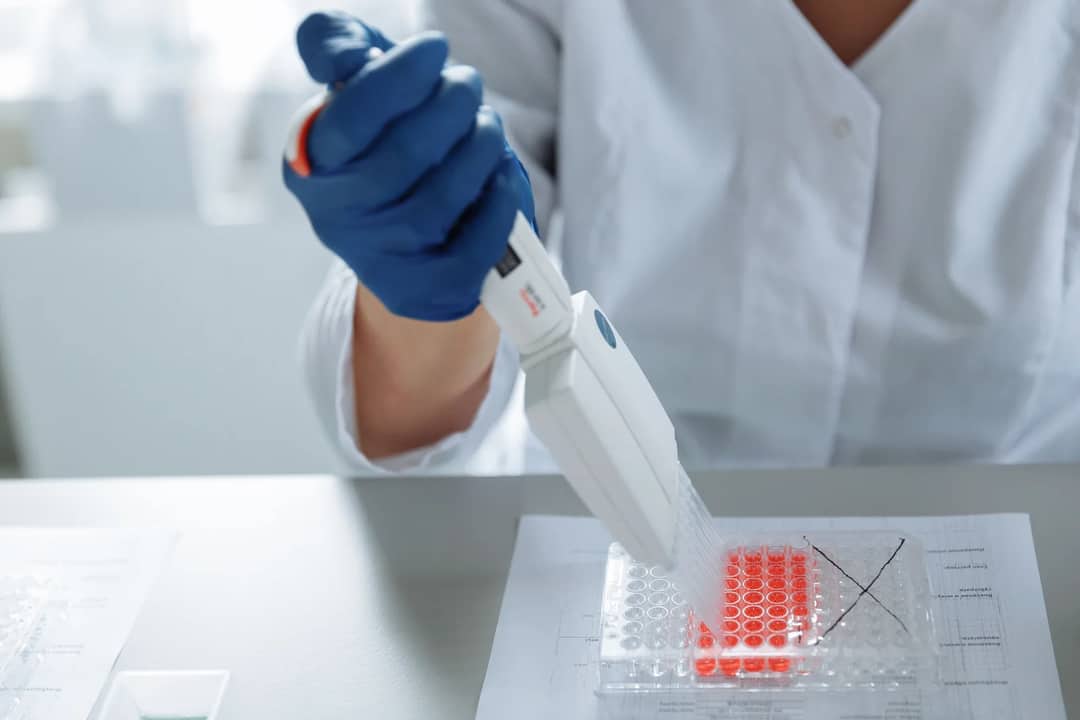
If you choose to take a test, the lab must hold a suitable accreditation, usually ISO/IEC 17025, and the sample must follow the Home Office collection standard. A cheap home kit may not be accepted, so check before you pay anything.
Practical steps before you travel
Ask for the request in writing and ask which specific document is missing, because that is often the faster fix than a test. A fuller birth certificate, marriage record or other proof of the family link may resolve it. Passport delays also hit insurance and bookings, so do not book non-refundable travel until the passport is in hand.

What this means for you
If you are asked for DNA, do not assume you must comply and do not assume refusal means rejection. Ask what document would settle it instead, keep your reply in writing, and leave extra weeks before any trip. This applies whether the trip is a city break or a long-haul trek abroad.
Frequently asked questions
Does a test guarantee I get the passport?
No. The guidance says DNA evidence on its own does not provide enough grounds to issue a passport. It is weighed alongside your documents.
Can I get an emergency travel document to go and take the test?
No. Emergency travel documents are not issued for travel to take a DNA test.
What if the result is weak?
Results below the stated threshold are referred to an operational team leader rather than automatically rejected.
Planning a long trip once your passport arrives? See our 12-day Everest Base Camp trek and remember most countries want six months of validity left on a passport.
Cover photo: Marta Branco via Pexels (Pexels License). Section photos: Marta Branco via Pexels (Pexels licence); Ketut Subiyanto via Pexels (Pexels licence); Thirdman via Pexels (Pexels licence); Vlada Karpovich via Pexels (Pexels licence).
Live travel desk
Related coverage

Breaking Safety & Advisories
Eight People Went to Hospital After Turbulence Diverted an Avianca Flight to Miami, Here’s What You’re Owed If It Happens to You
An Avianca flight from Medellín to JFK diverted to Miami with eight passengers hospitalised. Here is what the rules say about injury claims and seat belts.
Visas & Entry
If You’re Taking the Ferry Between Wales and Ireland, Your Driving Licence Won’t Get You Onboard Any More
Since 28 September, Stena Line and Irish Ferries want a passport from every passenger on the Wales to Ireland crossings, children and British and Irish citizens included.

Breaking Visas & Entry
Argentina Will Sell You a Passport for About $350,000, Here’s What It Actually Gets a Traveller
Argentina’s new citizenship-by-investment scheme costs about €311,000 and opens before year-end. Here is what the passport buys at a border, and what it doesn’t.

Visas & Entry
Thailand visa-free stays just changed, and what it means for American travellers
Since 15 September, Americans get 30 days visa-free instead of 60, and every visitor must file a free digital arrival card in the three days before landing.
Latest from the desk

Breaking Safety & Advisories
A Landslide Dam Just Burst on the Budhi Gandaki, and It Is the River the Manaslu Trail Follows
A landslide-dammed river burst on 11 October, leaving five missing and four bridges damaged. Here is what we know and what to check before a Manaslu trip.

Breaking Safety & Advisories
Nepal Wants to Declare Its Flood Missing Dead After 45 Days Instead of 12 Years, Here’s What Families Need to Know
Nepal’s cabinet has moved to cut the wait for declaring a missing person dead from 12 years to 45 days after the 26 August floods. Here is what is and isn’t settled.
Flights & Access
Qantas Beat Jetstar by Almost 7 Points on Punctuality in August, Here’s How Every Australian Airline Compares
Australia’s official August figures put Qantas at 83.5% on time and Jetstar at 76.7%, with cancellations down to 1.1%. Here’s what that means for your next booking.