The short version
Our guide team ranks the 10 best places to visit in Nepal in 2026, from Kathmandu and Pokhara to Everest, Mustang and Chitwan, with when to go.
Nepal is far more than a trekking country. In one compact, mountainous republic you can stand before eight-thousand-metre giants, drift across a mirror lake at dawn, track wild rhino through elephant grass, and walk into medieval temple squares that have never stopped being lived in. This is our honest, guide’s shortlist of the 10 best places to visit in Nepal in 2026 — what each is for, when to go, how long to give it, and how it links to the rest of your trip.
The short version
Give Nepal two weeks and you can pair one big mountain region with a cultural and a wildlife stop. Our default for first-timers: Kathmandu Valley for living heritage, Pokhara to slow down under the Annapurnas, one Himalayan trek — Everest or Annapurna — and Chitwan for the jungle. Add Upper Mustang, Lumbini, Langtang, Bandipur or Nagarkot if you have longer. Come in autumn (October–November) for the clearest skies of the year.
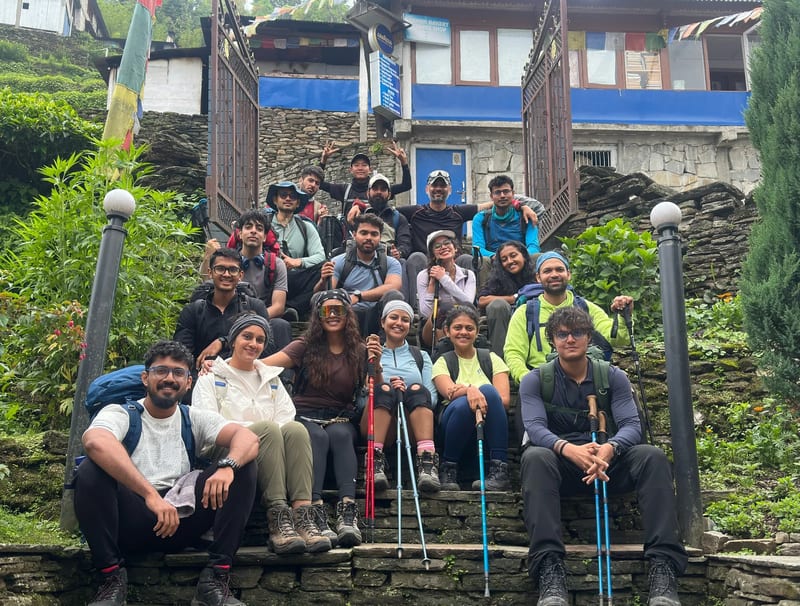
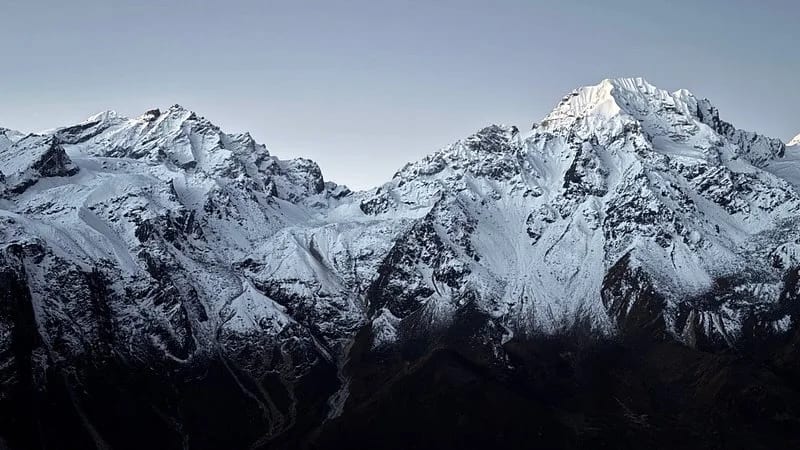
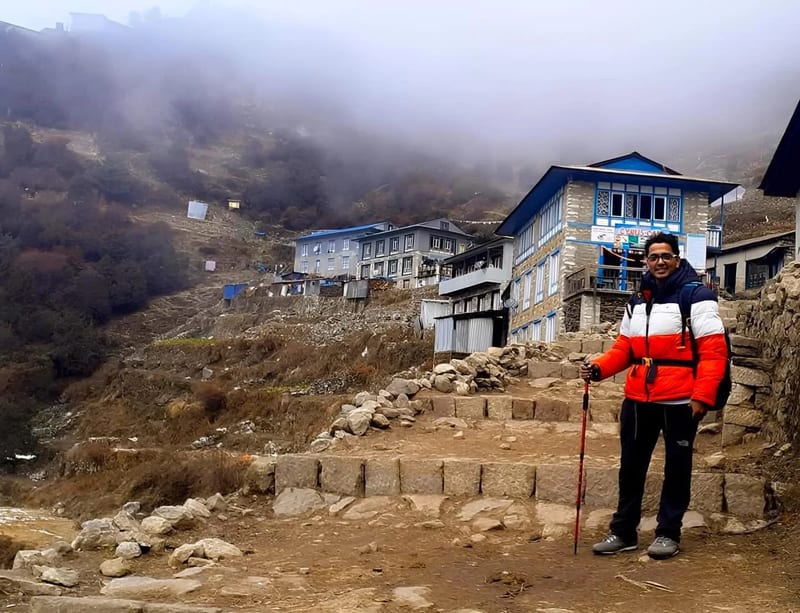
We are a Pokhara-based, NMA-certified team and we have run these routes since 1998 — more than 5,000 treks and tours. The list below is ranked for a first or second trip to Nepal, balancing wow-factor, ease of access and how well each place rounds out an itinerary. Prices are our own published, guided rates.
1. Kathmandu Valley — living heritage
Almost every Nepal trip starts here, and it deserves more than a jet-lagged overnight. The valley holds seven UNESCO World Heritage monument zones in one bowl: the Durbar (palace) squares of Kathmandu, Patan and Bhaktapur, the great stupas of Boudhanath and Swayambhunath, and the Hindu temples of Pashupatinath and Changu Narayan. These are not museums — they are working temples where butter lamps still burn at dawn.
Why go: the richest concentration of art, architecture and ritual in the Himalaya. Best season: year-round; October–March for clear, cool days. How long: 2–3 days. Start with our Kathmandu Valley Cultural Tour (3 days, from $380 for 1–15 people) or a one-day heritage tour (from $65), and read the full Kathmandu travel guide before you land.
2. Pokhara — lakeside and the adventure capital
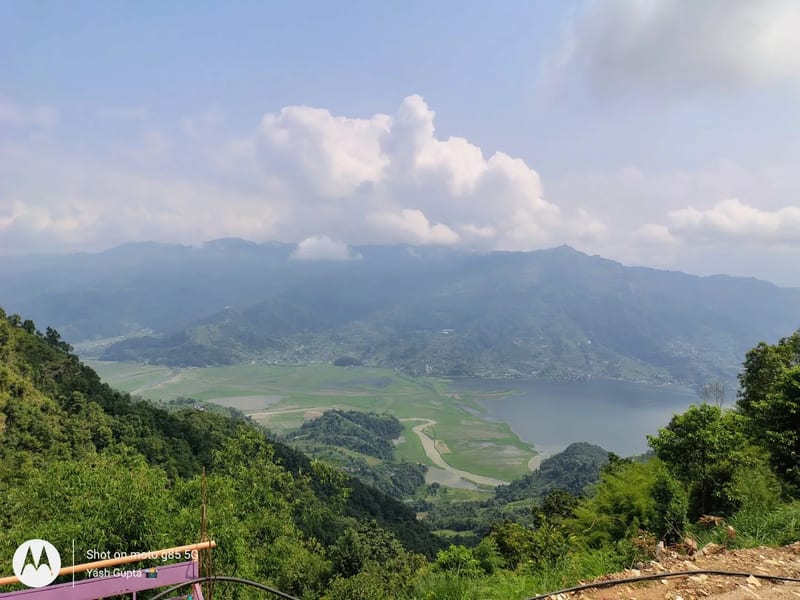
Two hundred kilometres west and a thousand metres lower than Kathmandu, Pokhara (about 820m) is where Nepal exhales. Lakeside runs along the calm water of Phewa Lake, the Annapurna and Machapuchare (Fishtail) peaks fill the northern sky, and the town is the launch pad for paragliding, boating and the region’s best short walks.
Why go: mountain views without the altitude, plus world-class paragliding off Sarangkot. Best season: year-round; September–November for the sharpest peaks. How long: 2–4 days, or use it as your trekking base. Warm up with the World Peace Pagoda day hike (from $110), and see the full Pokhara travel guide.
3. The Everest region (Khumbu) — the big one
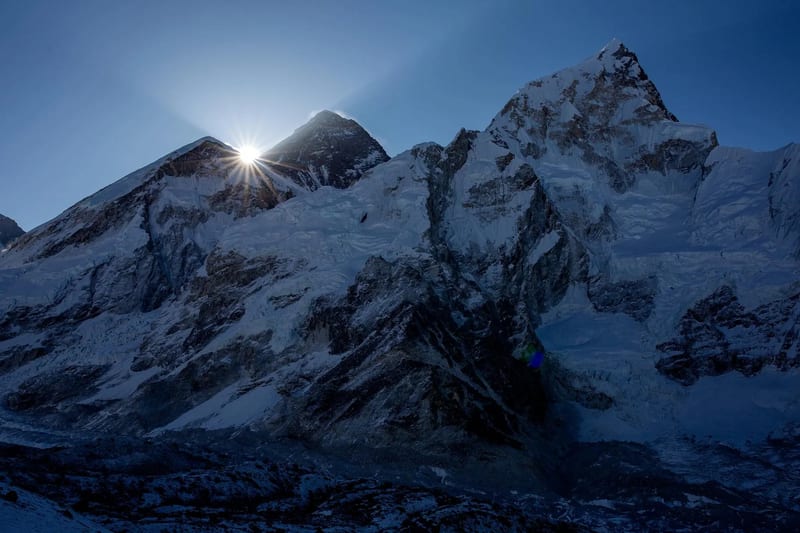
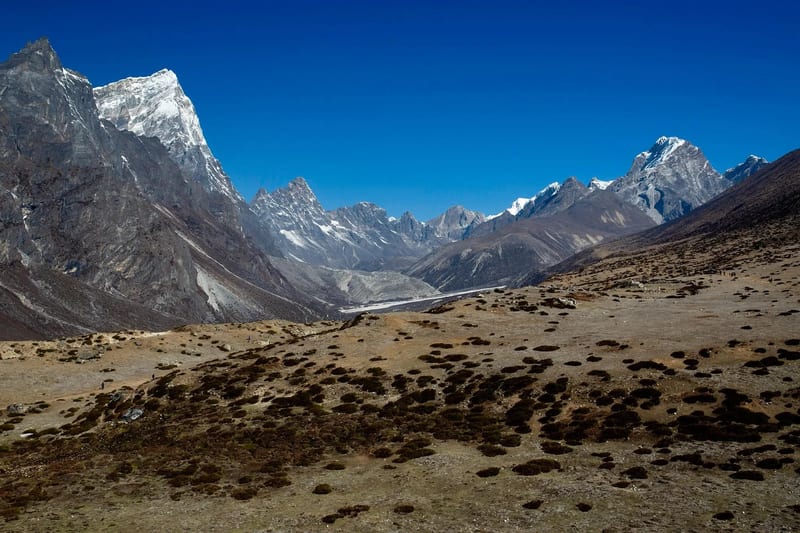
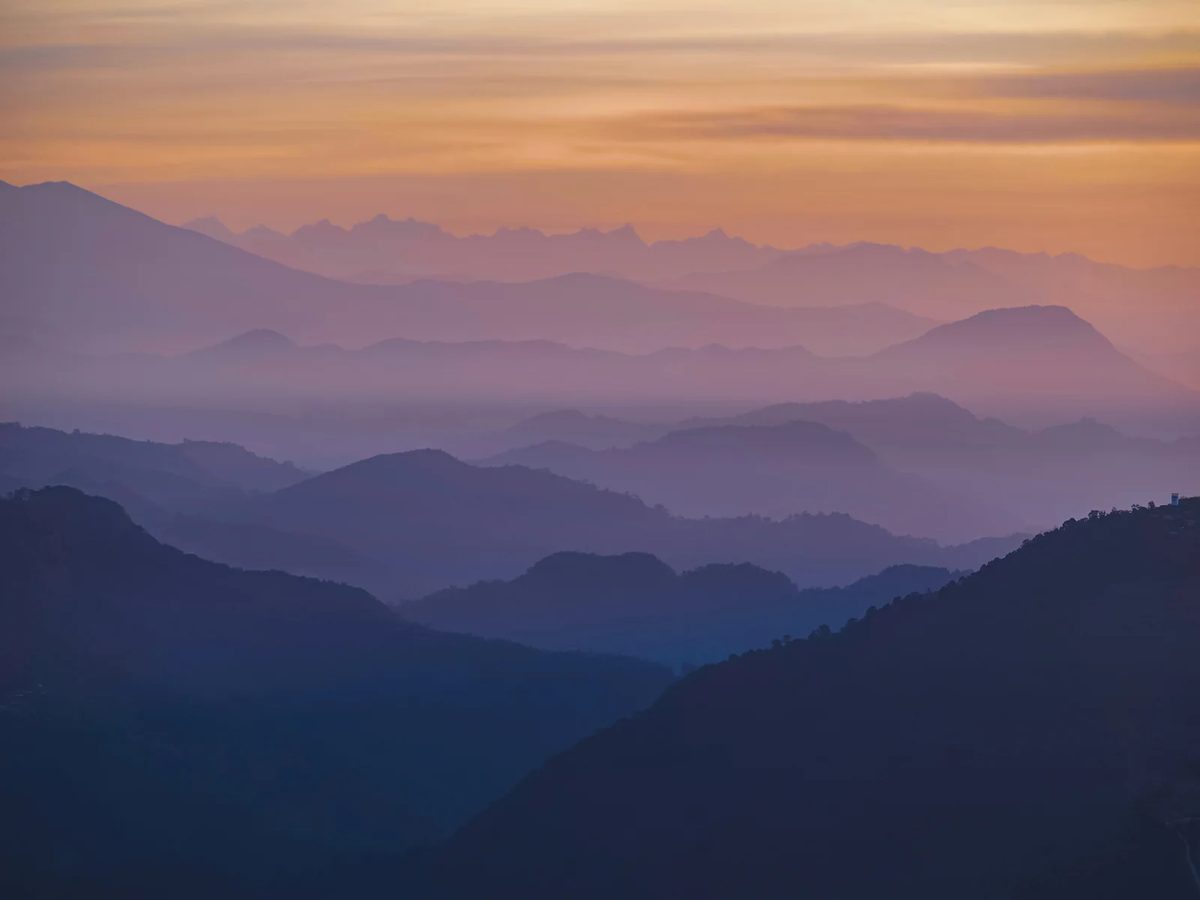
The Khumbu is the reason many people come to Nepal at all. Fly into Lukla, climb through Sherpa villages, cross swaying suspension bridges and acclimatise in Namche Bazaar (3,440m) before the trail delivers you to Everest Base Camp and the sunrise viewpoint of Kala Patthar (5,545m) — the spot where Everest (8,849m) finally reveals itself.
Why go: the most famous trek on earth, and it earns it. Best season: October–November and March–May. How long: 12–14 days. Our Everest Base Camp Trek (12 days, from $1,790, groups of 2–12) is the classic; start with the EBC trek guide and the Everest region hub. Short on time? The Everest View Trek shows you the giants in a week.
4. The Annapurna region — Nepal’s most varied trekking
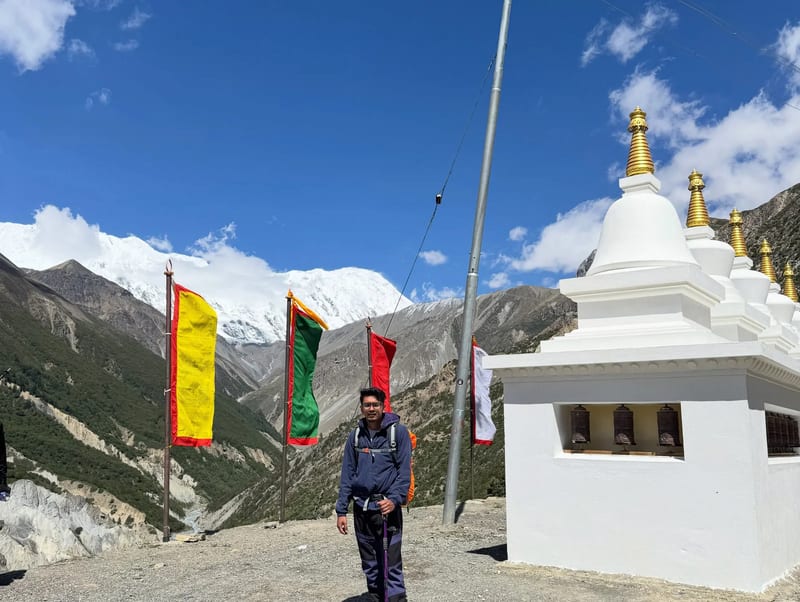
No region packs in more variety. From Pokhara you can walk to the glacial amphitheatre of Annapurna Base Camp (4,130m), loop the classic Annapurna Circuit over the 5,416m Thorong La, or simply climb to Poon Hill for a sunrise over a wall of eight-thousanders. Trails pass rice terraces, rhododendron forest, hot springs and Tibetan-influenced highlands.
Why go: a trek for every fitness level, all reachable from Pokhara. Best season: October–November and March–May. How long: 4–17 days. Try the Annapurna Base Camp Trek (from $1,350) or the Annapurna Circuit (13 days, from $1,490, groups of 2–12). Plan it with the Annapurna hub, the ABC trek guide, and our pick of the best treks in Nepal.
5. Chitwan National Park — the jungle south
Drop to the steamy lowland Terai and Nepal turns tropical. Chitwan was the country’s first national park (established 1973) and a UNESCO World Heritage Site, and it protects more than 90% of Nepal’s greater one-horned rhinos — around 694 at the last national census. On a jeep safari or dugout-canoe drift you have a real chance of rhino, gharial crocodile, sloth bear and, with luck, a Bengal tiger.
Why go: big-game wildlife most Himalayan travellers never expect. Best season: October–May (drier, better sightings). How long: 2–3 days. Our Chitwan Jungle Safari (3 days, from $580, groups of 2–15) covers it; the Chitwan safari guide has the detail.
Autumn 2026 dates (October–November) book out first — skies are clearest and lodges fill fast. Let our Pokhara-based guides thread two or three of these places into one seamless itinerary, from $65 a day for cultural touring up to a fully guided Himalayan trek.
Plan my Nepal trip →6. Upper Mustang — the forbidden kingdom
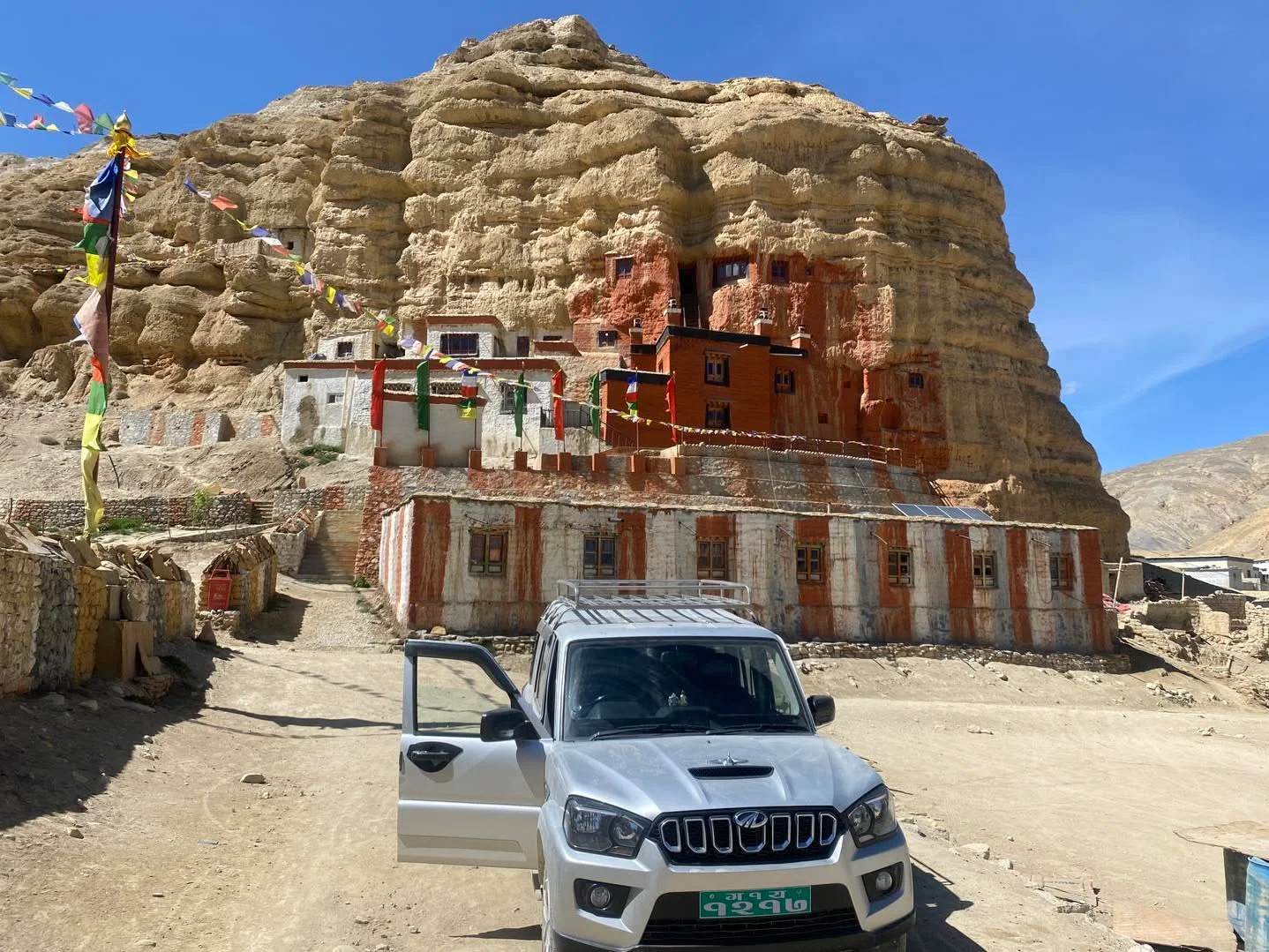
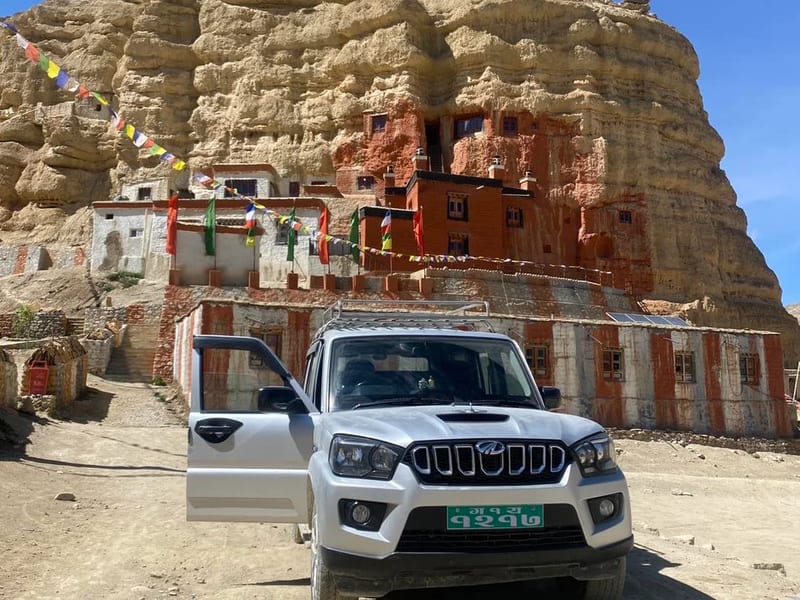
Behind the Annapurnas, in the rain shadow of the Himalaya, lies a high desert of ochre cliffs, sky caves and whitewashed monasteries. Upper Mustang was closed to outsiders until 1992 and still guards its Tibetan-Buddhist culture in the walled capital of Lo Manthang. Because it sits in the rain shadow, it is trekkable through the summer monsoon when the rest of Nepal is wet.
Why go: the closest thing to old Tibet you can legally reach. Best season: May–October (monsoon-safe). How long: 10–14 days. It is a restricted area — the permit is $50 per person per day in 2026, and you must travel with a registered agency; see our Nepal permits guide. Walk it with the Upper Mustang Trek (12 days, from $2,400, groups of 2–10) and the Mustang region hub.
7. Lumbini — the birthplace of the Buddha
In the far south-west, on the Terai plain, Lumbini is where Siddhartha Gautama — the Buddha — was born, and it is a UNESCO World Heritage Site. The Sacred Garden holds the Maya Devi Temple, the Ashokan pillar and monasteries built by Buddhist nations from around the world, all set in a vast, quiet monastic park you explore on foot or by bicycle.
Why go: one of the four great pilgrimage sites of Buddhism, and deeply peaceful. Best season: October–March (the plains are hot otherwise). How long: 1–2 days, often paired with Chitwan. Read the Lumbini pilgrimage guide to plan the visit.
8. Langtang Valley — the Himalaya closest to Kathmandu
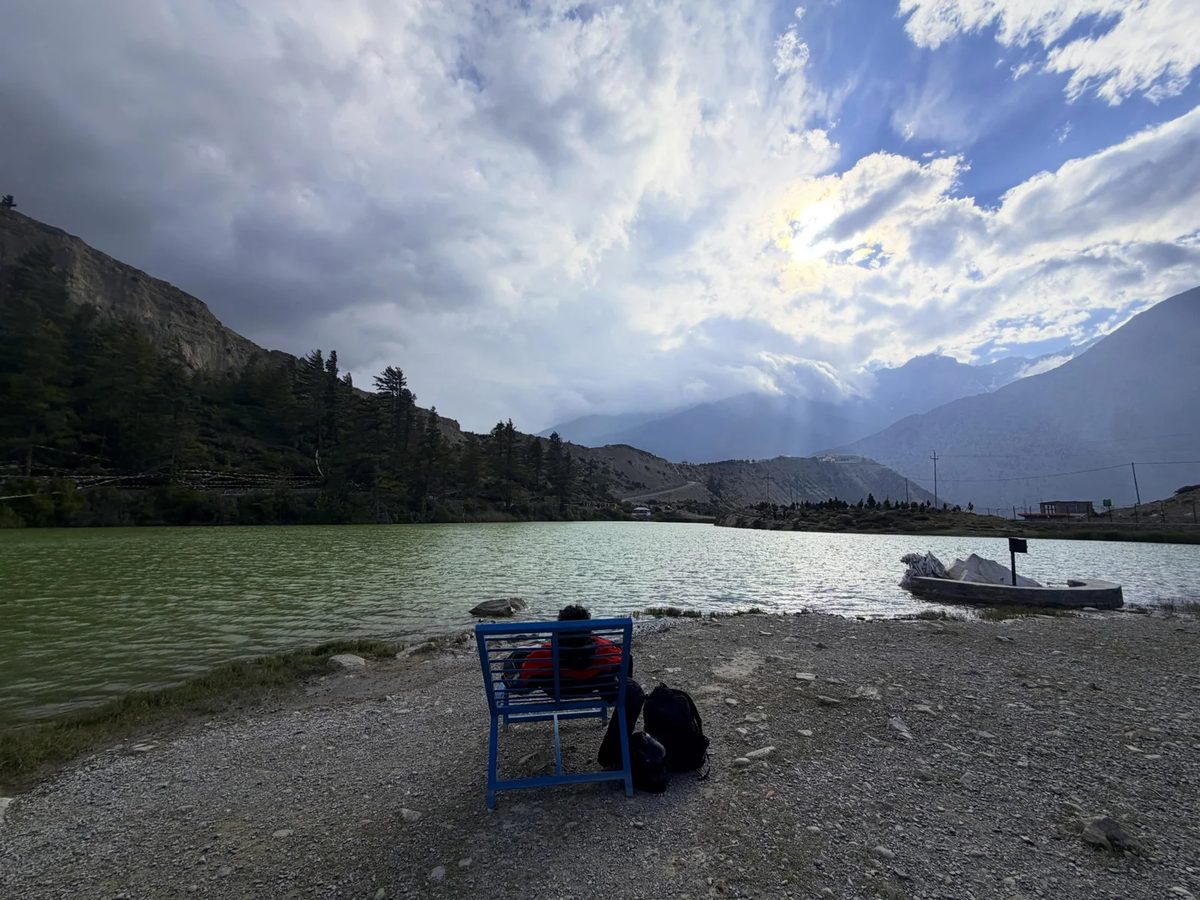
Only a half-day drive north of the capital, Langtang is the quickest way into real high mountains — a glacier-carved valley of yak pasture, Tamang villages and 7,000m peaks. Rebuilt with great heart after the 2015 earthquake, it now offers some of Nepal’s warmest village hospitality with a fraction of the Everest crowds.
Why go: big scenery, short travel, authentic Tamang culture. Best season: October–November and March–May. How long: 7–10 days. The Langtang Valley Trek (7 days, from $680, groups of 2–12) is the classic; plan with the Langtang hub and the complete Langtang guide.
9. Bandipur — the hilltop time capsule
Perched on a ridge halfway along the Kathmandu–Pokhara highway, Bandipur is a beautifully preserved Newar trading town: a traffic-free bazaar of carved wooden houses, a mountain panorama on clear mornings, and none of the rush of the big cities. It is the perfect place to break the long road journey between Nepal’s two hubs.
Why go: old-Nepal atmosphere and sunrise views, with almost no effort. Best season: October–April. How long: a night on the way through. It sits right on the route in our Kathmandu to Pokhara travel guide.
10. Nagarkot — the sunrise balcony
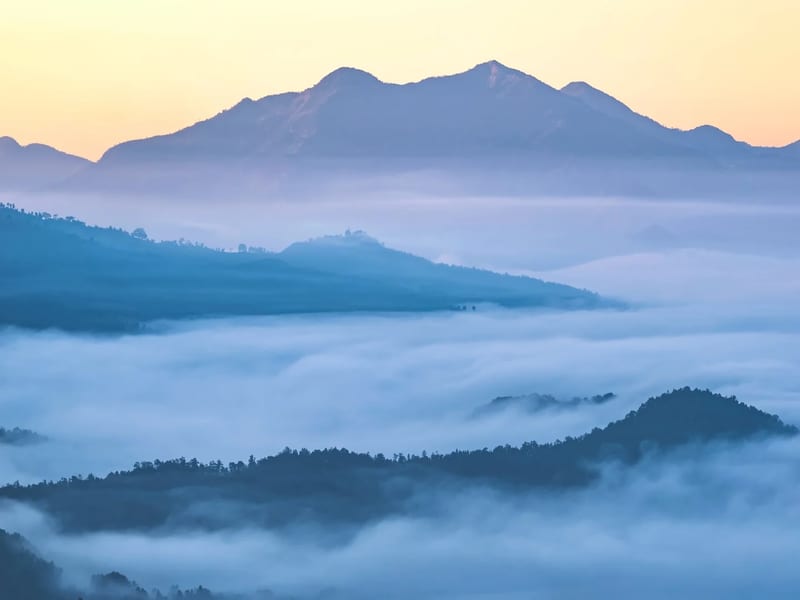
On the eastern rim of the Kathmandu Valley at 2,175m, Nagarkot is the capital’s favourite viewpoint: on a clear dawn the horizon fills with Himalayan peaks, and in the best conditions you can pick out Everest far to the east. It is an easy escape from the city and a gentle first taste of altitude.
Why go: the most accessible Himalayan sunrise in the country. Best season: October–April for clear skies. How long: an overnight, or a half-day. Take the Nagarkot Sunrise Tour (from $75), or pair it with a walk from our Kathmandu day hikes guide.
The 10 best places at a glance
| Place | Best for | Best season | How long |
|---|---|---|---|
| Kathmandu Valley | Living heritage, 7 UNESCO sites | Oct–Mar | 2–3 days |
| Pokhara | Lakeside & adventure | Sep–Nov | 2–4 days |
| Everest region | The iconic trek | Oct–Nov, Mar–May | 12–14 days |
| Annapurna region | Varied trekking for all | Oct–Nov, Mar–May | 4–17 days |
| Chitwan | Rhino & tiger safari | Oct–May | 2–3 days |
| Upper Mustang | Tibetan culture, monsoon-safe | May–Oct | 10–14 days |
| Lumbini | Buddhist pilgrimage | Oct–Mar | 1–2 days |
| Langtang | High mountains near Kathmandu | Oct–Nov, Mar–May | 7–10 days |
| Bandipur | Preserved Newar town | Oct–Apr | 1 night |
| Nagarkot | Himalayan sunrise | Oct–Apr | Half-day / overnight |
How to plan your Nepal trip
Give it two weeks
The sweet spot pairs one trek with a cultural and a wildlife stop. See our 2-week Nepal itinerary for a ready-made plan.
Sort your visa early
Visa on arrival is simple — $30 (15 days), $50 (30 days) or $125 (90 days), multiple-entry. Details in the Nepal visa guide.
Know the permits
Trekking regions need permits, and restricted areas like Mustang need a licensed agency. Start with the permits hub.
Come in the right month
October–November is peak clarity; March–April brings the rhododendron bloom. Monsoon suits rain-shadow Mustang.
We are an NMA-certified, Pokhara-based team with 5,000+ trips since 1998. Tell us how long you have and what you love — heritage, mountains or wildlife — and we will build the route around you, guided from $65 a day.
Start planning →Nepal travel FAQ
What is the best time to visit Nepal?
October and November give the clearest skies and stable weather — the single best window. March to April is a close second, with warmer days and rhododendron in bloom. The June–September monsoon is green and quiet, and is actually the best time for rain-shadow Upper Mustang.
How many days do you need in Nepal?
Ten to fourteen days lets you combine a Himalayan trek with a cultural and a wildlife stop without rushing. With only a week, pick one region — Kathmandu plus a short Annapurna or Langtang trek, or Kathmandu, Pokhara and Chitwan.
Do I need a visa for Nepal?
Most nationalities get a visa on arrival at Kathmandu airport and land borders: $30 for 15 days, $50 for 30 days, or $125 for 90 days, all multiple-entry. Bring fresh US dollars and a passport photo. See our visa guide.
Which is the best place in Nepal for first-timers?
Kathmandu Valley for heritage, Pokhara to slow down, and one accessible trek — Annapurna Base Camp or the Everest region — is the classic first trip. Add Chitwan if you want wildlife.
Can I visit the mountains without a hard trek?
Yes. Nagarkot and Sarangkot deliver Himalayan sunrises with no altitude, the Everest View Trek shows the giants in a week, and a mountain-flight or helicopter tour is an option for those short on time.
Is Nepal safe for tourists in 2026?
Yes. Nepal welcomed over 1.16 million visitors in 2025 and tourism infrastructure is strong. On trek, the real risk is altitude, not safety — which is exactly why a properly paced, guided itinerary matters.
Keep reading
The Perfect 14-Day Nepal Itinerary
How to string the highlights into one smooth trip.
25 Things to Do in Nepal
The full 2026 bucket list, beyond the big treks.
25 Nepal Travel Tips for First-Timers
Everything we wish every traveller knew before landing.
Kathmandu to Pokhara: Bus, Flight or Drive?
How to move between Nepal’s two hubs.
Whichever places make your shortlist, our guides can join the dots into one well-paced route. Tell us what you are dreaming of and we will take it from there.
Written by
Rajan GurungPokhara-based, NMA-certified trekking guides. We’ve led 5,000+ treks across the Annapurna and Everest regions since 1998 — every word here comes from the trail. More from this author →
Share this article
Ready to Trek?
From reading about it to standing on it
Our Pokhara-based guides have been doing this since 1998. Tell us your dates and fitness level — we'll build your perfect itinerary. Free, no obligation.
Why trek with our licensed agencyMore guides like this
Popular trips to consider
View all treks & toursFree Trekker’s Insider Guide
Permits, packing lists, cost breakdowns — no fluff.
We send one useful email. You can unsubscribe anytime.