
The short version
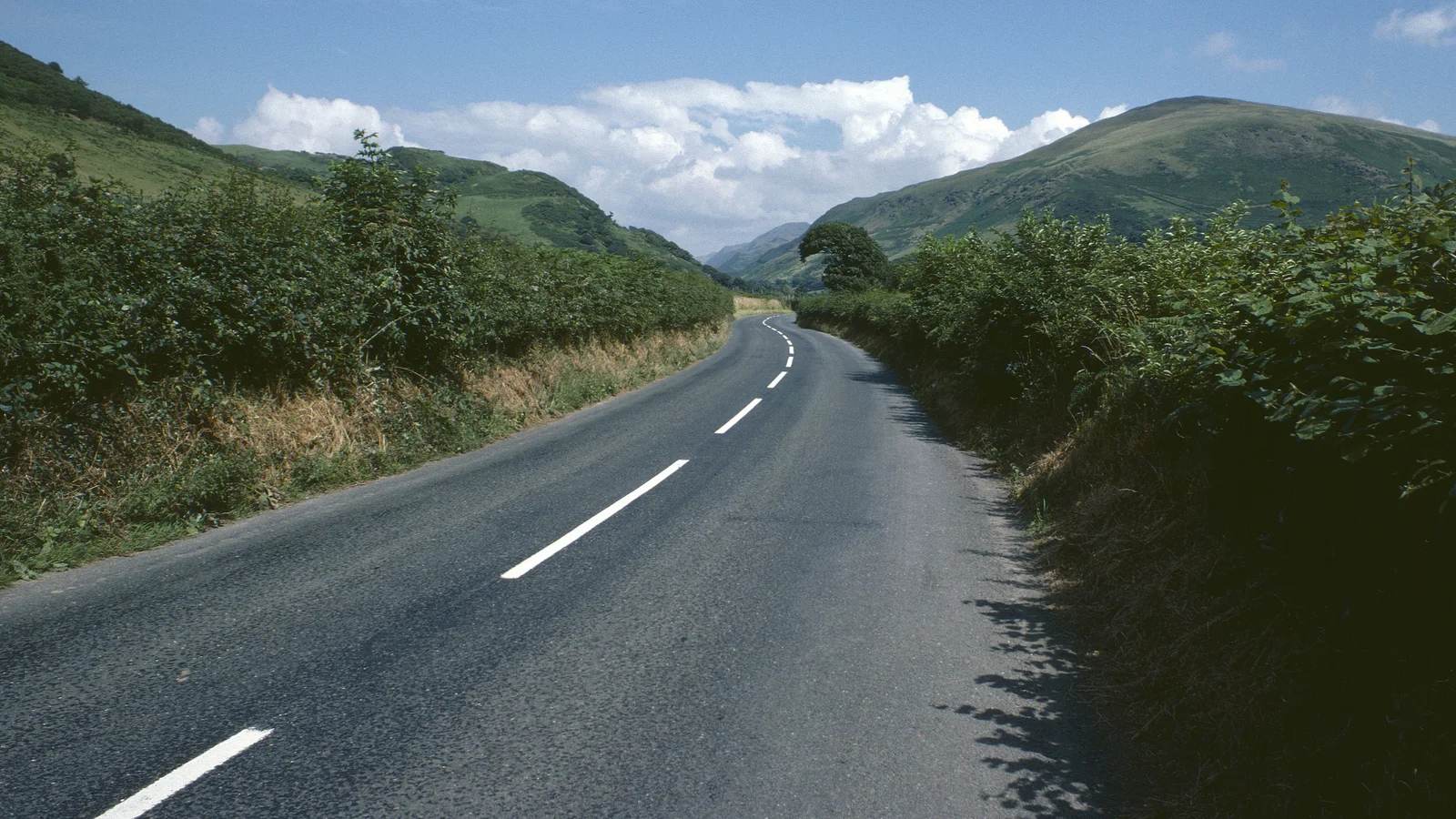
About 75 countries drive on the left, from the UK to Japan. The danger is not the motorway but the empty road after a stop, when habit pulls you right.
About 75 countries drive on the left, including the UK, Ireland, Australia, New Zealand, Japan, India and Nepal, and most drivers who grew up on the right adapt within a day. The motorway is not where it goes wrong. It goes wrong on an empty road, after a stop, when there is no traffic to follow and habit quietly steers you to the right-hand side. Rent an automatic, keep your body towards the centre line, and say “keep left” out loud every time you pull away.
- Keep your body near the centre line. As the driver you sit on the right, so you belong next to the middle of the road.
- Give way to traffic from the right at roundabouts, which run clockwise.
- Rent an automatic so you are not also changing gear with the wrong hand.
- The danger is the quiet moment after a stop, not busy traffic.
Which countries drive on the left
Roughly 75 countries and territories drive on the left: about a sixth of the world’s land, a quarter of its roads and a third of its population. Many of them are former British territories, but not all — Japan, Indonesia and Thailand drive on the left too. The most recent change came in 2009, when Samoa switched from the right to the left, the first territory to change sides in almost 30 years.
| Region | Drive on the left |
|---|---|
| Europe | United Kingdom, Ireland, Cyprus, Malta |
| Asia | Japan, India, Nepal, Bhutan, Thailand, Malaysia, Singapore, Indonesia, Hong Kong, Macau |
| Oceania | Australia, New Zealand, Fiji, Samoa |
| Africa | South Africa, Kenya, Tanzania, Uganda, Mozambique, Mauritius |
| Caribbean | Jamaica, the Bahamas, Barbados, Trinidad and Tobago, Antigua and Barbuda |
If you are travelling from the United States or Canada, the ones you are most likely to drive in are the UK, Ireland, Australia, New Zealand and Japan — and in all of them, the car is set up the other way round as well as the road.
What changes inside the car
The steering wheel is on the right, and in a manual car the gear stick moves to your left hand. The pedals stay in the same order, which surprises people: accelerator on the right, brake in the middle, clutch on the left. What flips is the hand you shift with and the side of the car you drive from. In many right-hand-drive cars the indicator and wiper stalks are also swapped, which is why so many first-time visitors turn the wipers on at their first junction.
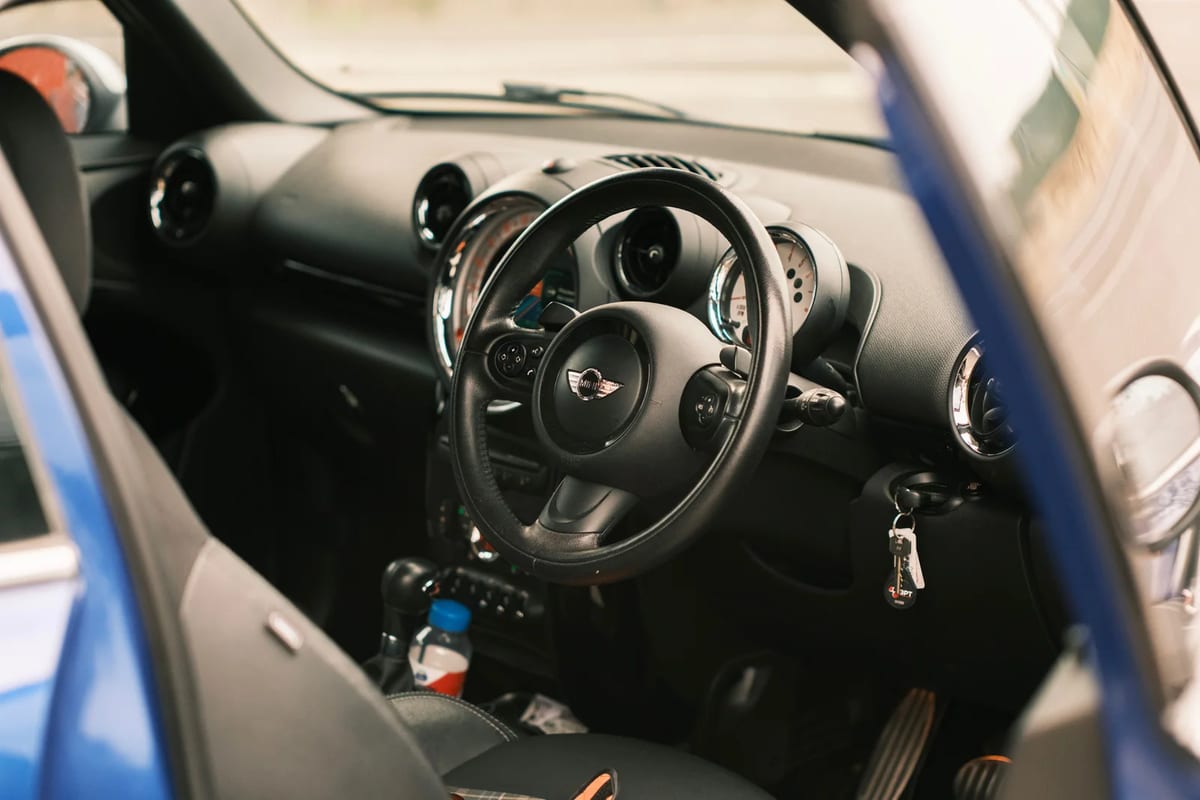
That is the whole argument for renting an automatic. It removes the one task that asks your weaker hand to do something precise while your brain is busy with road position. It usually costs a little more per day, and it is worth it for the first trip.
The rules at junctions and roundabouts
Keep left, give way to the right at roundabouts, and turn right across oncoming traffic only when there is a safe gap. The UK’s Highway Code puts the basic rule plainly in Rule 160: “keep to the left, unless road signs or markings indicate otherwise”, with exceptions for overtaking, turning right or passing parked vehicles. At roundabouts, Rule 185 tells drivers to “give priority to traffic approaching from your right”, because in a left-driving country roundabouts run clockwise.
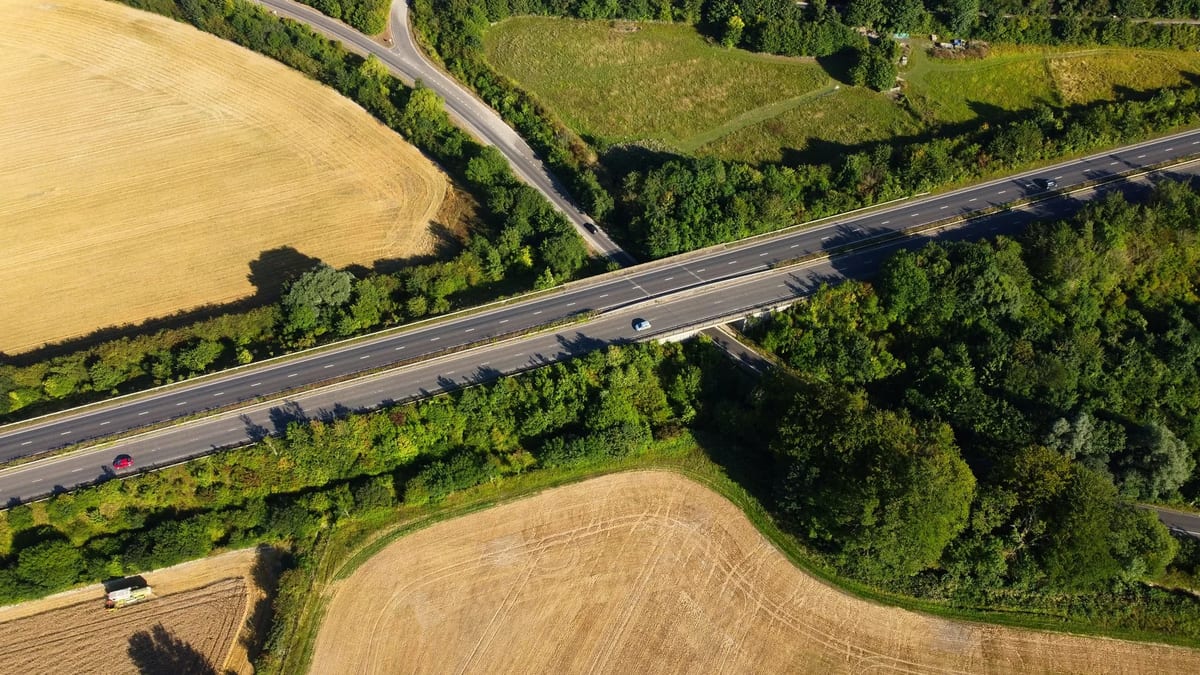
Turning right is the manoeuvre that feels most wrong, because it is the one that now crosses the flow of traffic. The Highway Code tells drivers to take up a position “just left of the middle of the road” before the turn, and to wait until there is a safe gap between them and any oncoming vehicle. Turning left, by contrast, becomes the easy, tight turn — the equivalent of a right turn at home.
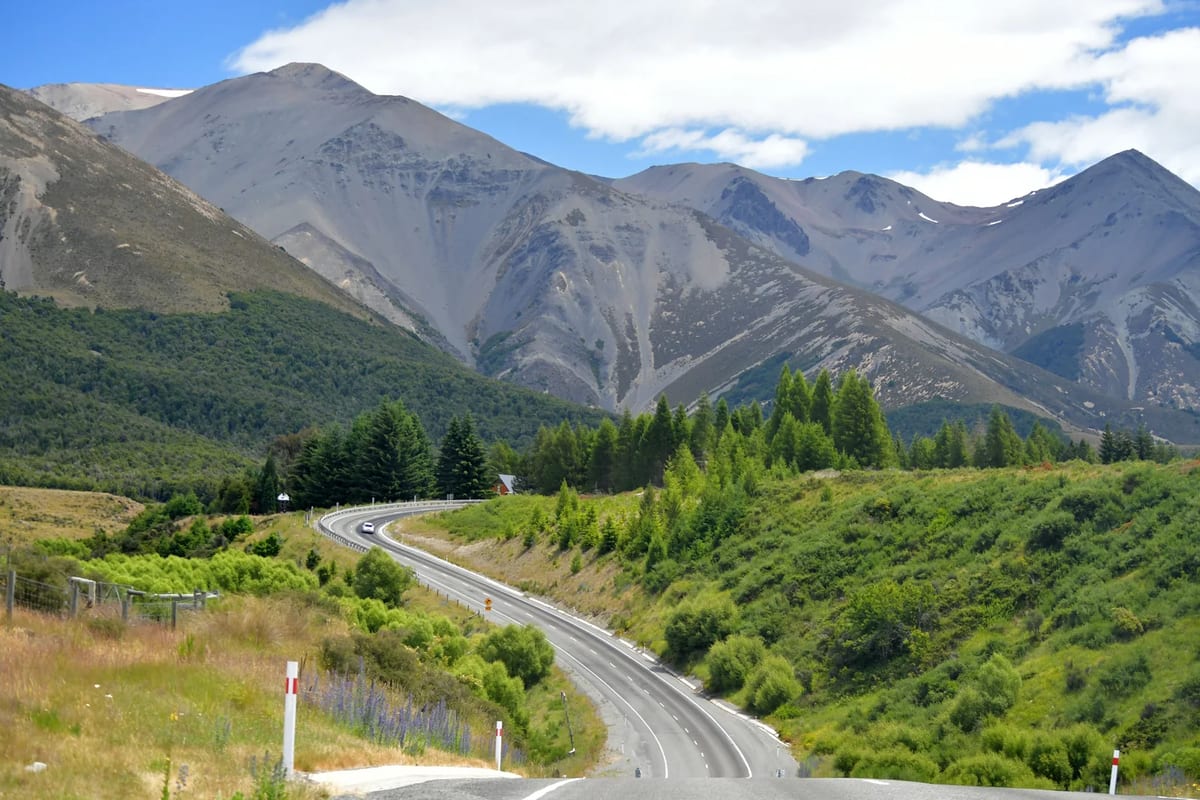
Visitors rarely get it wrong in heavy traffic, because the cars around them show the way. The mistake happens when the road is empty: pulling out of a car park, leaving a petrol station, or setting off again after a photo stop on a quiet country road. With nothing to follow, instinct takes over and the car drifts to the right-hand side. The fix costs nothing: every time you pull away, say “keep left” out loud.
A first-day routine that works
Spend the first half hour somewhere quiet, and use the centre line as your anchor. The single most useful habit is to keep your own body near the middle of the road: you sit on the right, so the centre line should be by your right shoulder. Drivers who get that wrong drift towards the left verge and clip kerbs and mirrors, which is the other common first-day mistake.
| Step | Why it helps |
|---|---|
| Collect the car outside rush hour | Your first junctions happen without pressure |
| Adjust mirrors and find the indicator before moving | Removes the wiper-for-indicator surprise |
| Keep the centre line by your right shoulder | Stops the drift towards the left kerb |
| Say “keep left” every time you pull away | Catches the empty-road mistake |
| Let a passenger navigate | Frees your attention for road position |
| Avoid driving after a long-haul flight | Tiredness makes old habits return |
The last row matters more than people expect. A long-haul arrival followed by a long drive stacks tiredness on top of an unfamiliar task, and tiredness is exactly when habit wins. If you land in the morning, stay near the airport or take a train, and collect the car the next day.
What about Nepal
Nepal drives on the left, but almost nobody visiting drives themselves, and we would not suggest it. Mountain roads are narrow, many are unsealed, buses and trucks set the pace, and landslides close roads in the monsoon. Visitors hire a car or jeep with a driver, and on our treks every road transfer comes with one. The drive from Kathmandu to Pokhara alone takes seven to nine hours by bus on a road with hundreds of bends.
If you are curious what those roads are actually like, Kathmandu to Pokhara, by road and air and the Pokhara to Jomsom road trip describe them, and if bends are your weakness, read which motion sickness remedies work first.
What we would do
Rent an automatic, collect it rested and outside rush hour, and spend the first half hour on quiet roads with the centre line at your shoulder. Say “keep left” every time you pull away, especially when the road is empty, and let someone else navigate for the first day. Most people stop thinking about it by the second morning.
Sort the paperwork before you go: check whether your destination needs an international driving permit alongside your licence, which our international driving permit guide covers country by country, and decide in advance what to do about the rental desk’s insurance, which is in rental car insurance abroad.
Every road transfer on our treks comes with an experienced local driver, so the only thing you steer is your own pace on the trail. Annapurna Base Camp is nine days at $920 USD solo and Everest Base Camp is twelve days at $1,700 USD solo, including permits, a government-registered guide, a porter, teahouses and meals.
See the Annapurna Base Camp trek →How many countries drive on the left?
About 75 countries and territories, covering roughly a sixth of the world’s land, a quarter of its roads and a third of its population.
Which countries drive on the left?
Among the most visited are the United Kingdom, Ireland, Australia, New Zealand, Japan, India, Nepal, Thailand, Malaysia, Singapore, Indonesia, South Africa and Jamaica.
Which way do roundabouts go in countries that drive on the left?
Clockwise. You give priority to traffic approaching from your right, as the UK Highway Code sets out in Rule 185.
Are the pedals reversed in a right-hand-drive car?
No. The accelerator, brake and clutch stay in the same order. The steering wheel moves to the right and, in a manual car, you change gear with your left hand.
What is the most common mistake when driving on the left?
Drifting to the right-hand side when pulling away on an empty road, such as leaving a car park or setting off after a stop, when there is no traffic to follow.
Can tourists drive in Nepal?
Nepal drives on the left, but visitors almost always hire a car or jeep with a driver because the mountain roads are narrow, often unsealed and prone to monsoon landslides.
Keep reading
Which countries ask for one alongside your licence.
What the desk sells you, and what you already have.
The number that decides what a claim really costs.
Nepal's great drive, and why you hire a driver for it.
Sources: Wikipedia, “Left- and right-hand traffic”, for the number of left-driving countries, their share of land, roads and population, the country list and Samoa’s 2009 switch; UK Highway Code, Rules 160, 179, 180 and 185 (gov.uk), for keeping left, turning right and roundabout priority. Nepal road conditions and times from Travel Himalaya Nepal field reporting and our own road guides.
Photos via Pexels: Michael Hamments (cover), Harry Tucker, Altaf Shah, Chen Te.

Written by
Anjali ShresthaPokhara-based, NMA-certified trekking guides. We’ve led 5,000+ treks across the Annapurna and Everest regions since 1998 — every word here comes from the trail. More from this author →
Share this article
Ready to Trek?
From reading about it to standing on it
Our Pokhara-based guides have been doing this since 1998. Tell us your dates and fitness level — we'll build your perfect itinerary. Free, no obligation.
Why trek with our licensed agencyMore guides like this
Popular trips to consider
View all treks & toursFree Trekker’s Insider Guide
Permits, packing lists, cost breakdowns — no fluff.
We send one useful email. You can unsubscribe anytime.