
The short version
Bites climb from October and peak in summer, and six in ten hospital cases start around the house. The bandage method that works, and four things never to do.
Snakebites in Australia start rising in October and peak in summer, and most of the bites that put people in hospital happen at or around home, not out in the bush. Deaths are rare, one to four a year, because the first aid works: call 000, keep the person still, and apply a firm pressure immobilisation bandage over the whole limb. Never wash, cut, suck or tourniquet the bite.
- Treat every snakebite as life-threatening, even if the person feels fine.
- The bandage goes over the whole limb, not just the bite, firm enough that a finger will not slide easily underneath.
- Keep still, and do not walk. The bandage and splint only work if the limb stays still.
- Most hospital bites happen around the house: the garden, the shed, the woodpile.
When snake season really starts
Bites start climbing in mid-spring, around October, and summer brings five to six times as many hospital cases as winter. That comes from the largest recent look at the data: a University of Melbourne team, part of the Australian Venomous Injuries Project, analysed every hospitalisation for venomous snake contact in Australia from 2002 to 2020, published in PLOS Neglected Tropical Diseases in December 2025. There were 10,763 of them. Cases rise from October, peak between December and February, and fall away from April.
In other words, the season is starting now. As the weather warms, more people are out in gardens, on tracks and around water.
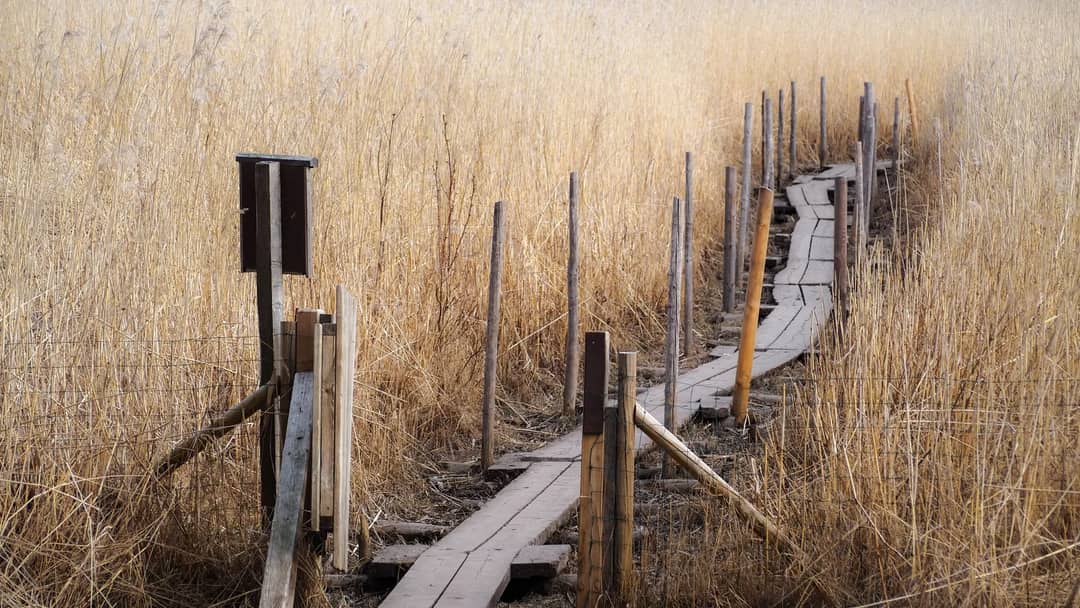
Age-standardised rates from the same study. It did not give separate figures for New South Wales and Victoria.
Why most bites happen at home, not on the trail
Where the place was recorded, about six in ten snakebite hospitalisations happened at or around a home. That was 4,193 cases in the Melbourne study: 67.6% of bites to women and 52.3% of bites to men. It makes sense once you picture it: snakes shelter in the places people leave alone, such as woodpiles, sheds, long grass and garden clutter, and the bite happens when someone reaches in.
Men are hospitalised at more than twice the rate of women (3.5 against 1.6 per 100,000), and the 25 to 44 age group accounts for about a third of cases. The study also found a steady rise among people aged 65 and over, about 5% a year.
| Who gets bitten | Figure |
|---|---|
| Men, rate per 100,000 | 3.5 |
| Women, rate per 100,000 | 1.6 |
| Share aged 25–44 | About 33% |
| Share aged 45–64 | 28.7% |
| People 65+ | Rising about 5% a year |
| Bitten at or around home (where recorded) | About 60% |
Source: Afroz, Jackson and Watt, University of Melbourne, PLOS Neglected Tropical Diseases, December 2025.
Snakebite first aid, step by step
Call 000, keep the person still, and bandage the whole limb firmly. These are the steps from healthdirect, the Australian Government’s health information service.
- Move away from the snake. Do not try to catch or kill it; you do not need it for the hospital to treat the bite.
- Call 000 for an ambulance, or 112 if that fails on a mobile.
- Keep the person still and calm. Lie them down and do not let them walk.
- Apply a pressure immobilisation bandage. Put a broad 10–15cm roller bandage firmly over the bite. Then take a second bandage and wrap the whole limb from the fingers or toes upward, firm enough that you cannot easily slide a finger underneath.
- Splint the limb so it cannot bend, using anything rigid.
- Write down the time of the bite and when the bandage went on.
- Start CPR if the person becomes unresponsive or stops breathing normally.

Do not wash the bite, because venom on the skin helps identify the snake. Do not use a tourniquet. Do not cut the wound. Do not try to suck out the venom.
The warning signs listed by healthdirect include nausea and vomiting, headache, confusion, dizziness, blurred vision, muscle weakness and difficulty breathing. Do not wait for symptoms; the bandage goes on straight away.
Which snakes are dangerous
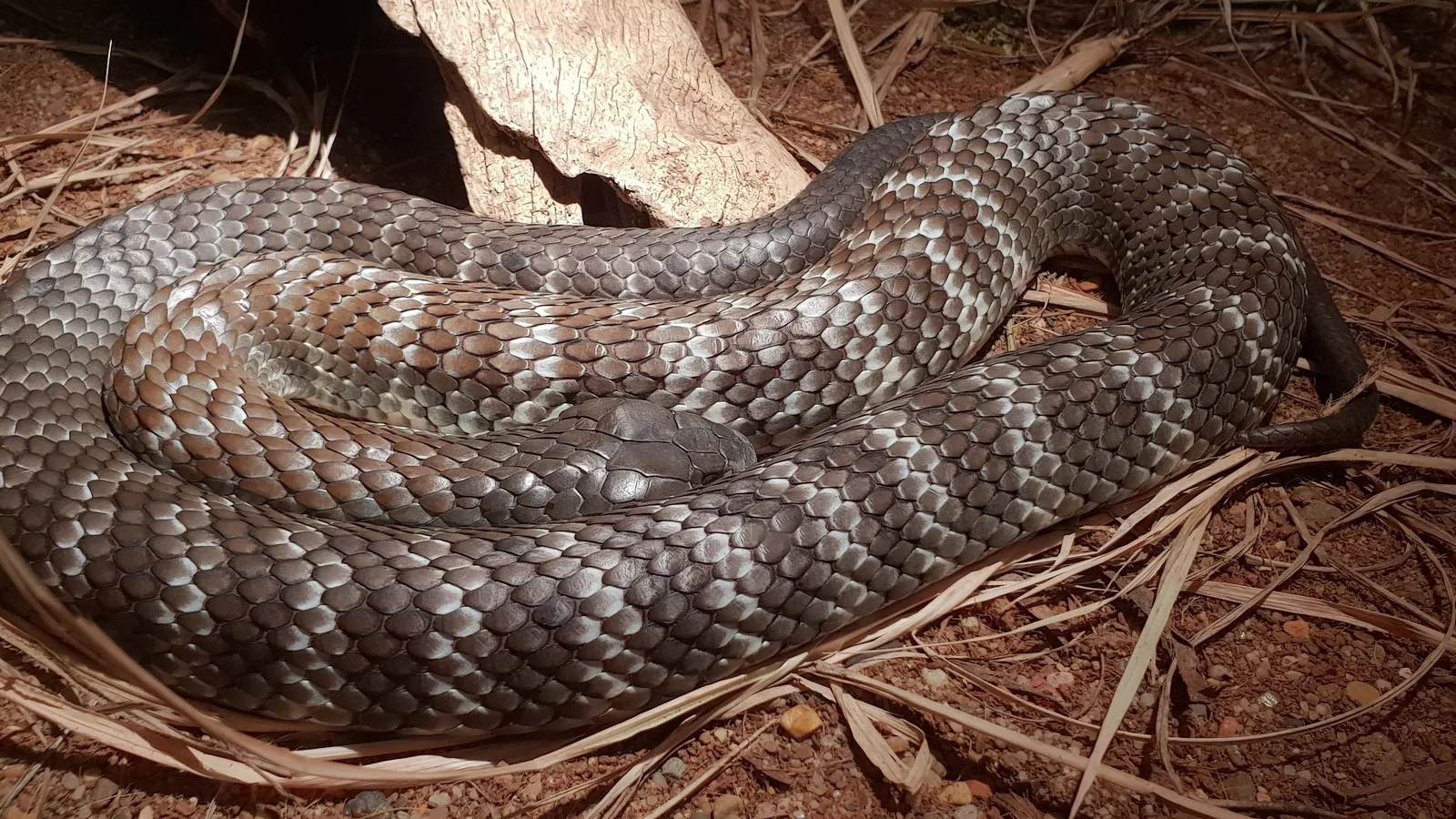
Healthdirect lists seven groups: brown snakes, black snakes, tiger snakes, taipans, death adders, rough-scaled snakes and sea snakes. Brown snakes cause about one in three snakebite hospital visits. You cannot reliably identify a snake by colour, and the first aid is the same for every bite, so there is no reason to get closer to find out.
Only about 5 in 100 people who are bitten receive antivenom, according to healthdirect. Your job is not to decide whether a bite is serious. It is to get a calm, bandaged, still patient to people who can.
Simple habits that cut the risk on a walk
None of these costs much, and together they remove most of the easy ways to get bitten. They apply on any warm-country trail.
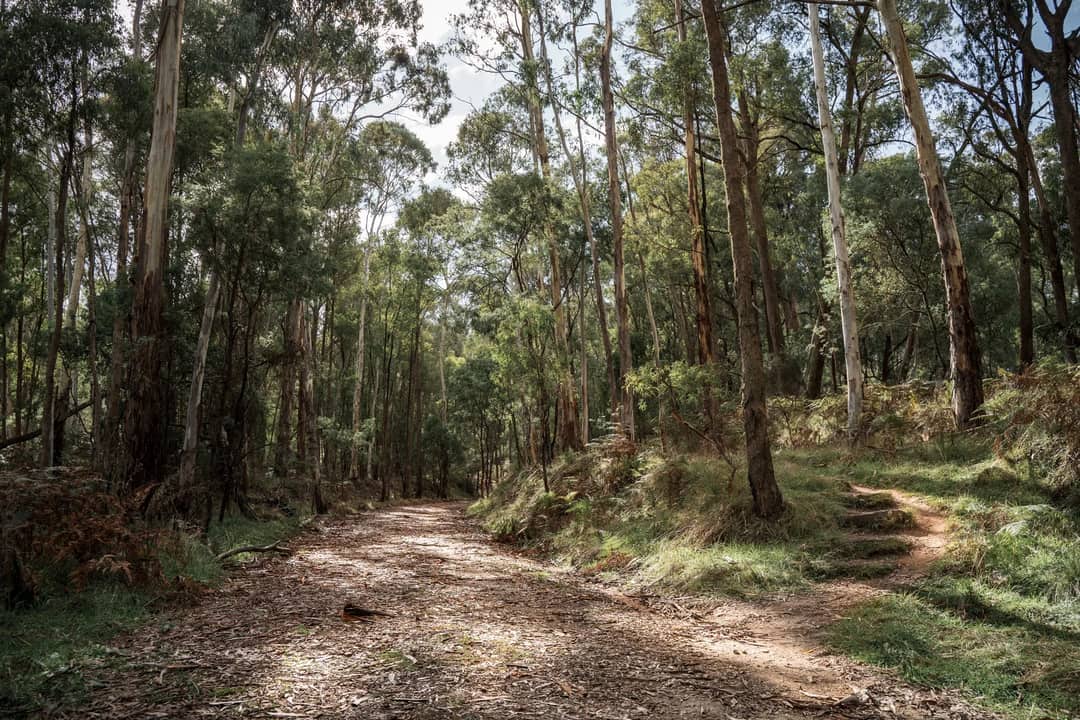
- Boots and long trousers, or gaiters, on any track with long grass.
- Stay on the formed track and step onto logs and rocks rather than over them, so you can see what is on the other side.
- Carry two broad elastic bandages in the first aid kit, not one. You need one for the bite and one for the limb.
- Tell someone your route, and know where mobile coverage runs out. A personal locator beacon is worth carrying on remote walks.
- Leave snakes alone. Give them room, and never try to move or kill one.
Snakes are one risk among several, and not the biggest. Our look at why hikers actually die puts them in proportion.
Every one of our Nepal treks runs with a government-registered guide. The five-day Poon Hill trek from Pokhara is $500 USD solo, and Annapurna Base Camp is $920 USD solo, including permits, a porter, teahouses and meals. Before you book, read our guide to travel insurance for Australians trekking in Nepal.
See the Poon Hill trek →When is snake season in Australia?
Snakebite hospitalisations start rising in October, peak from December to February, and fall from April. Summer brings five to six times as many cases as winter.
What is the first aid for a snakebite in Australia?
Call 000, keep the person still, apply a firm pressure immobilisation bandage over the bite and then the whole limb, splint it, and note the time. Do not wash, cut, suck or tourniquet the bite.
How many people die from snakebites in Australia each year?
Between one and four, according to healthdirect. Around 5 in 100 people who are bitten need antivenom.
Should you wash a snakebite?
No. Venom left on the skin can be used to identify the snake, so leave the bite unwashed and bandage over it.
Where do most snakebites in Australia happen?
At or around home. Where the place was recorded, about 60% of snakebite hospitalisations between 2002 and 2020 happened at or near a house.
Sources: healthdirect Australia, “Snake bites” (reviewed October 2024); Afroz, Jackson and Watt, “Trends in injury hospitalisations due to contact with snakes in Australia, 2002 to 2020”, PLOS Neglected Tropical Diseases, December 2025.
Written by
Bishnu AdhikariPokhara-based, NMA-certified trekking guides. We’ve led 5,000+ treks across the Annapurna and Everest regions since 1998 — every word here comes from the trail. More from this author →
Share this article
Ready to Trek?
From reading about it to standing on it
Our Pokhara-based guides have been doing this since 1998. Tell us your dates and fitness level — we'll build your perfect itinerary. Free, no obligation.
Why trek with our licensed agencyMore guides like this
Popular trips to consider
View all treks & toursFree Trekker’s Insider Guide
Permits, packing lists, cost breakdowns — no fluff.
We send one useful email. You can unsubscribe anytime.