
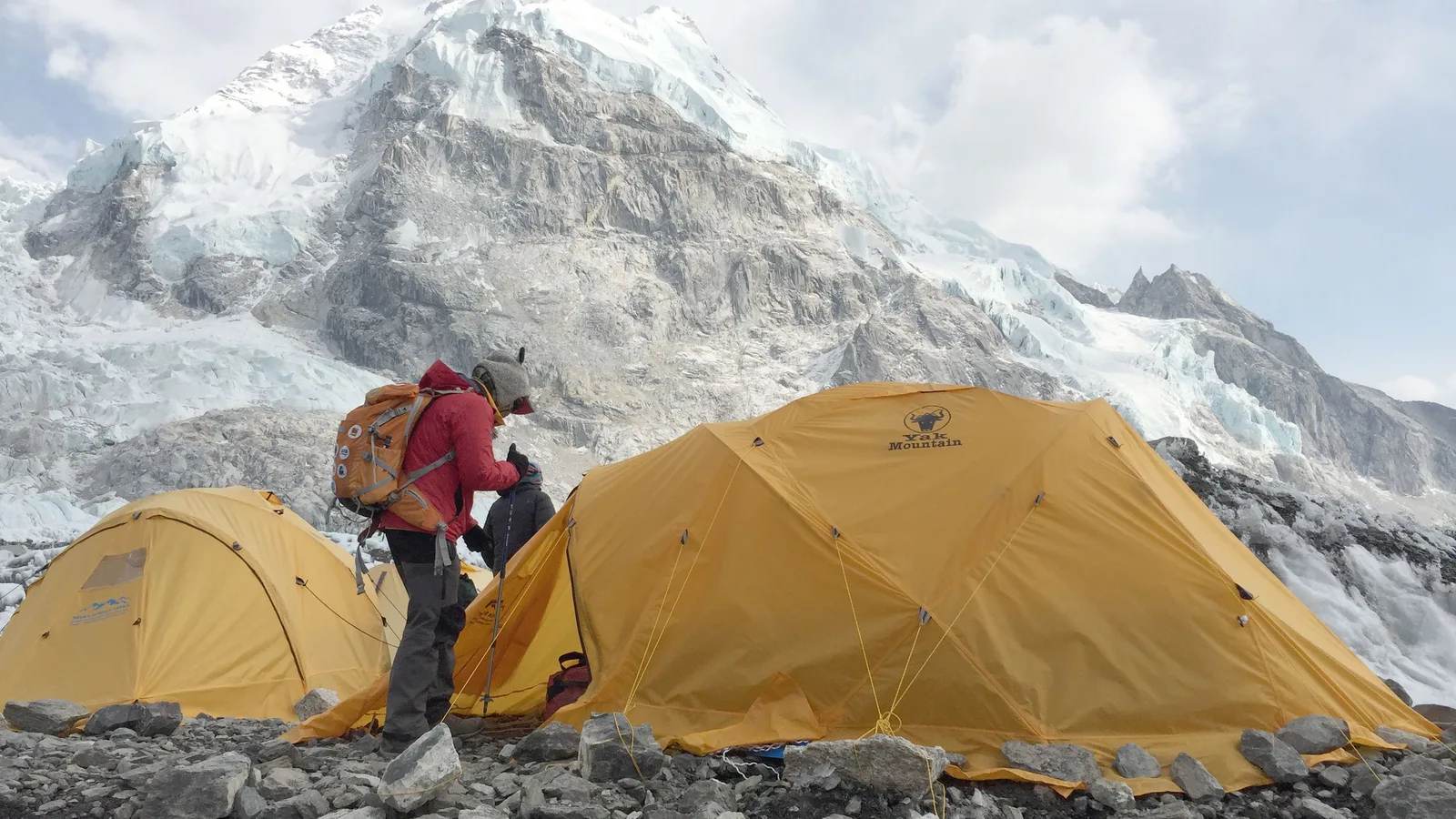
The short version
Yes, for a fit first-timer who takes the full 12 days. No, if you have one week or have never slept above 3,000m. Our head guide’s honest test.
Everest Base Camp can be a first trek, and for plenty of people it is. It is the wrong first trek if you cannot give it the full twelve days, if you have never walked five or six hours on two days running, or if you are the kind of person who would push on through a headache to protect the flights you booked. None of it is technical; what makes it hard is height, the number of long days in a row, and one small airstrip.
- EBC needs no climbing skill. It needs eight walking days of 5–10 hours at altitude, back to back.
- The deciding question is not fitness but whether you will turn around if your body says so.
- If you only have a week, or have never slept above 3,000m, start with Annapurna Base Camp or Poon Hill.
- In autumn 2026 the Lukla flights leave from Manthali, not Kathmandu — a 4–5 hour drive before dawn.
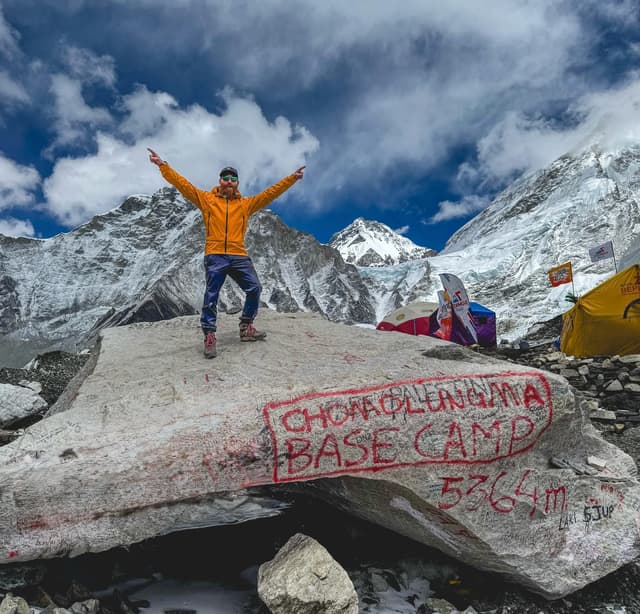
What actually makes Everest Base Camp hard for a first-timer
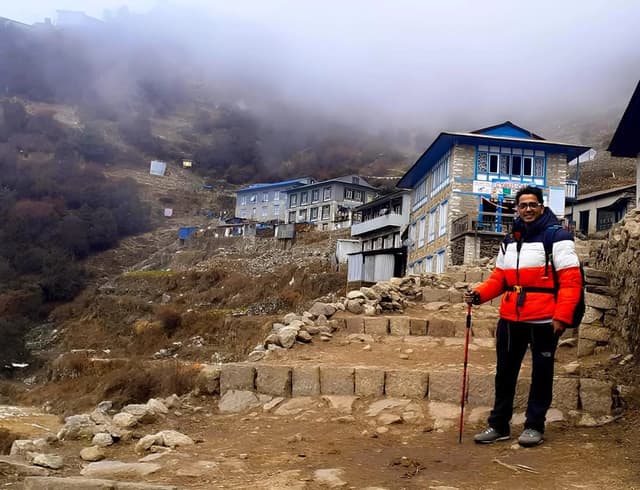
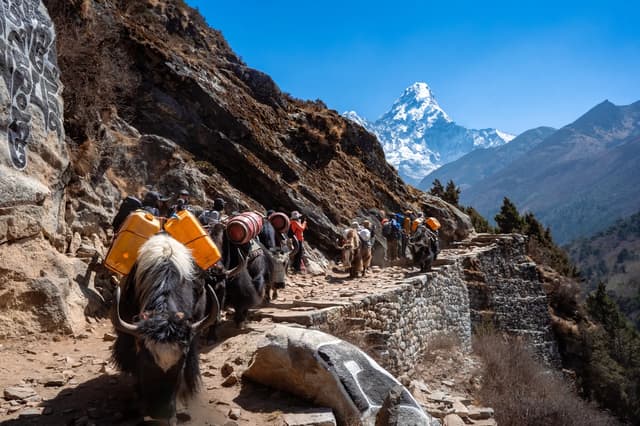
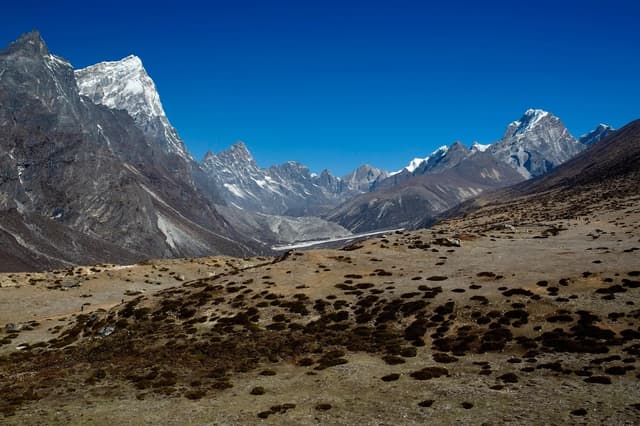
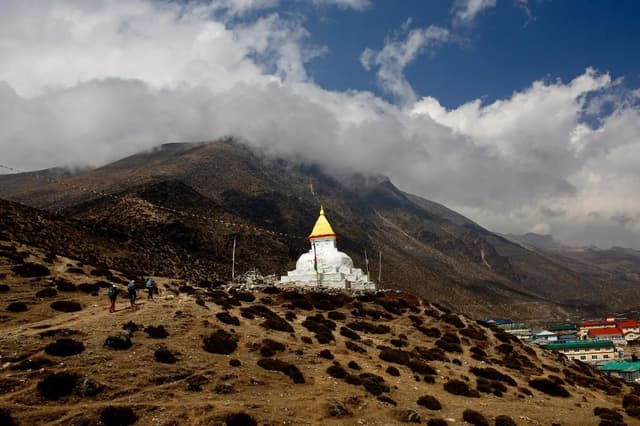
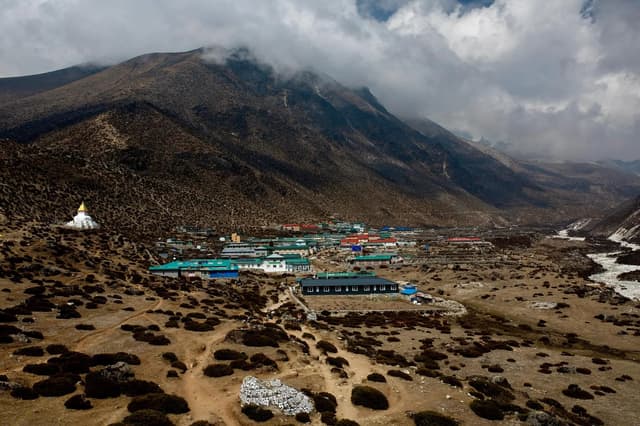
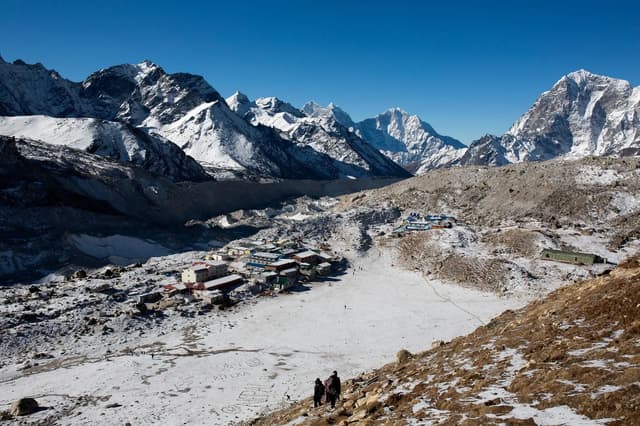
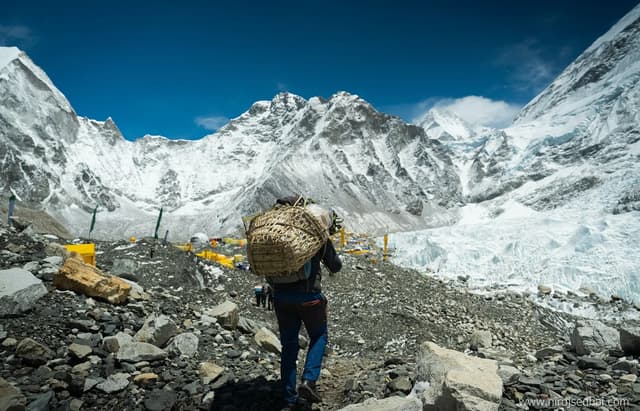
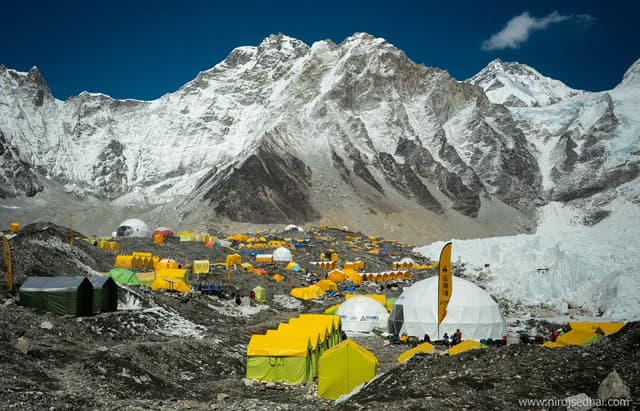
Not the terrain — the combination of altitude and eight long walking days in a row. The trail is a well-worn path of stone steps, suspension bridges and moraine; you never need a rope, an ice axe or your hands. What a first-timer has not usually done is walk five or six hours, sleep badly because the air is thin, and do it again the next morning, and the morning after that.
Here is what our 12-day itinerary asks of you, day by day.
| Day | Route | Walking | Distance | Sleep |
|---|---|---|---|---|
| 1 | Lukla → Phakding | 3–4 hr | 8 km | 2,610m |
| 2 | Phakding → Namche Bazaar | 5–6 hr | 11 km | 3,440m |
| 3 | Rest day, acclimatisation hike | 3 hr | 4 km | 3,440m |
| 4 | Namche → Tengboche | 5–6 hr | 10 km | 3,860m |
| 5 | Tengboche → Dingboche | 5–6 hr | 12 km | 4,360m |
| 6 | Rest day, acclimatisation hike | 4–5 hr | 6 km | 4,360m |
| 7 | Dingboche → Lobuche | 5–6 hr | 10 km | 4,940m |
| 8 | Lobuche → Gorak Shep → Base Camp | 7–8 hr | 13 km | 5,164m |
| 9 | Kala Patthar at dawn, down to Namche | 9–10 hr | 25 km | 3,440m |
| 10 | Namche → Lukla | 6–7 hr | 18 km | 2,860m |
Notice day nine. It starts in the dark at 5,164m, climbs to 5,545m for sunrise, and ends 25 kilometres later back in Namche. That is the day first-timers talk about afterwards, and it is the reason we ask people whether they have ever walked a long day on tired legs.
The test that matters more than fitness
Will you turn around if your body tells you to? I have one rule, and I have walked by it for fifteen years: we descend if in doubt; the summit will still be there. At Base Camp the “summit” is a painted rock, and it will still be there too.
The height is managed by the itinerary. Our route sleeps below 9,000 feet on the first night on purpose, and puts a rest day straight after the steepest gain, into Namche, and another at Dingboche before the last push. We explained exactly how those nights measure against the CDC’s ascent guidance in how high Nepal’s treks really are in feet, including the days where they go over it. What the itinerary cannot manage is the person who hides a headache at Lobuche because the flight home is booked.
The two acclimatisation days are the reason this trek works. One request we always turn down is removing one so someone can fly home a day earlier. If your leave is too tight for twelve days, choose a shorter trek — do not shorten this one.
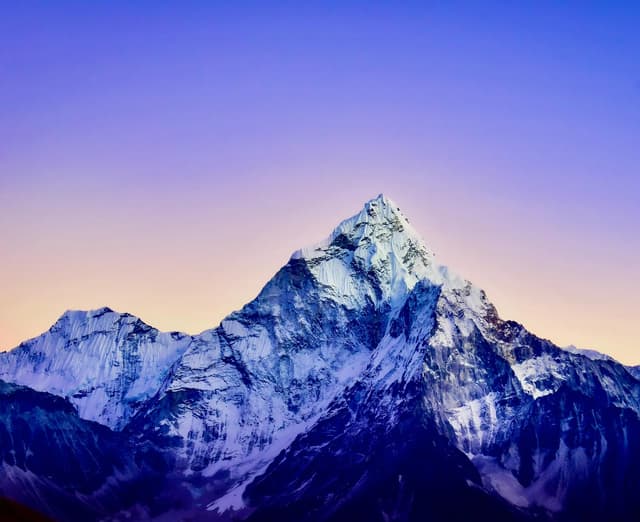
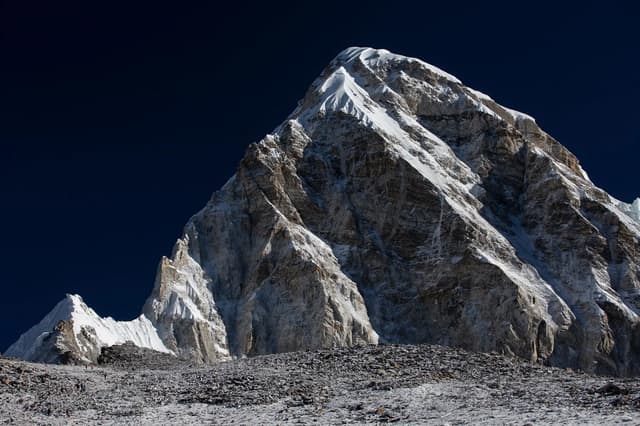
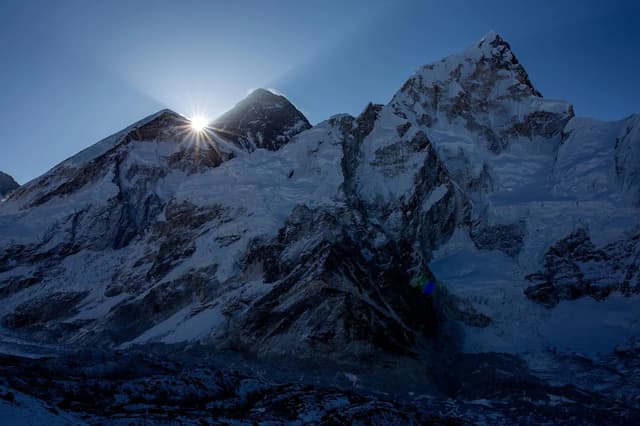
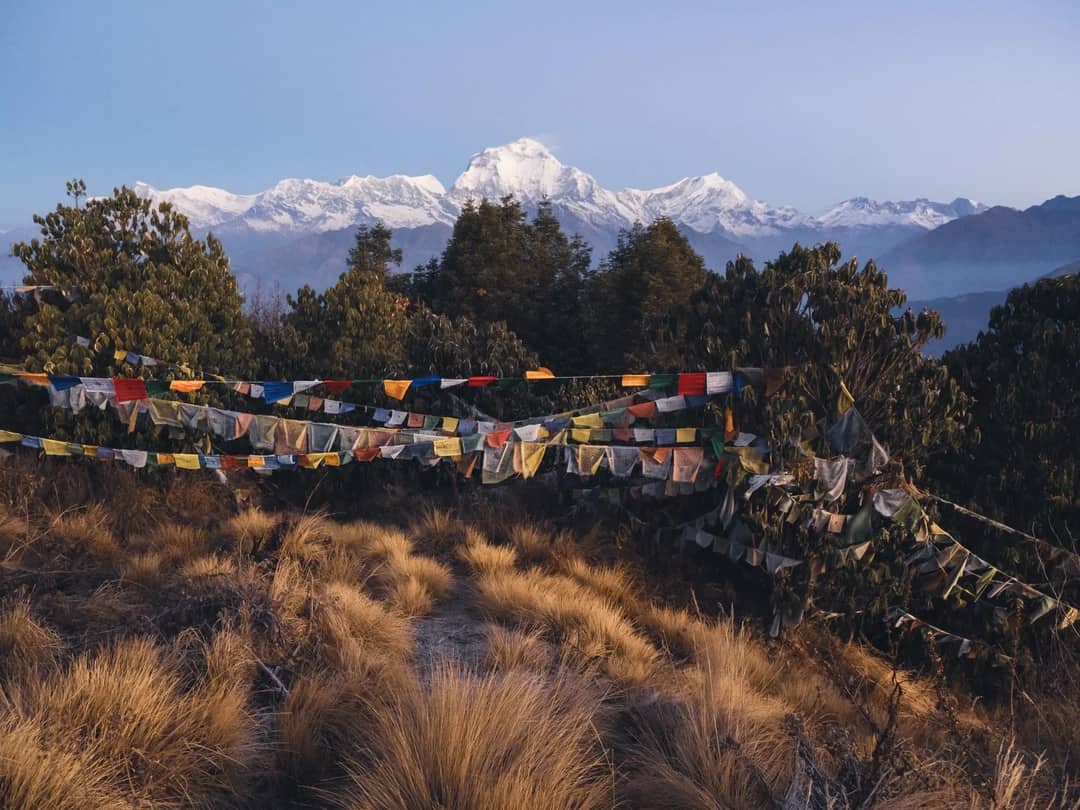
Last light on the high Khumbu peaks, prayer flags above a sea of cloud.
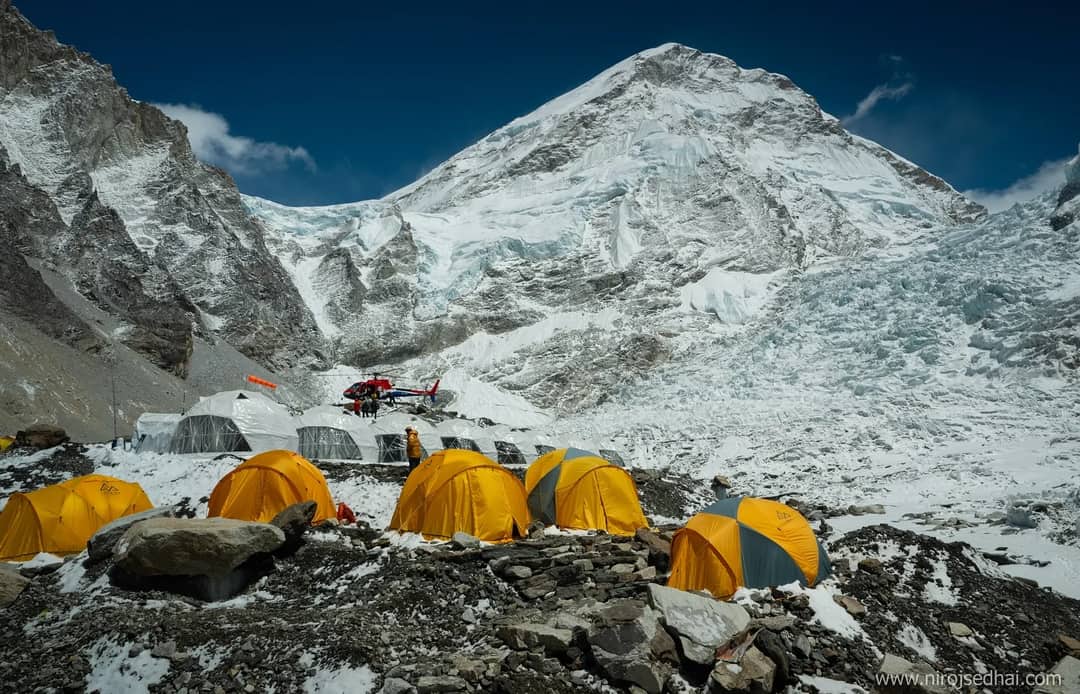
Our 12-day trek keeps both rest days, puts a certified guide beside you and a pulse oximeter in their pack, and includes your permits, teahouses, meals and the Lukla flights. It is $1,700 solo, or from $1,530 each for two to three people. In autumn 2026 every Lukla flight leaves from Manthali, four to five hours’ drive from Kathmandu, so tell us your dates before you book international flights and we will build the day around it.
See the 12-day trek →Who should start somewhere easier
Anyone for whom one of these is true. This is the part that costs us bookings, and I would rather say it now than on day seven.
- You have fewer than twelve days on the ground in Nepal.
- You have never slept above 3,000m and have no idea how you respond to it.
- You have never walked five hours and then done it again the next day.
- A delayed flight would ruin the trip, rather than cost you a day in Kathmandu.
The comparison most first-timers should actually be making is with Annapurna Base Camp: a real Himalayan base camp in an amphitheatre of peaks that includes Annapurna I, one of the fourteen 8,000-metre mountains, reached without a mountain airstrip, and lower.
12 days · 5,364m · Lukla flight via Manthali in autumn · $1,700 solo
9 days · 4,130m · starts from Pokhara by road · $920 solo
What each first trek costs, solo, in your currency
These are our solo prices; groups pay less per person. We charge in US dollars, so the pound and Australian-dollar figures are approximate, converted at the Federal Reserve’s rates for 11 September 2026.
| Trek | Days | High point | USD | GBP | AUD |
|---|---|---|---|---|---|
| Mardi Himal | 4 | 4,500m | $455 | ~£336 | ~A$634 |
| Ghorepani Poon Hill | 5 | 3,210m | $500 | ~£370 | ~A$697 |
| Annapurna Base Camp | 9 | 4,130m | $920 | ~£680 | ~A$1,282 |
| Everest Base Camp | 12 | 5,364m | $1,700 | ~£1,257 | ~A$2,370 |
October and November 2026 on the Everest trail
The route is open, the season is the best of the year, and the logistics have one twist. The Trekking Agencies’ Association of Nepal listed the Everest region as unaffected in its 28 August update after the flash floods, and we set out region by region what is and is not open in trekking Nepal after the 2026 floods. The twist is the airport: from 25 September to 30 November every scheduled Lukla flight leaves from Manthali in Ramechhap, not Kathmandu, which means a road transfer of four to five hours that usually leaves around 1:30am. Our full explanation is in why every Everest trekker flies from Manthali this autumn.
For a first-timer that matters more than it sounds. You start the trek short on sleep, and a weather delay on the Lukla flight can mean waiting in Manthali rather than in your Kathmandu hotel. Build one spare day into your plan at the end of the trek, not the beginning.
How to know you are ready
Walk five or six hours with a day pack, then do it again the next morning. If day two is a struggle, train for longer or pick a shorter trek.
If you can, sleep a night or two above 2,500m before you come. How you feel at 3am tells you more than any gym.
Plus travel, plus one spare. If the calendar only allows a week, that is an answer in itself.
Decide now that a headache that will not go, or confusion, means down. Deciding at 4,900m is harder.
Our verdict
Everest Base Camp is a good first trek for a fit person with twelve clear days and the humility to turn around. It is not a good first trek for anyone trying to fit it into a week, or anyone who has never tested themselves at height and would rather push on than lose the trip. For them, Annapurna Base Camp is the better first Himalaya: nine days, lower, reached by road, and every bit as dramatic. Do that well, and Everest is waiting for next autumn — with a body that already knows what 4,000 metres feels like.
Tell us how many days you have, the highest place you have slept, and the longest day you have walked. We will tell you honestly which trek fits — including when the answer is not Everest. Annapurna Base Camp is $920 solo; Everest Base Camp is $1,700 solo, both with permits, a certified guide and teahouses included.
Ask which trek fits →Can a beginner do the Everest Base Camp trek?
Yes, if they have twelve days and reasonable fitness. It needs no technical skill. The challenge is eight days of 5–10 hours of walking at altitude, and the willingness to descend if altitude symptoms get worse.
How fit do you need to be for Everest Base Camp?
Fit enough to walk five to six hours on consecutive days with a day pack, and one longer day of nine to ten hours. Regular hill walking or stair training in the months before is the best preparation.
Is Annapurna Base Camp easier than Everest Base Camp?
Yes. It is shorter at nine days, lower at 4,130m, and reached by road from Pokhara rather than by a mountain flight, which makes it a gentler first Himalayan trek.
What is the hardest day on the Everest Base Camp trek?
For most people, day nine: a pre-dawn climb from Gorak Shep to Kala Patthar at 5,545m for sunrise, then 25 km down to Namche, nine to ten hours in all.
Can I do Everest Base Camp in less than 12 days?
You can shorten the return by flying out by helicopter, but you should not shorten the walk up. The two acclimatisation days are what make the ascent safe.
Where do Lukla flights leave from in October and November 2026?
From Manthali in Ramechhap district, not Kathmandu. Nepal’s Civil Aviation Authority diverts scheduled Lukla flights there from 25 September to 30 November; the drive from Kathmandu takes four to five hours.
Is the Everest region open after the 2026 floods?
Yes. The Trekking Agencies’ Association of Nepal listed the Everest region as unaffected in its 28 August 2026 update. The closures were in Langtang, Ganesh Himal and on the road to Manaslu.
Keep reading
The things people wish someone had told them before Lukla.
The two classic base camps, side by side.
Two short first treks from Pokhara, and which one to choose.
Every trek against the American peaks you already know.
Ready to plan it? Contact us to arrange your permits, a licensed guide and your departure.

Written by
Rajan GurungPokhara-based, NMA-certified trekking guides. We’ve led 5,000+ treks across the Annapurna and Everest regions since 1998 — every word here comes from the trail. More from this author →
Share this article
Ready to Trek?
From reading about it to standing on it
Our Pokhara-based guides have been doing this since 1998. Tell us your dates and fitness level — we'll build your perfect itinerary. Free, no obligation.
Why trek with our licensed agencyMore guides like this
Popular trips to consider
View all treks & toursFree Trekker’s Insider Guide
Permits, packing lists, cost breakdowns — no fluff.
We send one useful email. You can unsubscribe anytime.