
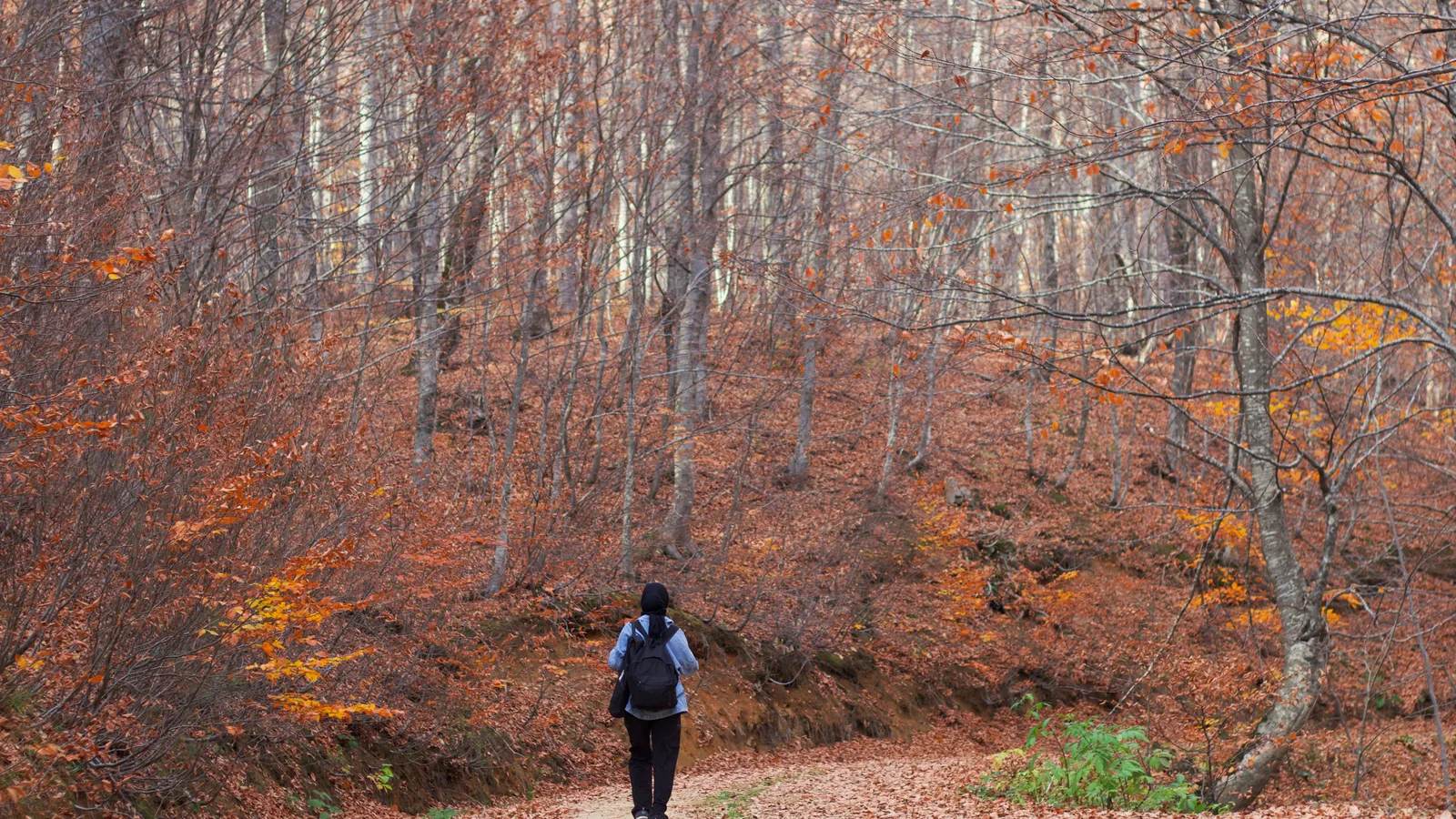
The short version
Two hours less evening light, hypothermia above 40F, hunters on the trail and bears feeding all day. What changes in autumn and the one fix for each.
Fall is the best hiking season of the year, but four things change that summer never prepared you for. You lose about two hours of evening daylight between late September and early November. Rain and wind can give you hypothermia well above freezing. Hunting season puts people with rifles and bows on the same trails. And bears are feeding for most of the day. None of these is a reason to stay home. Each one needs one small change to how you plan.
Autumn is also peak trekking season in the Himalaya, where we guide, and the same four questions come up every October: when does it get dark, what happens if we get wet, who else is out there, and what is eating nearby. The answers translate almost exactly to a US or UK trail.
- Plan every hike around sunset, not the clock: US clocks go back on 1 November and UK clocks on 25 October.
- Pack for wet and 40°F, not for the sunny forecast.
- Wear hunter orange or pink on any trail in or near hunting land from September to December.
- Carry food properly, stay 50 yards from bears, and never approach one for a photo.
You lose about two hours of evening light
The single most common autumn mistake is starting a summer-length hike at a summer time of day. In Boston the sun sets at about 6:42pm on 22 September and about 4:37pm on 2 November. In London it goes from roughly 7pm to about 4:32pm over the same stretch. That is two hours gone from the end of the day, and the last hour on the trail is usually the slowest one: tired legs, a steep descent, fading light.
The clock change makes it sudden. UK and European clocks go back on Sunday 25 October and US clocks on Sunday 1 November, and overnight the sunset moves an hour earlier. We explain the week in between, when every US–Europe time difference shrinks, in our piece on the clocks going back this year.
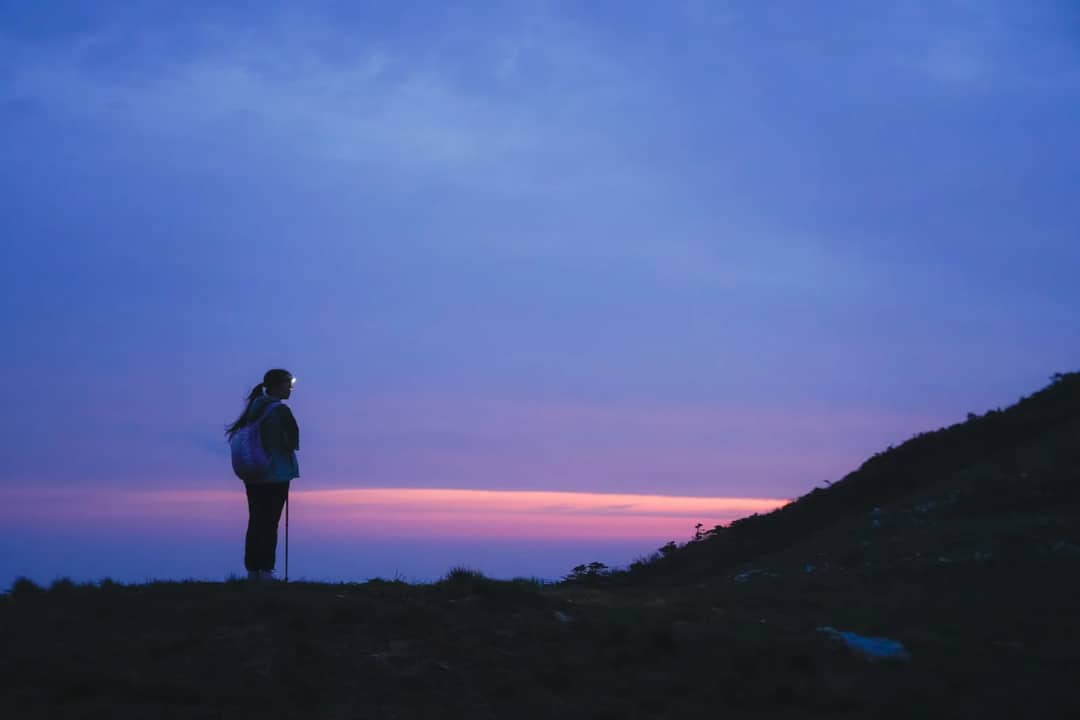
What works: look up the sunset time for where you will be, count back your realistic walking time plus an hour, and make that your latest start. Set a turnaround time and keep it. Put a headlamp in the pack every single time, even for a short walk, because a phone torch drains the battery you need for navigation.
Hypothermia does not need freezing weather
Autumn cold catches people because it rarely feels dangerous. The US Centers for Disease Control and Prevention is specific about it: hypothermia “can occur even at cool temperatures (above 40°F) if a person becomes chilled from rain, sweat, or submersion in cold water.” A damp base layer, a stiff wind on an exposed ridge and a slower pace as the light fades are all it takes.
Know the warning signs the CDC lists: shivering, exhaustion, confusion, fumbling hands, memory loss, slurred speech and drowsiness. The dangerous thing is that confusion arrives early, so the person affected is the last to notice. If someone in your group goes quiet and clumsy, stop, get them out of the wind, swap wet layers for dry ones and get warm food into them.
Cotton holds water and stops insulating once it is wet. Wear a synthetic or merino base layer, carry a warm mid layer and a waterproof shell, and keep one dry layer in a bag inside your pack for emergencies.
Hunting season puts other people on the trail
From September to December, the woods you hike in may also be hunting ground. National forests and many state lands allow hunting, and hunters with firearms or bows use the same trails and roads. Forest Service guidance for visitors is to wear bright hunter orange or pink that can be seen from every direction, such as a hat, vest or pack cover, and to avoid white or tan during deer season, because a flash of white can look like a deer’s tail.
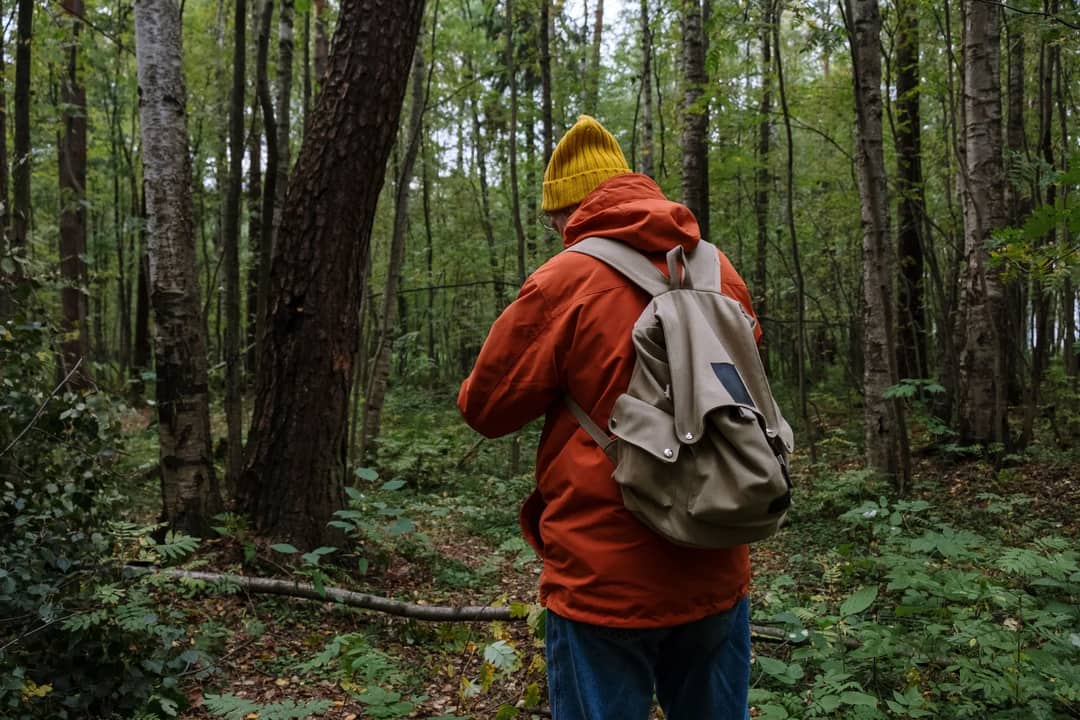
Put your dog in orange too, keep to marked trails, and check the season dates for the land you are visiting before you go. National parks generally do not allow hunting, but the forests and public land beside them often do, and many trails cross from one to the other.
Bears are feeding for most of the day
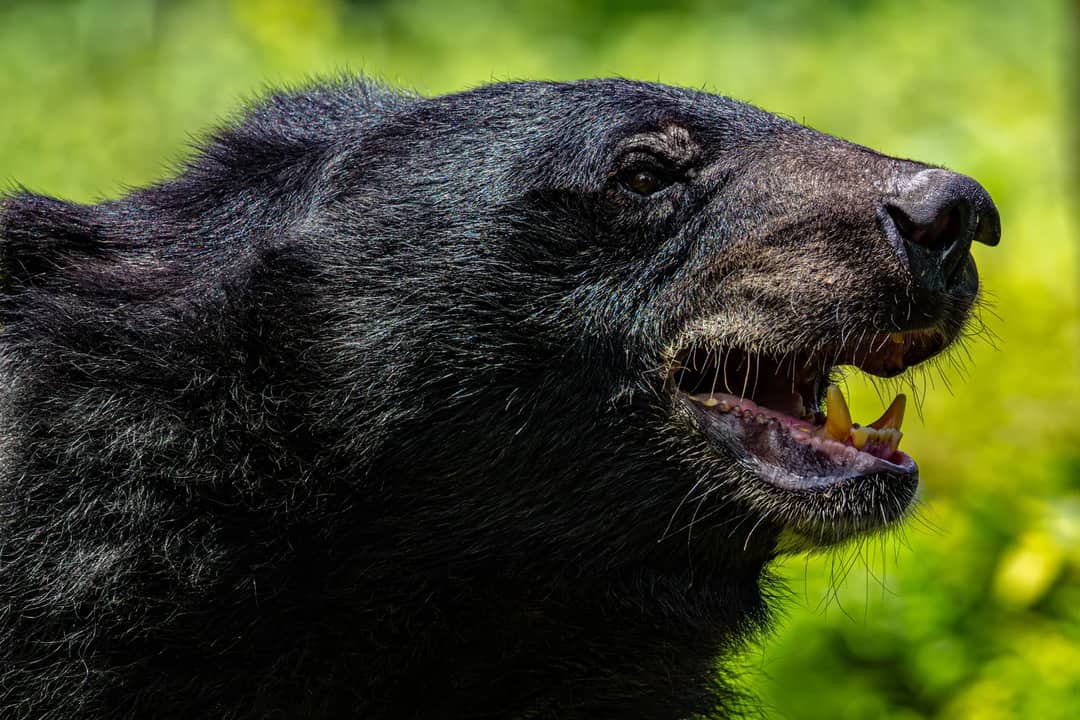
In autumn, bears enter what biologists call hyperphagia. In a release on 14 September 2026, Great Smoky Mountains National Park described it as “an intense feeding state in which they spend most of the day searching for food”, during which a bear “may consume up to 20,000 calories daily.” A bear that is working hard to eat before winter is a bear that is out in daylight, near trails, and interested in anything that smells like food.
The park requires visitors to stay at least 50 yards (150 feet) from bears, and approaching wildlife illegally can bring fines or arrest. Carry food sealed and close, never leave a pack unattended at a viewpoint, make noise on blind corners, and if you see a bear, give it the path.
The autumn checklist we would give a friend
| Risk | What changes in fall | What to do |
|---|---|---|
| Darkness | About 2 hours less evening light; clocks go back 25 Oct (UK) and 1 Nov (US) | Latest start = sunset minus walking time minus 1 hour; always carry a headlamp |
| Cold and wet | Hypothermia is possible above 40°F when wet | No cotton; carry a warm layer, a shell and one dry spare |
| Hunting | Hunters on forest and state land, Sep–Dec | Hunter orange or pink visible from all sides; no white or tan |
| Bears | Feeding for most of the day, up to 20,000 calories | 50 yards minimum; food sealed and close; noise on blind corners |
| Slippery ground | Wet leaves hide roots, rocks and holes | Shorten your stride on descents and use poles |
October and November are the clearest months in the Himalaya. Our Ghorepani Poon Hill trek is five days, tops out at 3,210m and suits first-timers, with sunrise over Annapurna and Dhaulagiri from the Poon Hill viewpoint. US$500 solo, from US$370 each in a group of eight or more, with a licensed guide, permits and lodges included.
See the itinerary & price →Why autumn is still worth it
Every one of these risks comes with the reason people love the season: cool air, fewer bugs, clear views and colour you only get a few weeks a year. The same is true in Nepal, where autumn brings the clearest mountain skies of the year. Our autumn trekking guide explains why October and November are the months most trekkers choose. Plan for the dark, the wet, the hunters and the bears, and fall gives you the best walking of the year.
Frequently asked questions
What time should I start a fall hike?
Work back from sunset: take your realistic walking time, add an hour of margin, and start before that. In early November that often means being on the trail by late morning, because many places see sunset around 4:30 to 5pm.
Can you get hypothermia when it is not freezing?
Yes. The CDC says hypothermia can occur above 40°F if you get chilled by rain, sweat or cold water. Wet clothing and wind are the usual causes on an autumn hike.
Do hikers need to wear orange during hunting season?
It is not usually required for hikers, but it is strongly advised on any land where hunting is allowed. Wear bright orange or pink visible from all sides and avoid white or tan in deer season.
Are bears more dangerous in the fall?
They are more active. In fall bears feed for most of the day to build fat for winter, so you are more likely to meet one. Keep at least 50 yards away, keep food sealed, and never approach for a photo.
When do the clocks go back in 2026?
On Sunday 25 October in the UK and Europe, and Sunday 1 November in the US. Sunset jumps an hour earlier on each date.
What should I always carry on an autumn hike?
A headlamp with fresh batteries, a warm layer, a waterproof shell, a dry spare layer, food and water, a charged phone with an offline map, and something bright orange if you are near hunting land.
Keep reading
The risks behind real trail deaths, and the habits that prevent them.
Why October and November are the Himalaya’s best months.
Where to walk next when your local trails get dark by five.
Short autumn walks with the Annapurnas on the skyline.
Planning an autumn trek in Nepal? Contact us and we will match the route to your dates and fitness.
Sources: US Centers for Disease Control and Prevention, winter weather and hypothermia guidance; Great Smoky Mountains National Park news release, 14 September 2026; US Forest Service visitor guidance on hunting season; sunset times calculated with the NOAA solar algorithm for Boston and London. Photos via Pexels: Şeyma Nahırcı (cover), travelers_tw, cottonbro studio, Regan Dsouza.
Written by
Bishnu AdhikariPokhara-based, NMA-certified trekking guides. We’ve led 5,000+ treks across the Annapurna and Everest regions since 1998 — every word here comes from the trail. More from this author →
Share this article
Ready to Trek?
From reading about it to standing on it
Our Pokhara-based guides have been doing this since 1998. Tell us your dates and fitness level — we'll build your perfect itinerary. Free, no obligation.
Why trek with our licensed agencyMore guides like this
Popular trips to consider
View all treks & toursFree Trekker’s Insider Guide
Permits, packing lists, cost breakdowns — no fluff.
We send one useful email. You can unsubscribe anytime.