
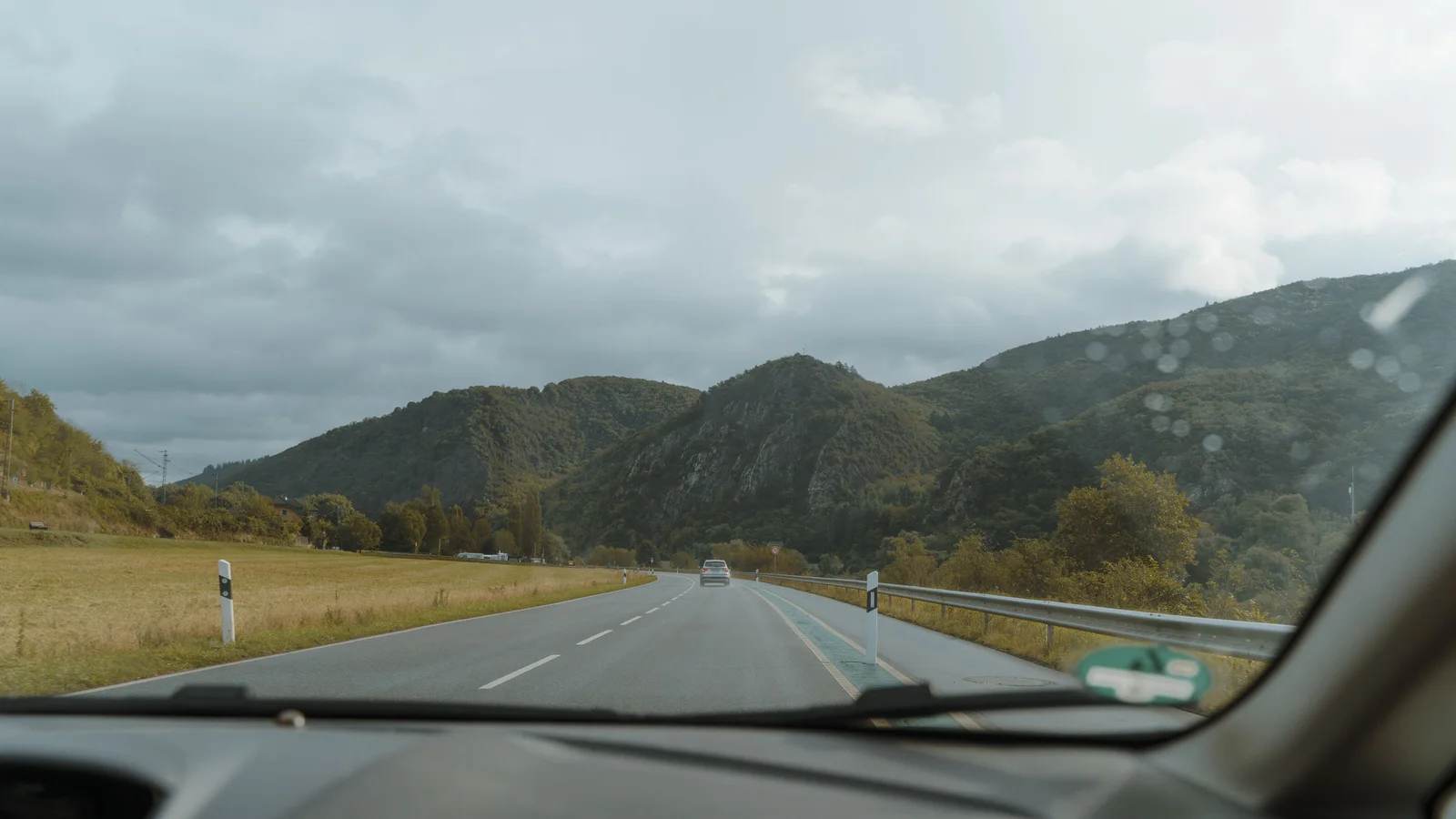
The short version
Take medication before you travel and sit facing the horizon. Ginger and wristbands have weak evidence, and the CDC says bands matched a placebo.
The remedies with real evidence are medication taken before you set off and a few simple habits in the vehicle: sit where the motion is smallest, keep your eyes on the horizon, and put the phone away. The two most popular fixes are the weakest. The US Centers for Disease Control and Prevention says ginger has only weak and contradictory supporting evidence, and that acupressure wristbands performed no better than a placebo in laboratory trials. Neither will hurt you, but neither should be your plan for seven hours of mountain switchbacks.
- Take medication before the journey. The CDC says it works best taken before exposure, not after symptoms start.
- Patch for long days, tablet for short ones — and most tablets make you drowsy.
- Ginger and wristbands are fine to try, but the evidence behind them is thin.
- Children aged 7 to 12 are the most susceptible, and scopolamine patches are not for young children.
Why a winding road makes you sick
Your eyes and your inner ear disagree about whether you are moving, and your brain reacts to the conflict. Reading in a car is the classic case: your eyes report a still page while your balance organs report every bend and brake. The CDC describes it as a mismatch between visual and vestibular signals, which is why almost every effective habit works by bringing the two back into agreement — you look outside so that what you see matches what you feel.
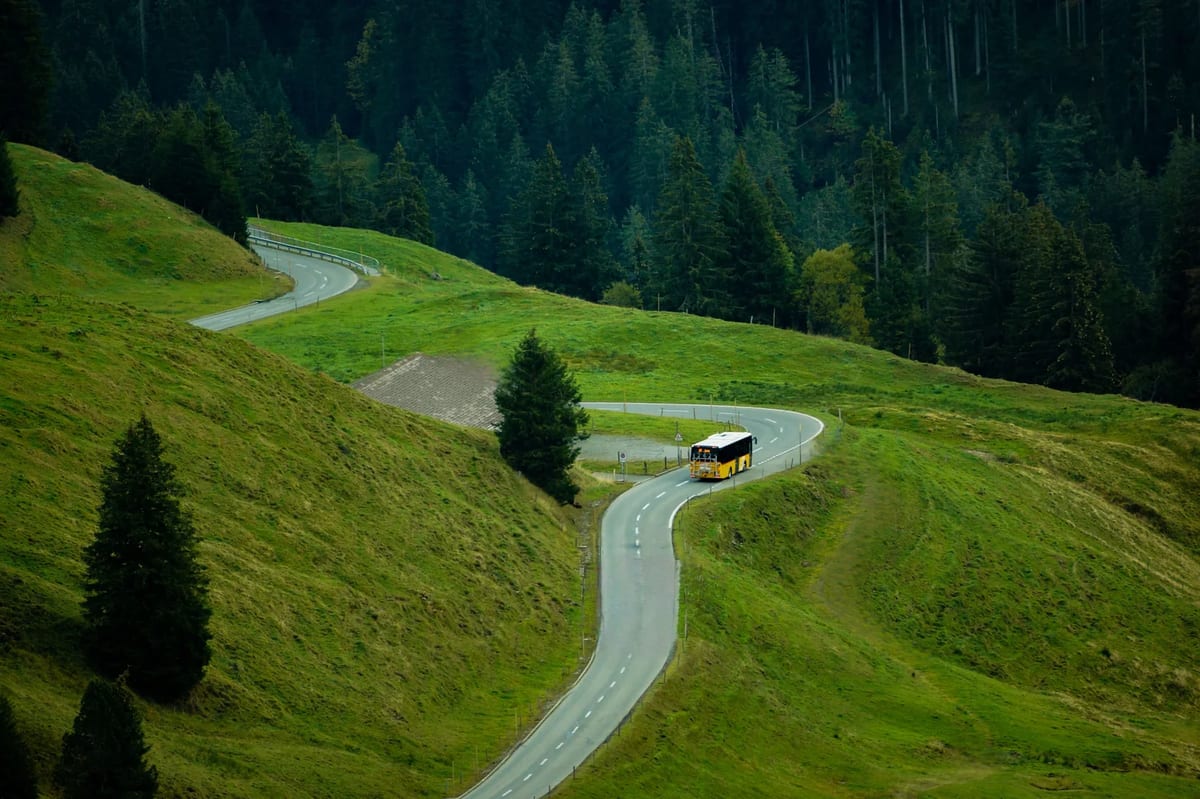
That also explains who suffers most. According to the CDC, susceptibility rises through childhood and peaks between the ages of 7 and 12, then declines through adulthood. Women are more susceptible than men, though the CDC calls that a much smaller effect than age. People with a history of migraine, vertigo or inner-ear disorders are more prone, and twin studies suggest heritability accounts for 55 to 70 per cent of the variation — so if your parents were sick in the back of the car, you probably will be too.
What actually works, according to the CDC
Two families of medicine have solid evidence: scopolamine, sold in the UK as hyoscine, and a group of antihistamines. The CDC’s own guidance is that the scopolamine patch suits longer exposure of more than six hours with a moderate-to-intense stimulus, and that the antihistamines suit milder, shorter trips of six hours or less. Timing is the part people get wrong: the medicine needs to be on board before the motion starts.
| Medicine | Starts working | Lasts | Best for | Main drawback |
|---|---|---|---|---|
| Scopolamine patch (hyoscine) | 6–8 hours | 72 hours | Long journeys, several days | Not for glaucoma or prostate problems; not for children |
| Meclizine | 2 hours | 8–24 hours | Short trips | Drowsiness |
| Dimenhydrinate | 2 hours | 8 hours | Short trips | Drowsiness |
| Cyclizine | 2 hours | 6 hours | Short trips | Drowsiness |
| Promethazine | 2 hours | 15 hours | Intense, short exposure | The most sedating of the group |
Two warnings from the CDC deserve repeating. The patch must never be cut up to change the dose, and scopolamine can cause hallucinations and confusion in children, so it is not a family remedy. The antihistamines’ common side effect is drowsiness, which matters if you plan to drive, and which some people on a long bus ride quietly consider a feature. For the dose that suits you, ask a pharmacist and follow the pack, because the right choice depends on your age, your other medicines and your health.
The popular remedies with weak evidence
Ginger and acupressure wristbands are the remedies most people reach for, and they have the least evidence behind them. Here the two big health authorities genuinely differ in tone. The NHS suggests trying ginger, as a tablet, biscuit or tea. The CDC is blunter: it says the efficacy of diets, supplements, vitamins and ginger has only weak and contradictory supporting evidence.
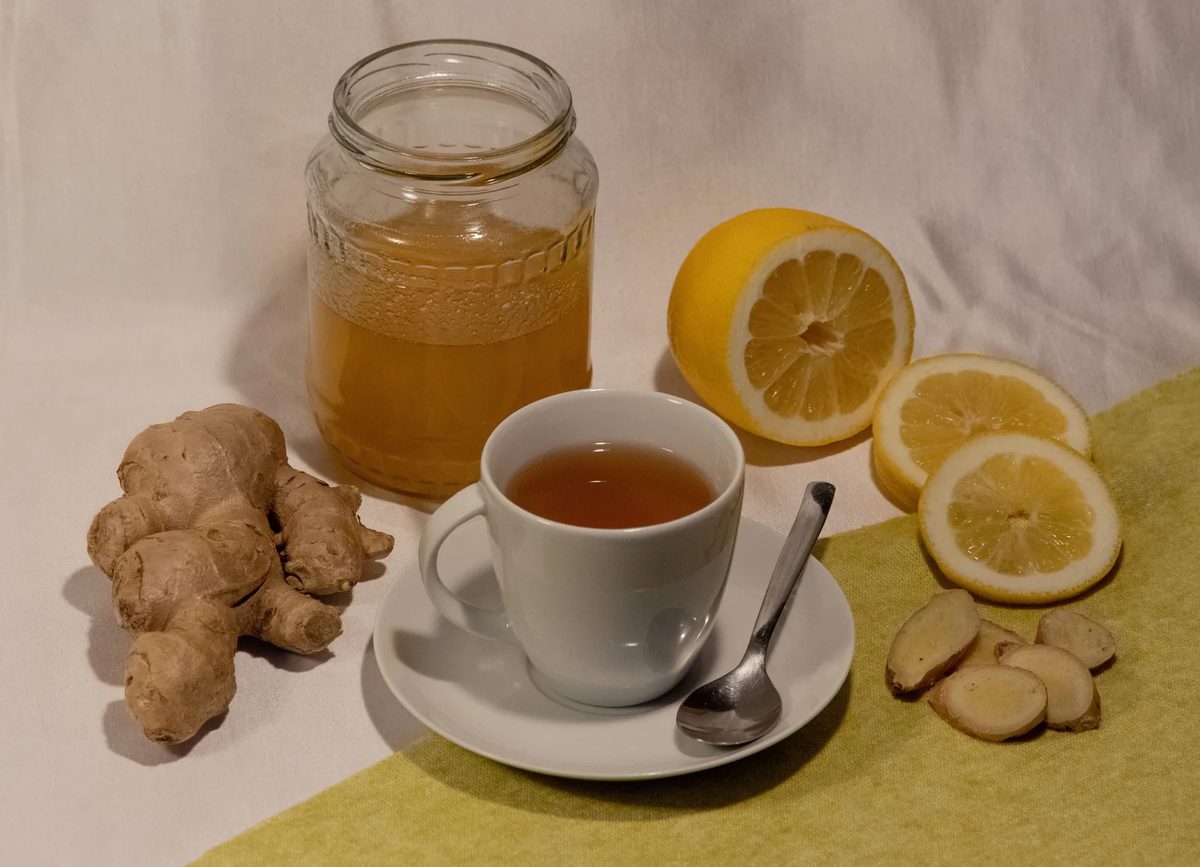
On wristbands the two sources line up more closely. The NHS says acupressure bands do not work for everyone. The CDC says laboratory trials found them no more effective than a placebo — but adds, fairly, that placebo effects can be strong, and that if a band works for you it may still be worth wearing. So the honest position is this: try them if you like, they are cheap and harmless, but do not board a nine-hour mountain bus relying on them alone.
Both can bring nausea and a headache, and people confuse them on a trek. Motion sickness stops when the vehicle does. Altitude sickness comes from climbing too high too fast, gets worse if you keep going up, and needs you to stop ascending or descend. If you still feel ill a few hours after the drive, at a higher village than you started, read our guide to altitude sickness and treat it as that.
What to do in the vehicle
Sit where the motion is smallest and give your eyes a stable reference outside. The NHS advises sitting in the front of a car or the middle of a boat, looking straight ahead at a fixed point such as the horizon, and getting fresh air by opening a window. It advises against reading, watching films or using devices, and against heavy meals, spicy food or alcohol shortly before or during travel.
The CDC adds a few that people rarely think of. Keeping your head still helps, which is why lying back or resting your head against the seat can take the edge off. Slow, controlled breathing is, in the CDC’s words, around half as effective as anti-sickness drugs — not a cure, but a real effect, and free. On a bus, choose a seat near the front and over the front wheels rather than at the back, where every bump is amplified.
The Nepal roads that test it
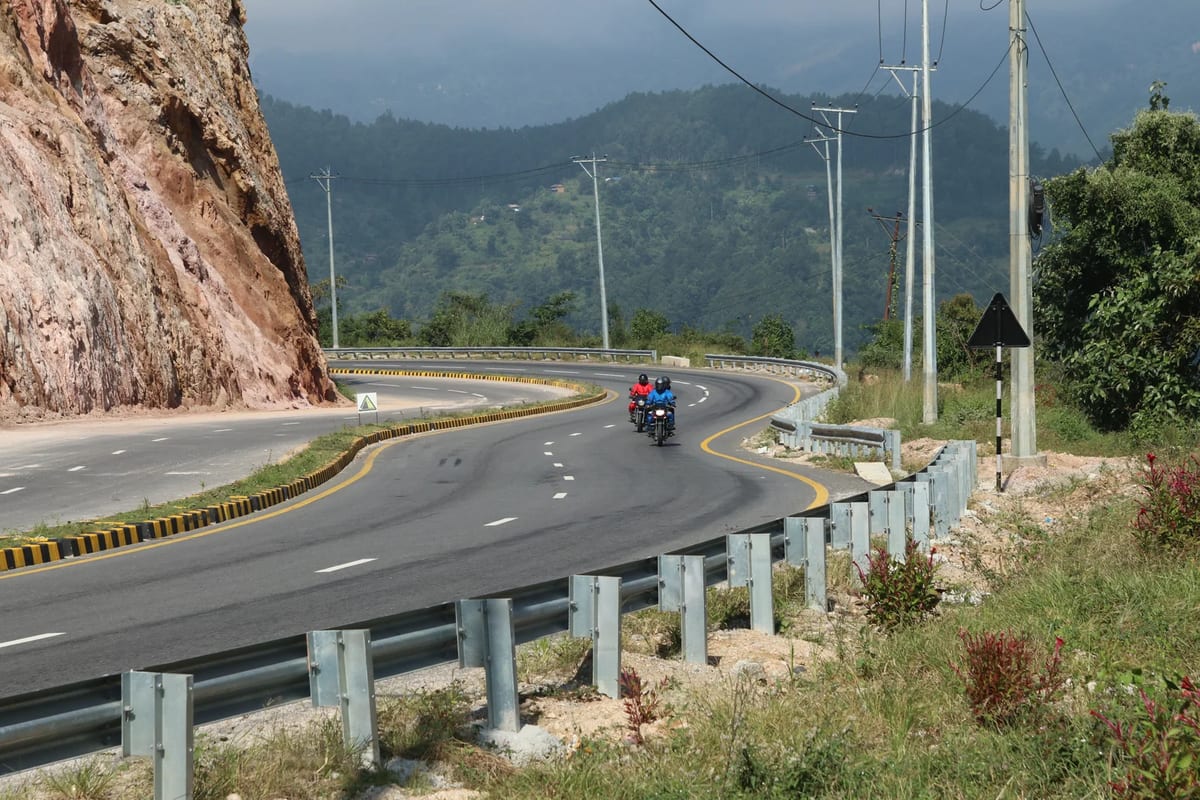
If you are trekking in Nepal, the drive to the trailhead is often harder on your stomach than the trek itself. The tourist bus from Kathmandu to Pokhara takes seven to nine hours on a road that climbs, drops and bends for most of its length, and part of the new section is still gravel. The road from Pokhara to Jomsom runs about 180 kilometres, of which only the first 75 are sealed; above Tatopani a jeep rarely averages more than 15 kilometres an hour on gravel.
| Journey | Time | Surface | Motion-sickness plan |
|---|---|---|---|
| Kathmandu to Pokhara, tourist bus | 7–9 hours | Mostly paved, winding, some gravel | Patch the night before, or a tablet 2 hours ahead; front seats |
| Kathmandu to Pokhara, flight | About 30 minutes airborne | Air | Tablet 2 hours ahead if you are prone; window seat |
| Pokhara to Jomsom, jeep | 7–9 hours of driving | 75 km paved, the rest gravel | Patch the night before; front seat, window open |
Those are the days when timing matters most, because a scopolamine patch takes six to eight hours to work — which in practice means putting it on the evening before a dawn departure. The flight to Pokhara is short, but mountain flights can be bumpy, and our guide to the Lukla flight covers what the approach feels like. The full road picture is in Kathmandu to Pokhara, by road and air and the Pokhara to Jomsom road trip.
What we would do
If you know you get sick, treat the drive like a planned event: medicine before you board, a front seat, eyes out of the window and the phone in your bag. For the long Nepal road days, that means a patch the night before; for anything under six hours, a tablet two hours ahead. Pack whichever you choose in your day bag, not your duffel, because the duffel is on the roof.
Try ginger and a wristband if you want to, since neither will harm you. Just keep them as extras rather than the plan. And if you are travelling with children, speak to a pharmacist about what is suitable for their age before the trip, because the strongest adult option is not one they should use.
Tell us your route and we will tell you which days are long road days, whether a flight replaces any of them and where your group stops to rest. Annapurna Base Camp is nine days at $920 USD solo and Everest Base Camp is twelve days at $1,700 USD solo, including permits, a government-registered guide, a porter, teahouses and meals.
See the Annapurna Base Camp trek →What is the most effective remedy for motion sickness?
Medication taken before travel. The CDC recommends a scopolamine patch for journeys longer than six hours and antihistamines such as meclizine or cyclizine for shorter ones. Behavioural steps like a front seat and looking at the horizon also help.
Does ginger work for motion sickness?
The evidence is weak. The NHS suggests trying it, but the CDC says ginger has only weak and contradictory supporting evidence. It is harmless to try but should not be relied on alone.
Do acupressure wristbands work?
The CDC says laboratory trials found them no more effective than a placebo, though placebo effects can be strong. The NHS says they do not work for everyone.
When should I take motion sickness tablets?
Before you travel. Most antihistamine tablets take about two hours to work, and a scopolamine patch takes six to eight hours, so put a patch on the evening before an early departure.
Can children use motion sickness patches?
Not young children. The CDC warns that scopolamine can cause hallucinations and confusion in children, and the NHS says patches are for adults and children over 10. Ask a pharmacist about tablets suitable for their age.
Is it motion sickness or altitude sickness?
Motion sickness eases once the vehicle stops. Altitude sickness comes from gaining height too quickly, worsens if you keep climbing, and means you should stop ascending or go down.
Keep reading
What to carry, and what the lodges will not have.
The pacing that keeps altitude sickness away.
The food and water habits that actually matter.
Getting to Kathmandu in a state to enjoy it.
Sources: US Centers for Disease Control and Prevention, CDC Yellow Book, “Motion Sickness”, on medication choice, onset, duration and contraindications, the evidence on ginger and acupressure bands, behavioural measures and susceptibility; NHS, “Motion sickness”, on pharmacy remedies, patches for over-10s and things to do and avoid. Nepal road times and surfaces from Travel Himalaya Nepal field reporting and our own published road guides. This is general information, not medical advice — speak to a pharmacist or doctor about what is right for you.
Photos via Pexels: Luca Dross (cover), Sajad. isz, Lusynda, Chhabiraj Adhikari.
Written by
Anjali ShresthaPokhara-based, NMA-certified trekking guides. We’ve led 5,000+ treks across the Annapurna and Everest regions since 1998 — every word here comes from the trail. More from this author →
Share this article
Ready to Trek?
From reading about it to standing on it
Our Pokhara-based guides have been doing this since 1998. Tell us your dates and fitness level — we'll build your perfect itinerary. Free, no obligation.
Why trek with our licensed agencyMore guides like this
Popular trips to consider
View all treks & toursFree Trekker’s Insider Guide
Permits, packing lists, cost breakdowns — no fluff.
We send one useful email. You can unsubscribe anytime.