
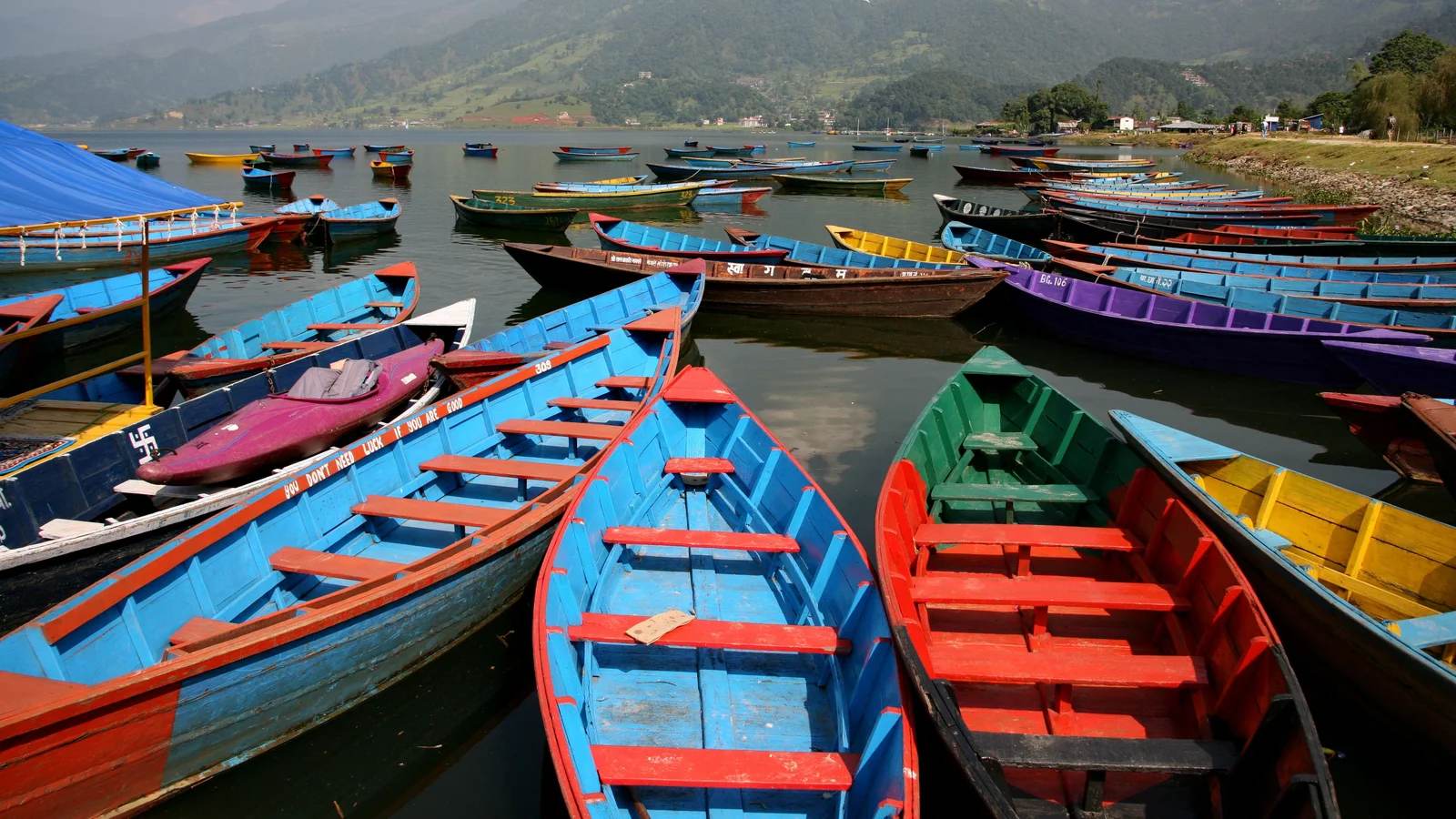
The short version
Pokhara has fast cafes and cheap months, but no nomad visa yet. A tourist visa stops at 150 days a year, so plan your stay around that ceiling.
Pokhara works well as a base for a season of remote work: the lakeside cafés have fast connections, a comfortable mid-range day costs around US$50–80, and the Annapurna foothills start at the edge of town for the weekends. What it does not have yet is a digital nomad visa. Nepal announced one in May 2025, but as of late September 2026 we could find no launch and no application process, so a remote worker today is on an ordinary tourist visa — and that stops at 150 days in a calendar year, however many times you extend it.
- Plan around 150 days a year, the maximum a tourist visa allows in one calendar year.
- Do not build a 2026 plan on the nomad visa. It was announced with a one-year target that has now passed.
- Keep a local SIM as your backup connection, because power and broadband both drop in storms.
- Come in October–November or March–April for clear mountains and steady weather.
The visa situation, honestly
There is no nomad visa to apply for yet, so the rules that apply to you are the tourist-visa rules. Nepal’s tourist visa comes in three lengths — 15 days for US$30, 30 days for US$50, and 90 days with multiple entries for US$125 — and it can be extended at the Department of Immigration. The ceiling is the part that shapes a remote-work stay: the maximum permitted stay is 150 days per calendar year, and immigration counts time you have already spent in the country that year. Our visa on arrival guide walks through the fees and the extension process.
The nomad visa itself is real as a policy, not as a product. The Kathmandu Post reported in May 2025 that the government planned a one-time, five-year, multiple-entry visa for remote workers earning more than US$1,500 a month or holding more than US$20,000 in the bank, with a 5 per cent income tax, and that it expected to implement the policy within a year. That year has passed. We checked for an official launch and an application route before publishing this and found neither. The proposal is set out in more detail in our report on the five-year nomad visa plan; treat those terms as proposed until the Department of Immigration publishes them.
A tourist visa is issued for tourism, and Nepal’s rules do not spell out how they treat someone answering emails for an employer abroad. We are a trekking company, not immigration lawyers, so we will not tell you that is fine or that it is not. If your stay depends on it, ask the Department of Immigration directly before you plan around it — and check what your own country expects of you on tax, which our guide to digital nomad taxes covers.
Internet and power in Pokhara
Connections in Lakeside are good enough for video calls most days, but plan for the days they are not. The cafés and guesthouses that cater to longer-stay visitors generally have fibre, and the Kathmandu Post has reported that 4G from Nepal Telecom and Ncell now reaches all 77 districts. That national coverage figure matters less than the practical point: a local SIM is cheap, it works as a hotspot, and it is the backup that saves a call when the café’s router or the power goes.

Power cuts still happen, especially in storms and during the monsoon, and they take the broadband with them. Before you commit to a guesthouse for a month, ask whether it has backup power for the router, and test the connection at the time of day you will actually be working. How to get a SIM is in our Nepal SIM card guide, what the data costs per gigabyte is in mobile data in Nepal, per gigabyte, and the rest of the kit is in our travel tech hub.
What a month costs
A month in Pokhara runs roughly US$750–1,050 on a backpacker budget and US$1,500–2,400 at mid-range, before flights and visa. Those are our published daily figures multiplied out, not a survey of monthly rents: a traveller sleeping in dorms and eating local food gets by on US$25–35 a day, and a mid-range traveller with a private room and restaurant meals lands at US$50–80 a day in Kathmandu and Pokhara. A longer stay usually brings the room rate down, so treat the upper figures as a ceiling.
| Budget | Per day | 30 days | 150 days (the visa limit) |
|---|---|---|---|
| Backpacker — dorm, local food | US$25–35 | US$750–1,050 | US$3,750–5,250 |
| Mid-range — private room, restaurants | US$50–80 | US$1,500–2,400 | US$7,500–12,000 |
| Visa for the full 150 days | Initial visa plus extension fees — see the visa guide for current rates | ||
The wider picture, including what things cost in Kathmandu, is in our Nepal budget travel guide.
When to come
October to November and March to April are the months to work from Pokhara. Autumn brings the clearest mountain views of the year and settled weather; spring is warmer, with rhododendrons on the foothill trails and haze building towards May. December to February is cold in the mornings but often clear, and quieter.
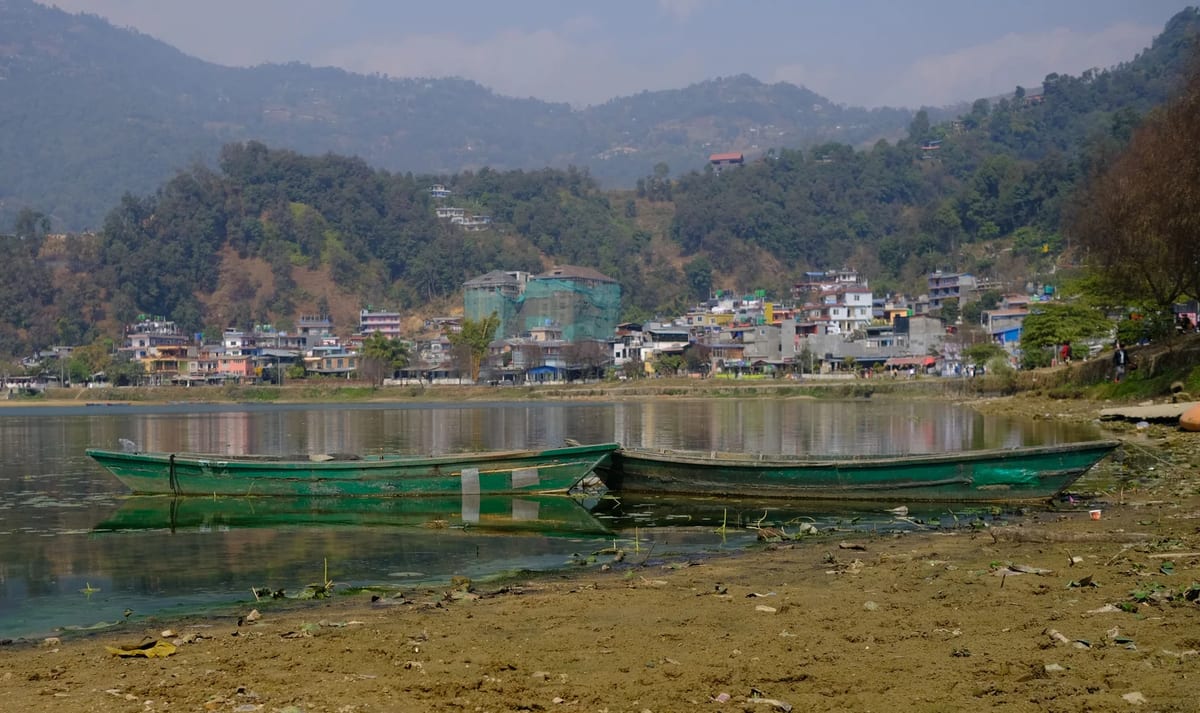
June to September is the monsoon. The lake is green and the town is calm, but rain is heavy, roads to the trailheads are prone to landslides, and power and connection problems are more frequent. It is the cheapest season and the least reliable for anyone who needs to be online at a fixed hour.
What to do at the weekend
This is the reason to choose Pokhara over a beach town: short treks start within an hour or two of the lake, and several fit inside a long weekend. These are ours, priced for one person travelling solo, with a licensed guide and teahouses included.
| Trek | Days | Solo price | Why do it |
|---|---|---|---|
| Poon Hill, short | 2 | US$265 | The classic sunrise over Dhaulagiri and Annapurna |
| Dhampus and Australian Camp | 3 | US$249 | The easiest way into the foothills, with big views |
| Ghandruk village | 3 | US$359 | A Gurung village and its museum, close to town |
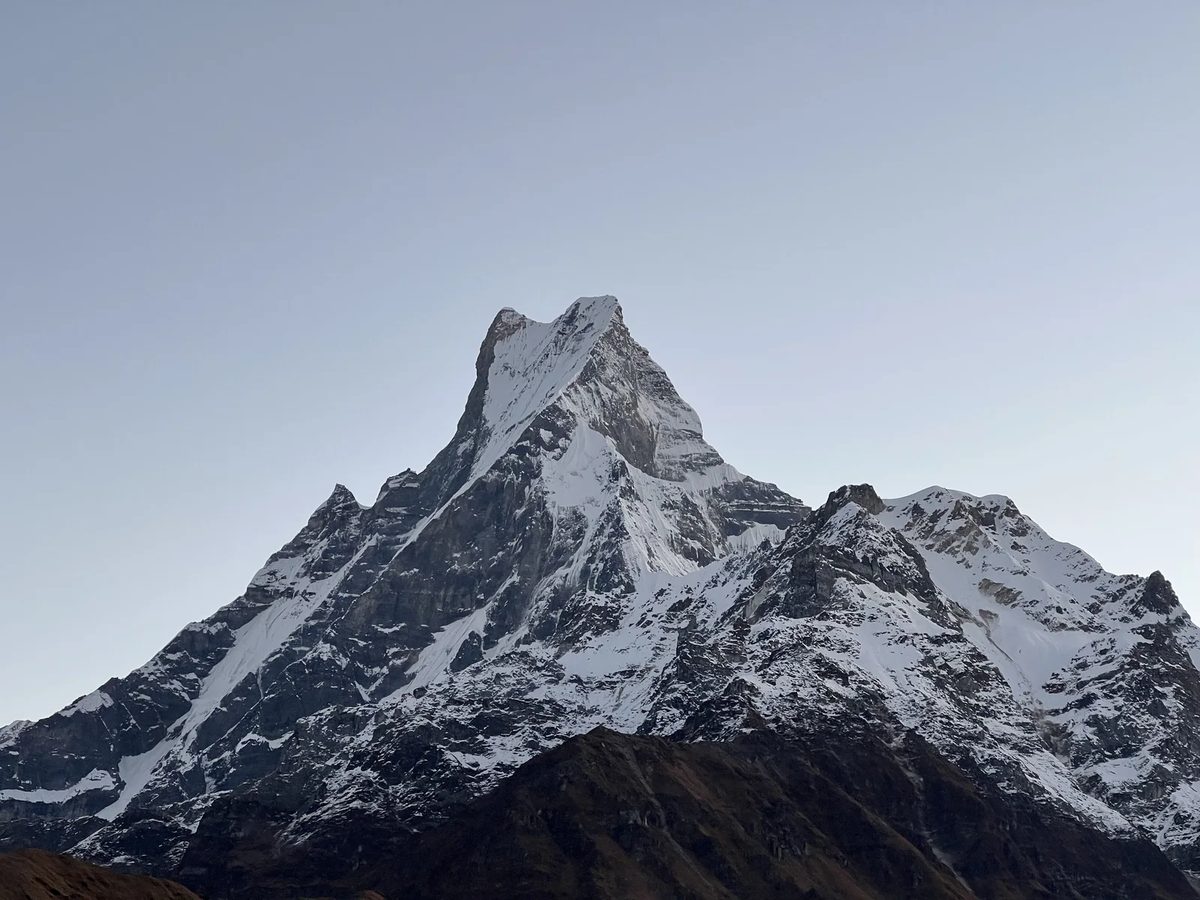
| Mardi Himal | 4 | US$455 | A ridge walk under Machapuchare, still quiet |
Book the trek for your lightest work days rather than squeezing a call in from a teahouse. Above the villages the signal is patchy at best, and the point of the weekend is to be somewhere a laptop cannot follow.
What we would do
Come for a season, not a year. Take the 90-day multiple-entry visa, base yourself in Lakeside, and plan the whole stay to finish inside 150 days. Keep a local SIM topped up as your backup connection, test any room’s internet before paying for a month, and put a short trek on the calendar every two or three weeks, because that is what makes Pokhara worth the long flight.
And do not plan around the nomad visa until it exists. When the Department of Immigration publishes an application process, the calculation changes completely — five years instead of five months — and we will update this page the day it does.
Tell us which weeks you are in Pokhara and how many days you can take off, and we will fit a trek around your work calendar. Short treks from Pokhara start at US$249 solo for three days to Dhampus and Australian Camp, and the four-day Mardi Himal ridge is US$455 solo, including permits, a licensed guide and teahouses.
See the Mardi Himal trek →Does Nepal have a digital nomad visa?
Not yet. The government announced a five-year digital nomad visa in May 2025 with a one-year implementation target, but as of late September 2026 we could find no launch or application process. Remote workers currently enter on a tourist visa.
How long can I stay in Nepal on a tourist visa?
The visa is issued for 15, 30 or 90 days and can be extended, but the maximum permitted stay is 150 days in a calendar year.
Is the internet good enough to work from Pokhara?
Usually. Lakeside cafés and guesthouses aimed at longer stays generally have fibre, and 4G reaches all 77 districts. Power cuts and storms can knock broadband out, so keep a local SIM as a hotspot backup.
How much does a month in Pokhara cost?
Roughly US$750 to US$1,050 on a backpacker budget and US$1,500 to US$2,400 at mid-range, based on daily costs of US$25–35 and US$50–80. Flights and visa fees are extra.
What is the best time to work remotely from Pokhara?
October to November and March to April, for clear views and settled weather. The June to September monsoon is cheaper but brings heavy rain, road closures and more outages.
Can I trek from Pokhara at the weekend?
Yes. Several short treks start within an hour or two of town, from a two-day Poon Hill trek to a four-day Mardi Himal ridge walk.
Keep reading
The countries where a remote-work visa is live.
Where a month of remote work costs least.
The card-machine question that costs long-stayers most.
The bus, the flight and which one to choose.
Sources: The Kathmandu Post, “Nepal eyes tourism, economic boost with new digital nomad visa policy”, 28 May 2025, on the proposed visa terms, the one-year implementation target and 4G coverage across all 77 districts; Nepal tourist visa fees and the 150-day annual limit from our Nepal visa on arrival guide, per the Department of Immigration. Daily costs from our Nepal budget travel guide; season and connectivity notes from Travel Himalaya Nepal field reporting. Trek prices are our own solo rates. Visa rules change — confirm with the Department of Immigration before you travel.
Photos via Pexels: Jungsik Kwak (cover), Andrea P. Coan, Mick Latter, Timsina Pranzal.

Written by
Bishnu AdhikariPokhara-based, NMA-certified trekking guides. We’ve led 5,000+ treks across the Annapurna and Everest regions since 1998 — every word here comes from the trail. More from this author →
Share this article
Ready to Trek?
From reading about it to standing on it
Our Pokhara-based guides have been doing this since 1998. Tell us your dates and fitness level — we'll build your perfect itinerary. Free, no obligation.
Why trek with our licensed agencyMore guides like this
Popular trips to consider
Free Trekker’s Insider Guide
Permits, packing lists, cost breakdowns — no fluff.
We send one useful email. You can unsubscribe anytime.