
Bringing food through customs? Here's what gets binned
Declare every food item and you pay nothing, even if it is taken. What the US, Britain and Australia allow, ban and fine, including the EU cheese ban.
On this page (8)
You can bring most bread, biscuits, chocolate and sweets through customs in the US, Great Britain and Australia, but meat, most dairy and fresh fruit are where travellers get stopped. The rule that protects you is the same in all three countries: declare every food item on arrival. US agriculture officials say plainly that if you declare everything you face no penalty, even when an inspector takes the item away. The fines are for the food you did not mention: up to US$1,000 for a first offence in the US, up to £5,000 in serious cases in England, and an infringement notice of up to A$7,280 in Australia.
- Declaring is free; hiding is not. A declared apple is binned. An undeclared one can cost you a fine.
- Great Britain has banned EU cheese, ham and sausages for travellers since 12 April 2025, even if you bought them at duty free.
- The US is easier on cheese than Britain: solid hard or soft cheese without meat is allowed from any country.
- Australia wants every food item declared, and a false declaration can cost you your visa.
Why declaring the food is the whole game
Declaring turns a fine into a two-minute inspection. The US Department of Agriculture says it directly: as long as you declare all agricultural products to Customs and Border Protection, you will not face any penalties, even if an inspector decides the items cannot enter. Australia works the same way in practice: declare risk goods or drop them in the airport bins before the checkpoint, and goods that pose no risk are handed back.
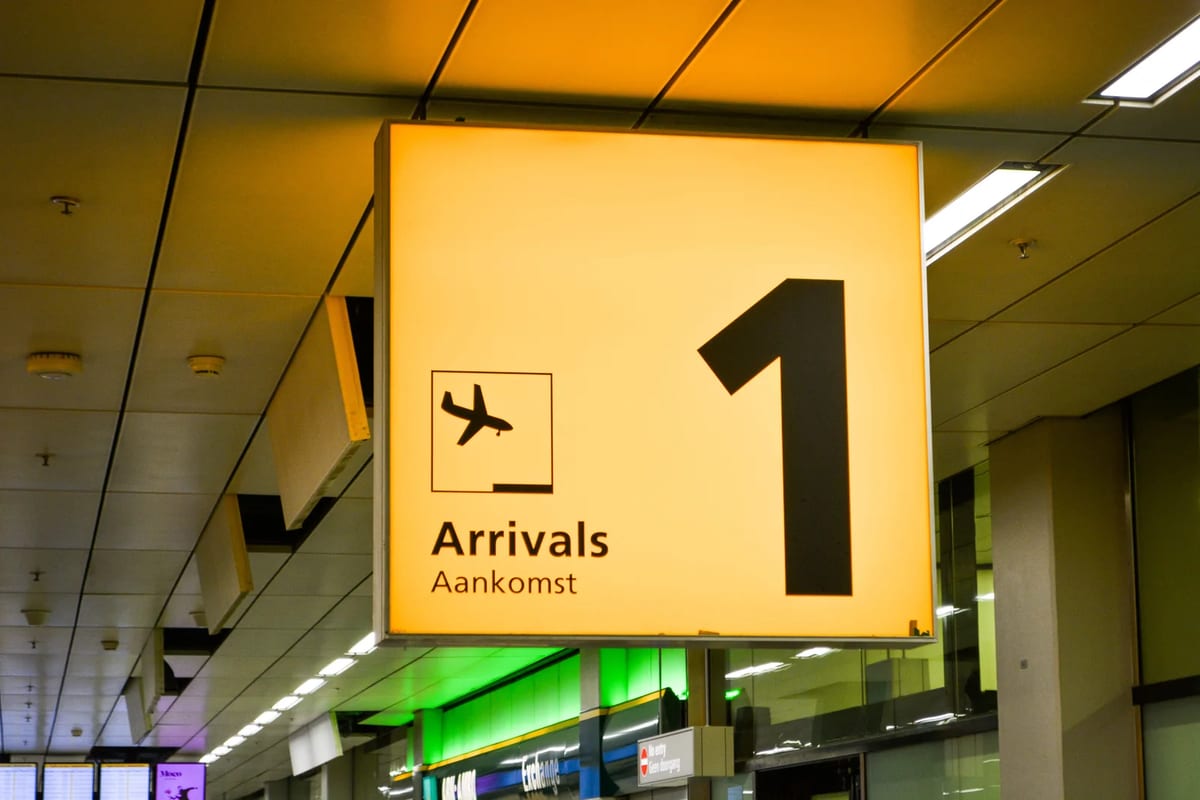
The penalty sits on the other side of that line. CBP can fine travellers who fail to declare prohibited agricultural products up to $1,000 for a first-time offence in non-commercial quantities. In Australia, a false or misleading declaration can bring an infringement notice of up to A$7,280, civil or criminal proceedings, and a cancelled visa, with refusal of entry and up to three years before you can return. On arrival in the US you tick “Yes” on question 11 of CBP Form 6059B; in Australia you tick yes on the Incoming Passenger Card.
What you can bring into the US
Bakery items, sweets, chocolate and hard or soft cheese are allowed from anywhere; meat and most fresh produce are the problem. CBP says many fresh, dried and some canned meats and meat products are prohibited because of foot-and-mouth disease, BSE and other animal diseases, and that a product containing meat from a restricted country, such as beef broth, is usually prohibited too.
- Allowed from any country (USDA): butter, and solid hard or soft cheese that contains no meat and does not pour like a liquid. Ricotta and cottage cheese are out.
- Allowed in small quantities: liquid milk for infants and small children, and labelled products made with powdered milk, such as formula, baking mixes and drink mixes.
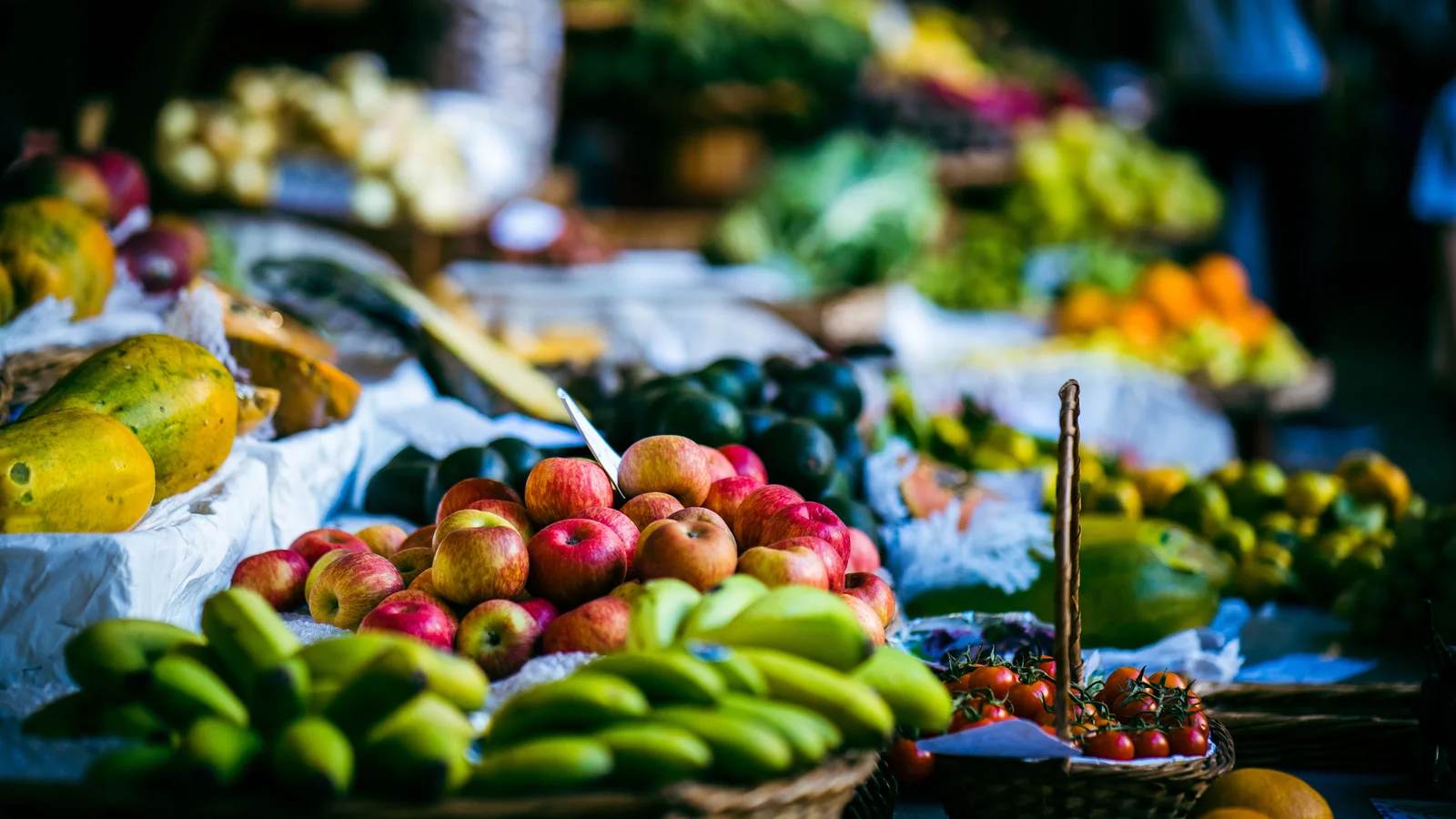
- Fruit, vegetables and plants: some can enter without a permit, depending on where they come from, if declared, inspected and free of pests. Anything meant for planting needs a certificate in advance.
- Soil: none without a permit. If you visited a farm, say so; officers may check or clean your shoes.
USDA advises keeping receipts and original packaging as proof of where a product came from. That matters for milk products, which can be allowed from countries free of foot-and-mouth disease if you can show the origin.
Great Britain banned EU cheese and ham for travellers
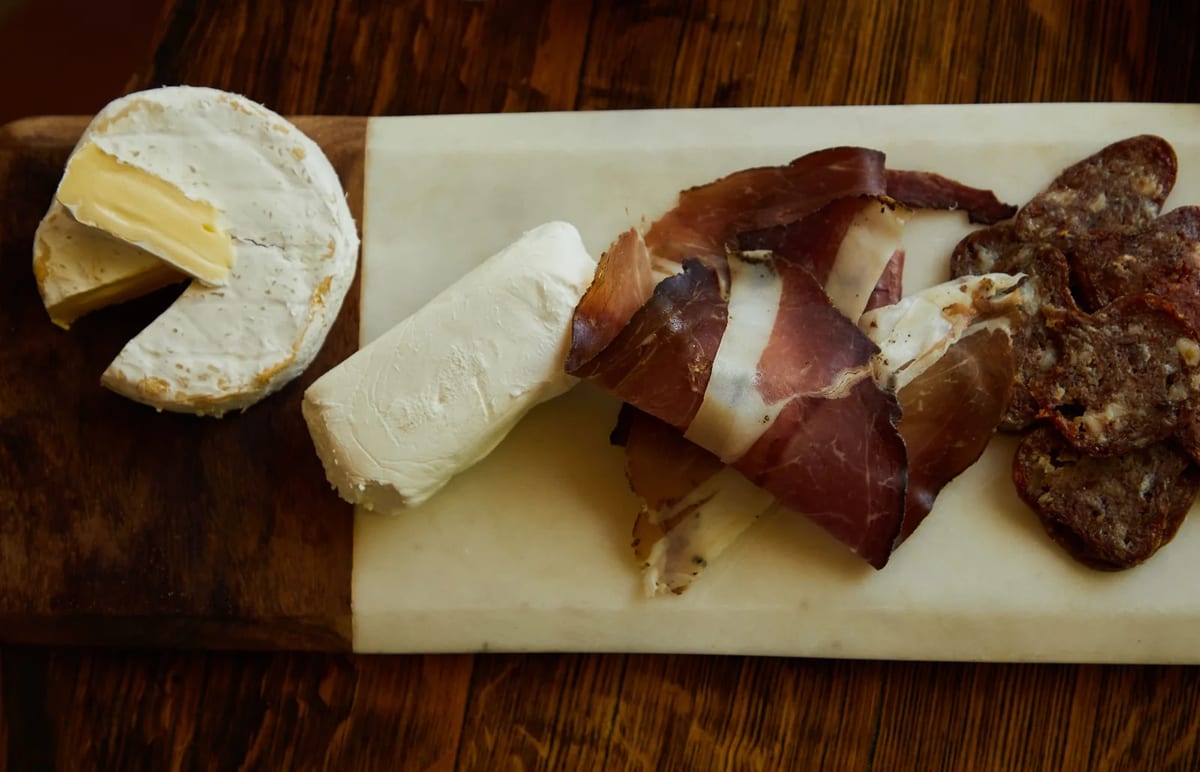
Since 12 April 2025 you cannot bring pork, beef, lamb, mutton, goat or venison, or any cheese, milk, butter or yoghurt, into Great Britain from the EU for your own use. The government extended the ban after foot-and-mouth disease reached Germany, Hungary and Slovakia. It covers sandwiches, cured meats and cheese whether or not they are packaged, and whether or not you bought them at duty free. Anything found must be surrendered or is seized and destroyed, and serious cases risk fines of up to £5,000 in England.
What still comes in from the EU: fish, poultry such as chicken and duck, eggs and honey, plus fruit, vegetables, nuts and seeds. From anywhere in the world you can bring bread (not a meat or dairy sandwich), cakes without fresh cream, biscuits, chocolate, pasta and noodles without meat, and packaged soup and stock.
From outside the EU the rules are tighter: no meat or meat products, no milk products except infant milk and medical foods, and most fruit and vegetables need a plant health certificate. GOV.UK lists the exceptions, including bananas, mangoes, pineapples, coconuts, dates, kiwis and citrus such as oranges and lemons. You can bring up to 20kg of fish, and up to 2kg each of honey and of infant or medical foods that need no refrigeration.
A vacuum-packed ham bought airside in Madrid is still EU pork. The government announcement names duty free specifically, so a sealed shop bag does not help you.
Australia wants every food item declared
Australia runs the strictest border of the three: declare all food, or bin it before the biosecurity checkpoint. The Australian Border Force says food must be declared on the Incoming Passenger Card, even small amounts and ingredients for cooking. The agriculture department’s advice for a fast clearance is to carry no fresh fruit or vegetables, plants, seeds, meat, or animal or wood products at all, and to arrive with walking boots, golf clubs, bikes and prams clean and free of soil.
Officers use X-ray, detector dogs, physical inspection and questioning. Declared goods are inspected and may be treated, sent back or destroyed; goods with no risk are returned. For a specific product, the official database is BICON, which the Border Force points travellers to.
Food rules compared, country by country
Bread, biscuits and chocolate travel well everywhere; cheese is the item that splits the three countries.
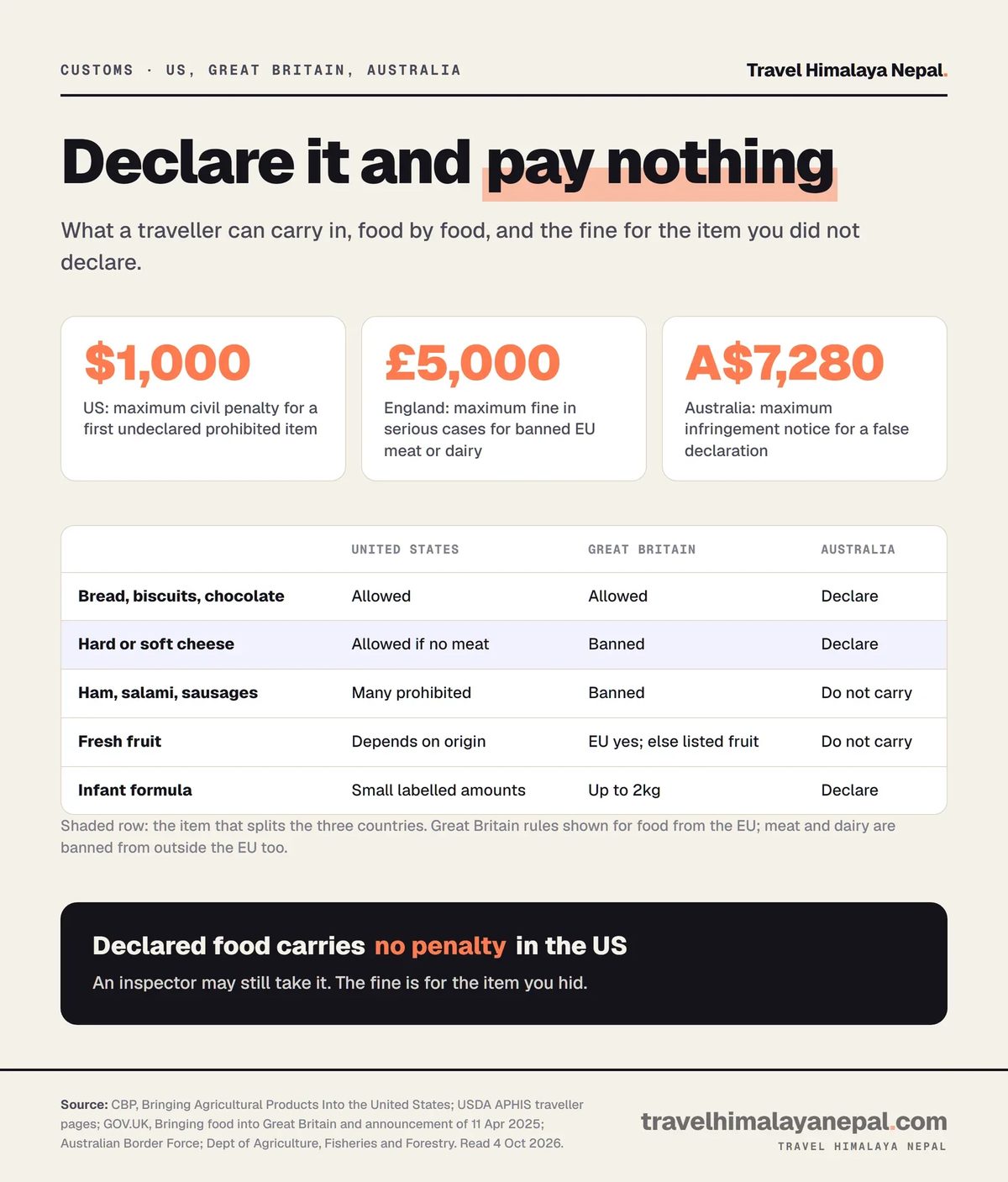
| Food | United States | Great Britain | Australia |
|---|---|---|---|
| Bread, biscuits, chocolate | Allowed | Allowed from any country | Declare it |
| Hard or soft cheese | Allowed if no meat and not pourable | Banned, from the EU and elsewhere | Declare it; officer decides |
| Ham, salami, sausages | Many prohibited | Banned (EU pork, beef, lamb; all meat from outside the EU) | Do not carry |
| Chicken, duck | Restricted by country | Allowed from the EU | Do not carry |
| Fresh fruit | Depends on origin; inspected | Allowed from the EU; listed fruit only from elsewhere | Do not carry |
| Infant formula | Small, labelled quantities | Up to 2kg per person | Declare it |
| Penalty for not declaring | Up to $1,000, first offence | Up to £5,000 in England | Up to A$7,280, visa at risk |
What to do at the border
Eat or bin anything doubtful before landing, then declare whatever is left. The routine we give our own clients takes about a minute:
- Before security on the way out: jam, honey, yoghurt and peanut butter count as liquids in your cabin bag, so check the TSA liquids rule before you pack food gifts.
- On the plane: finish the fruit from the airline meal. An in-flight apple carried off the aircraft still counts.
- On the form: tick yes for food, even if it is only a chocolate bar. A yes costs a short queue; a wrong no can cost a fine.
- At the bins: Australian airports have bins before biosecurity. Use them for anything you are unsure of.
- At the desk: keep food in one bag with its packaging and receipts, so an officer can see the label and origin at once.
- If something is taken: let it go. A declared item that is refused carries no penalty in the US.
Our verdict
Bring sealed sweets, biscuits and bread, leave the meat and cheese behind, and declare everything. The traveller who loses money at a food check is the one who ticked no. If you are flying home to Britain from the EU, that now includes the cheese from the market on your last morning: eat it in the departure lounge, not on the drive home.
Do I need to declare chocolate and sweets?
In Australia, yes: all food goes on the Incoming Passenger Card. In the US, CBP asks you to declare agricultural products, and sweets are generally allowed. Declaring them costs nothing either way.
Can I bring cheese from Europe into the US?
Yes, if it is solid hard or soft cheese with no meat in it and it does not pour like a liquid. USDA lets that in from any country. Ricotta and cottage cheese are not allowed.
Can I bring cheese from France into the UK?
Not as a traveller. Since 12 April 2025, cheese, milk, butter and yoghurt from EU countries are banned as personal imports into Great Britain, including duty-free purchases.
What happens if I forget to declare an apple?
In the US an undeclared prohibited item can bring a civil penalty of up to $1,000 for a first offence; in Australia an infringement notice of up to A$7,280. Detector dogs and X-ray find most of it, so assume it will be found.
Can I bring baby formula and baby food?
Usually, in small amounts. The US allows small, labelled quantities of formula and milk for infants. Great Britain allows up to 2kg per person of infant milk or food that needs no refrigeration, in branded, unopened packaging unless in use. Australia asks you to declare it.
Is food bought in duty free exempt?
No. Great Britain’s ban on EU meat and dairy names duty free explicitly, and the US and Australia judge the product, not the shop it came from.
Keep reading
What else you can bring into Britain tax free.
The declaration limits that catch travellers.
Getting prescriptions through a border.
Every entry rule we cover, in one place.
Sources: US Customs and Border Protection, “Bringing Agricultural Products Into the United States”; USDA APHIS, “Traveling From Another Country” and “International Traveler: Milk, Dairy, and Egg Products”; GOV.UK, “Bringing food into Great Britain” and the government announcement of 11 April 2025 on personal meat and dairy imports; Australian Border Force, “What food can you bring in?”; Department of Agriculture, Fisheries and Forestry, “Travelling to Australia”. All read 4 October 2026.
Photos: Pexels (Artem Zhukov, Harm Jakob Tolsma, Laker).

Written by
Bishnu AdhikariPokhara-based, NMA-certified trekking guides. We’ve led 5,000+ treks across the Annapurna and Everest regions since 1998 — every word here comes from the trail. More from this author →
Ready to Trek?
From reading about it to standing on it
Our Pokhara-based guides have been doing this since 1998. Tell us your dates and fitness level — we'll build your perfect itinerary. Free, no obligation.
More guides like this
Popular trips to consider
Free Trekker’s Insider Guide
Permits, packing lists, cost breakdowns — no fluff.
We send one useful email. You can unsubscribe anytime.