
Australia’s Backpacker Visa Is Moving to a Lottery for Year Two and Three, Here’s What Changes and Who’s Exempt
Second-year working holiday places drop to 45,000 and third-year places to 5,000, both decided by ballot, starting by the end of 2026. British backpackers are exempt.
At a glance
- Published
- TopicVisas & Entry
- Verified againstTime Out Australia
- Treks coveredEverest Base Camp Trek — 12 Days
Australia is turning the second and third working holiday visas into a lottery: second-year places will be capped at 45,000 (down from 57,000 last year) and third-year places at 5,000 (down from 31,000), with the ballots due to begin rolling out by the end of 2026, according to the Department of Home Affairs as reported on 24 September. Home Affairs Minister Tony Burke announced the migration overhaul on 17 September 2026.
Key facts
- Second-year working holiday places capped at 45,000, from 57,000 last year
- Third-year places capped at 5,000, from 31,000, a cut of about 84%
- Ballots are due to begin rolling out by the end of 2026
- Eligibility still requires the regional work: 88 days for a second year, plus six months for a third
- British citizens remain exempt from the regional-work requirement under the Australia–UK free trade agreement
What exactly is changing for backpackers?
The first-year visa was already allocated by ballot for some nationalities; the change is that the extensions are no longer a right once you finish your regional work. Previously, completing 88 days of specified work in regional Australia entitled you to a second year, and six more months to a third. Now, completing that work only gets you into the ballot, and winning it gets you the visa.

| Visa year | Last year | New cap |
|---|---|---|
| Second year | 57,000 | 45,000 |
| Third year | 31,000 | 5,000 |
When does the lottery start?
Home Affairs says the ballots will begin rolling out by the end of 2026, but opening dates and exact rules had not been published at the time of writing. Some elements of the wider package also need legislation. If you are planning to apply for a second or third year in 2027, watch the Home Affairs website rather than relying on agent summaries.
Are British backpackers affected?
British citizens stay exempt from the regional-work requirement, so they can still reach two or three years without doing farm or regional work, because Australia is honouring its free trade agreement with the UK. Coverage differs on whether UK applicants are also outside the ballot, so treat that as unconfirmed until Home Affairs publishes the rules. US travellers should note that the working holiday programme is for specific partner countries; check your passport’s eligibility first.

What if you are already in Australia?
It is unclear how the change treats backpackers who are part-way through their 88 days of regional work. Regional tourism groups are lobbying for a rethink, and Tropical North Queensland operators say people are already leaving. If you are mid-way, keep every payslip and the employer’s declaration, because the evidence is what gets you into whatever process emerges.
What this means for you
If you want a second or third year, do not plan your finances around getting it. Treat the extra year as a bonus, not a guarantee, and think about a plan B. Many backpackers use a gap between Australia and home for a trek in Nepal; our 12-day Everest Base Camp trek fits neatly into a month off.
Cover photo: Mark Thomas via Pexels (Pexels License). Section photos: Anh Thu Le via Pexels (Pexels licence); Younas Khan via Pexels (Pexels licence); Warren Griffiths via Pexels (Pexels licence); Marta Branco via Pexels (Pexels licence); pierre matile via Pexels (Pexels licence).
Live travel desk
Related coverage
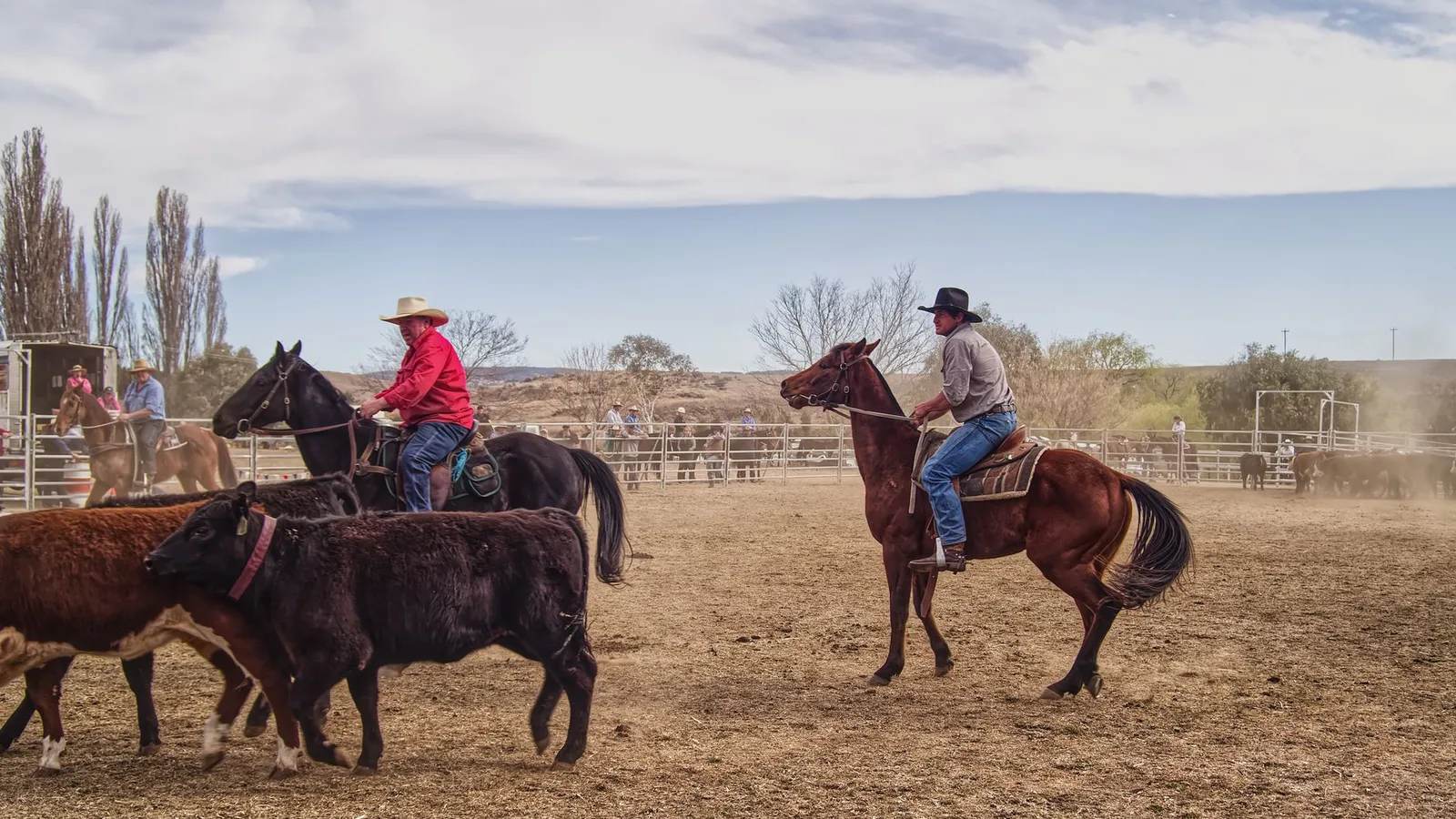
Visas & Entry
Australia Just Turned Your Second Working Holiday Year Into a Lottery, Here's How the Ballot Actually Works
A ballot for 45,000 second-year and 5,000 third-year places replaces automatic approval, announced by Australia's Home Affairs Minister on 17 September 2026.
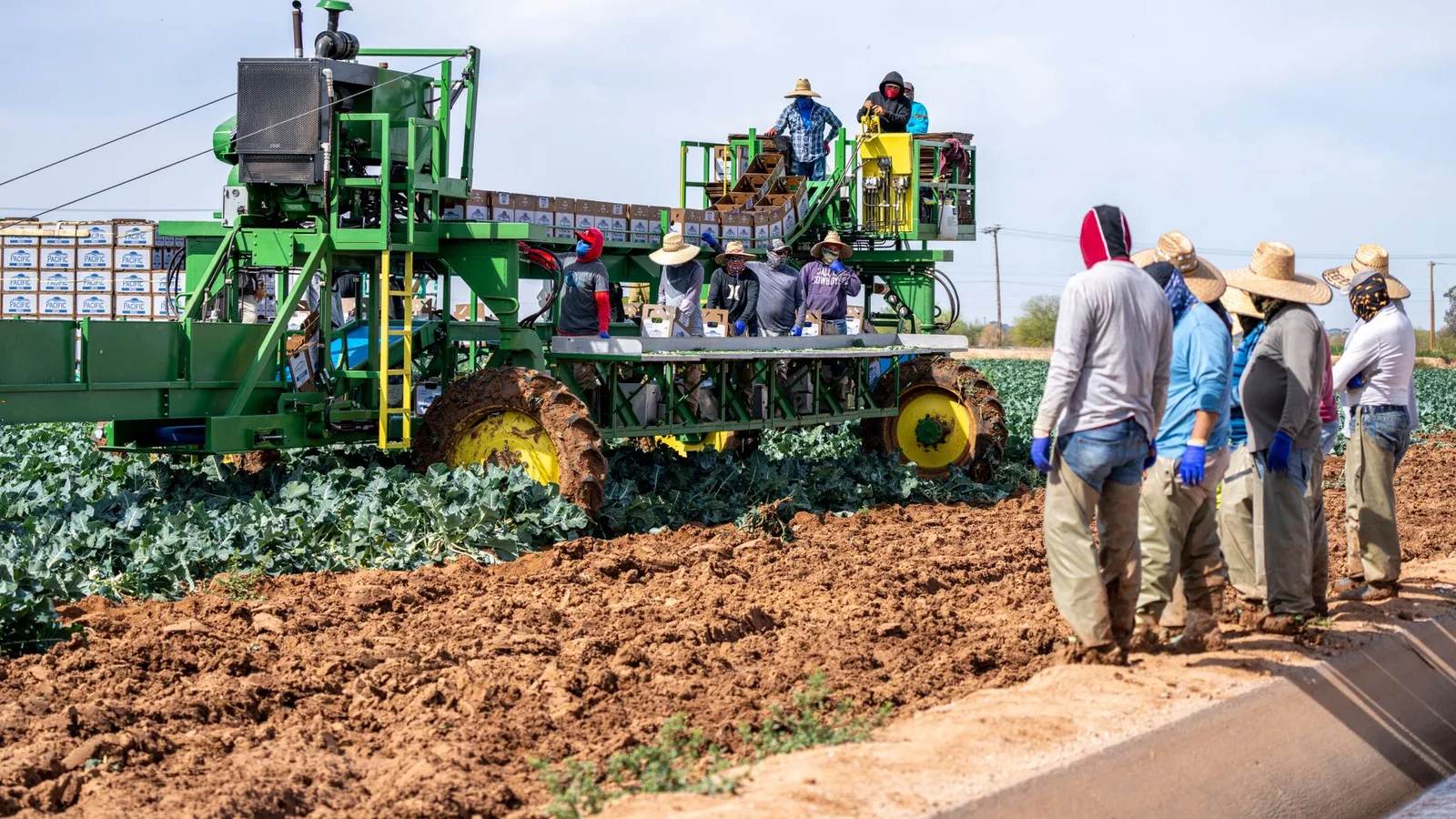
Breaking Visas & Entry
Farmers Just Got Australia to Fast-Track Backpacker Visas, Here’s Who Actually Qualifies
Australia will rush working holiday visa approvals for backpackers who already have a farm job lined up, after new ballot limits threatened this harvest.
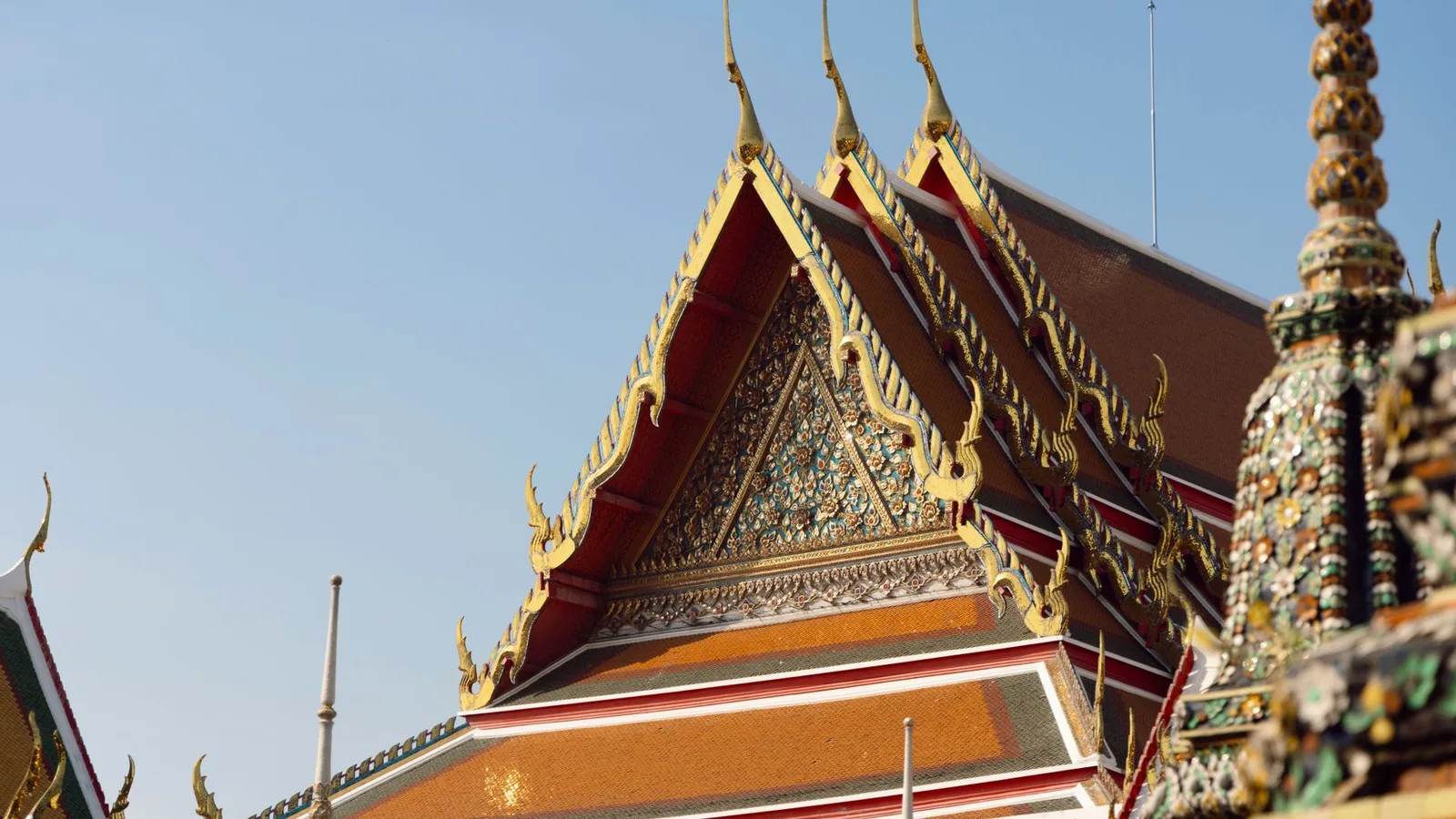
Visas & Entry
Thailand visa-free stays just changed, and what it means for American travellers
Since 15 September, Americans get 30 days visa-free instead of 60, and every visitor must file a free digital arrival card in the three days before landing.
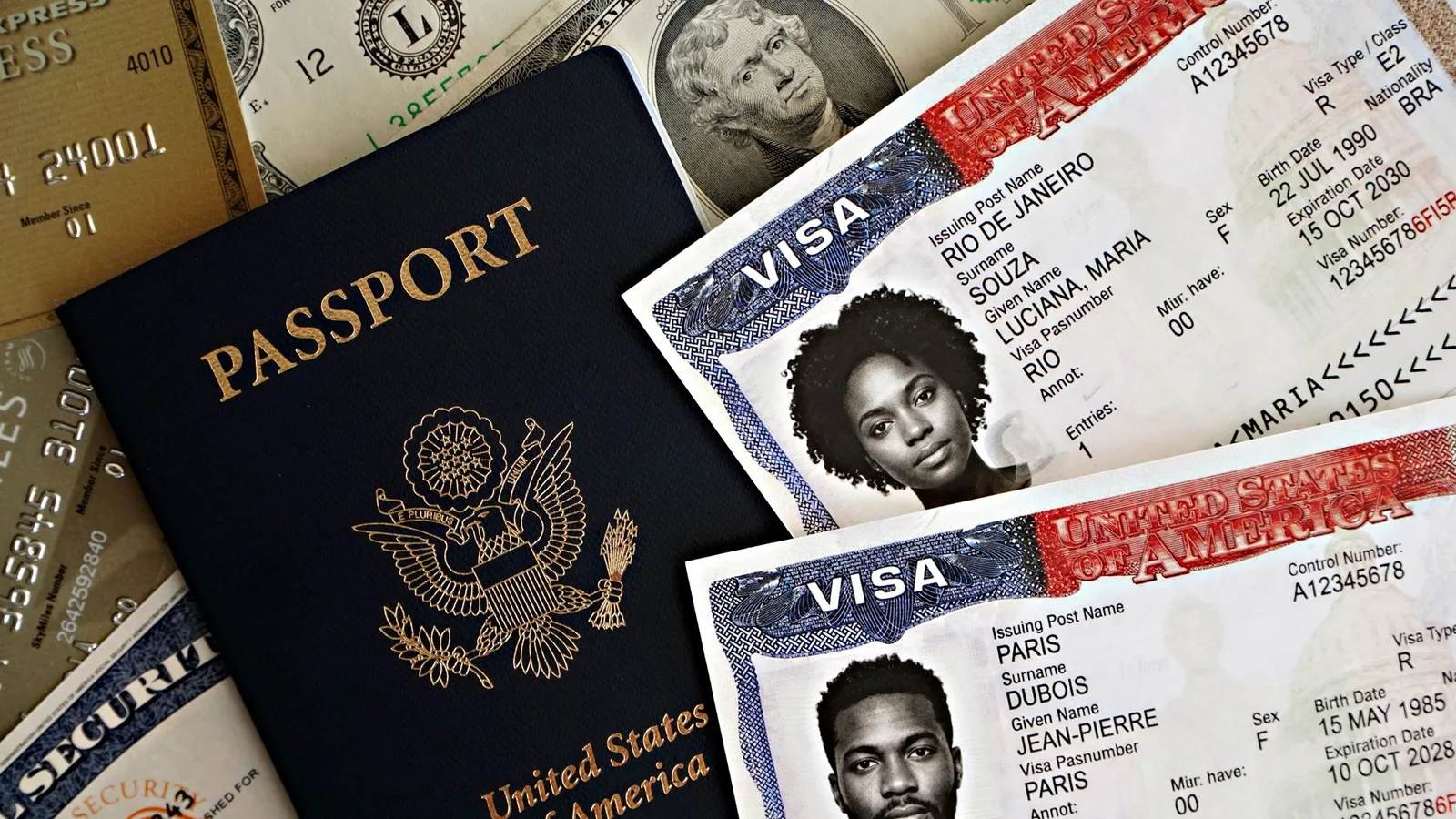
Visas & Entry
Nine US Universities Are Under a J-1 Visa Fraud Probe, Here’s What It Does and Doesn’t Mean for Exchange Visitors
The Labor Department has subpoenaed nine universities over J-1 research visas. Existing visas are not cancelled, but sponsors may tighten up. Here is what to check.
Latest from the desk
Money & Insurance
Dropping Someone at a UK Airport Now Costs Up to £10 for Ten Minutes, Here’s Where the Fees Rose and How to Avoid the £100 Fine
RAC found 16 of the UK’s 20 busiest airports raised drop-off fees this year. Gatwick and Stansted charge £10, and an unpaid or overstayed stop can cost £100.
Breaking Safety & Advisories
Hurricane Isaias Has Moved Inland, and the Danger Now Is Flooded Roads and No Power, Here’s What to Check Before You Drive Through the Southeast
Isaias came ashore near Destin as a Category 2 and is now a post-tropical storm. Rain of 4 to 15 inches and 668,000 outages are the problem for weekend travellers.
Trail & Weather
Thorong La Is Open Again After the Late September Snow, Here’s What Annapurna Circuit Trekkers Should Check Before They Go
Snow from 24 to 27 September shut the Annapurna Circuit’s pass. A local hotel association cleared it and trekking resumed on 5 October. Here is what to verify.