
New Research Just Found the Exact Weight Where Your Trekking Pack Starts Hurting Your Feet
A plantar-pressure study found the damage begins at 10 percent of body weight, half the usual multi-day backpacking limit, here's what that means for your daypack.
At a glance
- Published
- TopicGear & Tech
- Verified againstJournal of Functional Morphology and Kinesiology (MDPI)
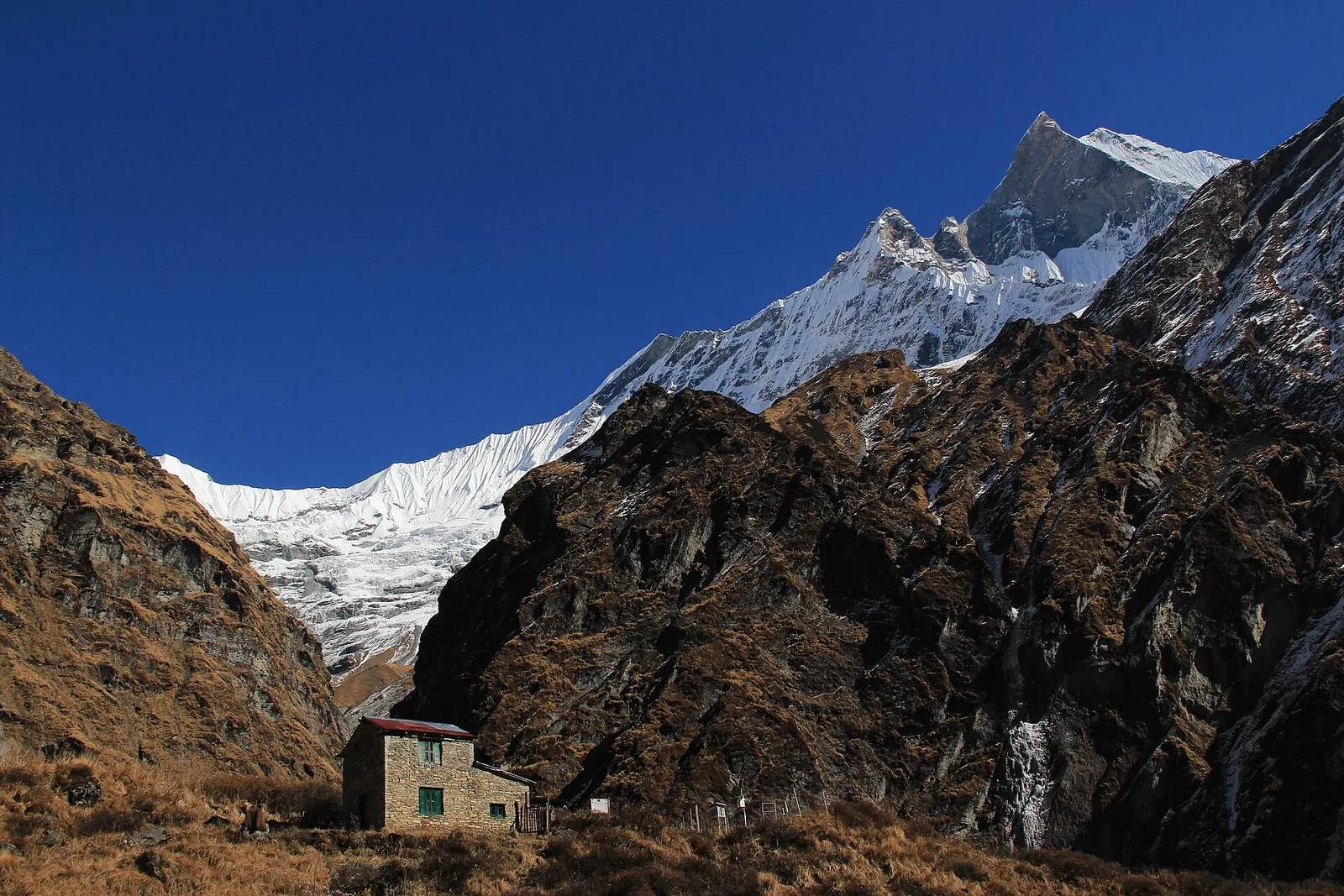
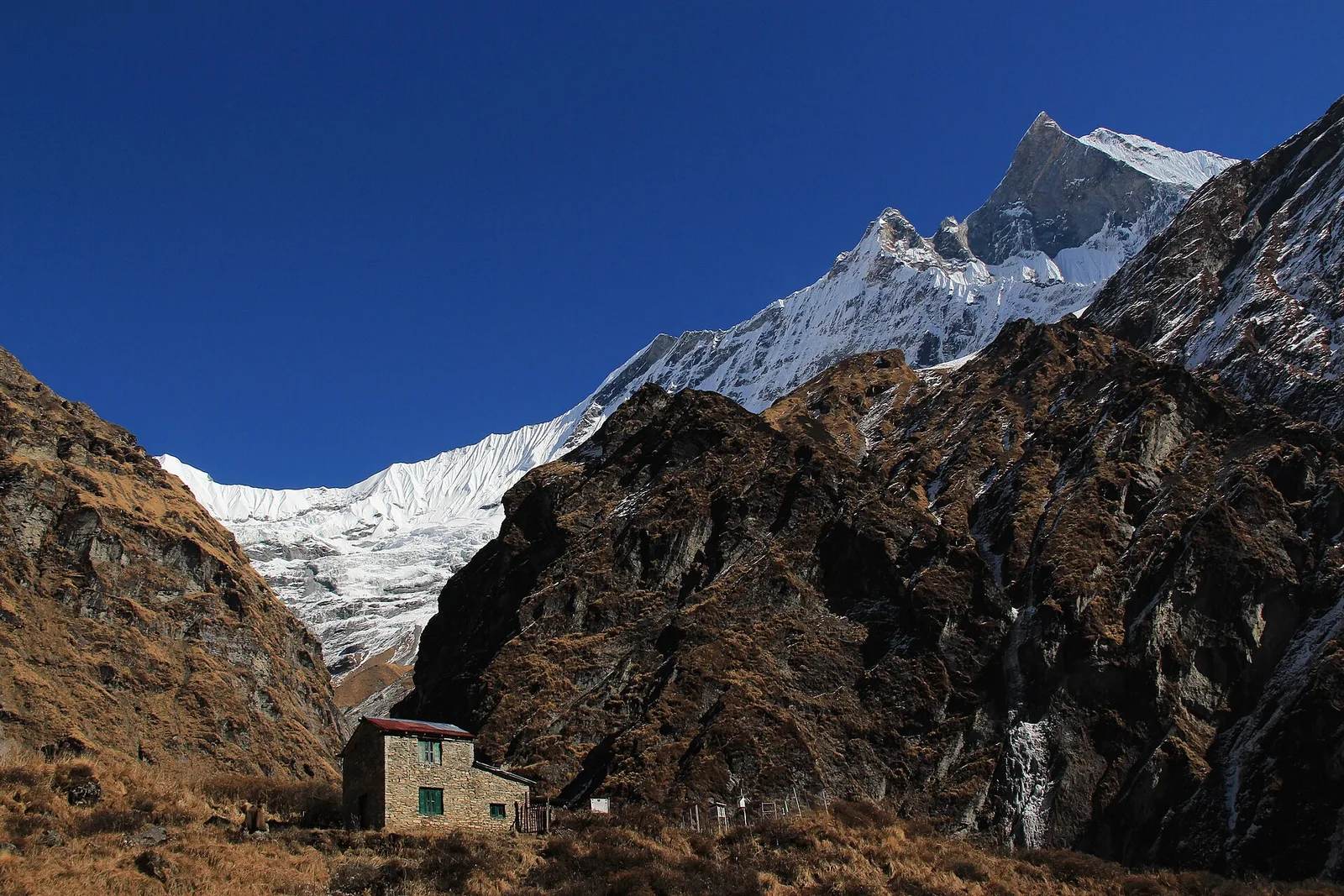
- Treks coveredAnnapurna Base Camp Trek — 9 Days, Everest Base Camp Trek — 12 Days, Mardi Himal Trek — 4 Days
Key facts
- Static forefoot pressure rose 5.41% at a 10% body-weight load, and 8.73% at 20%, compared with carrying no pack
- Researchers measured this with a pressure-plate system (Podoprint®) on hikers who had already walked at least 20km in the previous 24 hours
- Lead researcher Santi García-Cremades: pressure changes become significant “once backpack load reaches around ten percent of body weight”
- That is exactly half the 20% of body weight that REI and most trekking guides call a safe ceiling for a full multi-day pack
- Published in the Journal of Functional Morphology and Kinesiology; reported by Outside on September 27, 2026
A new foot-pressure study has found the point where a backpack starts working against you, and it is lower than most hikers think: just 10% of your body weight, measured on the trail. For a 70kg trekker, that is a 7kg daypack — roughly a full water bladder, a rain shell, a camera and a packed lunch, nothing extravagant. Above that point, researchers recorded a measurable rise in pressure through the forefoot and, progressively, the heel, the same pattern linked to blisters, plantar fasciitis and stress injuries on long trekking days.
What the Study Actually Found
Researchers at Miguel Hernández University in Spain put long-distance hikers on a pressure-sensing platform under four conditions: barefoot with no pack, wearing their own habitual pack, and wearing a pack deliberately loaded to 10% and then 20% of their body weight. Static forefoot pressure rose 5.41% at the 10% load and 8.73% at the 20% load compared with no pack at all, and heel pressure climbed the same way as weight increased. The paper, published in the Journal of Functional Morphology and Kinesiology, states plainly that meaningful changes in how load moves through the foot begin at roughly 10% of body weight — not at some heavier, more dramatic threshold hikers tend to picture.
Why Ten Percent Is the Number That Matters
Ten percent matters because it sits well inside what the outdoor industry already calls normal. REI’s own packing guidance recommends keeping a daypack near 10% of body weight and allows a full multi-day backpacking load up to about 20% — meaning a lot of hikers are carrying loads at or above the exact point this study flags, on the assumption that the real problem only starts much higher. The study doesn’t say 20% is unsafe; it says the foot has already started adapting well before you get there, which matters most on the days you’re walking six or seven hours on ground you don’t control.
| Load | Typical guidance | What the study found |
|---|---|---|
| ~10% of body weight | REI's recommended daypack ceiling | +5.41% forefoot pressure |
| ~20% of body weight | REI's recommended multi-day ceiling | +8.73% forefoot pressure |
What This Means for a Nepal Trek Daypack
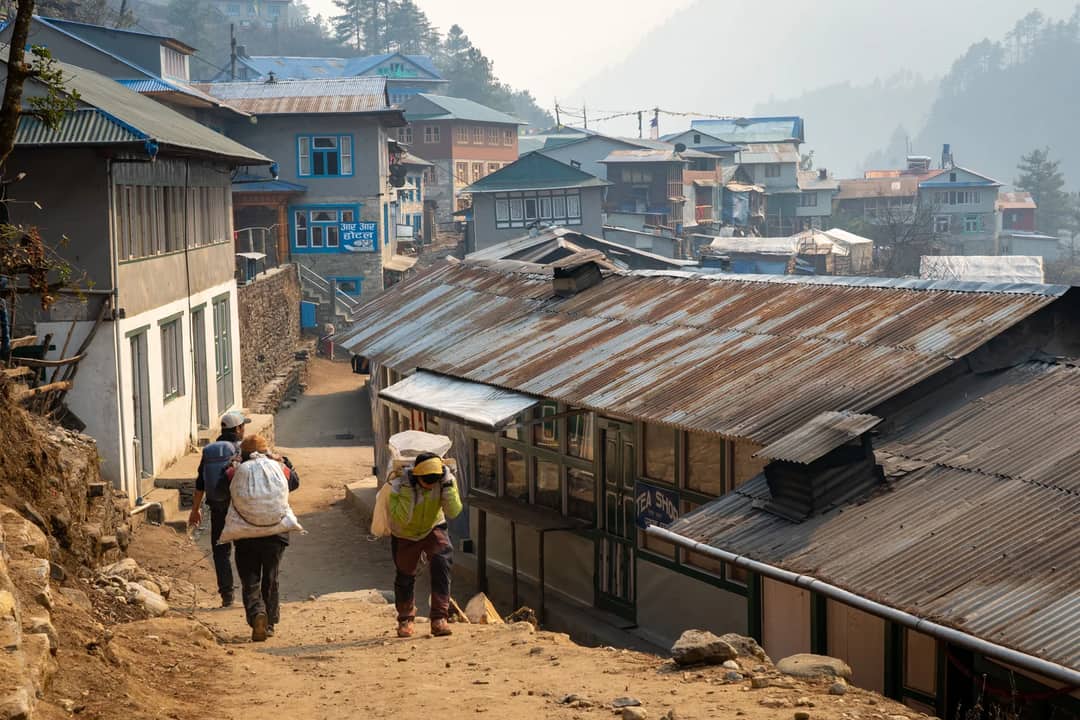
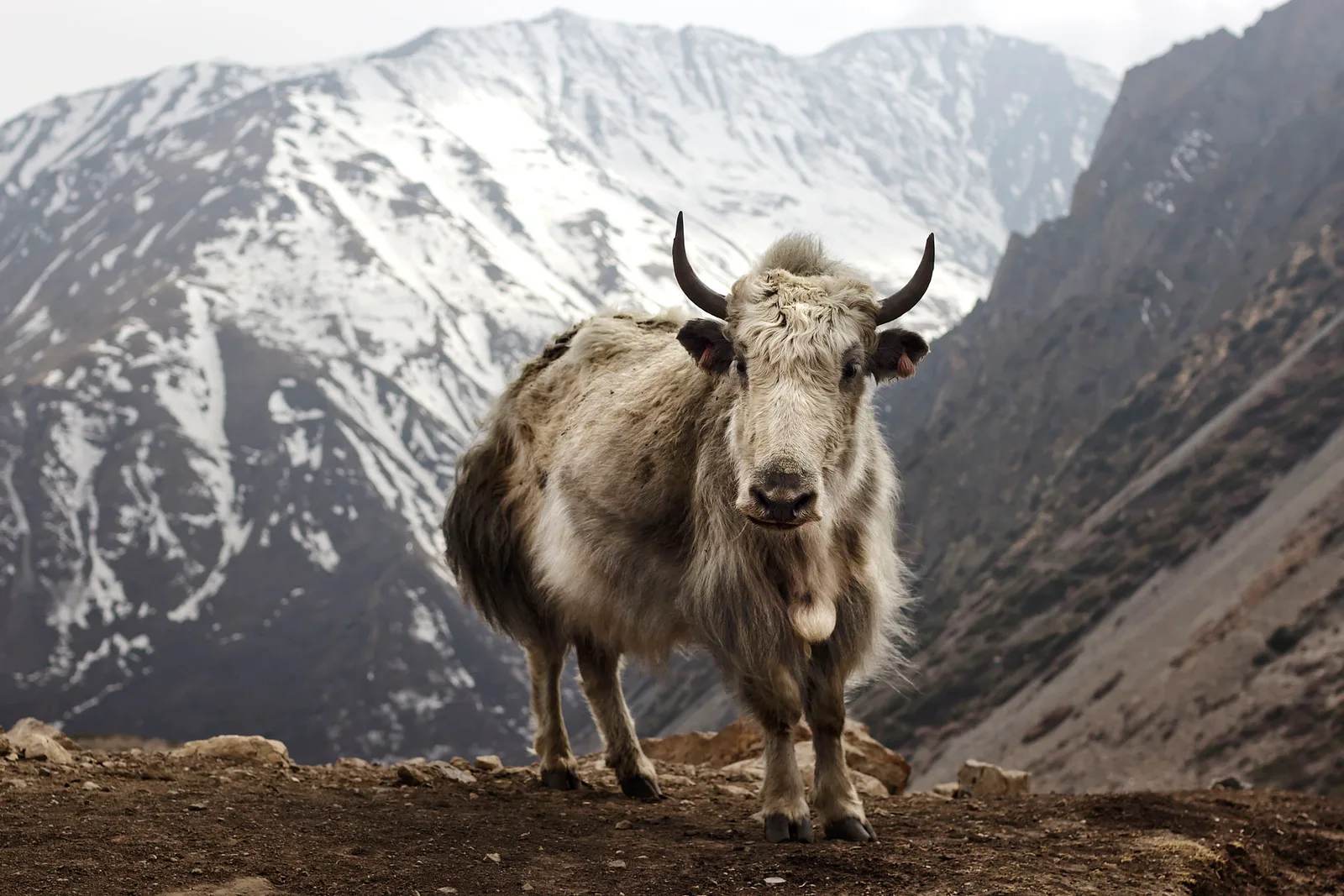
On a teahouse trek, your porter or a shared yak carries the duffel; what you carry yourself is a daypack, and this is exactly the load the study is talking about. We routinely see trekkers on Everest Base Camp and Annapurna carrying far more than they need in that daypack — a second down jacket, a full first-aid kit, a heavy DSLR, snacks for four days — because it feels safer than trusting the porter with it. It usually isn’t: the honest fix is a lighter daypack, not a better hip belt or a more expensive frame. Weigh it before you leave the lodge. A 65kg trekker should be looking at a daypack close to 6–7kg at altitude, water included, and every kilo above that is now a measurable cost to your feet on a day you may already be walking on uneven, rocky trail at 4,000m or higher.
What This Means for Your Trek
What this means for you
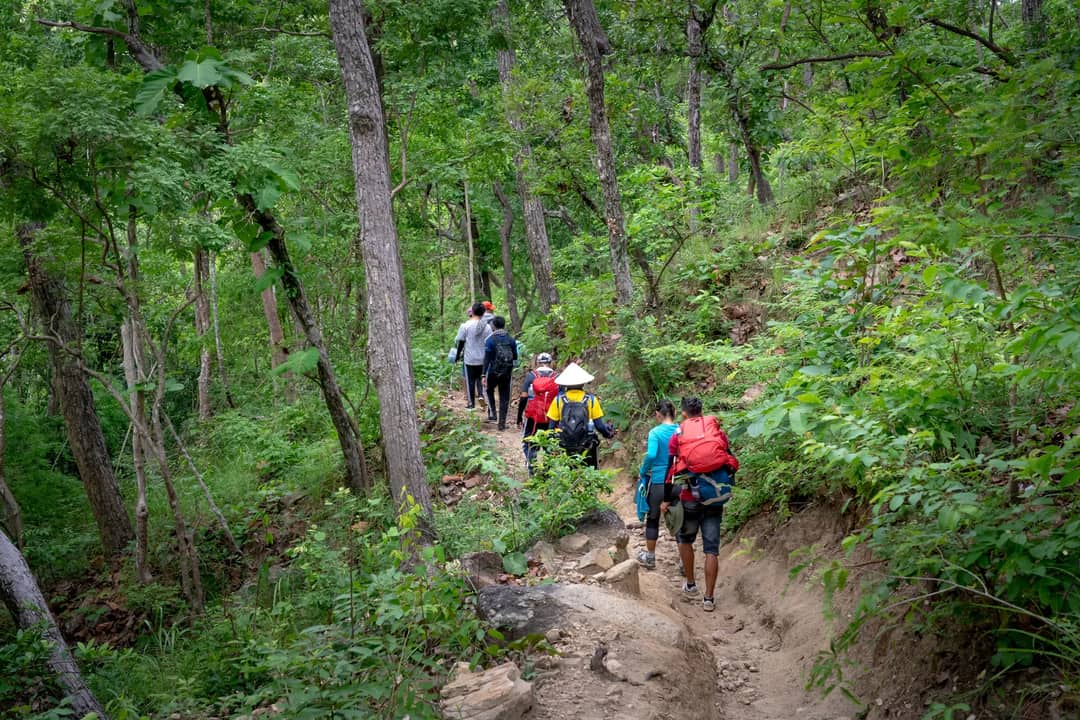
Weigh your daypack the morning you start, not the night before you fly out. If it's over roughly 10% of your body weight, take something out — the extra jacket, the second lens, the paperback — before you take out a painkiller. Your porter is there precisely so this number stays low; using them fully is not a luxury, it's the thing that keeps your feet working on day nine.
How heavy should my daypack be on Everest Base Camp?
Aim for roughly 10% of your body weight including water — for most trekkers that's 5–7kg. Your duffel, carried by a porter or yak, holds everything else.
Does a better hip belt or backpack fix this?
The study measured pressure through the foot, not the pack itself, so gear upgrades help comfort but don't remove the load. The only thing that reliably lowers foot pressure is carrying less weight.
Is 20% of body weight actually unsafe for multi-day trekking?
The study doesn't call it unsafe, only that measurable changes in foot pressure start well before that point, at around 10%. Treat 20% as a hard ceiling, not a target.
If you're packing for Everest Base Camp, Annapurna or any multi-day trek with us, our guides check daypack weight on day one for exactly this reason — ask before you fly in and we'll tell you what to leave at the hotel.
Cover photo: Ali Kazal via Pexels (Pexels License). Section photos: René Lussi via Pexels (Pexels licence); Annelies Brouw via Pexels (Pexels licence); Kamaji Ogino via Pexels (Pexels licence); Clinton Weaver via Pexels (Pexels licence); Quang Nguyen Vinh via Pexels (Pexels licence).
Still running this season
Everest Base Camp Trek — 12 Days is running normally
NMA-certified local guides, transparent pricing, 5,000+ treks since 1998. Message us your dates and we'll sort the permits, lodges and logistics — reply within 24 hours, no obligation.
Popular Nepal treks
All treks →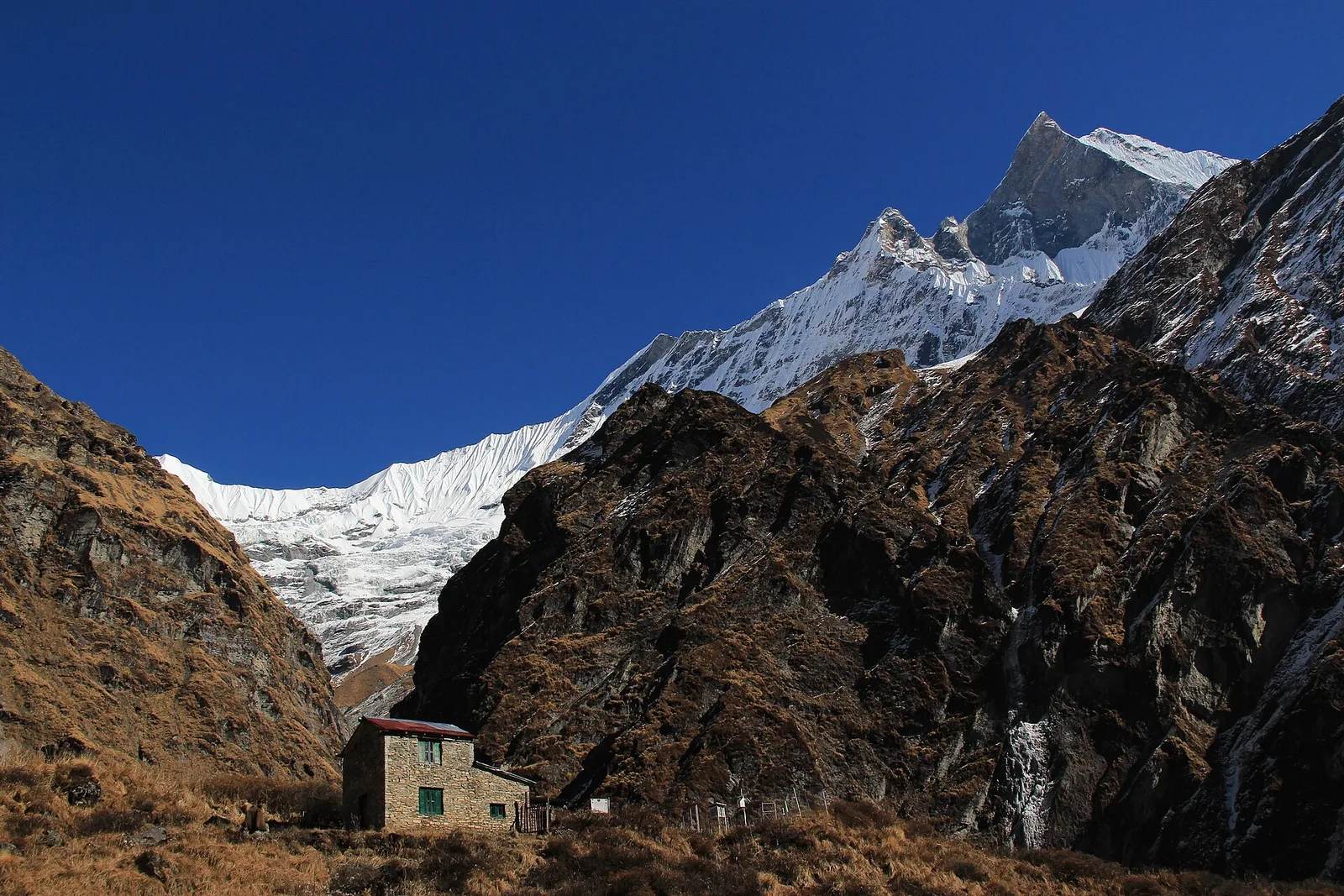
Related coverage
Industry & Tourism
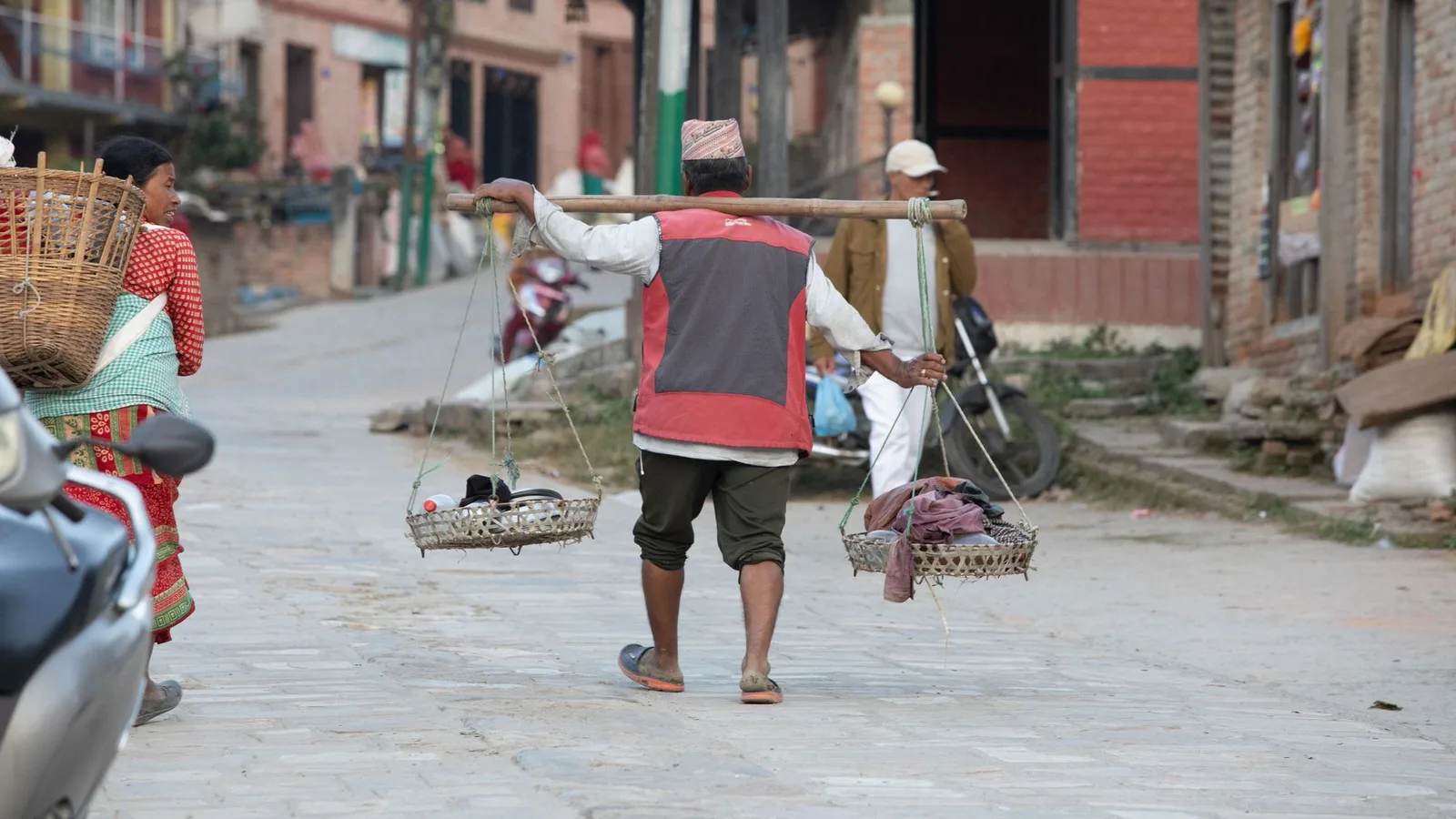
Do you actually need a porter on a Nepal trek, or is a daypack enough?
No porter is required, but a 15 kg Lukla baggage limit and a TAAN wage floor of NPR 2,400 a day settle most of the decision. Here is when to hire one.
Breaking Flights & Access
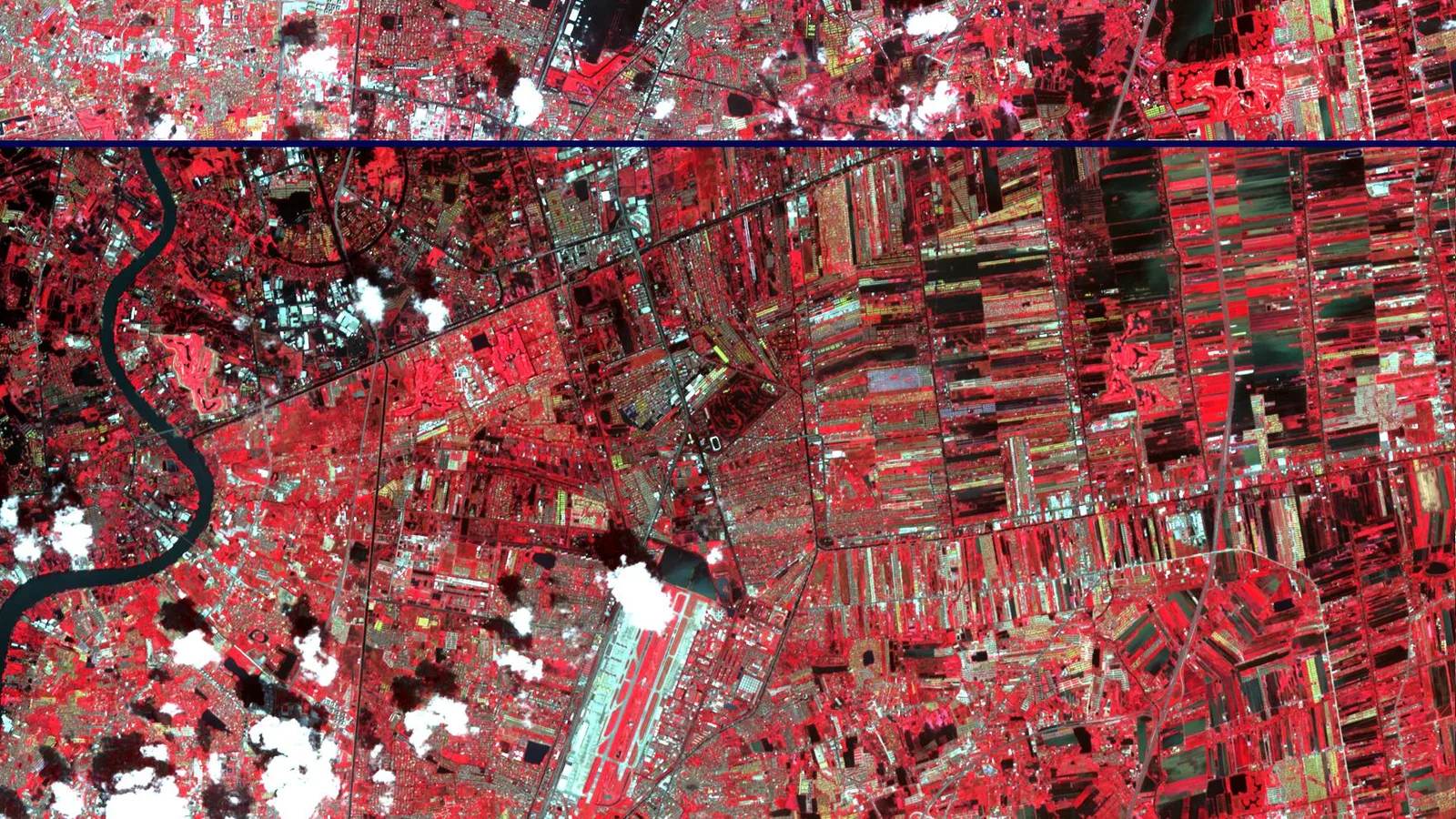
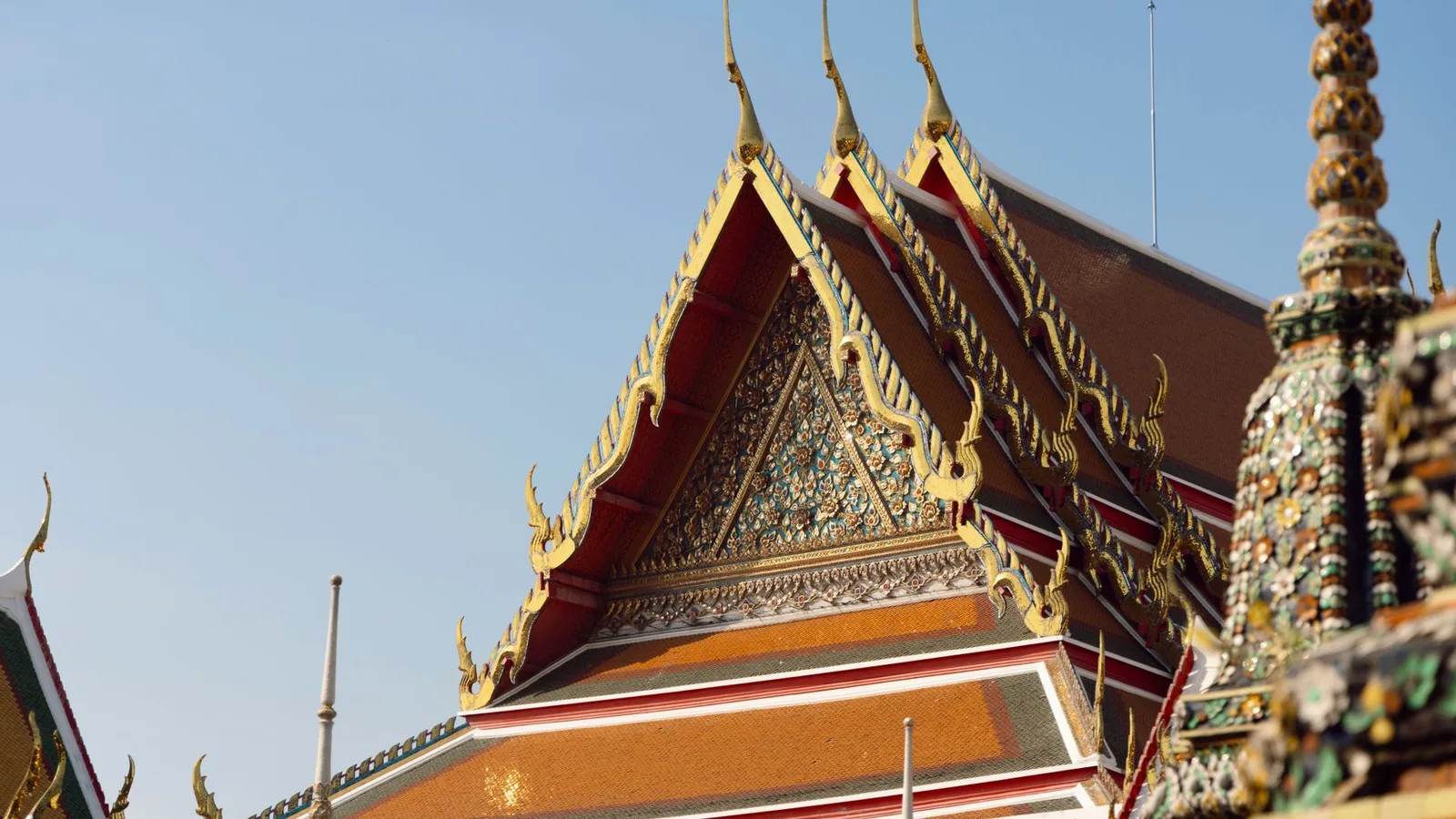
Bangkok just declared a flood disaster in all 50 districts, here’s what it means if you’re flying through to Nepal
Bangkok declared all 50 districts disaster zones after 300mm of rain in 48 hours, and five airlines, Thai Airways included, are waiving change fees this week.
Visas & Entry
Thailand visa-free stays just changed, and what it means for American travellers
Since 15 September, Americans get 30 days visa-free instead of 60, and every visitor must file a free digital arrival card in the three days before landing.
Safety & Advisories
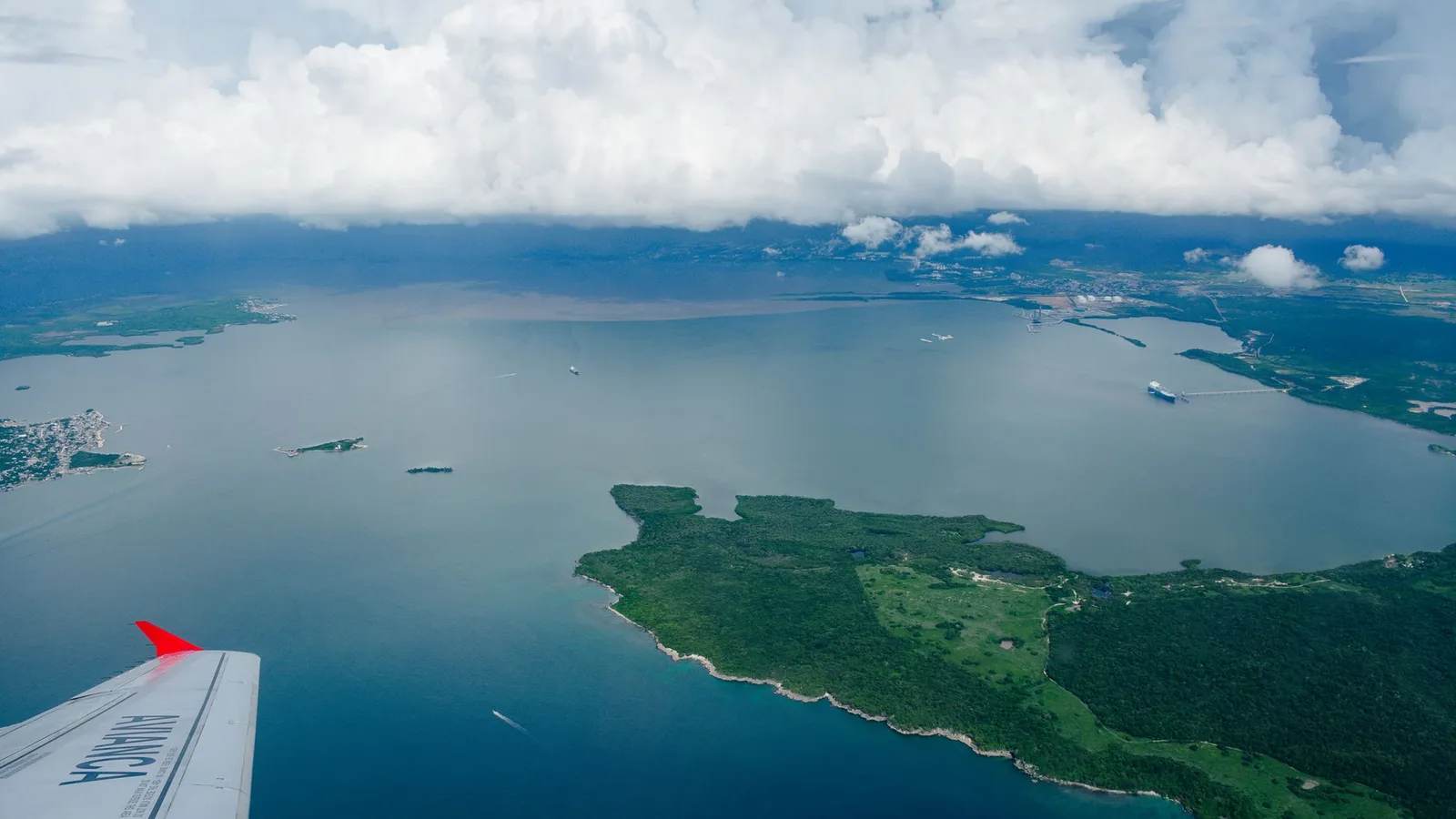
No Atlantic hurricane yet this year, and what it means for an autumn Caribbean trip
Six named storms, zero hurricanes, the latest start of the satellite era. NOAA still says one storm is enough, and the peak runs into October.
Latest from the desk
Breaking Trail & Weather
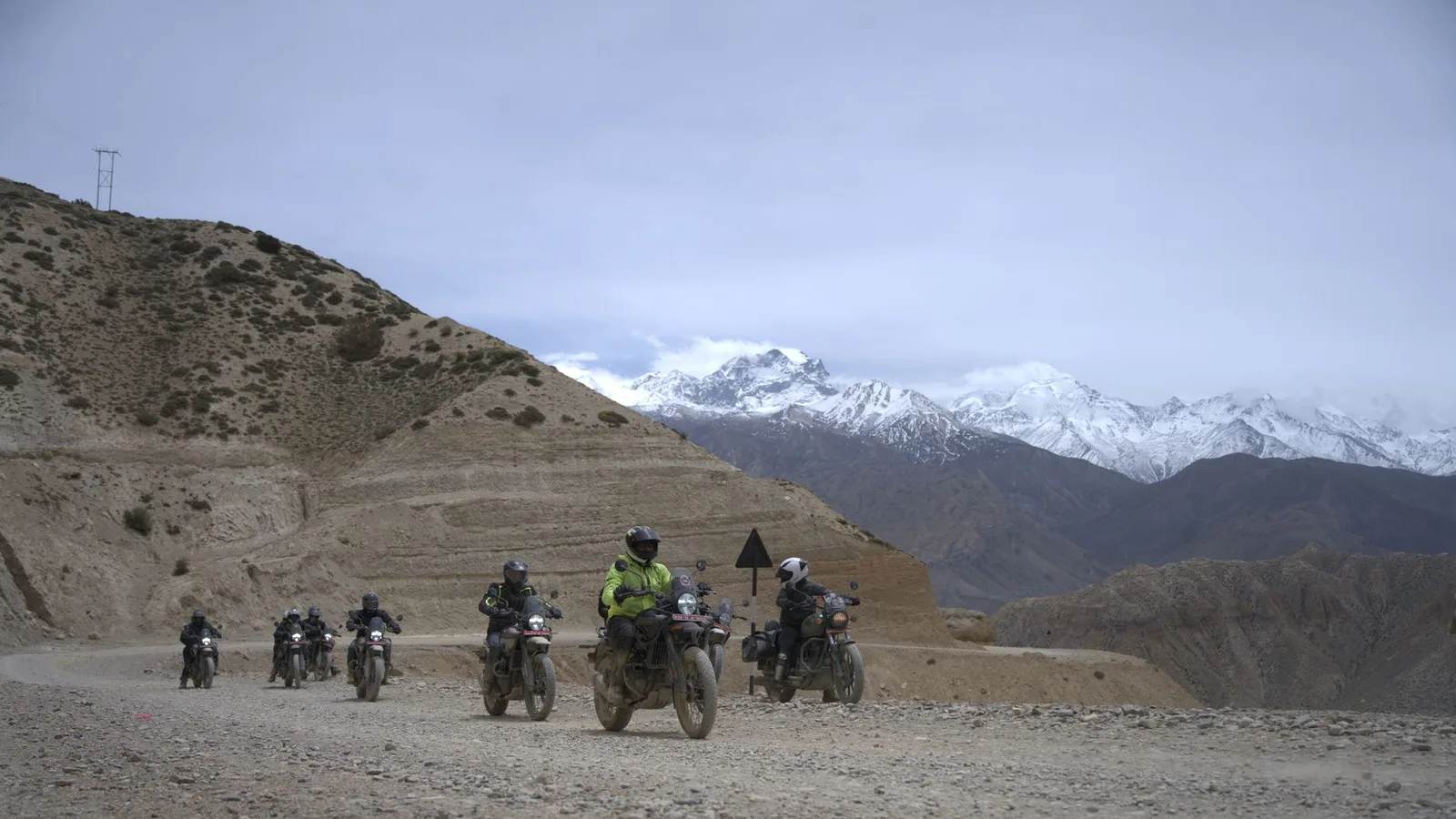
Nepal Just Shut 11 Highways to Landslides, and the Road to Mustang Is Blocked in Six Places
Heavy rain since Sept 24 has blocked the Beni-Jomsom road in six places and shut highways nationwide, here's what it means for your Annapurna or Mustang trek.
Breaking Safety & Advisories
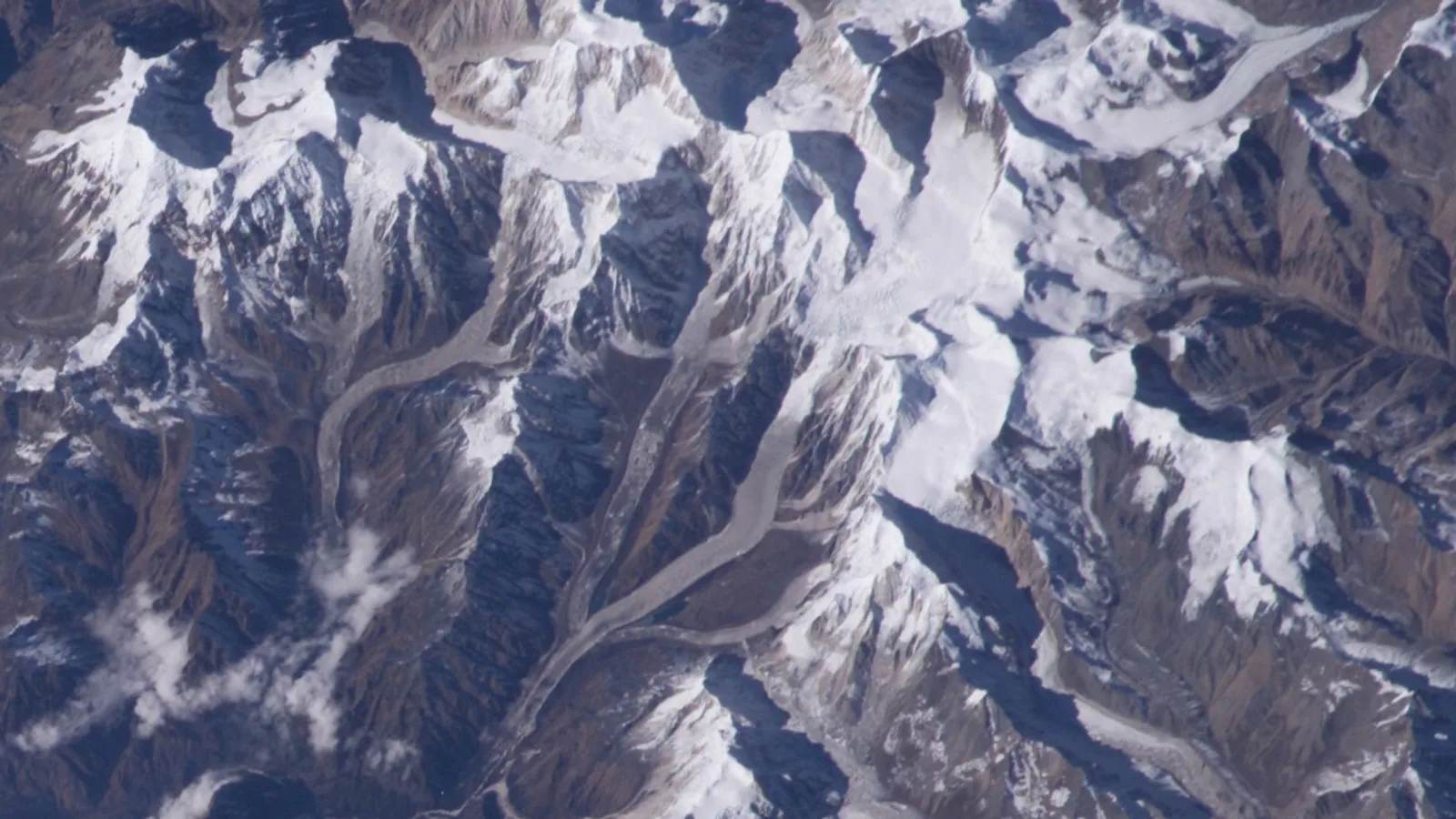
An Avalanche Buried Himlung Himal's Base Camp in Nepal, and Ten Climbers and Staff Are Missing
An avalanche hit Himlung Himal's base camp in Nepal's Manang district on 27 September, and rescuers are searching snow for ten missing climbers and staff.

Money & Insurance
You Could Be Owed Cash From a $167 Million Visa and Mastercard Settlement, Here's How to Check
Visa and Mastercard are paying $167.5 million after allegedly blocking cheaper ATM fees, and the claim deadline is 10 February 2027.