
Breaking · Safety & Advisories
An Avalanche Buried Himlung Himal's Base Camp in Nepal, and Ten Climbers and Staff Are Missing
An avalanche hit Himlung Himal's base camp in Nepal's Manang district on 27 September, and rescuers are searching snow for ten missing climbers and staff.
At a glance
- Published
- TopicSafety & Advisories
- Verified againstThe Kathmandu Post
- Treks coveredNar Phu Valley Trek — 14 Days
An avalanche struck the base camp of Himlung Himal, a 7,126-metre peak in Nepal's Manang district, on the morning of Sunday 27 September 2026, and ten climbers and support staff are missing. Nepal's Department of Tourism and the Expedition Operators Association Nepal have both confirmed the incident, and rescue teams are working through continuing snowfall to reach the site.
Key facts
- Avalanche hit Himlung Himal base camp (7,126m), Nar Phu area, Manang district, on 27 September 2026
- 10 people missing — 2 from Imagine Nepal Pvt Ltd, 8 from Himalayan Holidays Nepal
- A weather warning had been issued the week before; some teams evacuated, others stayed on the mountain
- Nepal's Department of Tourism says it is 'closely monitoring the situation' and gathering details on the rescue
What happened at Himlung Himal's base camp
The avalanche came down onto the base camp during a stretch of persistent rain and snowfall across Nepal's mountain districts, according to the Kathmandu Post. Rishi Bhandari, general secretary of the Expedition Operators Association Nepal, confirmed the incident was genuine when contacted on Sunday. Ram Krishna Lamichhane, director general of the Department of Tourism, said the department was collecting details of the incident and the rescue effort as they came in, but had not released a casualty count beyond the ten reported missing.
Separate wire reports named expedition organiser Mingma Gyalje Sherpa, who said two kitchen staff from his company, Imagine Nepal, were among the missing. The Kathmandu Post's own count splits the ten between Imagine Nepal (2) and Himalayan Holidays Nepal (8).
| Expedition company | Missing |
|---|---|
| Imagine Nepal Pvt Ltd (kitchen staff) | 2 |
| Himalayan Holidays Nepal | 8 |
| Total reported missing | 10 |
Who is missing, and why some teams were still on the mountain
Some of the missing were on the mountain because they chose to stay after other teams left. A weather warning went out to expedition and rope-fixing crews on Himlung Himal roughly a week before the avalanche, and most teams pulled back down the mountain slopes in response. According to Mingma Gyalje Sherpa's account, a smaller number of climbers and staff opted to remain rather than abandon the autumn attempt, and it is that group the avalanche caught. Nepal's mountains see this trade-off every autumn: a short weather window can be the difference between a summit and a wasted permit, and not every team reads the same warning the same way.
Why one of Nepal's easier 7,000-metre peaks still turned deadly
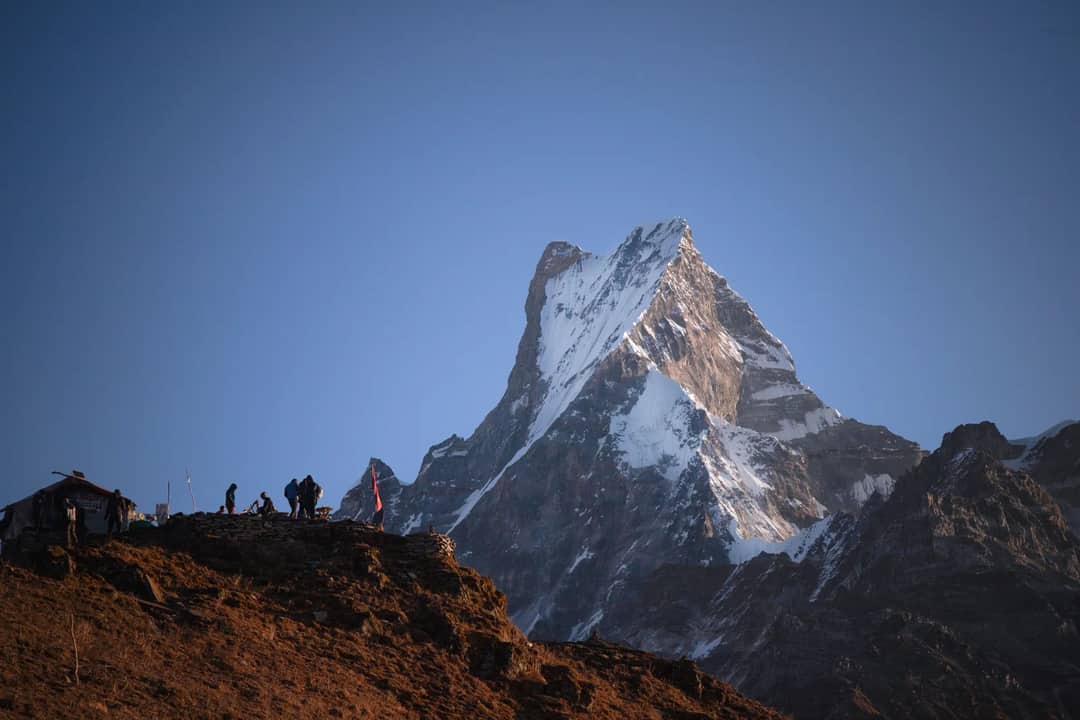
Himlung Himal is usually described inside the industry as one of the more approachable 7,000-metre expeditions Nepal offers, a peak guided teams often use as a step up before an 8,000er, climbed under a Department of Tourism expedition permit alongside the conservation permits the Nar Phu approach requires. That reputation is about technical difficulty, not weather. An avalanche does not check a mountain's grading before it releases, and a week of persistent rain and snow lower down, turning to heavy snowfall higher up, was enough to bring one down onto tents that were still occupied. It is the same pattern this desk has already reported this autumn on Manaslu, where two climbers died in a Camp III avalanche after a comparable spell of bad weather, a reminder that snow load, not summit difficulty, decides whether a camp is safe to sit in.
What this means if you're trekking or climbing in Nepal right now
If you are on an expedition permit in the Manang or Nar Phu region this week, the direct answer is to follow your own operator's call, not this article; the Department of Tourism advisory that followed this avalanche was aimed at expedition activity on the mountain itself. If you are on a standard trekking itinerary, the Nar Phu Valley trek follows the same approach valley but stays on trails well below Himlung Himal's climbing routes and base camp, and this incident does not close your trail. It is still one more data point in an autumn where Nepal has already issued heavy regional rain and snow advisories. Ask your operator, today, whether they have had any update from the district, and do not treat a week-old warning as proof the weather has settled: it clearly had not on Himlung Himal.
What this means for trekkers
We are not going to pretend a base-camp avalanche on an expedition peak is irrelevant to a trekking client who books with us — it is the same mountains, the same October snow line, and the same guides' judgement call. What we tell our own groups is this: a weather warning that gets lifted does not mean the snow that already fell has gone anywhere. If your guide wants to wait a day, that is the trip working as intended, not a delay.
Common questions about the Himlung Himal avalanche
Is the Nar Phu Valley or Annapurna Circuit trek affected?
Not directly. Both routes pass through the wider Manang region but stay on trekking trails, well below Himlung Himal's climbing routes and base camp. The Department of Tourism advisory that followed this incident was directed at expedition activity on the mountain, not at trekkers on the valley trails.
How does Himlung Himal compare to Everest or Manaslu for danger?
It is graded as one of the less technical 7,000-metre expeditions Nepal offers, and operators often use it as an early step before an 8,000-metre peak. This incident did not happen because the mountain is unusually hard; it happened because a heavy, persistent snowfall put weight on slopes above an occupied base camp, which can happen on any Himalayan peak regardless of its technical grade.
Why were people still on the mountain after a weather warning?
Expedition organiser Mingma Gyalje Sherpa said most teams evacuated the slopes after a warning was issued roughly a week earlier, but some climbers and staff stayed to protect their autumn summit attempt. The ten now missing are drawn from the two companies, Imagine Nepal and Himalayan Holidays Nepal, whose people remained.
We will update this article as Nepal's Department of Tourism and the Expedition Operators Association Nepal release further information on the rescue.
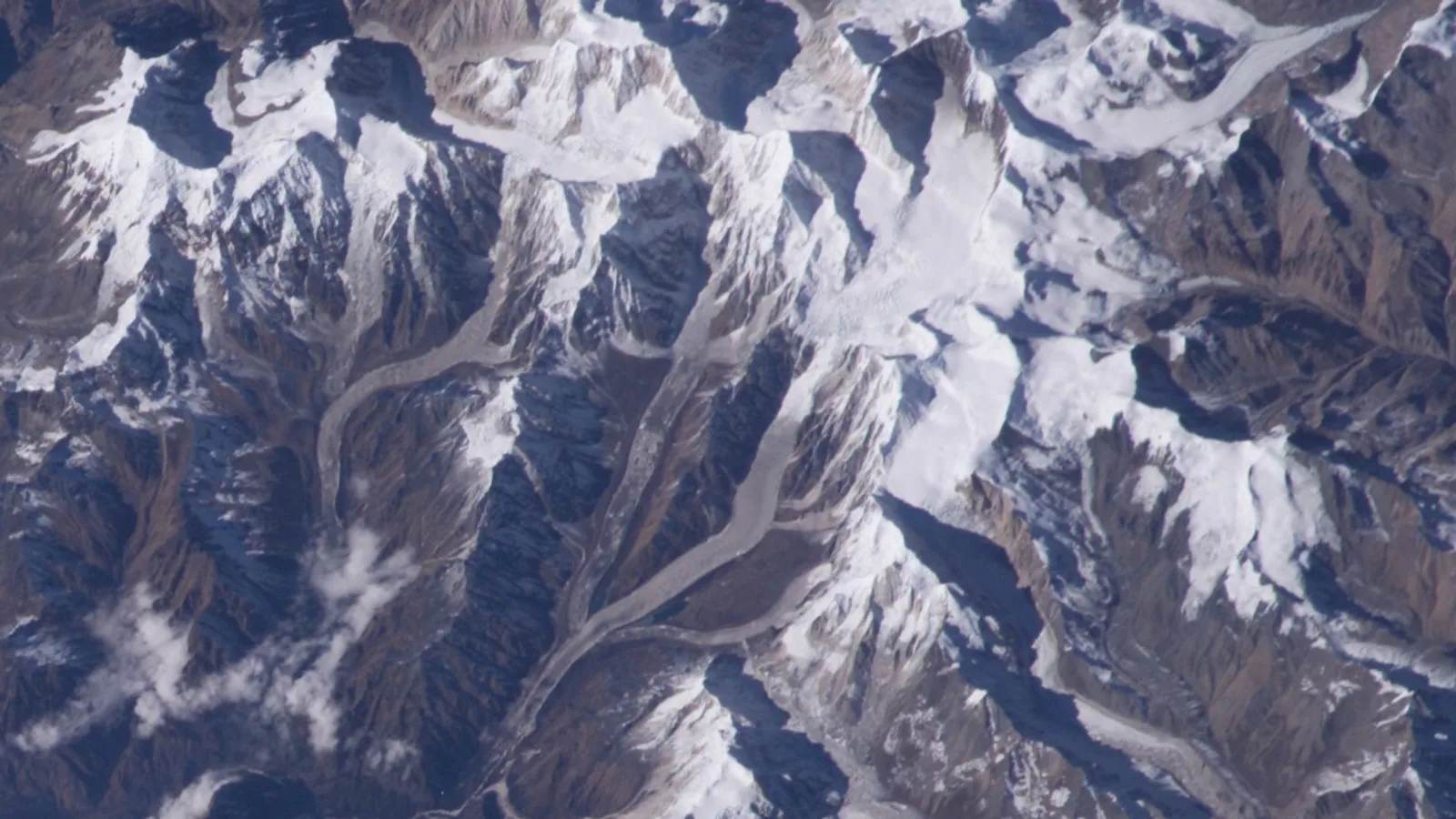
Cover photo: Earth Science and Remote Sensing Unit, Lyndon B. Johnson Space Center via Wikimedia Commons (Public domain). Section photos: Roshan Pokharel via Pexels (Pexels licence); Himanshu Raj via Pexels (Pexels licence); Ashok J Kshetri via Pexels (Pexels licence); Mindaugas Arlinskas via Pexels (Pexels licence); Namal Siriwardana via Pexels (Pexels licence).
Still running this season
Nar Phu Valley Trek — 14 Days is running normally
NMA-certified local guides, transparent pricing, 5,000+ treks since 1998. Message us your dates and we'll sort the permits, lodges and logistics — reply within 24 hours, no obligation.
Popular Nepal treks
All treks →
Related coverage
Breaking Safety & Advisories
Two Climbers Died When an Avalanche Buried Their Tent at Manaslu Camp III, and It Is the Fourth Death This Autumn
An Indian-born German climber and his Nepali Sherpa guide were found under about seven feet of snow on 20 September, in a season with record permits.
Trail & Weather
Which Nepal Trek Should a Beginner Actually Do in 2026? Poon Hill vs Mardi Himal vs Langtang, Compared
If you've never trekked above 3,000 metres before, the honest starting point is Poon Hill or Panchase, not Everest Base Camp — here's the real difference in altitude, days and cost.
Safety & Advisories
One Month After Nepal's Floods, Rescuers Are Still Searching for 5,644 People and the Rebuild Will Cost $4.77 Billion
A month after Nepal's flood, disaster officials say 5,644 people remain missing, 1,453 bodies have been recovered, and the rebuild will cost $4.77 billion.
Safety & Advisories
A Melbourne Man Is Missing After Trekking Alone in Peru, Here's Why We Never Let a Client Do That in Nepal
Jordan Yap, 30, hasn’t been heard from since he set off solo into Peru’s Huayhuash range on 14 September — Nepal’s guide rule exists for this.
Latest from the desk

Money & Insurance
You Could Be Owed Cash From a $167 Million Visa and Mastercard Settlement, Here's How to Check
Visa and Mastercard are paying $167.5 million after allegedly blocking cheaper ATM fees, and the claim deadline is 10 February 2027.
Wildlife & Nature
Chitwan or Bardia, here's which Nepal safari you should actually book
Nepal's 2026 tiger census found record numbers in Chitwan and a rare decline in Bardia, and it changes the honest answer to which safari to book.
Safety & Advisories
Lobuche East or Island Peak, here's which one should be your first Himalayan climb
Both cost the same permit and sit within 70 metres of each other in altitude, but our guides say the harder climb isn't the one most people assume.