
Kathmandu's Biggest Street Festival Has a Stone Demon That Spits Rice Beer Into the Crowd
Indra Jatra runs 23 to 29 September 2026, with the Kumari chariot on Friday the 25th. Masked dancers, chariots and a god that pours rice beer.
At a glance
- Published · updated
- TopicFestivals & Events
- Verified againstWikipedia
- Treks coveredKathmandu UNESCO Heritage Sites — 1 Day, Kathmandu Valley Cultural Tour — 3 Days, Nepal Classic Tour — 7 Days
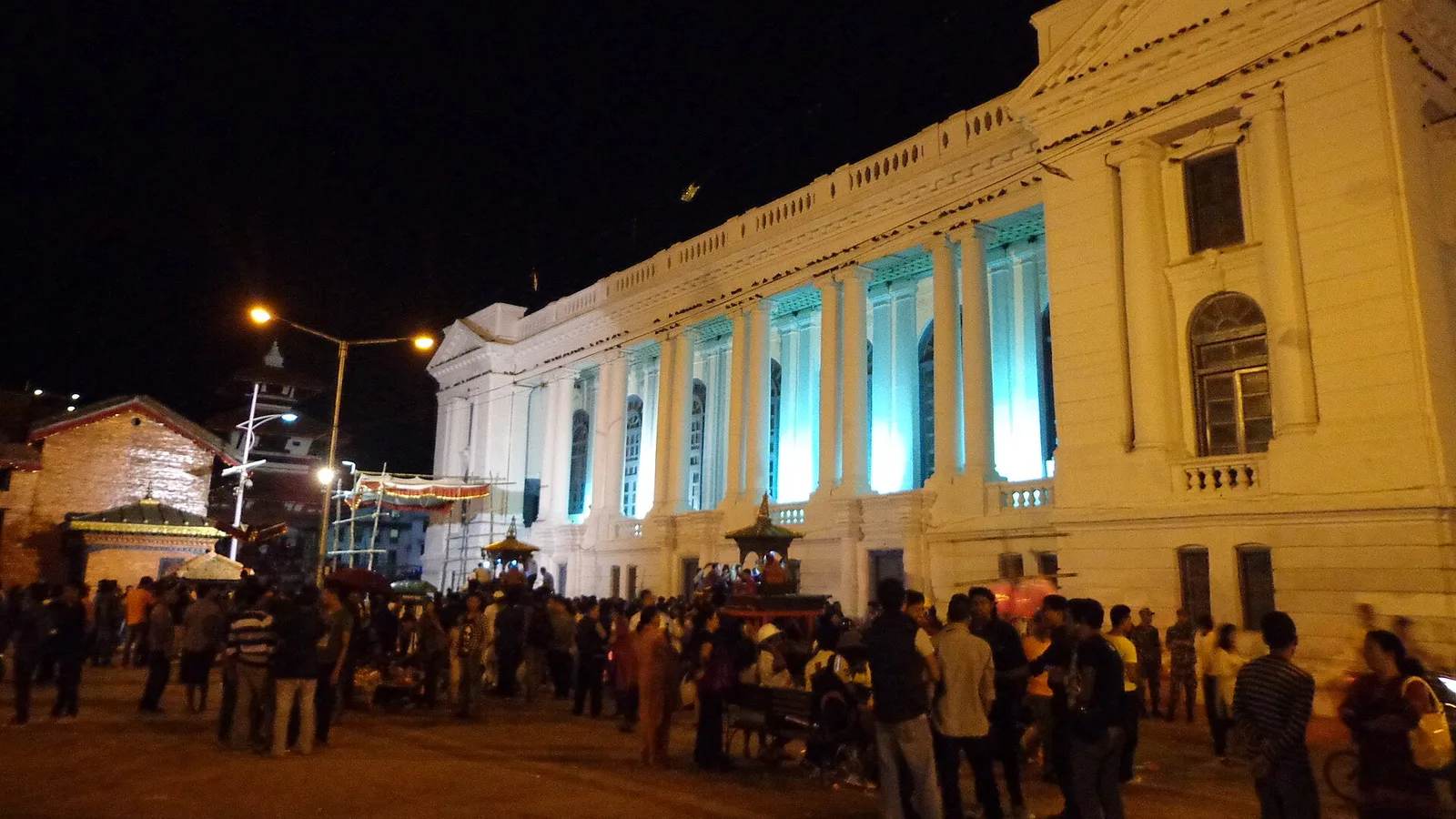
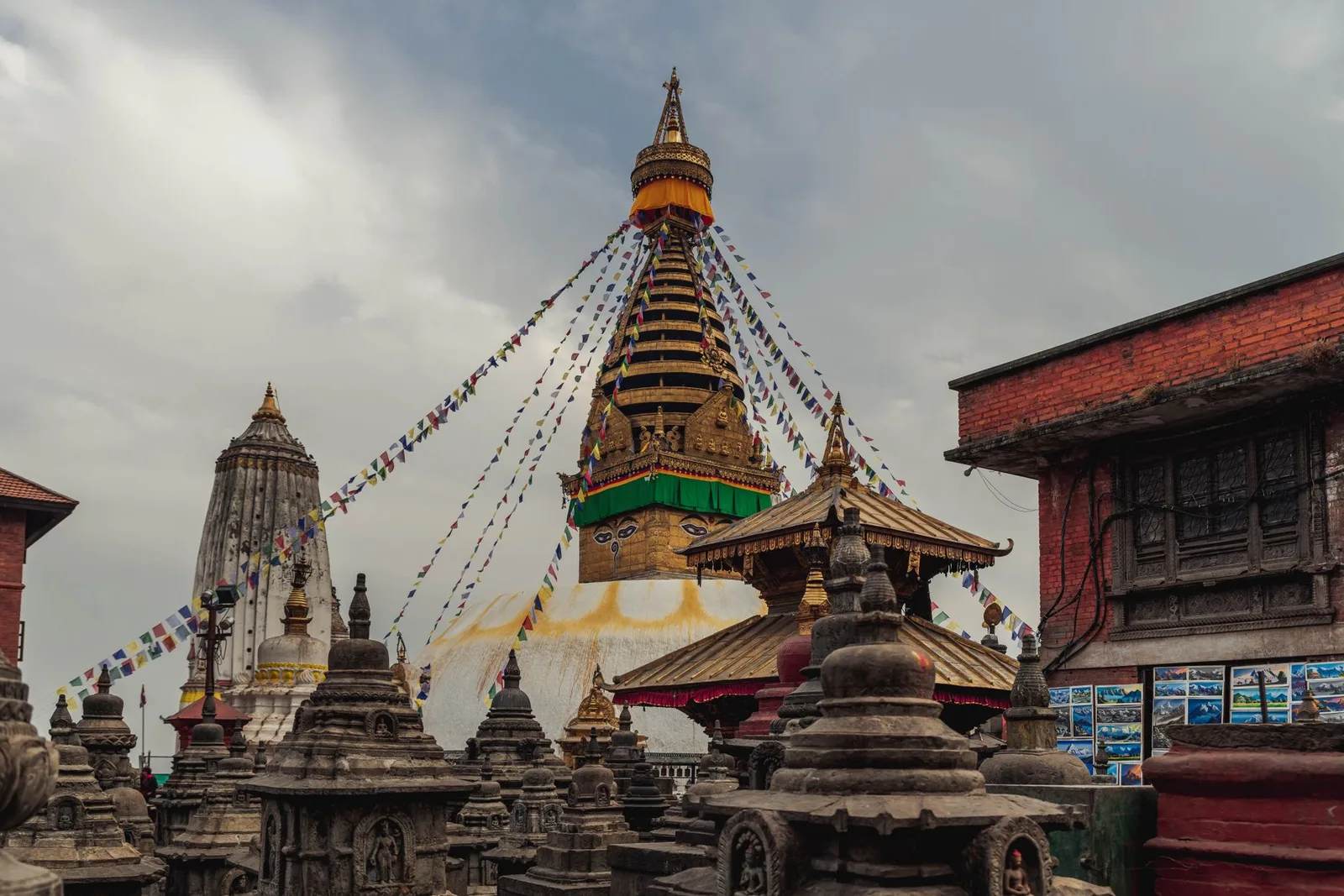
Once a year, a carved stone face in Kathmandu's Durbar Square starts dispensing rice beer to a crowd standing directly beneath it, and nobody finds this strange. That is Indra Jatra, Kathmandu's biggest and oldest street festival, and in 2026 it runs from Wednesday 23 to Tuesday 29 September, with the main chariot day on Friday 25 September, centred on the old royal palace complex at Hanuman Dhoka.
Key facts
- Indra Jatra 2026 runs from Wednesday 23 September, when the pole is raised, to Tuesday 29 September, with the main chariot day on Friday 25 September
- The festival opens with the raising of the Yosin, a single wooden pole, which tradition credits to 10th-century king Gunakamadeva
- A carved Sweta Bhairav mask dispenses rice beer through a pipe in its mouth on select days of the festival
- The Kumari chariot procession was established by 18th-century king Jayaprakash Malla and still runs the same Basantapur route today
The festival honours Indra, the Vedic king of heaven and god of rain, at the point in the Nepali calendar — the waxing moon of Bhadra into Ashwin — when the monsoon should be finishing and the harvest is close. Raising the Yosin pole in front of Hanuman Dhoka is the ritual invitation: a single tree trunk set upright as a line between heaven and earth, asking Indra down to bless the coming season before it is lowered again eight days later to close the festival.
The costumed cast is the part visitors remember. The Majipa Lakhey — a red-faced guardian demon danced only once a year, in a papier-mâché mask and a costume that can weigh up to 50 kilograms — moves through the crowd protecting children, part terrifying and part beloved. Alongside him, Sweta Bhairav's mask pours Newari rice beer from a pipe fixed at its mouth, and devotees queue to catch it. And for three of the eight days, the living goddess Kumari is carried through the old city on a gilded wooden chariot alongside the deities Ganesh and Bhairav, pulled by hundreds of hands — a procession first established by King Jayaprakash Malla in the 18th century that unified the city's kings with its oldest living tradition, and is still the one moment each year the Kumari leaves her palace for the street.
| Figure | Role | Days seen |
|---|---|---|
| Kumari, Ganesh & Bhairav chariots | Living-goddess procession through Basantapur | 3 of 8 |
| Majipa Lakhey | Masked guardian dance, protector of children | 1 of 8 |
| Sweta Bhairav mask | Dispenses rice beer to devotees | Select days |
| Yosin pole | Raised to open the festival, lowered to close it | Day 1 & Day 8 |
Indra Jatra 2026, day by day
| Date | What happens |
|---|---|
| Sat 19 Sept, 8:05am | The Yosin pole is brought into the city |
| Wed 23 Sept, 7:47am | The Indra flagpole is raised at Hanuman Dhoka; the festival opens |
| Fri 25 Sept | Main day: the Kumari’s chariot is pulled through the lower town; public holiday in the Kathmandu Valley |
| Sat 26 Sept | Chariot procession through the upper town |
| Tue 29 Sept, 9:25pm | Nanicha, when only women pull the chariot; the pole is lowered and the festival closes |
What this means for trekkers
What this means for you
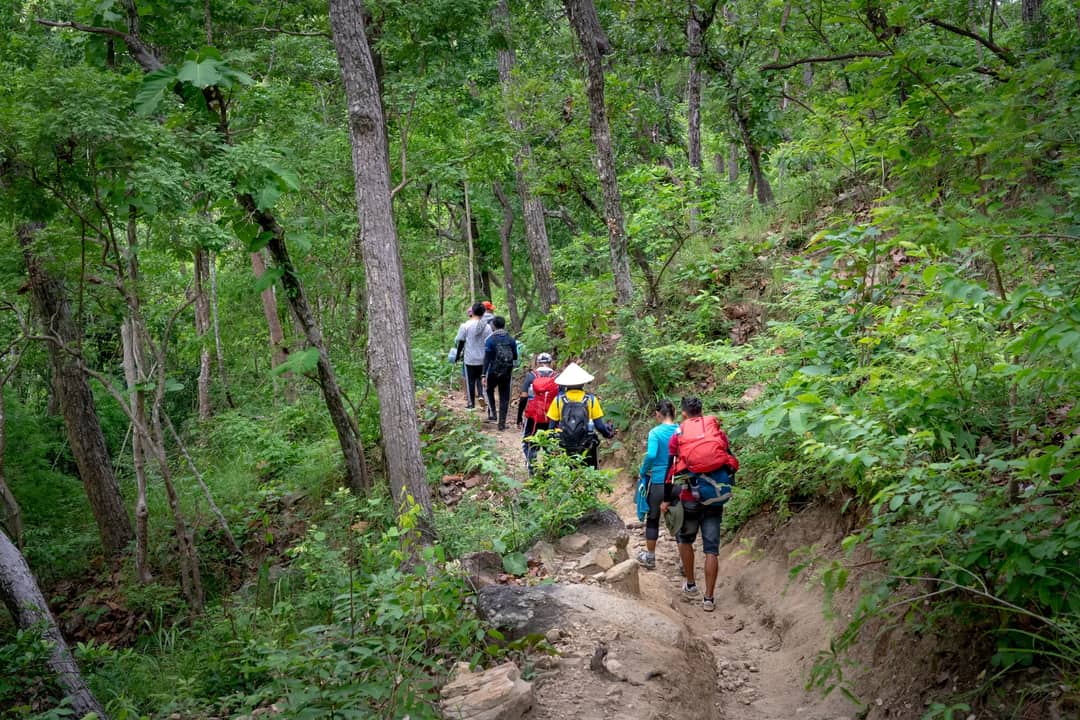
If a Nepal trip lands between 23 and 29 September 2026, building in even one extra day in Kathmandu turns a transit city into the reason to come. Base yourself near Durbar Square, expect the lanes around Hanuman Dhoka to be genuinely packed on the chariot days, keep well back from the ropes and the Kumari herself, and dress modestly — it is a religious procession before it is a spectacle.
Most visitors see Indra Jatra as bookends to a trek rather than the whole trip: fly in, catch the festival, then head for the hills once the chariots are put away. A Kathmandu Valley cultural tour covers Durbar Square and the surrounding Newar towns properly rather than rushing them between processions, while a single Kathmandu day tour works if the festival is a stopover before you fly onward to a trek.
Sources: Wikipedia (Indra Jatra); PublicHolidays.asia.
Cover photo: SuyogyaRT via Wikimedia Commons (CC BY-SA 3.0). Section photos: Mick Latter via Pexels (Pexels licence); Quang Nguyen Vinh via Pexels (Pexels licence).
Still running this season
Kathmandu UNESCO Heritage Sites — 1 Day is running normally
NMA-certified local guides, transparent pricing, 5,000+ treks since 1998. Message us your dates and we'll sort the permits, lodges and logistics — reply within 24 hours, no obligation.
Popular Nepal treks
All treks →
Related coverage
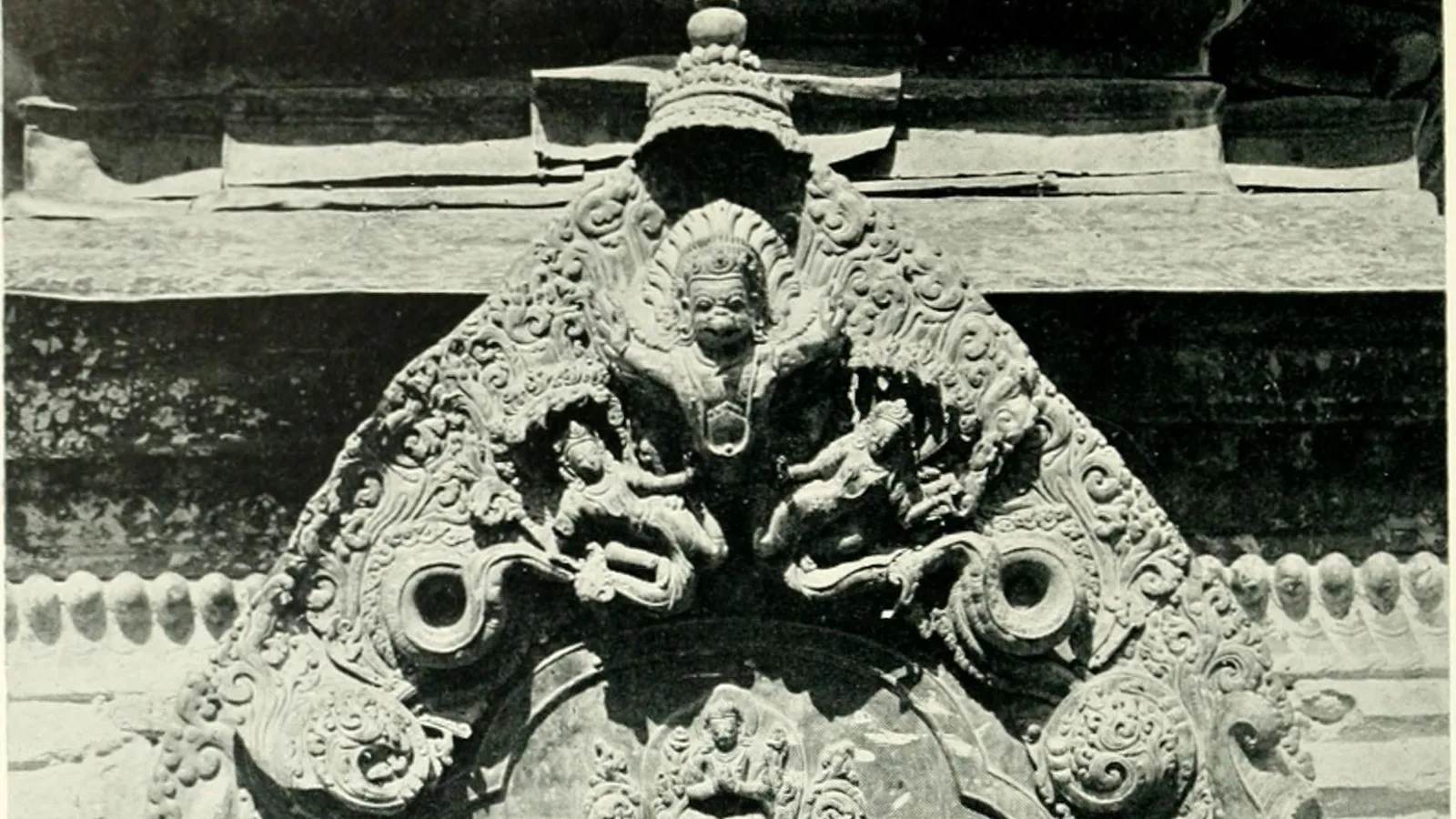
Festivals & Events
Nepal Gives Every Dog a Flower Garland and a Tika, Even the Ones on the Street
On the second day of Tihar, Nepal puts a mark of worship on its street dogs, from the stray on the corner to the police dog on duty.
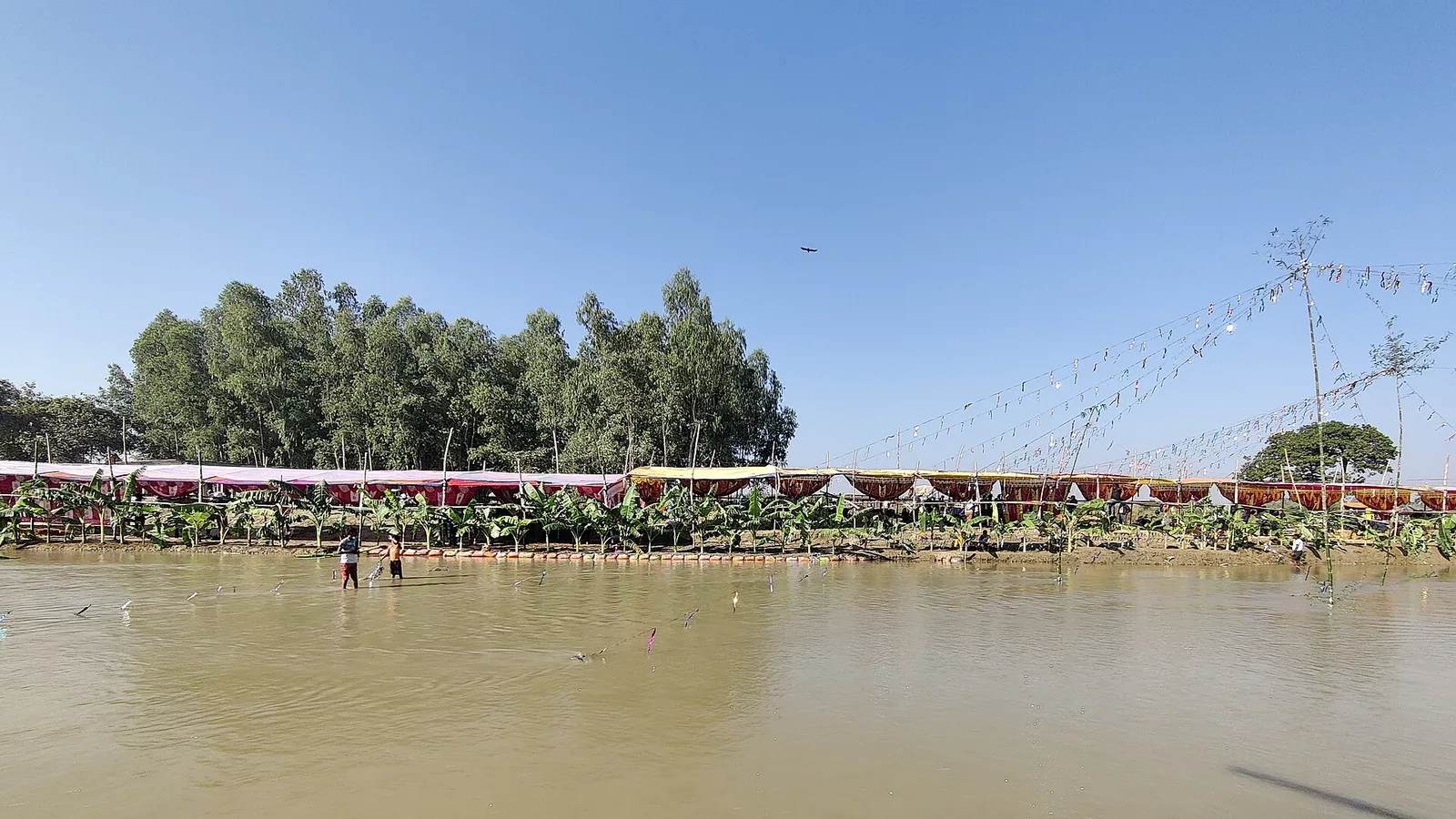
Festivals & Events
Chhath 2026 in Nepal, the Terai’s sun-worship festival explained
Four days of fasting, river-standing and dawn offerings
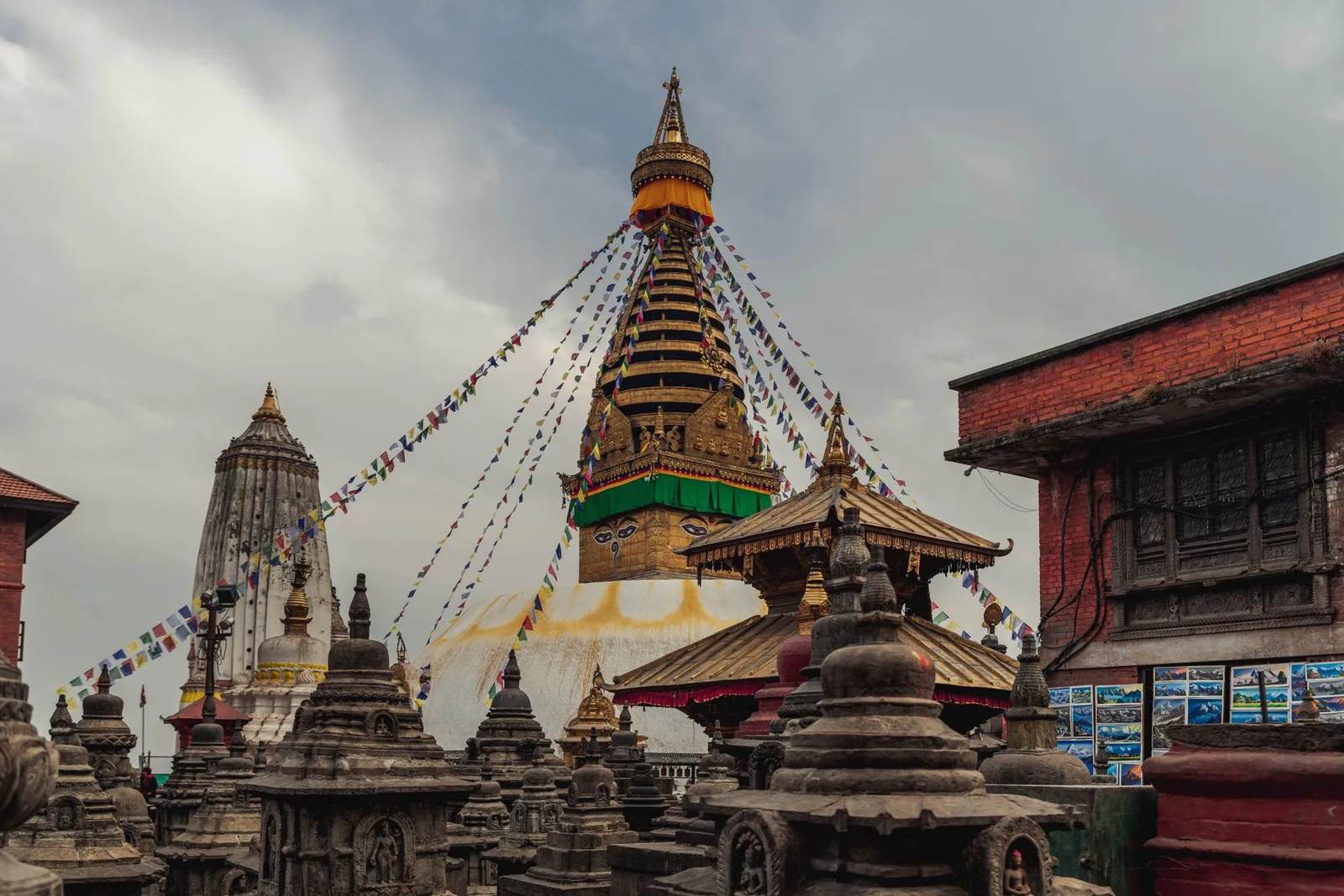
Safety & Advisories
Is a Kathmandu Valley Tour Affected by the 2026 Nepal Floods?
No — Kathmandu is the capital, at about 1,400 m in central Nepal, well south of the Rasuwa flood. The airport is running normally and every UNESCO heritage site in the valley is open. Here is the honest, detailed status.
Festivals & Events
Dashain 2027 tika is Saturday 9 October, twelve days earlier than this year
Dashain 2027 runs 30 September to 14 October, tika on Saturday the 9th. Bhai Tika is 31 October. Why the early date matters for an autumn trek.
Latest from the desk
Breaking Safety & Advisories
An Avalanche Buried Himlung Himal's Base Camp in Nepal, and Ten Climbers and Staff Are Missing
An avalanche hit Himlung Himal's base camp in Nepal's Manang district on 27 September, and rescuers are searching snow for ten missing climbers and staff.

Money & Insurance
You Could Be Owed Cash From a $167 Million Visa and Mastercard Settlement, Here's How to Check
Visa and Mastercard are paying $167.5 million after allegedly blocking cheaper ATM fees, and the claim deadline is 10 February 2027.
Wildlife & Nature
Chitwan or Bardia, here's which Nepal safari you should actually book
Nepal's 2026 tiger census found record numbers in Chitwan and a rare decline in Bardia, and it changes the honest answer to which safari to book.