
The Sacred Nepal Peak No One Is Allowed to Climb — Even Though a Team Got Within 150 Feet
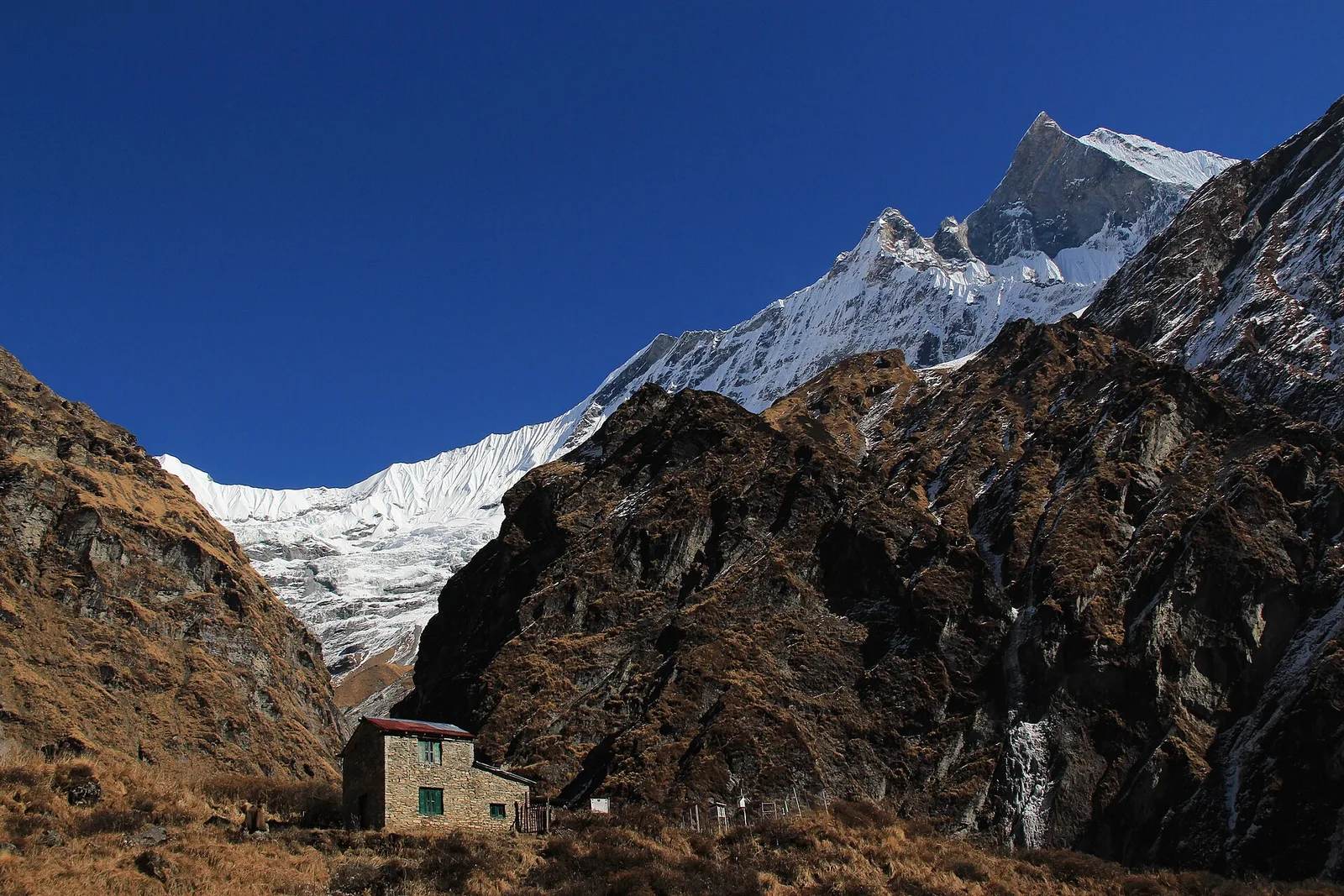
Machapuchare has stood unclimbed since 1957, not because the summit is out of reach, but because Nepal decided some mountains should stay untouched.
At a glance
- Published · updated
- TopicRecords & People
- Verified againstWikipedia (compiled academic/historical record)
- Treks coveredAnnapurna Base Camp Trek — 15 Days from Kathmandu, Ghandruk Village Trek — 3 Days, Mardi Himal Trek — 7 Days
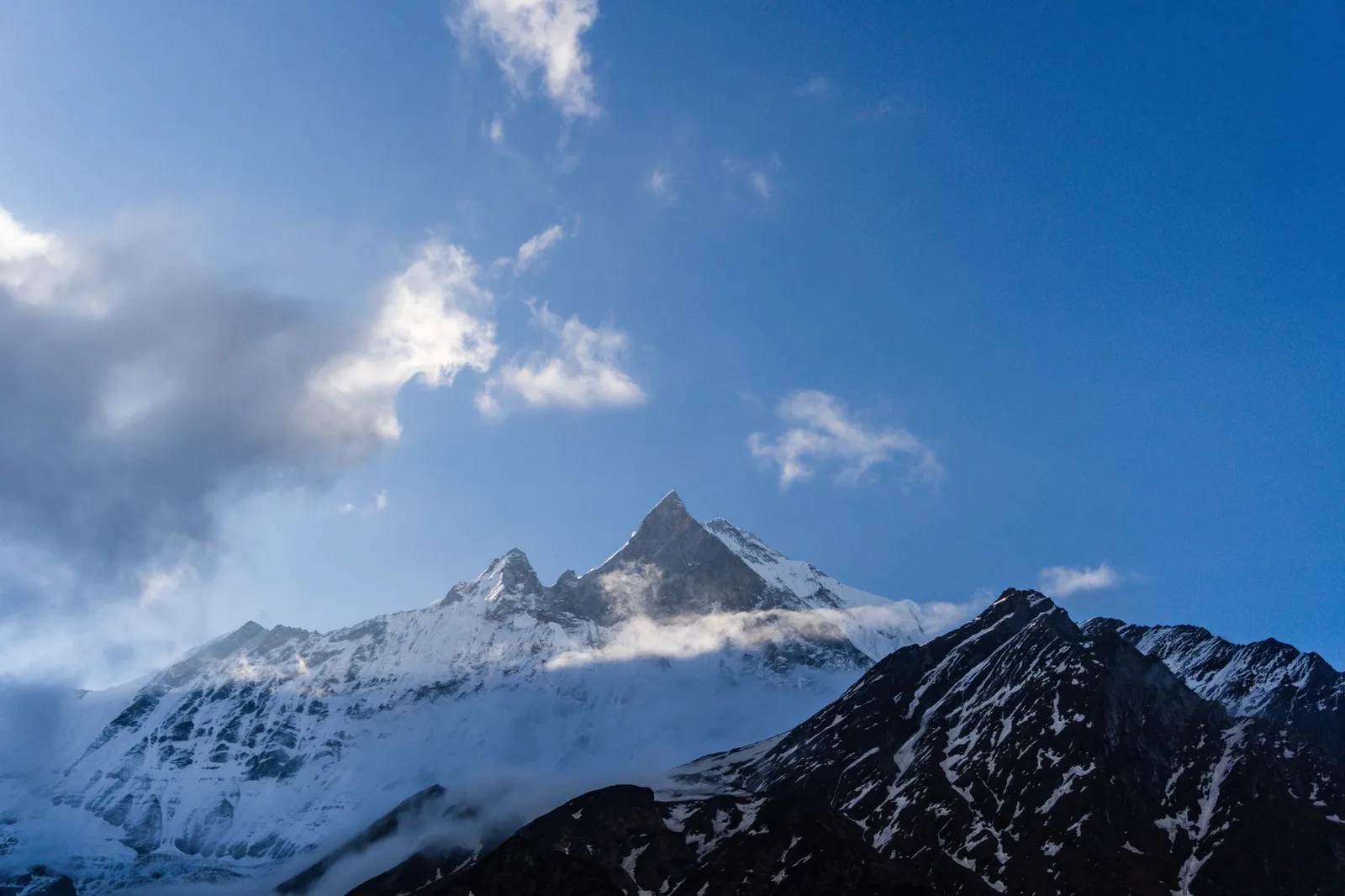
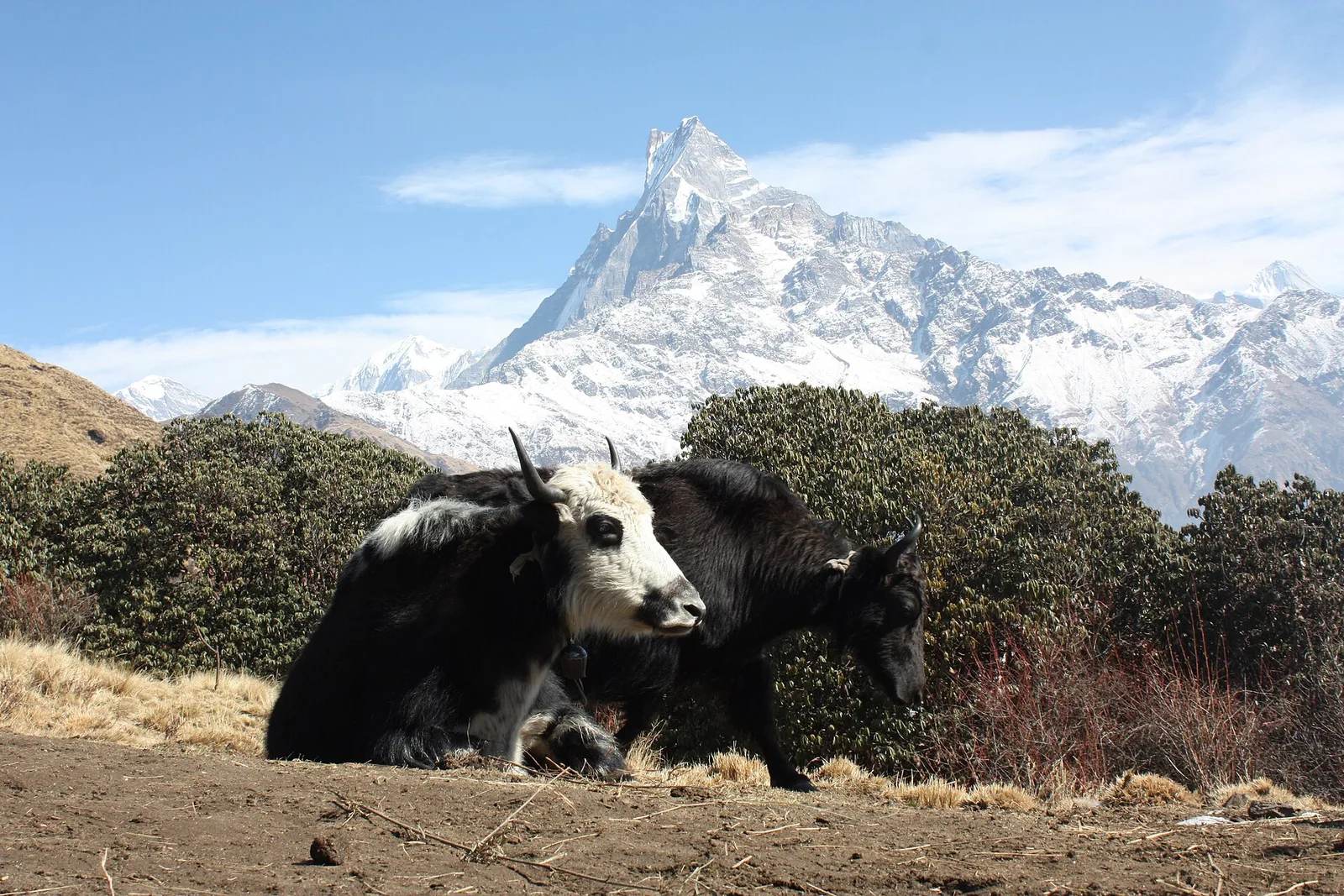
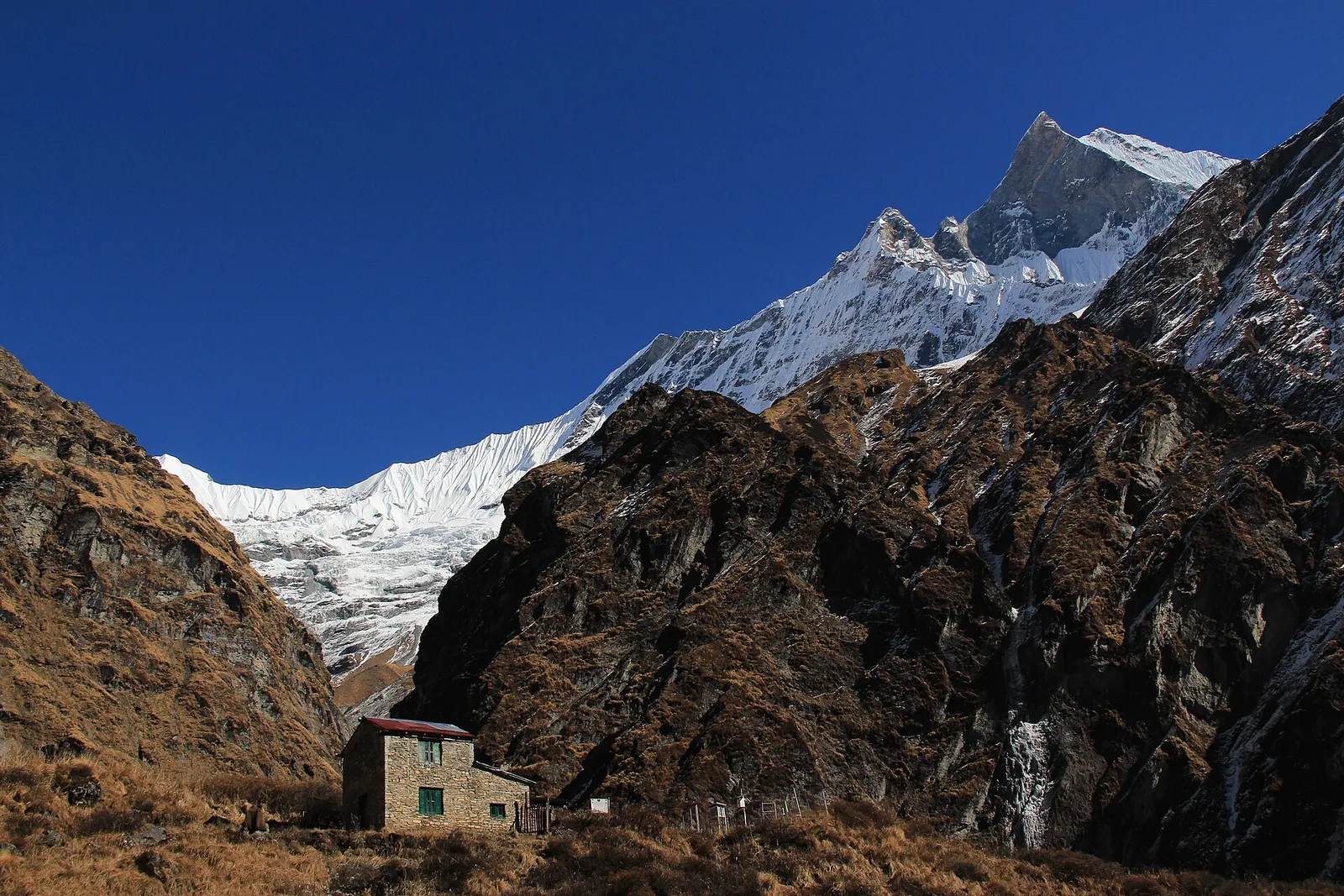
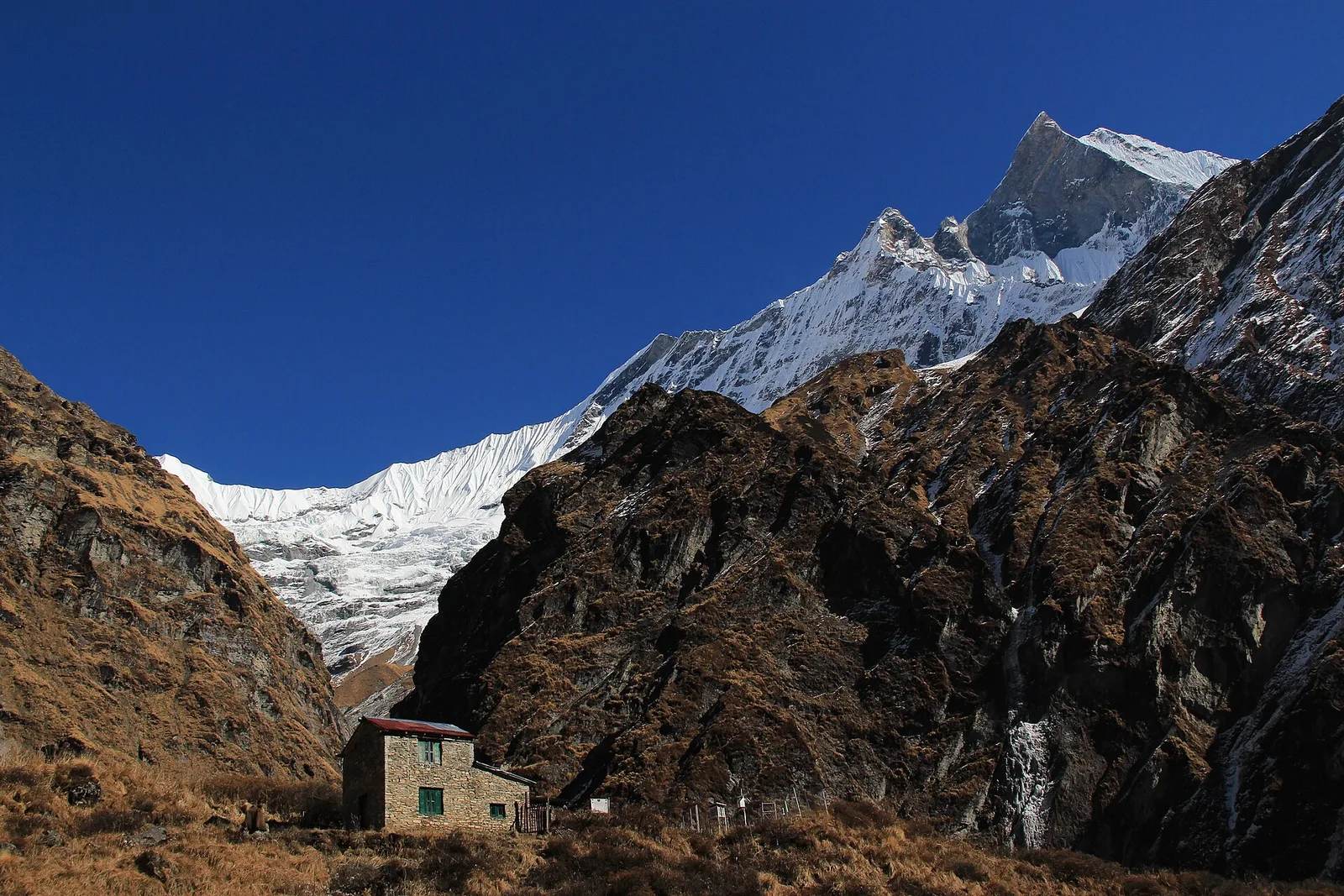
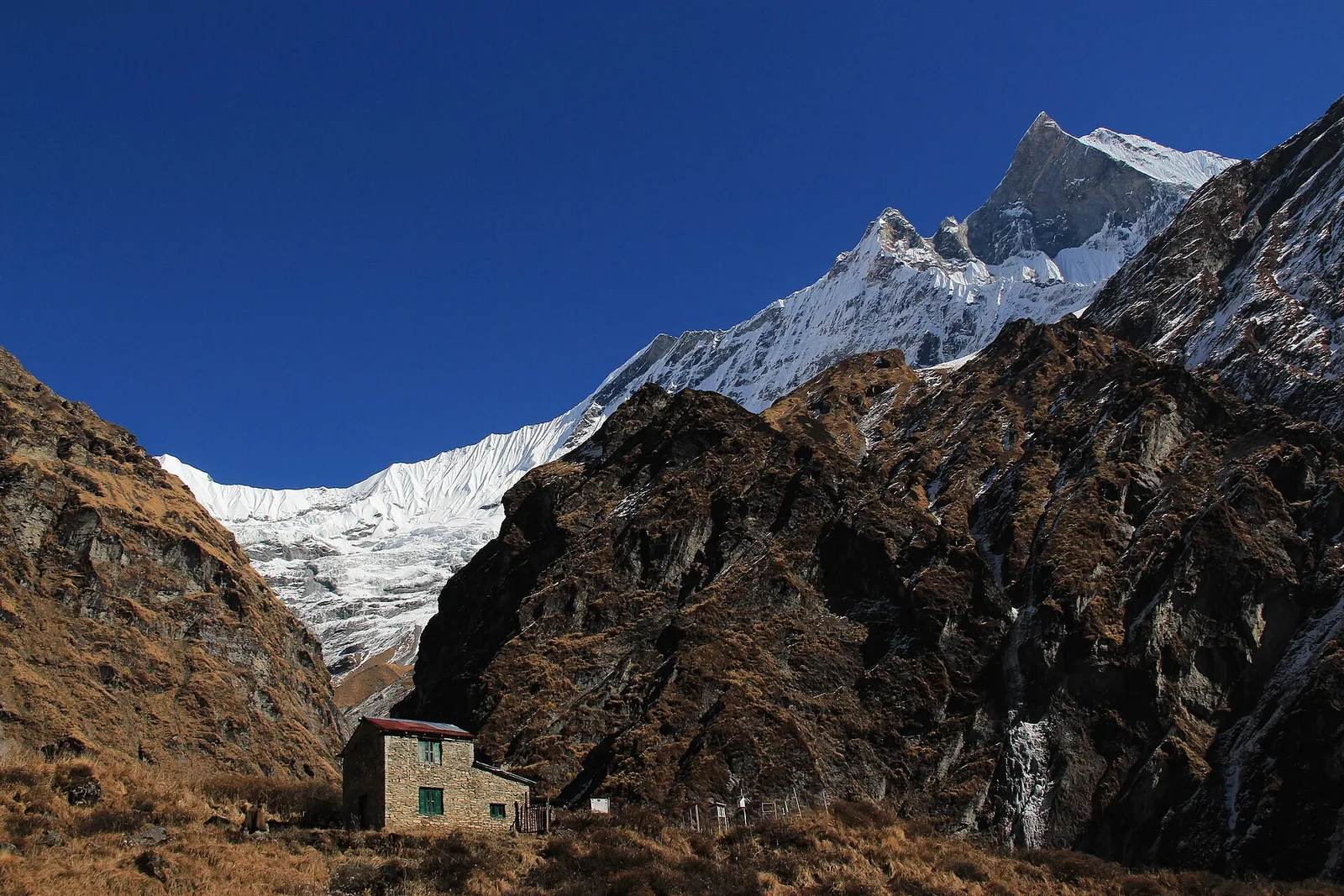
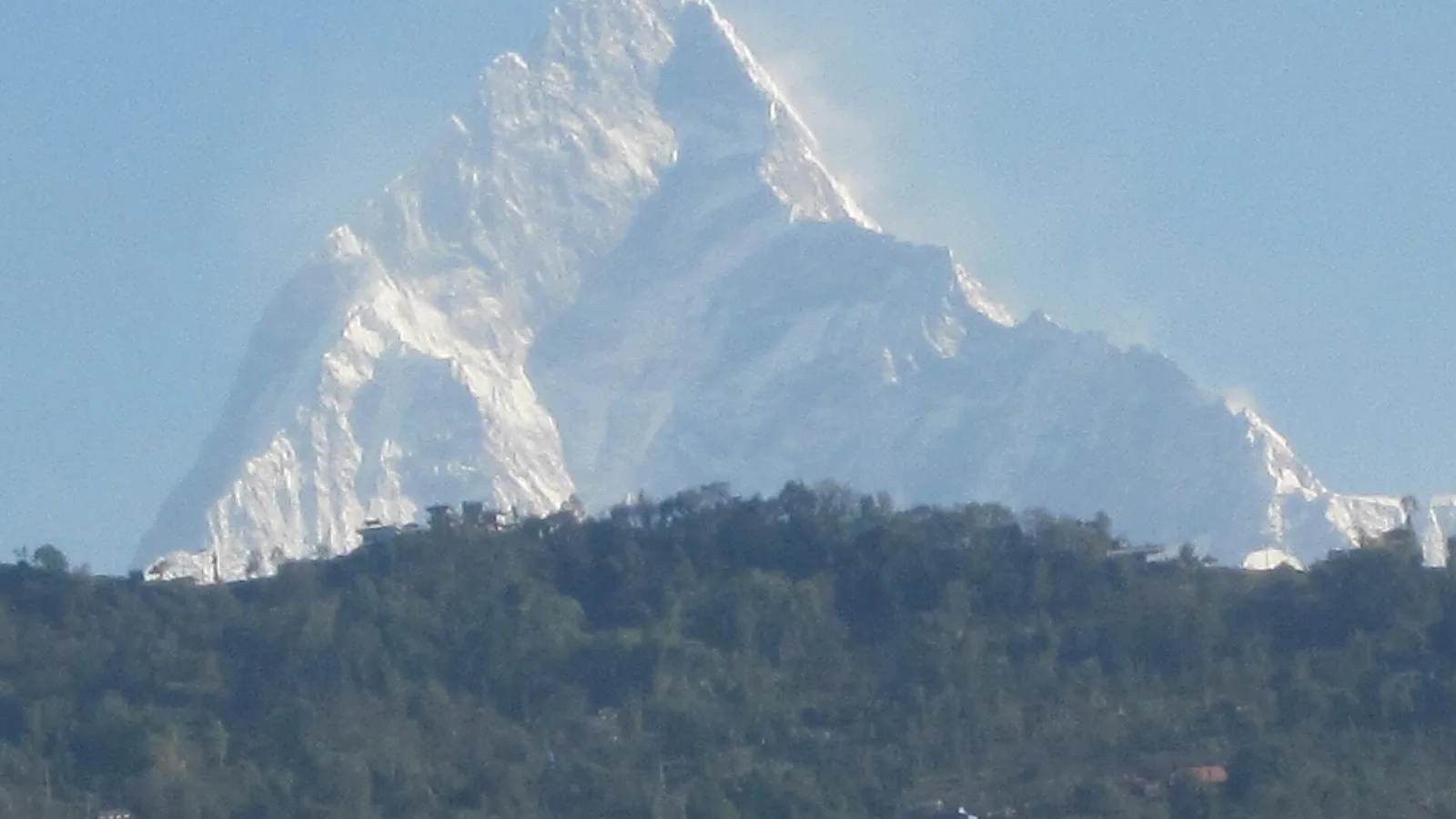
In 1957, two British climbers stood roughly 150 feet below the top of a Himalayan peak — closer to a summit most people will never see up close in their lives — and then turned around and climbed back down. They had permission to go no further. Nearly seventy years later, nobody has legally gone higher. Machapuchare, the 6,993-metre "Fishtail" peak that towers over Pokhara, is one of the only major mountains on Earth that has never been officially summited — and Nepal intends to keep it that way.
Key facts
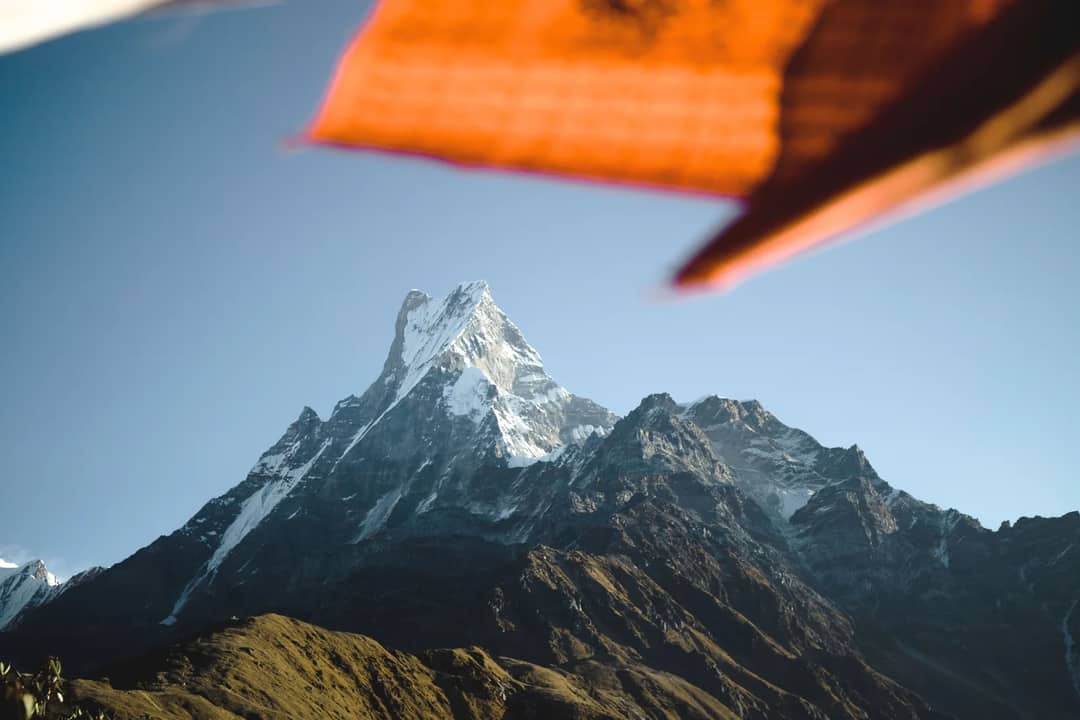
- Elevation: 6,993 m (22,943 ft), in the Annapurna massif, about 25 km north of Pokhara
- Closest confirmed approach: 46 m (150 ft) below the summit, in 1957
- No climbing permit has been issued since — 69 years and counting
- Sacred to the Gurung people as a home of the god Shiva
How close anyone has come
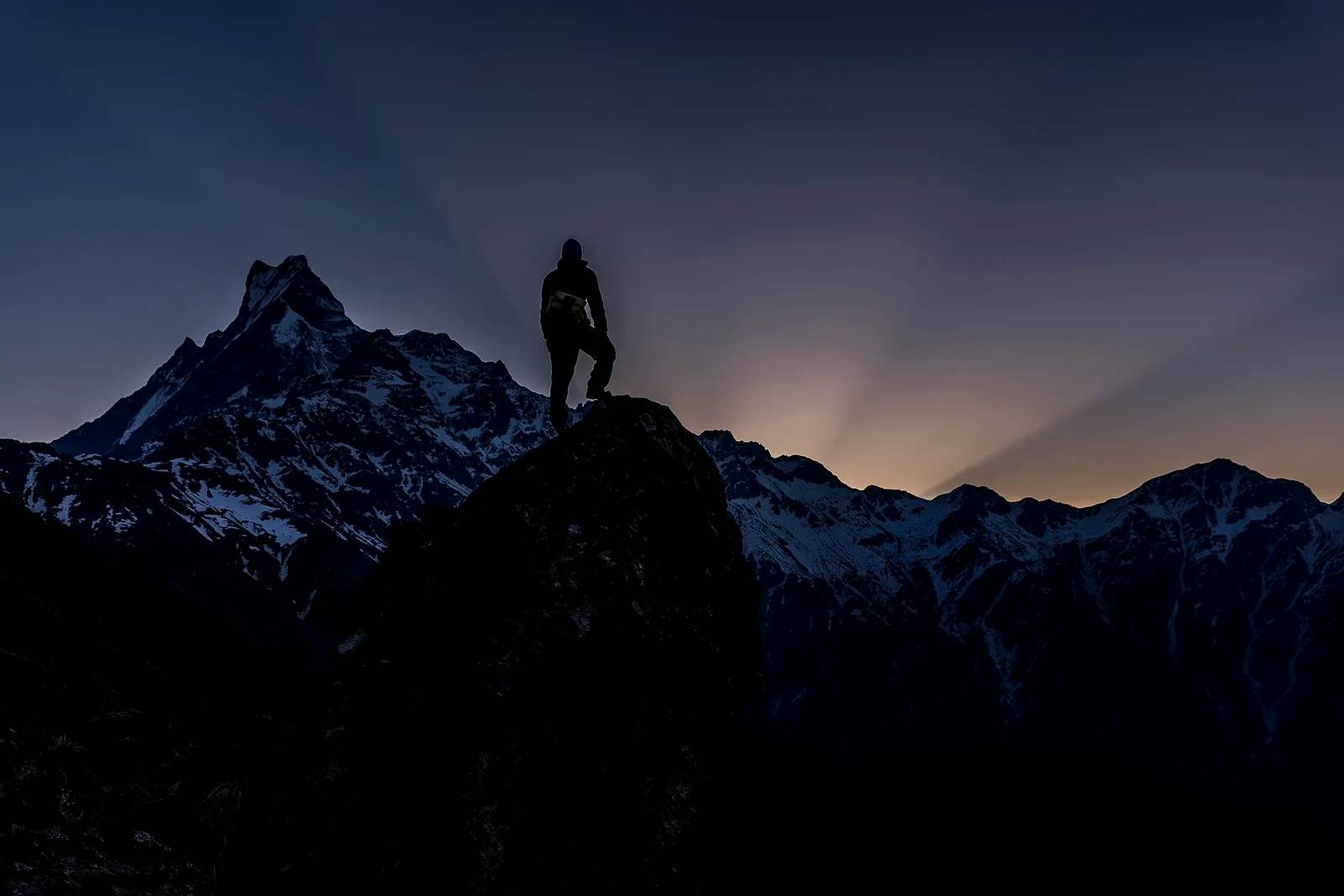
The story starts with a British expedition led by Lieutenant Colonel Jimmy Roberts — the same Roberts often credited with inventing commercial trekking in Nepal. Climbers Wilfrid Noyce and A. D. M. Cox worked their way up the north ridge and reached an altitude of about 6,947 metres, a stone's throw from the true top. King Mahendra had granted the expedition permission to climb the mountain on one condition: they were not to set foot on the actual summit. They kept their word, turned around, and descended. Nepal's government has not issued a permit for the peak since.
There is one footnote. New Zealand climber Bill Denz is reported to have reached the top alone and without a permit in the early 1980s. The claim has never been confirmed, and it cannot be now: Denz was killed in an avalanche on Makalu on 3 October 1983. There is still no confirmed, permitted ascent.
Smaller than its neighbours, and still untouched
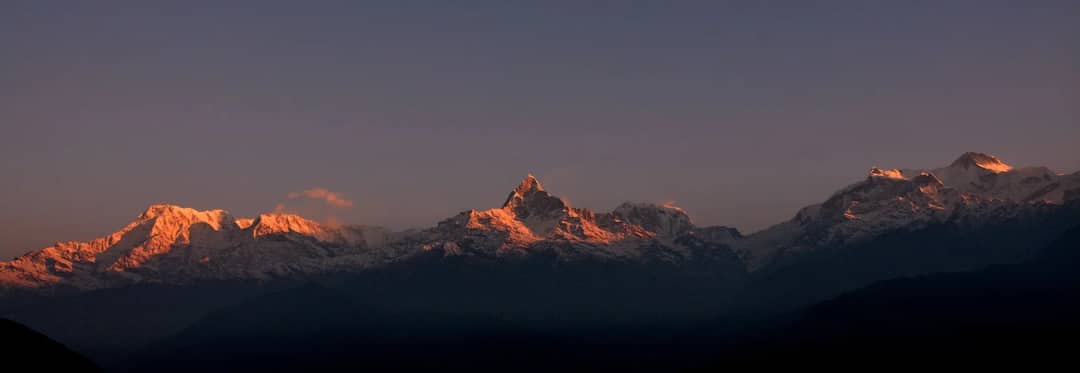
What makes the ban notable is that Machapuchare isn't even one of Nepal's giants. It sits thousands of metres below its 8,000 m neighbours — yet those peaks have been climbed hundreds of times each, while Machapuchare has zero confirmed legal ascents:
| Peak | Height | Status |
|---|---|---|
| Annapurna I | 8,091 m | Climbed since 1950 |
| Dhaulagiri | 8,167 m | Climbed since 1960 |
| Machapuchare | 6,993 m | Never officially summited |
Why the mountain stays closed
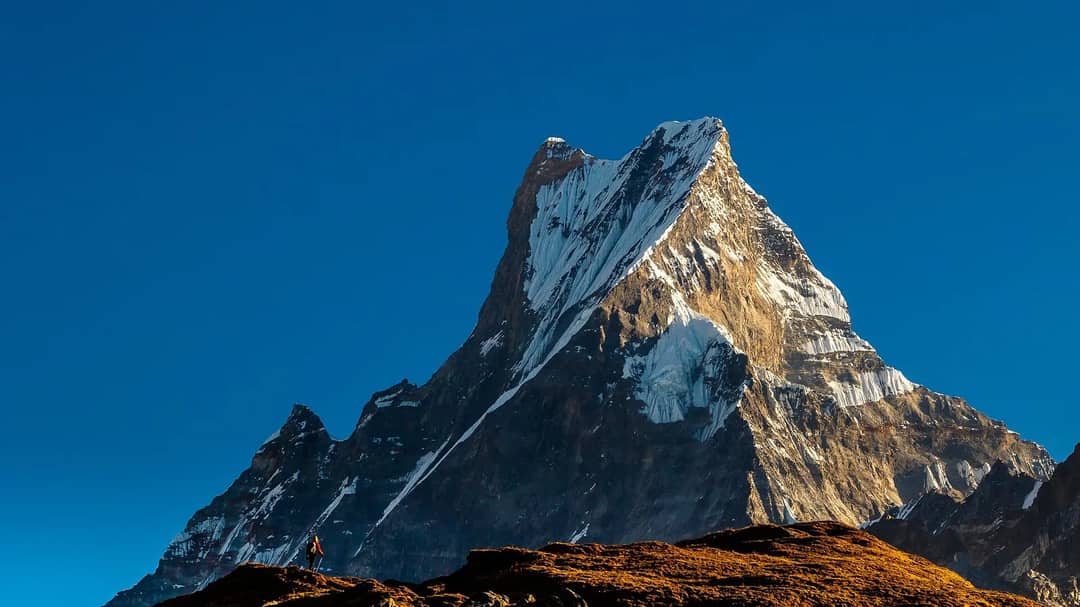
The reason isn't technical difficulty — it's the mountain's meaning. For the Gurung communities of Chomrong and the wider Annapurna region, Machapuchare is believed to be the home of Shiva, and its double summit (the source of its "fish tail" name) is treated as inviolable. Nepal has never published a reason for refusing every climbing permit since 1957, but the mountain’s sacred status is the explanation almost everyone in the region gives — and nearly seventy years of applications have not moved the decision.
Where to see it without a permit
What this means for trekkers
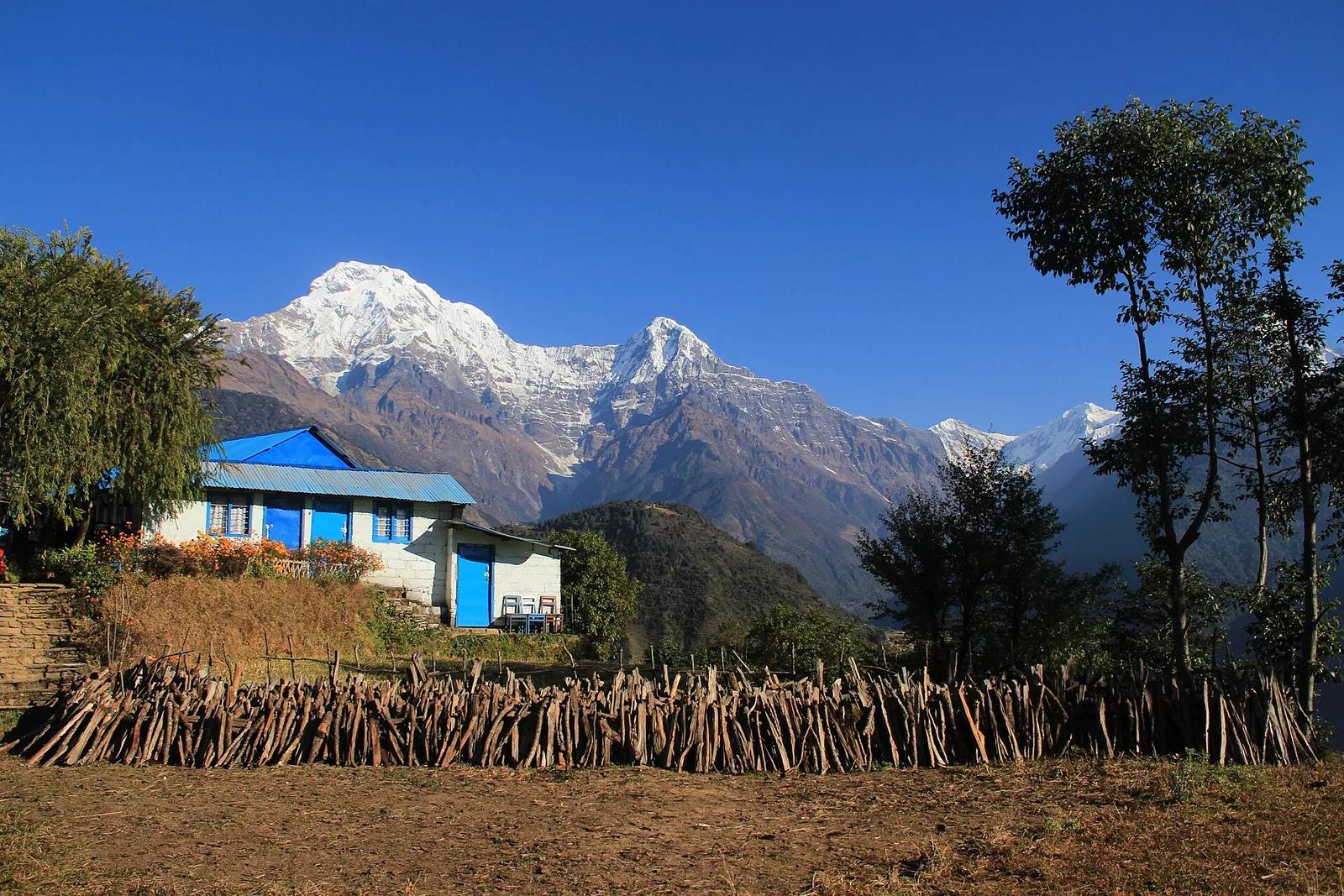
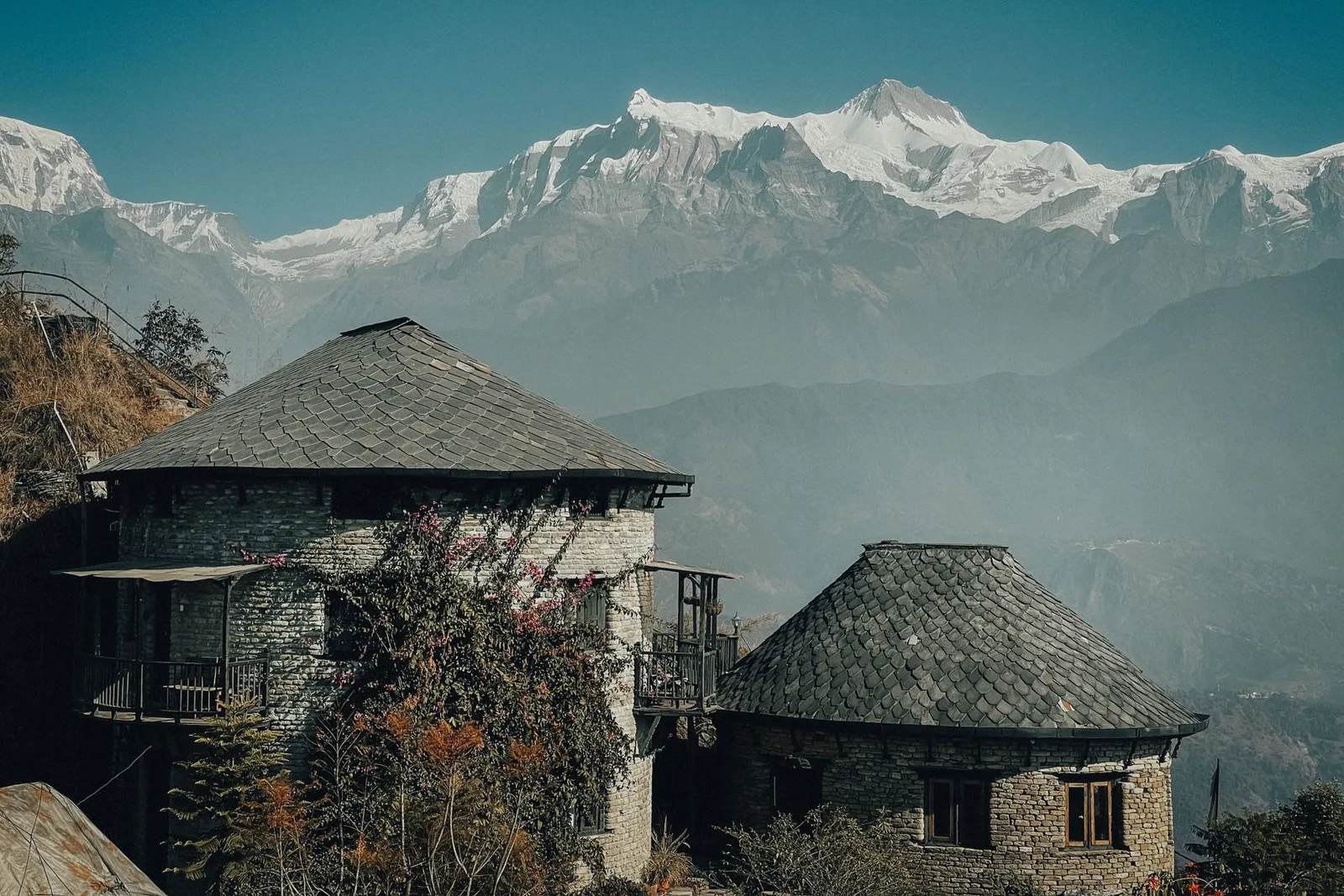
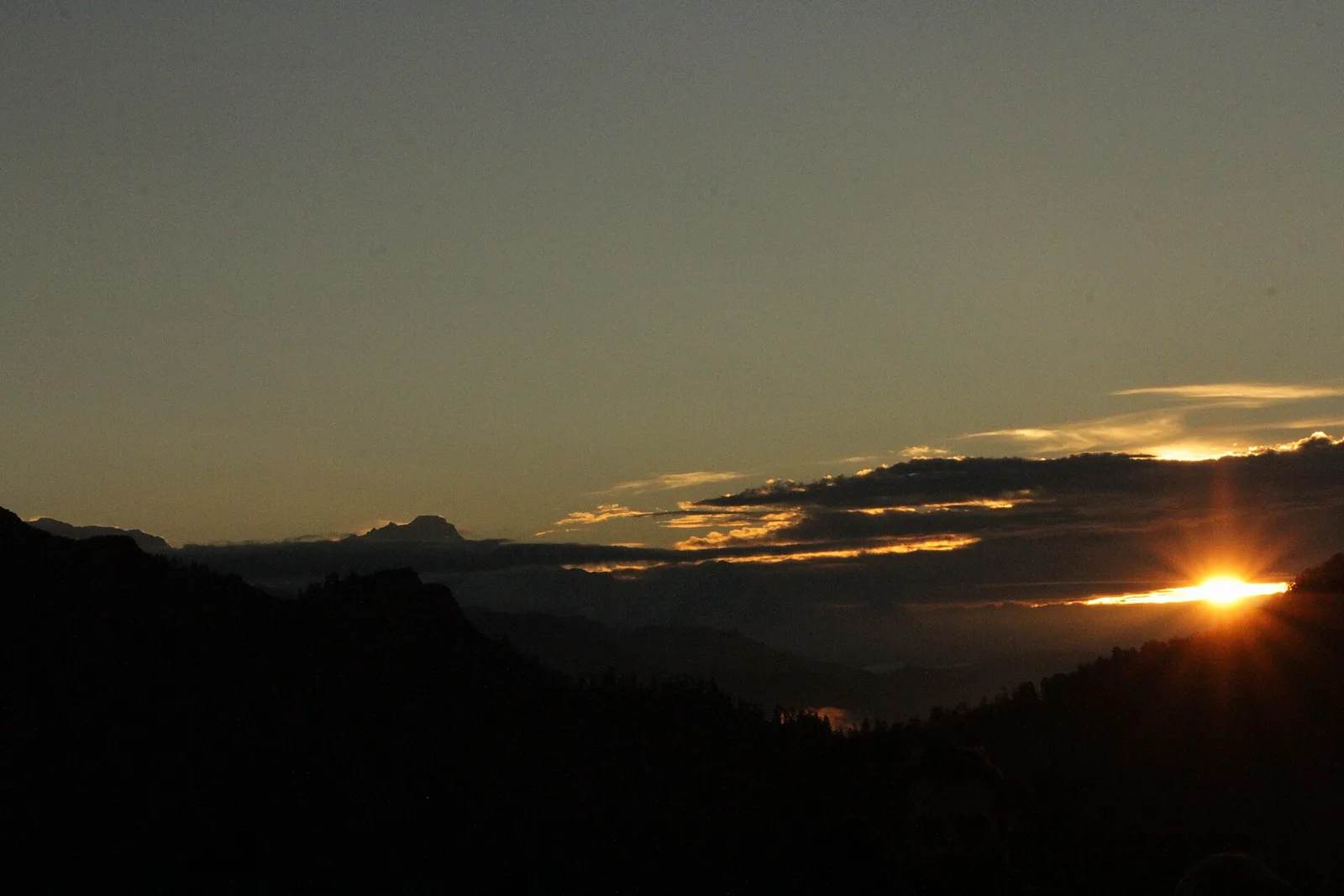
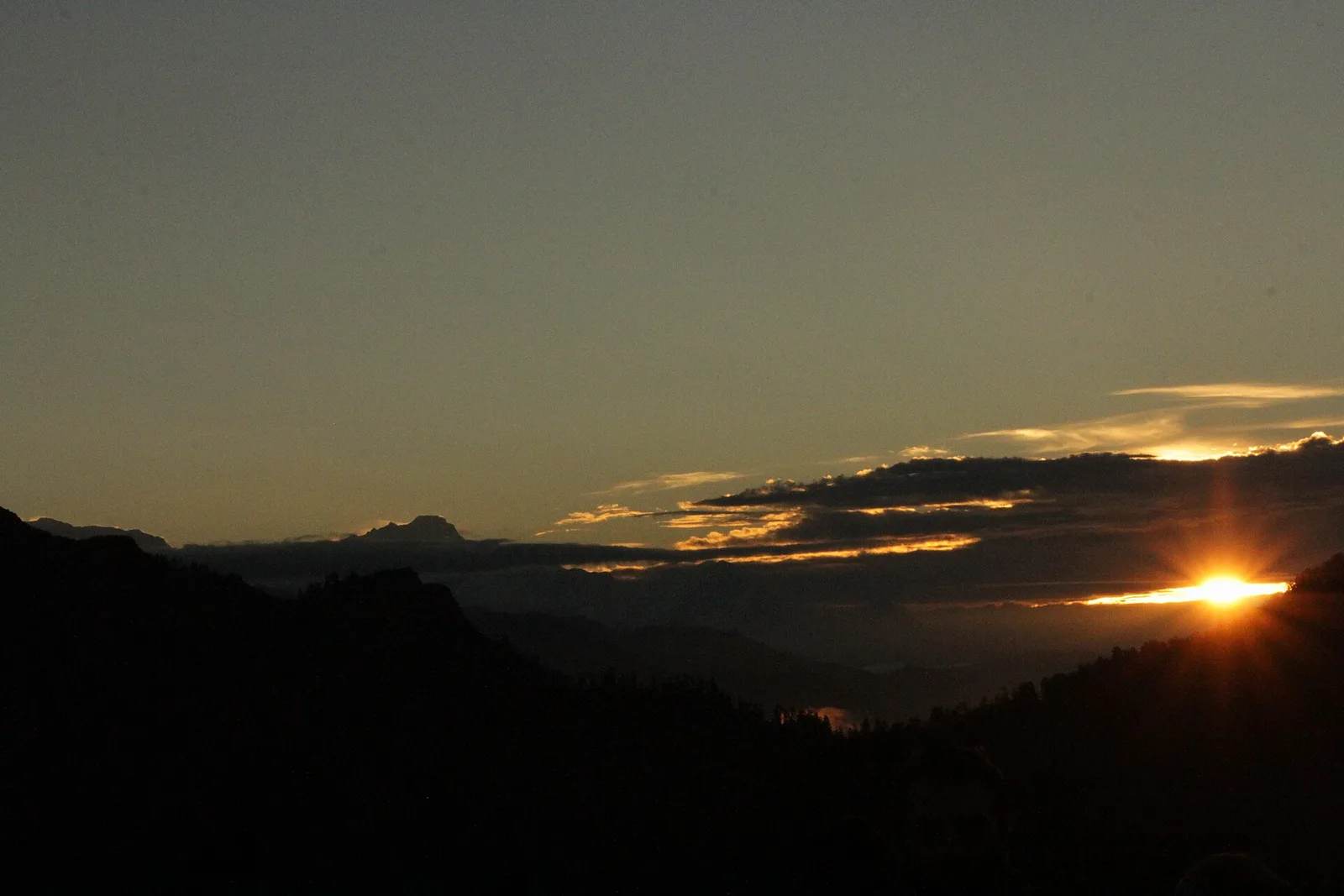
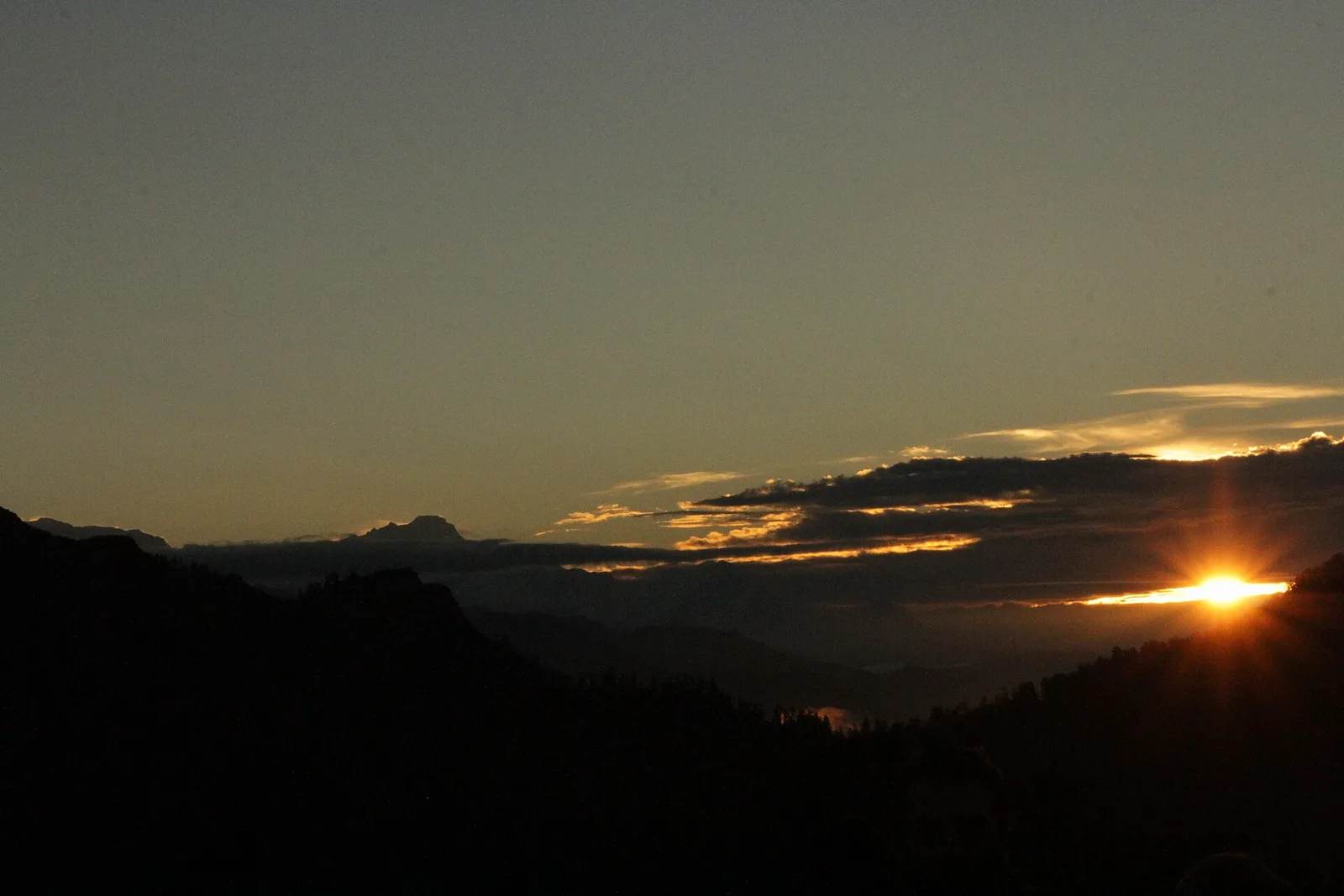
You don't need a permit to see Machapuchare — you need a decent vantage point. It dominates the skyline on the Annapurna Base Camp trek, is the signature view from Mardi Himal Trek's high camp, and looms directly above Ghandruk village. Unlike Everest, which you barely see from its own base camp, Machapuchare fills the sky at close range from all three trails — on a clear morning, arguably the best reward-to-effort mountain view in the Annapurna region, and you never have to touch a rope.
Nepal has quietly kept a handful of peaks off-limits for reasons like this — a reminder that not every summit in the Himalaya is for sale. Machapuchare remains the most visible example: a 6,993-metre mountain, watched by thousands of trekkers every season, that no living person has a legal claim to having stood on top of.
Source: Wikipedia — Machapuchare
Cover photo: Abdul Kayum via Pexels (Pexels License). Section photos: Ashok J Kshetri via Pexels (Pexels licence); Mark de Jong via Pexels (Pexels licence); Nrik kiran via Wikimedia Commons (CC BY-SA 4.0).
Still running this season
Annapurna Base Camp Trek — 15 Days from Kathmandu is running normally
NMA-certified local guides, transparent pricing, 5,000+ treks since 1998. Message us your dates and we'll sort the permits, lodges and logistics — reply within 24 hours, no obligation.
Popular Nepal treks
All treks →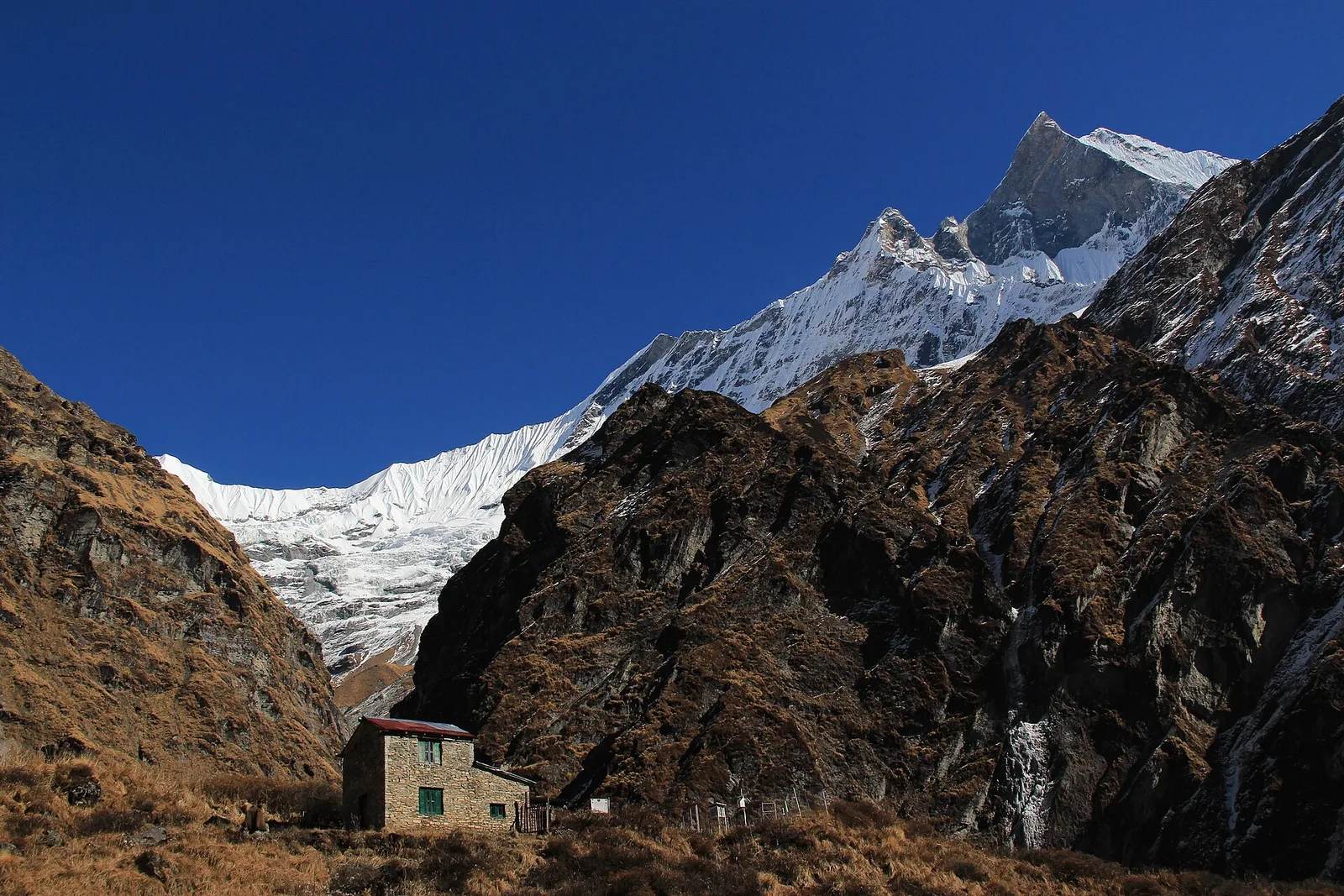
Related coverage
Records & People
Machapuchare Is the Nepal Mountain Nobody Has Ever Been Allowed to Summit (2026)
At 22,943 feet, Machapuchare towers over the Annapurna Sanctuary, and by Nepal's own law, no one has legally set foot on its true summit since a British team turned back 150 feet short of it in 1957.

Records & People
Nims Purja’s Project Possible, and how he climbed all 14 peaks in six months
How Nirmal 'Nims' Purja climbed every 8,000-metre mountain in 189 days in 2019, shattering a record that had stood almost eight years — and how the speed record has fallen twice since. Every date and time sourced.
Records & People
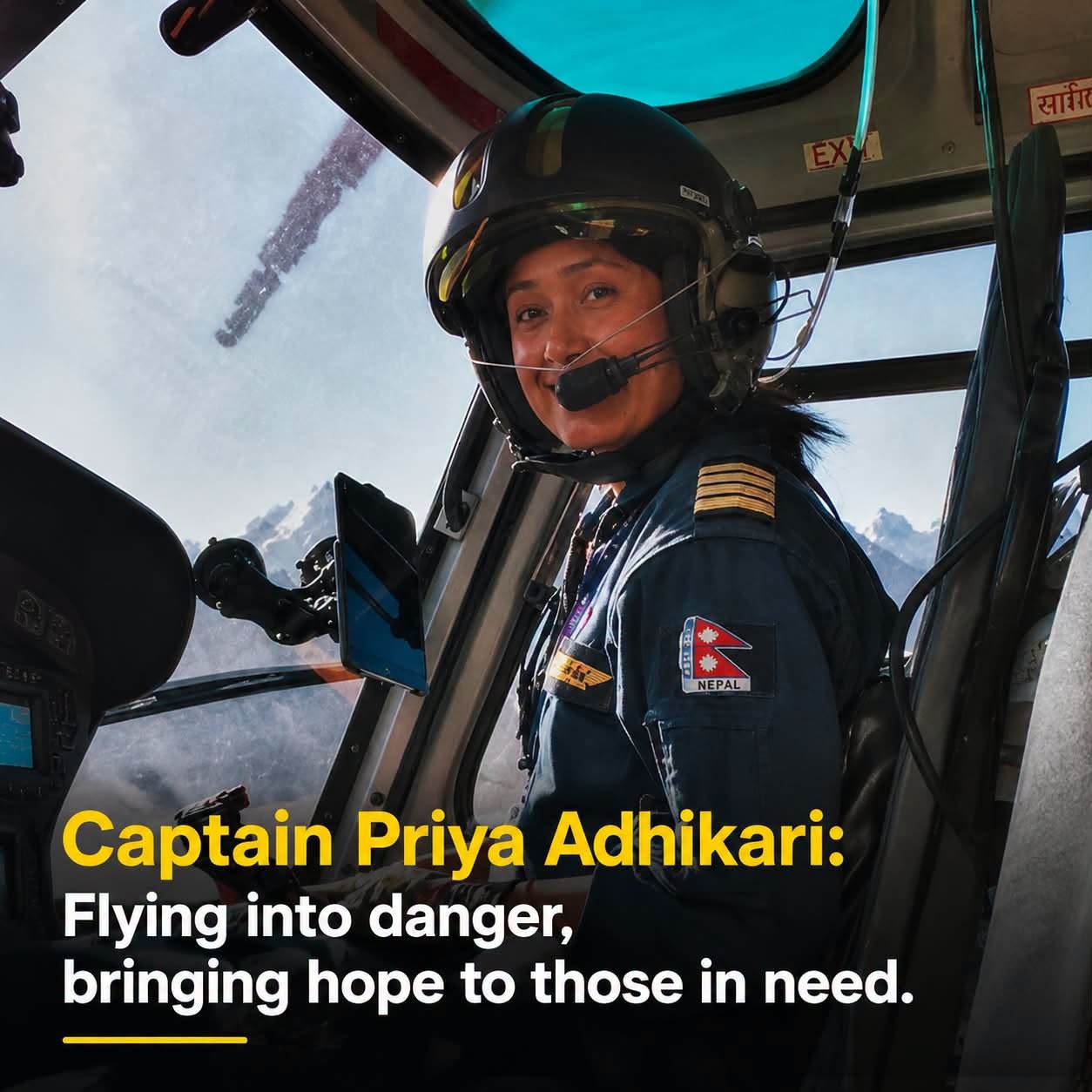
Nepal’s first woman helicopter captain flew nearly 100 rescues in six days
Priya Adhikari has flown over 1,000 Himalayan rescues. In the week after the Bhote Koshi flood she flew about a hundred, into places with nowhere to land.

Trail & Weather
Is November too late to trek Nepal in 2026? Here's the honest answer
No - November is often the clearest month of the whole year, and after the festival crowds go home around 10 November the trails empty out while the skies stay 150km-sharp. Here's exactly what changes, and when it really does get too cold.
Latest from the desk
Breaking Safety & Advisories
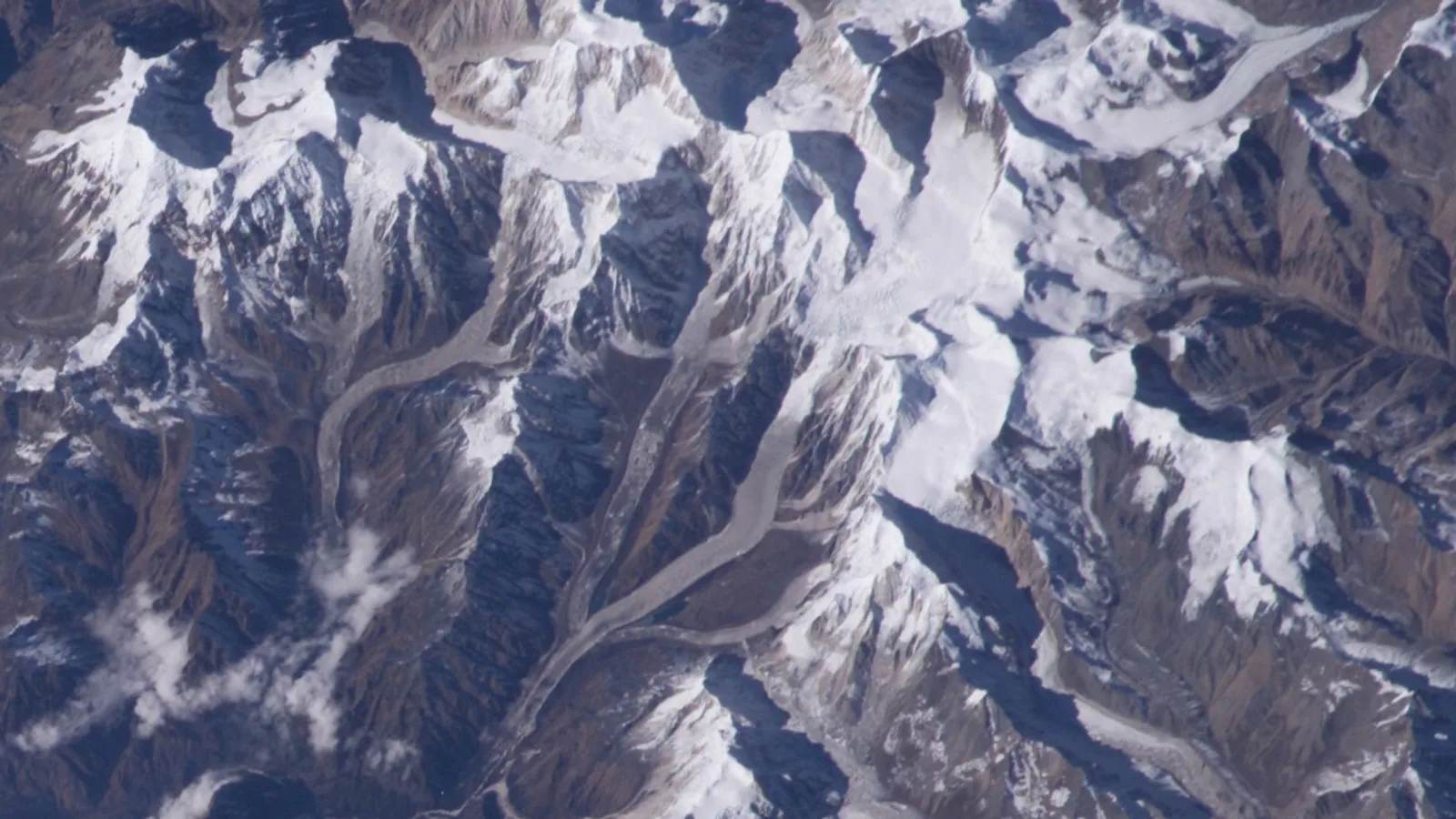
An Avalanche Buried Himlung Himal's Base Camp in Nepal, and Ten Climbers and Staff Are Missing
An avalanche hit Himlung Himal's base camp in Nepal's Manang district on 27 September, and rescuers are searching snow for ten missing climbers and staff.

Money & Insurance
You Could Be Owed Cash From a $167 Million Visa and Mastercard Settlement, Here's How to Check
Visa and Mastercard are paying $167.5 million after allegedly blocking cheaper ATM fees, and the claim deadline is 10 February 2027.
Wildlife & Nature
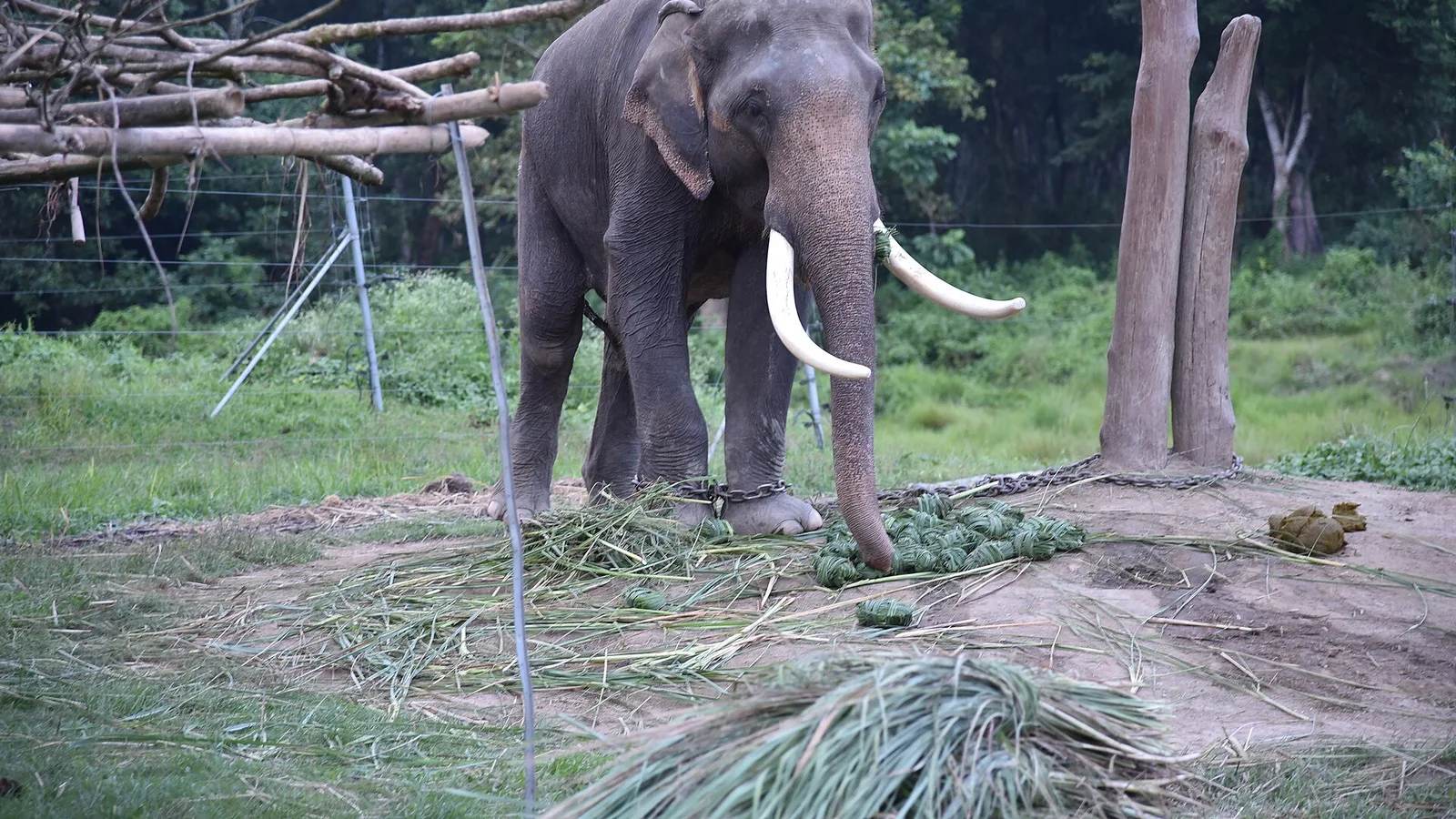
Chitwan or Bardia, here's which Nepal safari you should actually book
Nepal's 2026 tiger census found record numbers in Chitwan and a rare decline in Bardia, and it changes the honest answer to which safari to book.