
The most dangerous 8,000m peak in the Himalaya, and the fatality rate behind it
By deaths per summit, Guinness ranks Annapurna I the deadliest mountain in the Himalaya. The numbers behind it, next to Dhaulagiri and Everest.
At a glance
- Published · updated
- TopicRecords & People
- Verified againstGuinness World Records; The Himalayan Database
- Treks coveredAnnapurna Base Camp Trek — 7 Days, Annapurna Base Camp Trek — 9 Days
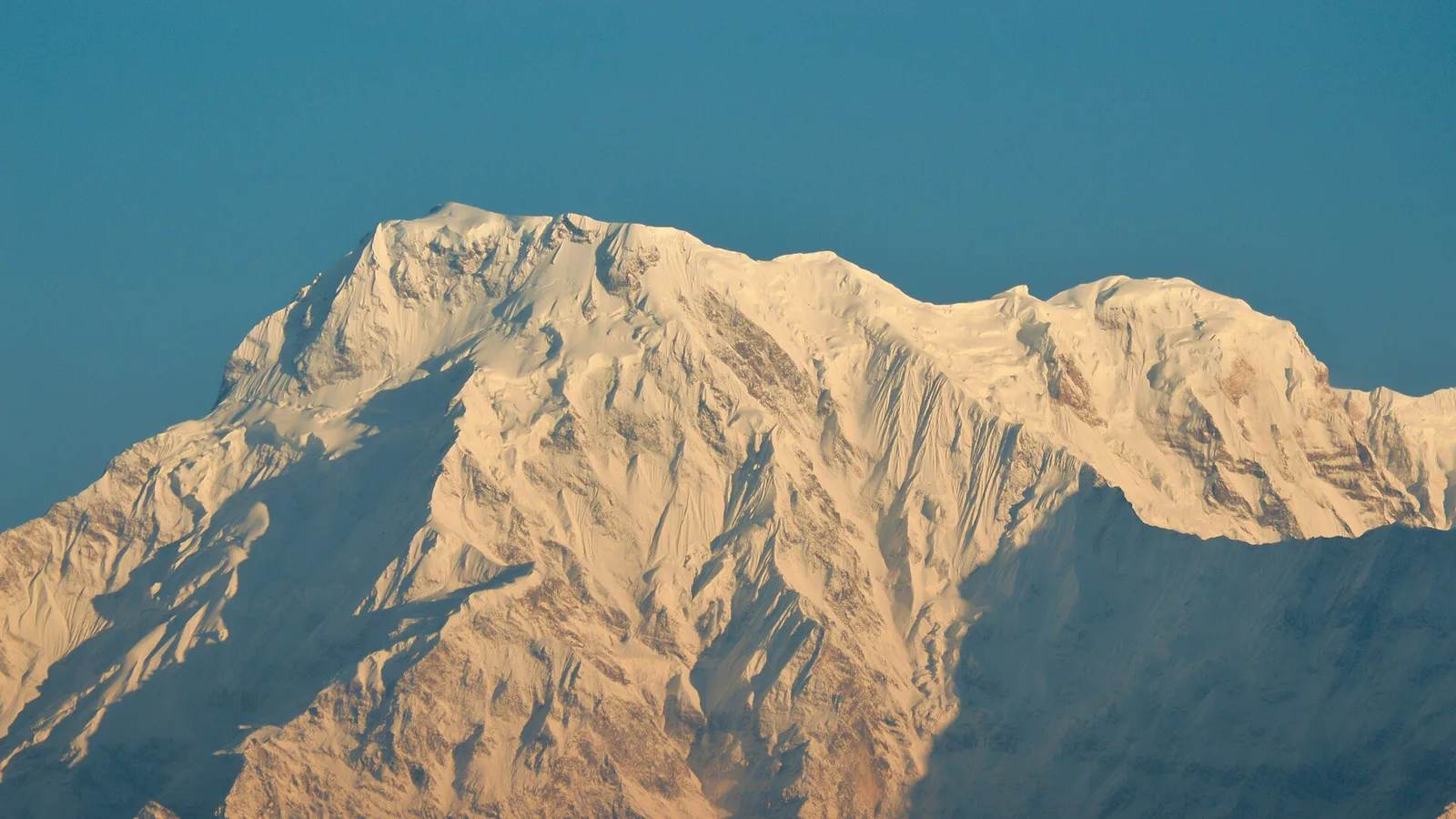
K2 has the fearsome name. Everest has the crowds and the headlines. But by the one measure that matters to a climber — how many people die for every one who reaches the top — the deadliest mountain in the Himalaya is Annapurna I, the Nepali giant that was also the first 8,000er ever climbed.
The number, and how it has moved
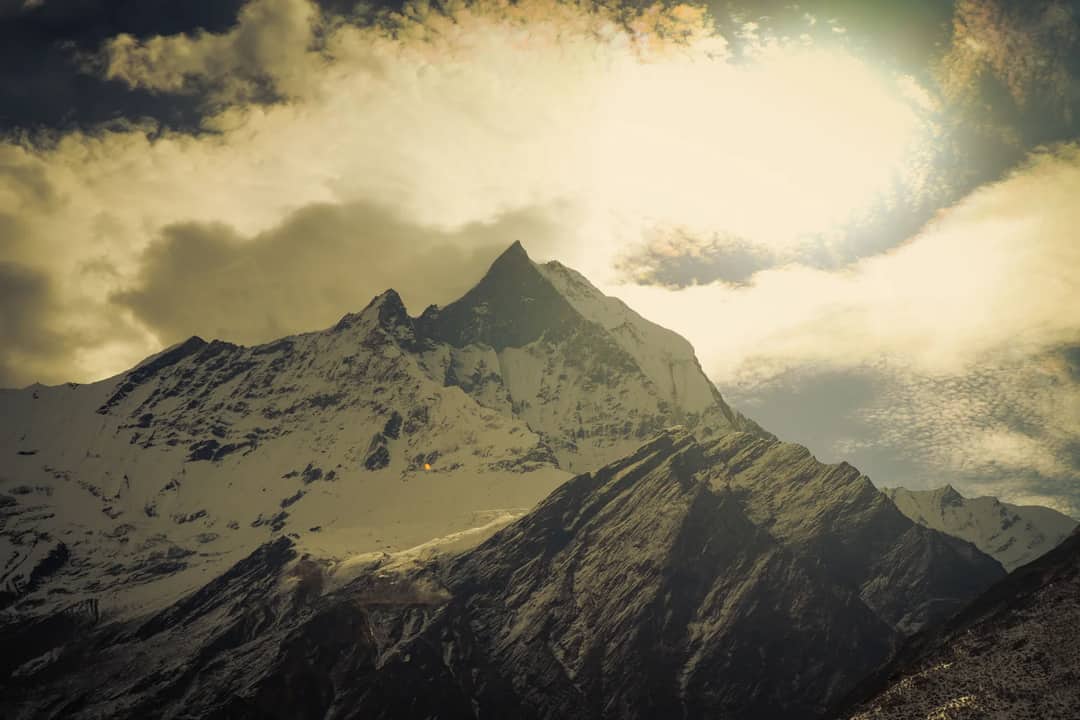
Guinness World Records lists Annapurna I at 75 deaths against 559 successful ascents, about 13.4 deaths for every 100 summits, as of 7 February 2025. That is still the highest ratio of any Himalayan mountain Guinness compares, a whisker ahead of Dhaulagiri at 13.01%.
For most of the mountain’s history the ratio was far grimmer, which is where the “one in three dies” line still repeated online comes from. The percentage has fallen as more climbers have succeeded, not because the mountain got any safer: the slope that kills people is exactly where it always was.
Why Annapurna I kills
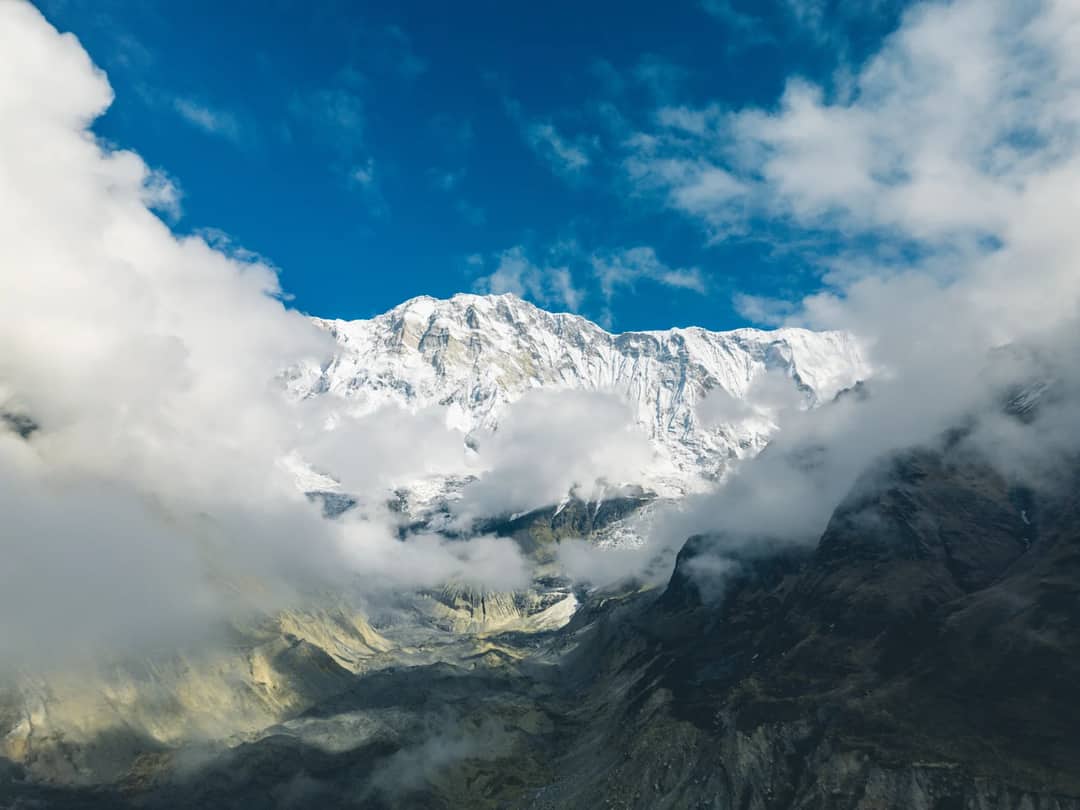
Because the danger is overhead and indifferent to skill. The standard route up the north face runs directly beneath enormous hanging seracs and slopes primed to avalanche, and there is no way to the summit that avoids sustained objective hazard. Guinness records that most deaths happen at a single avalanche point at about 5,900 m, between Camp II (5,460 m) and Camp III (6,400 m). The worst single day came on 19 September 1991, when six climbers died in one avalanche.
The weather is fickle, the descent is as exposed as the climb, and rescue high on the peak is close to impossible. Where a strong climber can in a sense out-decide the danger on some mountains, on Annapurna it falls on its own schedule.
How it compares with Dhaulagiri, Everest and the rest
Annapurna leads on ratio, not on the number of people who die there. It is deadly because so few succeed relative to how many the mountain takes.
| Peak | Height | Deaths per 100 summits |
|---|---|---|
| Annapurna I | 8,091 m | 13.42% |
| Dhaulagiri | 8,167 m | 13.01% |
| Kangchenjunga | 8,586 m | 7.83% |
| Makalu | 8,485 m | 5.72% |
| Everest | 8,849 m | 2.5% |
| Manaslu | 8,163 m | 2.40% |
One honest caveat: Guinness’s comparison covers the Himalaya and leaves out Pakistan’s K2 and Nanga Parbat, whose published rates vary widely depending on who is counting and from when. And every figure here is all-time, so a peak with few ascents swings more — which is exactly why Annapurna’s small number of summits keeps its ratio high. We unpack how these numbers are counted in which 8,000er actually kills the most climbers.
The mountain that started it all
Annapurna I was the first 8,000-metre peak ever climbed. On 3 June 1950 Maurice Herzog and Louis Lachenal of France reached its summit, the first time any human had stood on top of an eight-thousander.
Both paid for it on the descent: Herzog lost fingers and toes to frostbite, Lachenal his toes. More than seventy-five years on, the mountain that opened the era of high-altitude climbing is still the one most likely to keep a climber.
This is a climber’s statistic, not a trekker’s
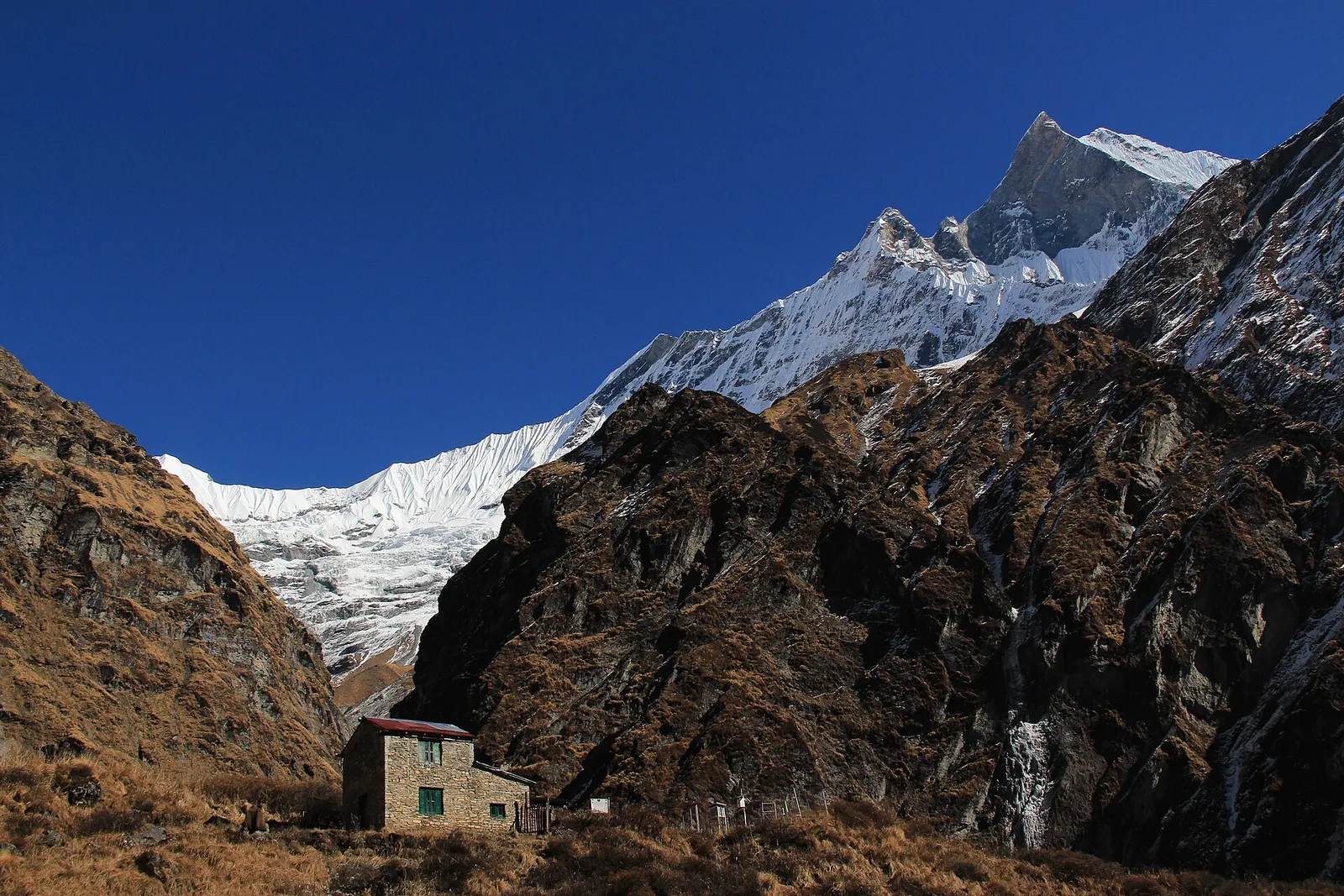
None of the figures above describe trekking, and the difference is not a matter of degree. They are for mountaineers on the summit route above 7,000 m, not for the tens of thousands who walk into the Annapurna Sanctuary each year to look up at the peak from its base.
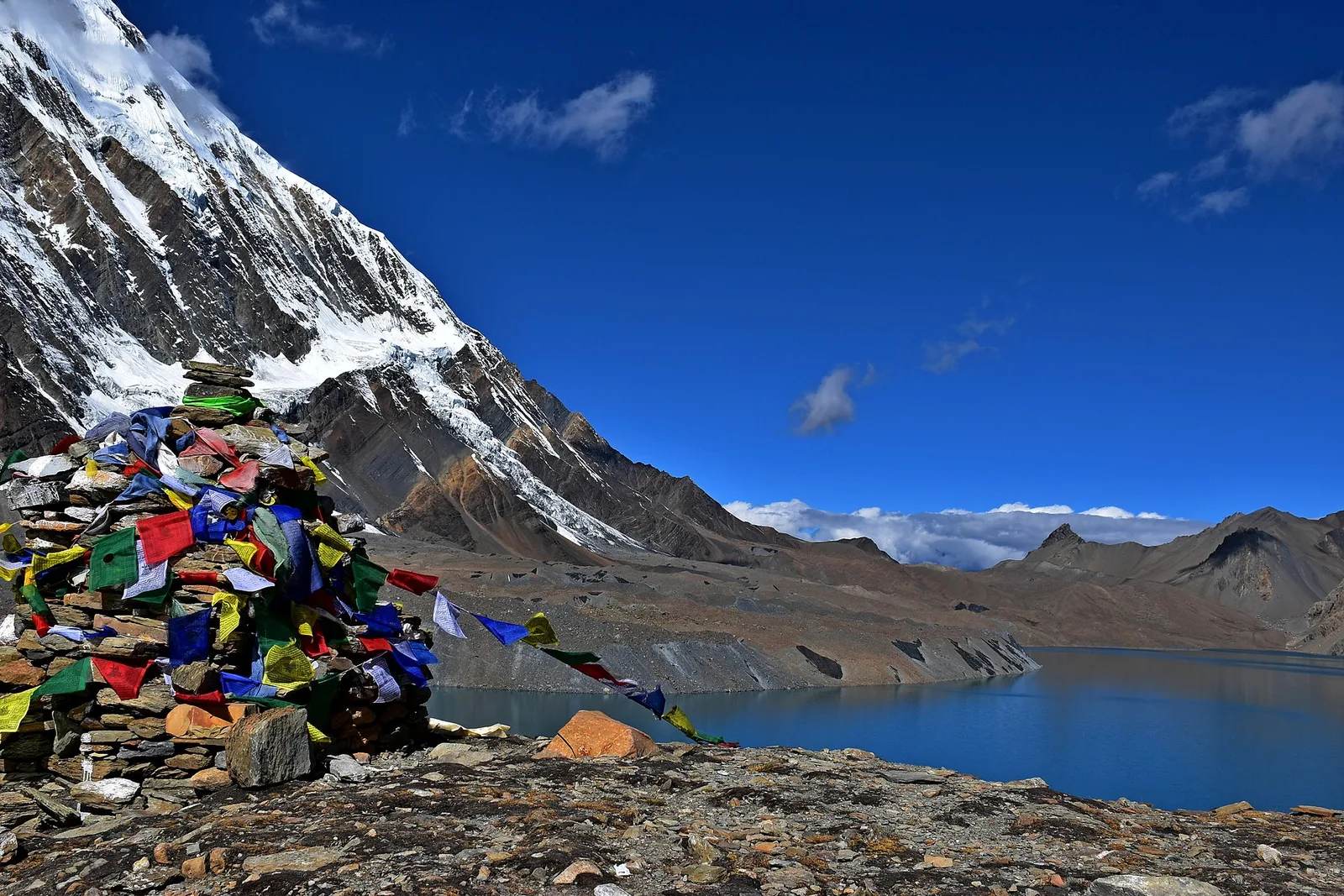
The two experiences share a name and nothing else. Annapurna Base Camp sits at 4,130 m directly under the south face — no objective climbing hazard, just the amphitheatre of peaks. If you want to see Annapurna, message us on WhatsApp at +977 9856023917 or through our contact page.
See Annapurna I from the safe side
The trek into the Sanctuary walks you to 4,130 m at Annapurna Base Camp. These are the two we run most:
- Annapurna Base Camp Trek — 7 days · the classic Sanctuary walk-in
- Annapurna Base Camp Trek — 9 days · a gentler, better-acclimatised version
Sources. Annapurna I deaths and ascents: Guinness World Records and the Himalayan Database (75 deaths / 559 ascents, as of 7 February 2025); comparative rates for Dhaulagiri, Kangchenjunga, Makalu, Everest and Manaslu, the 5,900 m avalanche point and the 1991 avalanche: Guinness World Records. First ascent: historical record, 3 June 1950. Fatality ratios vary by counting method and date; figures are given as published.
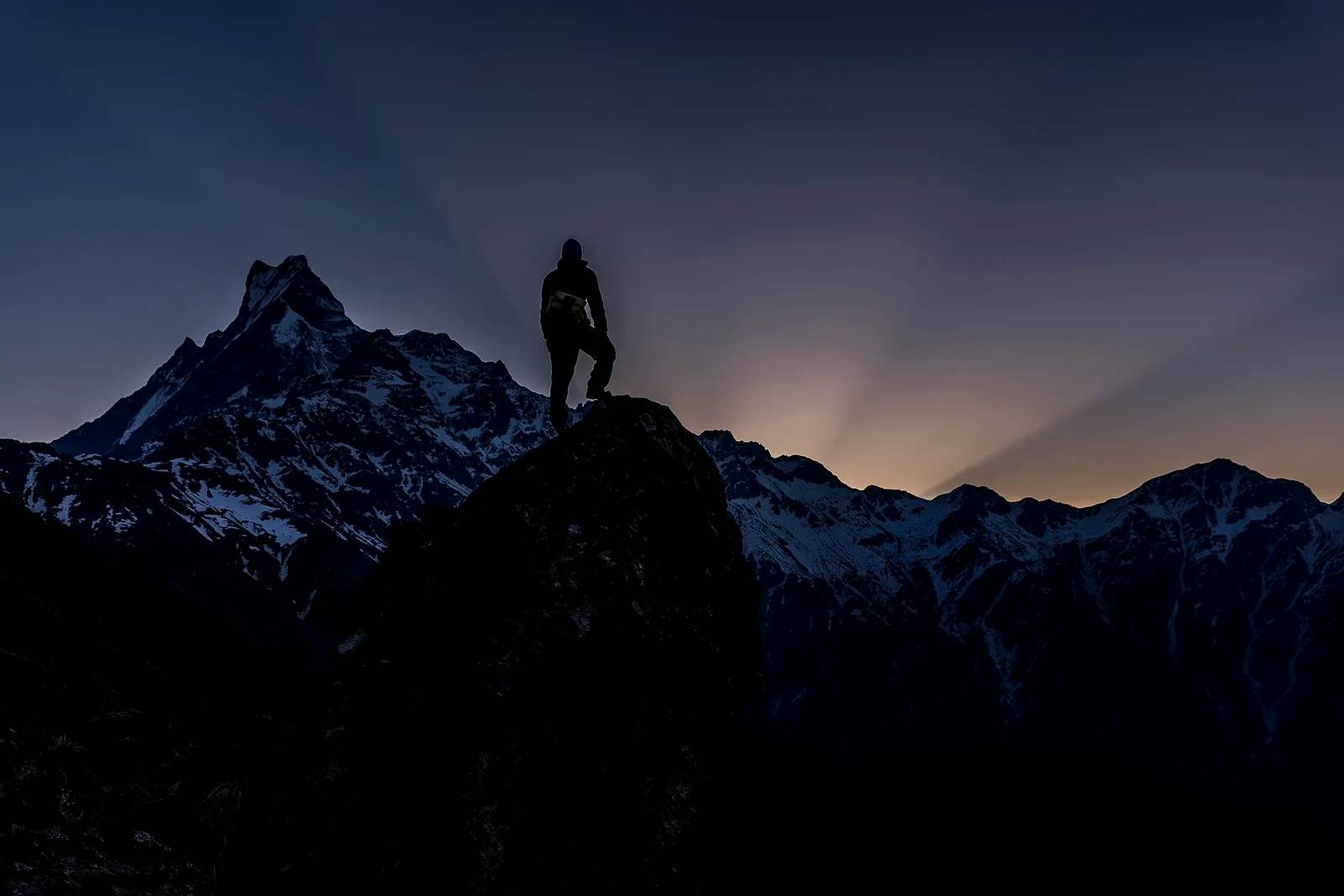
Cover photo: Timothy A. Gonsalves via Wikimedia Commons (CC BY-SA 4.0). Section photos: kumar dulal via Pexels (Pexels licence); Abdul Kayum via Pexels (Pexels licence).
Still running this season
Annapurna Base Camp Trek — 7 Days is running normally
NMA-certified local guides, transparent pricing, 5,000+ treks since 1998. Message us your dates and we'll sort the permits, lodges and logistics — reply within 24 hours, no obligation.
Popular Nepal treks
All treks →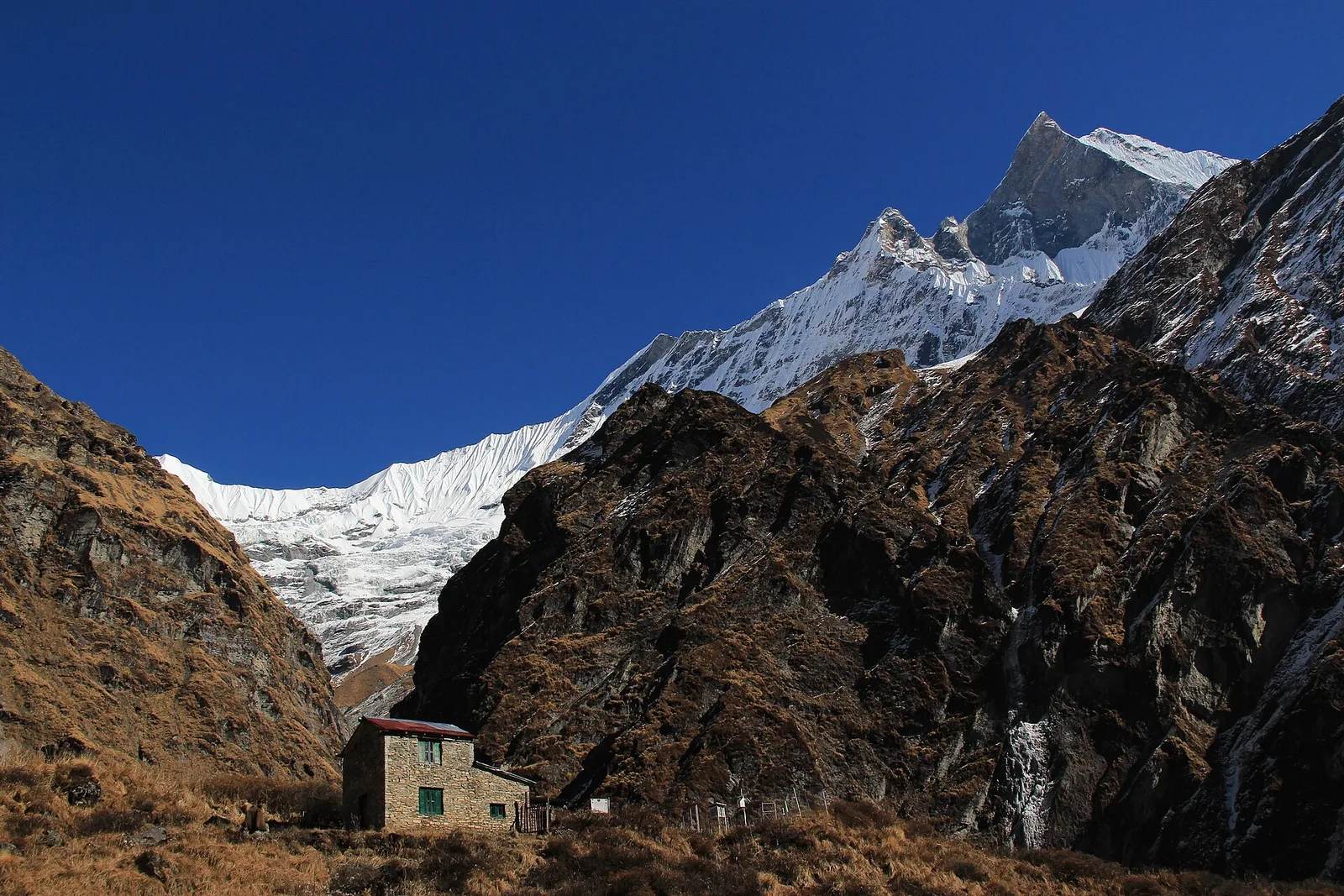
Related coverage
Records & People
The Deadliest Avalanches in the Nepal Himalaya
From the 2014 Khumbu Icefall to the earthquake that swept Everest Base Camp in 2015 — the deadliest avalanches in Nepal's mountains, their causes and tolls, recorded with respect.
Industry & Tourism
Everest Just Had Its Busiest Climbing Season Ever. Climbers Also Left Behind 90,000 Kilograms of Trash.
A record 701 climbers pushed for the summit this spring, and the mountain's cleanup crews hauled down a record amount of waste right behind them.
Records & People
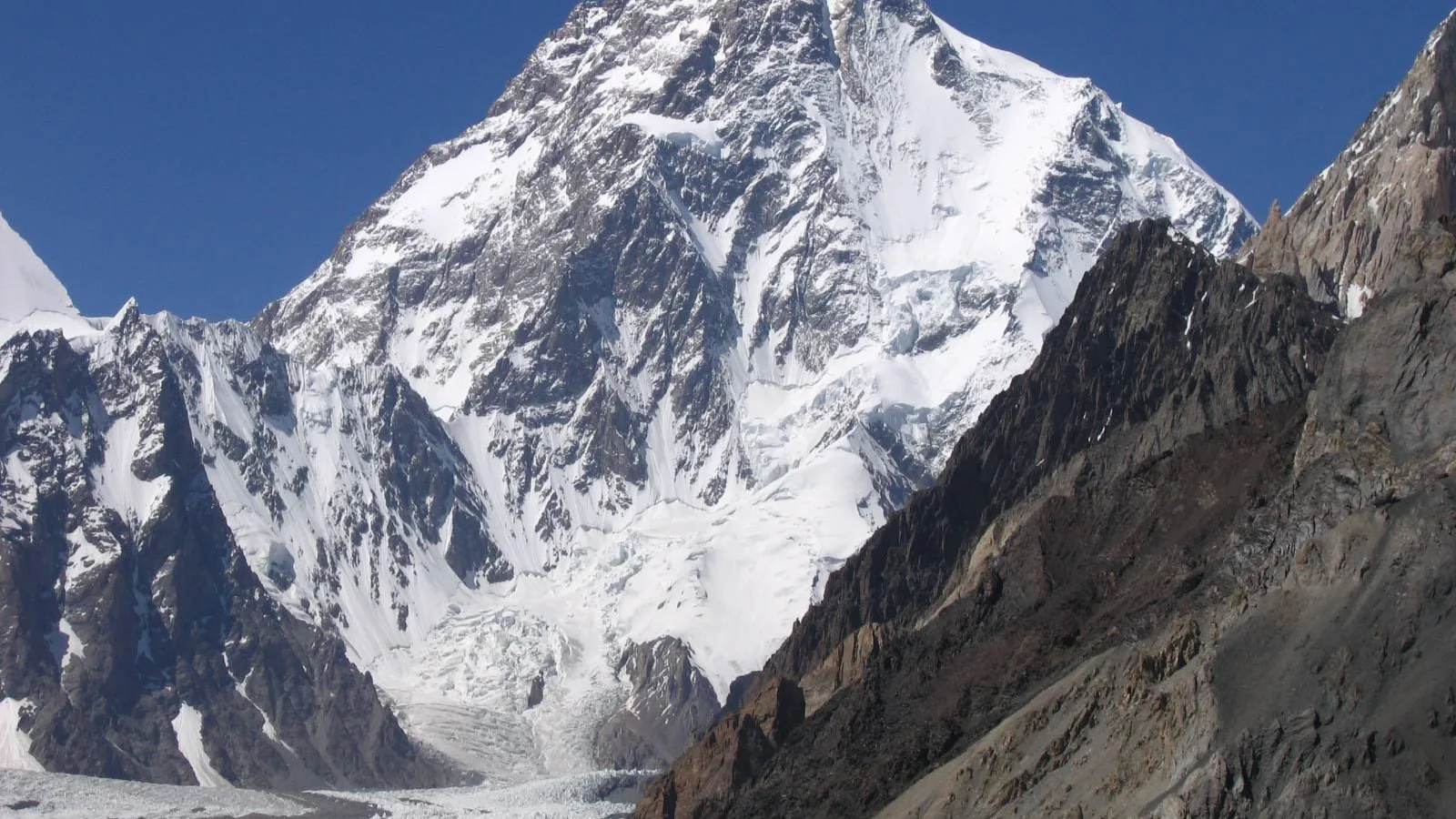
K2 or Everest, which one is actually harder to climb?
K2 is 238 m shorter than Everest but kills roughly one climber in ten — a dimension-by-dimension comparison of height, technical difficulty, weather, rescue and death rate, and why K2 is “the Savage Mountain.”
Safety & Advisories
If You Have Type 1 Diabetes, Here’s What Altitude in Nepal Actually Does to Your Blood Sugar
Real studies from Everest and Nepal’s Dhaulagiri circuit show blood sugar swings both ways at altitude, and which trek actually suits type 1 diabetes.
Latest from the desk
Breaking Safety & Advisories
An Avalanche Buried Himlung Himal's Base Camp in Nepal, and Ten Climbers and Staff Are Missing
An avalanche hit Himlung Himal's base camp in Nepal's Manang district on 27 September, and rescuers are searching snow for ten missing climbers and staff.

Money & Insurance
You Could Be Owed Cash From a $167 Million Visa and Mastercard Settlement, Here's How to Check
Visa and Mastercard are paying $167.5 million after allegedly blocking cheaper ATM fees, and the claim deadline is 10 February 2027.
Wildlife & Nature
Chitwan or Bardia, here's which Nepal safari you should actually book
Nepal's 2026 tiger census found record numbers in Chitwan and a rare decline in Bardia, and it changes the honest answer to which safari to book.