
Why Nepal runs its clocks 15 minutes off India, and the mountain behind it
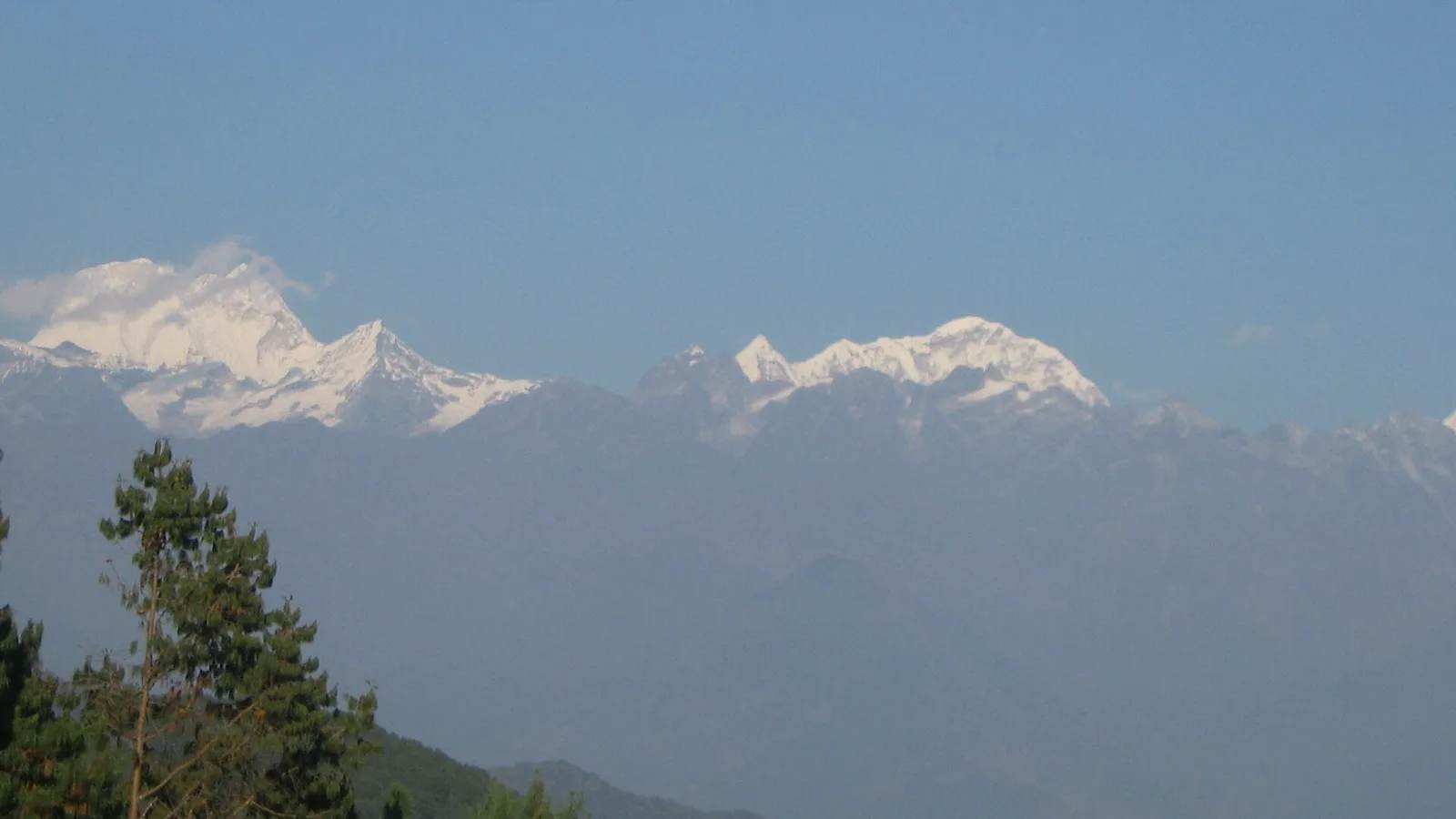
Nepal Standard Time is UTC+5:45, one of only three 45-minute time zones on Earth, set to a meridian running through a peak Nepalis hold sacred.
At a glance
- Published · updated
- TopicFlights & Access
- Verified againstWikipedia
- Treks coveredEverest Base Camp Trek — 14 Days, Kathmandu & Pokhara Tour — 5 Days
Nepal Standard Time is UTC+5:45 — 15 minutes ahead of India, 15 behind Bangladesh and Bhutan, and one of only three 45-minute offsets anywhere on Earth. Land in Kathmandu and your phone will jump by an odd, specific amount rather than a clean hour or half-hour. That is deliberate, and it is anchored to a mountain.

Key facts
- Nepal runs on UTC+5:45, its own Nepal Standard Time, with no daylight saving.
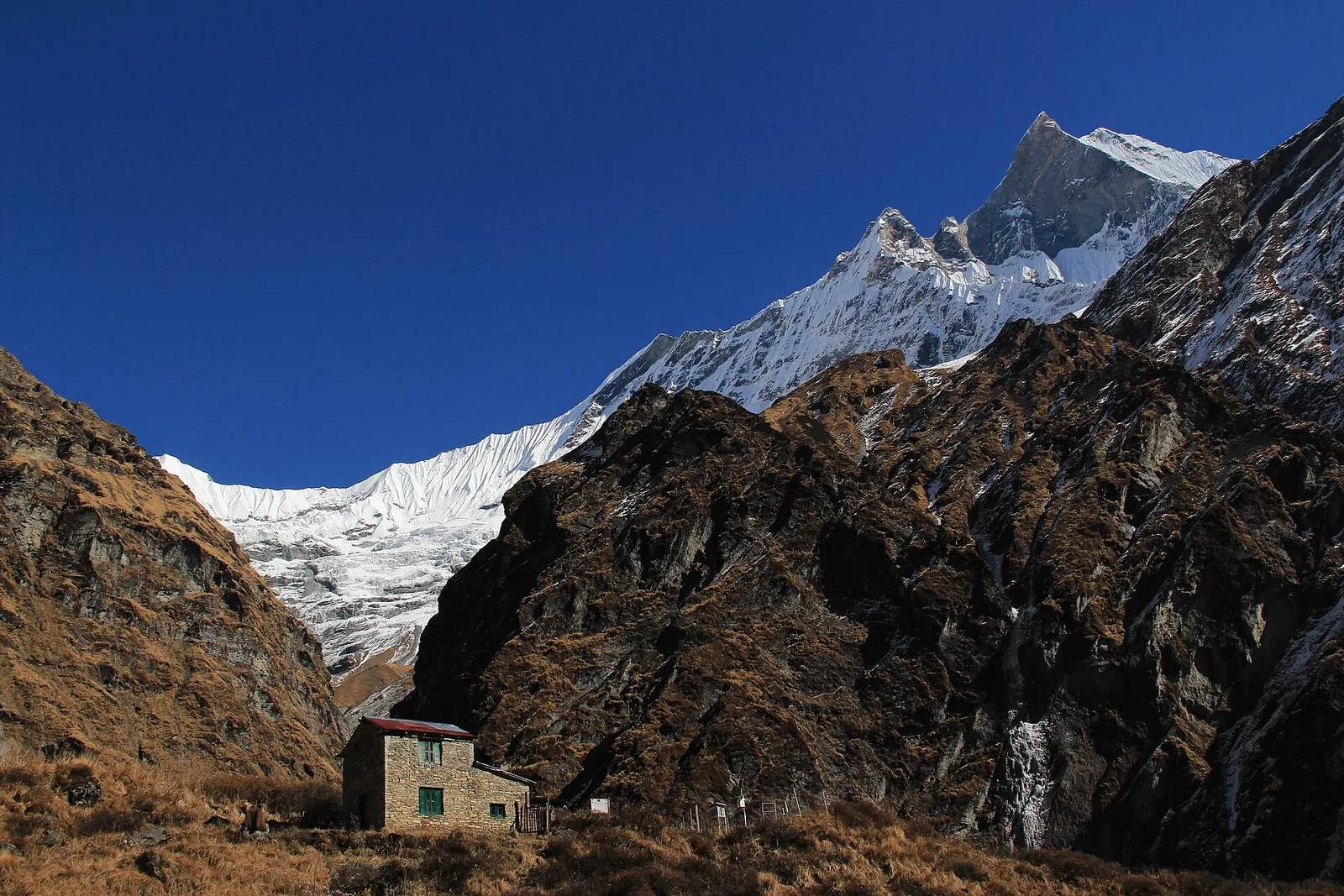
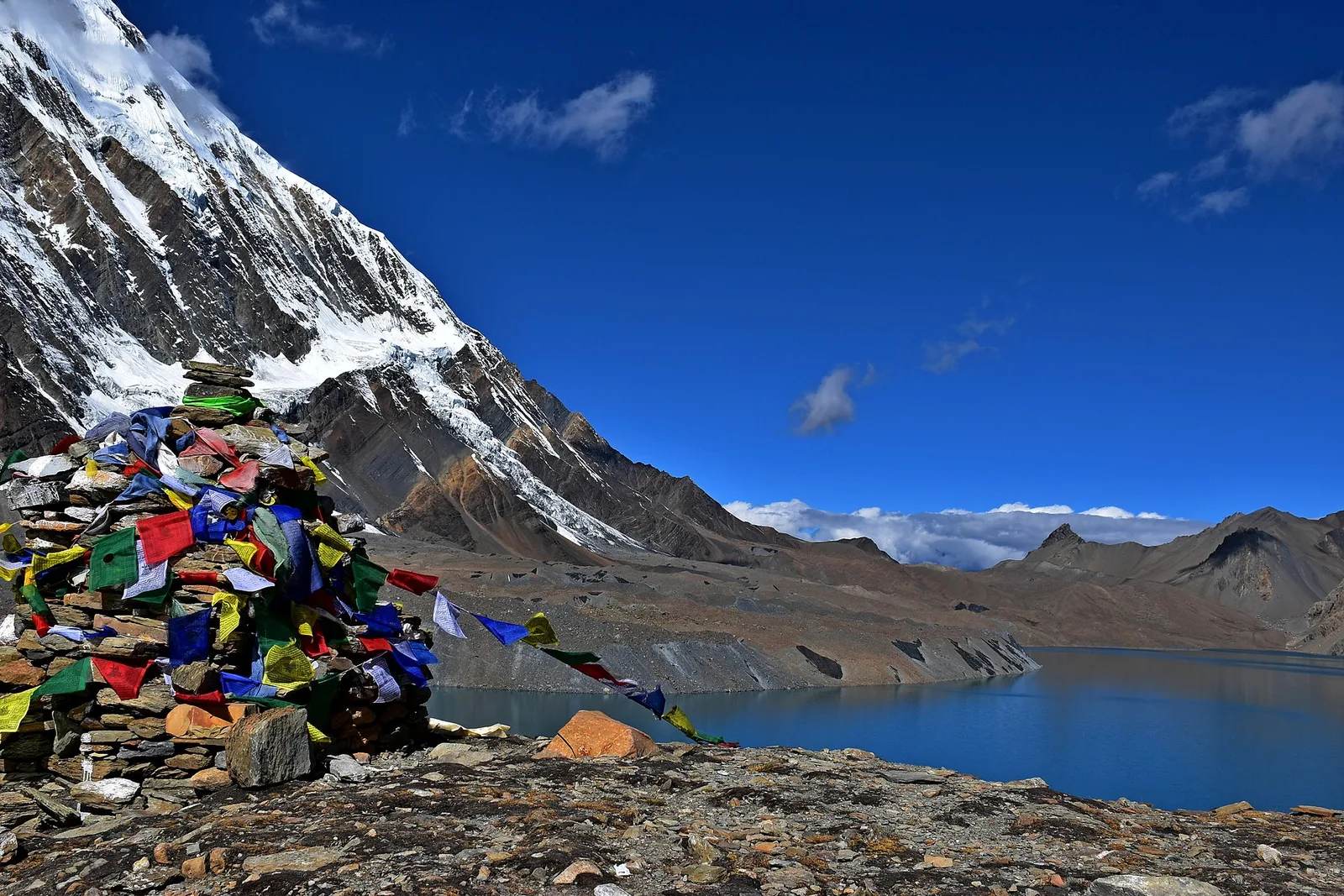
- The standard meridian passes through Gaurishankar, a peak held sacred in Nepali tradition, about 100 km east of Kathmandu.
- Nepal moved its clocks forward 15 minutes in 1986, leaving the UTC+5:30 it had shared with India since 1920.
- Only three time references on Earth use a 45-minute offset.
Why Nepal chose 45 minutes
Because the clock is set to Nepal’s own meridian rather than borrowed from a neighbour. The line it follows passes through Gaurishankar, so the country’s official midday sits close to the moment the sun is actually highest over the middle of Nepal.
That gives Nepal’s time an anchor that is geographic and cultural at once. For a country wedged between India and China, a clock that belongs to nobody else also reads, quietly, as a statement of independence.
How the clock got there
Nepal has changed its clock twice in a century. Before 1920, Kathmandu kept its own local solar time, UTC+5:41:16. In 1920 the country adopted Indian Standard Time, UTC+5:30, and kept it for 66 years.
In 1986 the government advanced the clocks by 15 minutes to UTC+5:45 — a deliberate 45-minute offset rather than the round 30 or 60 minutes that nearly every other time-zone change in history has used.
The world’s other 45-minute time zones
Nepal is one of only three places that use a 45-minute offset, and one of the other two is unofficial. Everywhere else rounds to the hour or the half hour.
| Where | Offset |
|---|---|
| Nepal | UTC+5:45 |
| Australian Central Western Time, around Eucla (unofficial) | UTC+8:45 |
| Chatham Islands, New Zealand | UTC+12:45 |
What time it is back home
Do the full 45-minute sum; half-hour mental maths will not get you there. Most phones handle it automatically, but itineraries, meeting invites and flight connections calculated in round numbers regularly come out wrong.
| City | Local time |
|---|---|
| New Delhi, India | 11:45 |
| Dhaka, Bangladesh | 12:15 |
| London, UK | 06:15 |
| New York, USA | 01:15 |
| Los Angeles, USA | 22:15 (previous day) |
| Sydney, Australia | 16:15 |
Add an hour for any city currently on daylight saving time.
What this means for trekkers
Build a buffer into any connection you calculated by hand. Fly in through Delhi, Doha or Bangkok and the 15-minute gap against India, or the wider gaps against Gulf and Southeast Asian hubs, is exactly the kind of thing that turns a comfortable layover into a sprint.
What this means for you
Set your itinerary’s local times manually rather than trusting an app that assumes every zone rounds to the half hour. The odd clock is one of the smallest, strangest parts of arriving in Nepal — and if the calendar interests you too, Nepal is also living in the year 2083. Most first-time visitors start in the valley on something like the Kathmandu and Pokhara tour, or go straight for the high country on the Everest Base Camp trek.
Sources: Wikipedia, “Nepal Standard Time” and “UTC+05:45”.
Cover photo: बिप्लब आनन्द via Wikimedia Commons (CC BY-SA 3.0). Section photos: Mikhail Nilov via Pexels (Pexels licence); Quang Nguyen Vinh via Pexels (Pexels licence).
Still running this season
Everest Base Camp Trek — 14 Days is running normally
NMA-certified local guides, transparent pricing, 5,000+ treks since 1998. Message us your dates and we'll sort the permits, lodges and logistics — reply within 24 hours, no obligation.
Popular Nepal treks
All treks →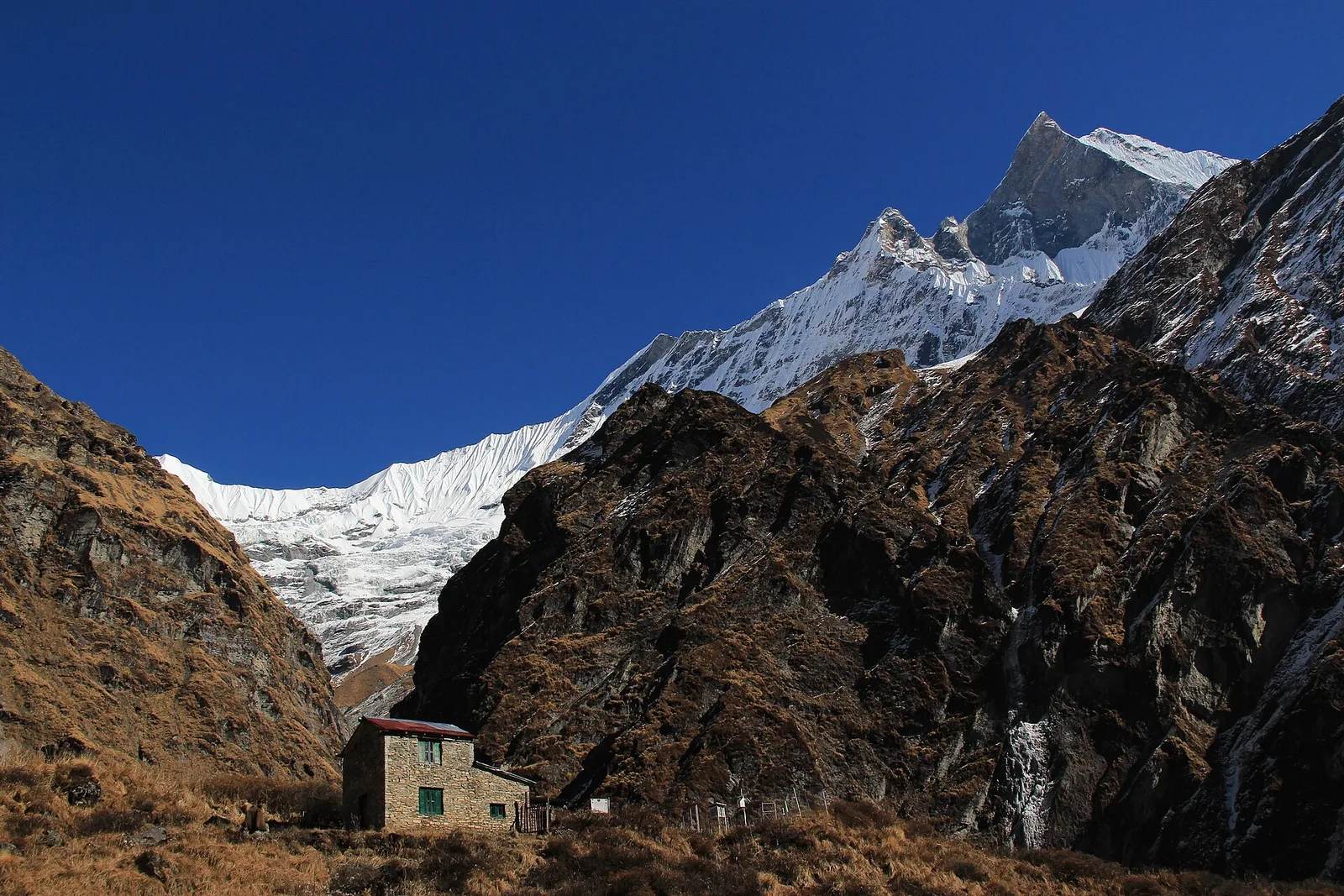
Related coverage

Festivals & Events
If you are taking tika in the US this Dashain, the auspicious hours start on Tuesday night
Dashain’s tika day is Wednesday 21 October in Nepal. Across US time zones that window opens on Tuesday evening and closes before dawn.
Safety & Advisories
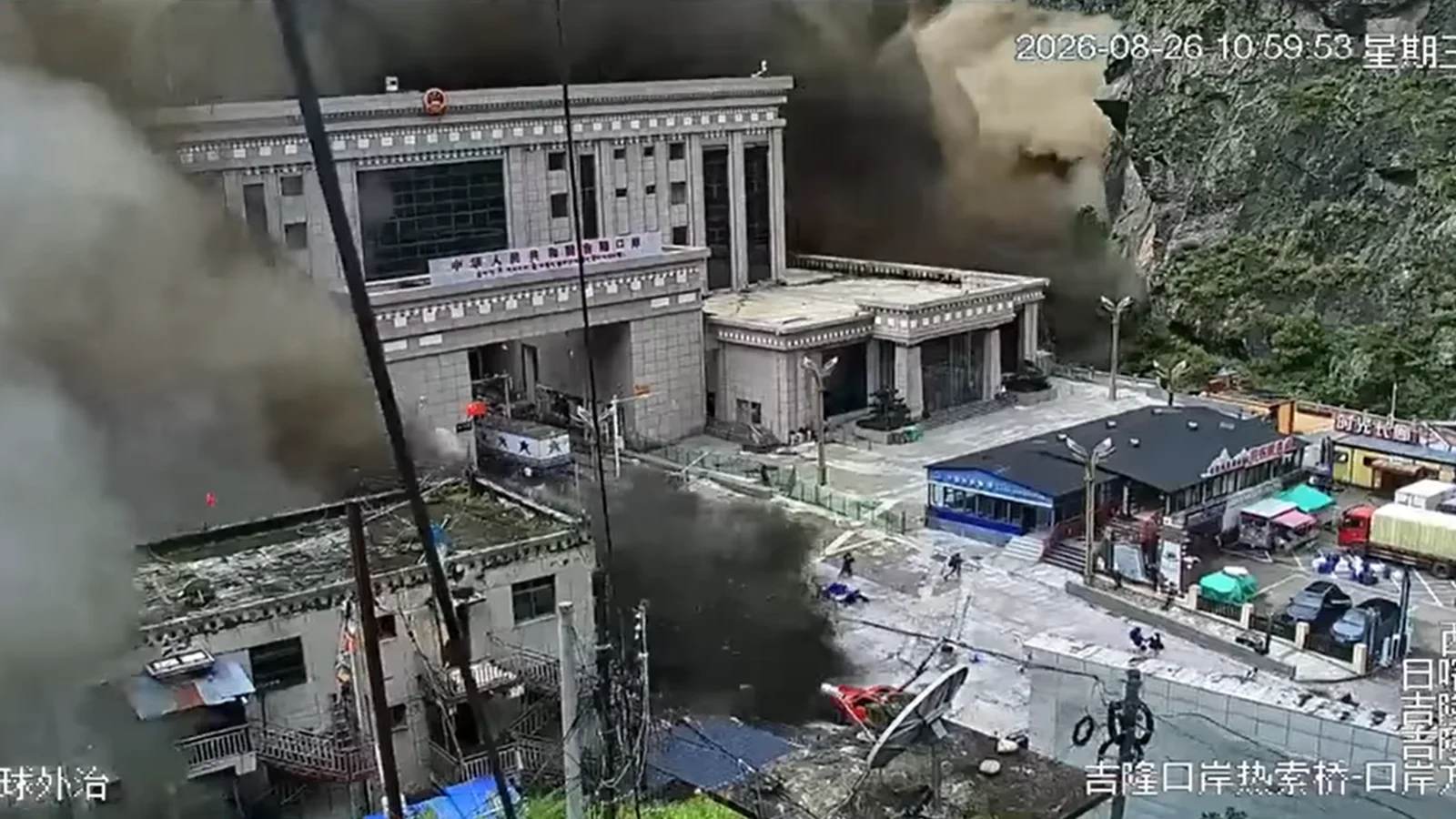
The Bhote Koshi flood took Timure in about seven minutes, here's how four people got out
Four named survivors describe running uphill as the market disappeared behind them, and a CCTV timestamp shows how little warning anyone downstream actually had.

Flights & Access
Nepal Airlines Is Flying to Tokyo Four Times a Week This Autumn, and the Timing Is No Accident
The national carrier adds a fourth weekly Kathmandu-Narita rotation from 18 September, wide-body A330 and all, timed squarely at the Dashain-Tihar homecoming rush and the autumn trekking peak that follows it.
Breaking Flights & Access
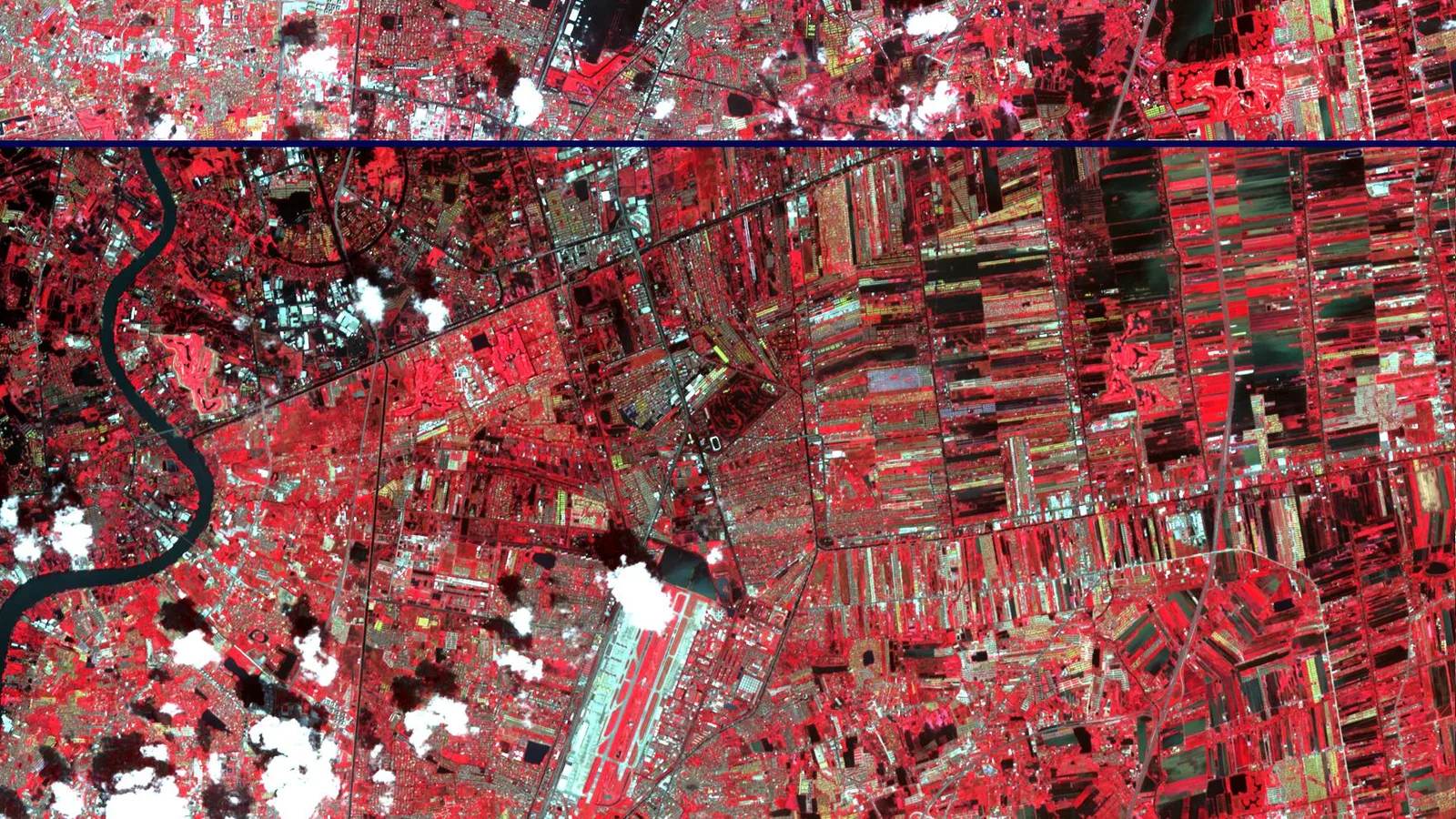
Bangkok just declared a flood disaster in all 50 districts, here’s what it means if you’re flying through to Nepal
Bangkok declared all 50 districts disaster zones after 300mm of rain in 48 hours, and five airlines, Thai Airways included, are waiving change fees this week.
Latest from the desk
Breaking Safety & Advisories
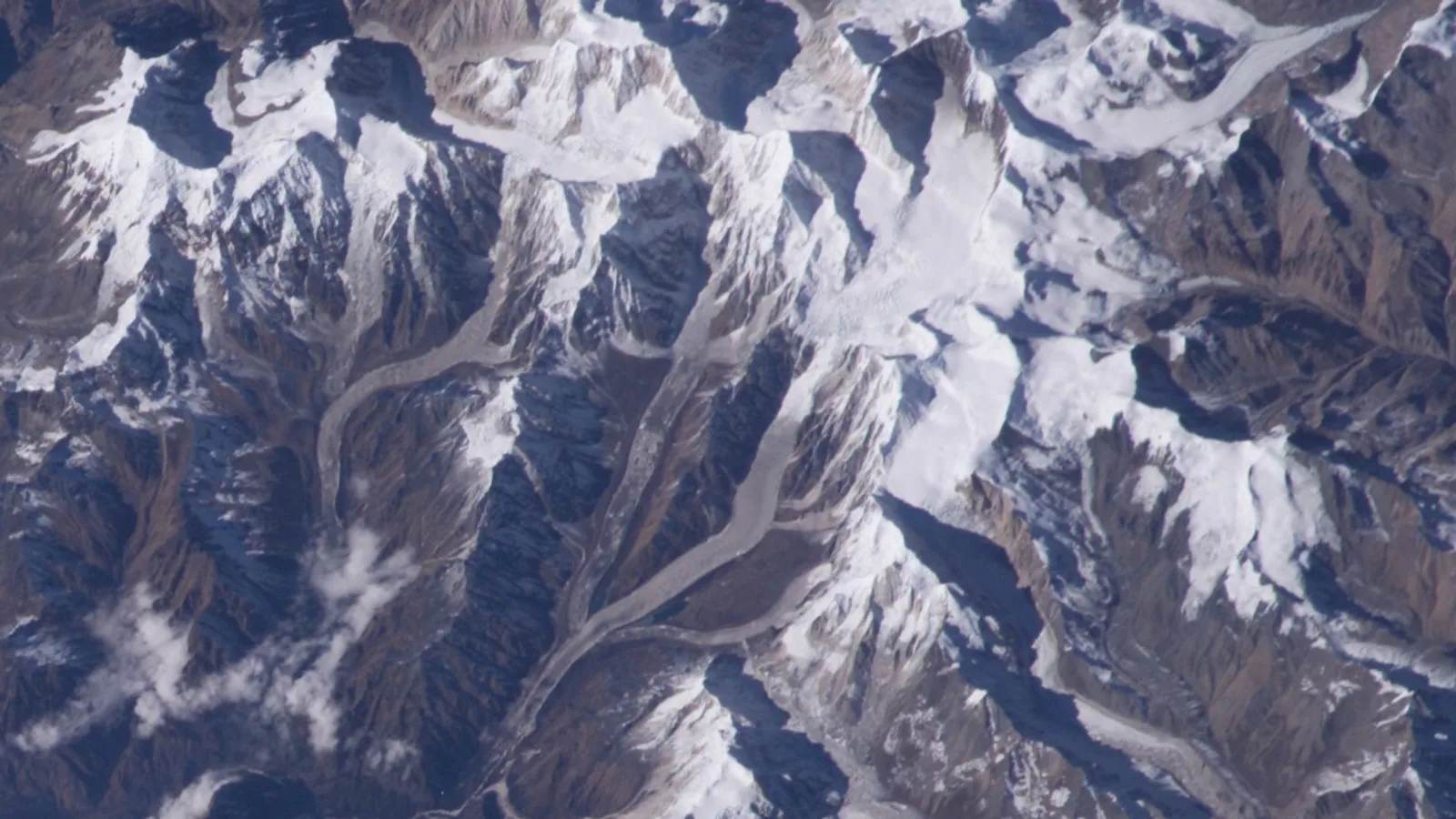
An Avalanche Buried Himlung Himal's Base Camp in Nepal, and Ten Climbers and Staff Are Missing
An avalanche hit Himlung Himal's base camp in Nepal's Manang district on 27 September, and rescuers are searching snow for ten missing climbers and staff.

Money & Insurance
You Could Be Owed Cash From a $167 Million Visa and Mastercard Settlement, Here's How to Check
Visa and Mastercard are paying $167.5 million after allegedly blocking cheaper ATM fees, and the claim deadline is 10 February 2027.
Wildlife & Nature
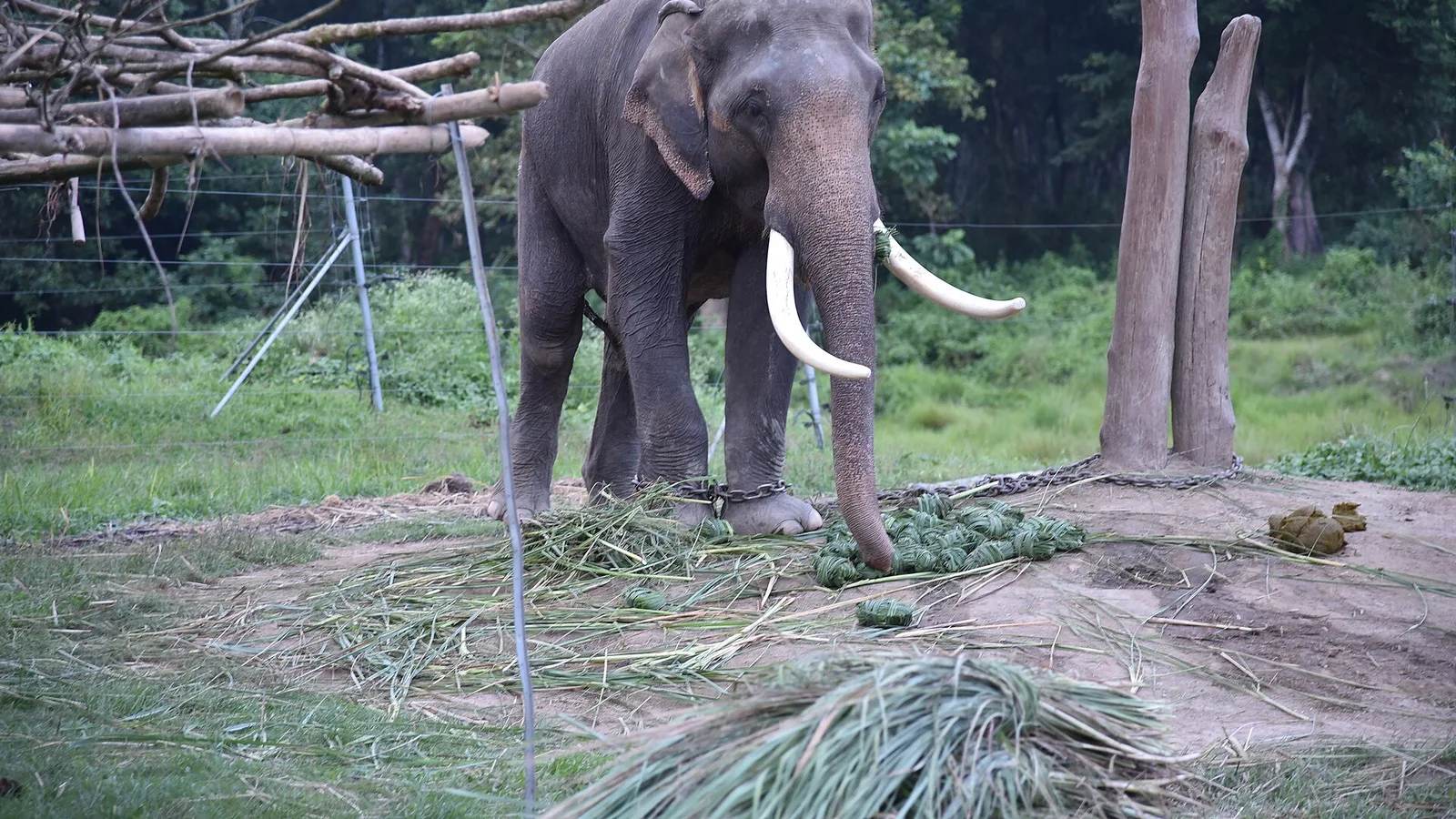
Chitwan or Bardia, here's which Nepal safari you should actually book
Nepal's 2026 tiger census found record numbers in Chitwan and a rare decline in Bardia, and it changes the honest answer to which safari to book.