
How to choose a trekking company in Nepal, and the checks that take ten minutes
Since April 2023 most Nepal treks need a licensed guide from a registered agency. The checks to run before you pay a deposit, and the scams they catch.
At a glance
- Published · updated
- TopicIndustry & Tourism
- Verified againstNepal Tourism Board; Trekking Agencies’ Association of Nepal; OCCRP; The Tourism Times
- Treks coveredAnnapurna Base Camp Trek — 15 Days from Kathmandu, Everest Base Camp Trek — 14 Days, Manaslu Circuit Trek — 14 Days
Ask a Nepal trekking company for its Department of Tourism licence number and its TAAN membership number, then check both yourself before you pay a deposit. That takes about ten minutes, and since April 2023 it matters more than it used to: on most of Nepal’s trekking routes you now legally need a licensed guide booked through a registered agency, so the company you pick is not a preference any more. It is the whole safety system.
Key facts
- Since 1 April 2023, foreign trekkers on TIMS-covered routes, in national parks and conservation areas must be accompanied by a licensed guide from a registered agency.
- The Khumbu is the exception: the local municipality around Everest Base Camp did not adopt the guide mandate, so independent trekking there is still legal.
- TAAN’s members directory listed 2,316 agencies in August 2026, and you can search it by name.
- In March 2026, 32 people were charged over an alleged $19.69 million fake-helicopter-rescue fraud.
Why the company matters more since 2023
Because on most routes you can no longer trek without one. The 2023 rule followed a rise in solo trekkers getting into trouble — altitude sickness, disorientation in bad weather, simple falls — in places with no phone signal and a day’s walk to the nearest clinic.
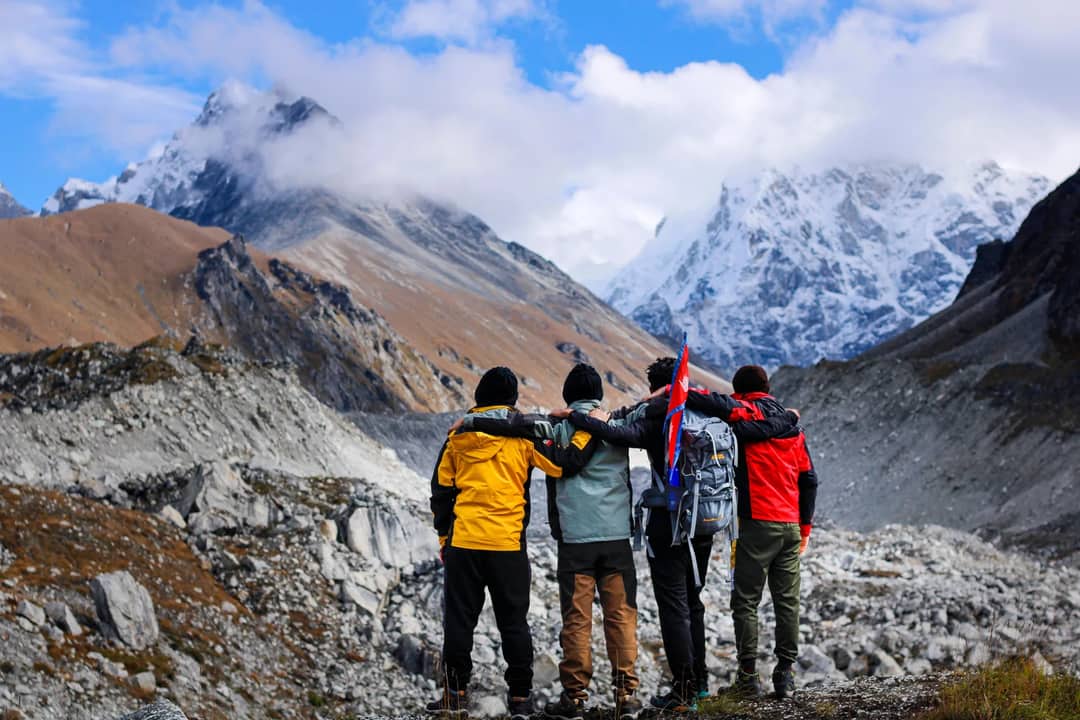
The rule is applied unevenly by region, and that is worth knowing. The Khumbu Pasang Lhamu Rural Municipality, which administers the Everest Base Camp area, never adopted the national guide mandate, so independent trekking there remains legal. Manaslu, Upper Mustang, Kanchenjunga, Dolpo and the Annapurna Conservation Area have no such exception. Since March 2026 a solo trekker can hold a restricted-area permit in their own name instead of needing a group of two — but still only with a licensed guide through a registered agency. More on that in the 2026 solo-permit change and our explainer on where a guide is required.
The licence chain, link by link
A legitimate company is proven by five documents from five different authorities, and every one of them can be checked. None is exotic; the system exists precisely so a first-time visitor can tell a real operator from a website with good photography.

| Layer | Issued by | What it proves |
|---|---|---|
| Company registration | Office of Company Registrar | A real, legally incorporated business |
| Trekking agency licence | Department of Tourism | Paid-up capital (around NPR 1,000,000) and an inspected physical office |
| NTB registration | Nepal Tourism Board | A government tourism record tied to a checkable number |
| TAAN membership | Trekking Agencies’ Association of Nepal | Industry self-regulation on guide welfare, safety and insurance |
| Licensed guide | Government-approved training and an NTB guide licence | The person walking with you is personally certified |
The last link is the one enforced in the field. At Monjo, at the ACAP gate in Besisahar, at the Manaslu and Kanchenjunga checkpoints, rangers ask for the guide’s licence, not the company’s brochure. TAAN is also a useful shortcut: to apply for membership an agency must already hold the Department of Tourism licence, company incorporation and PAN/VAT registration — the first three links in one check.
The seven questions to ask before you pay
Ask these in writing, and treat a vague answer to any of them as your answer. A real operator replies to all seven without being chased.

| Ask this | Why it matters |
|---|---|
| What are your Department of Tourism licence and TAAN numbers? | Every legal operator has them. Look the TAAN number up yourself rather than trusting one pasted into an email. |
| Who is my guide, by name, and what is their licence number? | A company that says the guide will be “assigned in Kathmandu” may be hiring a day-labourer in Thamel the night before. |
| What exactly is itemised in this quote? | Permits, guide and porter wages and their insurance, lodging, meals, transport and emergency cover should be listed, not bundled. |
| How much does my porter carry, and are they insured? | TAAN recommends 20–25 kg per porter and a minimum daily wage around NPR 2,400; the agency, not you, owes their insurance, food and shelter. |
| What happens if I get sick at altitude? | Ask which hospital and helicopter operator they use, and confirm that walking down is offered first and that you and a doctor decide on evacuation. |
| How do I pay the deposit? | A registered agency holds Nepal Rastra Bank authorisation to receive foreign payments and takes them to a company account or by card. A personal account is a red flag. |
| What is your refund policy if weather or altitude forces a change? | Get cancellation and itinerary-change terms in writing before you pay anything. |
What a fair price looks like
A legal package has a wage-and-insurance floor built into it, so a quote 30–40 percent below everyone else’s is cutting something. Usually it is an unlicensed freelancer working under a registered company’s name, or an uninsured porter carrying an illegal load.
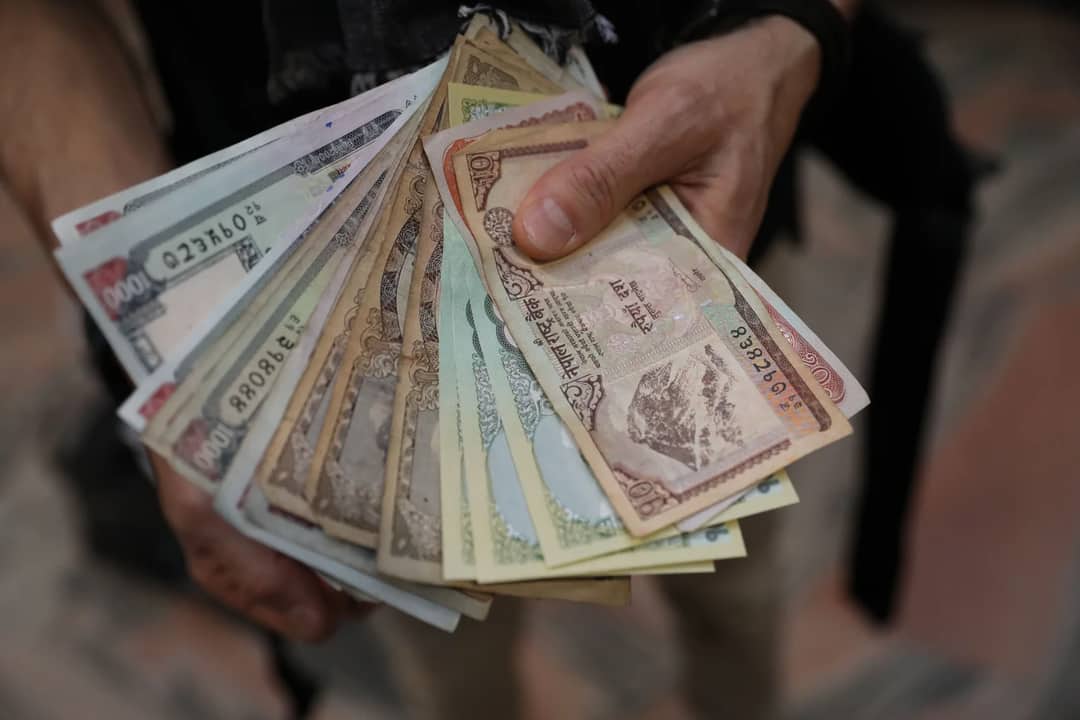
As a rough guide for 2026, a licensed guide runs about $25–35 a day and a porter $15–25, with teahouse rooms at $5–15 a night and meals $15–25 a day. A standard 12–14 day guided Everest Base Camp package with permits, lodging, guide and porter typically sits around $1,200–$2,500 per person.
| Check | Red flag | Green flag |
|---|---|---|
| Registration | No TAAN or NTB number listed | Both listed and verifiable |
| Contact | Only WhatsApp or Instagram, no office | Physical address you can visit or video-call |
| Guide | Cannot produce an ID card | Shows a licence on request |
| Reviews | Only on the company’s own site | On platforms the company cannot edit |
| Payment | Cash only, or a personal account | Formal invoice, traceable payment |
The 2026 fake-rescue case, and what it taught
In March 2026 Kathmandu District Court charged 32 people — agency owners, helicopter operators and hospital staff among them — over an alleged $19.69 million scheme billing foreign insurers for evacuations that were not medically necessary. Investigators, reporting through the OCCRP, allege some guides made clients ill on purpose, in some cases with baking soda in their food, then pushed them toward a helicopter instead of a walk-down.
These are charges, not convictions, and the overwhelming majority of registered agencies run honest trips. The lesson is narrower: several of the accused ran as licensed businesses for years, so a licence number alone is not enough. Check how evacuation decisions are made, and make sure your own policy names helicopter evacuation and covers your route’s maximum altitude — we would want at least $100,000. Our Nepal trekking insurance guide covers what to look for, and the full account of the fraud case is here.
Rescue readiness is the question that separates operators
What decides whether a bad day ends safely is whether the rescue paperwork is already on file before you leave Kathmandu. When an avalanche hit climbers on Yalung Ri in Dolakha on 3 November 2025, killing seven, a guide on the mountain said rescue clearance came nearly eight hours after the alarm.
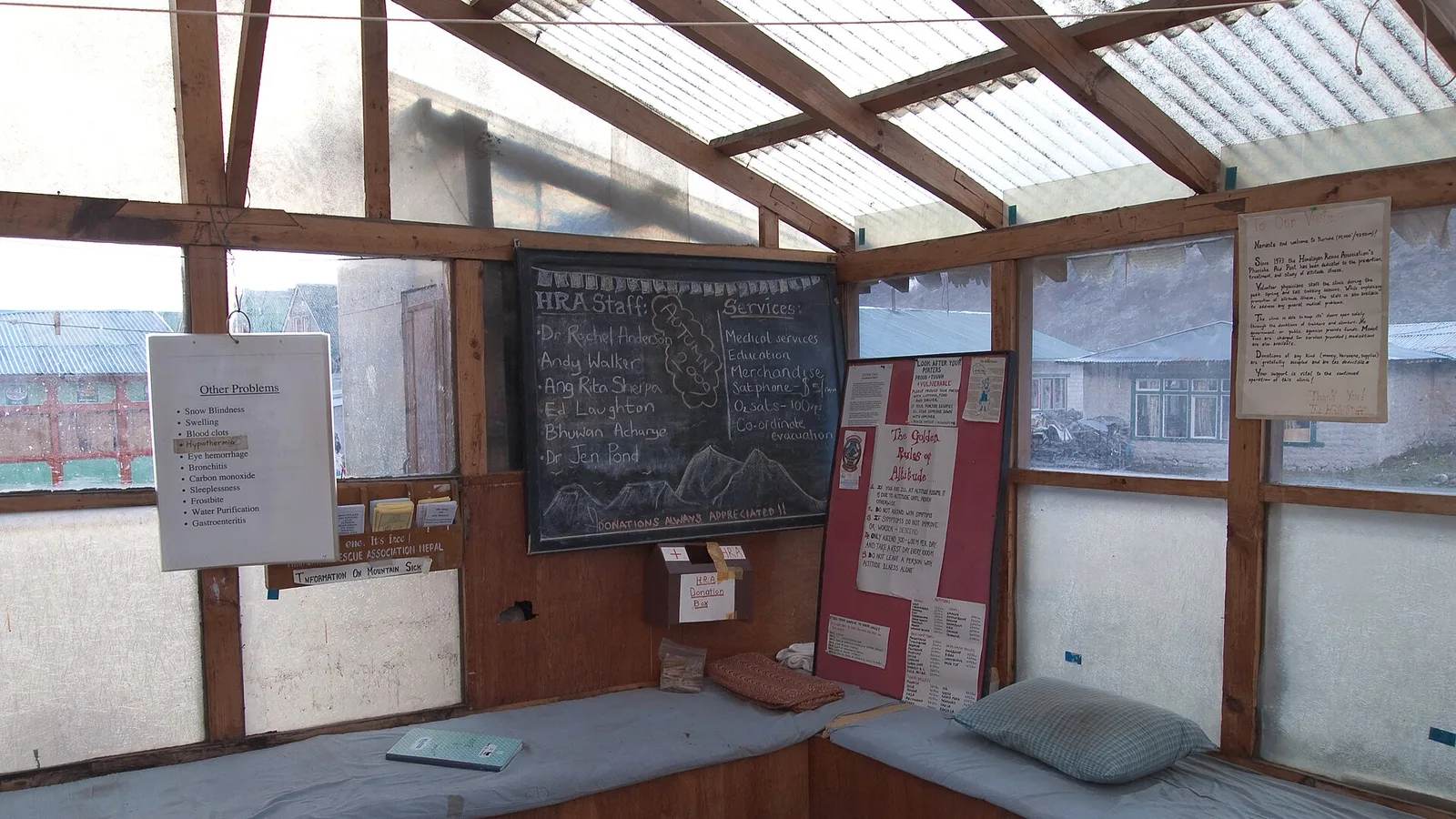
The Nepal Mountaineering Association has said helicopter permits for restricted areas can take two to three days to clear a letter-based approval chain that only runs in office hours. A reputable company cannot remove that delay, but it can shrink it: insurance filed at booking, restricted-area documents cleared in advance, and a guide who knows the nearest Himalayan Rescue Association aid post — Pheriche, Manang, Gosaikunda or Thorong Phedi on the main routes. Ask “what happens if we need a helicopter here?” and listen for a name, not a shrug.
The scams worth knowing
The most common one borrows a real company’s name. Freelance “guides” who approach you in Thamel or Pokhara sometimes claim to work for a registered agency; confirm directly with the company, never with the person offering the deal.
The others are variations on the same pattern: a business that exists only inside a chat app, a request to wire money to a personal account, a price that only becomes clear after you land, and reviews that live exclusively on the company’s own website. If you are booking through an international reseller, ask them for the underlying Nepali operator’s licence and TAAN numbers too.
What we would tell a friend
Ask for the licence and TAAN numbers and your guide’s name and licence in writing, check them yourself, get an itemised quote, and pay a company account. If an operator goes vague on any of it, that is the answer, whatever the price. Every check here is one we expect to be held to ourselves — our licence, guide certifications and pricing are on our Nepal trekking agency page, and they apply whether you book Everest Base Camp, Annapurna Base Camp or the Manaslu Circuit. For the permits a licensed agency should arrange, see our permits hub.
Sources: Nepal Tourism Board TIMS provisions; Trekking Agencies’ Association of Nepal membership requirements and members directory; OCCRP (March 2026 charges); The Tourism Times (Yalung Ri rescue).
Cover photo: Arijit Dey via Pexels (Pexels License). Section photos: Ghana Shyam Khadka via Pexels (Pexels licence); Mikhail Nilov via Pexels (Pexels licence); Tima Miroshnichenko via Pexels (Pexels licence); Volker Meyer via Pexels (Pexels licence).
Still running this season
Everest Base Camp Trek — 14 Days is running normally
NMA-certified local guides, transparent pricing, 5,000+ treks since 1998. Message us your dates and we'll sort the permits, lodges and logistics — reply within 24 hours, no obligation.
Popular Nepal treks
All treks →
Related coverage
Safety & Advisories
Your Nepal Trekking Guide Just Spent the Week Learning to Keep You Alive Above 4,000m
Days before Nepal's autumn trekking season opens, two of the country's oldest mountain-safety institutions ran back-to-back wilderness first-aid courses for working guides, drilling CPR, patient evacuation and the earliest signs of altitude sickness.

World Destinations
Where to Travel Each Month in 2026: A Month-by-Month Guide to the Best Seasons Worldwide
A season-first calendar of where the weather works best in every month of 2026 — from Southeast Asia’s dry winter and Japan’s cherry blossom to Europe’s summer, Nepal’s autumn trekking peak and the Caribbean’s dry-season sun.

Visas & Entry
ETA vs eVisa vs Visa vs Visa-Free in 2026: What the Difference Actually Is
An ETA is a pre-screen, not a visa. An eVisa is a real visa applied for online. A visa on arrival is granted at the border. And none of them guarantees entry — the officer does. Here is the plain-English taxonomy, and where Nepal fits.

Records & People
Nepal’s first woman helicopter captain flew nearly 100 rescues in six days
Priya Adhikari has flown over 1,000 Himalayan rescues. In the week after the Bhote Koshi flood she flew about a hundred, into places with nowhere to land.
Latest from the desk
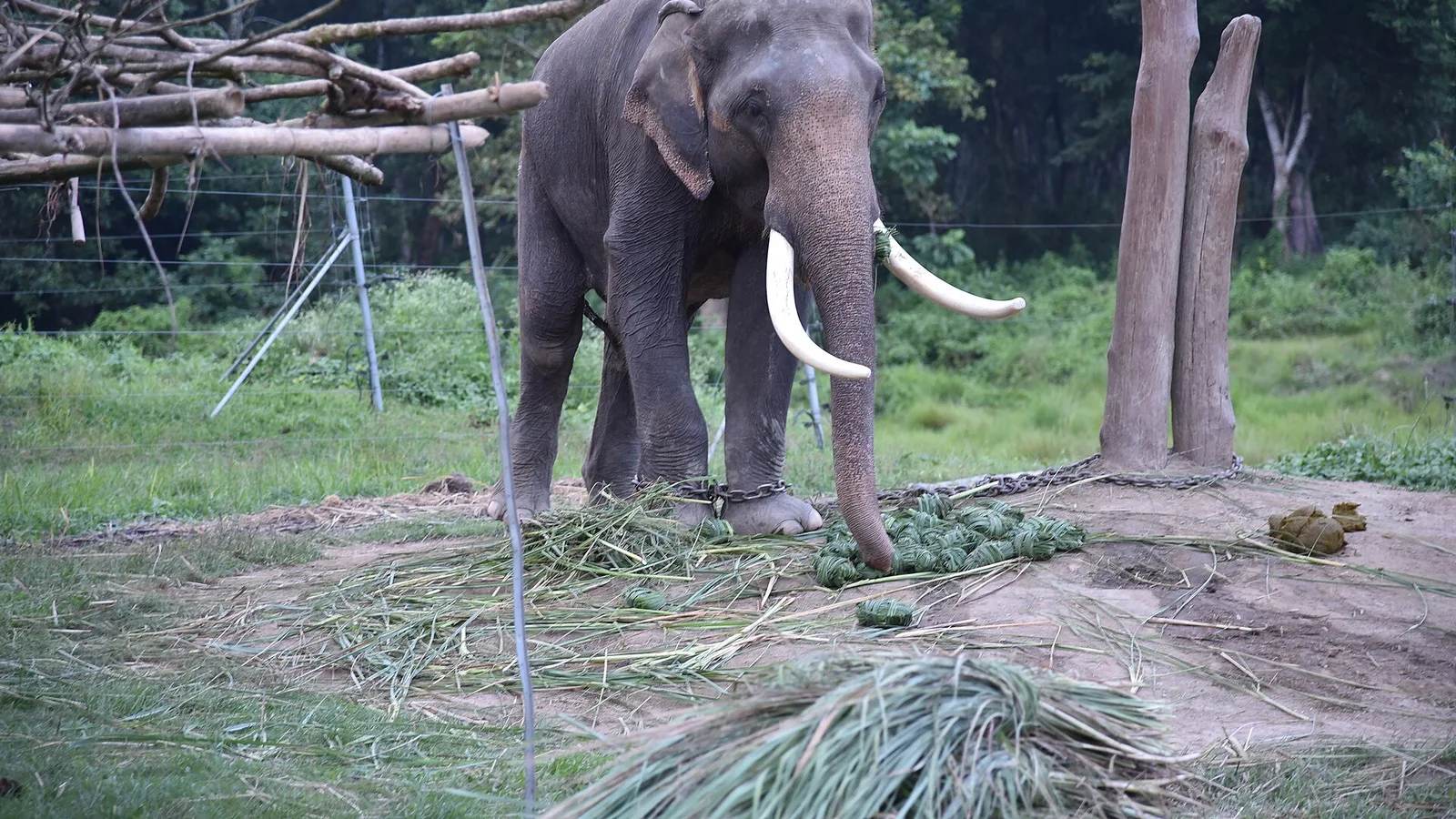
Wildlife & Nature
Chitwan or Bardia, here's which Nepal safari you should actually book
Nepal's 2026 tiger census found record numbers in Chitwan and a rare decline in Bardia, and it changes the honest answer to which safari to book.
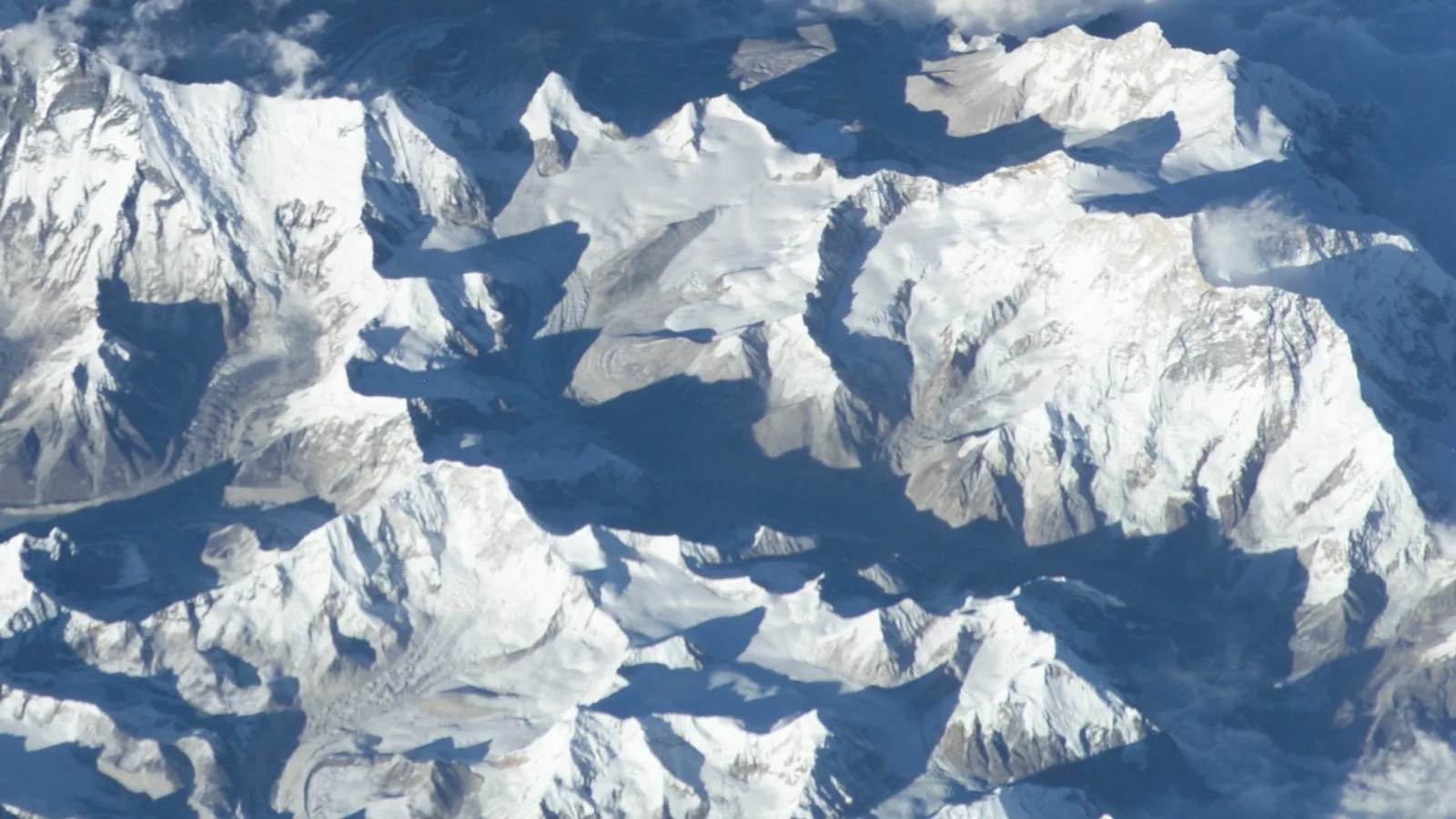
Safety & Advisories
Lobuche East or Island Peak, here's which one should be your first Himalayan climb
Both cost the same permit and sit within 70 metres of each other in altitude, but our guides say the harder climb isn't the one most people assume.
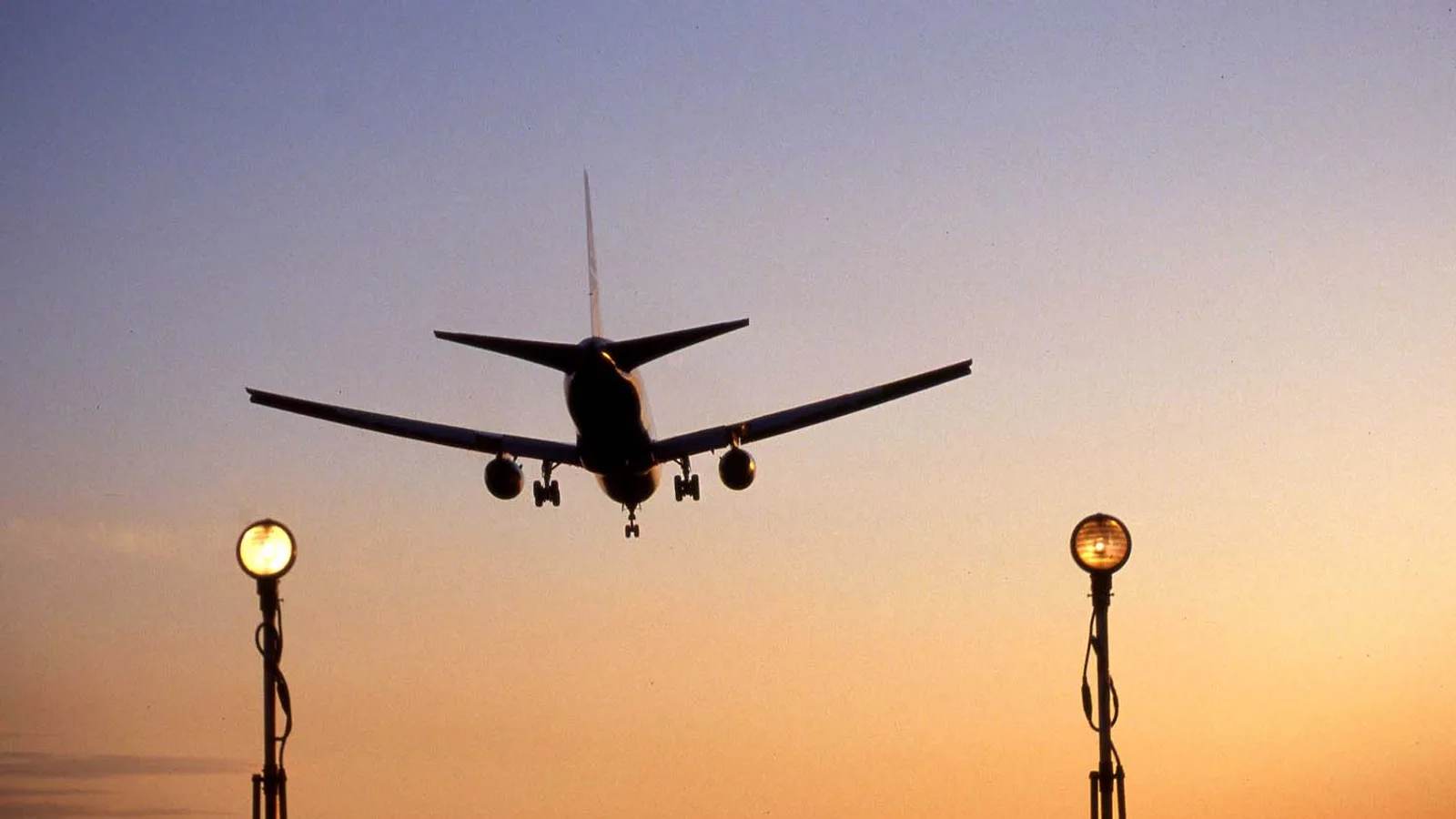
Breaking Flights & Access
Heathrow's Third Runway Just Slipped Four Years to 2039, Here's What Actually Changes for Your Fare
Heathrow says its 2035 third-runway deadline is unrealistic and now targets 2039, leaving London's capacity squeeze unresolved for years.