
Is the Kerung border open? What the 2026 flood did to Rasuwagadhi and Nepal's only road to Tibet
The Rasuwagadhi–Kerung border with Tibet has been shut since the 26 August 2026 flood destroyed the Timure customs area, the Miteri bridge and the border road. No reopening date has been set.
At a glance
- Published · updated
- TopicFlights & Access
- Verified againstThe Kathmandu Post
- Treks coveredAnnapurna Base Camp Trek — 15 Days from Kathmandu, Everest Base Camp Trek — 14 Days
No. The Rasuwagadhi–Kerung border is closed, and has been since 26 August 2026. The flash flood that came down the Bhote Koshi that morning destroyed the Nepali border post at Rasuwagadhi, the Miteri Friendship Bridge over the frontier and most of the customs village at Timure. There is no reopening date. Until the river drops and the border road is rebuilt there is nothing to reopen. That closes Nepal’s only working overland road to Tibet — the route Kailash Manasarovar pilgrims and every overland Lhasa itinerary depend on. If you have an overland Tibet trip booked through this crossing this season, treat it as cancelled and re-plan around a Kathmandu–Lhasa flight.
| Question | Answer |
|---|---|
| Is the border open? | No — closed since 26 August 2026 |
| What closed it | Bhote Koshi flash flood; border post, Miteri bridge and Timure customs area destroyed |
| Reopening date | None announced |
| Cross-border cargo | Halted |
| Overland Tibet & Kailash | Not possible via this route this season |
| Working alternative | Kathmandu–Lhasa by air |
| Syabrubesi & the Langtang road-head | Inside the flood corridor; Langtang bookings paused |
| US travel advice for the corridor | Level 4, do not travel — the only such zone in Nepal |
| Precedent | The July 2025 bridge loss shut the corridor about six months |
📍 Developing story — live updates
The 2026 Nepal floods are a developing, nationwide emergency and figures are rising. For the latest verified death toll, missing and rescued numbers, and trek status, follow our continuously-updated Nepal Floods 2026: Live Updates.
Key facts — the border angle (as reported 26 August 2026; figures provisional)
Planning a trek this autumn? We keep a live region-by-region status page — which trails are open, which access roads are cut, and what we would book right now. It is updated through the season by our team in Pokhara: Nepal trekking conditions right now.
- The crossing: Rasuwagadhi (Nepal) to Gyirong / Kerung Port (Tibet) — Nepal's main overland trade link with China.
- What happened: the 26 August flash flood down the Bhote Koshi and Lhende Khola tore through the Timure border and customs area, damaging the road and the border bridge.
- Trade: the customs yard, vehicles and bridges at the frontier were swept away or damaged, halting cross-border cargo movement.
- Overland Tibet travel: the road-and-bridge damage cuts the overland Kailash / Tibet route that runs through Rasuwagadhi and Kerung.
- Not the first time: the same corridor was closed for about six months after a July 2025 flood destroyed the "Miteri" Friendship bridge.
- Alternative to Tibet: flying Kathmandu–Lhasa remains an option for reaching Kailash while the overland route is down.
Nepal's single most important overland link to Tibet has been knocked out again. When the flash flood came down the Bhote Koshi from Tibet on the morning of 26 August 2026 — the disaster we covered in our report on what happened in Rasuwa — it did more than wreck villages and hydropower plants. It struck the Rasuwagadhi–Timure frontier: the customs yard, the parked cargo trucks and the bridge that together make up Nepal's busiest gateway to China. This piece looks at what that crossing is, why it matters far beyond Rasuwa, and what the damage means for trade and for anyone planning to travel overland into Tibet.
What Rasuwagadhi–Kerung is, and why it matters
The Rasuwagadhi border sits at the head of the Bhote Koshi gorge in Rasuwa district, facing the Chinese port of Gyirong — known in Nepal as Kerung — across the frontier. The crossing opened in December 2014, and its importance jumped sharply just months later. When the April 2015 earthquake damaged the old Kodari Highway and the Tatopani crossing further east, Rasuwagadhi–Kerung became Nepal's primary point of bilateral trade with China, as reported by the Kathmandu Post, which noted the point was later upgraded to an international crossing.
Tatopani, on the Araniko Highway, was for decades the classic trans-Himalayan trade route and the road every overland traveller once used to reach Lhasa. It was badly damaged in 2015 and lay effectively shut for years; even after limited resumption, it has never recovered its former role. That left Rasuwagadhi carrying the bulk of the goods — garments, electronics, vehicles and daily consumer imports — that arrive in Kathmandu by road from China. When this crossing stops, it is felt in Kathmandu's markets, not just at the frontier.
| Crossing | Route | Role & status |
|---|---|---|
| Rasuwagadhi – Kerung (Gyirong) | Pasang Lhamu Highway via Syabrubesi / Timure | Main current overland trade link since 2015; the overland route for Tibet & Kailash tours. Damaged by the 26 August 2026 flood. |
| Tatopani – Zhangmu (Kodari) | Araniko Highway via Kodari | The historic route; heavily damaged in the 2015 earthquake and never fully restored to its former capacity. |
The flood hit the trade artery itself
What makes this event different from an ordinary landslide is where the water went. The flood surged down the Lhende Khola and Bhote Koshi straight into Timure, the settlement on the Nepali side of the border where the customs infrastructure sits. Fiscal Nepal reported the flood devastated the customs hub, with the customs yard, bridges and more than 500 vehicles feared swept away — cargo trucks and containers that had been parked at or near the crossing. With the approach road broken and the border bridge damaged, the crossing cannot carry vehicles.
That is the crucial point for trade: it is not only that a bridge is down, but that the yard where goods are cleared and the trucks waiting to move them were in the flood's path. Rebuilding the road and a bridge is one job; restoring a working customs operation on a scoured riverbank is another.
This corridor has now flooded twice in about fourteen months
In July 2025, a flood in the Lhende / Bhote Koshi destroyed the "Miteri" Friendship bridge and shut the crossing for roughly six months. As the Kathmandu Post reported, the border only reopened in late December 2025 after a 91-metre Bailey bridge was installed with Chinese support — and even then, initially only to local residents rather than traders. The August 2026 flood has now damaged the route again. Climate scientists at ICIMOD have warned that sudden flood events of this kind are increasing at an "unprecedented" pace in the Hindu Kush Himalaya.
What the closure means for trade
With Rasuwagadhi down, Nepal loses its principal overland channel for Chinese imports at exactly the wrong time of year: the run-up to the autumn festival season, when demand for vehicles, garments and consumer goods peaks. When the 2025 closure hit, traders reported cargo stranded on the Chinese side and warned of festival-season price pressure, as the Kathmandu Post documented at the time. A repeat closure so soon after the last one compounds the disruption for importers who had only just resumed normal shipments.
We are not putting a figure on the trade loss — on 26 August it is simply too early, and any number would be a guess. What can be said is qualitative: Nepal's main road link to China is closed, Tatopani cannot absorb the volume, and goods that normally arrive within a few weeks by this northern route will be delayed or rerouted.
This corridor is the only do-not-travel zone in Nepal
The Rasuwagadhi–Timure–Syabrubesi corridor is the single piece of ground the United States has told its citizens to stay out of entirely. On 31 August the State Department kept Nepal at Level 2 nationwide and carved out one Level 4 “do not travel” area covering this border crossing and the river settlements below it. Everest, Annapurna, Manaslu, Pokhara, Kathmandu and Lumbini are not in it — we unpicked exactly what the designation covers in our read of the US advisory.
That matters practically as well as legally. Many travel insurance policies follow a government advisory automatically, so a Level 4 zone can void cover for anyone who travels into it. An overland Tibet itinerary routed through Rasuwagadhi is not merely blocked by a broken road — it is likely uninsurable while the designation stands.
Rebuilding is not a Nepali decision alone either. The bridge is a joint structure, and the dry port on the Nepali side was Chinese-funded and still under construction when the flood took it. When the Kerung bridge was swept away in July 2025 it took roughly six months to get a temporary replacement in place, and the crossing then reopened to cargo only, with traders still barred. That is the realistic template for what happens next. It is not a matter of weeks.
| Measure | Figure |
|---|---|
| Nepal’s imports from China, last fiscal year | Rs 425.24bn |
| Share arriving by land border | ~25% |
| Cargo vehicles crossing per day | 60–70 |
| Chinese-funded dry port under construction, destroyed | Rs 2.8bn |
| Customs officials missing at Rasuwagadhi | 15 |
| Figures reported by The Kathmandu Post, 30 August 2026. Provisional. | |
Customs Director General Yam Lal Bhusal told the paper that fifteen of his officials were missing at Rasuwagadhi and that the department was focused on search and rescue rather than on trade. That is the honest measure of where this crossing sits: nobody is yet counting the cost, because they are still counting the people.
What it means for overland Tibet and Kailash travel
Rasuwagadhi–Kerung is not only a trade route — it is the road every overland Tibet trip and every overland Mount Kailash pilgrimage from Nepal now takes. The classic journey runs from Kathmandu up the Pasang Lhamu Highway to Syabrubesi and Rasuwagadhi (a drive of several hours), crosses into Tibet at Kerung, and then continues by vehicle across the plateau toward Lake Manasarovar and Mount Kailash. That is a long road trip on a fragile mountain highway, and the section that was just destroyed is its very first leg.
The overland Kailash season runs roughly May to September, so the timing is unforgiving: the damage lands in the last weeks of the 2026 overland window. With the border road and bridge broken, travellers should assume the overland Kailash and Tibet route via Kerung is not usable for the remainder of this season, and should confirm status directly with their operator and the relevant authorities before committing to any date.
For anyone with a Kailash or Tibet trip in the diary, the realistic picture is this: the overland route needs a rebuilt road, a new or repaired bridge and a functioning customs post before it carries travellers again — and after two floods in fourteen months, no one should treat a reopening date as certain. The practical alternative is to reach Tibet by air, flying Kathmandu–Lhasa and joining the Kailash circuit from there, which avoids the damaged border road entirely. Permits and logistics differ from the overland version, so this is a re-plan, not a simple substitution.
The bottom line
The 26 August flood was a human tragedy first, and our main event report and our Langtang trek-access update cover the toll and the trekking picture. But the same water also severed Nepal's busiest overland tie to China. For traders, that means delayed cargo and festival-season strain. For travellers, it means the overland door to Tibet and Kailash is shut for now — and the sensible move is to talk to your operator early about flying in, or shifting your dates, rather than assuming the road will be back.
If you are re-planning a Tibet or Kailash trip, the honest advice is not to hold your dates open for this road. Langtang and Gosaikunda bookings are paused while Rasuwa recovers, so the trips we can actually run this autumn are in the Khumbu and the Annapurnas — see which regions are open for autumn 2026, or read the background in our Langtang region guide for when the valley reopens.
Sources and further reading: CNN live coverage; Wikipedia: 2026 Nepal floods; Kathmandu Post, “The ‘all-weather’ Rasuwa-Kerung route is no more” (30 August 2026); Kathmandu Post on the crossing; Kathmandu Post on the 2025 reopening; Fiscal Nepal on the customs-hub damage. Figures are provisional and were being revised as this article was published.
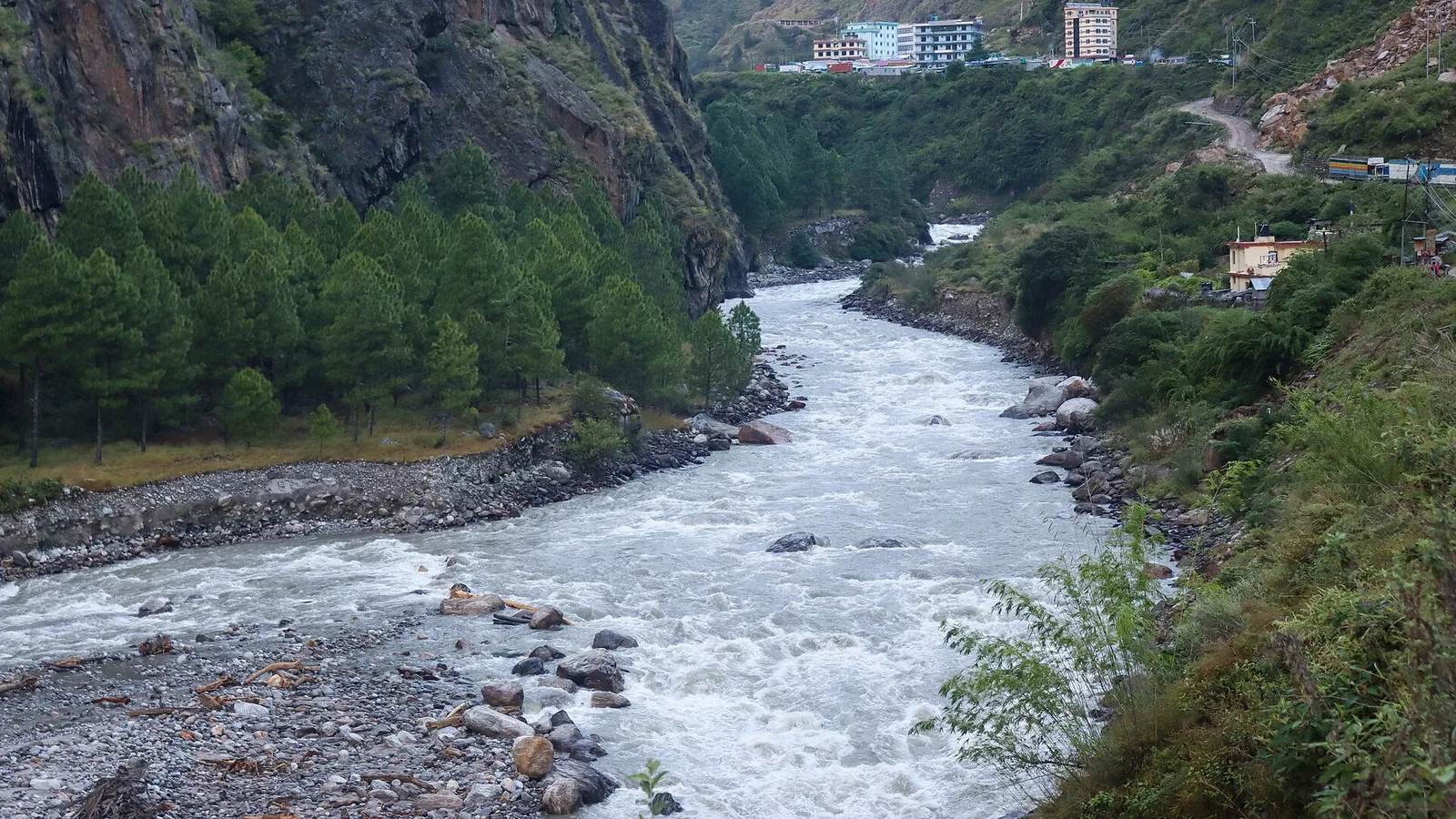
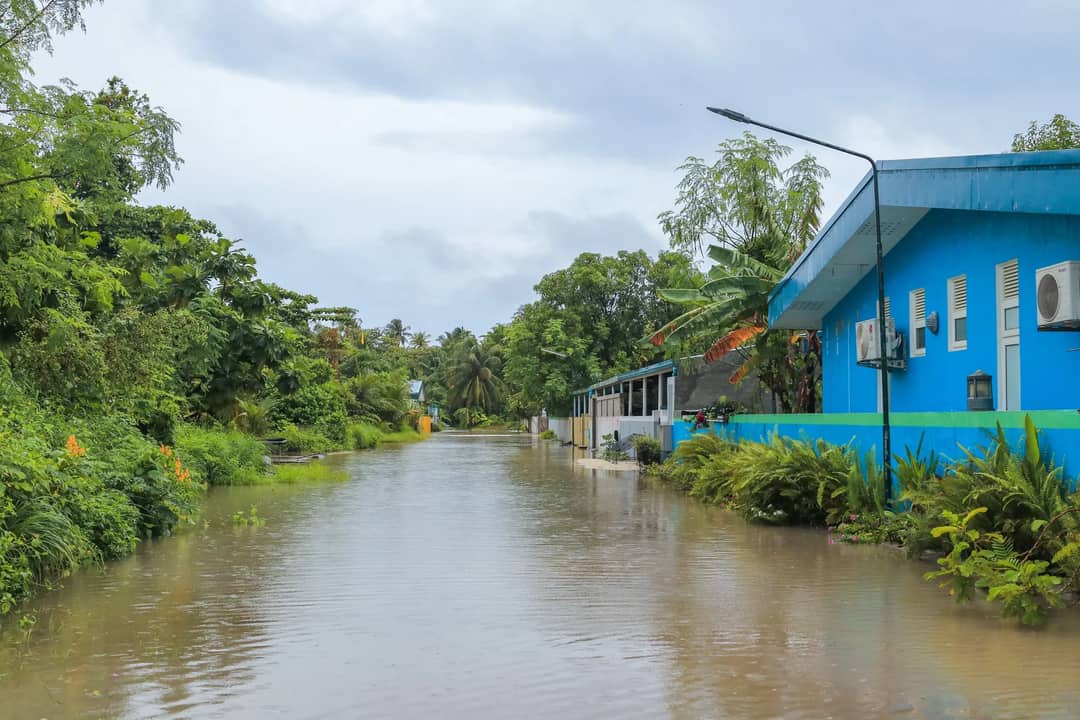
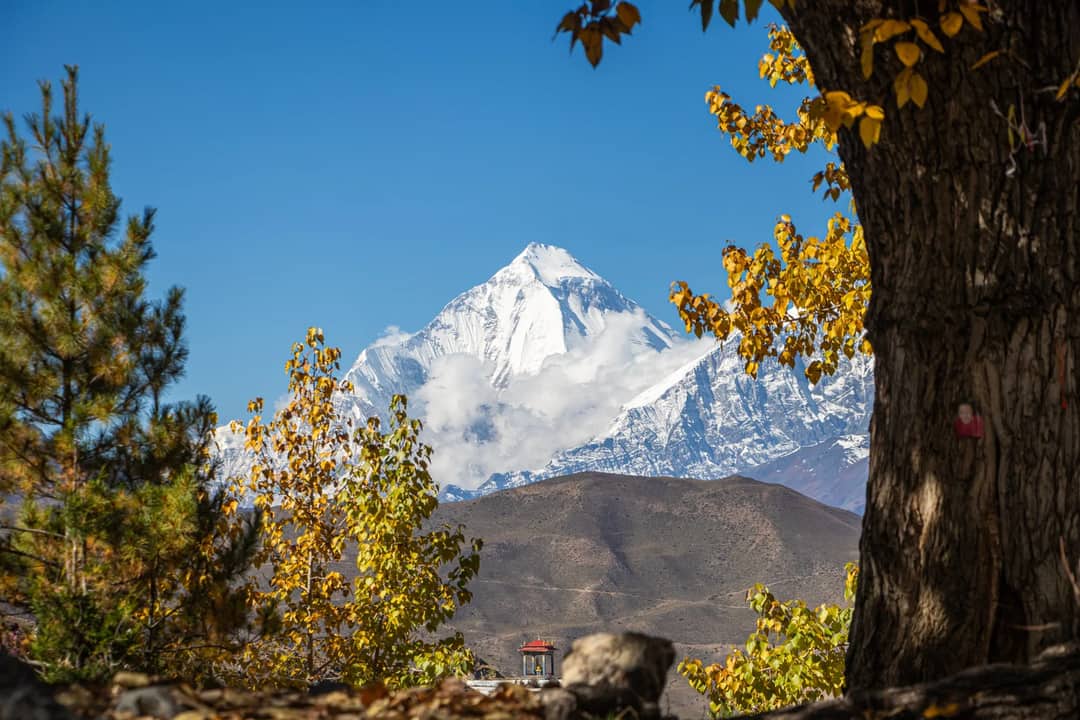
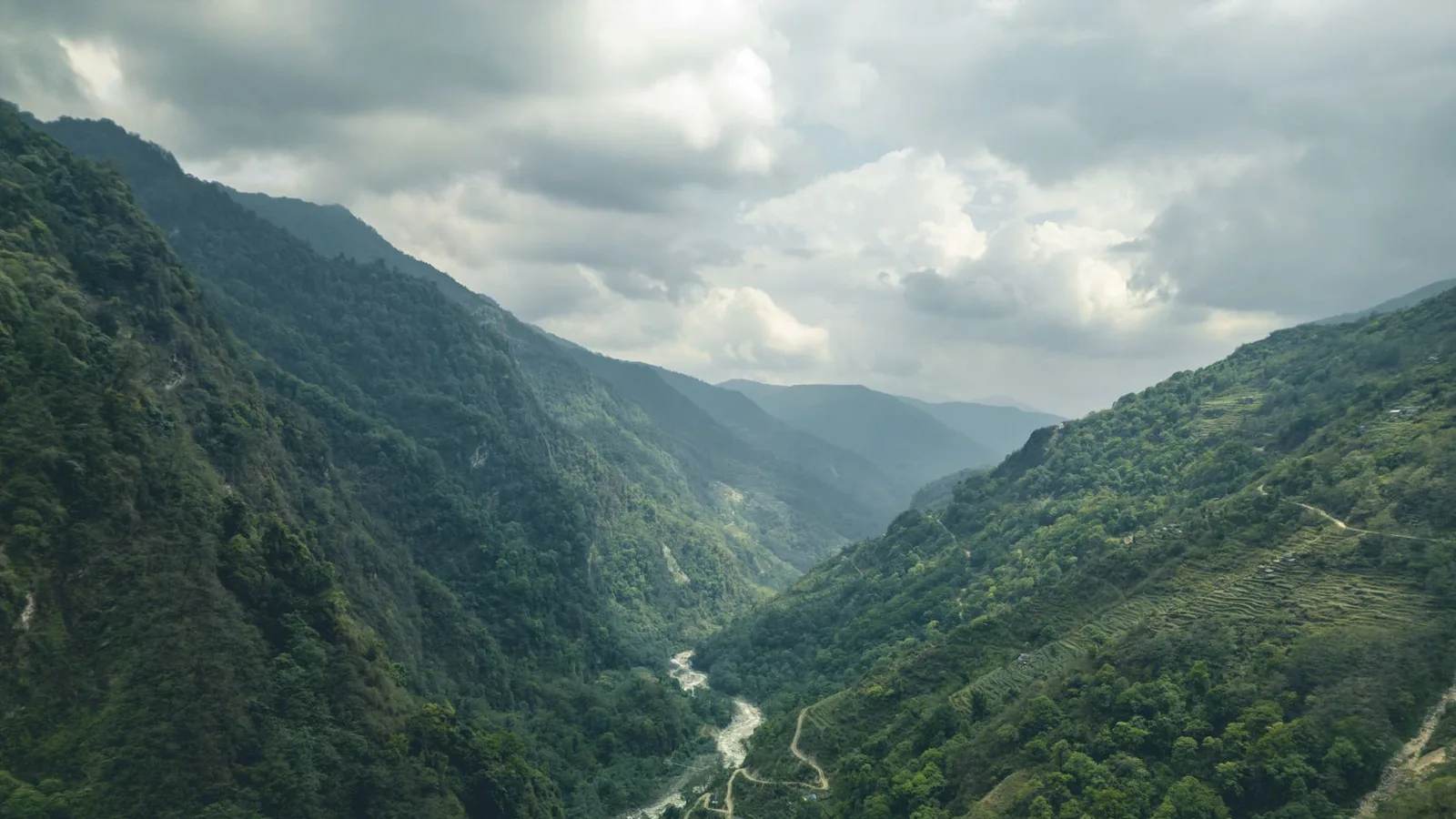
File photo: Rasuwa district in Nepal’s northern borderland, home to the Rasuwagadhi–Kerung crossing to Tibet. This is context imagery, not a picture of the 26 August 2026 flood. Photo by YubarajKhatri1 via Wikimedia Commons (CC BY-SA 4.0). Section photos: Hussain Naushad via Pexels (Pexels licence); Ben Iwara via Pexels (Pexels licence); Adem Erkoç via Pexels (Pexels licence); Roshan Pokharel via Pexels (Pexels licence).
Re-thinking an overland Tibet or Kailash trip?
The overland route through Rasuwagadhi is cut for now. If your plans are affected we’re happy to talk through the alternatives — flying in, or swapping to a trek on the Nepal side — with no pressure either way.
Message us on WhatsApp → · Ask us about your dates →
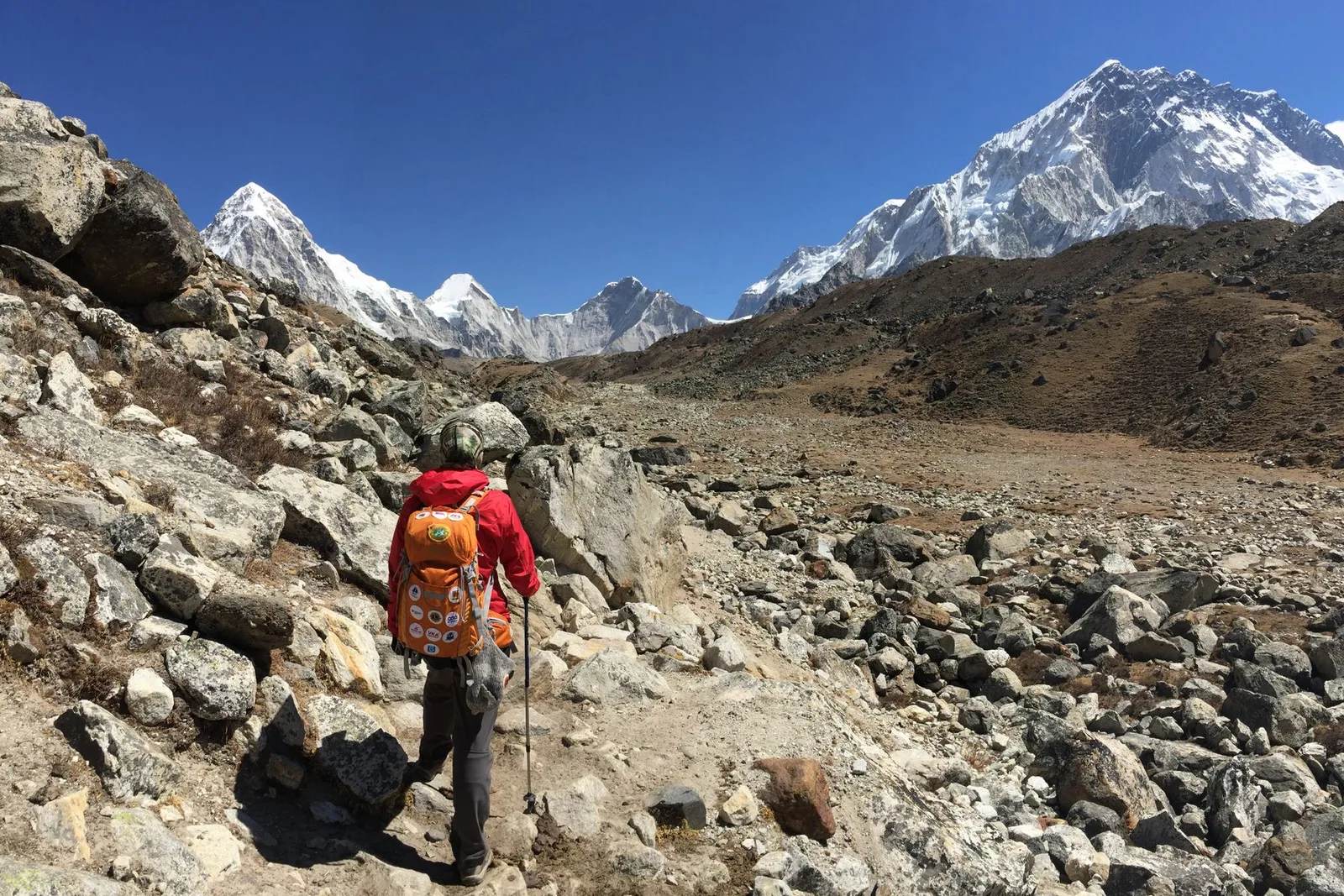
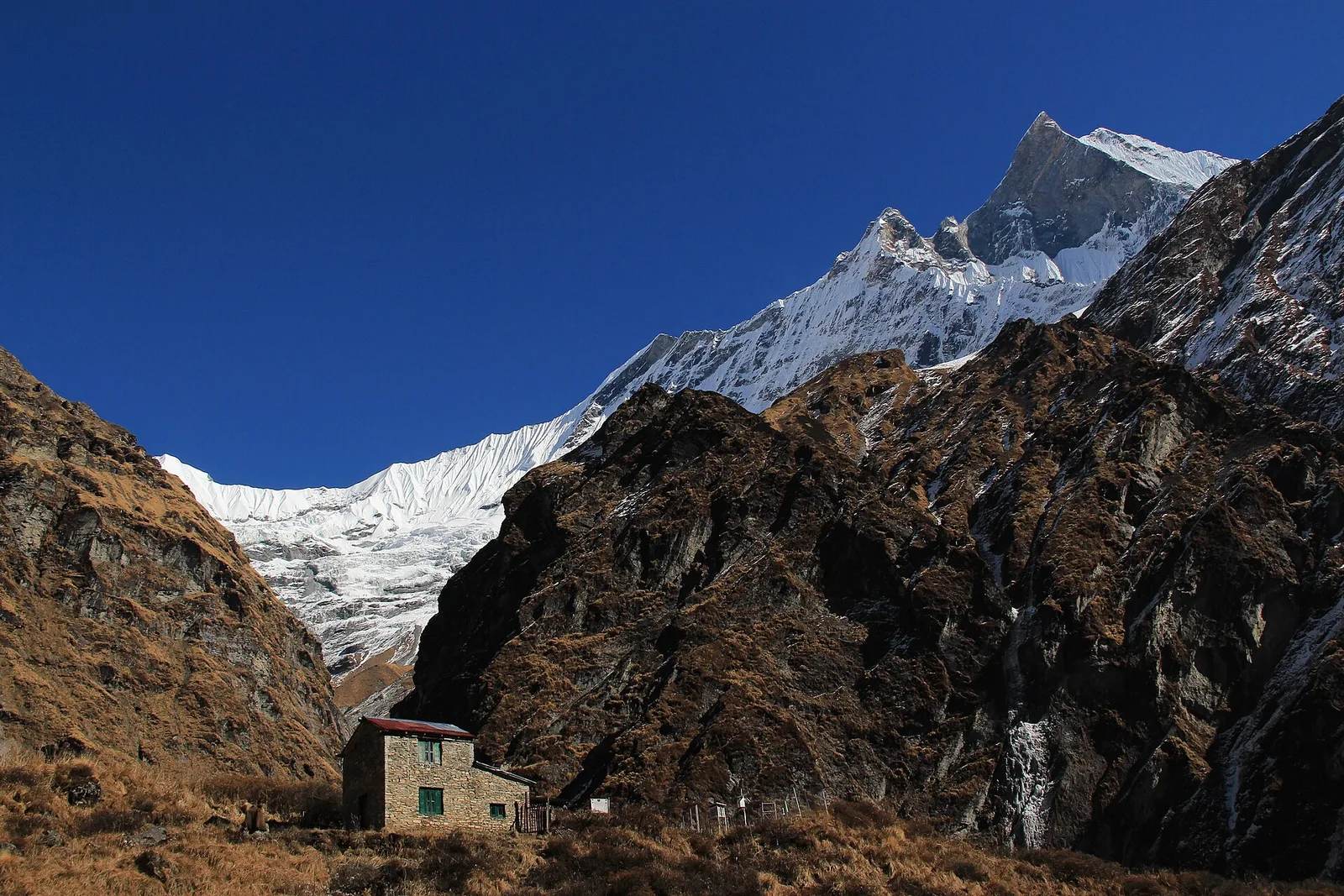
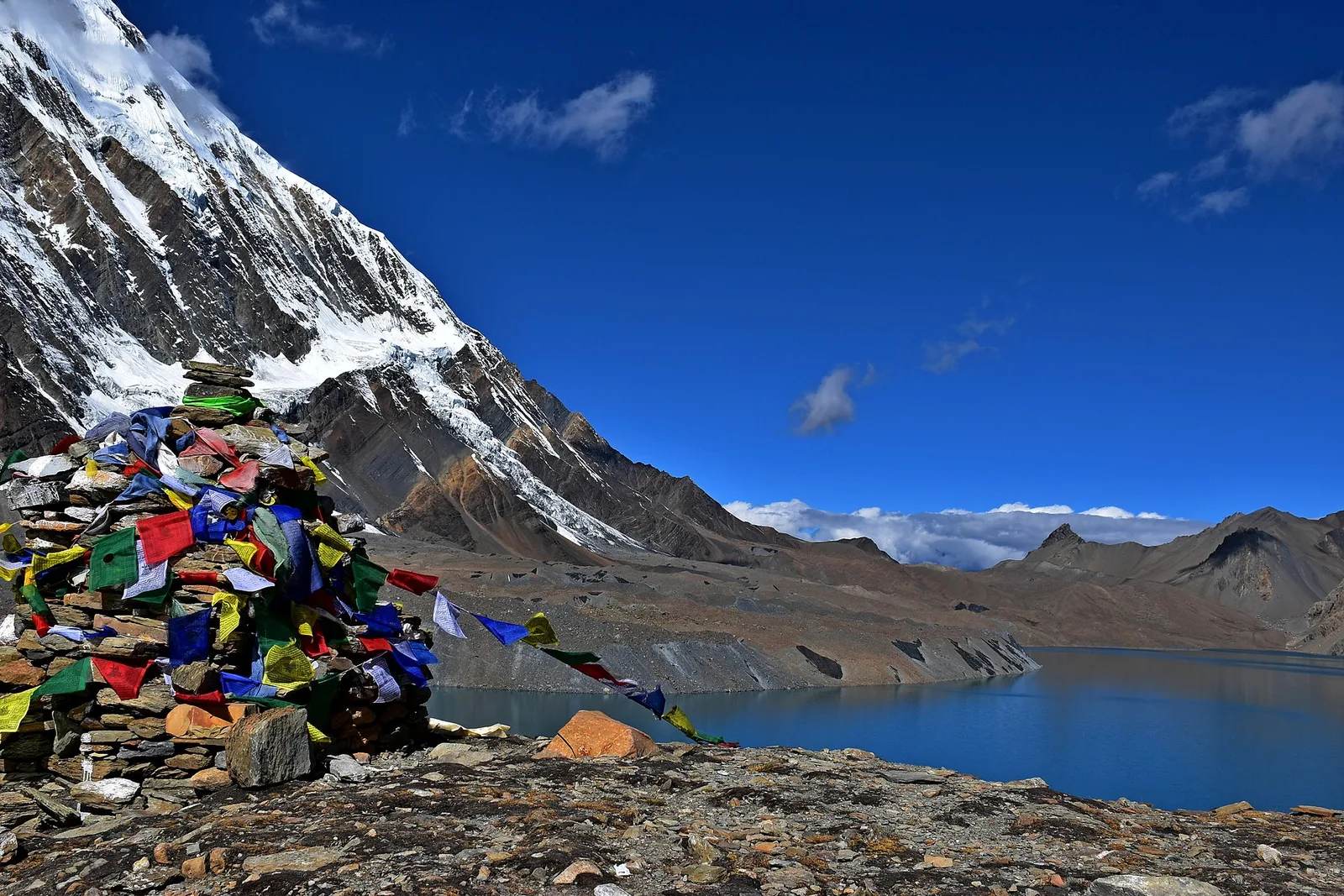
Everest Base Camp Trek — 14 Days · Annapurna Base Camp Trek — 15 days from Kathmandu
If you want to help. Nepal’s official relief channel is the government’s Prime Minister’s Disaster Relief Fund — restricted by law to rescue, relief and rehabilitation, audited annually, and it takes international cards directly. We collect nothing and receive nothing. Be careful of account numbers circulating in forwarded messages: disaster fundraising draws scams within days. Our full guide, including two vetted alternatives, is at where to donate for the Nepal floods and how to help.
Still running this season
Annapurna Base Camp Trek — 15 Days from Kathmandu is running normally
NMA-certified local guides, transparent pricing, 5,000+ treks since 1998. Message us your dates and we'll sort the permits, lodges and logistics — reply within 24 hours, no obligation.
Popular Nepal treks
All treks →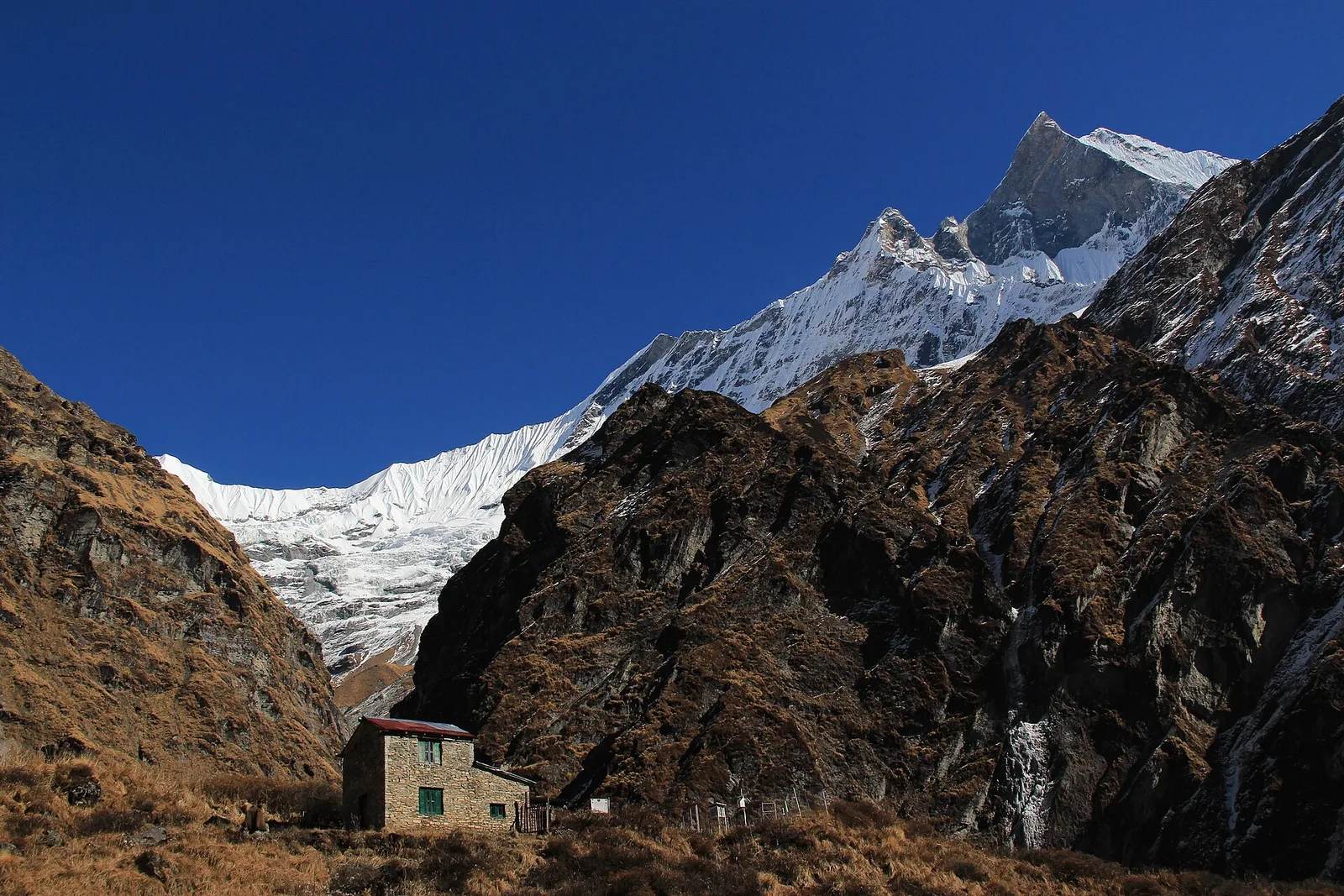
Related coverage
Safety & Advisories
The US travel advisory for Nepal now has a do-not-travel zone, and it is far smaller than you think
Washington kept Nepal at Level 2 on 31 August and added a Level 4 do-not-travel zone covering only the Rasuwagadhi–Timure–Syabrubesi corridor in Rasuwa.
Records & People
Nepal Has Two Rivers Called Bhote Koshi, and Only One of Them Flooded
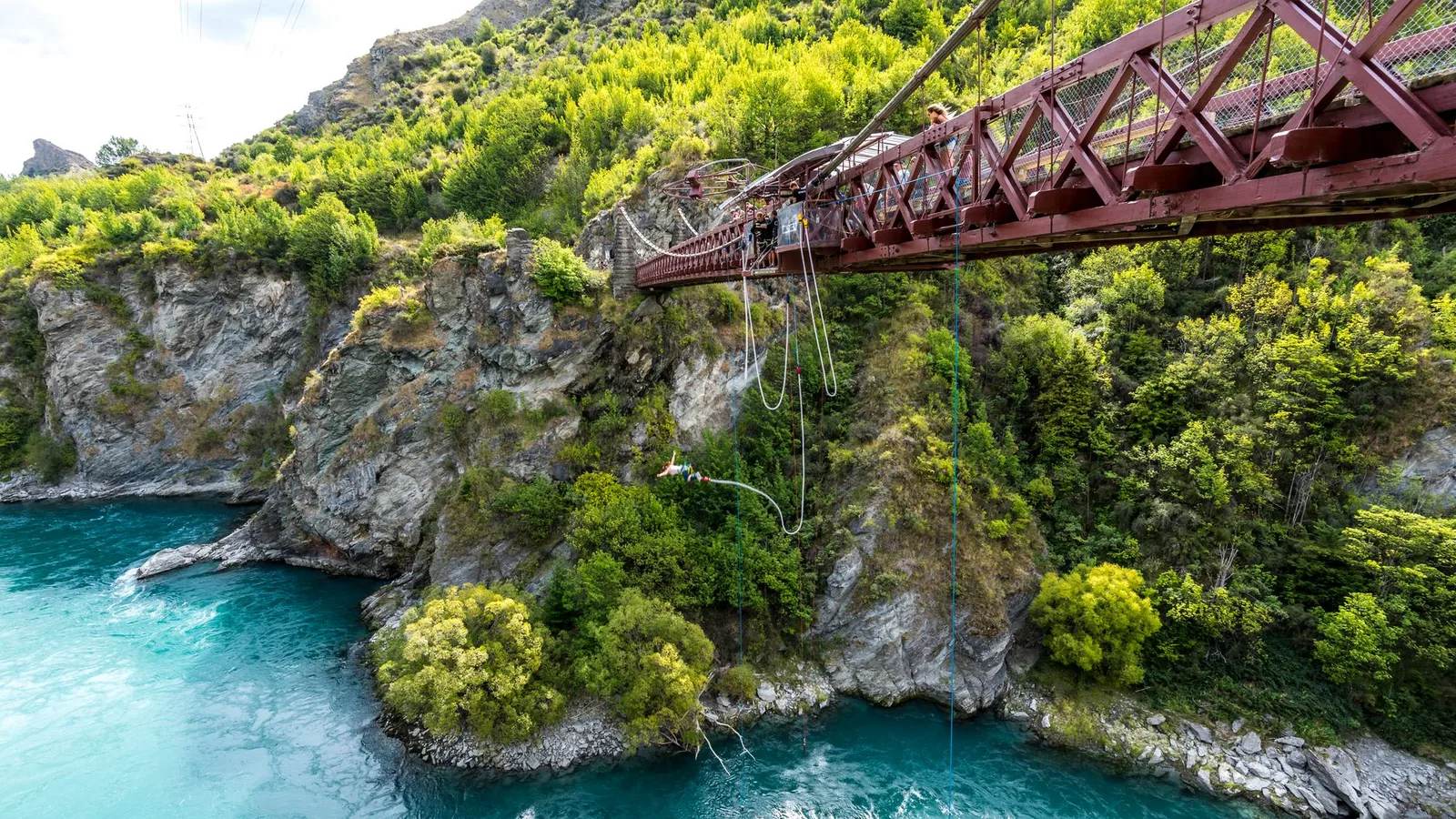
The river that destroyed the Rasuwagadhi border crossing in August 2026 and the river carrying Nepal's oldest bungee jump share a name but nothing else.

Visas & Entry
ETA vs eVisa vs Visa vs Visa-Free in 2026: What the Difference Actually Is
An ETA is a pre-screen, not a visa. An eVisa is a real visa applied for online. A visa on arrival is granted at the border. And none of them guarantees entry — the officer does. Here is the plain-English taxonomy, and where Nepal fits.

Breaking Safety & Advisories
Nepal’s tourism minister is asking you not to cancel your trek
Khadak Raj Paudel says the floods hit specific places, not the whole country, and the trails are open. Where he is right, and the bit he leaves out.
Latest from the desk
Breaking Safety & Advisories
An Avalanche Buried Himlung Himal's Base Camp in Nepal, and Ten Climbers and Staff Are Missing
An avalanche hit Himlung Himal's base camp in Nepal's Manang district on 27 September, and rescuers are searching snow for ten missing climbers and staff.

Money & Insurance
You Could Be Owed Cash From a $167 Million Visa and Mastercard Settlement, Here's How to Check
Visa and Mastercard are paying $167.5 million after allegedly blocking cheaper ATM fees, and the claim deadline is 10 February 2027.
Wildlife & Nature
Chitwan or Bardia, here's which Nepal safari you should actually book
Nepal's 2026 tiger census found record numbers in Chitwan and a rare decline in Bardia, and it changes the honest answer to which safari to book.