
Digital Nomad Visas in 2026: Which Countries Offer Them, the Income You Need, and the Tax Catch
A verified 2026 guide to digital nomad visas - Portugal, Spain, Estonia, Croatia, the UAE, Costa Rica and Thailand DTV - with the exact monthly income each demands, how long you can stay, the tax angle, and how to bolt a Himalayan trek onto your base.

At a glance
- Published · updated
- TopicVisas & Entry
- Verified againstGovernment immigration portals; Global Citizen Solutions
- Treks coveredAnnapurna Base Camp Trek — 15 Days from Kathmandu, Everest Base Camp Trek — 15 Days, Langtang Valley Trek — 7 Days
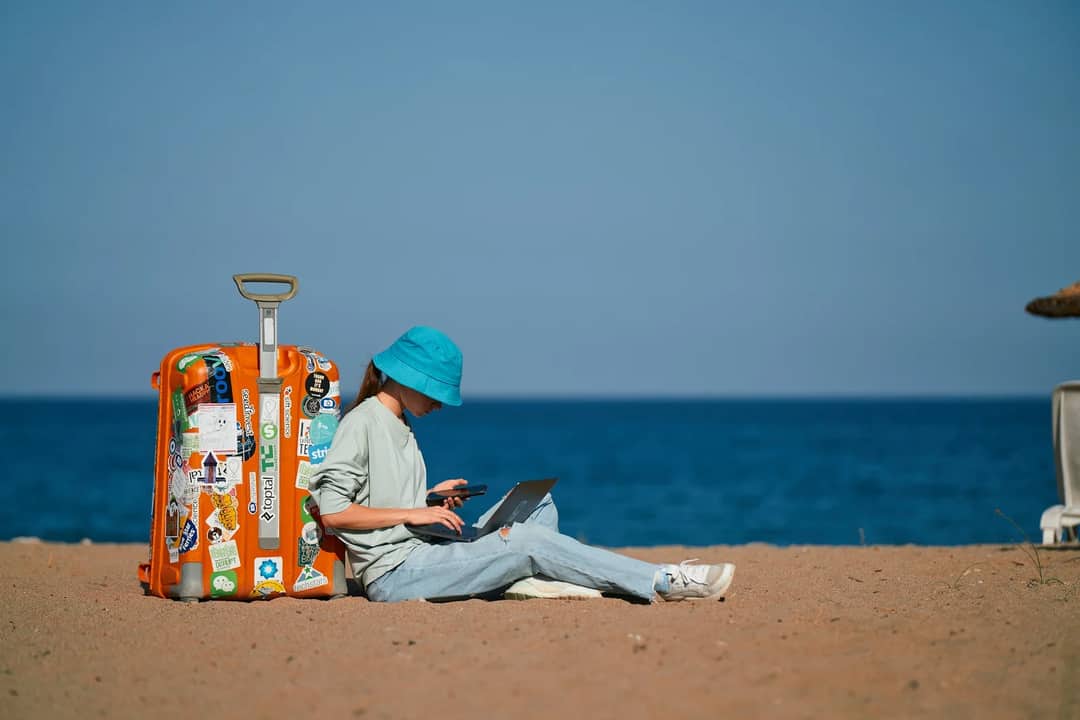
Digital nomad visas have gone from a pandemic-era experiment to a mainstream way to live abroad in 2026 — and the single question that decides whether you qualify is almost always the same: can you prove enough monthly income? Dozens of countries now issue a permit that lets a remote worker or freelancer live there legally while earning from a foreign employer or clients. The numbers vary wildly, the durations run from one year to five, and the tax picture is the part most people get wrong. Here is a verified 2026 snapshot of the visas worth knowing, what each one costs you in provable income, and the catch nobody mentions until you have already moved.
Key facts (as of 2026)
- The income bar ranges from about €2,540/month (Croatia) to US$5,000/month (UAE) — income you must document, not just claim.
- Most European nomad visas run one year; Thailand’s new DTV is a five-year multiple-entry visa.
- Some countries tax your foreign income (or offer a reduced rate); others, like Croatia and the UAE, effectively do not.
- A nomad visa does not automatically end your tax obligations back home — residency and the 183-day rule still bite.
- Base yourself in a cheap nomad hub and Nepal is a short hop away, with a visa on arrival that keeps a Himalayan trek gloriously paperwork-free.
What a digital nomad visa actually is
A digital nomad visa is a residence or long-stay permit for people who earn their money outside the host country — a remote employee, a freelancer, or a business owner with clients abroad. It is not a work visa (you cannot take a local job on it) and it is not a tourist stamp (you can stay far longer and register as a resident). What every version has in common is a means test: you show bank statements and contracts proving a steady monthly income above a set floor, plus health insurance and a clean record. Miss the income line by a euro and the application stops there — which is why the figures below matter more than the marketing.

The 2026 line-up, country by country
These are the programmes we could verify against current government and specialist immigration sources for 2026. Where a country indexes its threshold to a local minimum wage, the euro figure moves each year, so treat these as the current bar rather than a permanent one.
| Country | Monthly income required | Max stay | Note |
|---|---|---|---|
| Portugal (D8) | ≈ €3,680 (4× minimum wage) | 1-yr visa → 2-yr residence permit, renewable | Can lead to long-term residency; ~€11,040 savings also asked |
| Spain | ≈ €2,850 (200% of the SMI) | 1 yr, renewable up to 5 yrs | Optional flat 24% “Beckham Law” tax for employees |
| Estonia | ≈ €4,500 (shown over prior 6 months) | Up to 1 yr, not renewable | A visa, not a residence permit |
| Croatia | ≈ €2,540 | Up to 1 yr, not renewable | No Croatian tax on foreign income; reapply after 6 months |
| UAE (Dubai) | US$5,000 | 1 yr, renewable | No personal income tax in the UAE |
| Costa Rica | US$3,000 (US$5,000 for families) | 1 yr + 1-yr extension | Foreign income not taxed locally |
| Thailand (DTV) | ≈ 500,000 THB in funds (not salary) | 5-yr multi-entry; 180 days/entry (+180 extension) | Proof of savings, not monthly income |
Europe: the residency play
Europe’s three big options split neatly. Portugal’s D8 asks the most — around €3,680 a month, four times the national minimum wage — but it is the only one on this list that reliably converts into a residence permit and, eventually, a route to long-term residency. Spain sits lower at roughly €2,850 a month (200% of its minimum wage) and pairs the visa with an optional flat 24% tax regime for employees under the so-called Beckham Law, well below Spain’s standard rates. Estonia is the outlier: its bar is a steep ~€4,500 a month, and the permit is a visa valid up to a year with no renewal — a stay, not a settlement. Croatia is the budget entry at about €2,540 a month and, crucially, charges no Croatian income tax on your foreign earnings, though you cannot renew and must leave before reapplying after six months.

The Gulf and the Americas
Outside Europe the maths changes. The UAE (Dubai’s remote-work visa) sets the highest income bar at US$5,000 a month, but pairs it with the Gulf’s headline draw: no personal income tax at all. Costa Rica is gentler at US$3,000 a month (US$5,000 for a family), runs one year with a one-year extension, and does not tax foreign-sourced income. And Thailand’s Destination Thailand Visa (DTV), new for this era, rewrites the rulebook: instead of a monthly salary it asks for roughly 500,000 baht in provable funds, then grants a five-year multiple-entry visa allowing 180 days per stay, extendable once. For anyone treating Southeast Asia as a base, it is the most generous duration on the market.

The tax angle everyone gets wrong
Here is the catch. A digital nomad visa lets you live somewhere; it does not automatically decide where you owe tax. Spend enough days in your host country — often 183 in a year — and you can become a tax resident there, whatever your visa says. Meanwhile some countries (the United States most notably) tax citizens on worldwide income wherever they live. The friendly-looking exemptions above — Croatia and Costa Rica not taxing foreign income, the UAE having no income tax, Spain’s reduced 24% rate — are real, but they interact with your home-country rules in ways a single article cannot settle. This is the one part of nomad life worth paying a cross-border tax professional to check before you move, not after.
Before you apply
Confirm the income figure on the official government or consulate portal on the day you apply — thresholds indexed to a minimum wage move every year, and specialist blogs lag behind. Have six months of bank statements, your remote-work contract or client invoices, private health insurance, and a clean criminal record ready before you start; those four documents block more applications than the income test does. And for the wider entry picture — the eVisas, eTAs and fees now layered on top of “visa-free” travel — see our guide to the 2026 entry-rule changes and our roundup of the easiest countries to visit in 2026.
The Nepal angle: base cheap, trek easy
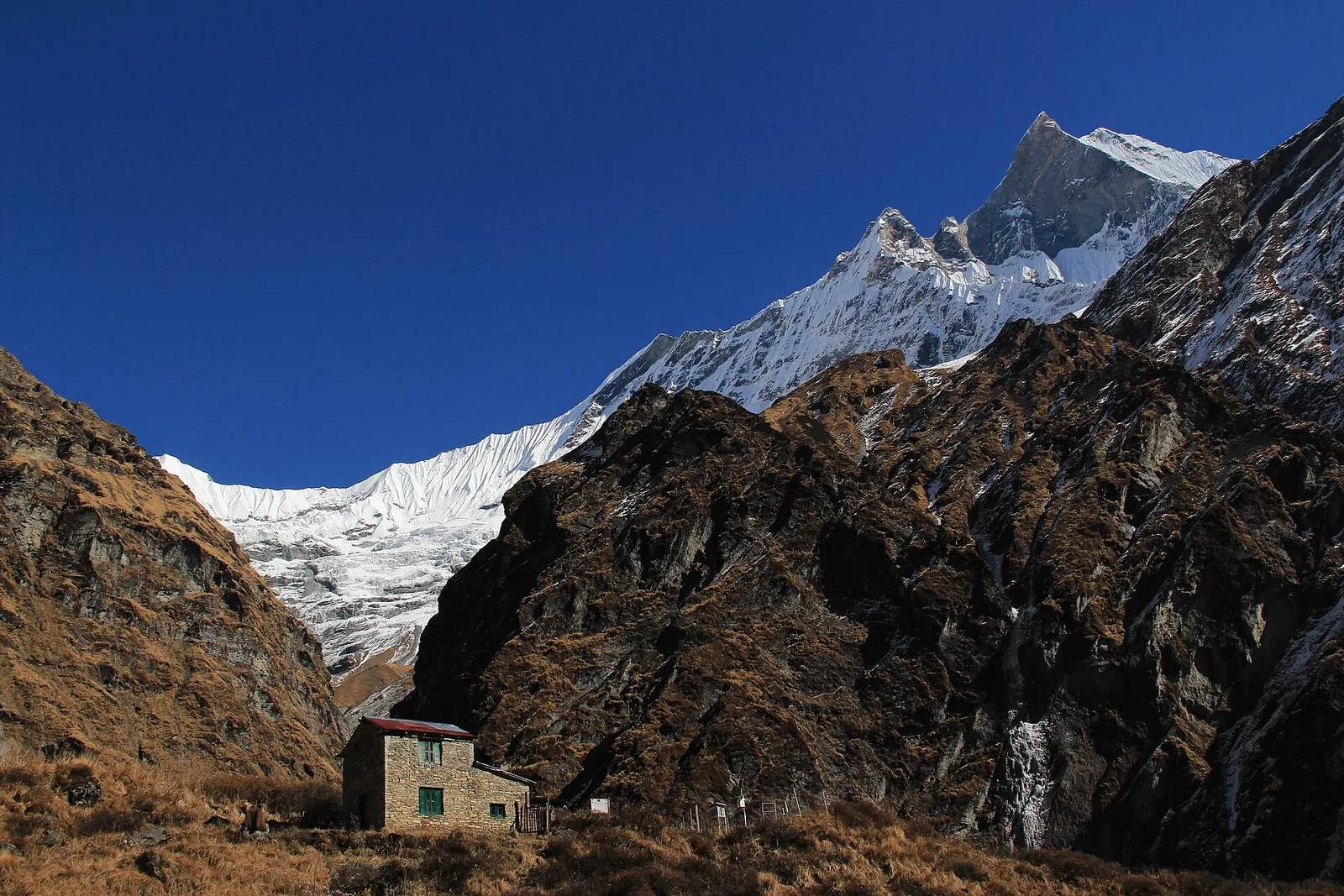
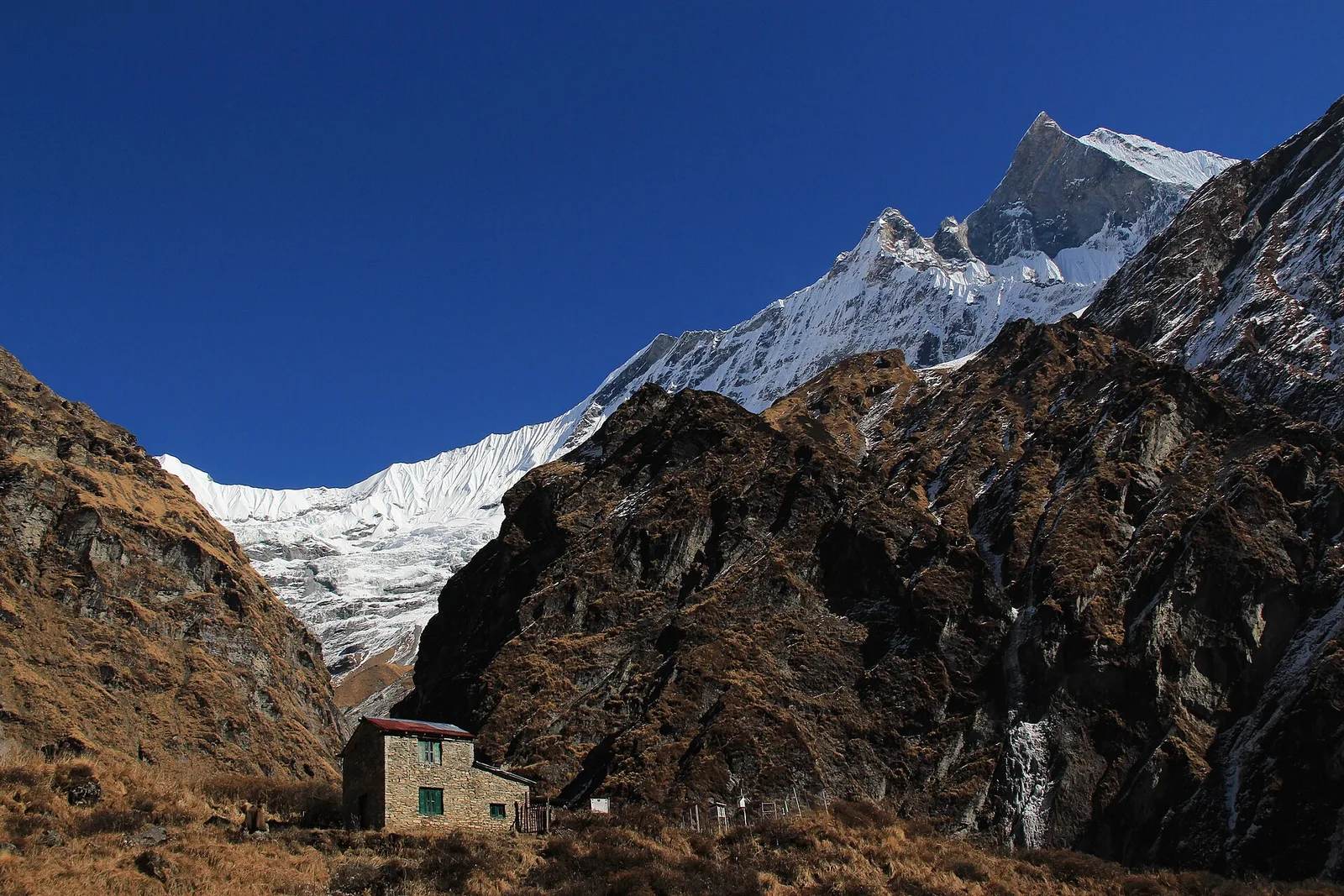
Here is the move that ties it together. Set your legal base in a low-cost nomad hub — Thailand on that five-year DTV, or Croatia and Portugal in Europe — and the great trekking countries are suddenly a short flight and a simple border away. Nepal is the friendliest of all: no embassy appointment, no advance form, just a visa on arrival in Kathmandu for almost every nationality (US$30 for 15 days, US$50 for 30, US$125 for 90), paid in cash at the airport. That means a remote worker living in Bangkok or Lisbon can fly in, get stamped in five minutes, and be on the trail within days — no visa run, no waiting.
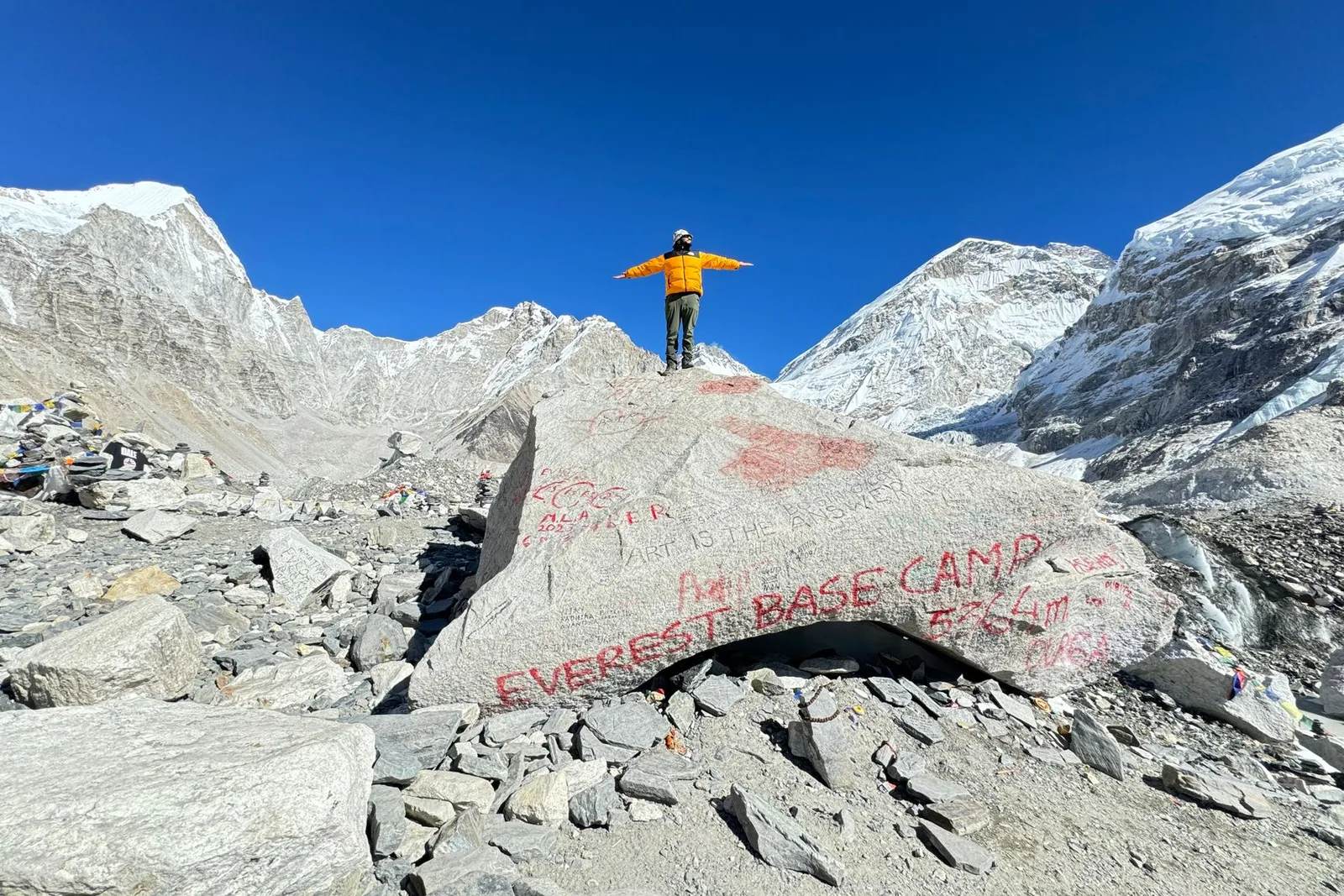
If you are already living the location-independent life, Nepal is the natural adventure add-on: swap the cafe desk for a fortnight on the Everest Base Camp trail or the Annapurna Sanctuary, then head back to base. Browse our guided Himalayan treks and build one around your next border hop — the paperwork, for once, is the easy part.
Cover photo: Ono Kosuki via Pexels (Pexels License). Section photos: Anastasiia Nelen via Unsplash (Unsplash licence); Rubaitul Azad via Unsplash (Unsplash licence); Erin Larson via Unsplash (Unsplash licence); Daniele Franchi via Unsplash (Unsplash licence); Tima Miroshnichenko via Pexels (Pexels licence).
Still running this season
Annapurna Base Camp Trek — 15 Days from Kathmandu is running normally
NMA-certified local guides, transparent pricing, 5,000+ treks since 1998. Message us your dates and we'll sort the permits, lodges and logistics — reply within 24 hours, no obligation.
Popular Nepal treks
All treks →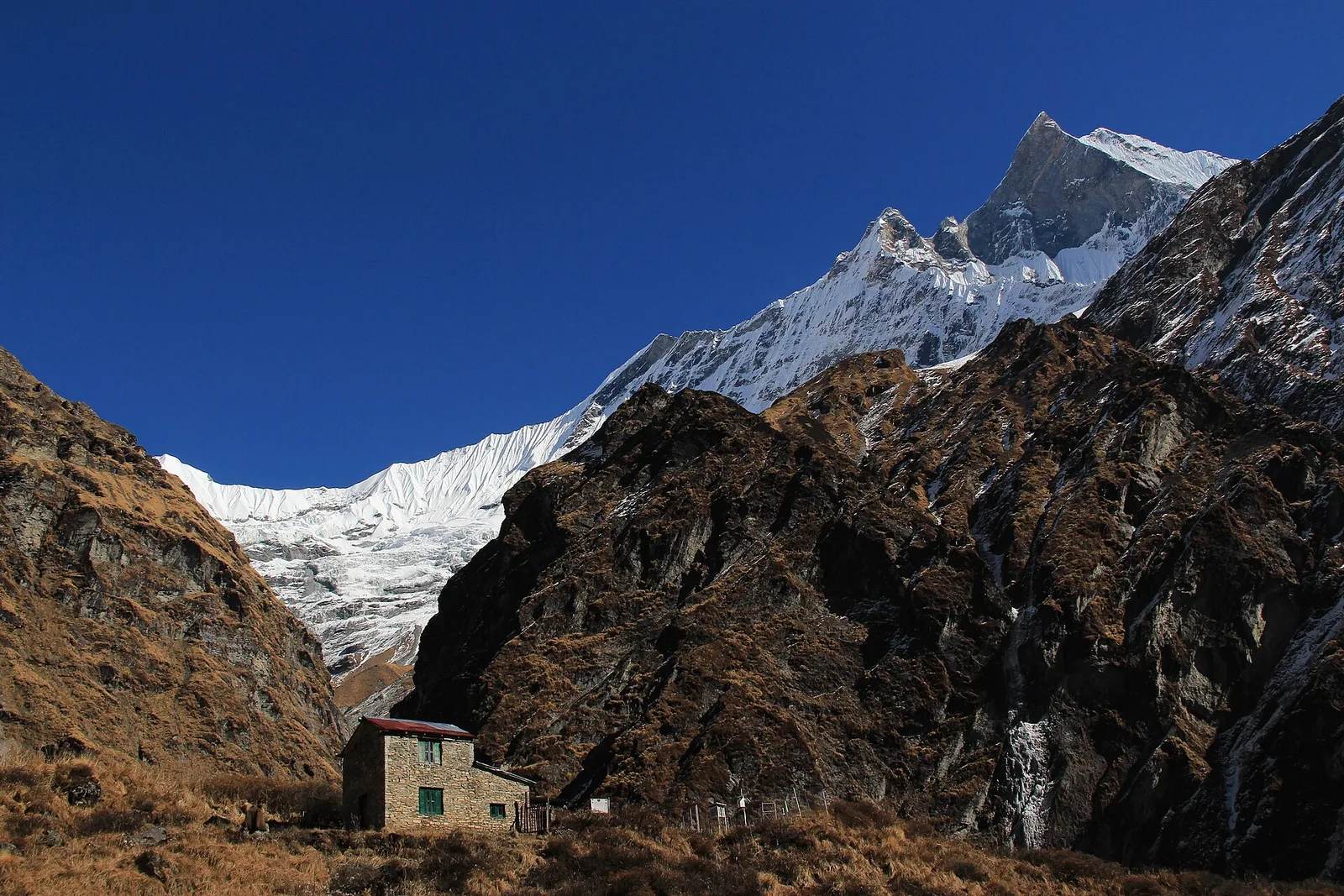

Related coverage
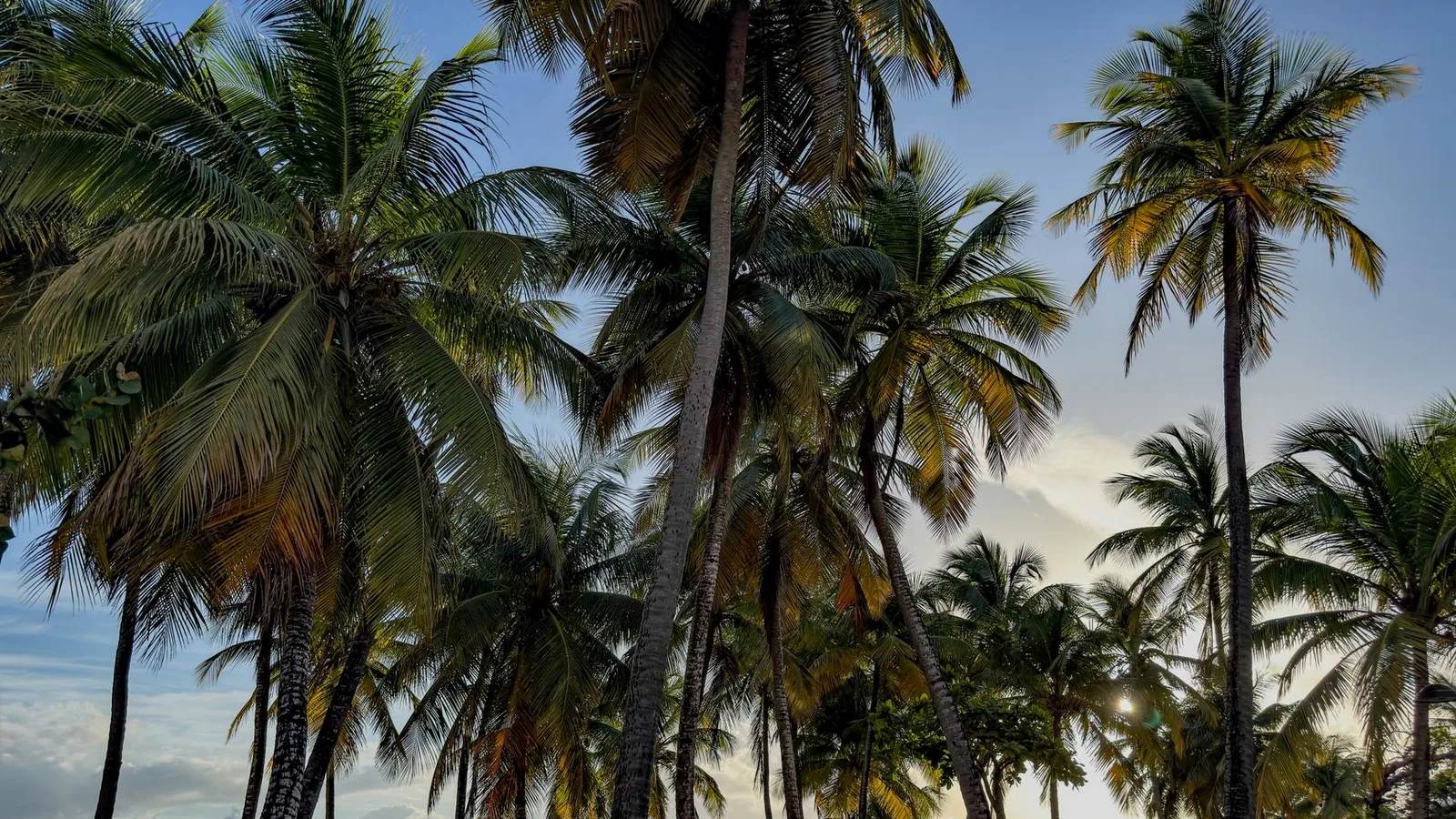
Visas & Entry
Where Americans can travel without a passport, and the catch in each case
Puerto Rico, the US Virgin Islands, Guam and the Northern Marianas need no passport. American Samoa and closed-loop cruises accept a birth certificate.
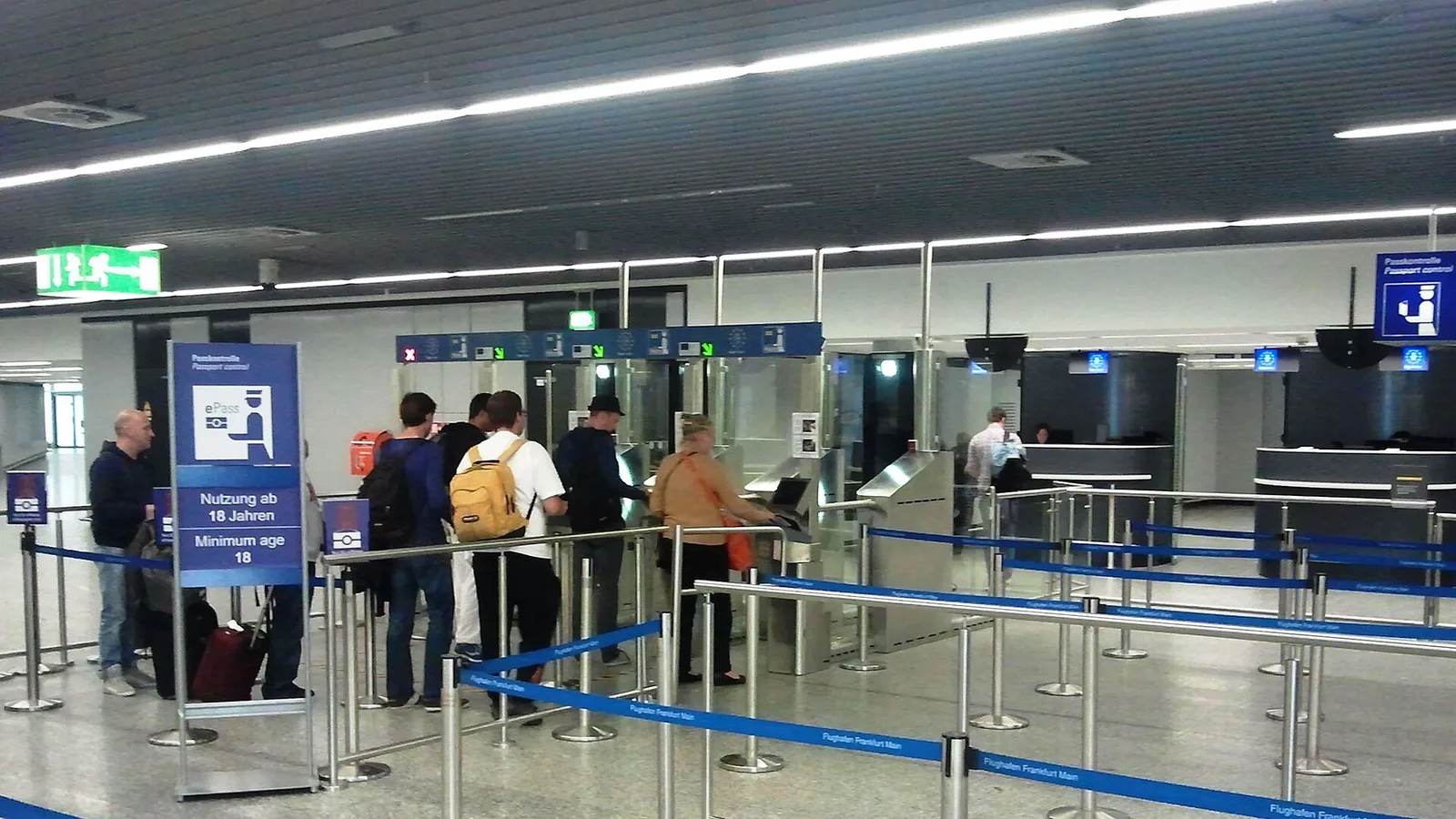
Visas & Entry
The EU just let nine countries relax its EES border checks. Is your airport one of them?
Europe’s EES fingerprint grace period ended on 6 September, then nine countries were reportedly allowed to keep it. What it means for your border queue.
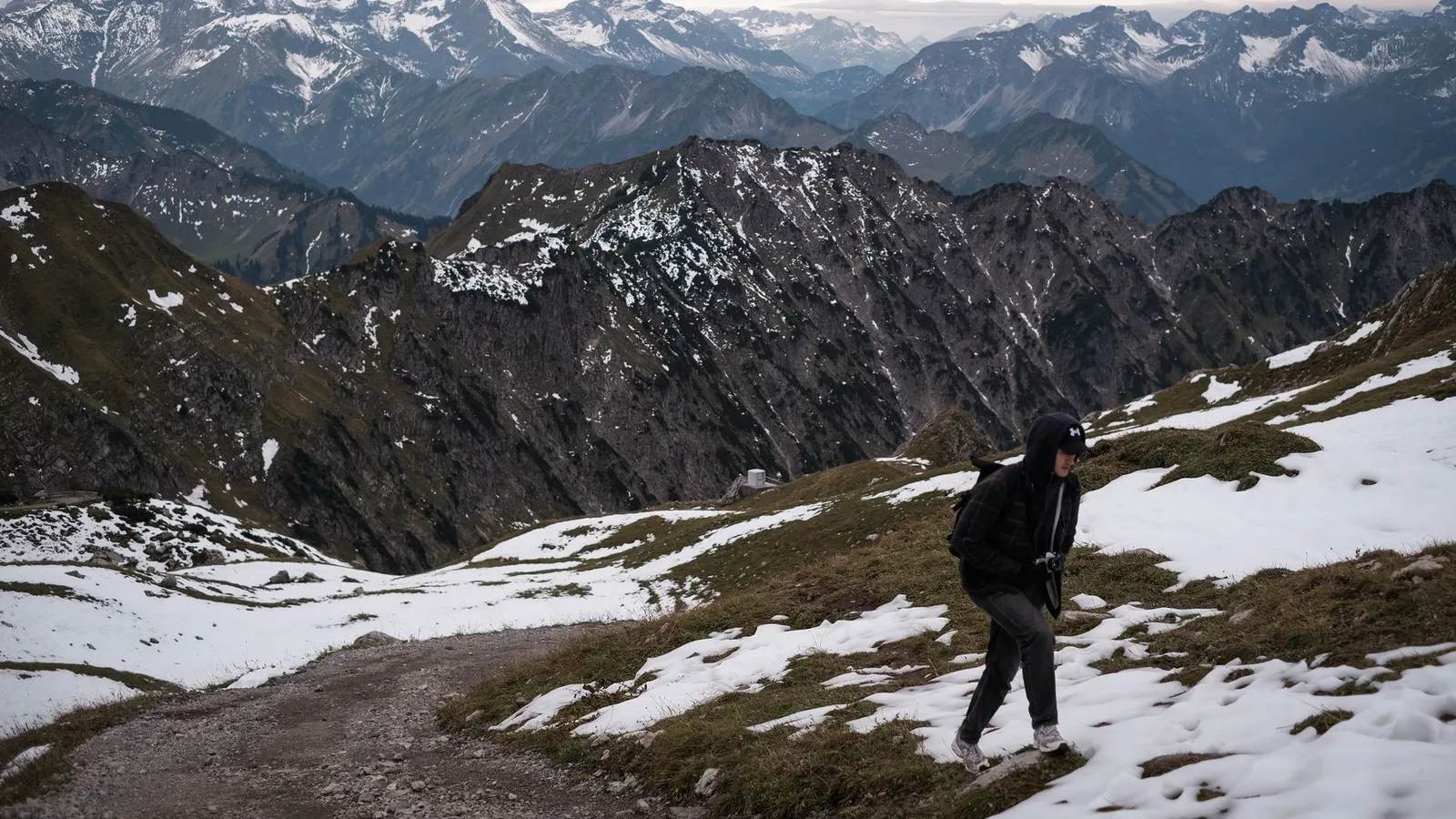
Gear & Tech
Merino or synthetic base layers, and what a lab found when it measured the smell
Merino wins the week-long wear, synthetic wins the overnight dry, and the lab reason merino stays fresh is not the bacteria story you have been told.

World Destinations
Altitude sickness doesn't need a mountain, just a flight to Cusco
Altitude illness starts around 2,450 m, and Cusco, La Paz and Lhasa all sit above it. Flying straight in is harder on you than walking to Everest Base Camp.
Latest from the desk
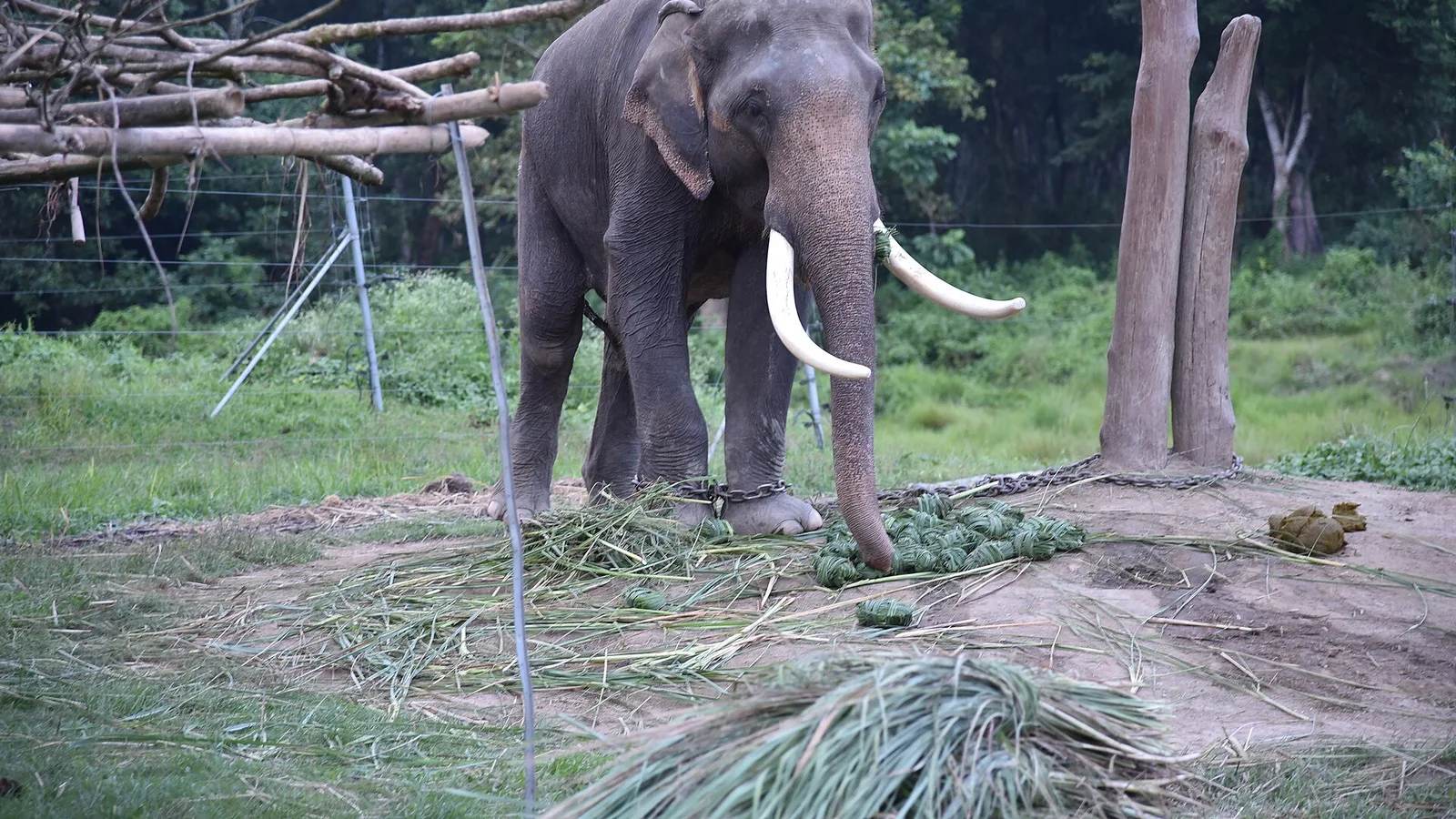
Wildlife & Nature
Chitwan or Bardia, here's which Nepal safari you should actually book
Nepal's 2026 tiger census found record numbers in Chitwan and a rare decline in Bardia, and it changes the honest answer to which safari to book.
Safety & Advisories
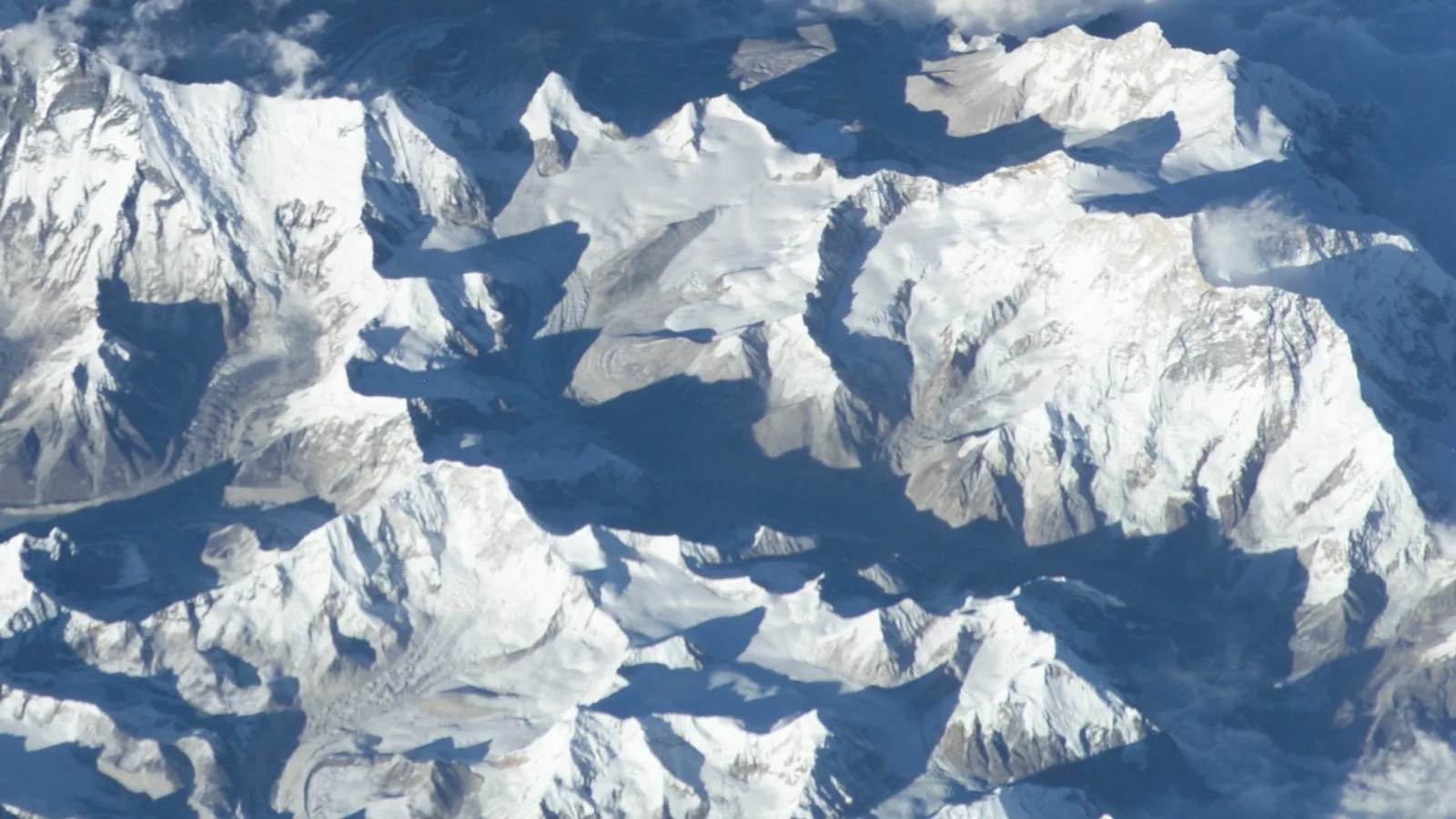
Lobuche East or Island Peak, here's which one should be your first Himalayan climb
Both cost the same permit and sit within 70 metres of each other in altitude, but our guides say the harder climb isn't the one most people assume.
Breaking Flights & Access
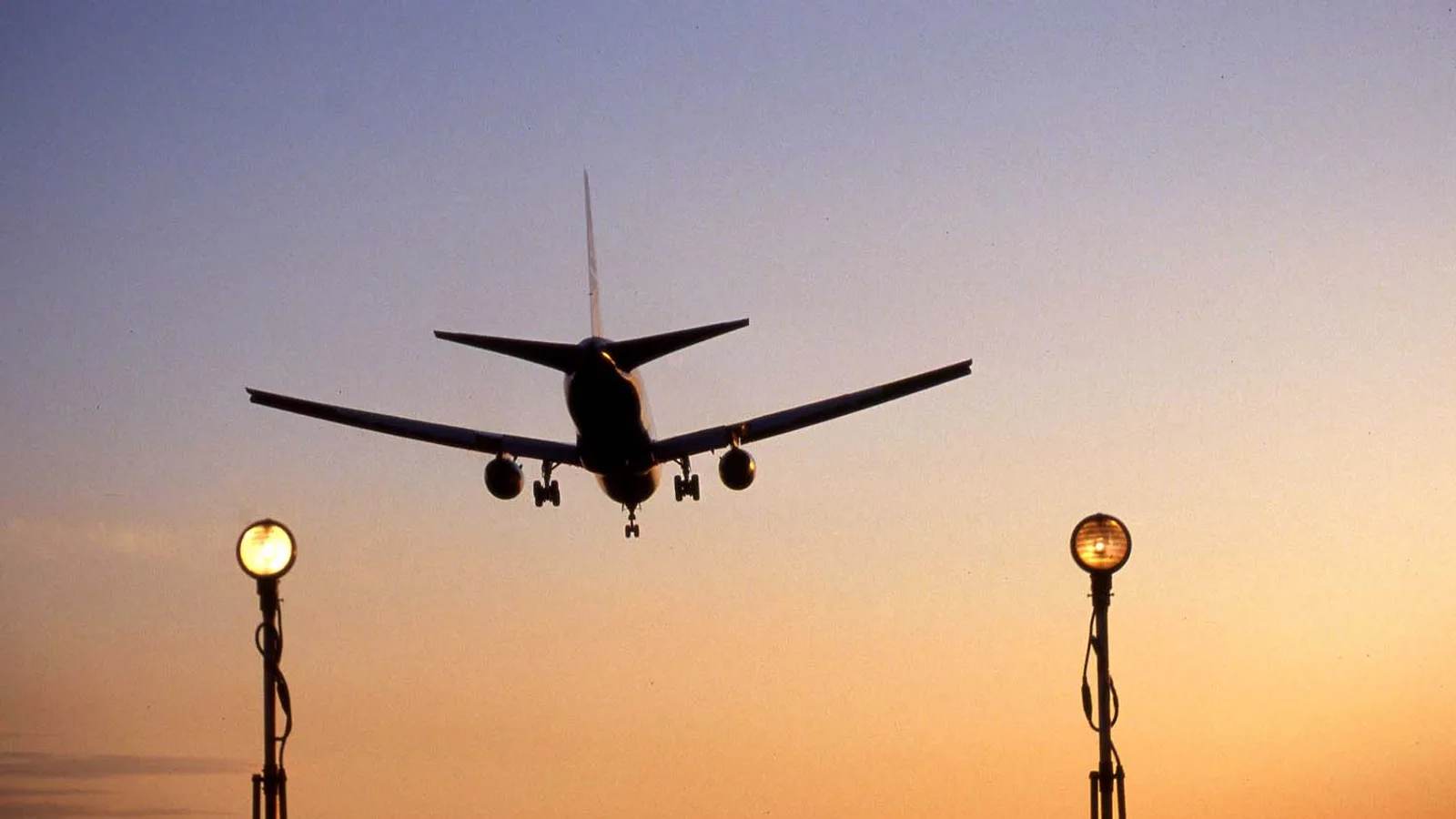
Heathrow's Third Runway Just Slipped Four Years to 2039, Here's What Actually Changes for Your Fare
Heathrow says its 2035 third-runway deadline is unrealistic and now targets 2039, leaving London's capacity squeeze unresolved for years.